Books, modern history

Find me a John Steinbeck!

I don’t talk about politics or current affairs because increasingly they dumbfound me. That doesn’t mean to say that I do not want to understand them! To this end we read a lot. Bill scans the internet and me, well I’ve been mining other resources for insights.

Having accidentally come across a review of East of Eden by John Steinbeck I ordered a copy instantly from Audible. Hooked immediately, I did what I do when I want to understand how something is written; I made haste to the bookshop and treated myself to a paper copy.
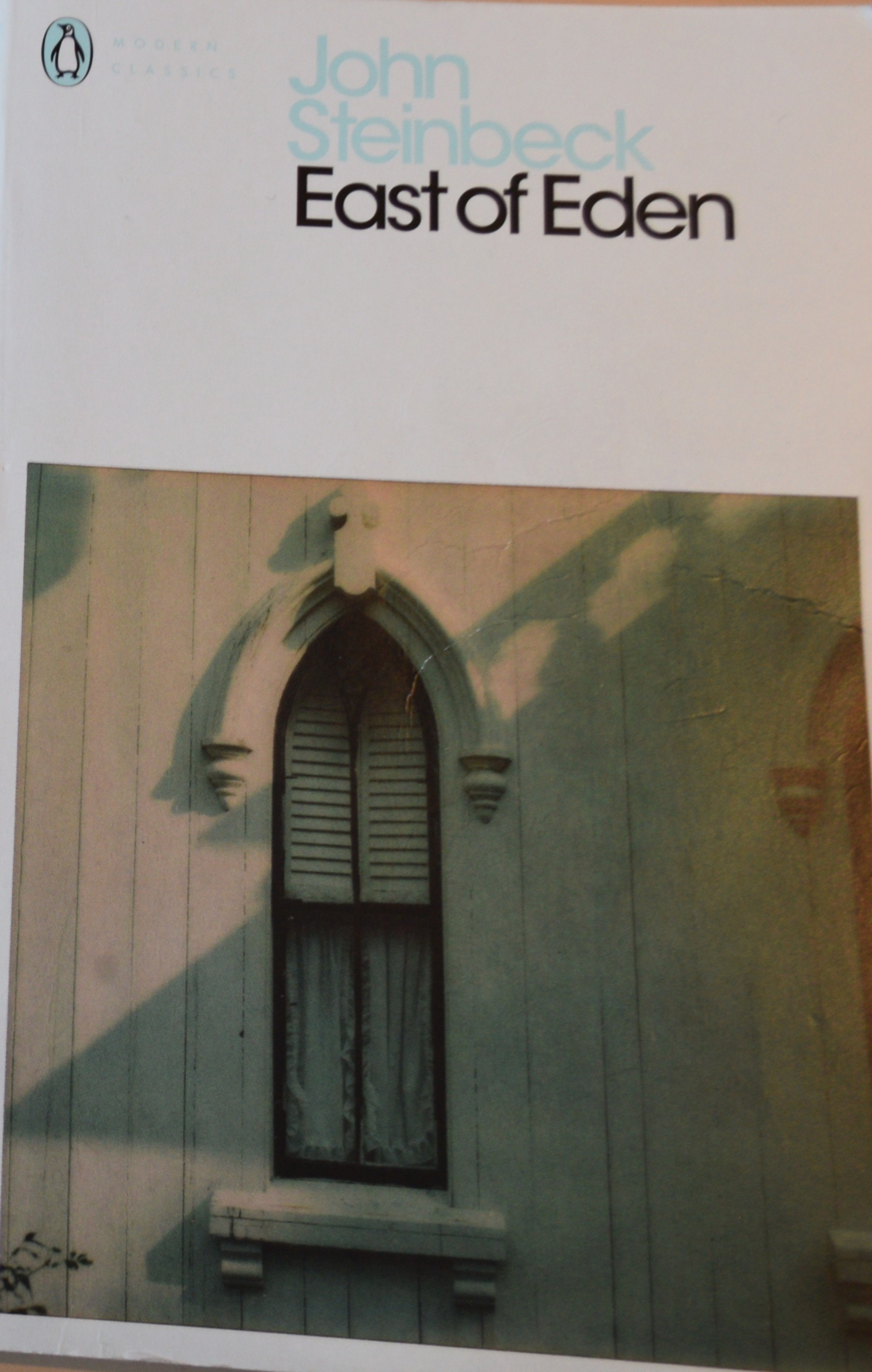
Didn’t get around to this when I was young but probably enjoyed it much more now I am old; it has such depth and perspective as it follows the fortunes of two US families over 3 generations through the late 19th and early 20th century. It explores sibling rivalry and social ills, friendship, hypocrisy, old fashioned good and evil and inter-generational consequences with drama and sensitivity.
Beautifully written, intelligent and absolutely riveting! This is one of his later works published in 1952

Steinbeck was born in 1902 — so contemporary with my grandparents. This gives me a point of reference as he looks back at his own family history. It underlines some of the differences in our countries, separated (as George Bernard Shaw said) by a common language; this is a literary work with a youthful bluntness, lack of euphemism and less hypocrisy — honest social and sexual observation which would have had him banned in the UK.

This may be why, despite his Nobel Prize for Literature, it was so poorly received by some of the US literary establishment. We can all be touchy about our own culture.

His most famous book was The Grapes of Wrath (1939).

The subject (the great depression, the dust bowl, migration and social unrest) didn’t seem very relevant when I was young but, By God, it is relevant now. It won the Pulitzer prize and if written today would win it today. It is a master class in writing. If you want to understand what on Earth is happening in our world you would do well to start here. John Steinbeck takes a long, hard look at an underclass; migrants within their own country (like the Welsh and the Irish or gypsies; in Britain), at aspects of capitalism and human nature, family and, thankfully, at the resilience of the human spirit.

He was criticised a good deal for his assumed politics and was probably lucky to survive the communist-phobia of McCarthyism in the 50’s. Today he seems more like an unbiased observer. He wrote emotionally and socially sensitive, beautiful prose. I cannot praise him enough — if you want a starter, read Of Mice and Men (1937) a short novel about a kind, simple (we’d call him mentally handicapped) man, a victim of his own physical presence — it is full of foreboding. I read it first when it was 3/6 (17p) recommended by my English teacher, she knew I was a reluctant reader and that what I needed was something really good. It was, but sadly it took 60 years to face his longer novels!

Still — what a joy now. But tell me, who is the modern equivalent to John Steinbeck — who will explain to me what is going on now? Any ideas?
Standard
Wales, weather

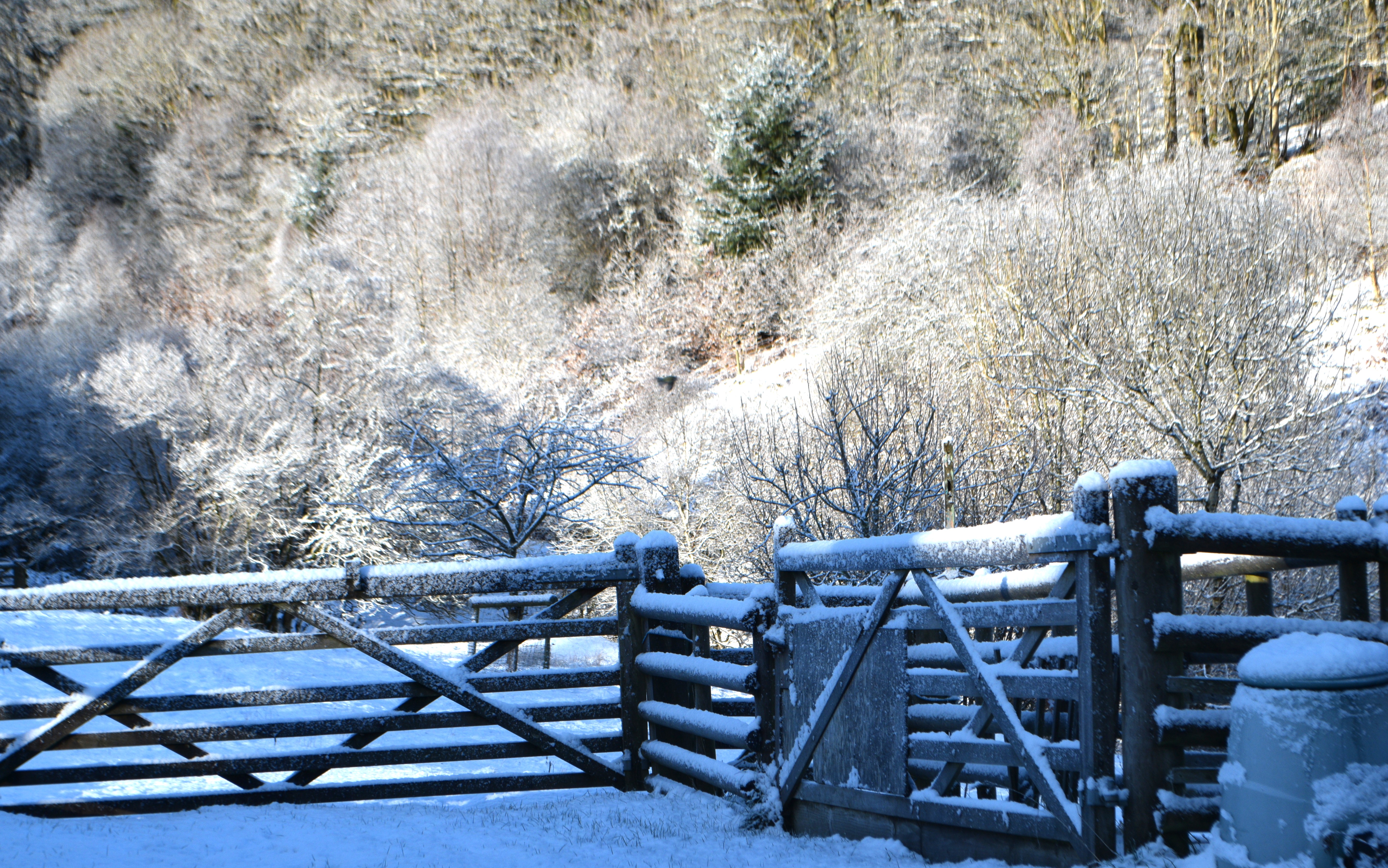
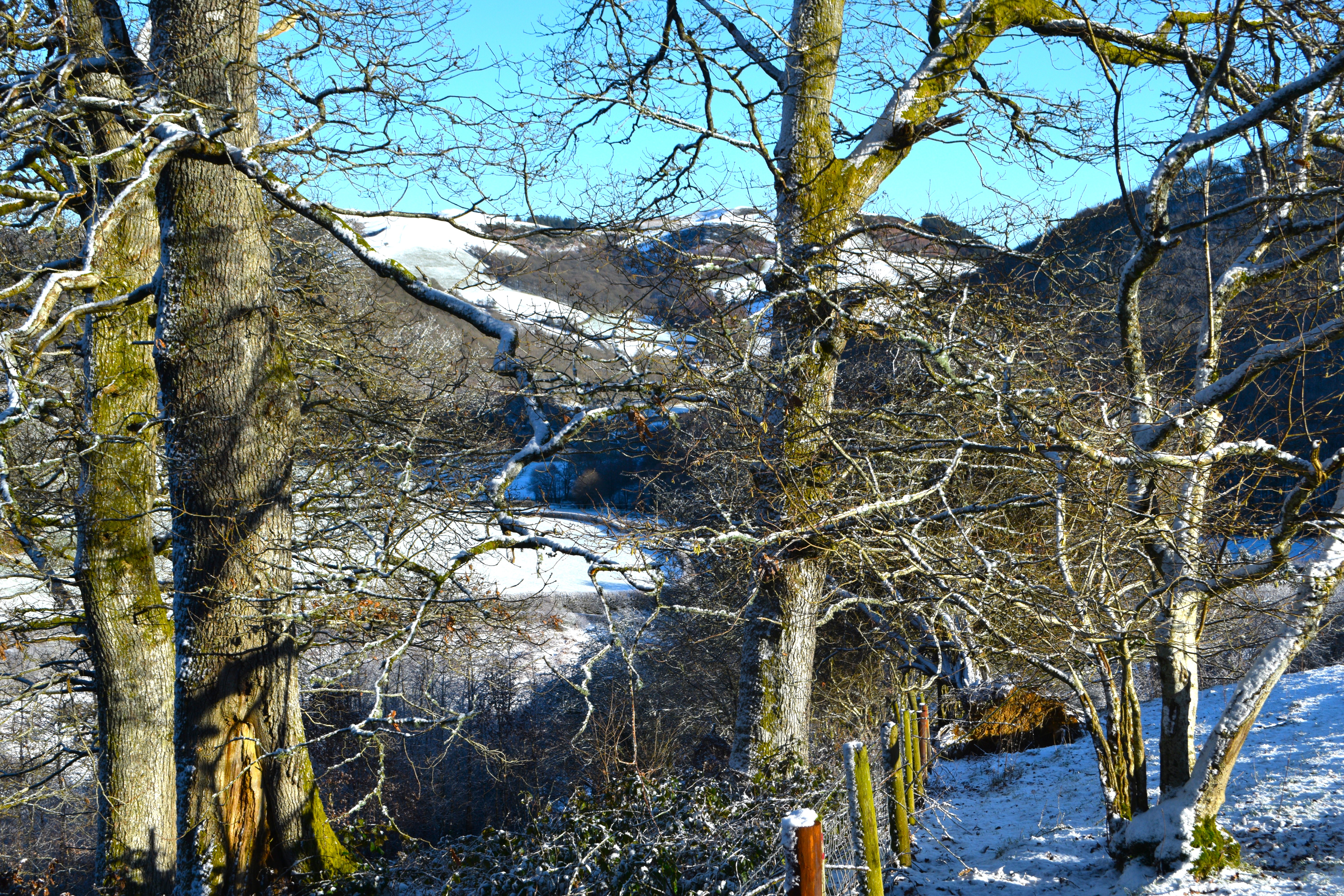
A walk on the white side!

Home in time for winter!

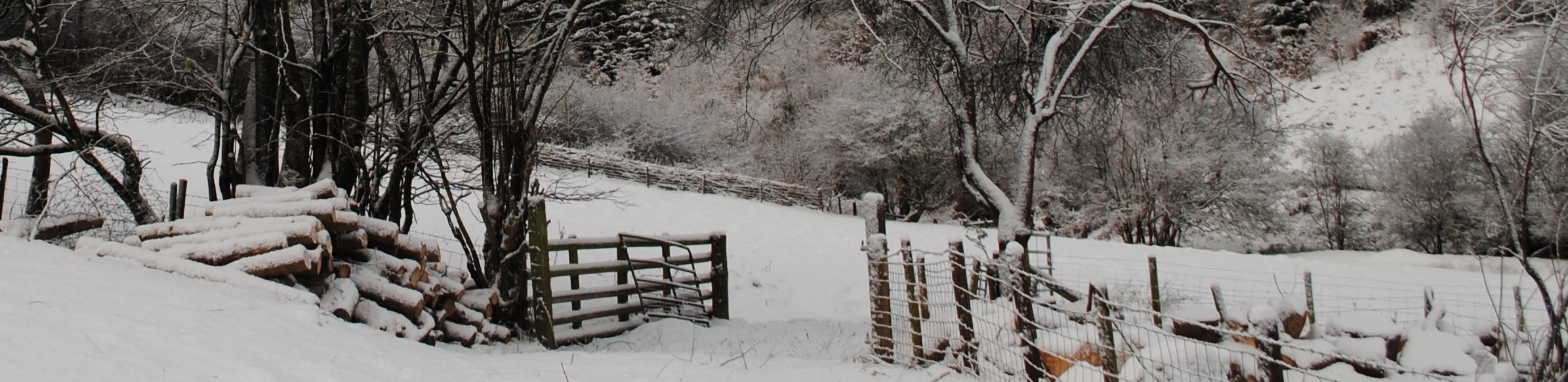
Last night was clear and the moon full, making deep moon shadows, but nothing moved.

Hardly any footprints in the virgin snow this morning — all mammals, apart from one hardy fox, are snug in their lairs. One sparrow nips out of his nest in the masonry at the corner of our house to pinch a feather from someone else’s nest in the hedge — minus 5 degrees centigrade in the night and he must be increasing his insulation.

We walk on the hill, looking for redwings and fieldfares.

Not even a starling stirs but there is the drumming of a greater spotted woodpecker from the woods — so early, must be experimenting with the acoustics.

Here are his instruments. The air is clear and crisp. The sheep have been evacuated to somewhere more sheltered and nearer home for the shepherd.

Down our valley nothing moves but the two abandoned cars that we almost slid into yesterday have been rescued with some nifty gritting and have returned home to await a thaw.

Our footsteps creak as we descend for a second cup of coffee.

Standard
lifestyle

What I learned in 2025…

It’s the young ones that breakdown. The heirlooms, like my mother’s first and only microwave oven, circa 1975, still plods on in my kitchen, rotating the porridge, making stranger and stranger noises — four times the size of a modern one and ten times the weight!

The newer, double-hob-cooker went on working but the doors fell off.

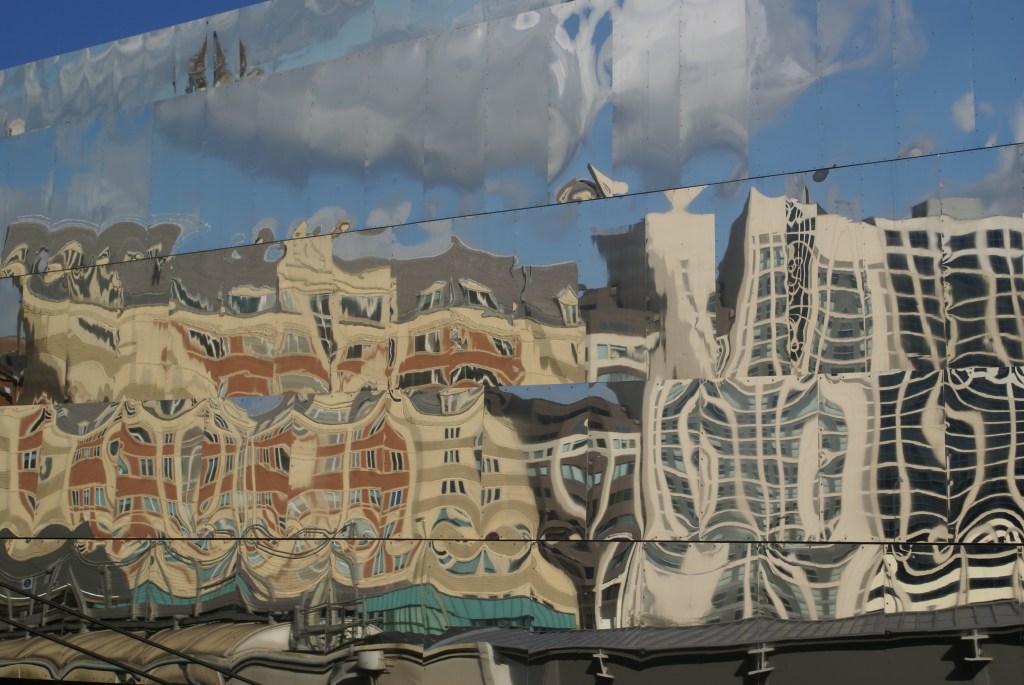
The current image has no alternative text. The file name is: dsc01951.jpg
Progress: Birmingham skyline

Every time something needs replacing it gets more and more complicated — that’s progress! The hole is the wrong size, it needs replacement nozzles for bottled gas and they’ll only send them to a certified gas fitter, so we wait and Granny’s microwave holds the fort until new nozzles cross the sea and the certified young men appear (the old man couldn’t fix the doors any more). Young men look strong but are prohibited from carrying away the old cooker so, huffily, I start to unscrew everything I can and I take away it’s drawers, not to humiliate it but to reduce the weight and, with the use of a sack barrow, Bill (joining in reluctantly because he knows I’m being manipulative) helps me struggle to shove, slide and lever the skeleton cooker towards the french windows and the back of our old truck, which still works. We grunt a lot and I wipe my forehead with the back of my hand and the young men say,”Oh bugger it, we’ll lift it into the back of the truck for you.”

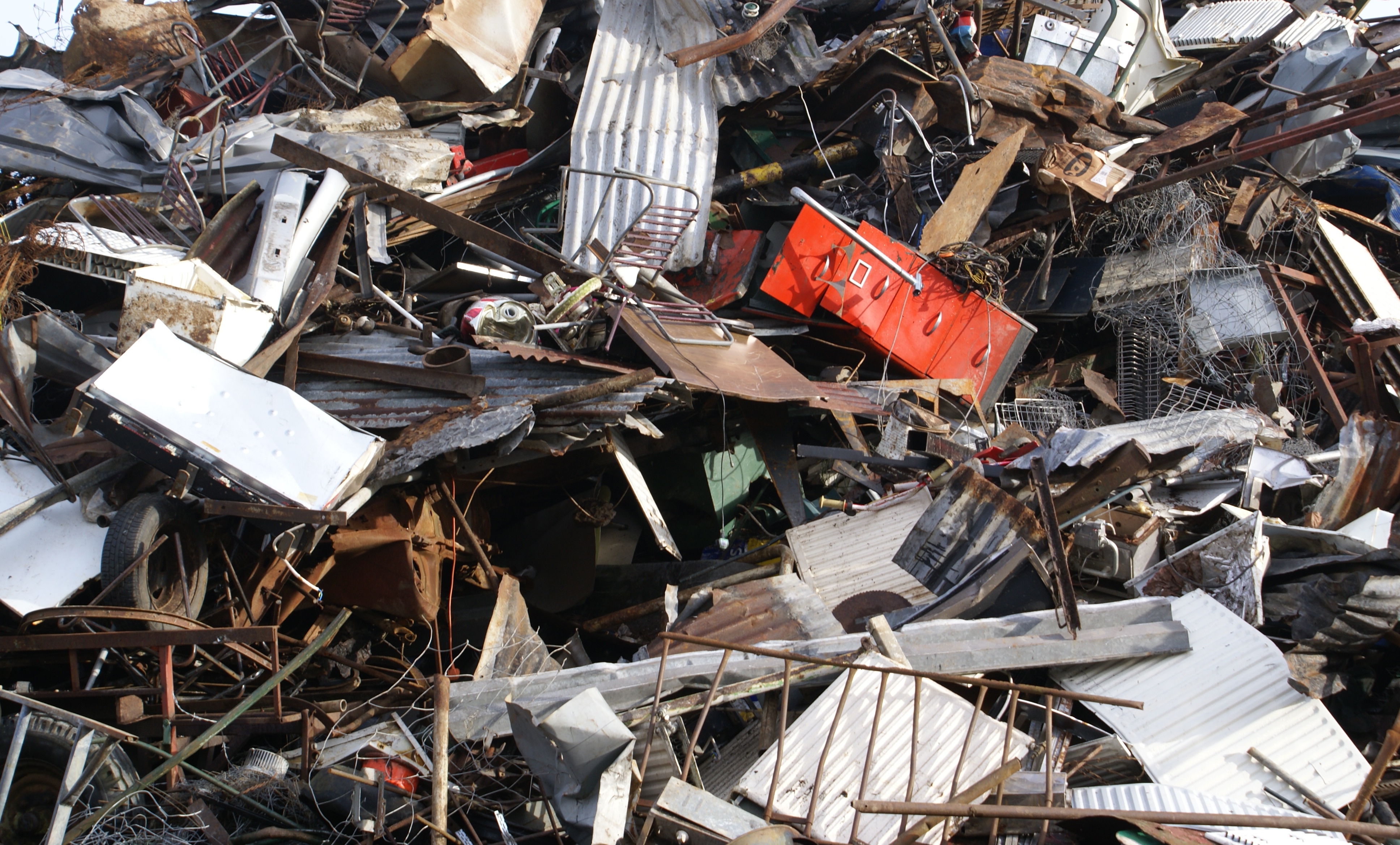
We drive it to the last remaining scrap yard in rural Wales which is un-reformed, un-improved, unapologetic and not in public ownership or subject to regulation or an appointment system. We back up to the scrap metal pile, open the back of the truck and pull the meter-wide stove to the edge. We heave, we jump clear and it crashes to the ground. The hydraulic grab working further up the hill doesn’t seem to notice but the old horse in the tumble-down stable looks over with an acknowledging nod and a snort as if to say,”There was a time I’d have collected that.”

The local purveyor of cookers is an honest man, “I only sell this model to people I don’t like!”

Tough! It’s the only one that fits!

With it’s lovely new nozzles correctly fitted it cooks much better than the posh one ever did with the wrong nozzles adjusted by an uncertified person.

There will be a time when we won’t be able to do this anymore — one way or another.

We were recently in Cornwall and my daughters toaster burst into flames — it was very dramatic and my fault — I had not prepared her for adult life, never shown her the little drawer that you pull out to reveal the 20 years of crumbs accumulating since she left home. It was unplugged and carried like a child having a paddy, into the garden to burn out and cool off.

Later that day it was repatriated — it’s little drawer was revealed, emptied and it was plugged in and worked perfectly well for the rest of our stay — it probably had belonged to her Granny.

On Boxing Day Bill’s fridge-freezer conked out, perhaps due to the weight of left-overs eager to go off. Or perhaps, more likely, because on Christmas Eve, persuaded of the need for a little more space for bottles, he had introduces a slimmer, younger model into the kitchen to help over Christmas.

As the puddle on the floor extends, I am full of trepidation.

Standard
fungi

Turkey tails and honey mushrooms

It’s just the right time of the year for a walk in the woods. But be warned — do not eat anything I have tried to identify!

Just enjoy the cool, moist air, heavy with the scent of fruiting fungi.

Dead roots are blossoming.

These are probably Honey mushrooms (Armillaria ostoyae) sprouting through the sward from the rotting roots beneath.

And these may be Common stump brittlestems

These are fly agaric which are magnificent this year

Birch polypore are popping up on all the dead birch trees in the wood where the oaks have stolen the light.

In the meadow fairy rings have appeared, above are earthy powdercaps (Cystoderma amienthinium)

Mica caps (Coprinellus micacaeus) under the oak trees
Orange peel fungus (Aleuria aurantia)
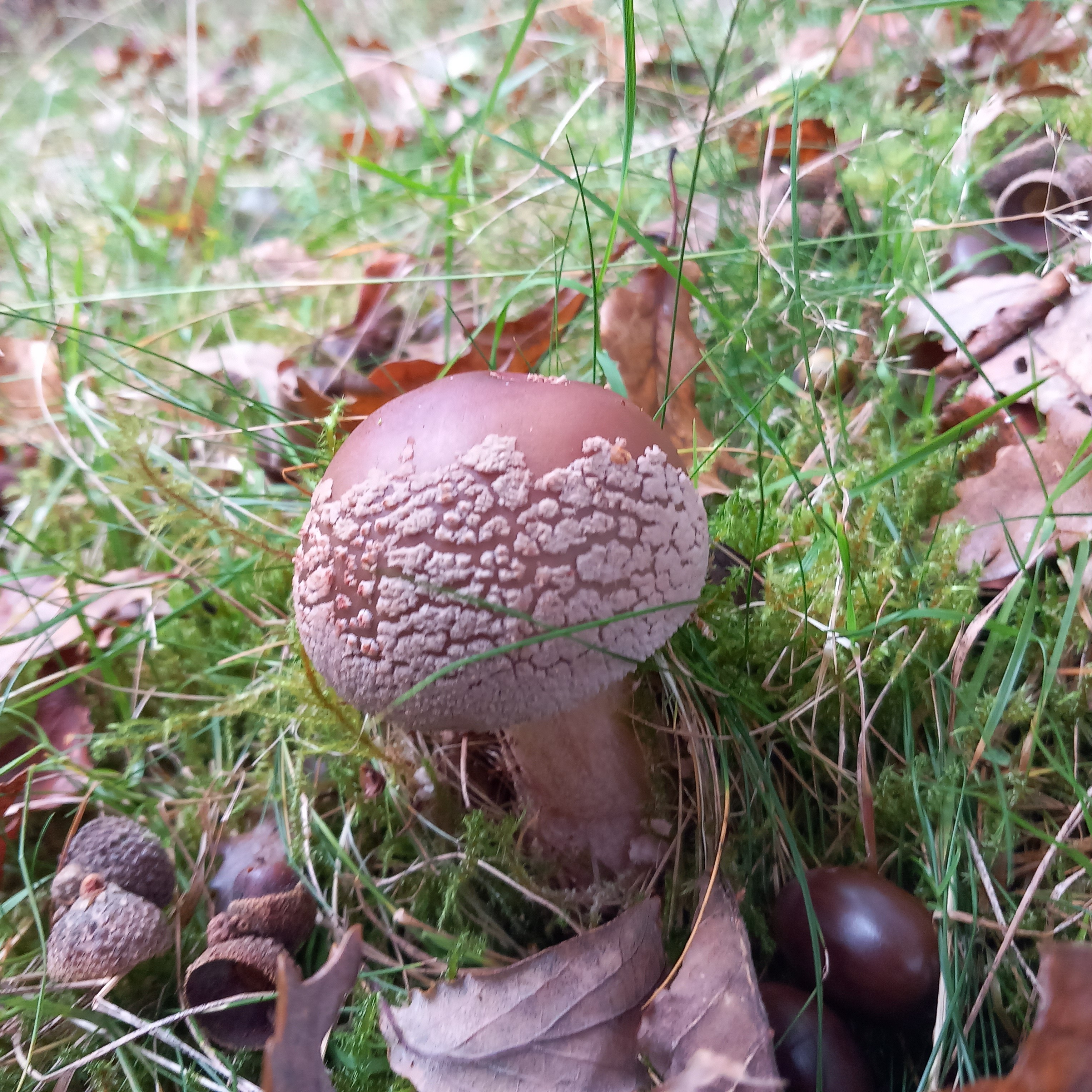
Blusher (Amanita rubescens)
Here’s a blusher that has developed and spread — that is the problem — some are so transient and the appearance changes from day to day.
What these were, I will never know.
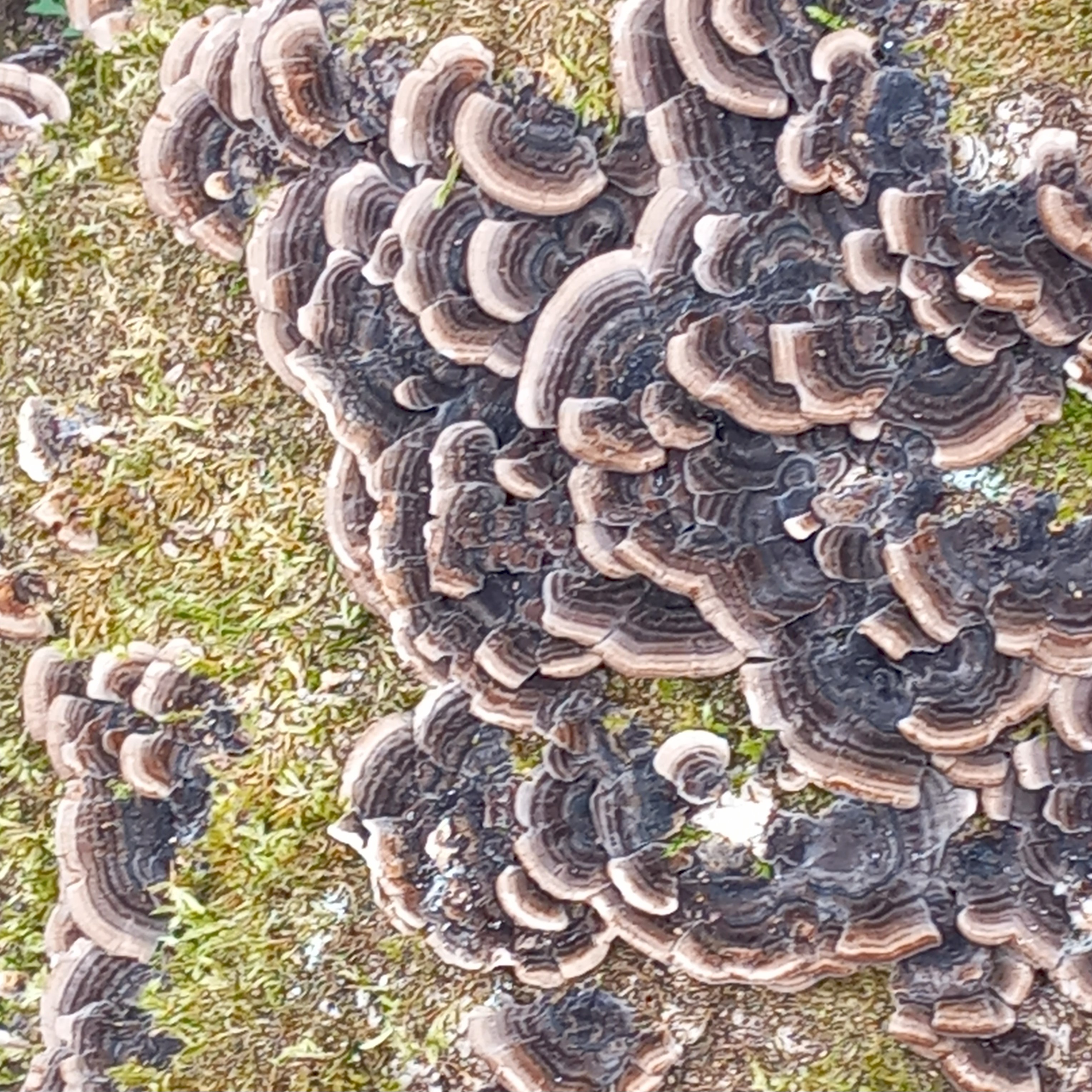
These are turkey tails — that is obvious.
Rusty porecrust on another dead birch tree.
More pretty honey mushrooms.

Amazing what you can find on a walk in the woods.

Standard
Art, Scotland, Travel

Glasgow Street Art

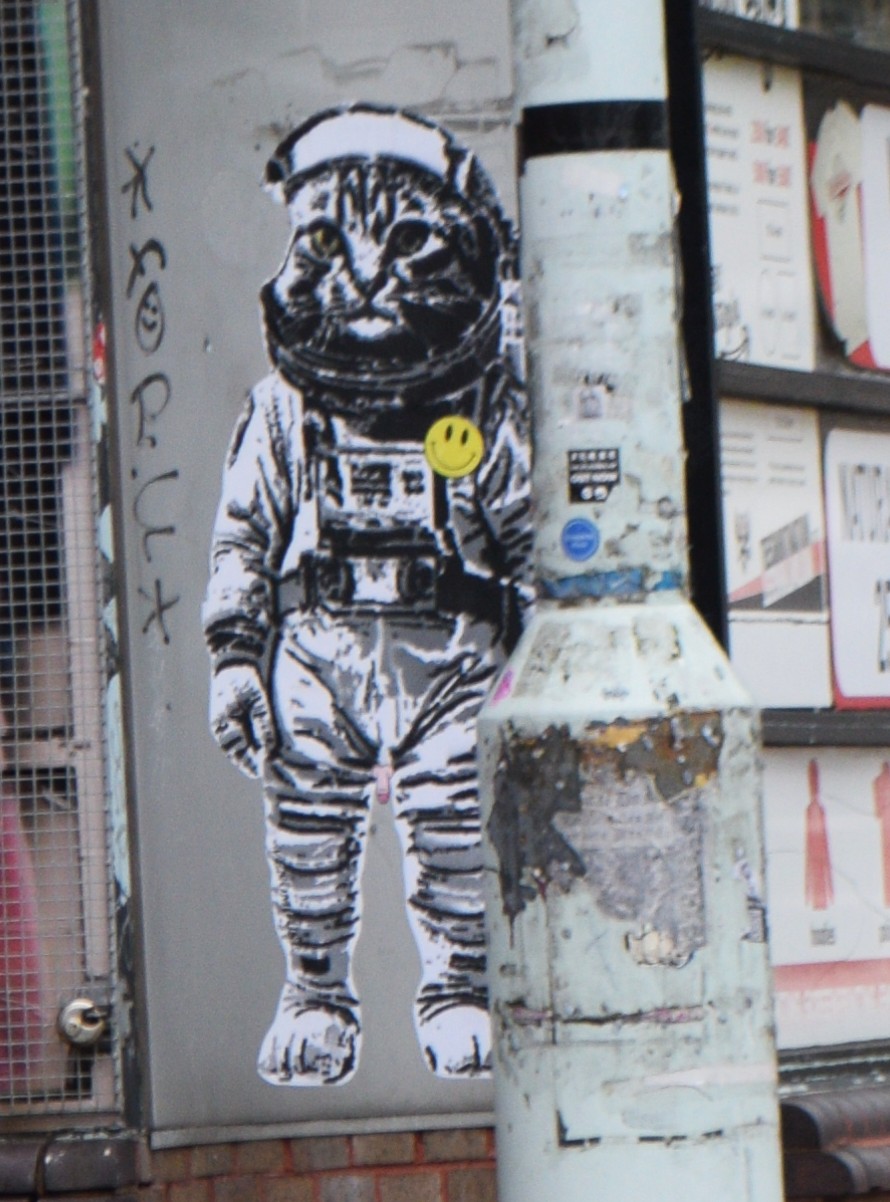
We’ve been taking a closer look at Glasgow street art, from subtle graffiti, that pops up the more you look, like Venemouse’s pussies on junction boxes and shelters.

To the fluid free expression on the free wall by the embankment of the River Clyde which changes day by day, hour by hour. Artists adding their work with great respect for the skill and the importance of the message — the work, peer-reviewed to be best, being left the longest before being overpainted.

Like this, above, by Gordie Livingston.

Below is Grace, our guide to the city showing us the World’s Most Economical Taxi by Rogue One containing the artist’s self portrait as the driver and commissioned by the owner of the wall, a tribute to her husband, a cabby.

Larger works in the city are sponsored by business, local government or arts organisations, representing aspects of the city.

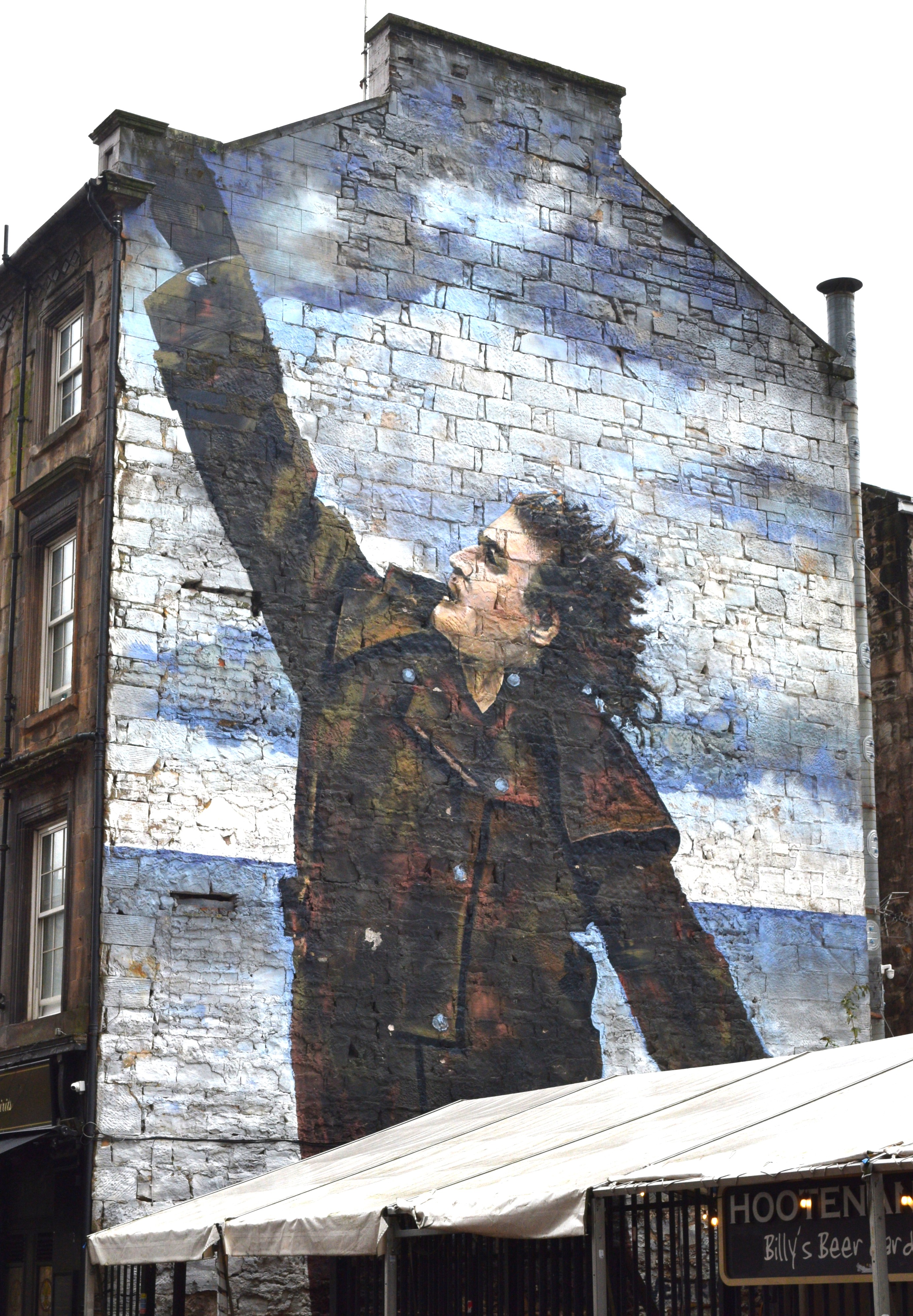
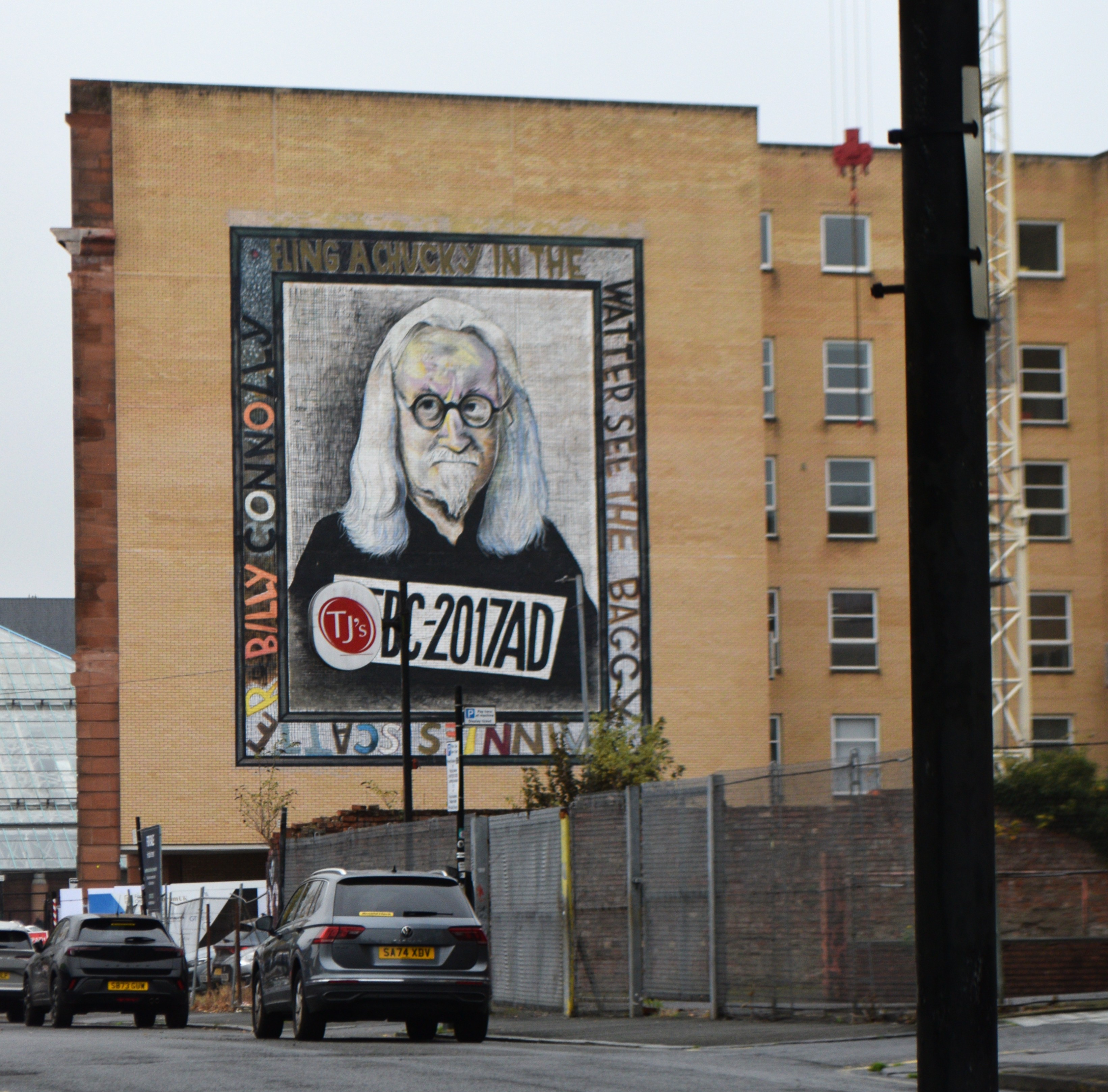
Glaswegians are very proud of Billy Connolly.

Here he is in youth on the left, after a painting by Jack Vettriano, in a massive mural by Rogue One and Artpistol. On the right, he is seen in later life.

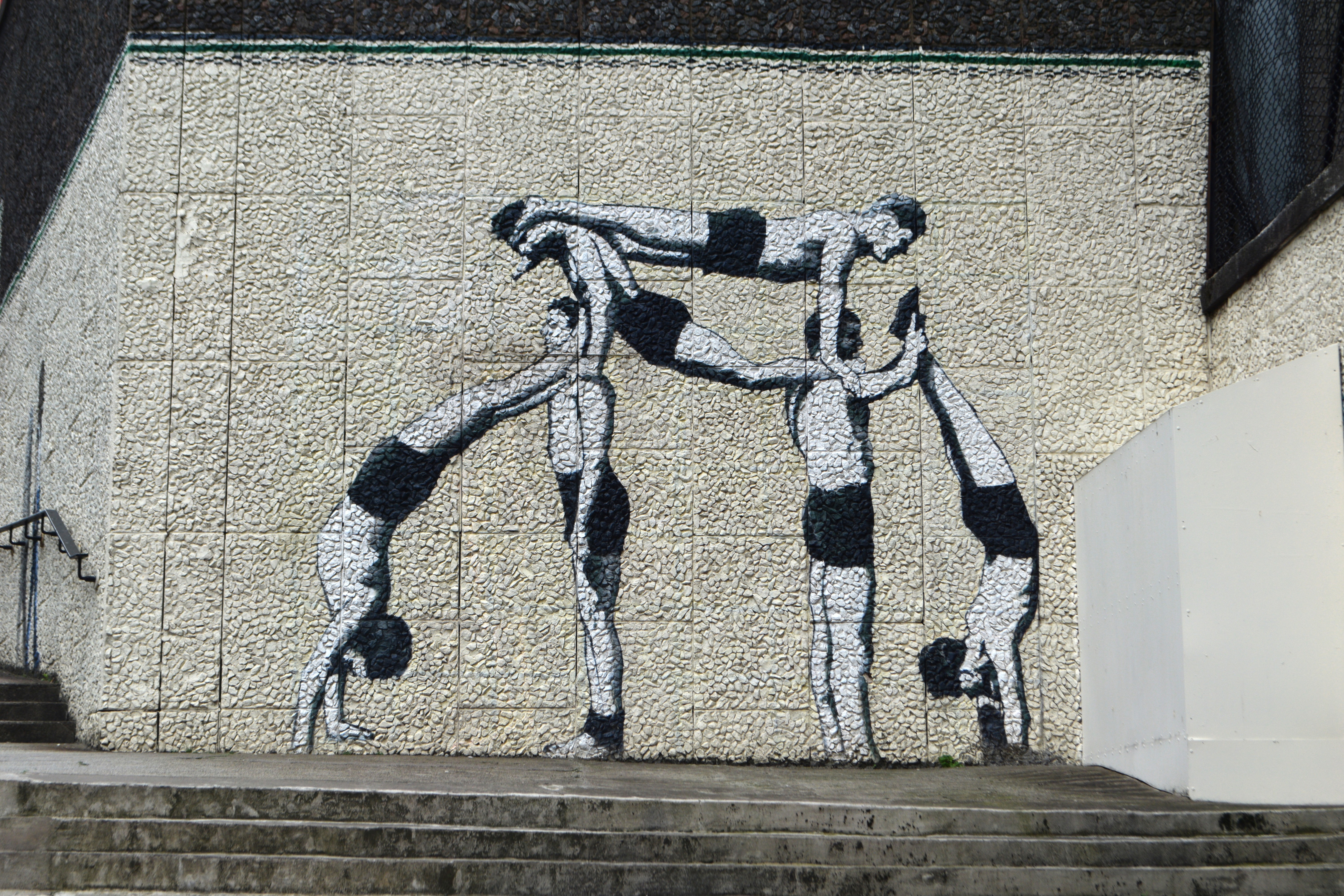
Murals project the image of the university

And the community

This is the Keeper of the Light by Smug a huge photo-realistic representation of the diversity of 2025 Glasgow which reminded me of something we had seen the day before in the Burrell Art Gallery, Glasgow.

A statue of Guanyin (1100-1200), a Chinese Buddhist goddess of compassion and mercy with androgenous face and body, looking neither male nor female, celebrated as a Trans icon.

Standard
British history, Humour, Local History, Travel

Discovering Shrewsbury…

Although I’ve lived within 50 miles of this, the county town of Shropshire, for 20 years, I’ve never really had the time to look at it properly — always rushing for a hospital appointment, changing trains or dashing back for some imperative.

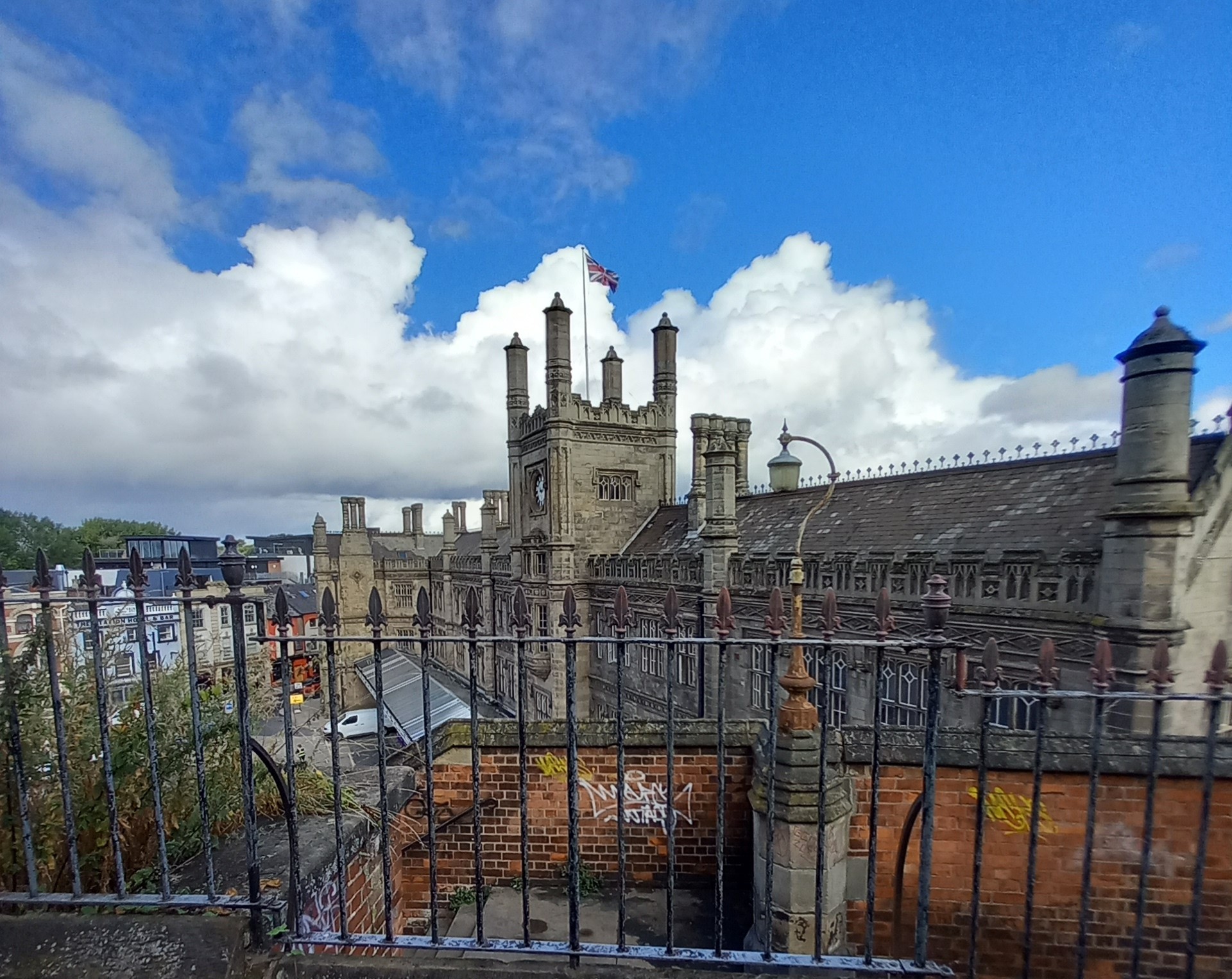
Last week we took my friend, Anne, to catch a train to Yorkshire — she had a tortuous journey ahead so, despite the traffic (we do not expect it in Wales), we opted to drop her at the historic railway station (above) where we ejected her unceremoniously and to much furious and unsympathetic honking. “No cars!” said the entrance to the carpark, “Bicycles only!” Nobody actually mowed us down as I hauled her luggage from the boot and we found the platform up 28 steps (lift out of order) taken at a trot with her heavy bags — fortunately the train was 3 minutes late and we had 15 seconds to spare.

Having found somewhere to leave the car legally, Bill had to buy a ticket which fortuitously brought him to the booking office where, having waved off my friend, I was wondering what to do next and where he might be — it seems for once the stars were aligning for a good day out!

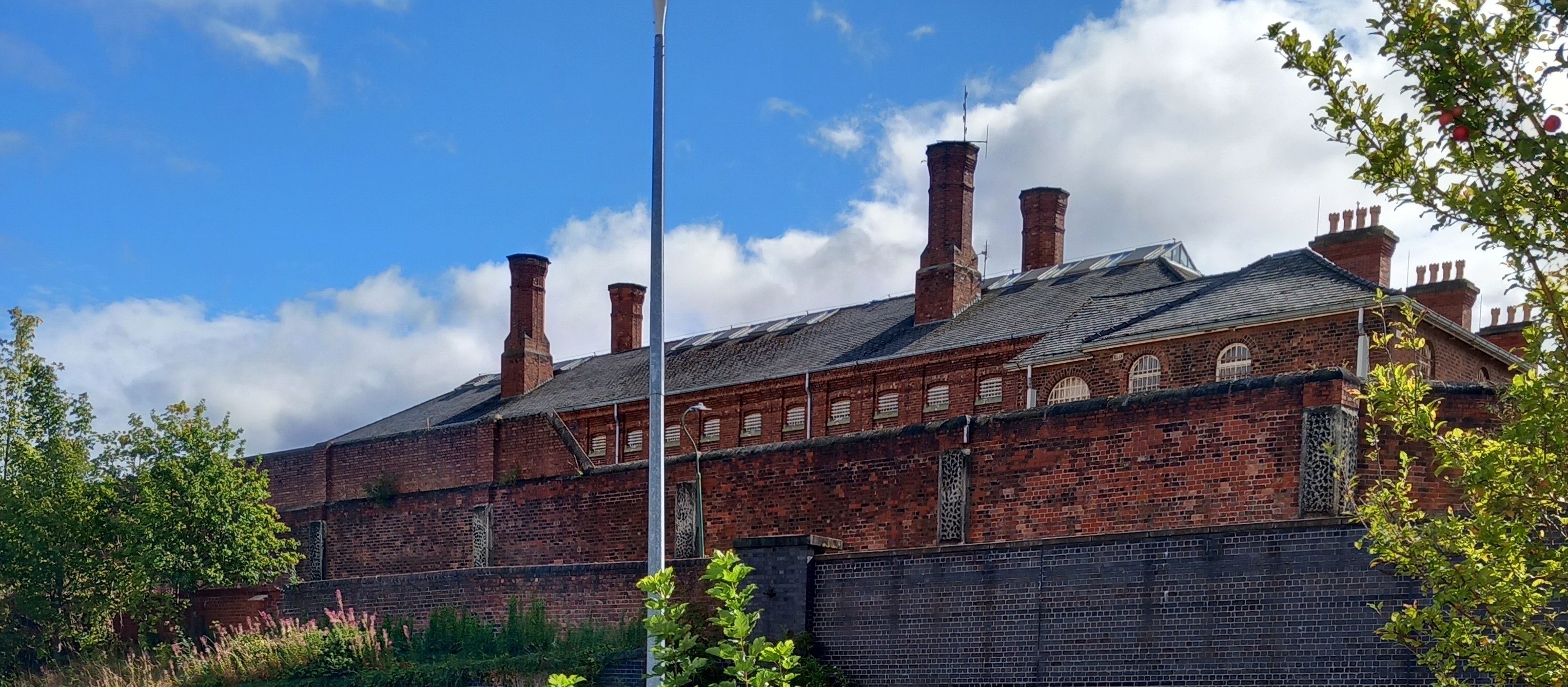
Shrewsbury Prison is a smouldering presence above the carpark, built in 1793 by Telford, designed by local architect John Hiram Haycock and William Blackburn, advised by John Howard the famous prison reformer who looks down from his plinth above the gate. You can book a tour and even stay the night in a cell, “That’s an idea!” says I with my Granny hat on.

Here’s another famous citizen, Clive of India, getting more infamous by the day as we look at empire from a different angle now — still he hasn’t been toppled from his plinth yet.

The town is full of tantalising mediaeval alleyways– note how the common gutter has been replaced by festive commercial waste bins — I miss the piglets, dogs and red kites scavenging on the waste!

The marvellous market has moved indoors but still bristles with prime produce. As we amble around town the clouds are gathering and the tempting aromas start to emanate from the various eateries. Our noses led us to La Mer Rouge for delicious tapas and to watch the torrential rain in comfort. Behind the old market hall is the town museum and art gallery, irresistible!

Mermaids and dolphins vase, made by Walter Crane Maw and co, Broseley (Shropshire) c1889.

Also the findings from Wroxeter, the 4th largest city in Roman Britain (Vironium) just beyond the modern bypass — both to be explored in Granny hat.

Shrewsbury has been an important place ever since, at the gateway to Wales, a strategic and wool trading centre. Fortunes were made.

In Stuart times one of these rich wool traders, Thomas Jones, pictured below in 1615, married Sarah Ballard, the educated daughter of the Mayor of Chester. Thomas rose in the local hierarchy as an alderman, then Bailiff and finally Mayor in 1638.

At the beginning of the Civil War (1642-1651), one man, Francis Ottley, seen below with his family in 1636, was appointed Governor of Shrewsbury by Charles I, who called on him to form a regiment of foot. These were divisive times with mixed loyalties. He carried the town along the Royalist path. Francis was appointed Sheriff of Shropshire in 1644 and, as the tide turned, was involved in negotiating the surrender to the Parliamentarians in 1646 after which his estates were sequestrated. He paid a price for his loyalty to the Crown spending the rest of his life fighting to retrieve his estates at Pitchford. However, It seems he negotiated these treacherous times, relatively successfully as his family remained prominent after the war and for centuries thereafter.

It may be significant that Sir Francis Ottley had been criticised by Prince Rupert, when in power, for being too lenient with Parliamentarians — Perhaps that was his salvation… One never knows when the boot will be on the other foot! (personal note)

For all the above, the highlight of our visit was the discovery of the Castle Museum and the history of the King’s Shropshire Light Infantry, a magnificently curated museum deserving another visit and a blog of it’s own.

Standard
Hill Farming, lifestyle, weather

Antidote to this dystopia

As Russia attacks Poland and Israel bombs Qatar, Bill goes to clean his teeth and shouts “there’s no water!”

“****!” says the householder, “the well must be dry!” Our well has never dried up but, I think to myself as I struggle into my waterproofs, it might have dropped below the outflow pipe.

“It is pouring with rain — it’s rained heavily all night.” says the man brandishing a dry toothbrush. “Surely it must be filling up fast.

“Airlock!” I shout, over my shoulder. Bill is busy filling buckets from the rainwater butts to flush the loos.

As I stride up the hill I think how low the reservoir was when we passed it yesterday. Here’s the track to our well, we cleared it in June but things grow rapidly here. In June, despite weeks of drought, the water was within 9 inches of the top.

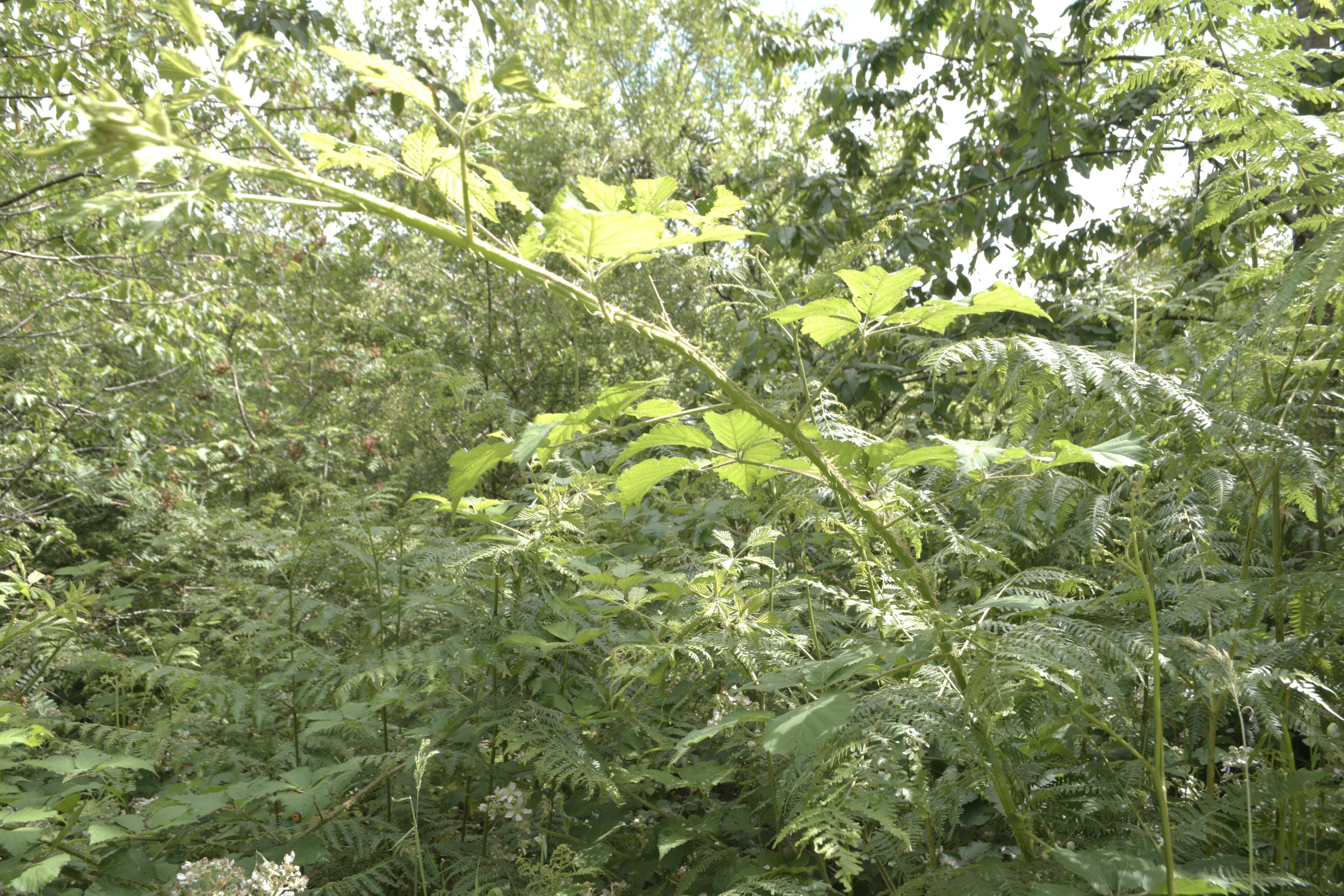
Now I’m not even confident that I can find it — it has gone missing before. I flail my way through the bracken and brambles and here it is… and I have remembered to bring a screw driver to open the cover.

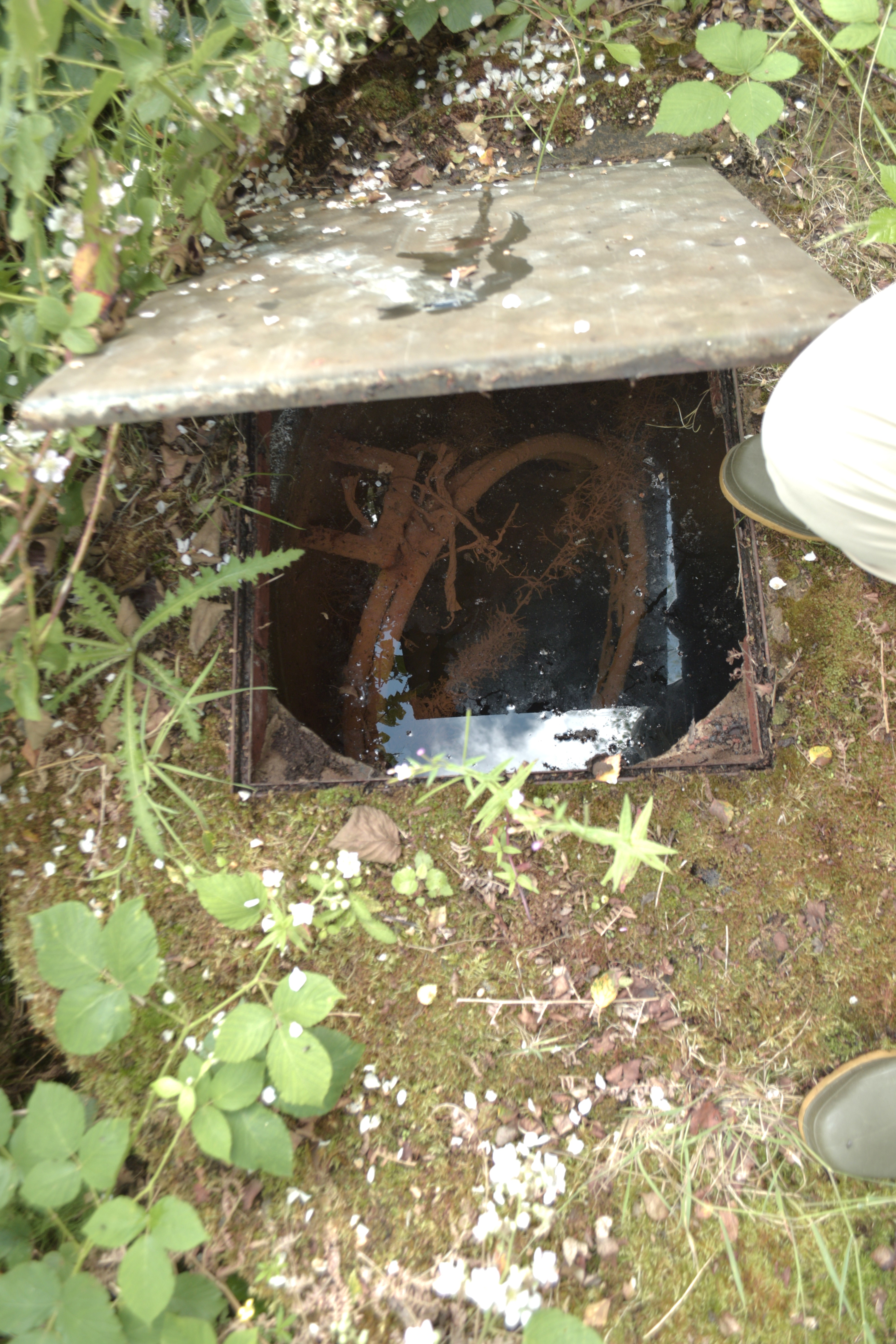
The level is a good 7 feet, 2 meters, down, but the outflow pipe is submerged, can you see it at the bottom of the loop of pipe? The rain is now torrential, I slide back down the steep slope to fetch the kit to clear the area so that I can find the pipe we put in to wash out the dastardly air that has been sucked into the pipe to break the siphon.

Some hours later… Soaked again

A couple of hours of hacking and chopping and the stop-cock and the priming pipe are revealed and their relationship to the well which I photograph to help find them next time. In fact, this whole narrative is about recording events for our successor or, to be truthful, as an aide memoir for ourselves. The stop-cock is down a dark deep hole, longer than my arm, I decide not to mess with it, even if that means all the water goes straight back into the well.

Back to the house for dry clothes and some toast and coffee. “The next phase should be easier as nowadays we can communicate using the mobile phones.” I say. Bill points out that we don’t actually have to open and shut taps to preserve water as we try to fill the half mile of butyl pipe between the well and the house, “it will fill the lavatory cisterns then stop.”

“Oh, I suppose it will.” I say, not convinced, “Still, I’ll take the phone anyway.

Now all that is required is a bucket on a long rope, a funnel and a shepherd’s crook to push the bucket under the water while not falling head first into the orange abyss. I switch on the phone to contact the controller in the house. Rain spots the screen, I wipe it, it goes off — I do this several times before realising that the battery is flat and that my pockets are filling up with water. I tie up the phone in a rubber glove.

Faced with another wet hike back to the house I decide to give it a try anyway. Buckets of water are hauled up, like pussy in the well, and poured into the funnel balanced in the open blue pipe without allowing further ingress of air, this involves nifty thumb work. After 3 buckets full, the funnel stops emptying and the pipe appears to be primed, I screw the cap on, without crossing the thread, difficult with my fingers crossed, and make haste, carefully, to the house, it is important not to break a hip while doing these things.

“The pipes have been gurgling,” says Bill.

Holding our breath, we turn on the kitchen tap… It splutters, it flows!

Standard
Birds, Ecology, Hill Farming, Uncategorized

Faux Christmas?

A friend of mine has just returned to the UK having lived for several years on the other side of the globe. She explains her disorientation in time and space on the disruption to her seasons (I have no excuse!). It’s mid-summer here and mid-winter in New Zealand, where those who suffer from European nostalgia have a pretend Christmas.

Here on our smallholding in Mid-Wales we do something similar — opening our gifts on one particular day. It’s exciting. It’s bird-ringing day! Not their necks so that we can roast them with pigs-in-blankets and plum pudding, but counting all the year’s baby birds, catching the fledgelings that are about to leave their nests and, in particular, those in our nest boxes and ringing them. A right of passage — a birdy Bar Mitzvah — we should have a party!

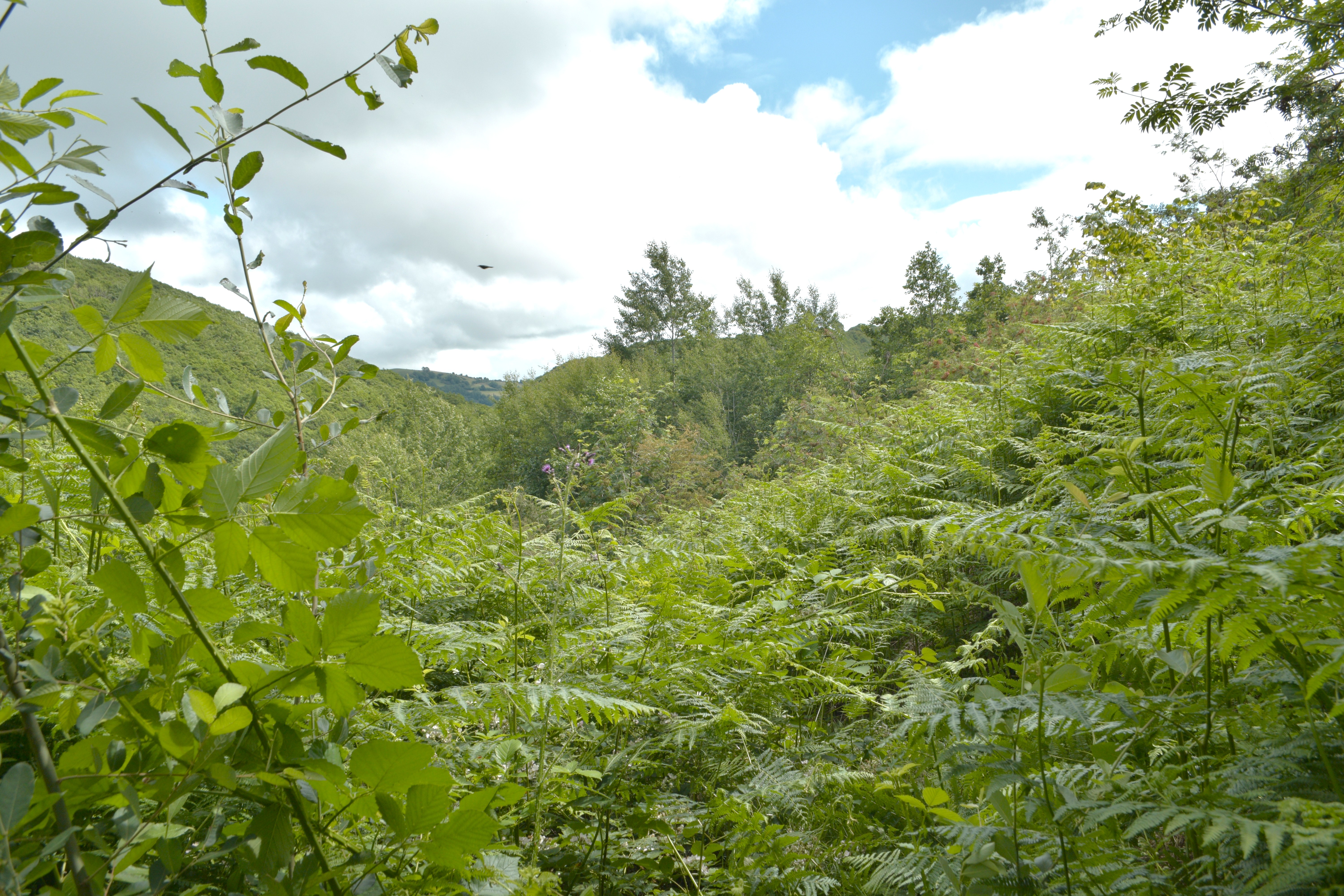
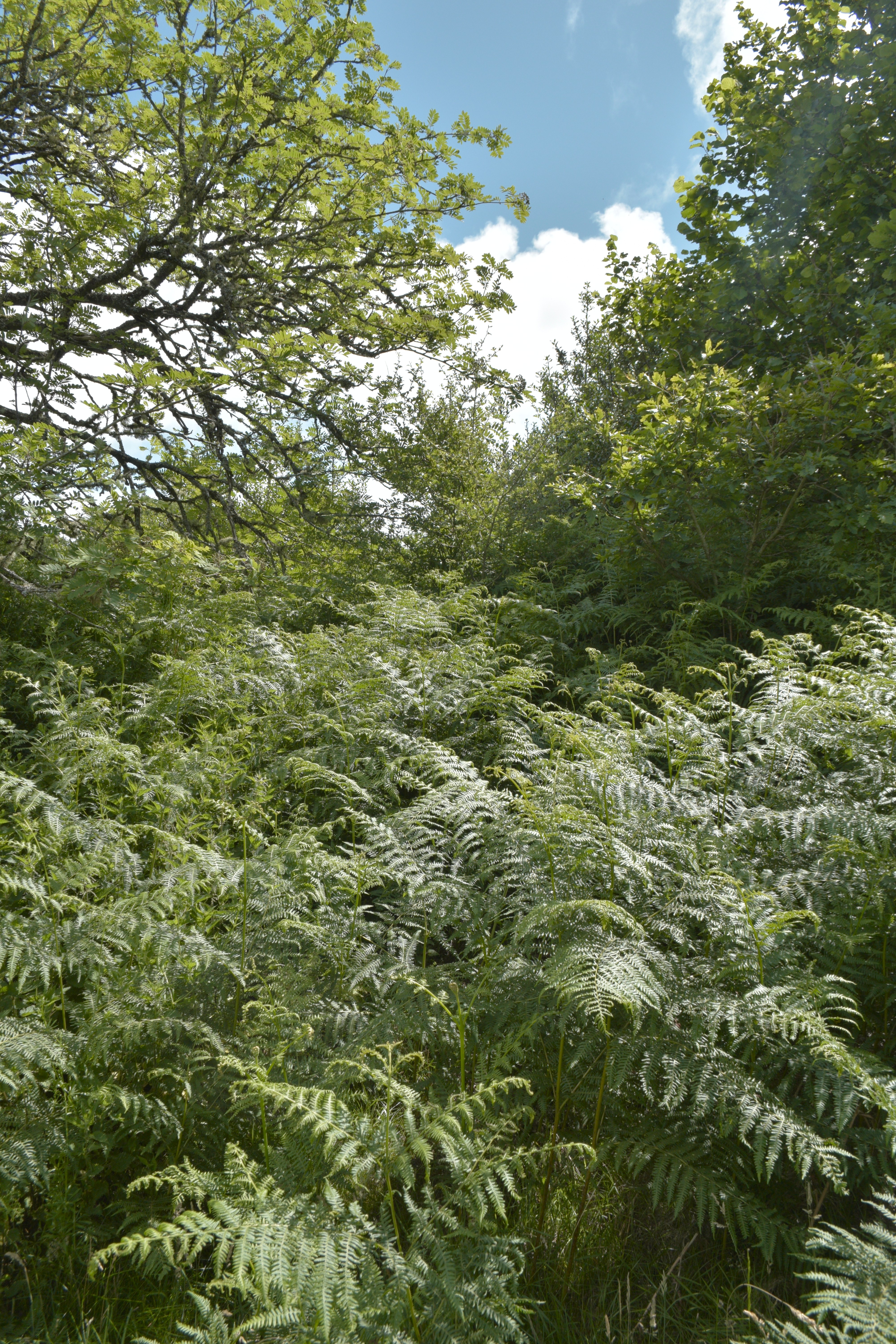
At a time when we feel we will be overwhelmed by the sheer fecundity of our temperate rain forest, it is good to have some positive feedback for our efforts for wildlife. We are engulfed in 8 foot bracken and torn at by wildly flailing tentacles of bramble that reach out across the tracks to grab us as the mower clogs and stalls yet again, which is just as well as it is overheating.

The cloud of buzzing flies that pursue us fails to reassure us that our local biosphere is healthy or that forswearing insecticides was a good idea. But counting birds does.

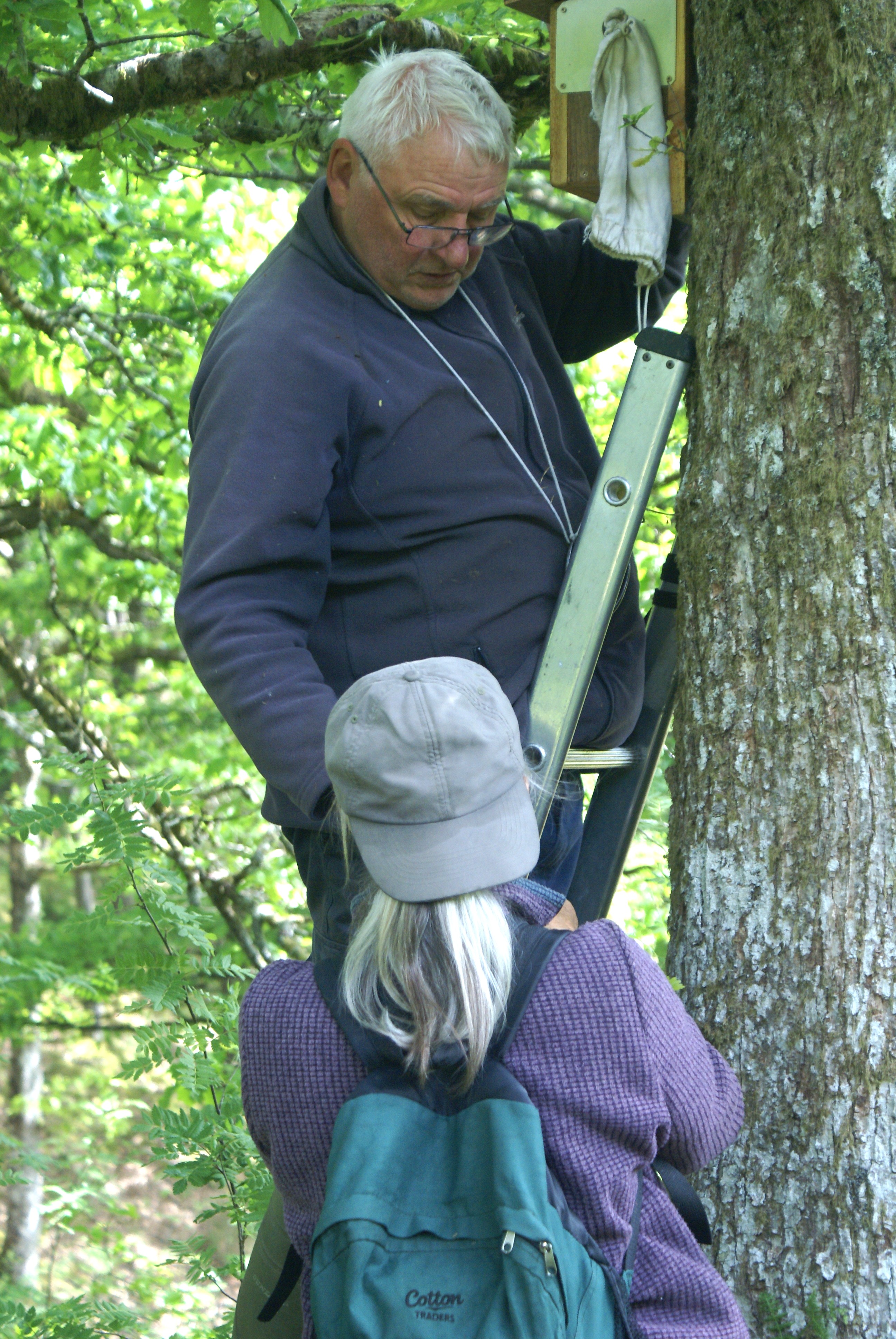
Jon and Jan

The stalwarts from the Habitat Protection group have made their annual visits and this year has been very good for blue tits — 52 chicks from 5 nest boxes. How’s’at for productivity! It represents a lot of caterpillars! Lots of work from this top-of -the-table, enterprising species.

A better year for our “target” species, the more endangered pied flycatcher. They produced 24 chicks from their 5 nests. Up 20% but one of their nests failed completely last year — we suspected a great spotted woodpecker. It’s harder for pied flycatchers as they are migrants and have to co-ordinate their arrival with the weather and the caterpillars, not to mention competing with the locals for nesting sites and finding each other again as the males arrive first.

Pied Flycatcher

There was only one nest of great tits but they produced 7 chicks.

Great tit fledgeling

Three of our 14 boxes were empty; today I noticed a great spotted woodpecker squarking a warning to its own fledgelings — wildlife is a balance.

They also ringed a treecreeper fledgling hopping about and keen to be included. They tend to nest in the holes between the roots of the oak trees and in the deep splits in trunks, we watched one earlier this year taking lots of spiders to a nest on the hill.

So, inspired by all this avian fertility, we bash on with re-establishing the tracks to maintain some sort of access to our wild areas and woodland and uncover the diversity that is appearing and a weighty crop of rowan berries and wild cherries that are already keeping the blackbirds and thrushes busy.

This is the time of the year when we regularly lose our well and it is quite important that we find it in its nest of horsetail ferns and overgrown by all this burgeoning diversity. Here it is and it’s full.

Standard
Architecture, British history

Moat envy!

I am interested in history and architecture and we visit a lot of National Trust properties. I joined when my friend, Jane, pointed out that they have the best tea rooms and lavatories and are ideal places for a comfort break and a rest when travelling alone! I joined when I was widowed, Bill was already a member — now we do our best to get our money’s worth!

Last week we visited 3 but there was only one I’d care to live in.

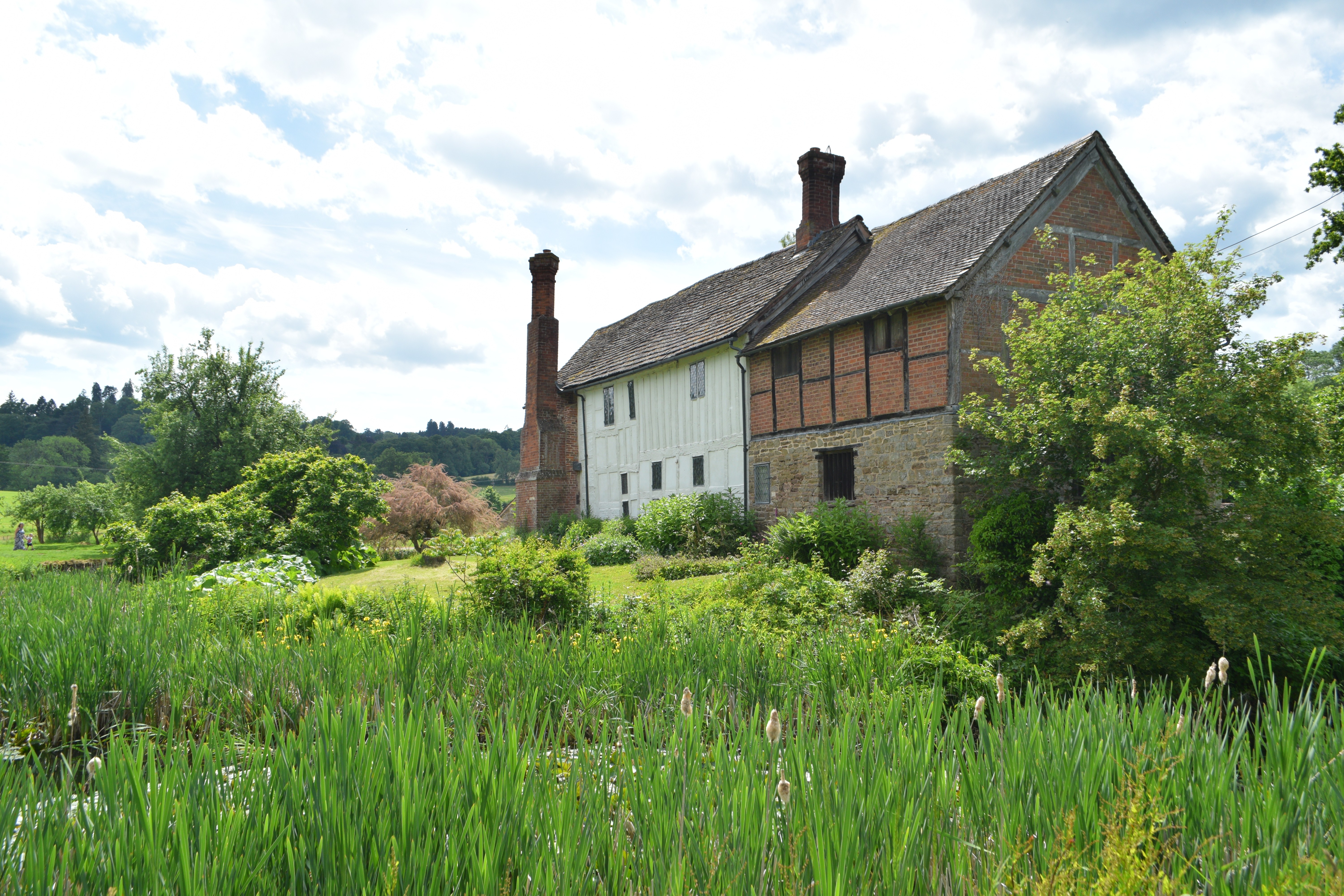
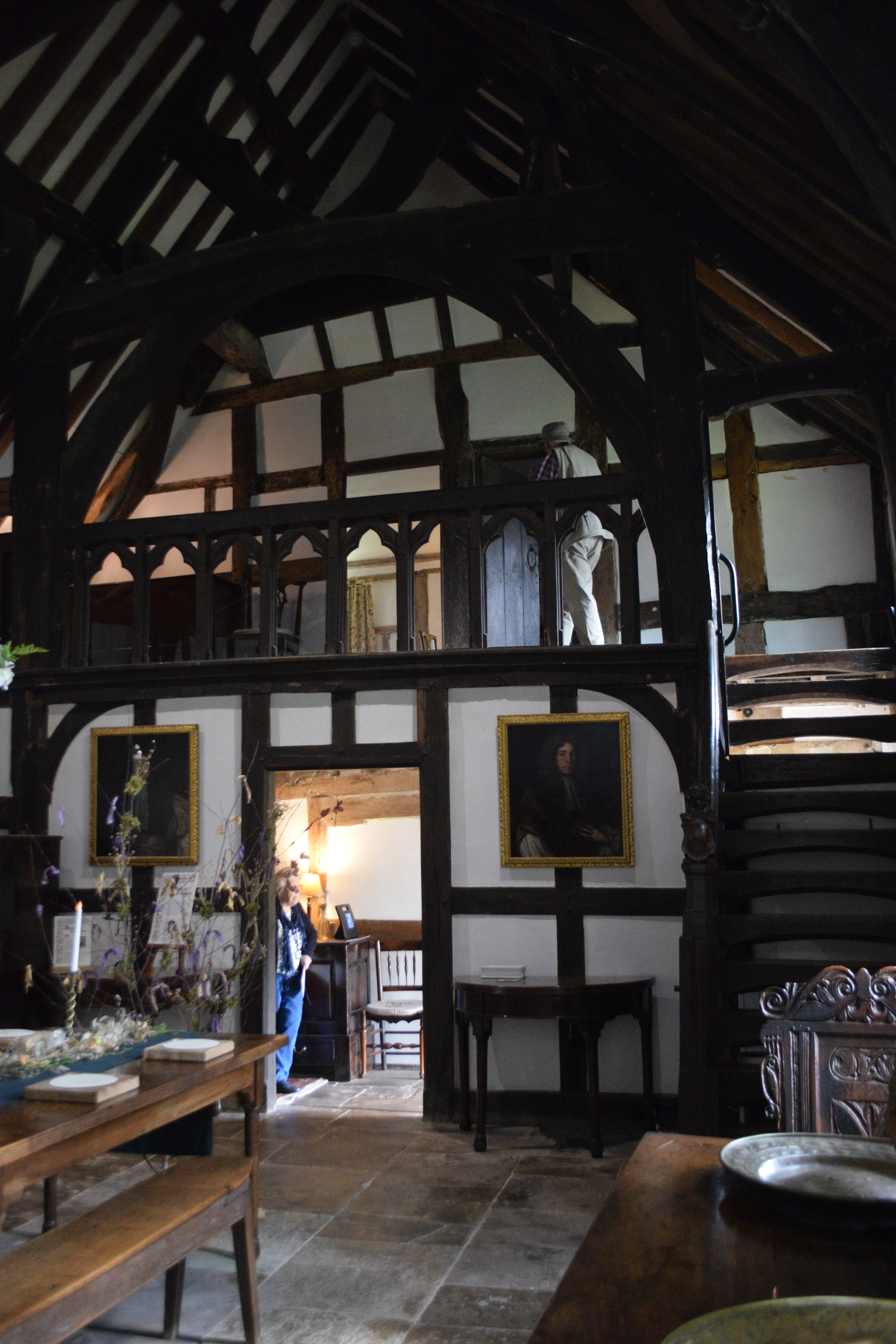
Brockhampton house was built in the reign of Henry VI, about 1425 (before the Tudors), from timber that grew in the Hereford hills. It has settled very comfortably into its surroundings over the last 6 centuries. Sitting on a green island surrounded by lily pads and irises and overflown by swooping swallows and squadrons of house martins.

I love it’s relative humility! No mod-cons; an unapologetic mediaeval family house. But this family thrived on its productive farm (unlike so many of the erstwhile owners of our heritage houses — they did not gamble away their resources or run out of heiresses to marry). The family who owned this house moved out in Georgian times to a new grander manor house further up the estate and this old house was occupied by estate workers. By the Victorian era it was in a parlous state but thankfully was rescued, improved and sensitively restored, under the watchful eye of an admirer, retired architect JC Buckler.

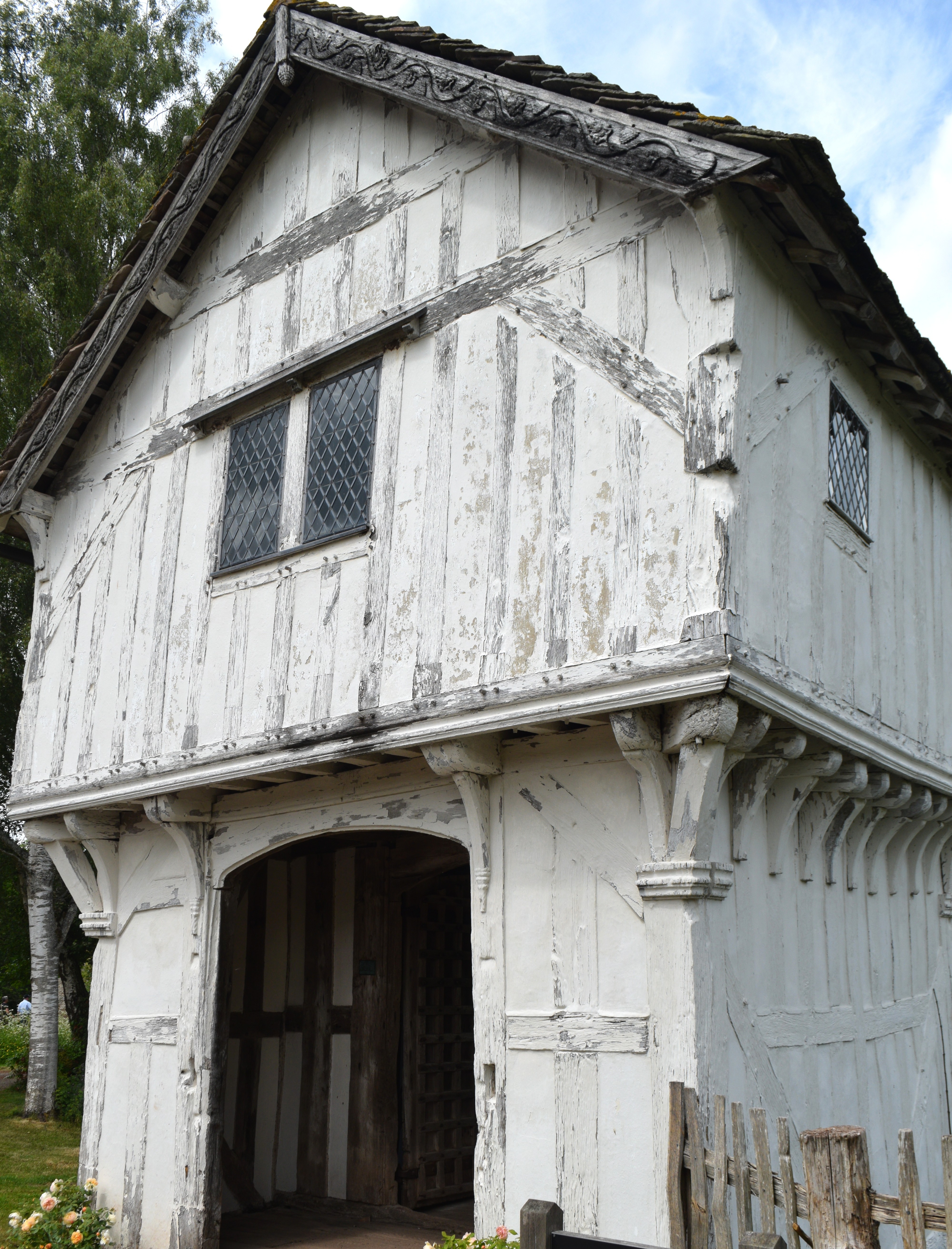
The whole aura of the place seems unchanged; minimal modern intrusions, the coolness and quietness of the great hall on a brilliant summer’s day, the chattering of baby birds in nests under the eaves of the gate house on the bridge over the moat. A sparrow chick peeps out from a chink in the brickwork.

Gatehouse timbers.

Mediaeval Gatehouse

View over the moat to the ruins of the Norman chapel.

Standard
trees

Historic Trees

This cedar at Charlecote seemed particularly monumental, then I read about these trees in Mary Elizabeth Lucy’s autobiography. She lived there from 1823. The beauty of trees is that they have long memories.

and can remind you of days gone by. Like this chestnut tree at Hever Castle, home of Anne Bolyne

What tales it could tell; Henry VIII, cavorting in its shadow, but it is discrete, it looks away and stays mum, a survivor.

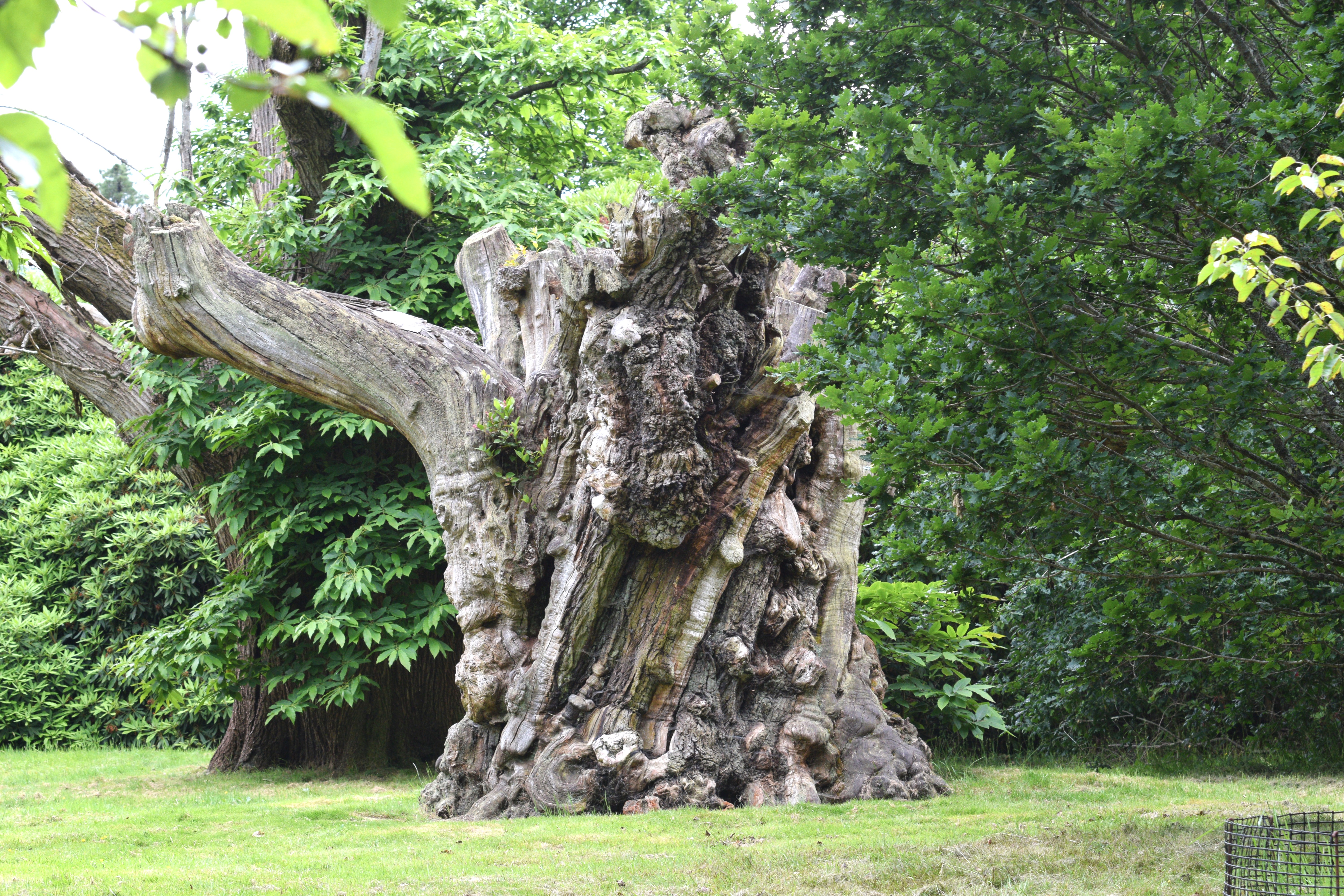
Here’s another survivor; a chestnut at Ightham mote, in Kent. You can tell its a sweet chestnut, even in winter, by its spiraling bark.

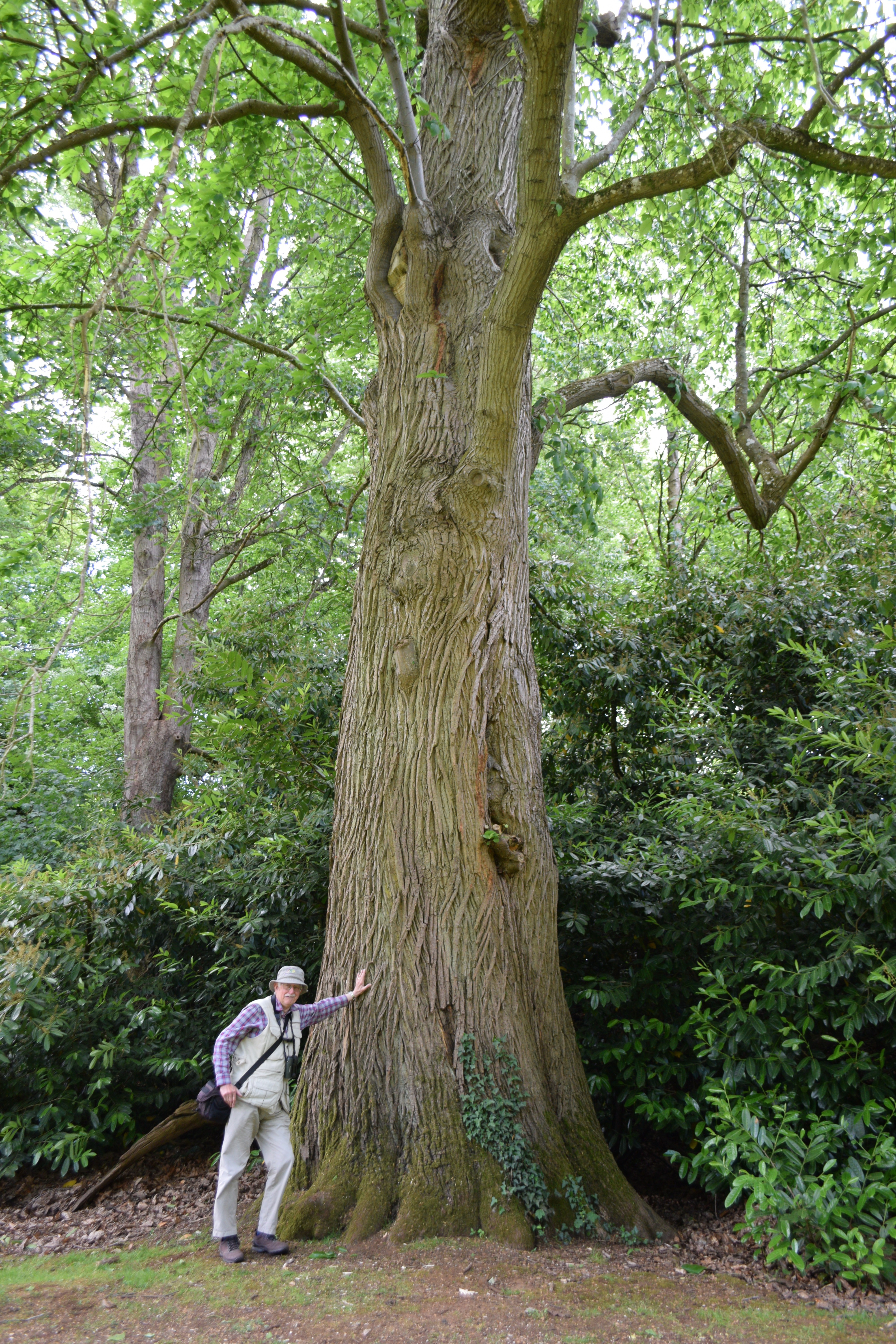
Here’s a relative youngster, not Bill, he’s there for scale — another chestnut, this time at Upton House. The heritage trees at National Trust Properties can be huge but don’t get the attention from visitors that they deserve. It’s usually on the way home that I wish I had brought my tape measure to record their girth and try to work out their age.

Monterey pines at Plas Newydd on the Anglesey bank of the Menai strait, only about the same age of me, but beautifully lopped by the tree surgeons of the National Trust, to grow straight and tall and strong.

So few of our trees have the room to reach their full potential — or our hedges, for that matter!

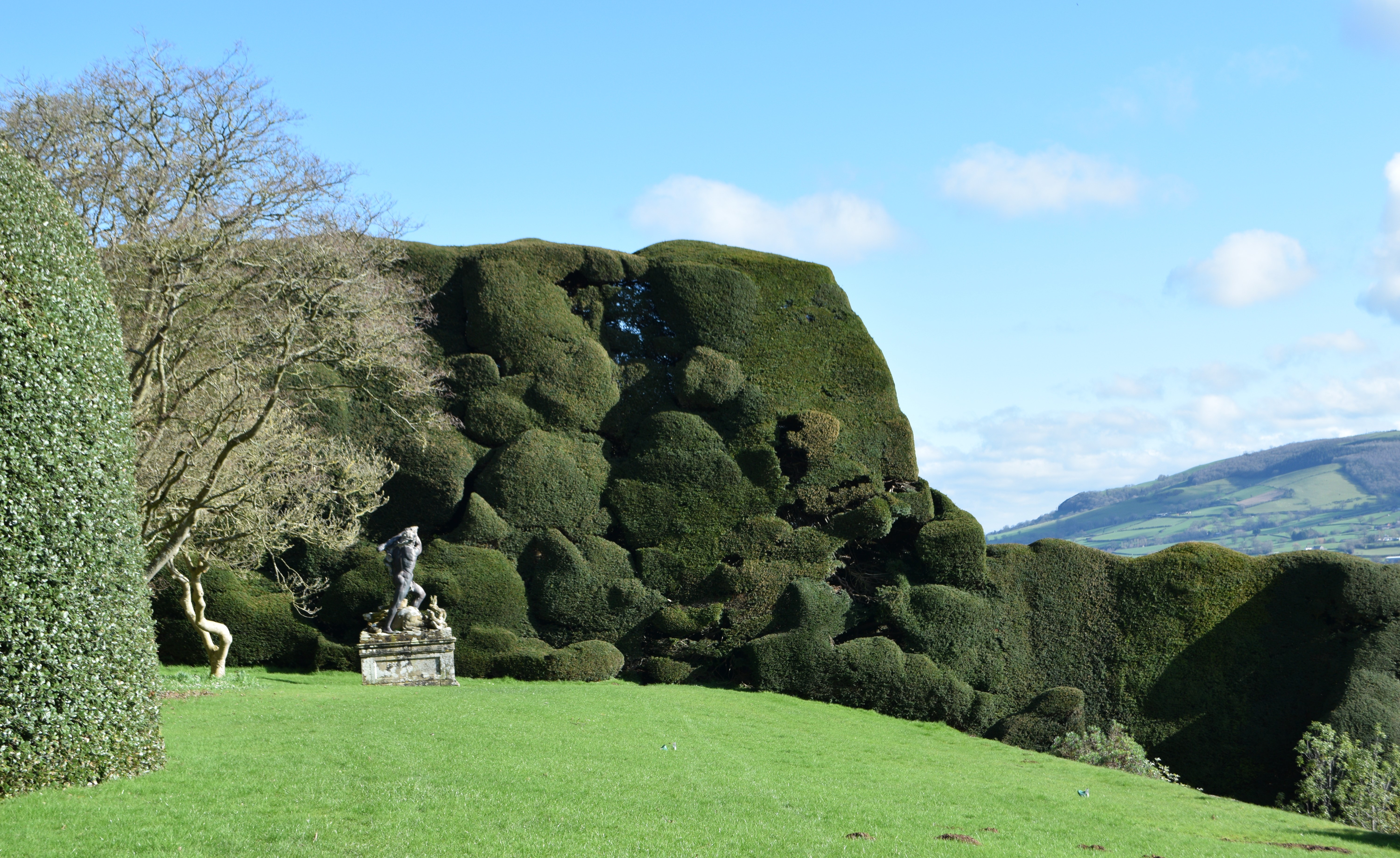
Here’s a hedge with attitude. Yew hedge at Powys Castle.

Standard