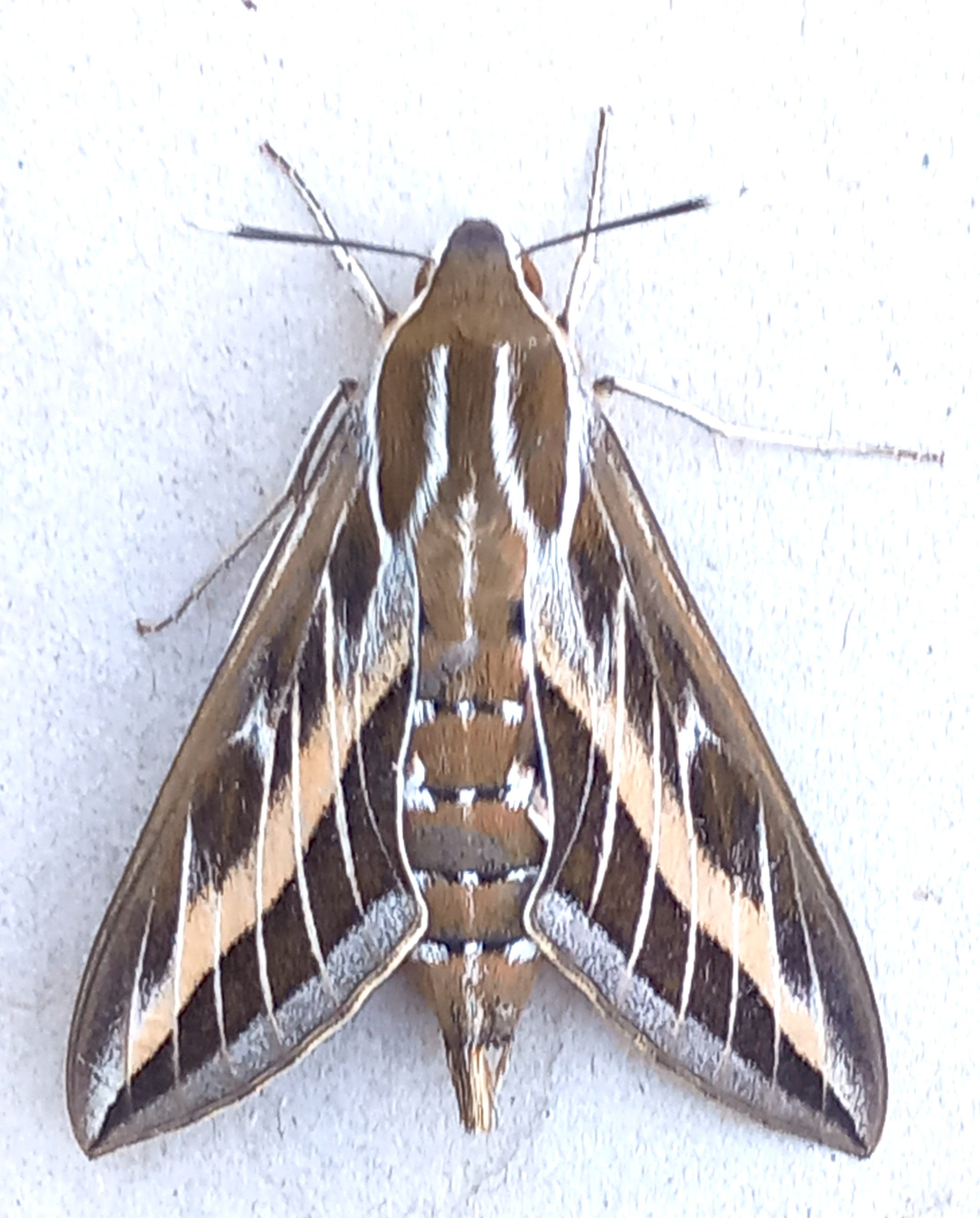
This is a rare Striped Hawk-moth Hyles livornica —
It’s a migrant that visits in summer but cannot survive our winters, preferring the Mediterranean and Africa. Not often seen in the UK; 2006 was a good year when 383 were spotted mainly in the South and South-west England. That was when the last one was spotted in Montgomeryshire, when one came as far as Welshpool… Until a day or two ago when we caught this one in our trap in the Trannon Valley of Mid-Wales.
Their caterpillars like to eat Rosebay Willow Herb, of which we have tons, although rapidly dying down now, and the moths will drink nectar from a wide range of flowers especially Red Valerian but even if this one could find a mate, their chances of breeding successfully are remote.
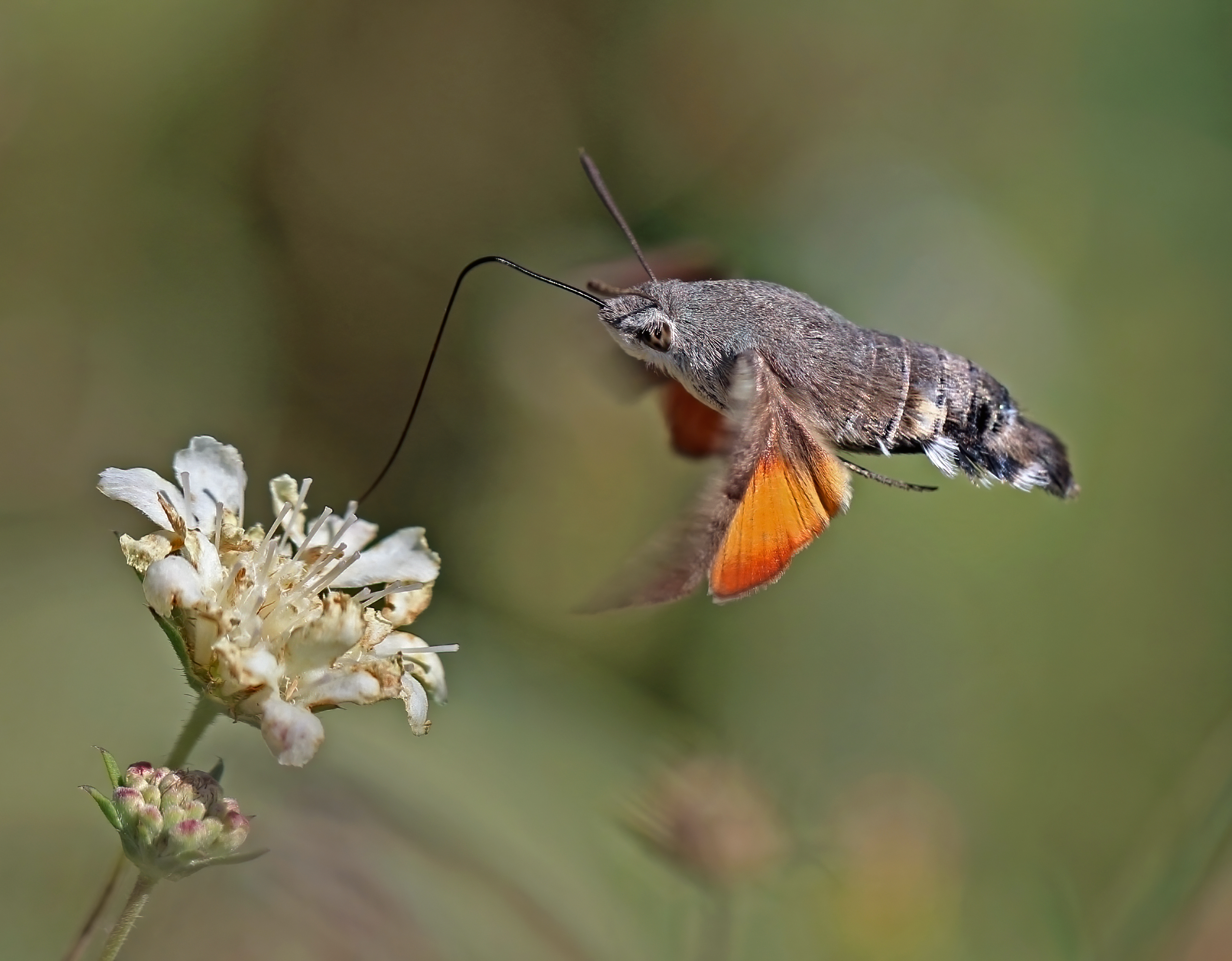
We are told that there are Hummingbird Hawk-moths in nearby Trefeglwys, a much more common visitor, although we haven’t spotted one this year — they are obvious because they fly by day and you think you have seen a Hummingbird! Evidently they are omens of good things to come — I do hope so!
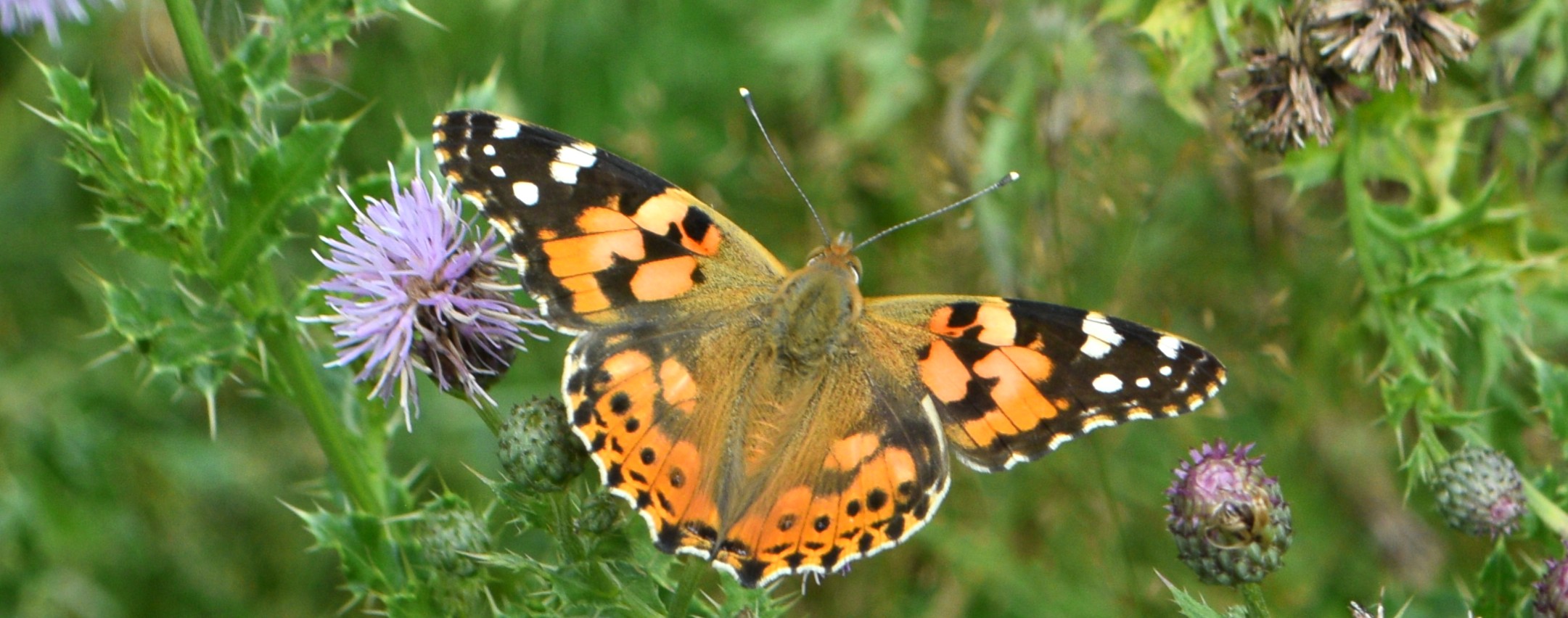
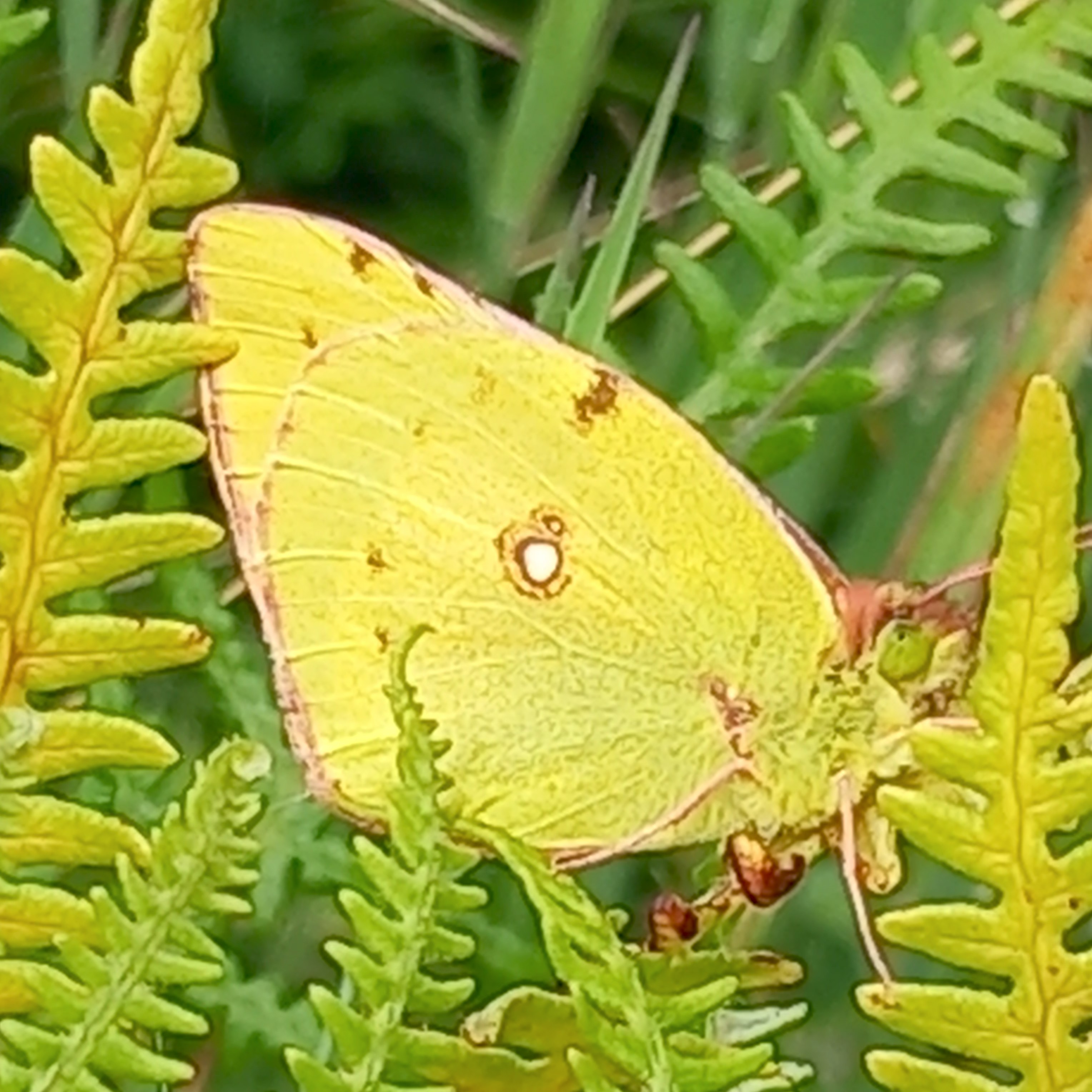
We’ve had a cooler day, the Painted Ladies have disappeared as has the solitary Clouded Yellow butterfly.
Over the years I have often blogged about the rain. We live in one of the wettest areas of England and Wales.
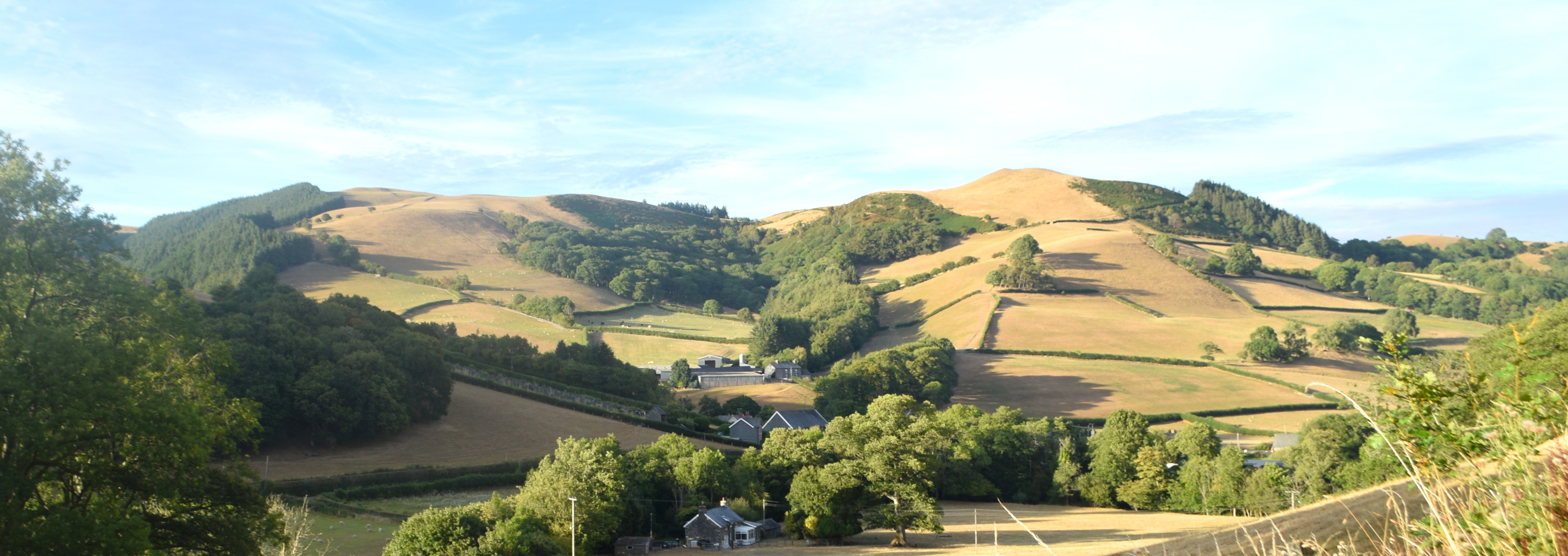
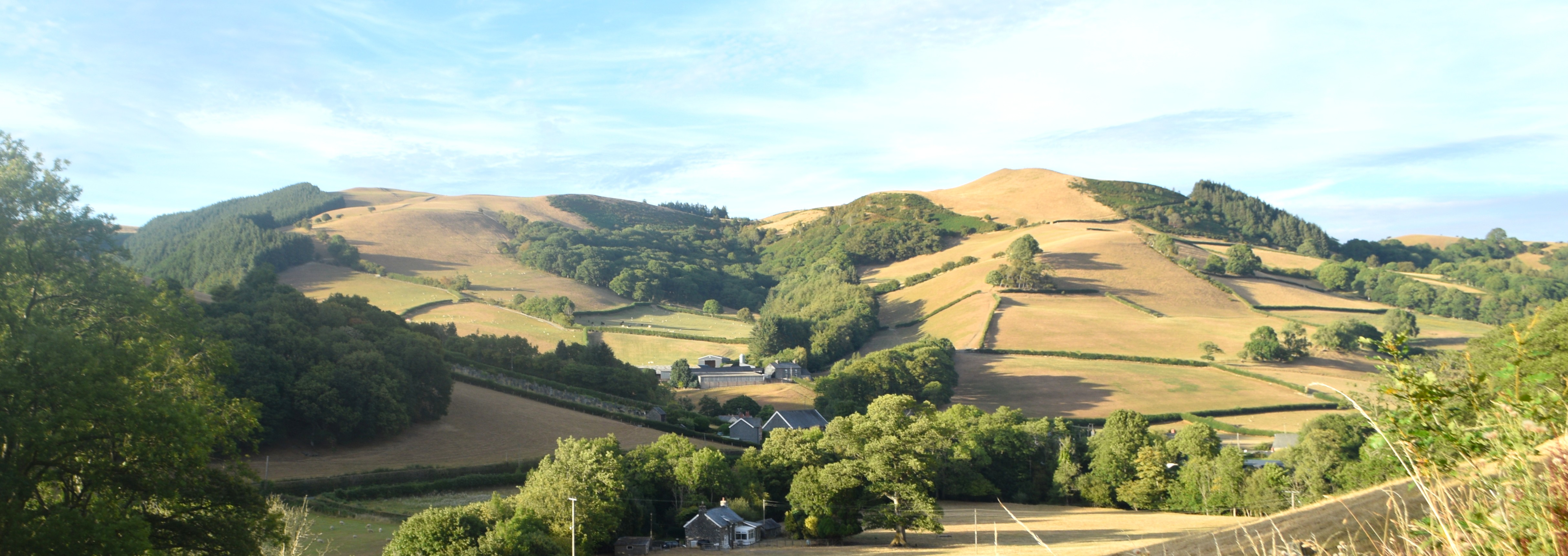
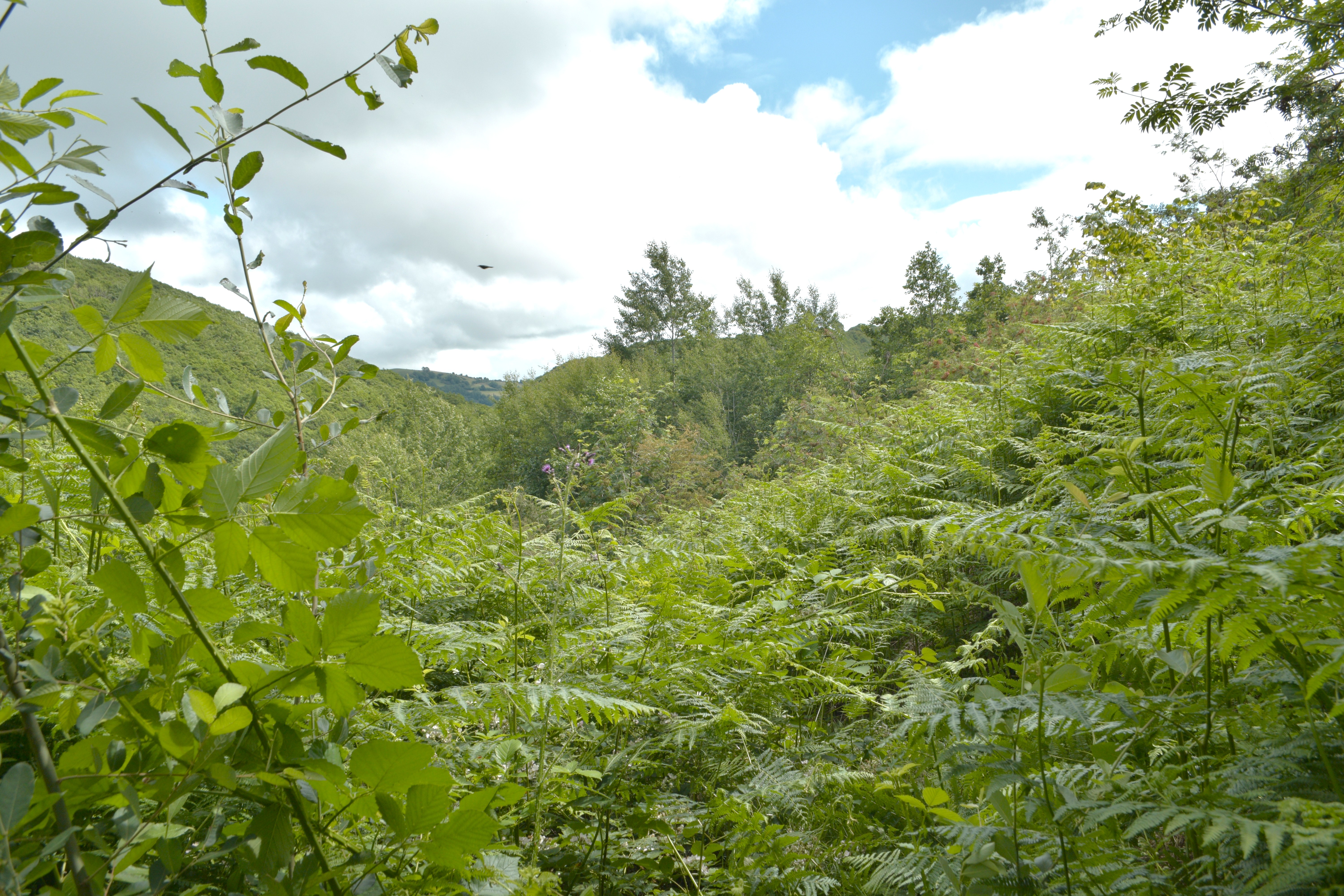
Above is how it is supposed to look in Summer.
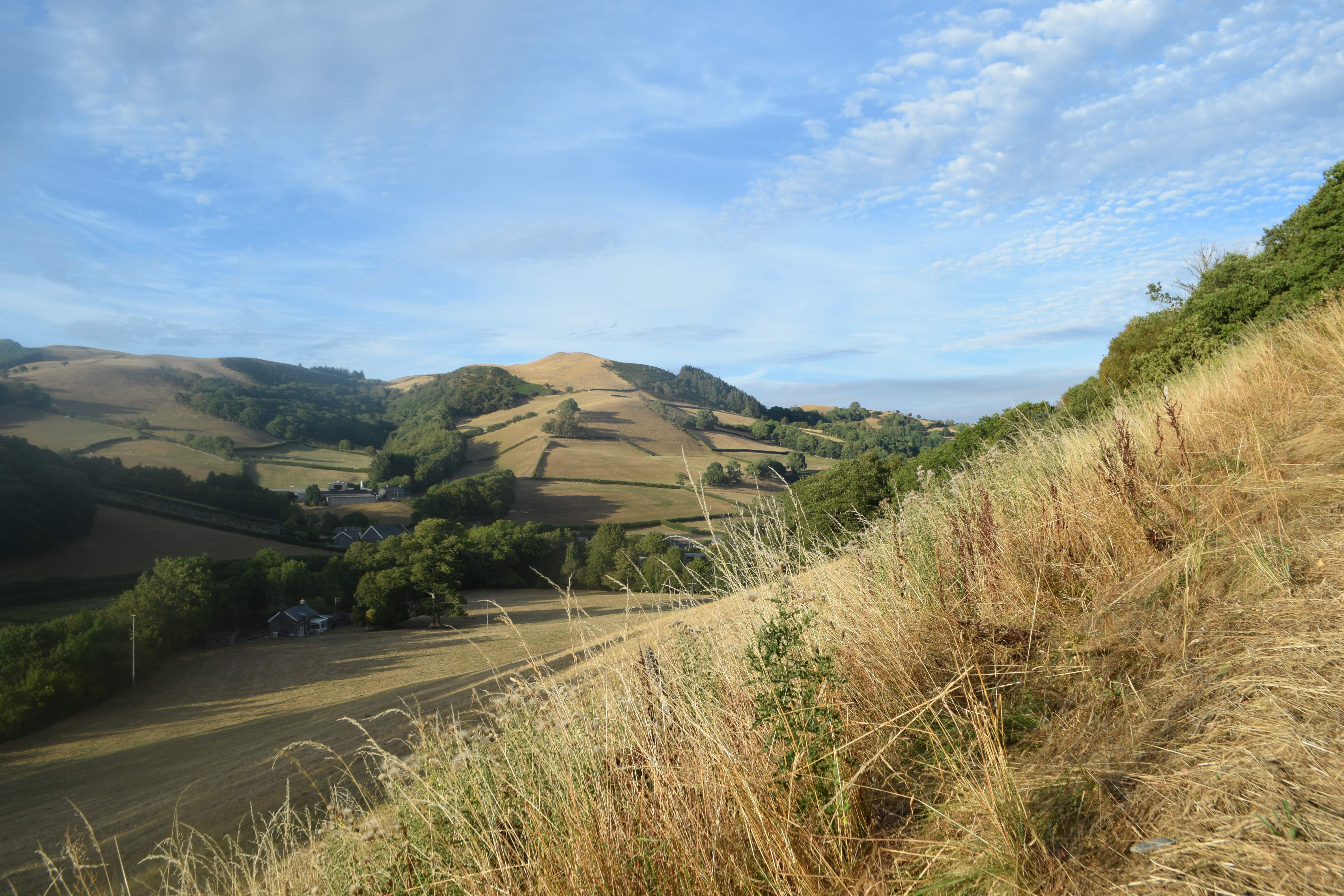
Here it is today:
It won’t be long before the golden hills are brown as the sheep eat the last of the dead grass but that is perhaps not a bad thing as at the moment every thing on the ground is tinder dry. Yesterday the valleys of this part of Mid-Wales were obscured by smoke which, by the magic of Facebook we learned was coming from wild fires. Even from the top of the hill we couldn’t see any flames. So they were not about to engulf us; the nearest was a good 15 miles away; so you can imagine how extensive it was but under control by the time the smoke reached us.
As I headed home with my shopping I passed more vehicles than I have ever seen in our valley, all heading towards the source of the smoke; farmers, I guess, heading out to help.
Today all is clear.
I’m off to check the well again and Bill is filling the buckets with rainwater from the butts, to flush the loo; once a day each. We take “Being careful with water” very seriously. If we, with our catchment of 25 of the wettest acres in Britain can see our stocks dwindling so alarmingly; I wonder how long the taps will continue to work in our towns and cities.
Seems every decade we have to worry about something new.
On the point of posting this both our phones screamed loudly: SEVERE ALERT — something really important but written only in Welsh — no translation available — I am thrown, in panic, upon my linguistic skills — the Welsh dictionary is conveniently on the table… It’s definitely something to do with fire… Minutes later, the phone screams again — this time in English, so now we know that we must not light the barbeque.
I’m going out to cut down the kindling growing around the house.
Last night was clear and the moon full, making deep moon shadows, but nothing moved.
Hardly any footprints in the virgin snow this morning — all mammals, apart from one hardy fox, are snug in their lairs. One sparrow nips out of his nest in the masonry at the corner of our house to pinch a feather from someone else’s nest in the hedge — minus 5 degrees centigrade in the night and he must be increasing his insulation.
We walk on the hill, looking for redwings and fieldfares.
Not even a starling stirs but there is the drumming of a greater spotted woodpecker from the woods — so early, must be experimenting with the acoustics.
Here are his instruments. The air is clear and crisp. The sheep have been evacuated to somewhere more sheltered and nearer home for the shepherd.
Down our valley nothing moves but the two abandoned cars that we almost slid into yesterday have been rescued with some nifty gritting and have returned home to await a thaw.
Our footsteps creak as we descend for a second cup of coffee.
As Russia attacks Poland and Israel bombs Qatar, Bill goes to clean his teeth and shouts “there’s no water!”
“****!” says the householder, “the well must be dry!” Our well has never dried up but, I think to myself as I struggle into my waterproofs, it might have dropped below the outflow pipe.
“It is pouring with rain — it’s rained heavily all night.” says the man brandishing a dry toothbrush. “Surely it must be filling up fast.
“Airlock!” I shout, over my shoulder. Bill is busy filling buckets from the rainwater butts to flush the loos.
As I stride up the hill I think how low the reservoir was when we passed it yesterday. Here’s the track to our well, we cleared it in June but things grow rapidly here. In June, despite weeks of drought, the water was within 9 inches of the top.
Now I’m not even confident that I can find it — it has gone missing before. I flail my way through the bracken and brambles and here it is… and I have remembered to bring a screw driver to open the cover.
The level is a good 7 feet, 2 meters, down, but the outflow pipe is submerged, can you see it at the bottom of the loop of pipe? The rain is now torrential, I slide back down the steep slope to fetch the kit to clear the area so that I can find the pipe we put in to wash out the dastardly air that has been sucked into the pipe to break the siphon.
Some hours later… Soaked again
A couple of hours of hacking and chopping and the stop-cock and the priming pipe are revealed and their relationship to the well which I photograph to help find them next time. In fact, this whole narrative is about recording events for our successor or, to be truthful, as an aide memoir for ourselves. The stop-cock is down a dark deep hole, longer than my arm, I decide not to mess with it, even if that means all the water goes straight back into the well.
Back to the house for dry clothes and some toast and coffee. “The next phase should be easier as nowadays we can communicate using the mobile phones.” I say. Bill points out that we don’t actually have to open and shut taps to preserve water as we try to fill the half mile of butyl pipe between the well and the house, “it will fill the lavatory cisterns then stop.”
“Oh, I suppose it will.” I say, not convinced, “Still, I’ll take the phone anyway.
Now all that is required is a bucket on a long rope, a funnel and a shepherd’s crook to push the bucket under the water while not falling head first into the orange abyss. I switch on the phone to contact the controller in the house. Rain spots the screen, I wipe it, it goes off — I do this several times before realising that the battery is flat and that my pockets are filling up with water. I tie up the phone in a rubber glove.
Faced with another wet hike back to the house I decide to give it a try anyway. Buckets of water are hauled up, like pussy in the well, and poured into the funnel balanced in the open blue pipe without allowing further ingress of air, this involves nifty thumb work. After 3 buckets full, the funnel stops emptying and the pipe appears to be primed, I screw the cap on, without crossing the thread, difficult with my fingers crossed, and make haste, carefully, to the house, it is important not to break a hip while doing these things.
“The pipes have been gurgling,” says Bill.
Holding our breath, we turn on the kitchen tap… It splutters, it flows!
That’s what we are told and I do believe it, but it hasn’t always felt like it in Wales; we had snow before Christmas and again several times since.
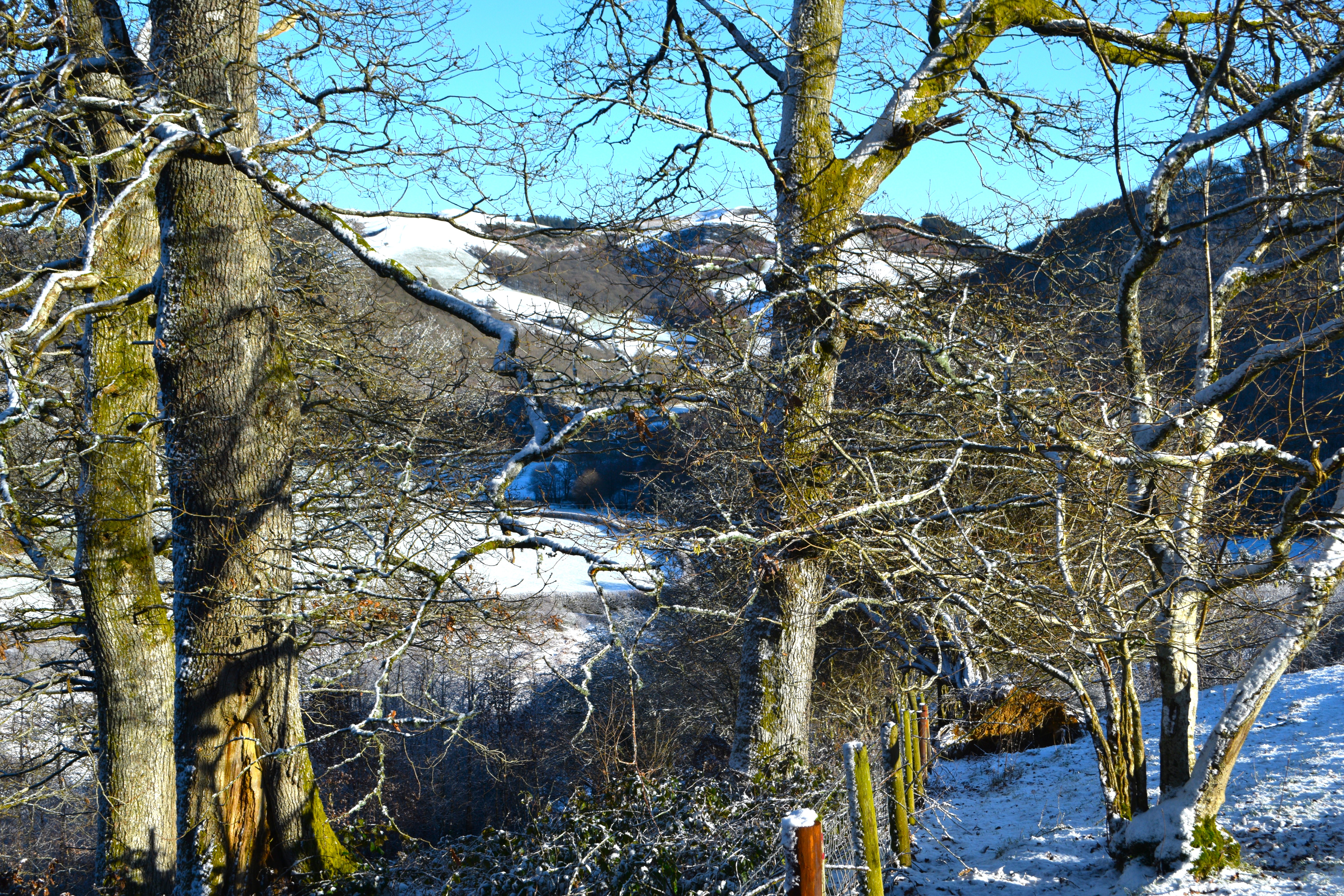
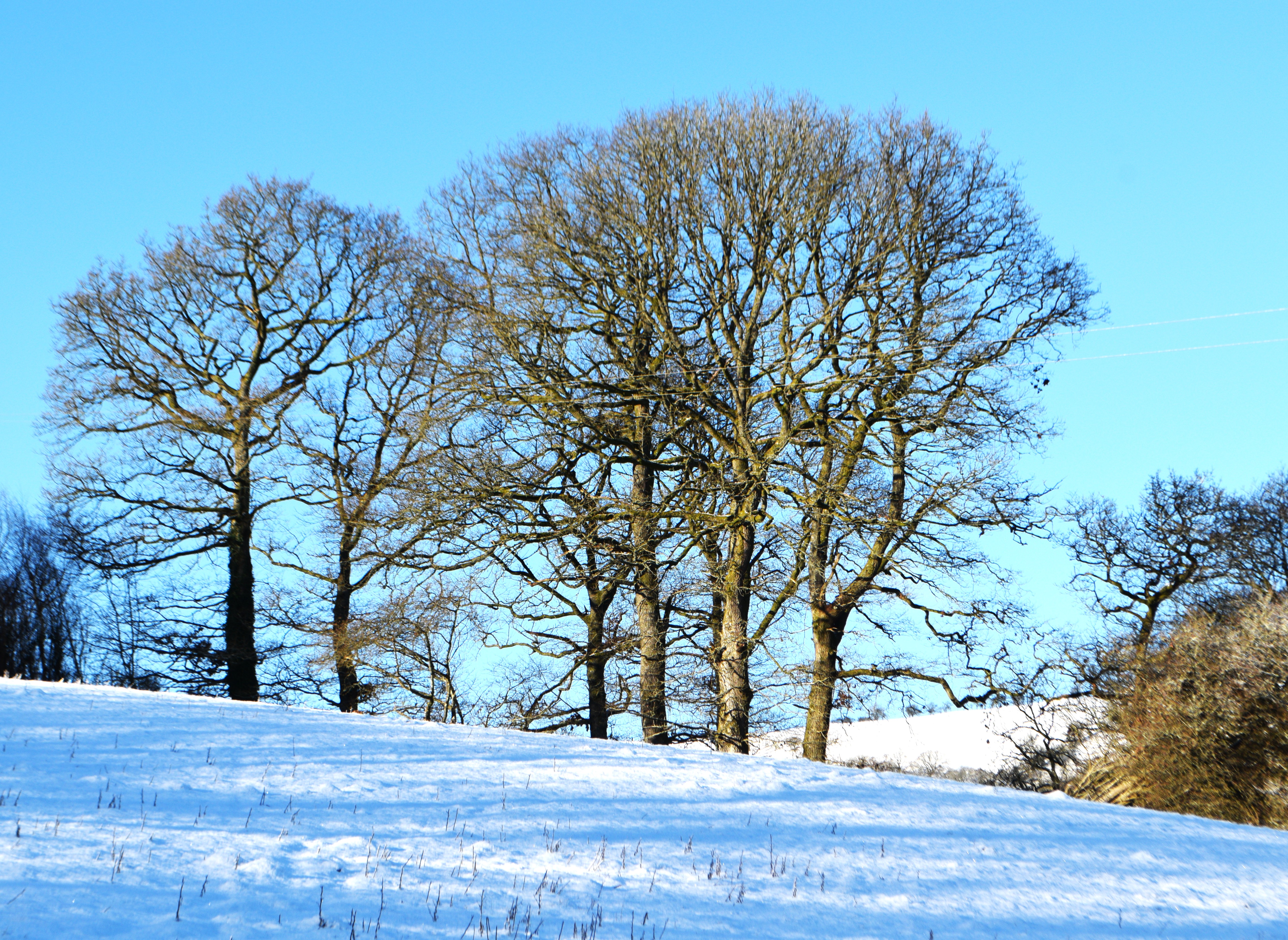
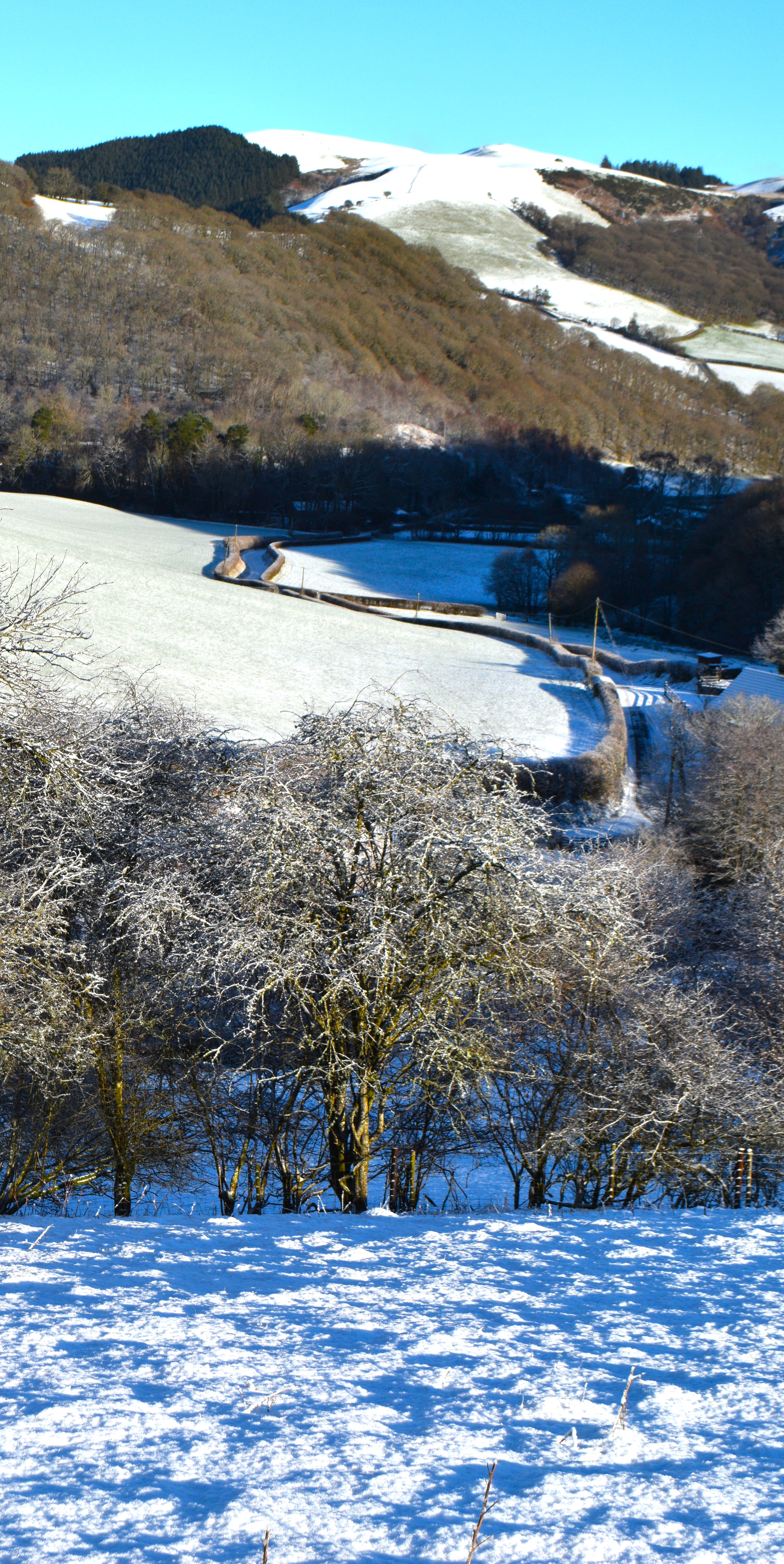
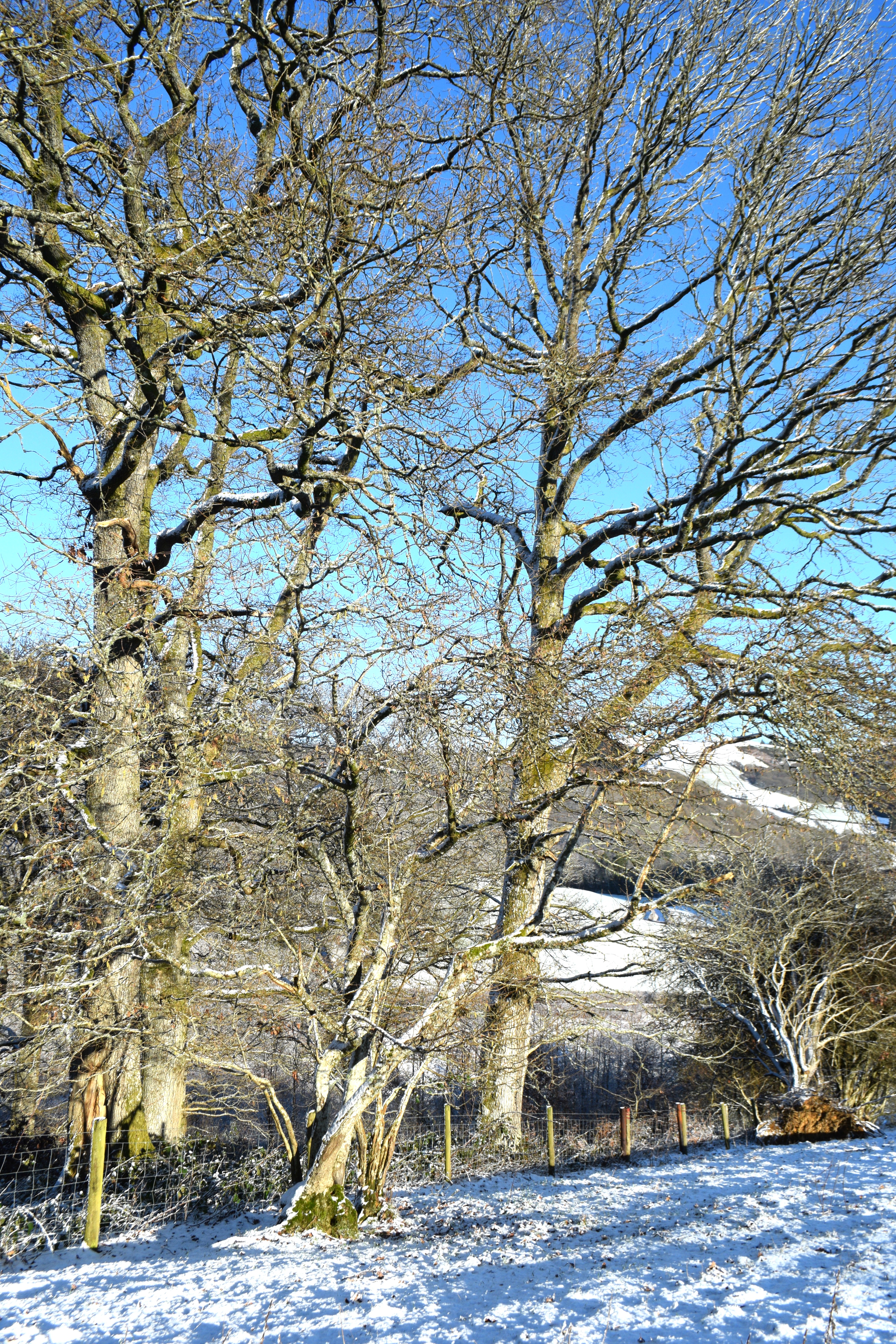
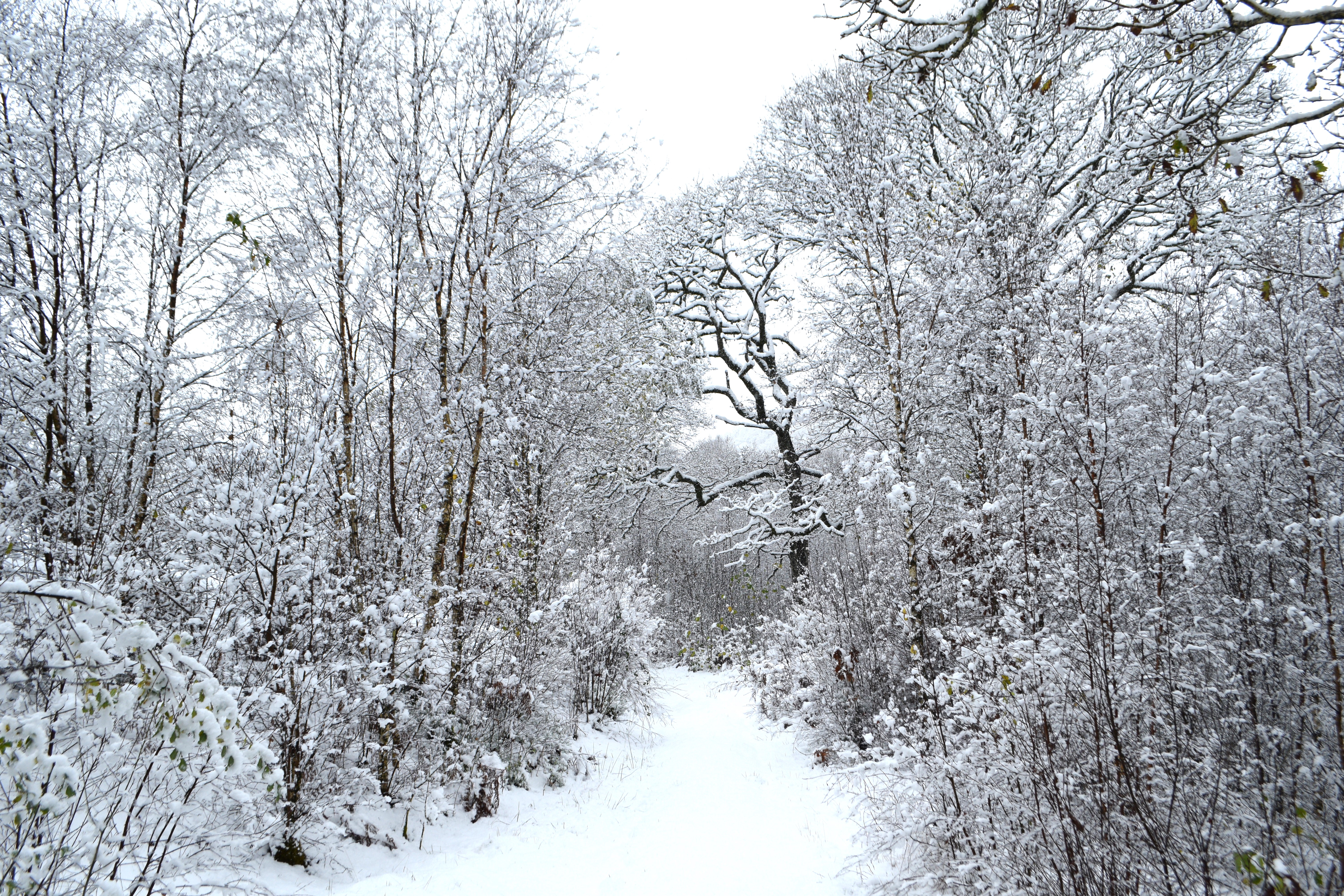
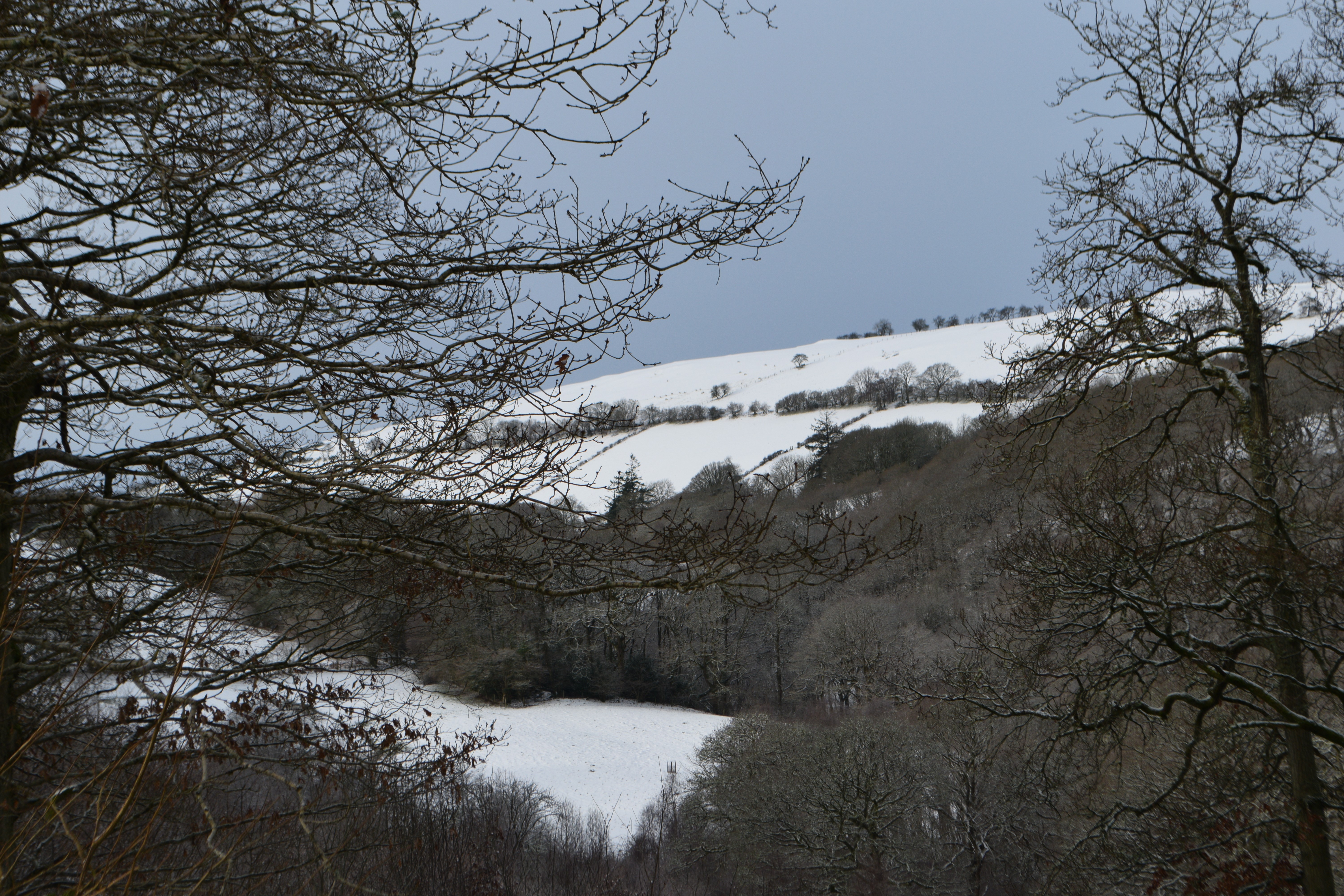
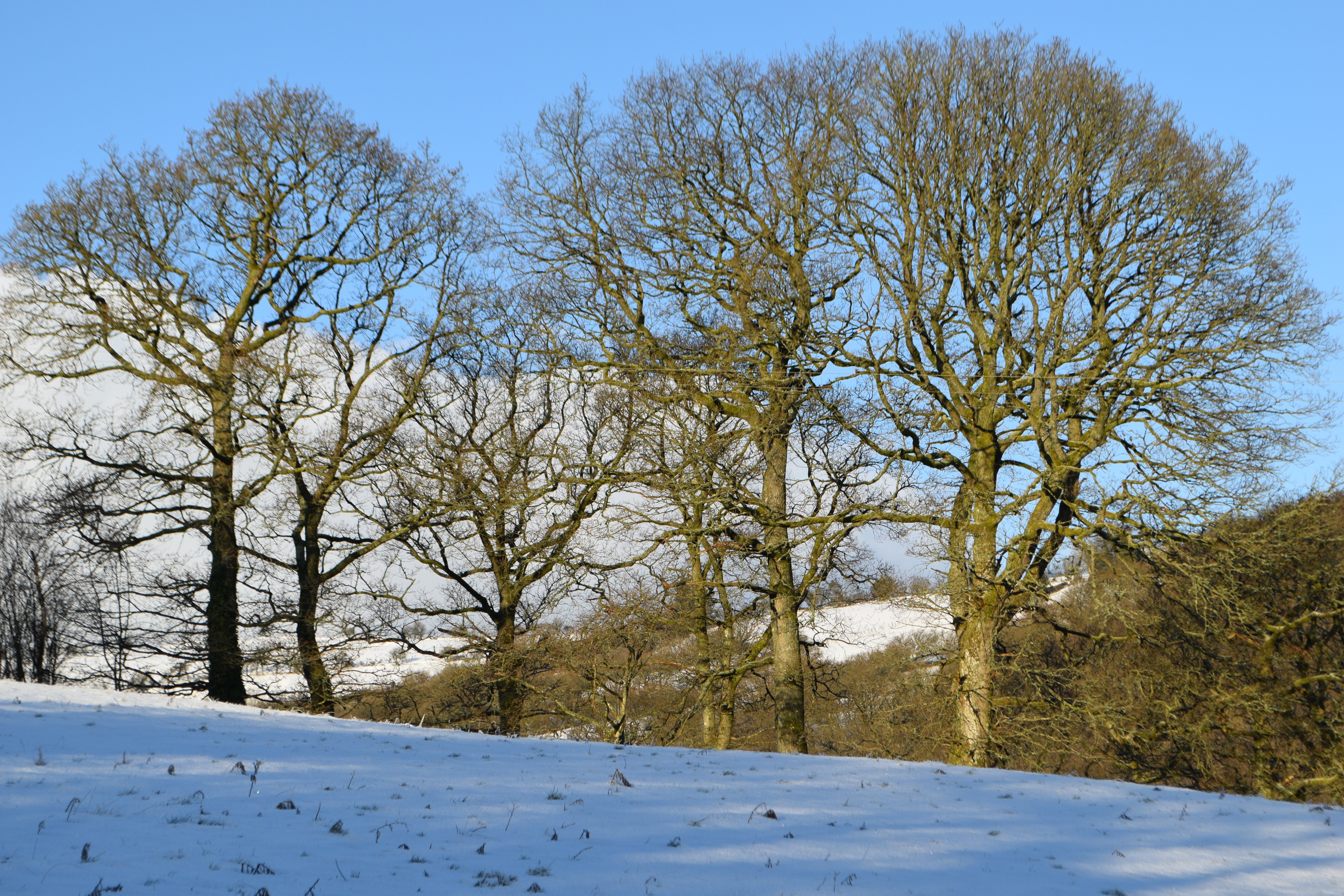
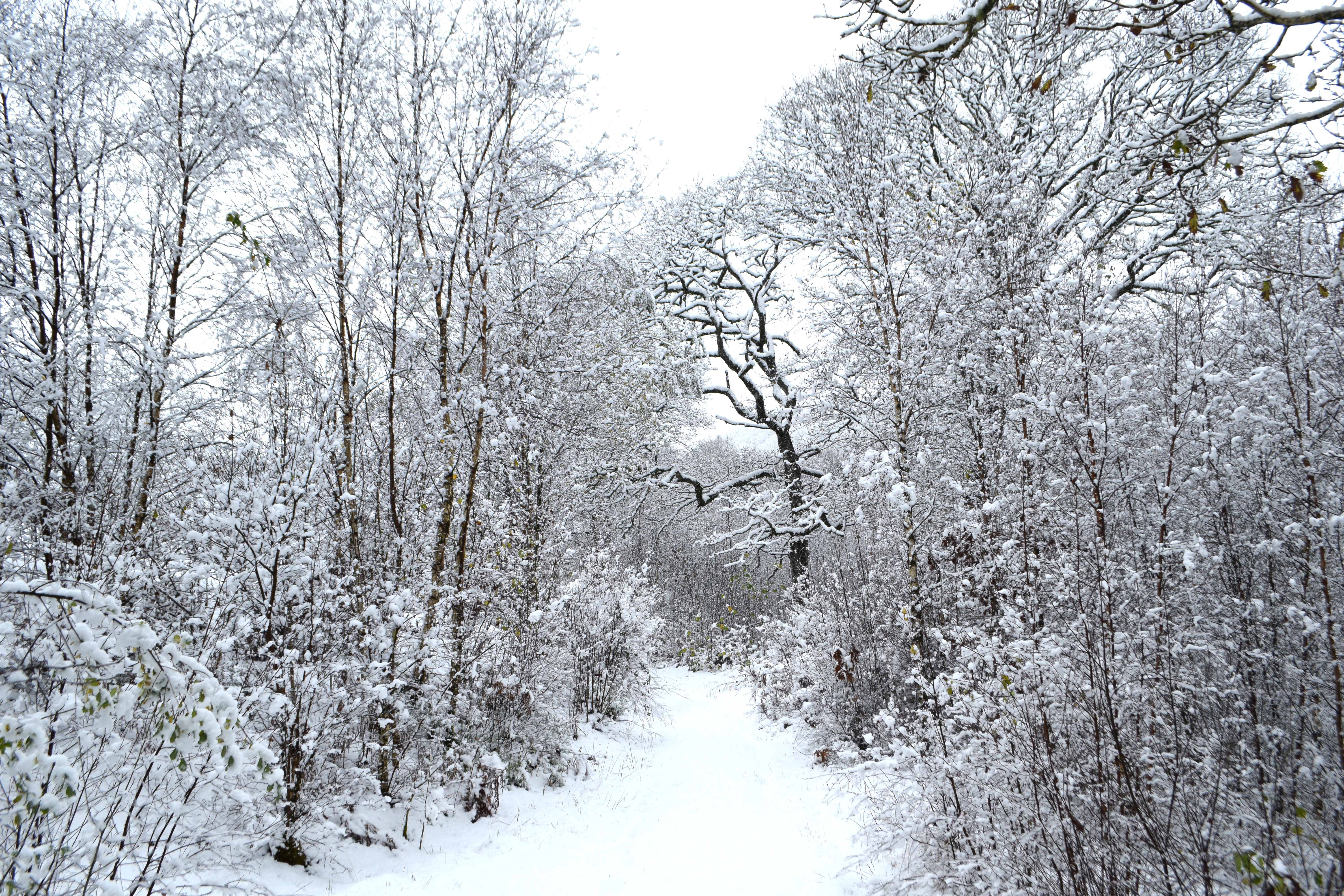
Here are some of this winter’s chilly images from our woodland.
Below is a strange phenomenon spotted on the surface of the frozen pond — a winter corn circle! I guess a spot of something organic has polluted the centre of the surface of each, diffusing outwards, lowering the freezing point (like salt on the road) and creating the perfect circles of melting frost.
Is that why it thaws around the margins and island or is that just the temperature differential between the ground and the water? Food for thought.
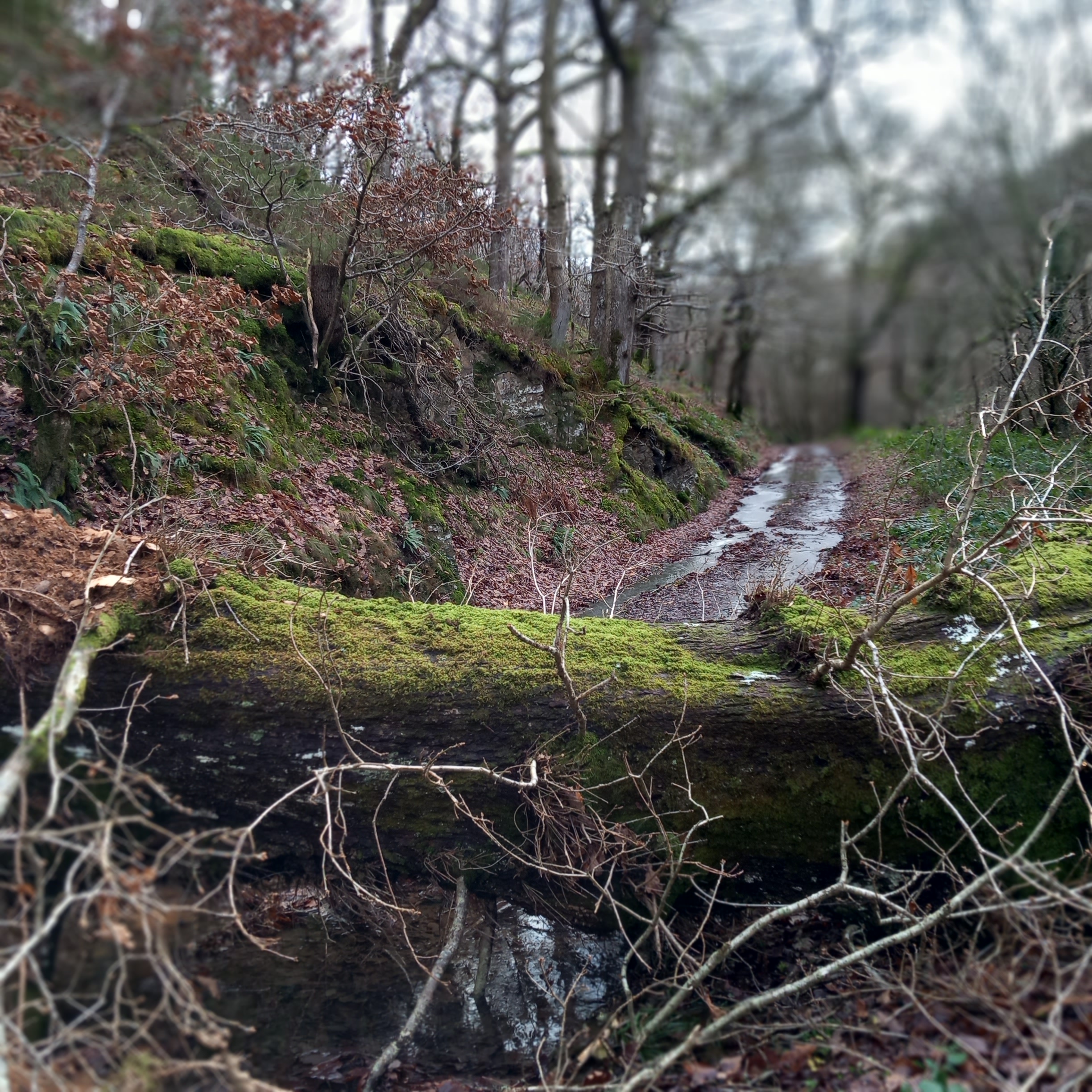
We had a blowy night and next morning Cwm Cudyn was blocked in 2 places, first with an Oak Tree which put our new electric chainsaw in it’s place — even with Roger helping! It lies right across the carriageway — no carriages will pass this way for quite a while.
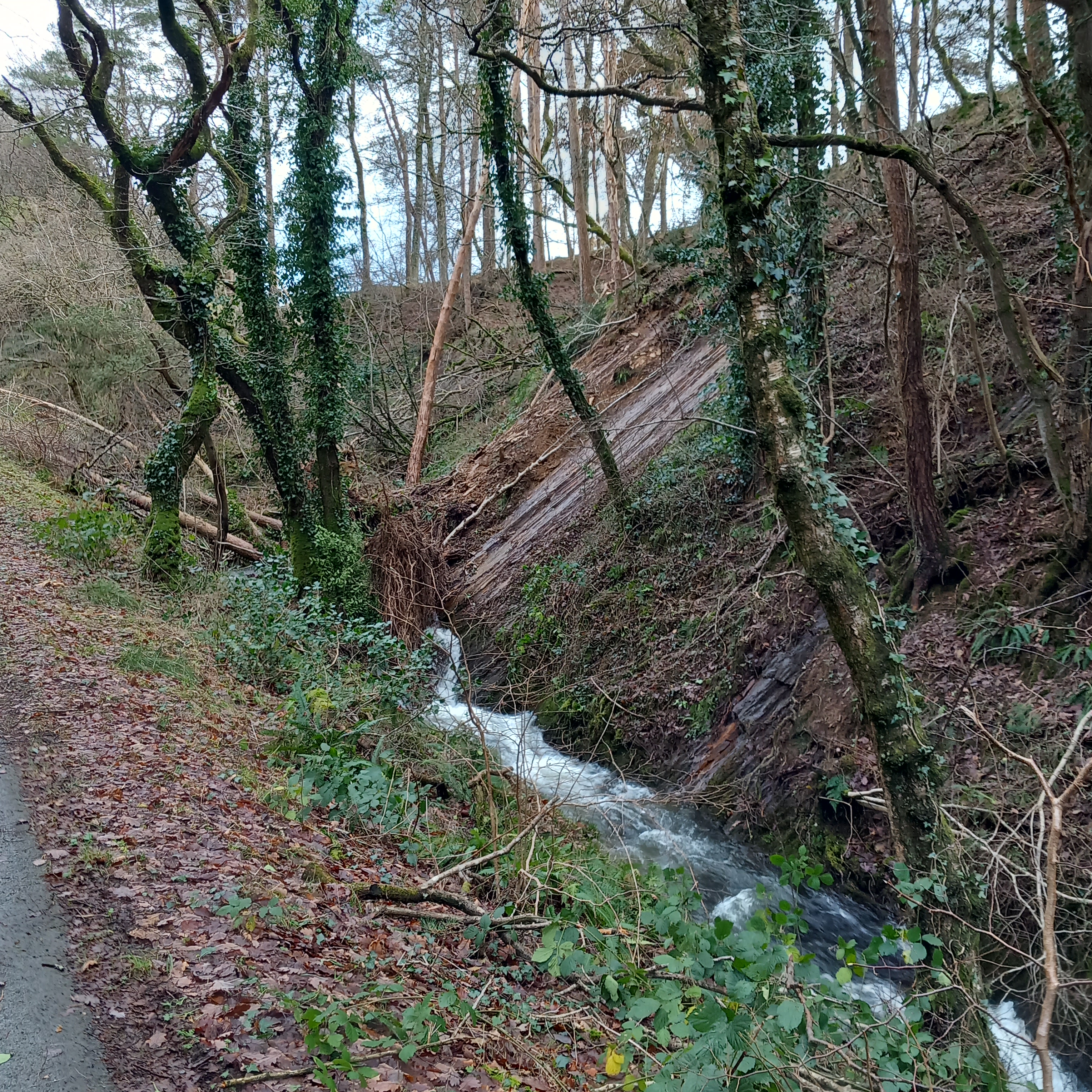
Further up where the banks are steep and the soil thin, 5 tall pine trees lost their grip and had a go at skiing, skidding elegantly down the sloping bedrock leaving it glistening in the rain. Continuing the metaphor they all fell over in a tangled heap in the bottom of the cwm.
See how tenuous was their hold.
Still they managed to block the road.
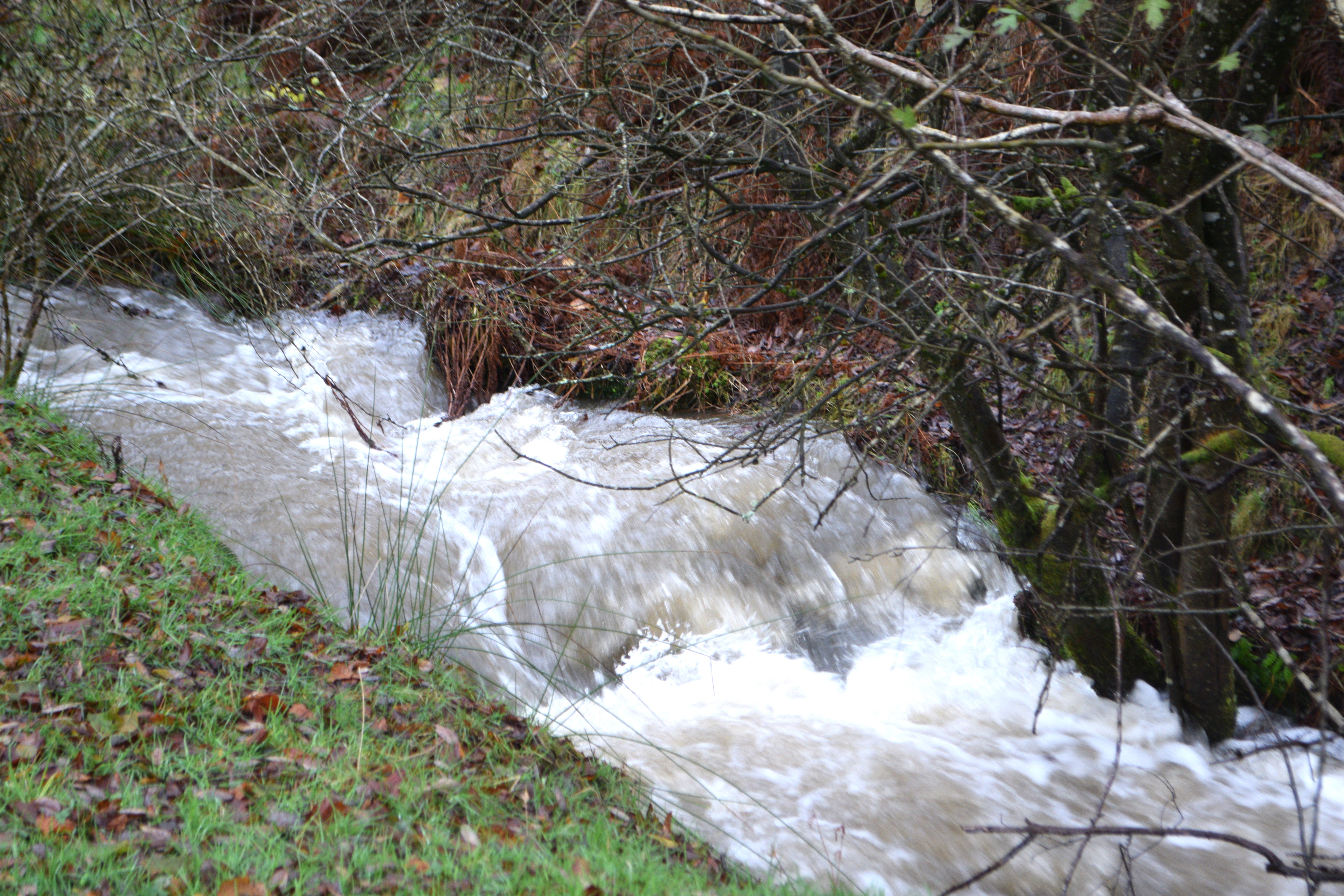
At the bottom, where the lane is high above the river, you can see the lanky oak that normally stands on the edge of the stream with its roots in the water. It had a rough night, resisting the 90 mph gusts, and is now having a lie down. I bet that made the neighbors house shake.
Next day the levels have fallen here.
We worried about the impact of all this water further down stream but there was a news black-out — no power, no internet, no mobile coverage and the land-line was knocked out by the fallen larch on the hill.
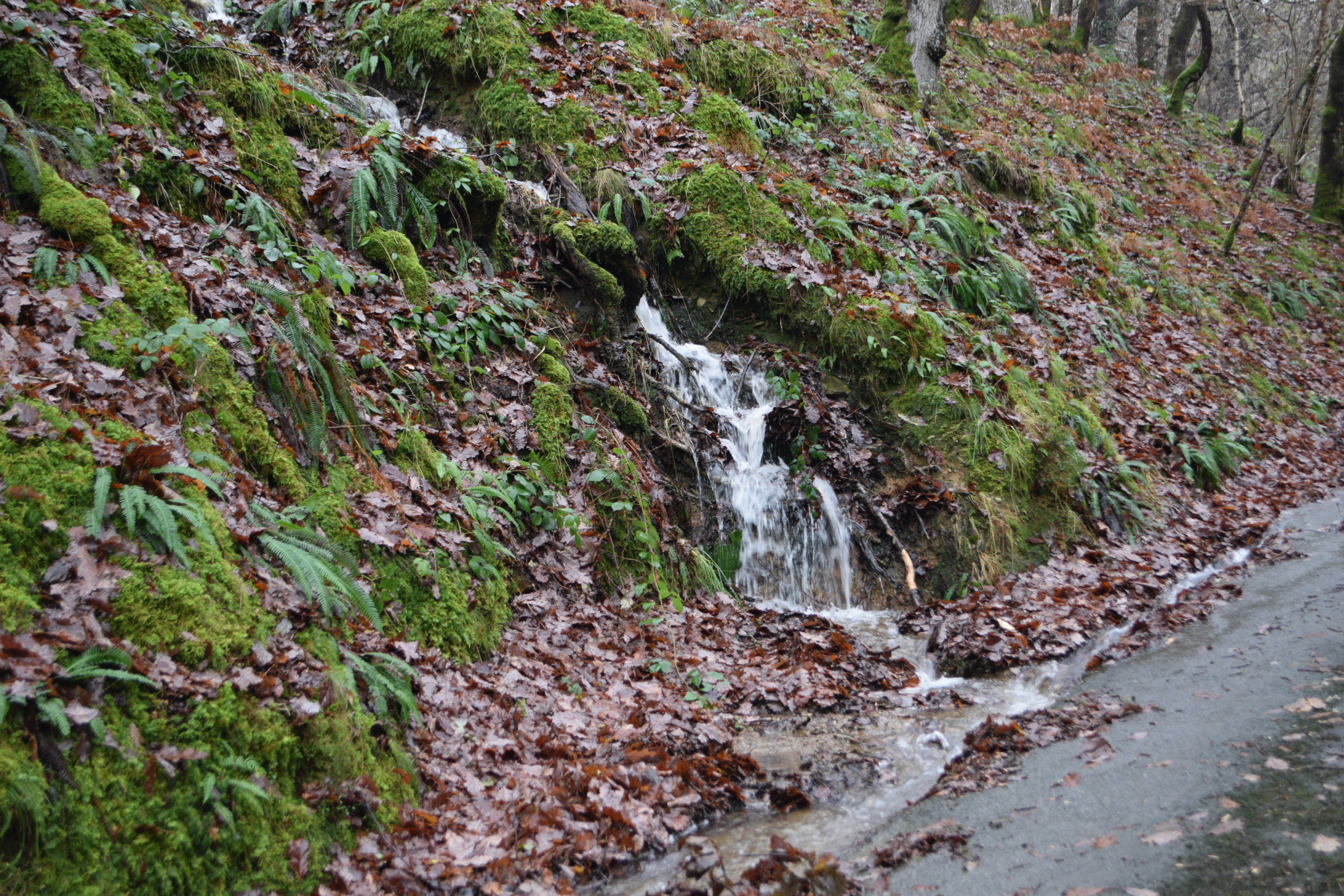
We kept warm by cutting and moving the smaller fallen trees that were in the way and by unbunging the culvert by the house to release the Olympic swimming-pool of muddy water that had gathered on the road to stop the cars — not that there were many!
Once power was restored, Assad had fallen in Syria so there was nothing much to hear about trees or floods!
Its chilly here and the ground is covered and crunchy.
Food is thin on the ground and creatures need more calories to keep warm.
This is bringing birds that are usually wary of humans closer to the house.
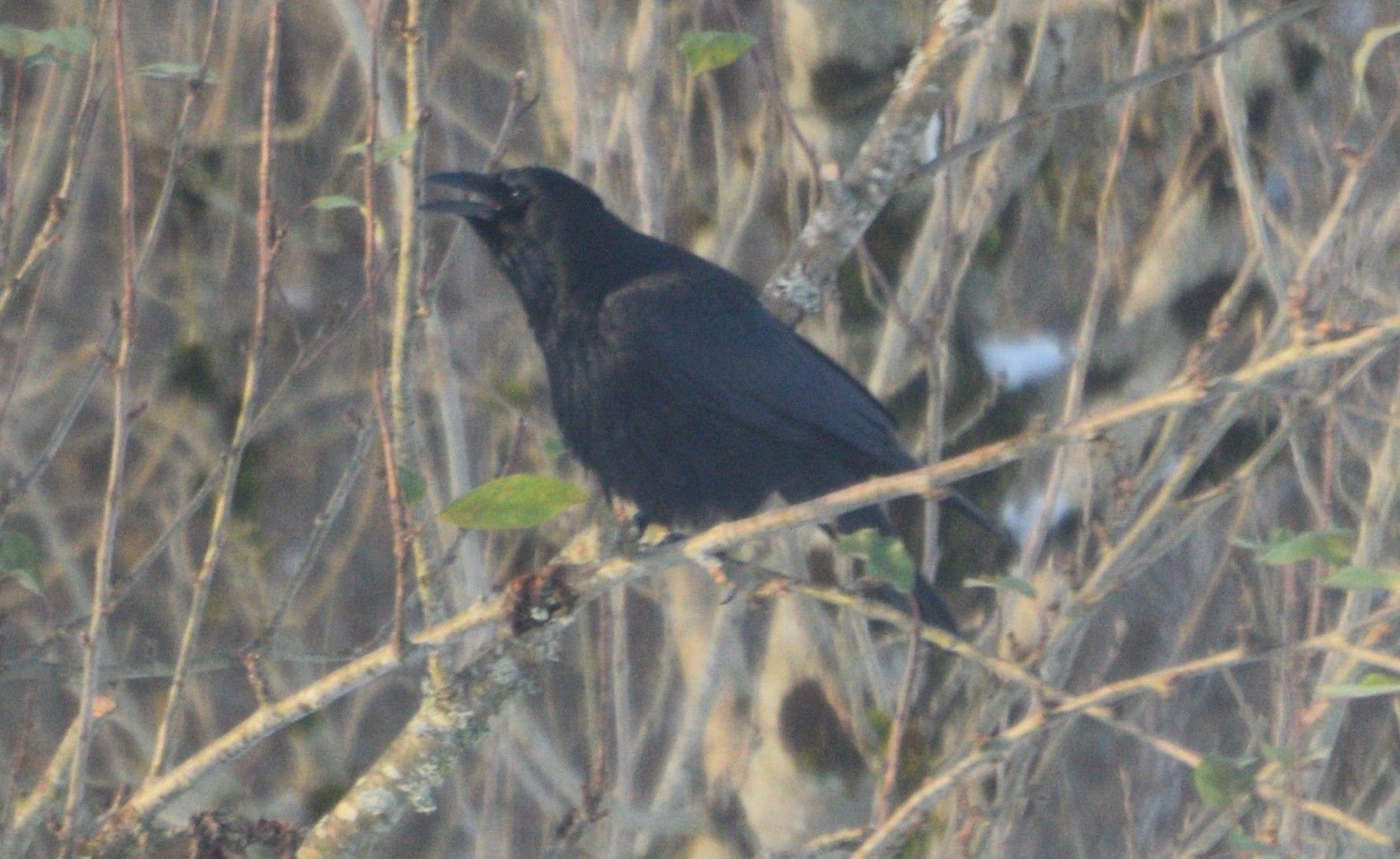
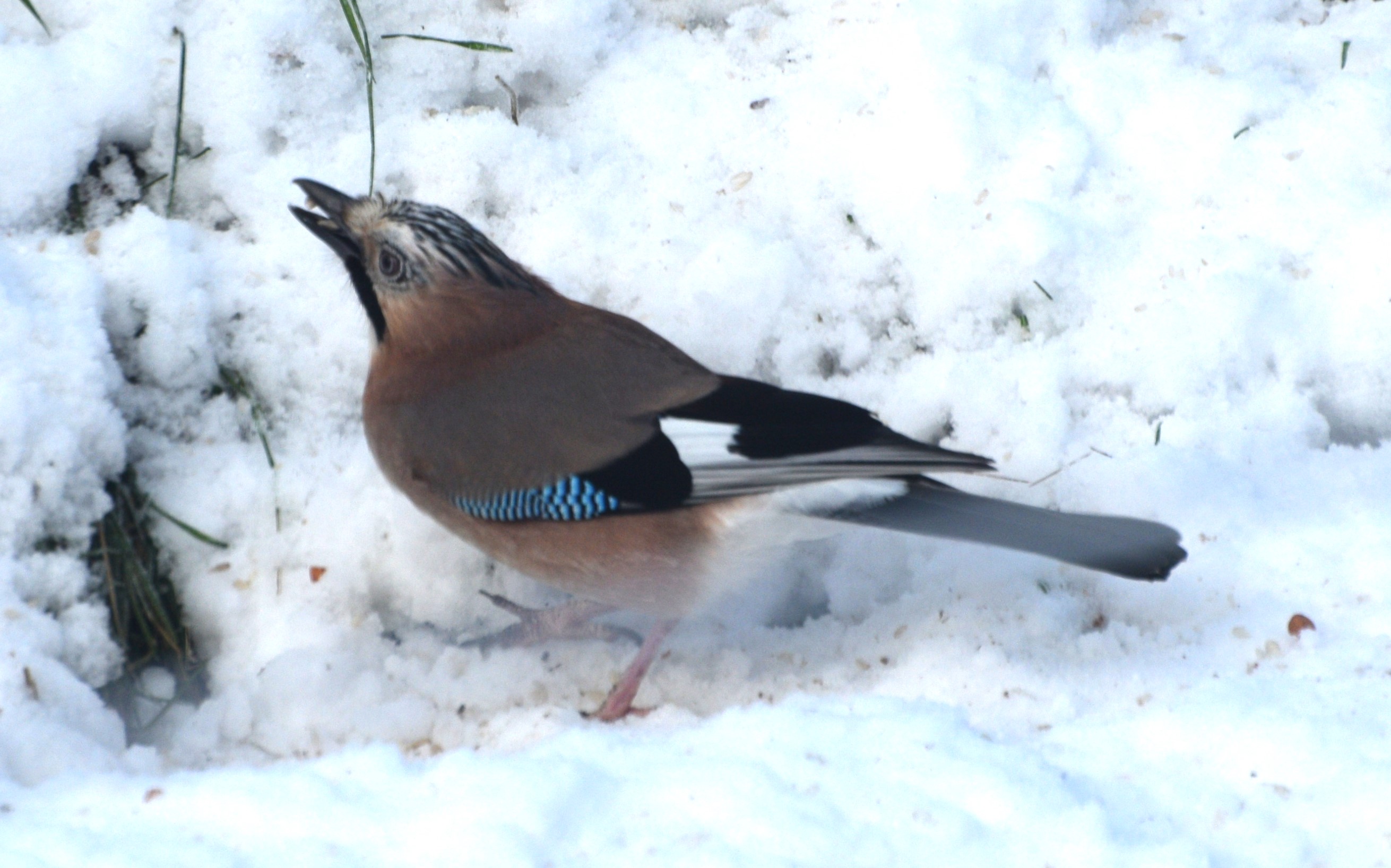
This fine jay has been spotted foraging under the bird feeder and is battling for custody of the windfall apples with the local carrion crow, who sits in the tree posturing aggressively.
By and large jay defers to crow but sneaks back later.
Both hear the Raven up above, getting closer but still never coming to ground.
One regular is undeterred.
The Buzzards sit on the telegraph poles having removed the dead mouse from the patio, which I caught for him in my kitchen! Times are especially hard for him, and the fox as all the little mammals have gone to ground. We see the foxes prints prowling the edges of the fields but no rabbit tracks.
The one lonely fieldfare is not scared of the jay — there are plenty of fallen apples still.
But the little birds must beware!
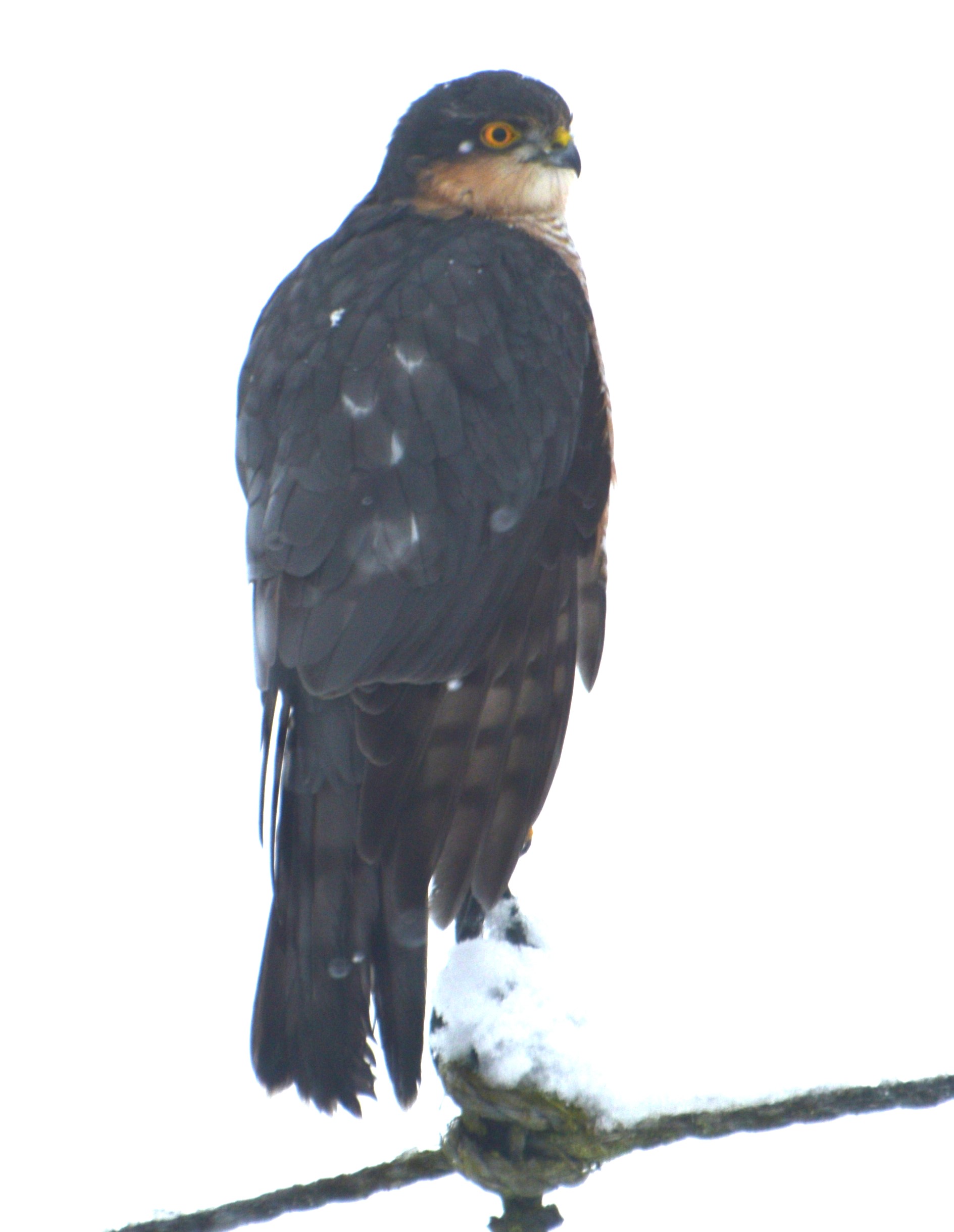
The sparrowhawk visits daily and sits on the bird feeder — we know he’s there by the sudden eerie absence of everything else.
Knighton Festival of books, art, music and, as it happened, weather took place this week-end.
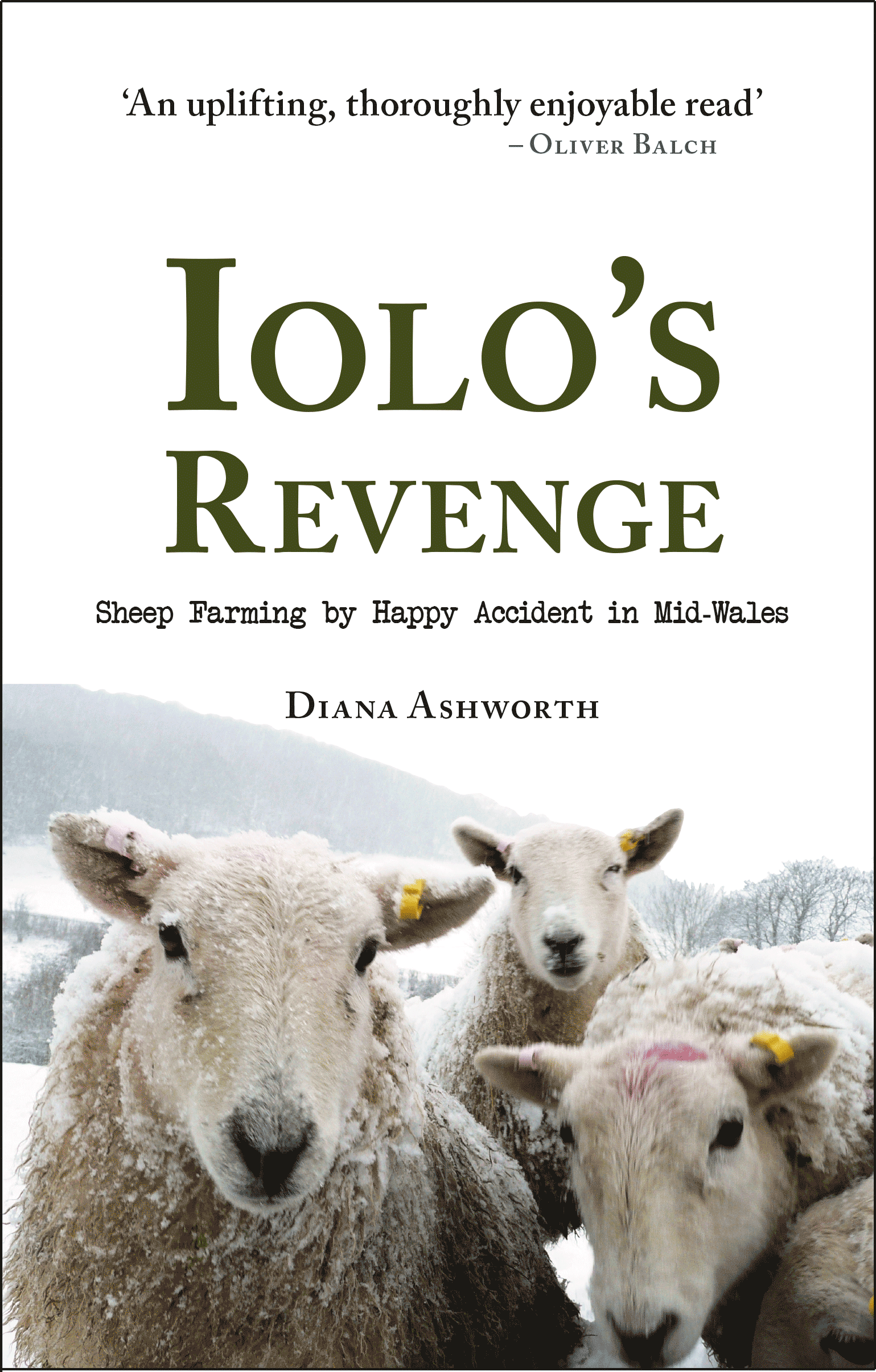
I was invited to give a talk about my book set in Mid-Wales, Iolo’s Revenge. I have been preparing it nervously for months. We set off early and Bill had studied the map — Shropshire was enjoying the heaviest rainfall since Catherine’s friend Laura got married and the church was cut off by flood water and the bride had to wade across fields in wellies!
Knighton station was closed — all the town’s four trains per day were cancelled because the line along the Teme valley was inundated. Stranded, bedraggled, young people with rucksacks were wandering the steep, wet streets. The ladies in the town’s cafes doling out tea, sympathy and all-day-breakfasts.
I boomed out the extracts from my book over their wonderful sound system, it sounded quite good, even to me and the select collection of stoical festival faithful laughed in all the right places and showed their interest with lots of intelligent questions and comments. I really enjoyed it!
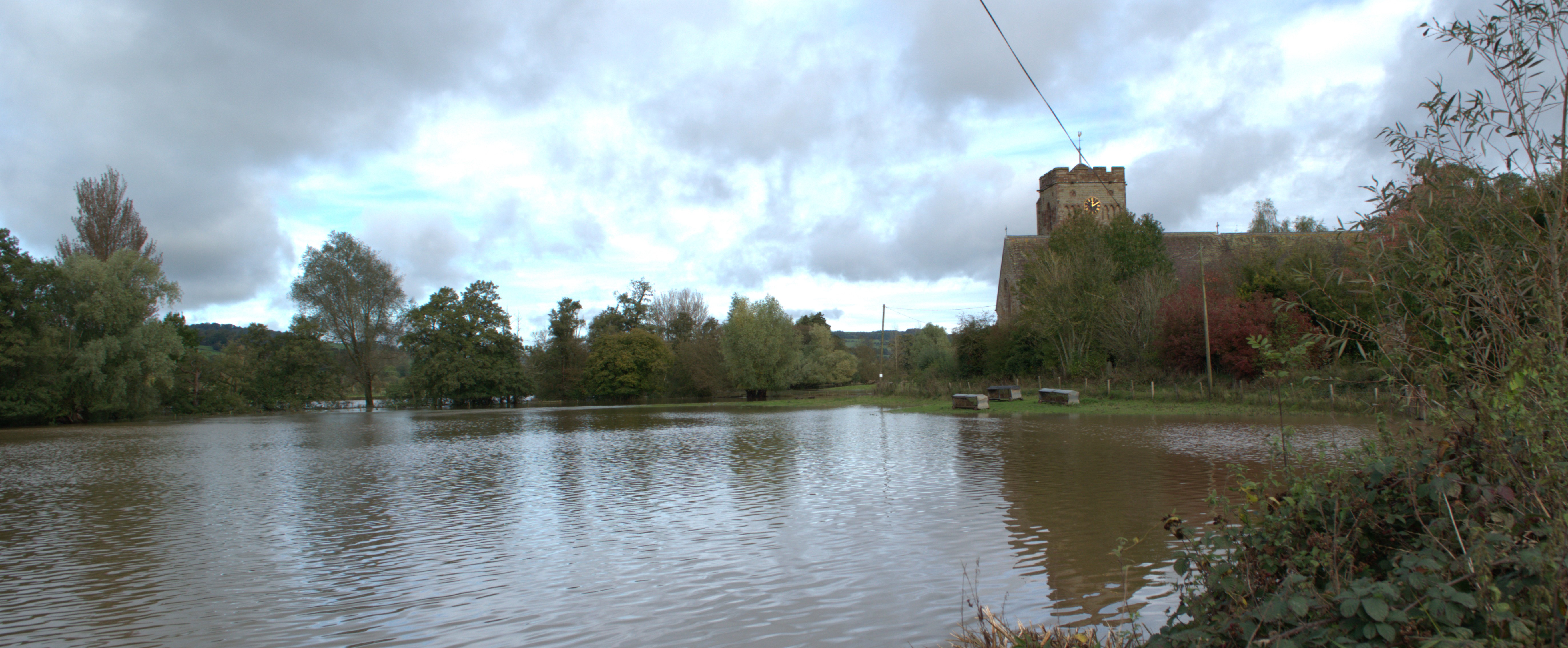
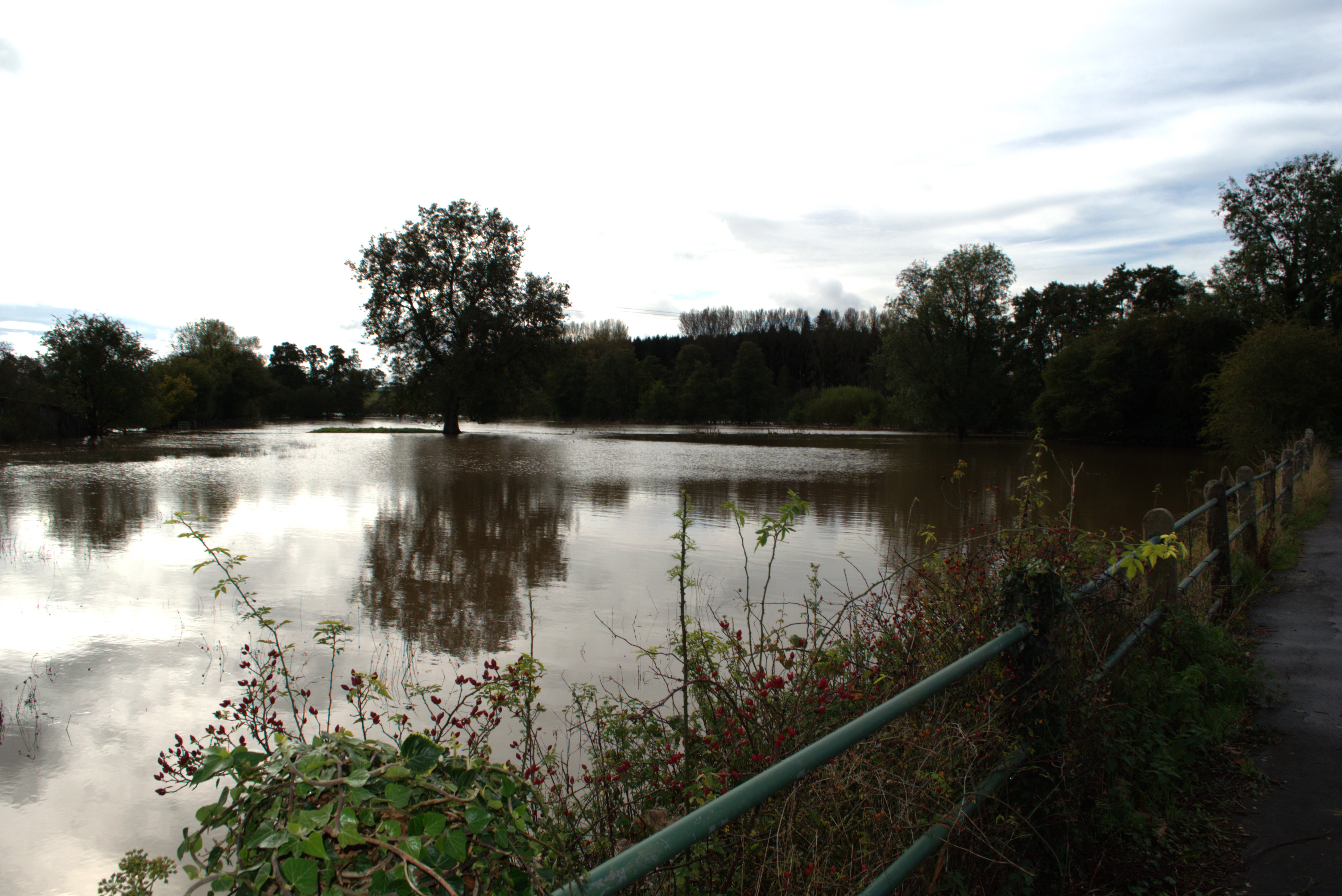
Proper use of the flood plain next to the river Clun in Shropshire near Clununford. We found a road home that was passable though many others were not!
Finding only catkins blowing in the breeze which was ominously easterly.
Deep breath — one sneeze.
No yellow stars twinkling in the hedgerow —
ranunculi, the true harbinger of Spring — keeping their heads down.
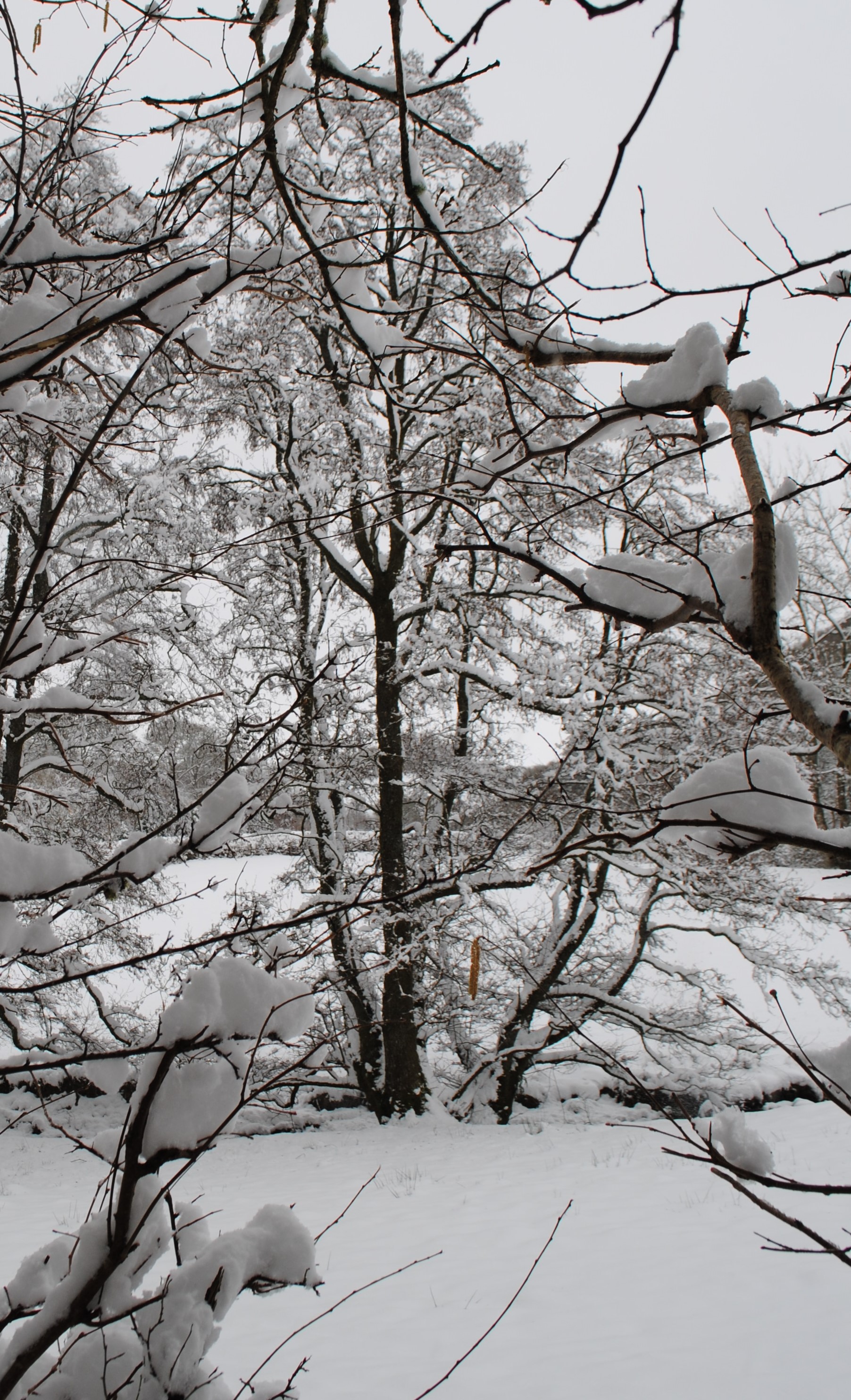
We’re not there yet! We awake to 8 inches of snow. The fine stuff that clings to the trees who flex their sinews as you pass to dump it on your head — it’s their only pleasure.
Scenery, unrelieved by scarlet berries
Long ago eaten by hungry birds but not long to go now