farming, Health and safety, Hill Farming, trees, Wales

Lumberjack’s assistants ride again!

We’re still reeling from the gales of the last several months; tidying up what we can.

But some things are beyond us; we need a Lumberjack; Tree surgeon Barry and we are juniors again!

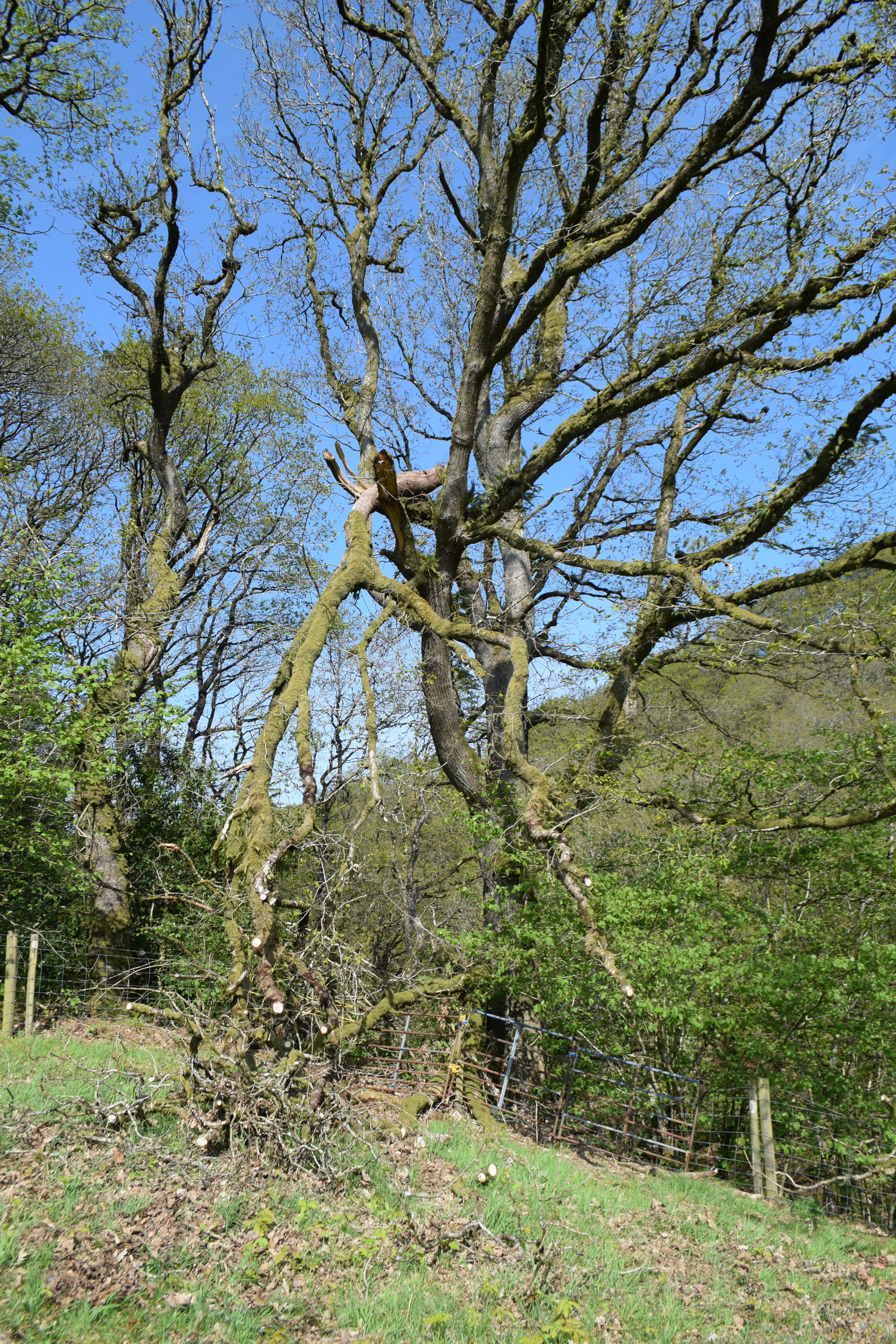
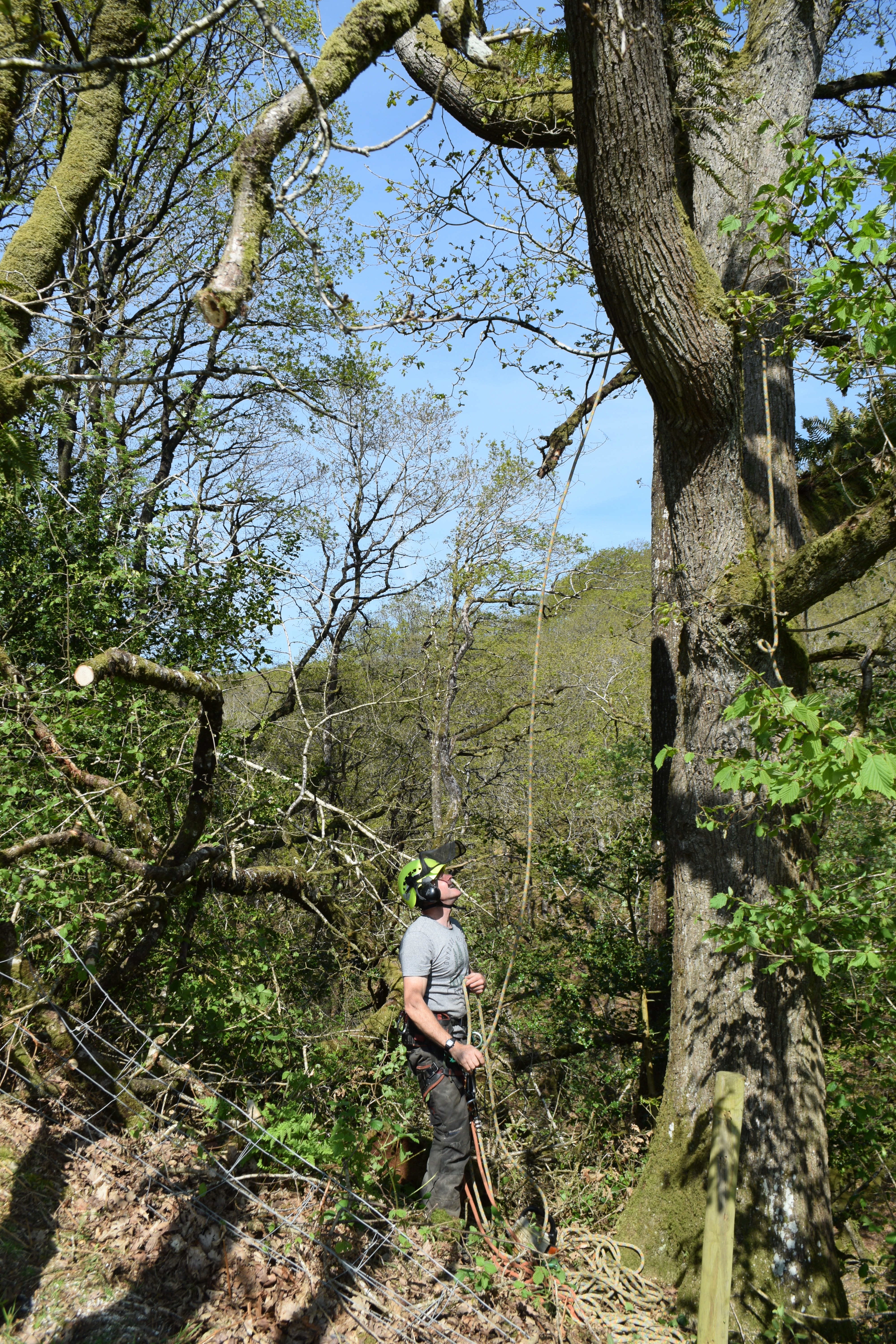
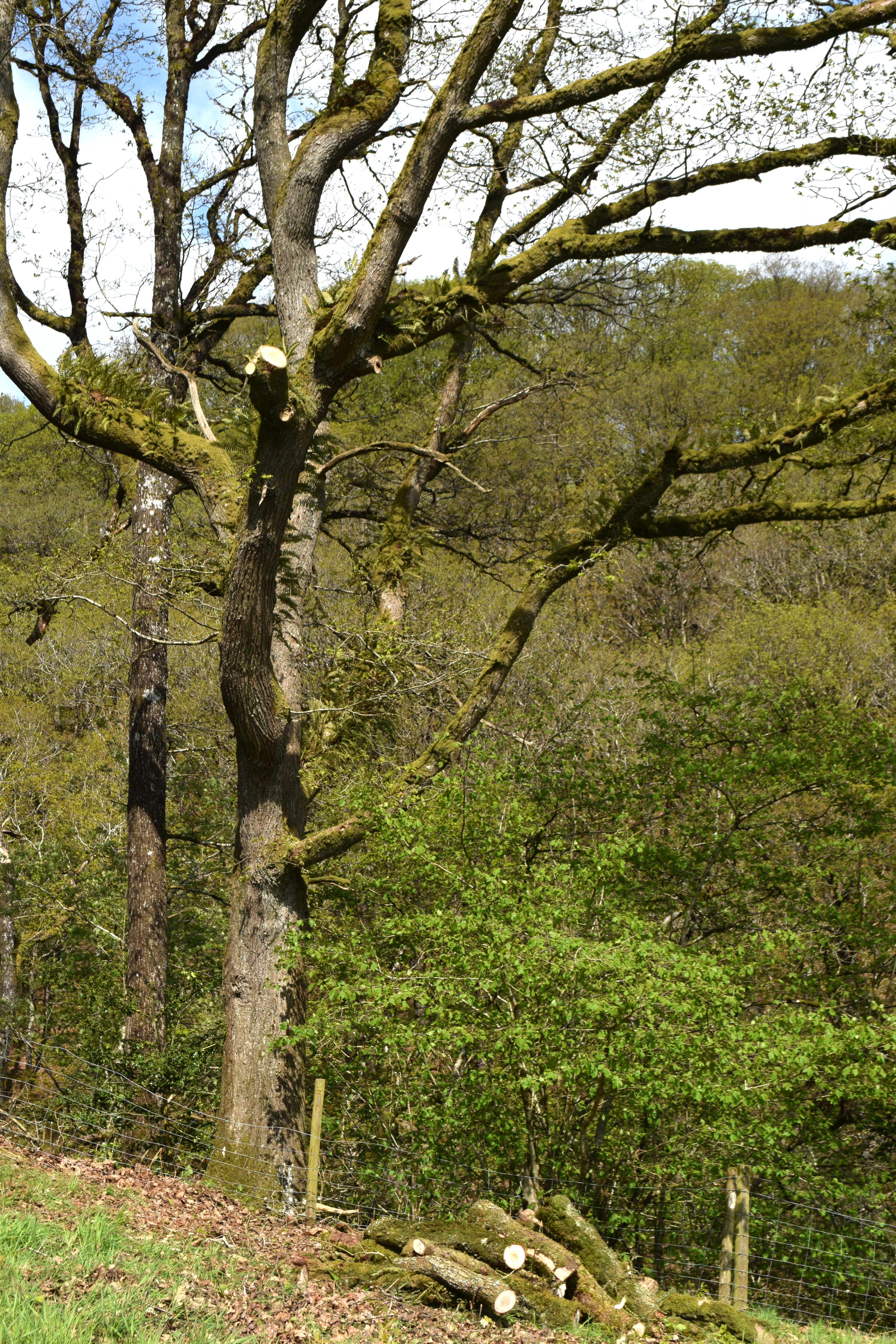
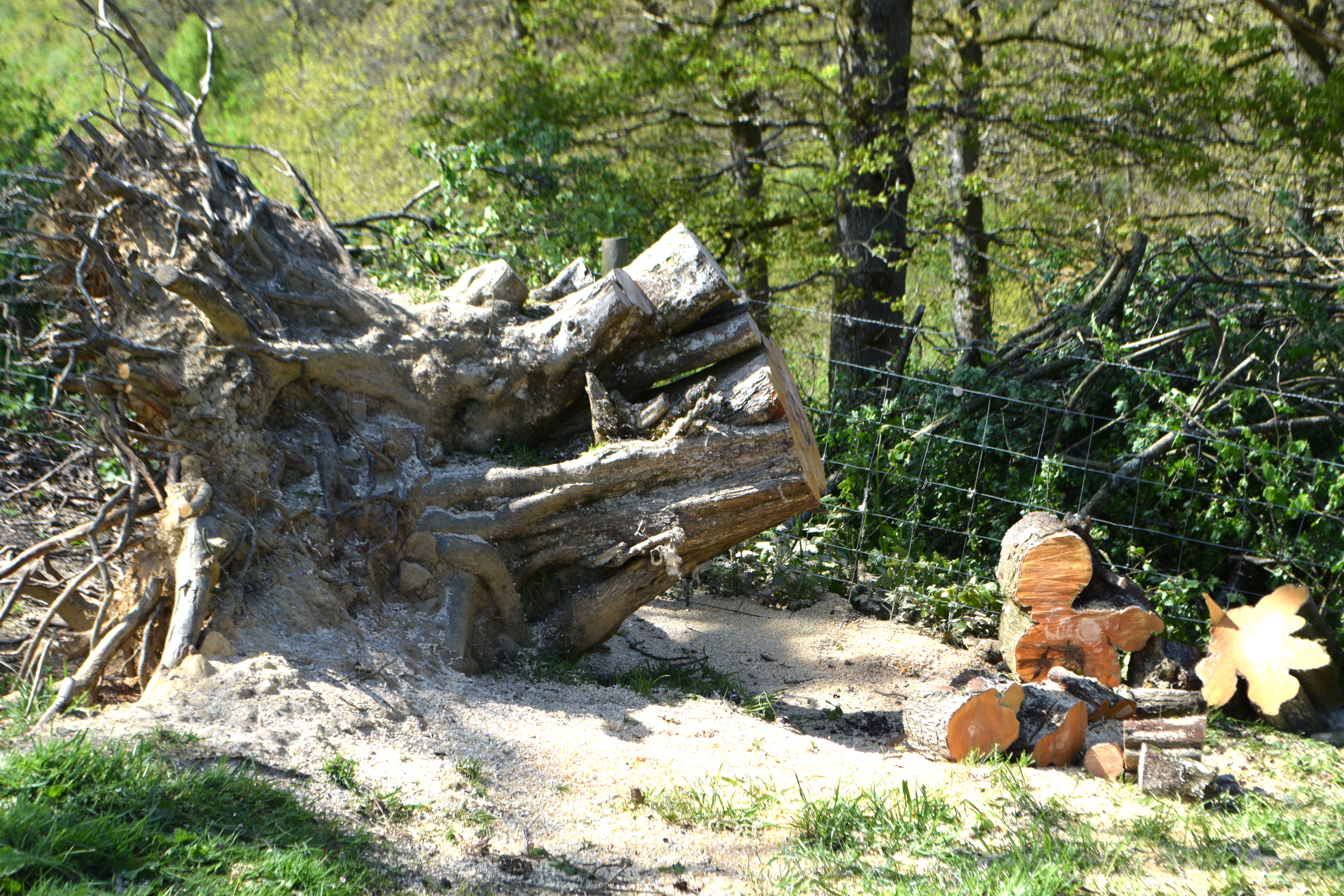
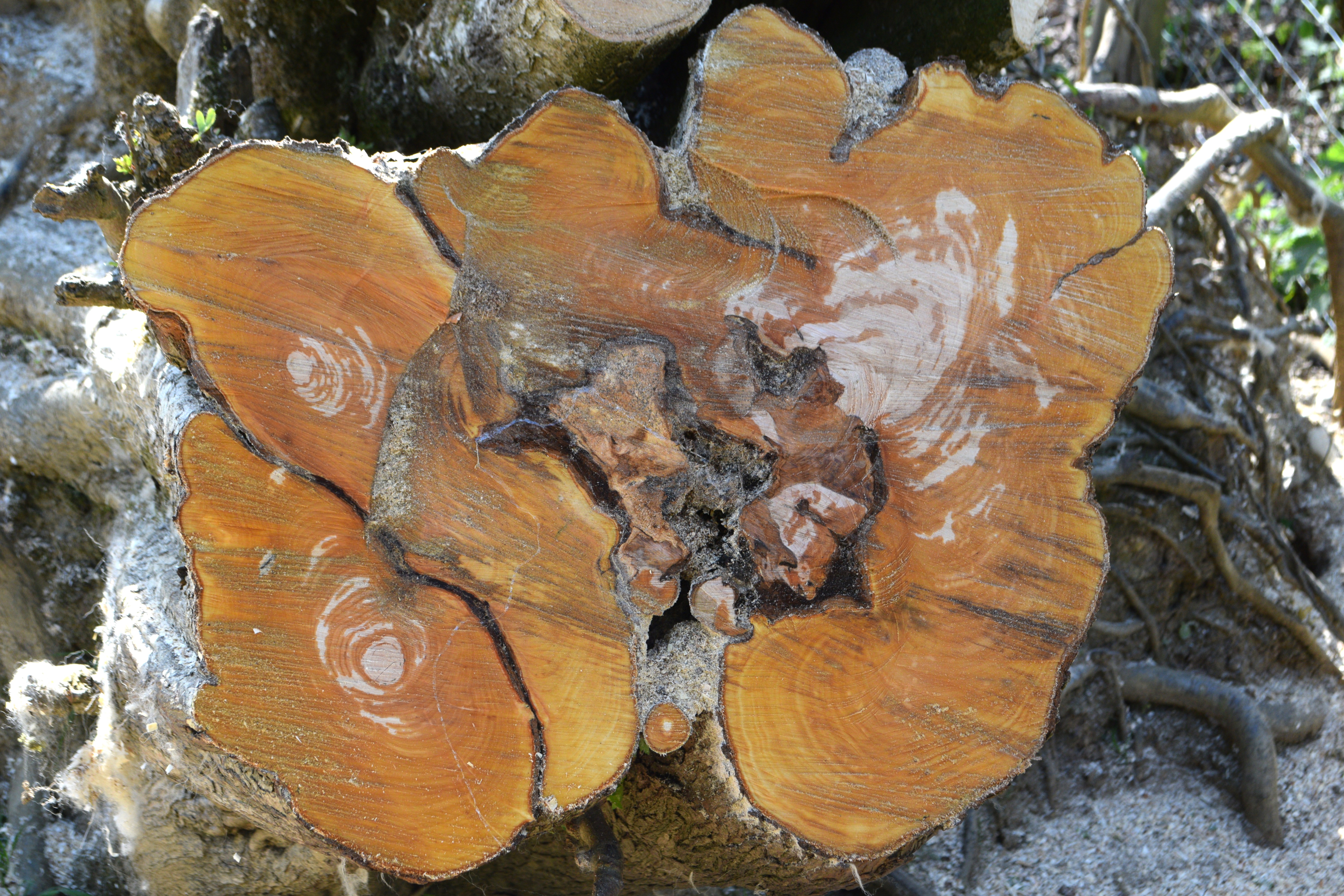
Here’s the pared down problem. Half a ton (maybe more) of oak suspended precariously over a broken fence, through which the sheep have already escaped. They were oblivious to the danger — we were not. They have been retrieved and taken to a place of safety.

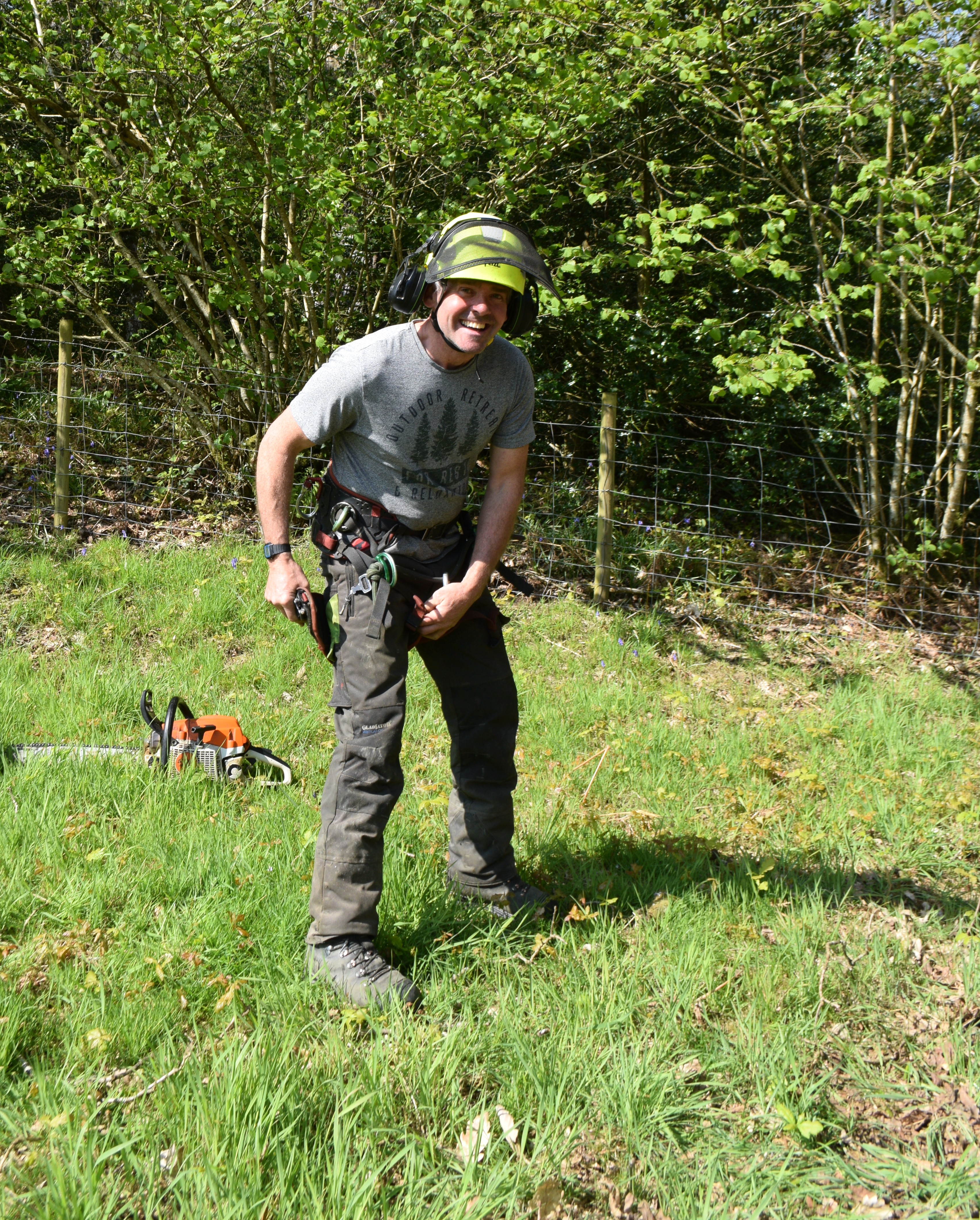
Here’s Barry putting on his harness. He assesses the situation.

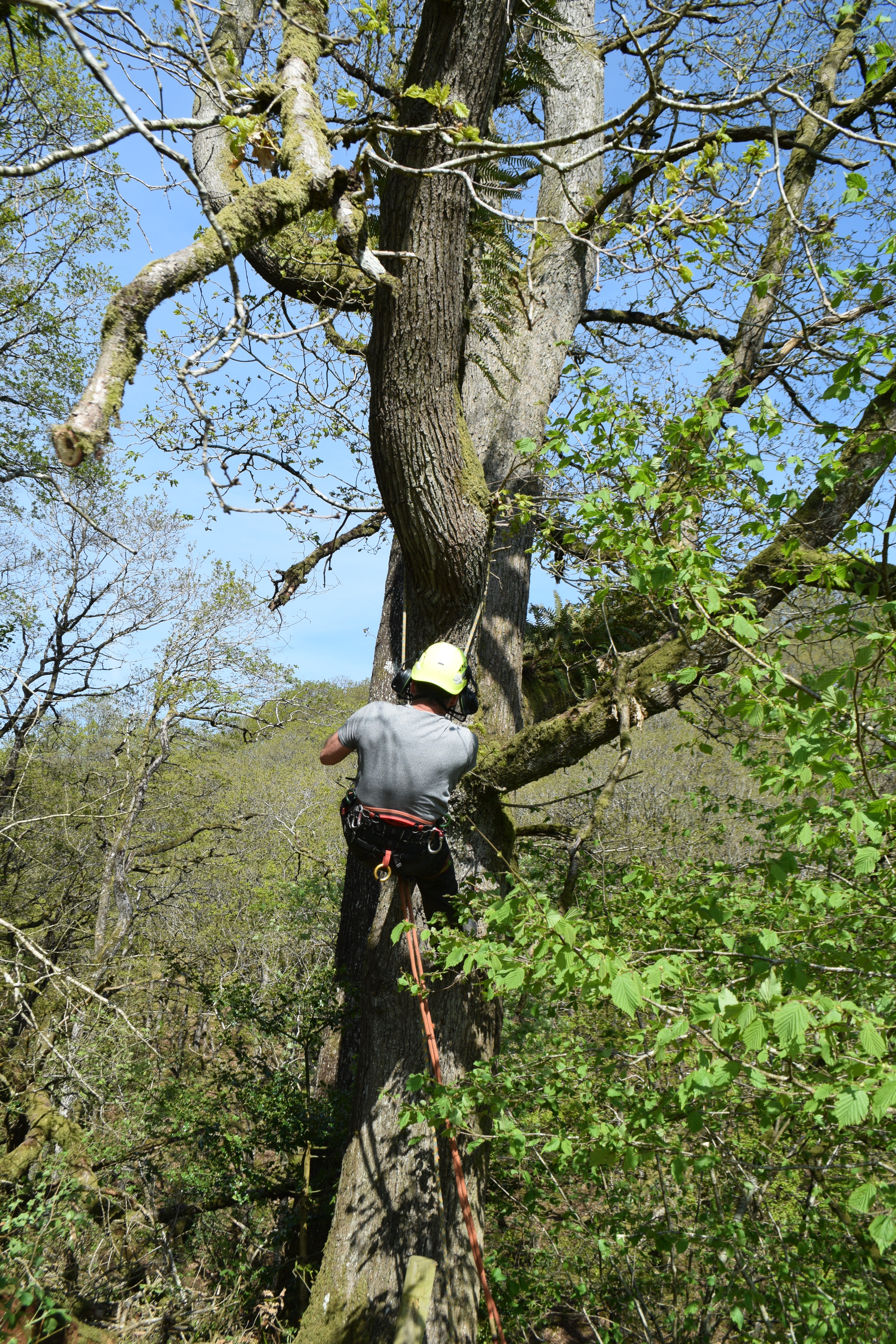
Up he goes.

Would I like to have a go? Well actually yes I would! He doesn’t ask again.

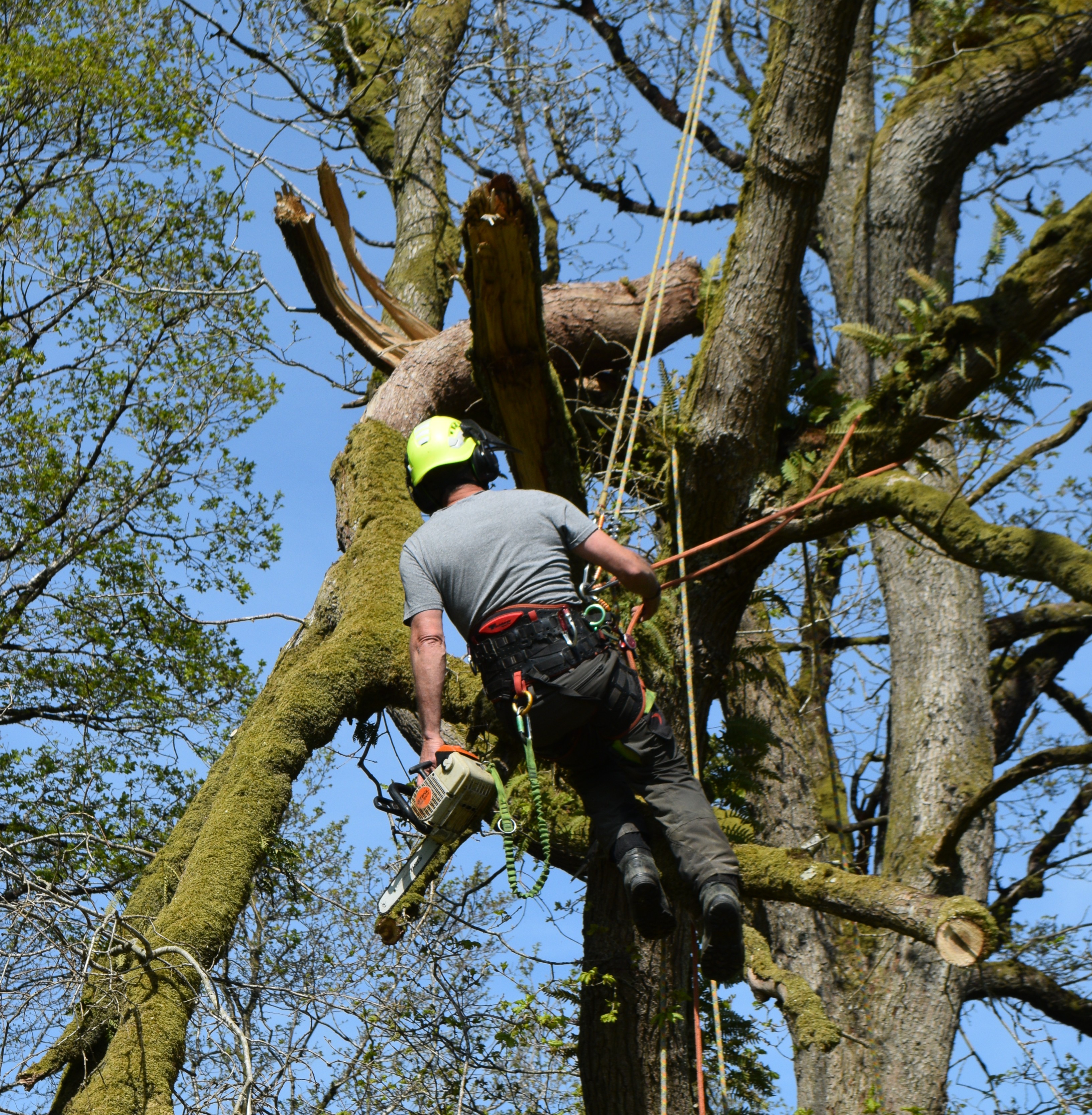
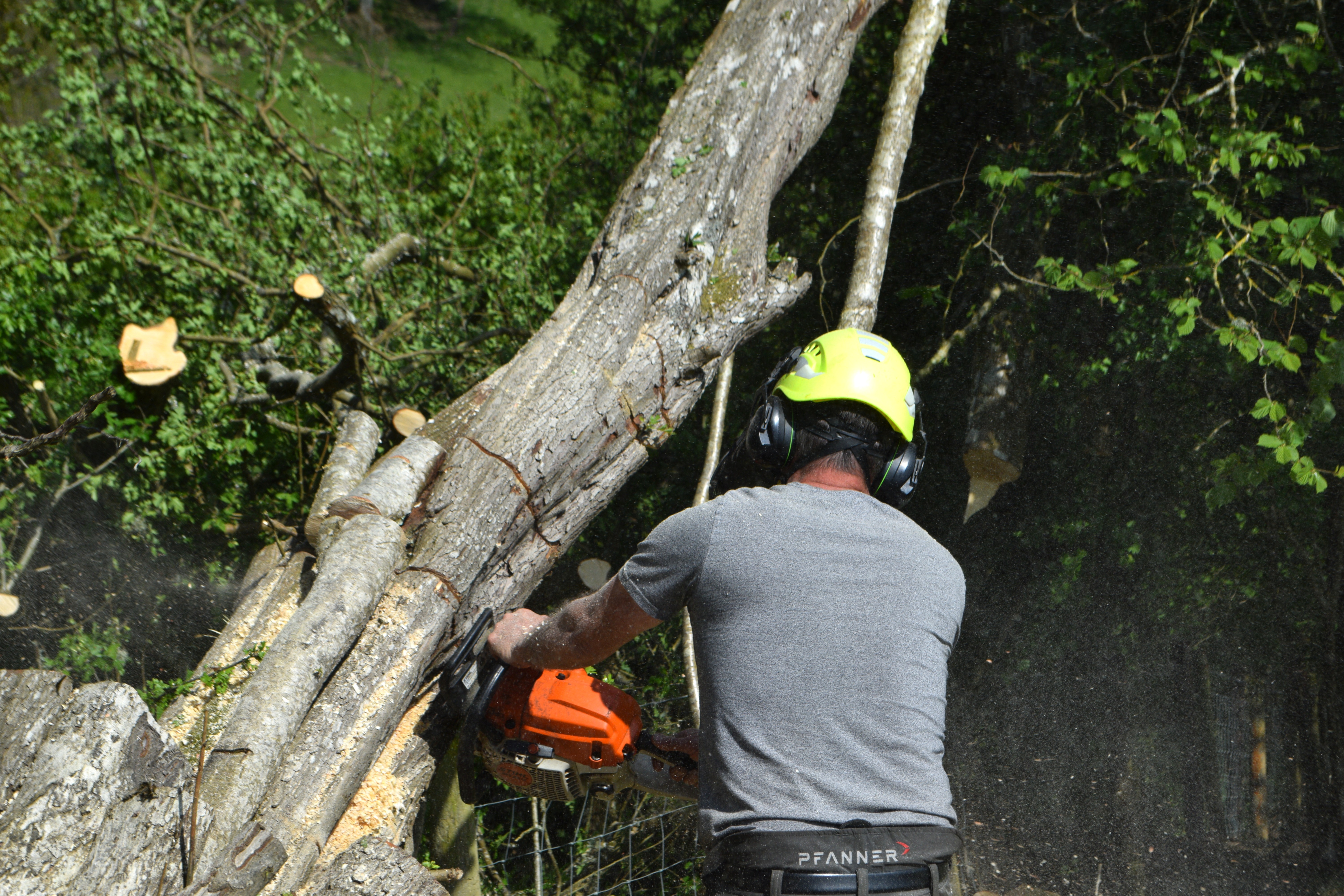
Suspended from much higher, he dangles, assessing the problem; it’s all a question of balance, most things are.

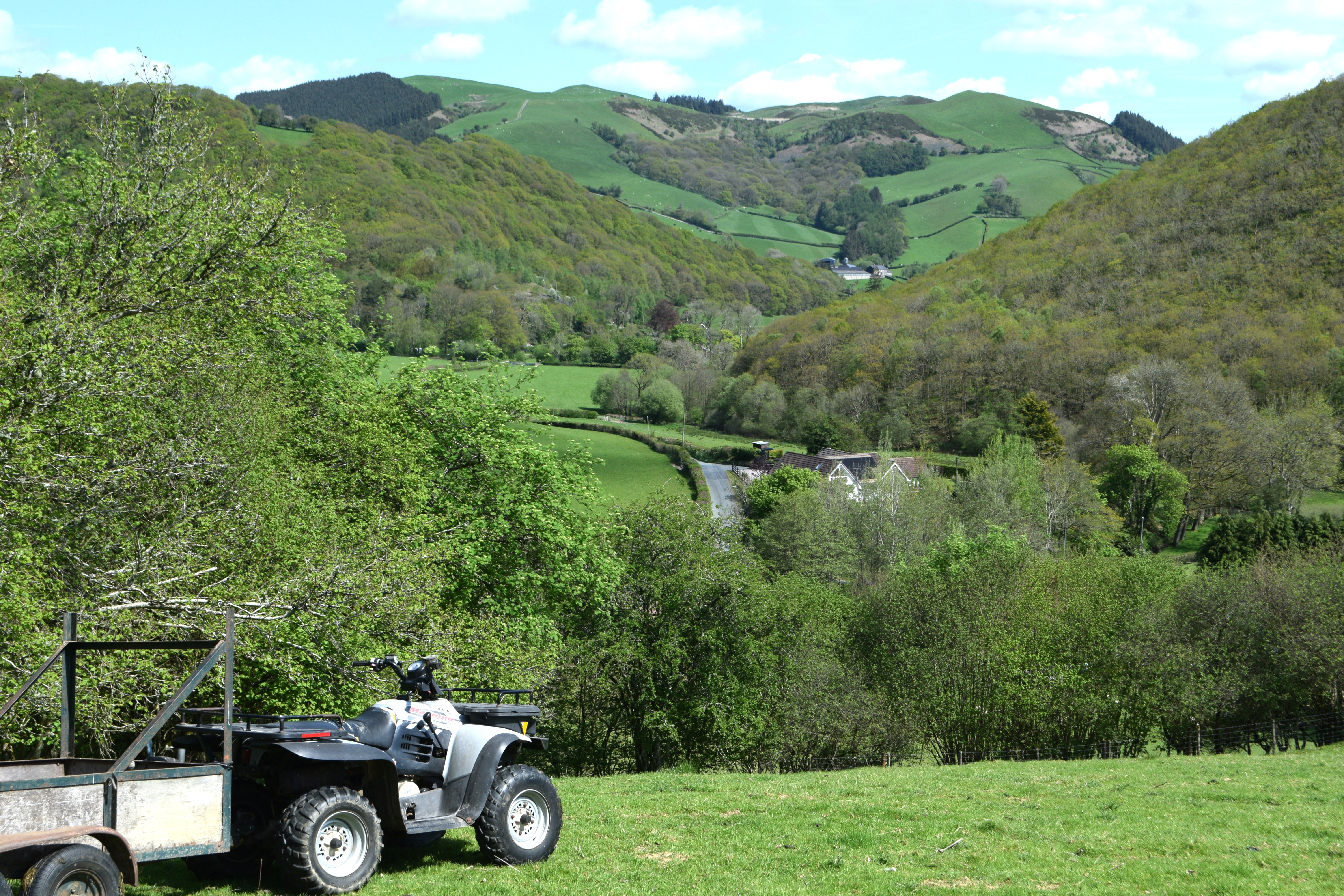
All tidied up, Bill and I hauled the lumber down to the barn in the trusty trailer with the surprisingly co-operative quad bike, since the war in Ukraine it prefers to be called an ATV. No one was shot.

I chauffeured the surgeon to his next case in the truck. As I didn’t have my reading glasses, Barry worked the 4-wheel drive gear stick — I did the rest and felt like a rally driver.

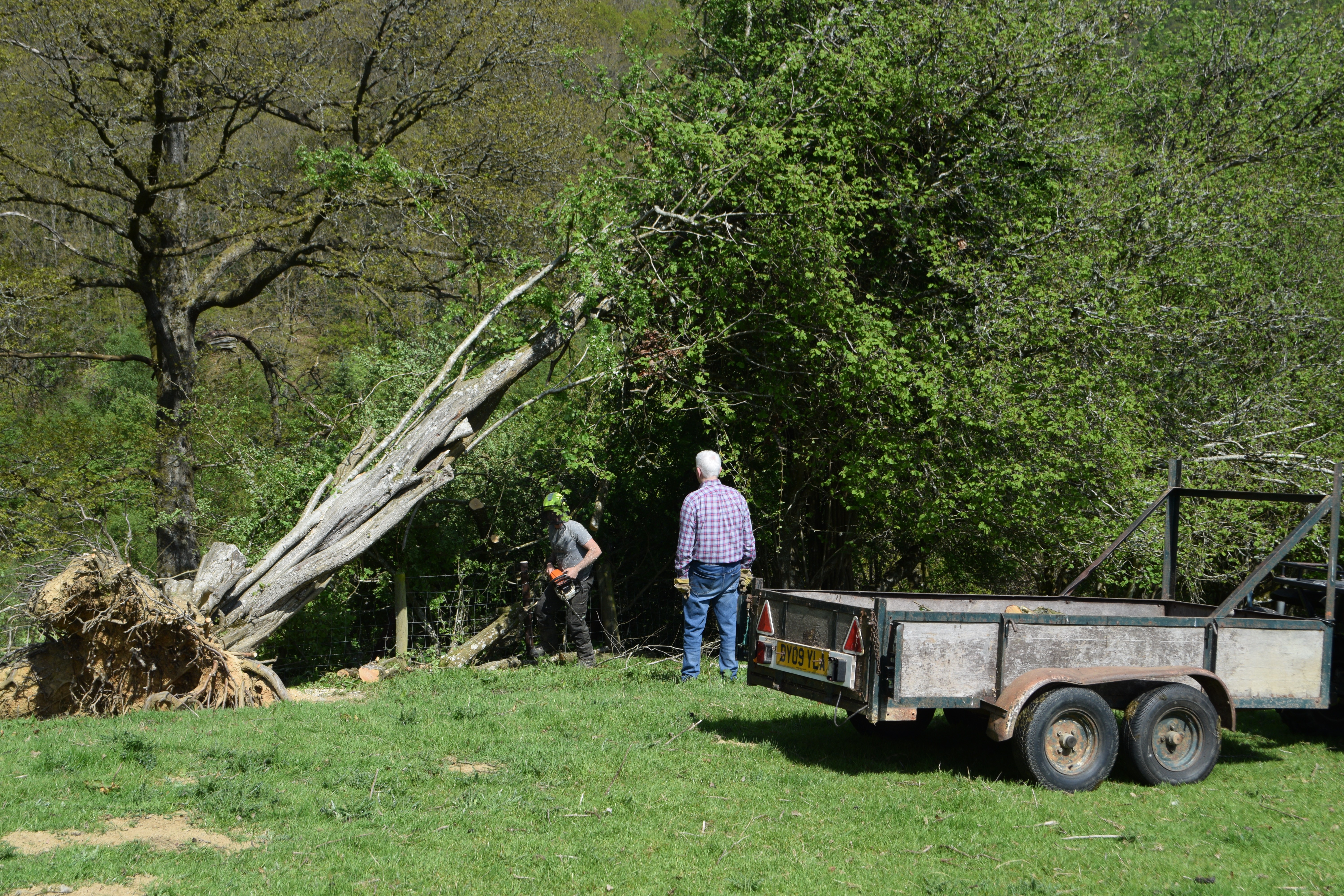
Here’s the next challenge, Bill risk- assessing. He knows this slippery and grumpy character — the tree, that is, that made us call for help in the first place. Fortunately when bucked off this bough Bill rolled like a parachutist avoiding major injury!

With consummate skill the mixed hazel and hawthorn is coaxed from the arms of it’s neighbour and no one is injured this time.

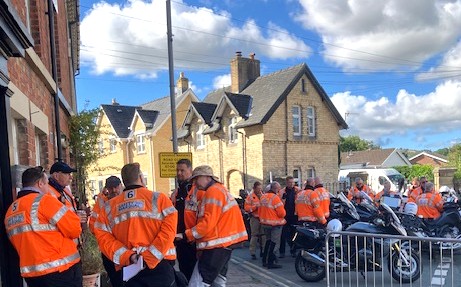
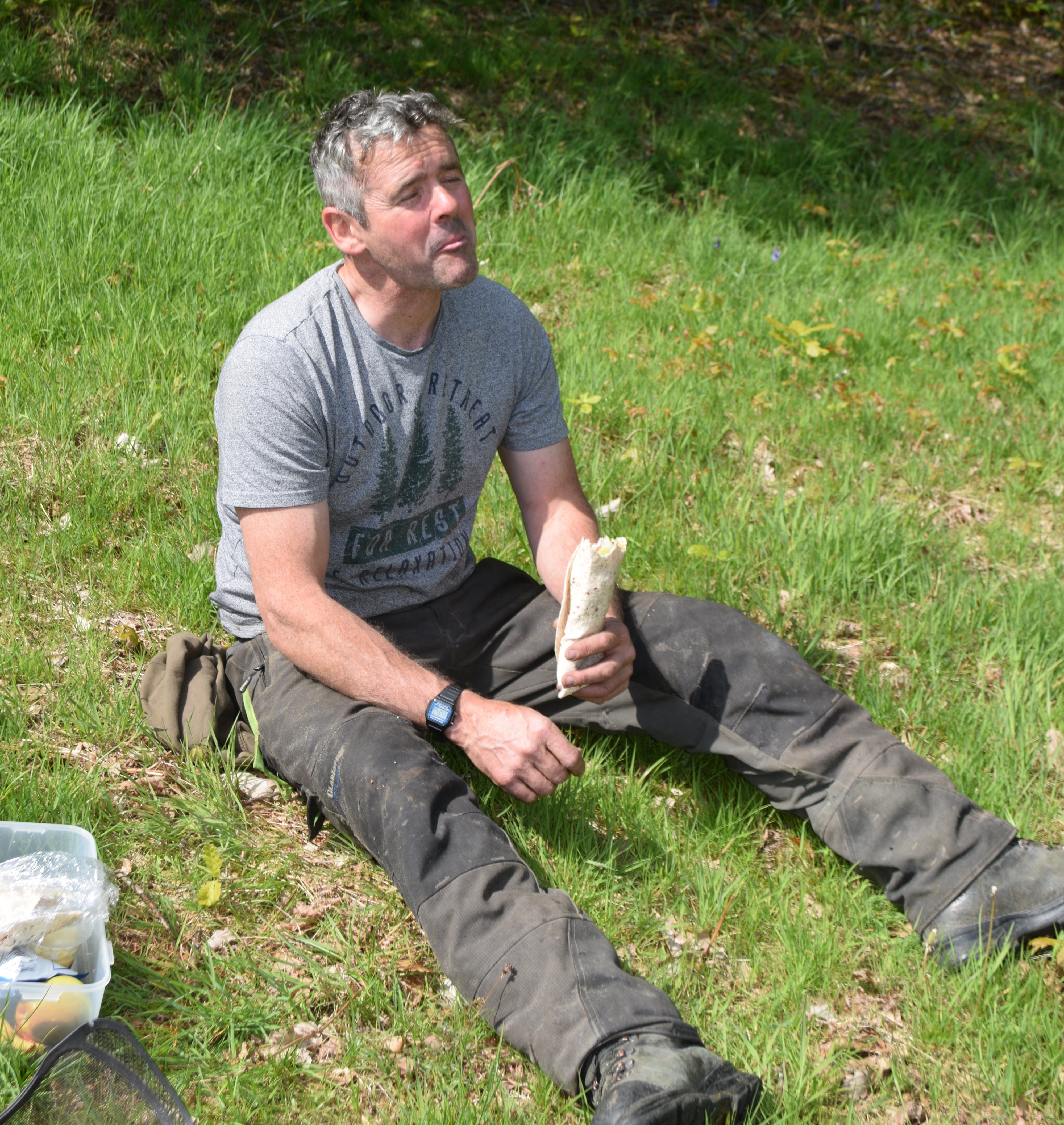
Tree Surgeon in repose — taking well earned refreshment.

Thanks Barry

Standard
Birds, farming

White Storks in Sussex

A couple of years ago we saw 20 storks flying over the Lizard in Cornwall looking for a land route to Europe on their way to Africa via Gibraltar — they don’t like flying over sea if they can help it! At that time we were so excited that the photos were accidentally deleted! Ever since we have promised ourselves a trip to Knepp in the South to see the storks that nest there.

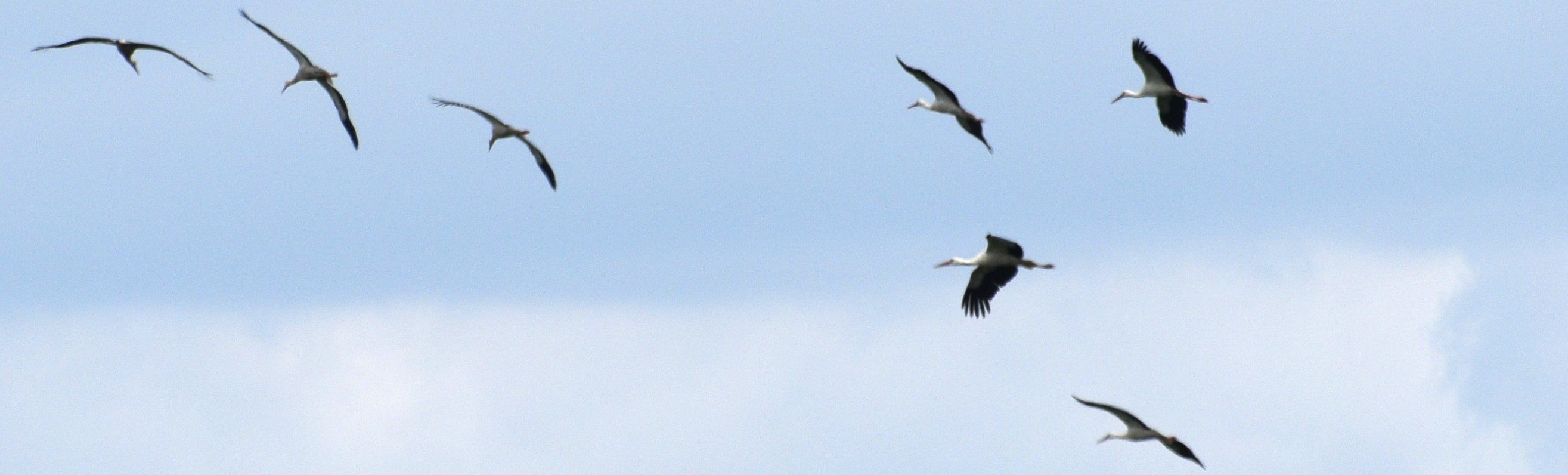
This year we set off. We couldn’t find the place — we were lost! Then suddenly, above us–

we realized that we had arrived!

Bill remembers, before their reintroduction in 2020, the last stork to nest in Britain was on St Giles Cathedral in Edinburgh 1416. They lost habitat and were hunted to extinction.

They have been re-introduced to Knepp in West Sussex, also to sites in the Cotswolds, Essex, Surrey and Wadhurst Park in East Sussex.

Knepp is a large estate that is being re-wilded. You can read about it in Isabella Tree’s book Rewilding.

We had a glimpse of their long horn cattle but, not exactly free ranging in this part, and no sign of the wild boar or beavers but it is a huge place an we only saw a small part! We are still looking for a turtle dove.

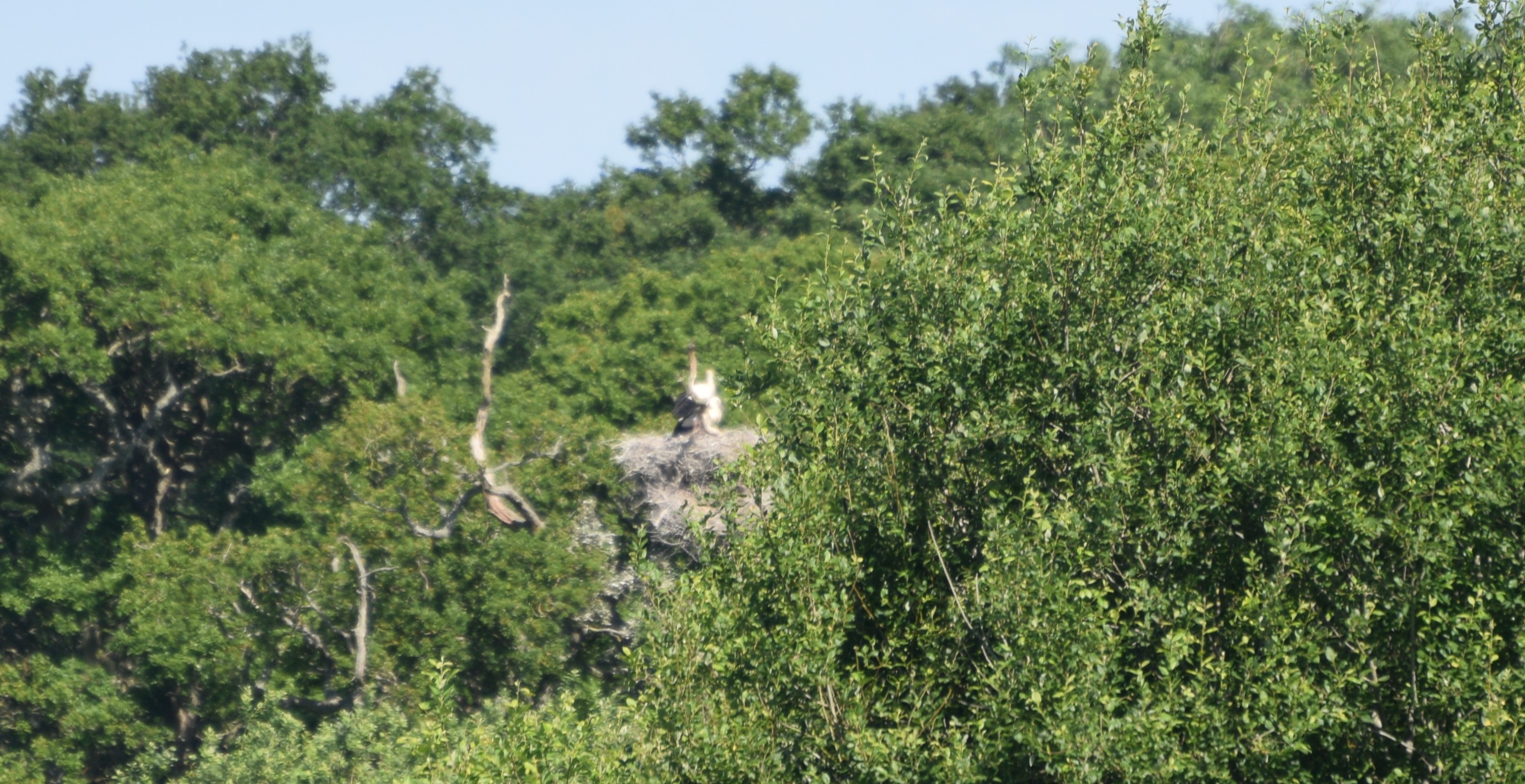
We sat on a rise overlooking the estate where we could see a stork nest.

Early in the afternoon there was an eruption of storks taking to the sky — seemed they were changing the guard on all the nests at the same time! Last year 26 storks fledged from 11 nests — it looks as if there will be more this year!

Spectacular birds.

Very interesting experiment in re-wilding, and it is all relative, compared with where we live the small part that we were able to visit on foot, seemed pretty tame! But it was enough to see that it is a spectacular exercise in diversification of farming — loads of visitors, efficiently managed involving minimal staff. They basically ask for a donation for parking and you can walk on the foot paths through the estate. We didn’t take any of the guided tours on offer which are not cheep, nor stay in any of their eco-accommodation — I’d be interested to hear feedback from people who have.

Standard