 When faced with plants he did not know my father would confidently pronounce them Doricums. ‘Shouldn’t it be Dorica?’ we would ask.
‘No, Doricums. The word is derived from the Greek, or possible the Zoroastrian,’ he would concede. Doricums grew everywhere in Hertfordshire — my dad was not much of a gardener.
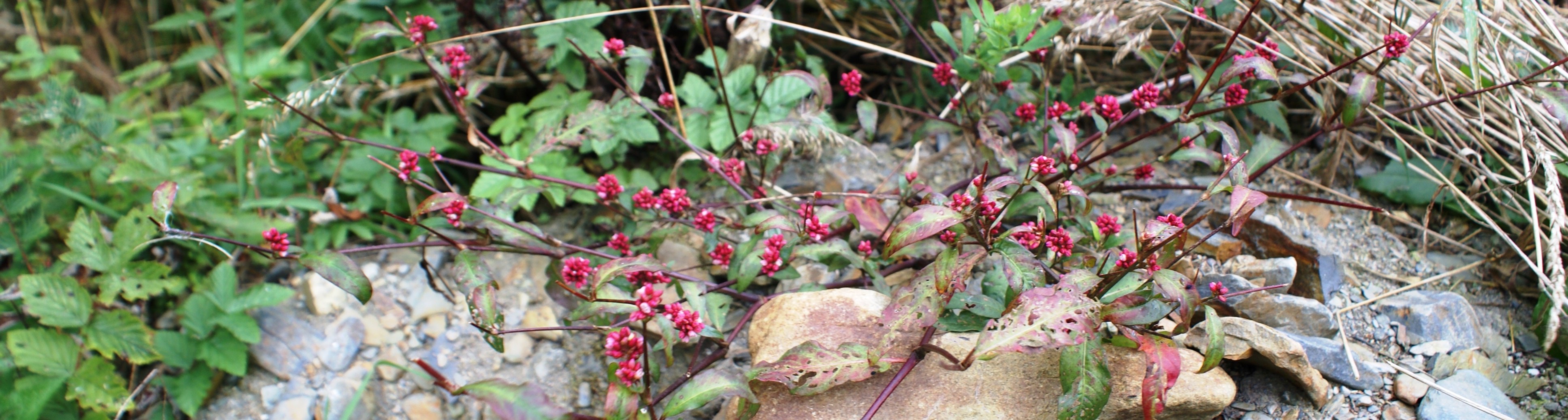
Last spring we dug some gravel from the stream bed to create a pool to encourage fish, we left the gravel in a heap at the waters edge. Normally a fox would have placed a walnut whip on its summit — they do this to announce their ownership of all heaps — sand, salt for the roads, compost, even large mole hills — but this mound of gravel has become subject to another interloper — the dastardly Doricum!
Have you seen this plant before?
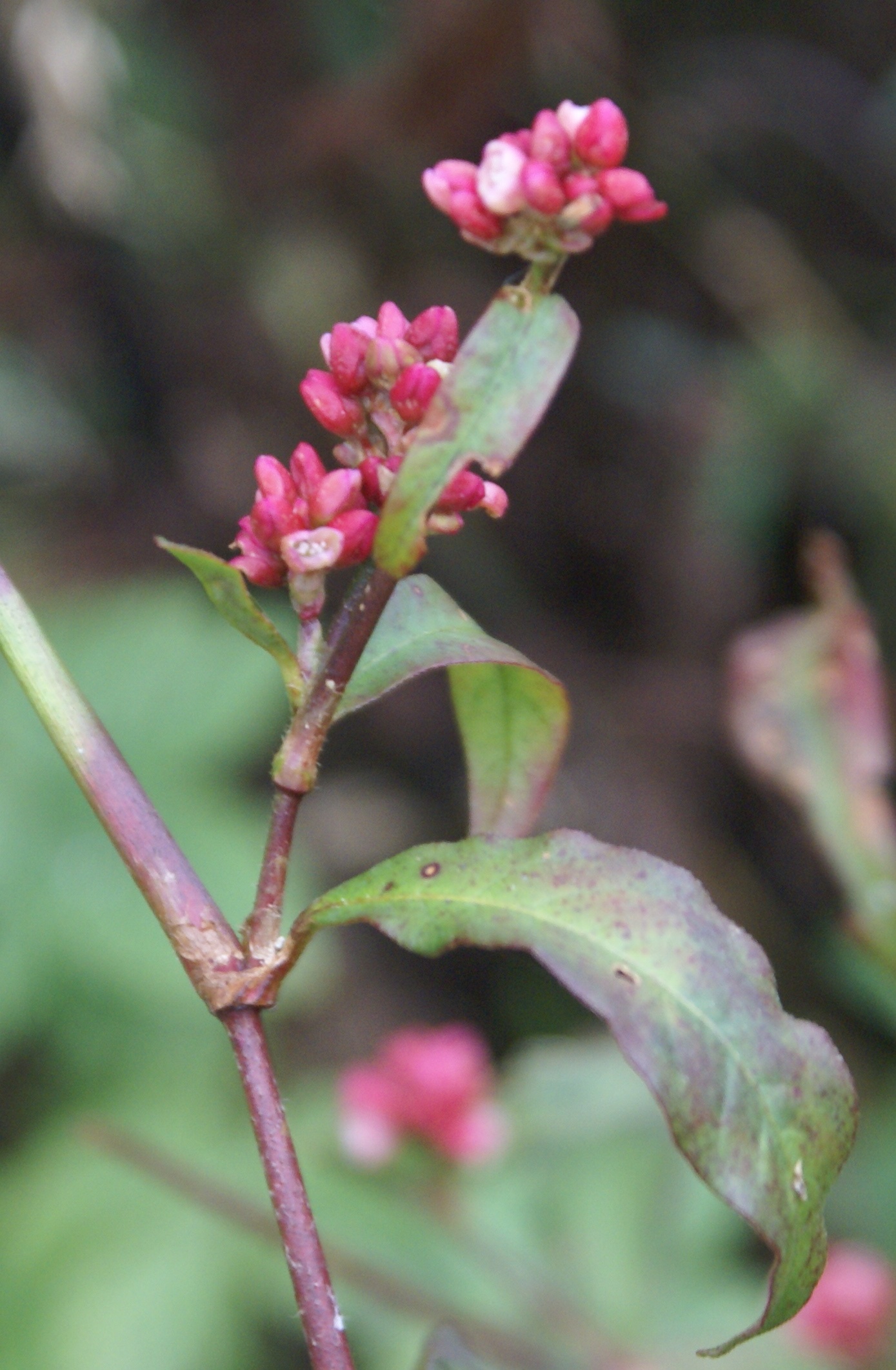
We have scanned the internet and looked at all our books but to no avail — although it does look vaguely familiar — we guess that it is feral or seriously out of context.
Do you have information about its true identity?
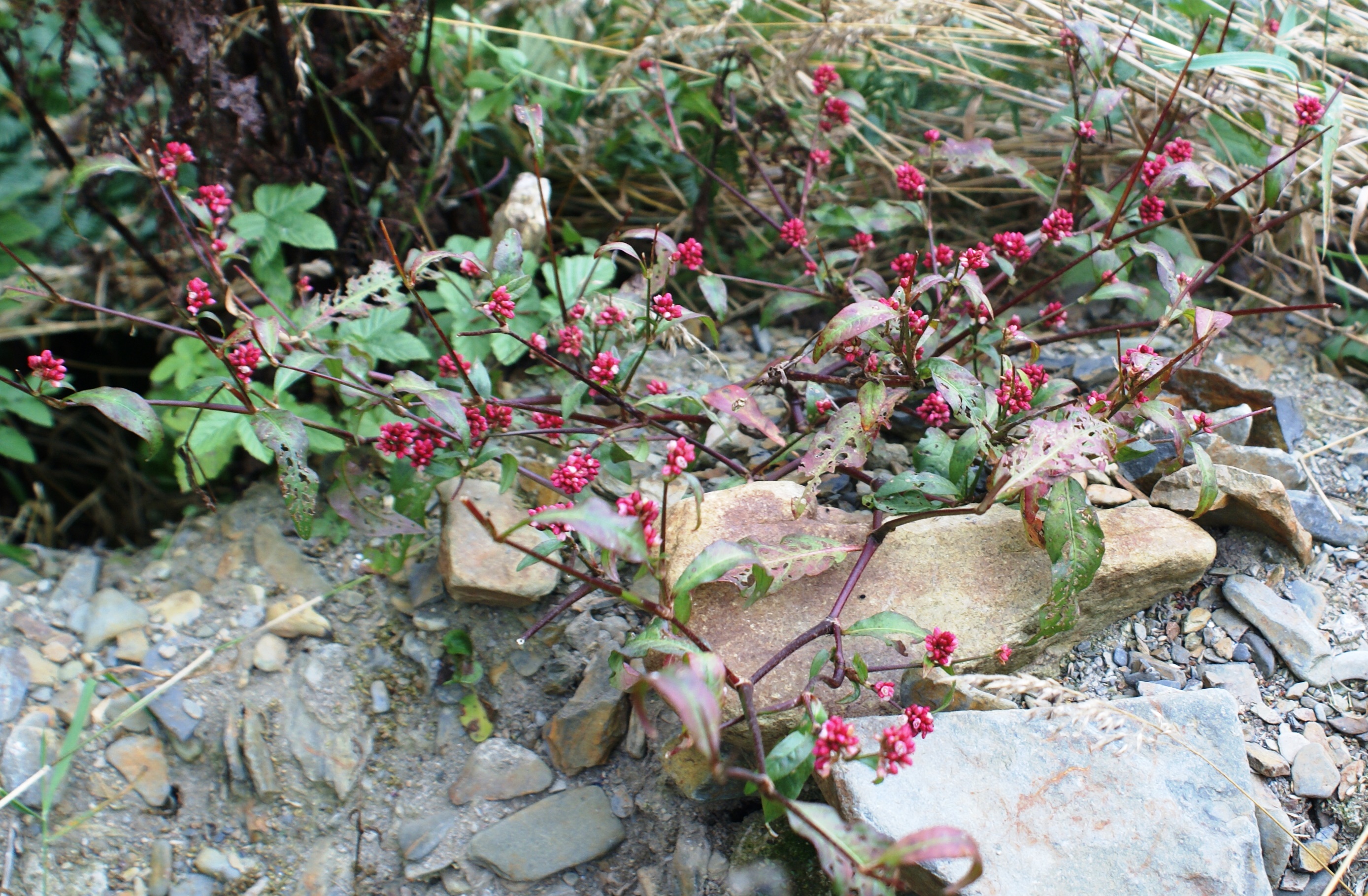
It has been nibbled but not by sheep, this gives it a spiky appearance — we’ve looked up squirrelwort and rabbit-bit in the index of popular names — its not even under badger-nip.
Is this a new species — D. notlikelae?
Addendum: 30.11.2023 St Andrew’s day and Winston Churchill’s birthday. On reflection this may have been a rather tatty example of Redleg (Persicarias persicaria L.) a member of the dock family. There is more of it about now and it looks more typical — sorry Dad!
 dianaashworth
I have been searching for name of this plant in Google and your pic is almost identical to mine. I have clicked pics near darjeeling in India.
Thanks Uma — I am pretty confident now that this is something we call Redleg — I have updated the post.