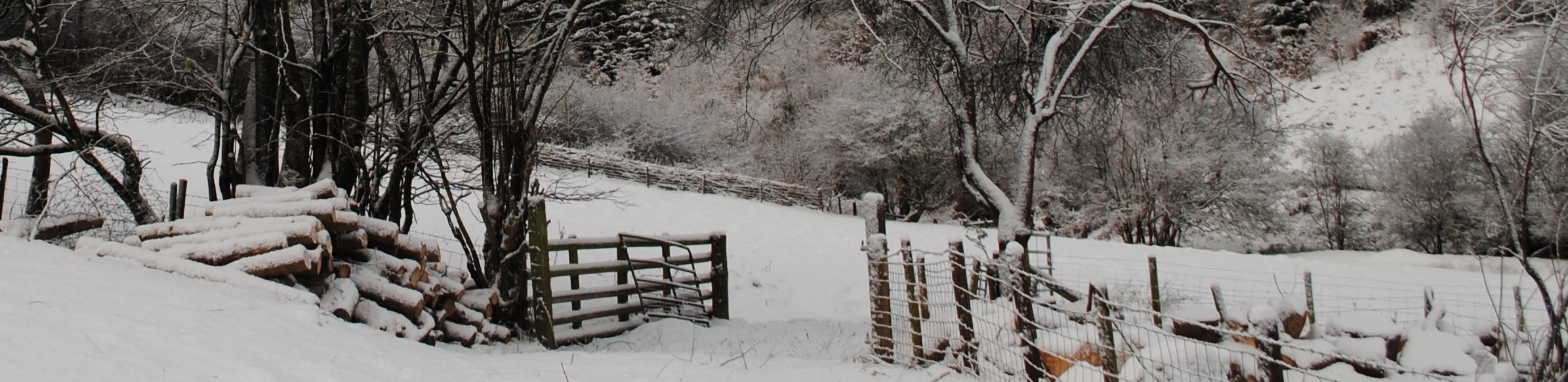
Although I’ve lived within 50 miles of this, the county town of Shropshire, for 20 years, I’ve never really had the time to look at it properly — always rushing for a hospital appointment, changing trains or dashing back for some imperative.
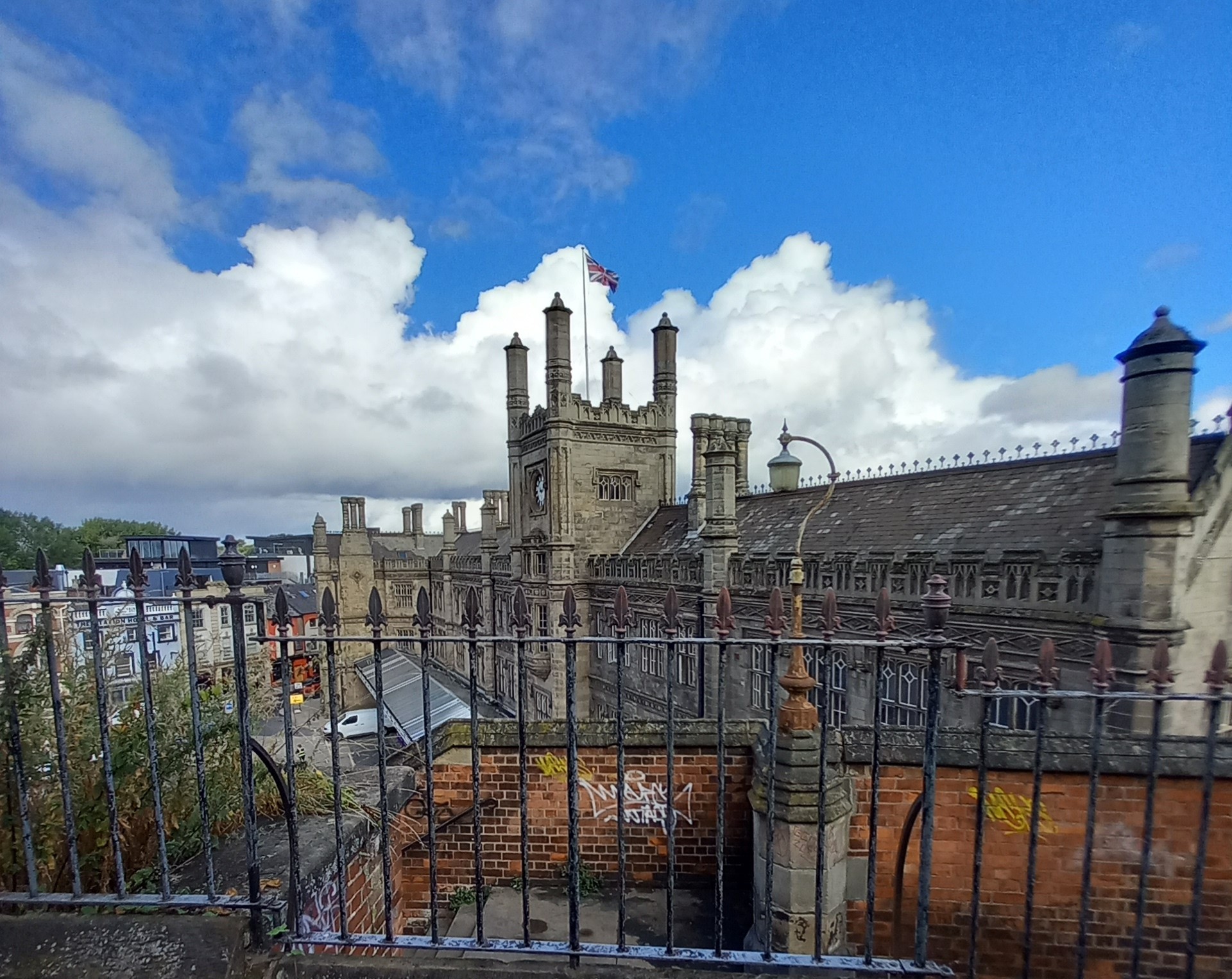
Last week we took my friend, Anne, to catch a train to Yorkshire — she had a tortuous journey ahead so, despite the traffic (we do not expect it in Wales), we opted to drop her at the historic railway station (above) where we ejected her unceremoniously and to much furious and unsympathetic honking. “No cars!” said the entrance to the carpark, “Bicycles only!” Nobody actually mowed us down as I hauled her luggage from the boot and we found the platform up 28 steps (lift out of order) taken at a trot with her heavy bags — fortunately the train was 3 minutes late and we had 15 seconds to spare.
Having found somewhere to leave the car legally, Bill had to buy a ticket which fortuitously brought him to the booking office where, having waved off my friend, I was wondering what to do next and where he might be — it seems for once the stars were aligning for a good day out!
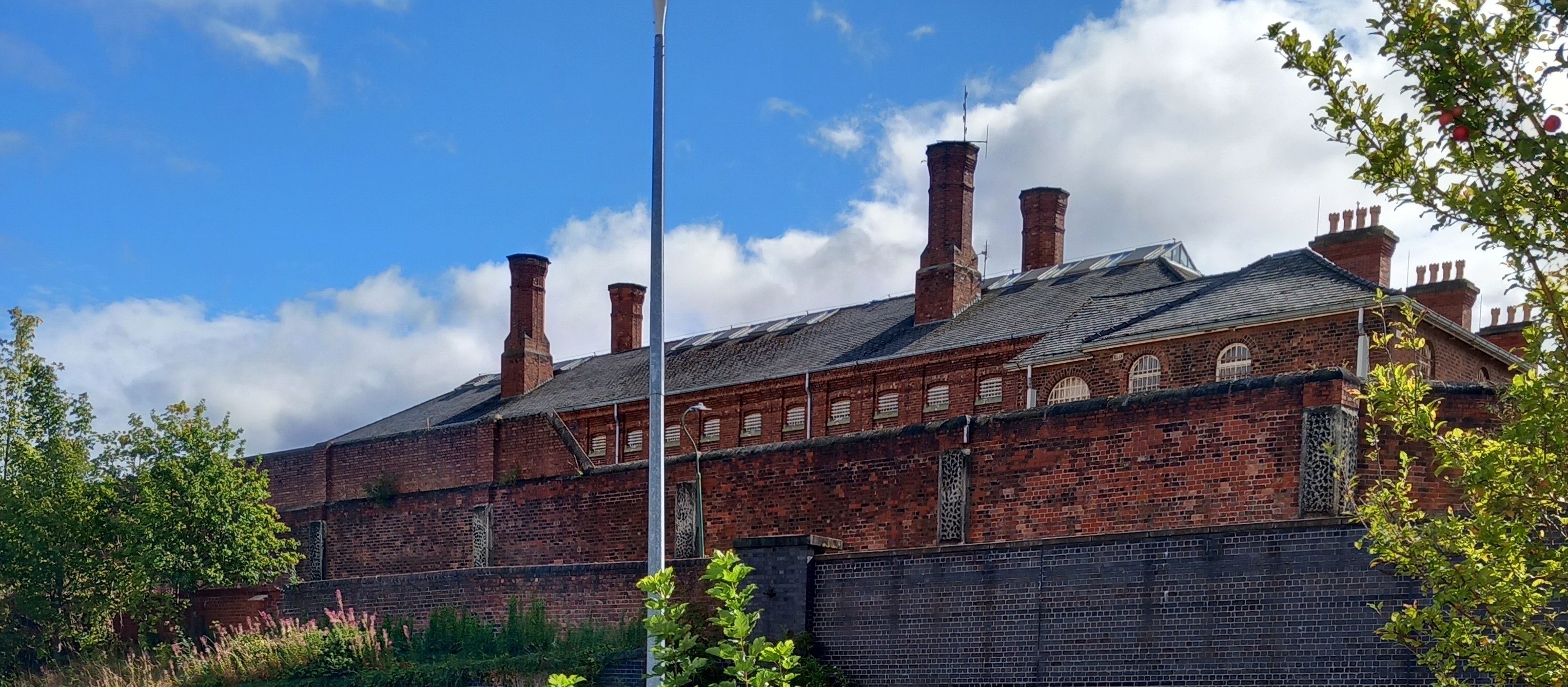
Shrewsbury Prison is a smouldering presence above the carpark, built in 1793 by Telford, designed by local architect John Hiram Haycock and William Blackburn, advised by John Howard the famous prison reformer who looks down from his plinth above the gate. You can book a tour and even stay the night in a cell, “That’s an idea!” says I with my Granny hat on.


Here’s another famous citizen, Clive of India, getting more infamous by the day as we look at empire from a different angle now — still he hasn’t been toppled from his plinth yet.

The town is full of tantalising mediaeval alleyways– note how the common gutter has been replaced by festive commercial waste bins — I miss the piglets, dogs and red kites scavenging on the waste!

The marvellous market has moved indoors but still bristles with prime produce. As we amble around town the clouds are gathering and the tempting aromas start to emanate from the various eateries. Our noses led us to La Mer Rouge for delicious tapas and to watch the torrential rain in comfort. Behind the old market hall is the town museum and art gallery, irresistible!

Mermaids and dolphins vase, made by Walter Crane Maw and co, Broseley (Shropshire) c1889.
Also the findings from Wroxeter, the 4th largest city in Roman Britain (Vironium) just beyond the modern bypass — both to be explored in Granny hat.
Shrewsbury has been an important place ever since, at the gateway to Wales, a strategic and wool trading centre. Fortunes were made.
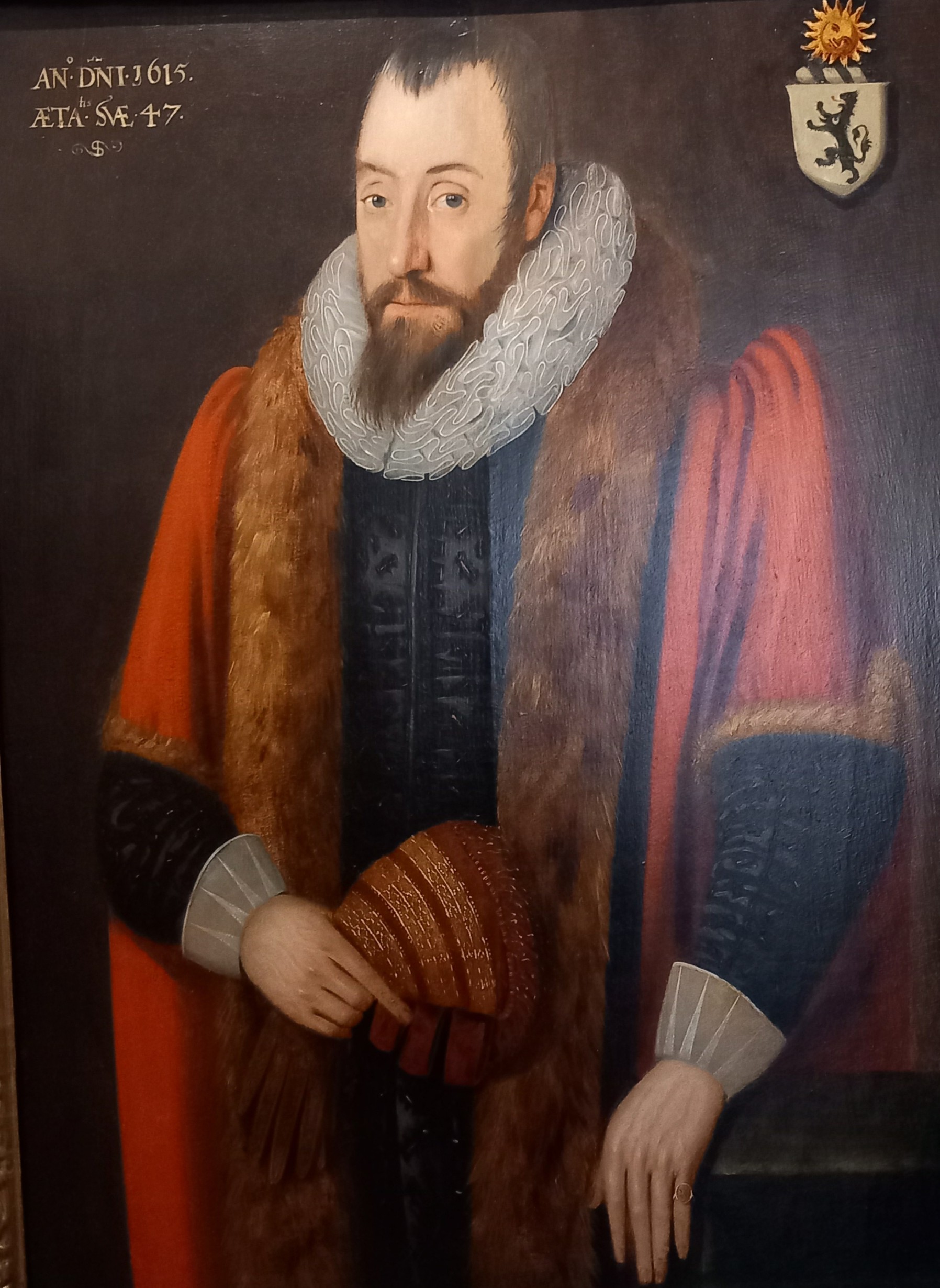
In Stuart times one of these rich wool traders, Thomas Jones, pictured below in 1615, married Sarah Ballard, the educated daughter of the Mayor of Chester. Thomas rose in the local hierarchy as an alderman, then Bailiff and finally Mayor in 1638.
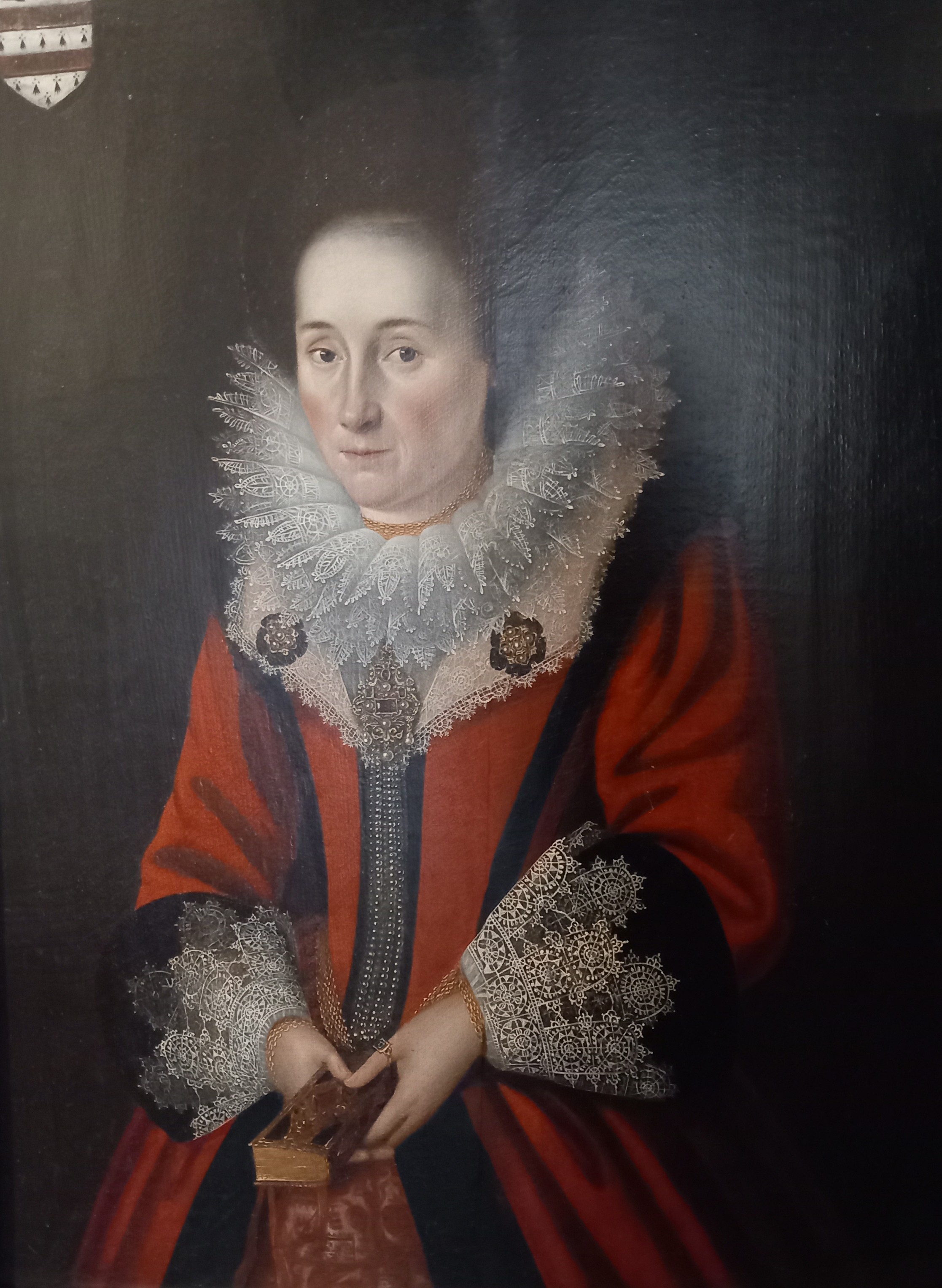
At the beginning of the Civil War (1642-1651), one man, Francis Ottley, seen below with his family in 1636, was appointed Governor of Shrewsbury by Charles I, who called on him to form a regiment of foot. These were divisive times with mixed loyalties. He carried the town along the Royalist path. Francis was appointed Sheriff of Shropshire in 1644 and, as the tide turned, was involved in negotiating the surrender to the Parliamentarians in 1646 after which his estates were sequestrated. He paid a price for his loyalty to the Crown spending the rest of his life fighting to retrieve his estates at Pitchford. However, It seems he negotiated these treacherous times, relatively successfully as his family remained prominent after the war and for centuries thereafter.

It may be significant that Sir Francis Ottley had been criticised by Prince Rupert, when in power, for being too lenient with Parliamentarians — Perhaps that was his salvation… One never knows when the boot will be on the other foot! (personal note)
For all the above, the highlight of our visit was the discovery of the Castle Museum and the history of the King’s Shropshire Light Infantry, a magnificently curated museum deserving another visit and a blog of it’s own.


 dianaashworth