A quote from my letter today to the BBC‘Not a complaint! The news is full of premonitions of biblical famine, not without cause, and mental health doom. During lock-down your organisation promoted fitness — good for mental health — bravo. How about a swift response to the news with items on planting vegetables — need experts (you have plenty) on popular magazine shows to tell us if it is not to late for spuds and what we can safely plant and how. You have such retail power that this will immediately be responded to by the supermarkets with seeds and compost. We all need a bit of a push to grow things and share our gluts with the food banks. Get a celeb who gardens to endorse it… Go on!’
Film by Bill Carr featuring his dad, my daughter’s partner, Pete. The project is part of Bill’s university course and takes ‘helping with the homework’ to a whole new level!
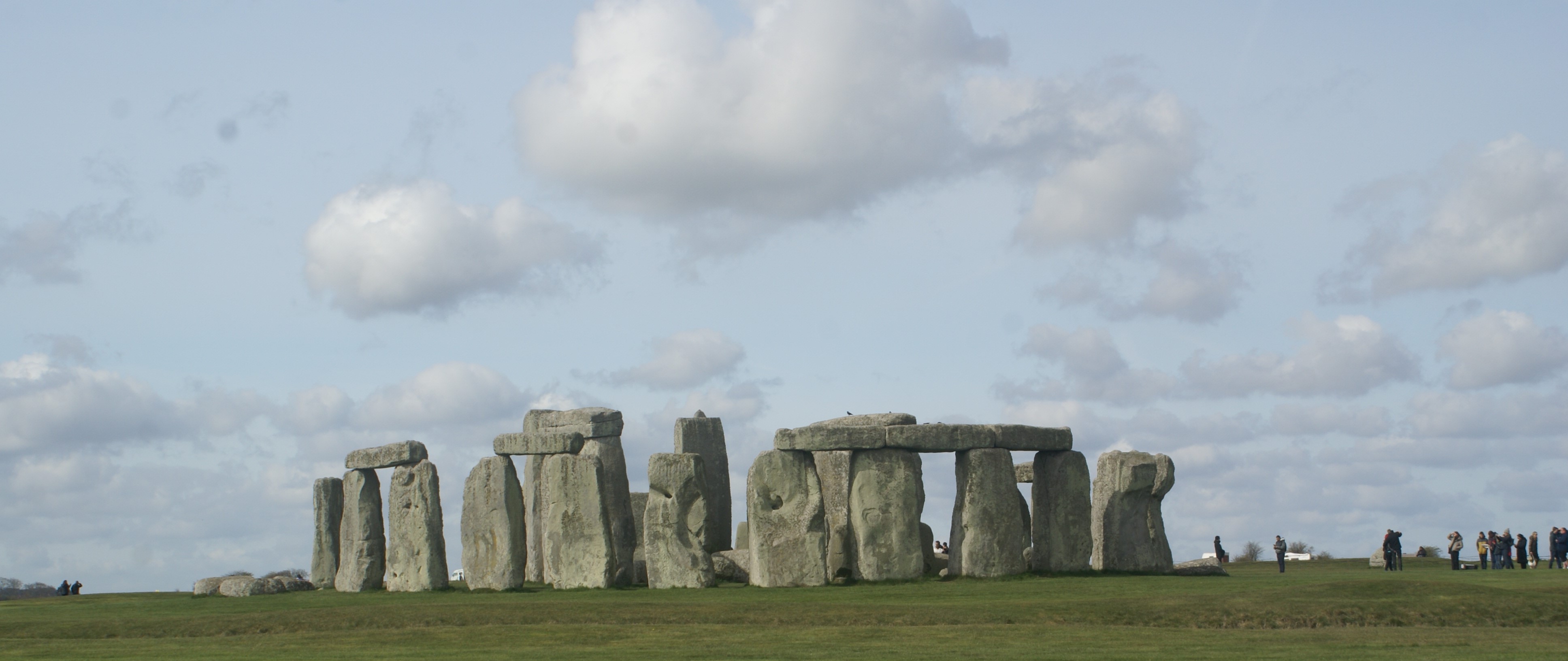
On our way to Cornwall we stopped off at Stonehenge — free for National Trust members so we thought we ought to get our money’s worth! Both of us had last visited more than half a century ago and were sure we would hate the modernisations.
You park miles away and take a shuttle bus — very quick and restful — especially as you can see all the walkers striding out on the horizon — forging their way across Salisbury Plain to the ancient monument.
Bill was slightly appeased for the loss of birding time by the receptionist at the monument:
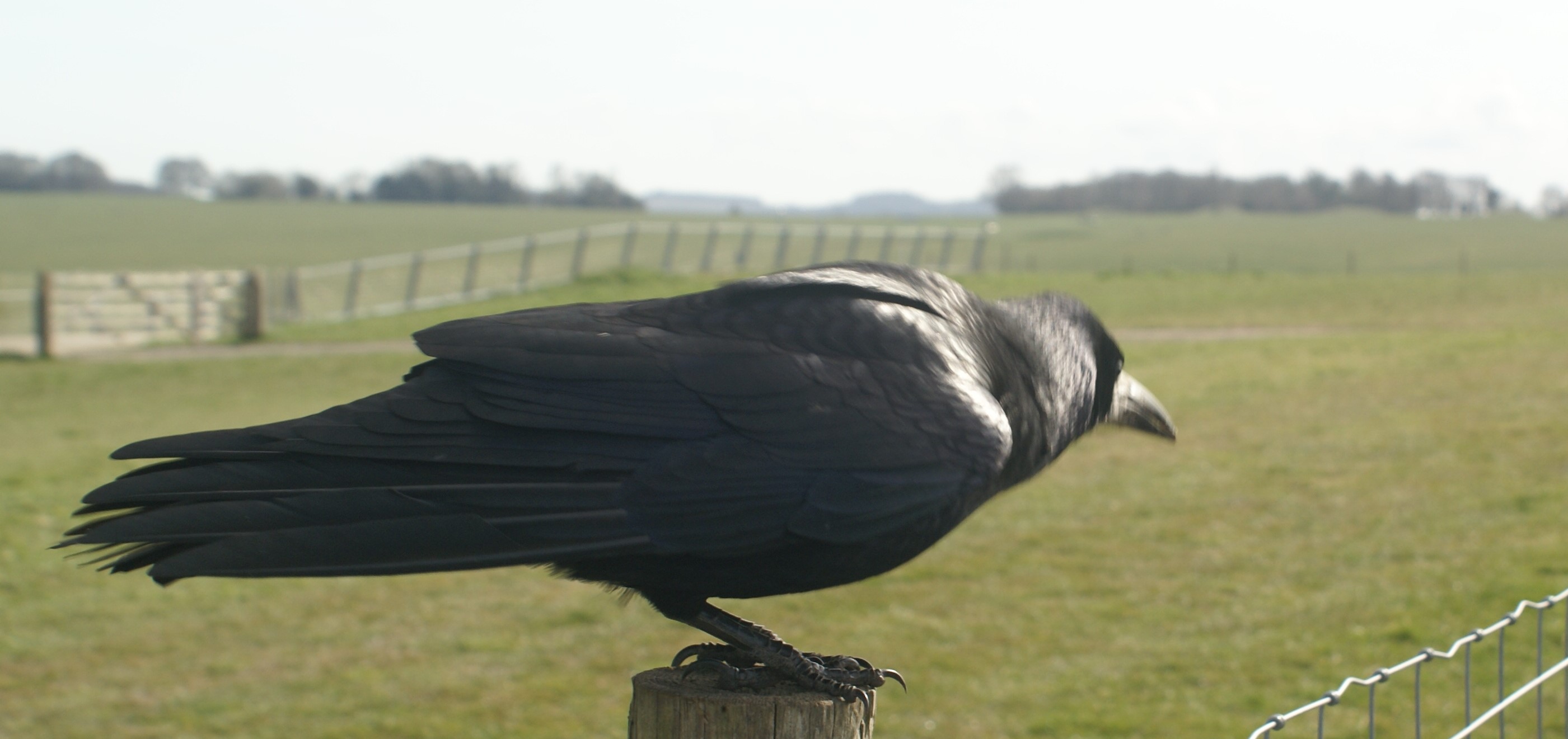
Large rook meeting and greeting the shuttle bus.
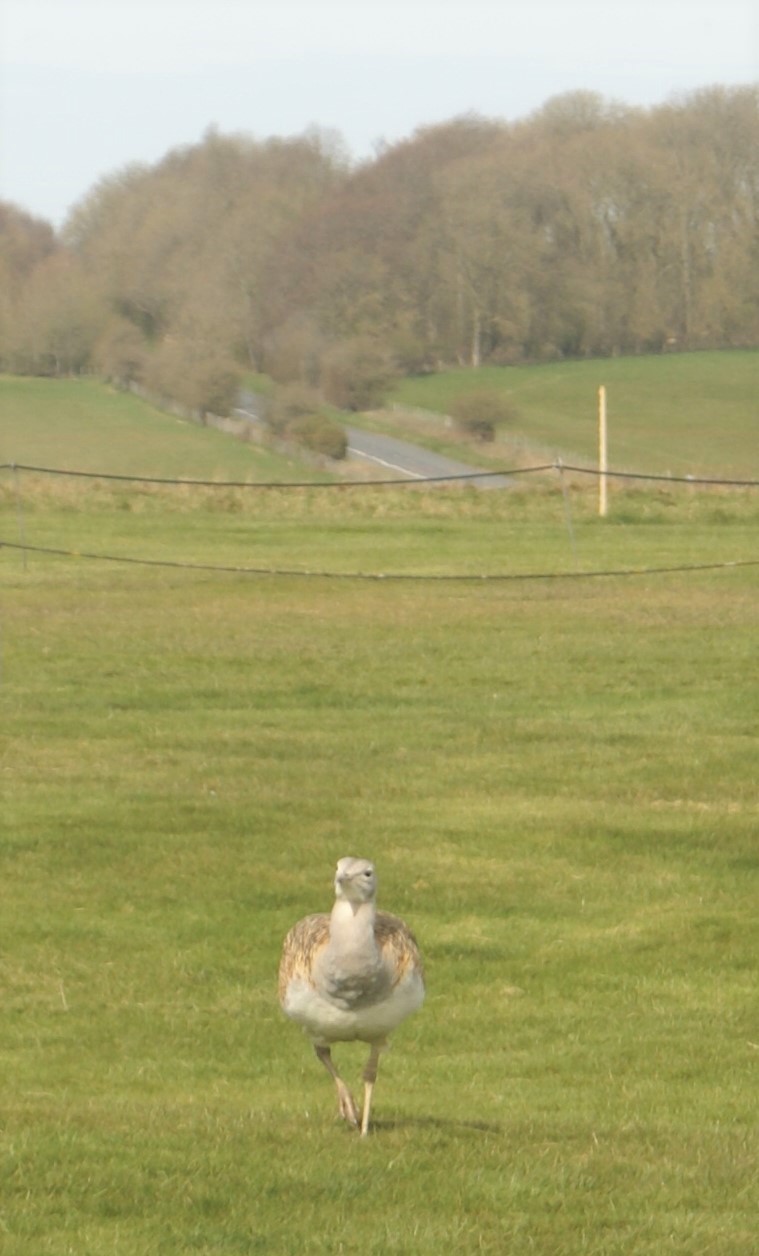
But what is this — marching to meet us?
Is it a goose? ‘It’s a wild turkey’, an American lad informs me. Oh no it isn’t — it’s only one of the rarest bird in Britain!
Recently re-introduced to a secret location on Salisbury Plain nearly 200 years after the last British bird was shot in 1832. This one has been named Gertrude by Stonehenge staff and has been making personal appearances since 2016. Nobody had told us so we were surprised and delighted, no one more than Bill who travelled to Hungary in 2019 to see their bustards who were very shy and only to be viewed though high powered lenses!
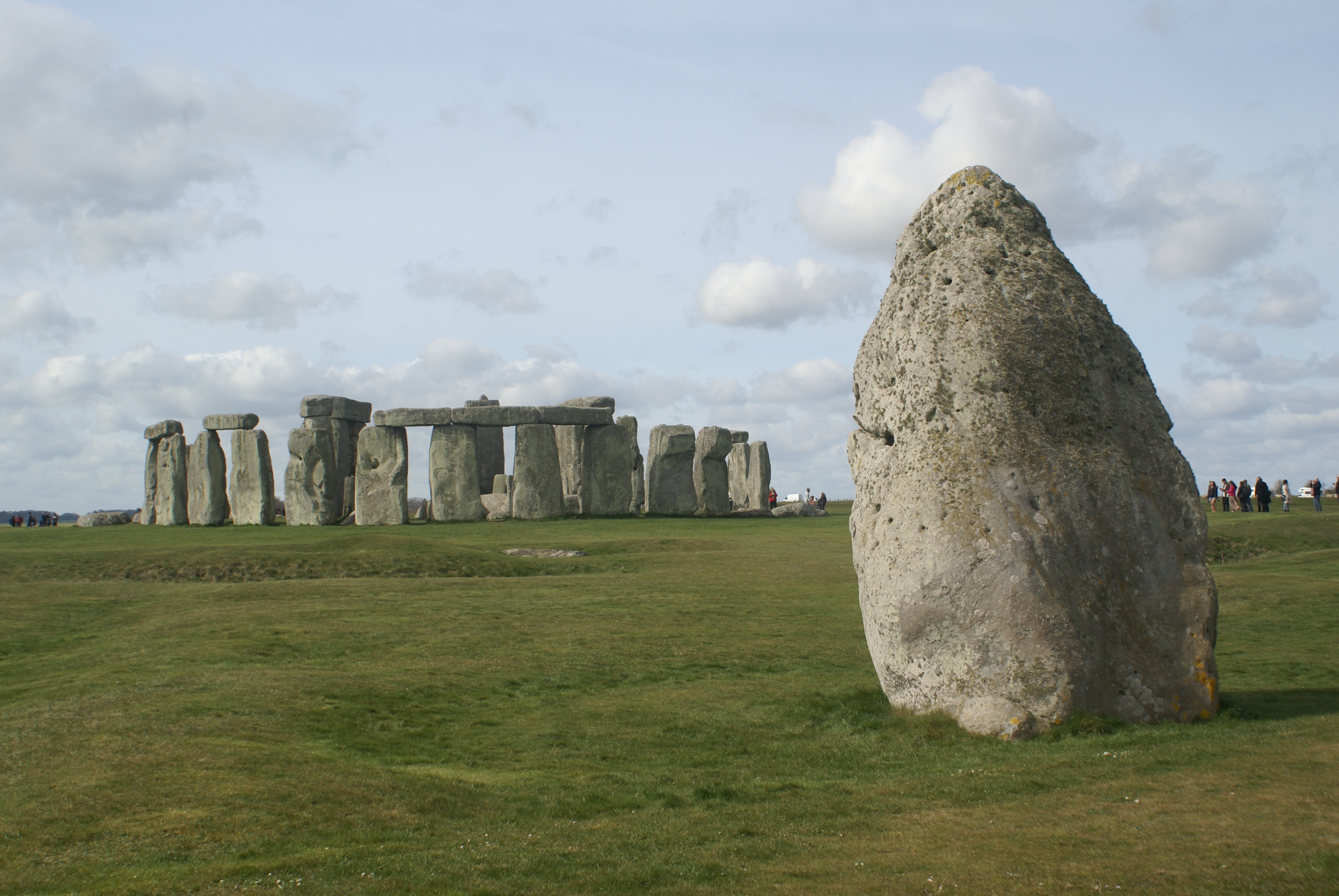
And the 4-5 thousand year monument… Since we last visited you can no longer touch the stones and some of the stones have been re-erected giving a better idea of how it might once have been. The circulation of visitors has been changed so that you can get the full visual impact without people getting in your way.
Our friends from the Species Habitat Protection Group have turned their attention to the sad lack of properly constituted tree holes in our woodland — a flaw underlined in our recent ecology survey.
Here they are erecting armoured, pecker-proof, nest boxes in the dingle.
They are particularly keen to promote the habitat of pied flycatchers which already nest in our deficient holes — the oak trees are just too young (unlike the humans involved) — not gnarly and creviced enough!
Here is one that nested 2 years ago
We have it on authority that the pied flycatchers are due back from Africa tomorrow so, as always on our land, there was an imperative! Jan, Jon and Roger arrived this morning with 12 new nest boxes and got them up in the nick of time.
Locations documented by satnav.
Ready for the arrival of our little avian orcas.
On their behalf I’d like to thank Jan, Jon and Roger and we look forward to more of these beautiful little birds nesting here in future.
I chose this cover picture which shows me in the raw — not at all the way I feel today — the book recounts the reasons why — all the bizarre experiences and formative encounters. The dodgy characters and extraordinary situations proffered by a medical education in the sixties. How the world has changed!
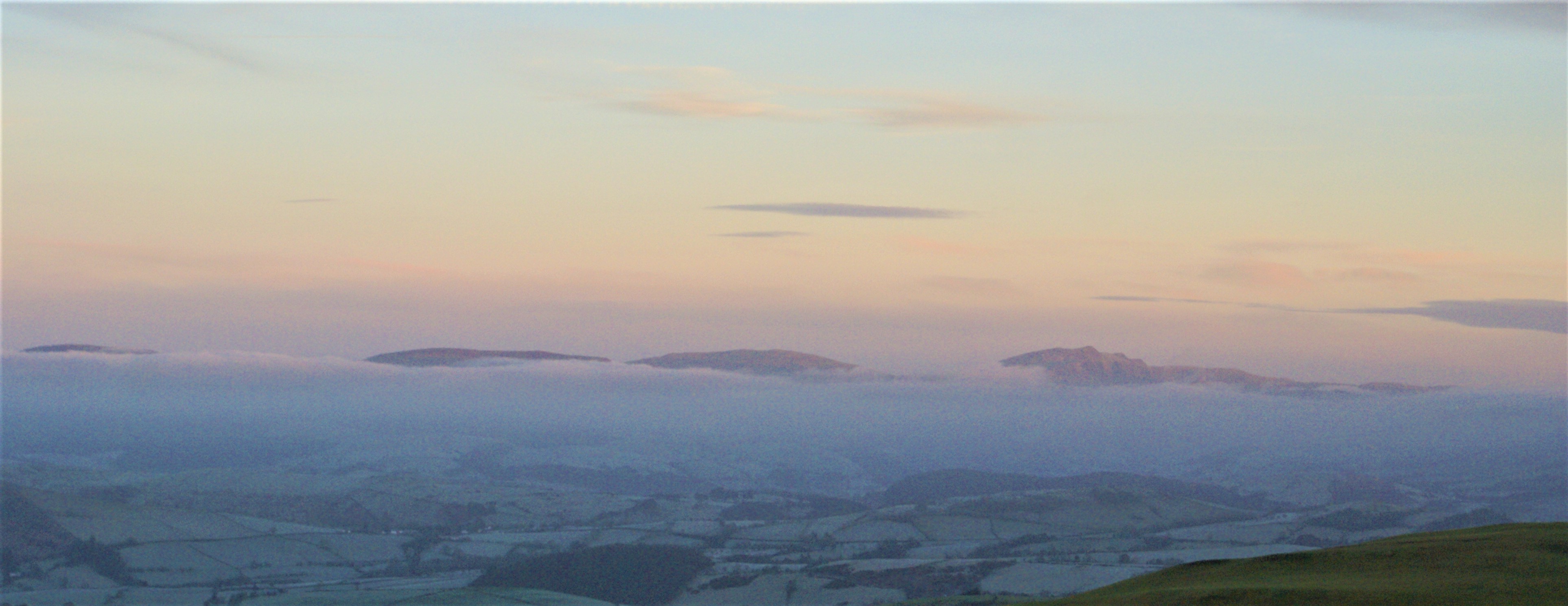
From the Cambrian Mountains looking across the Dyfi valley at the peaks of Snowdon peeping above the early morning mist — we get an early start to our winter bird watching with a brilliant bright day in January and a visit to Ynes Hir RSPB reserve on the estuary.
Still crisp –1/2 an hour later!
As the sun creeps under the mist — not much about but we are not complaining as we have already had a glimpse of a lesser spotted woodpecker and as we look out over the salt marshes with our backs to the woodland we still hear its drumming. There are the usual culprits by the river bank –a single little egret and a bunch of herring gull and scattered canada geese. But what have we here?
Peregrine Falcon looking for breakfast.
The beauty of nature watching is that there is always something new — even in mid-winter.
Another day the Hafren forest is quiet but the massive trees give an aura of magic as the light from some subtle thinning illuminates the mossy floor.
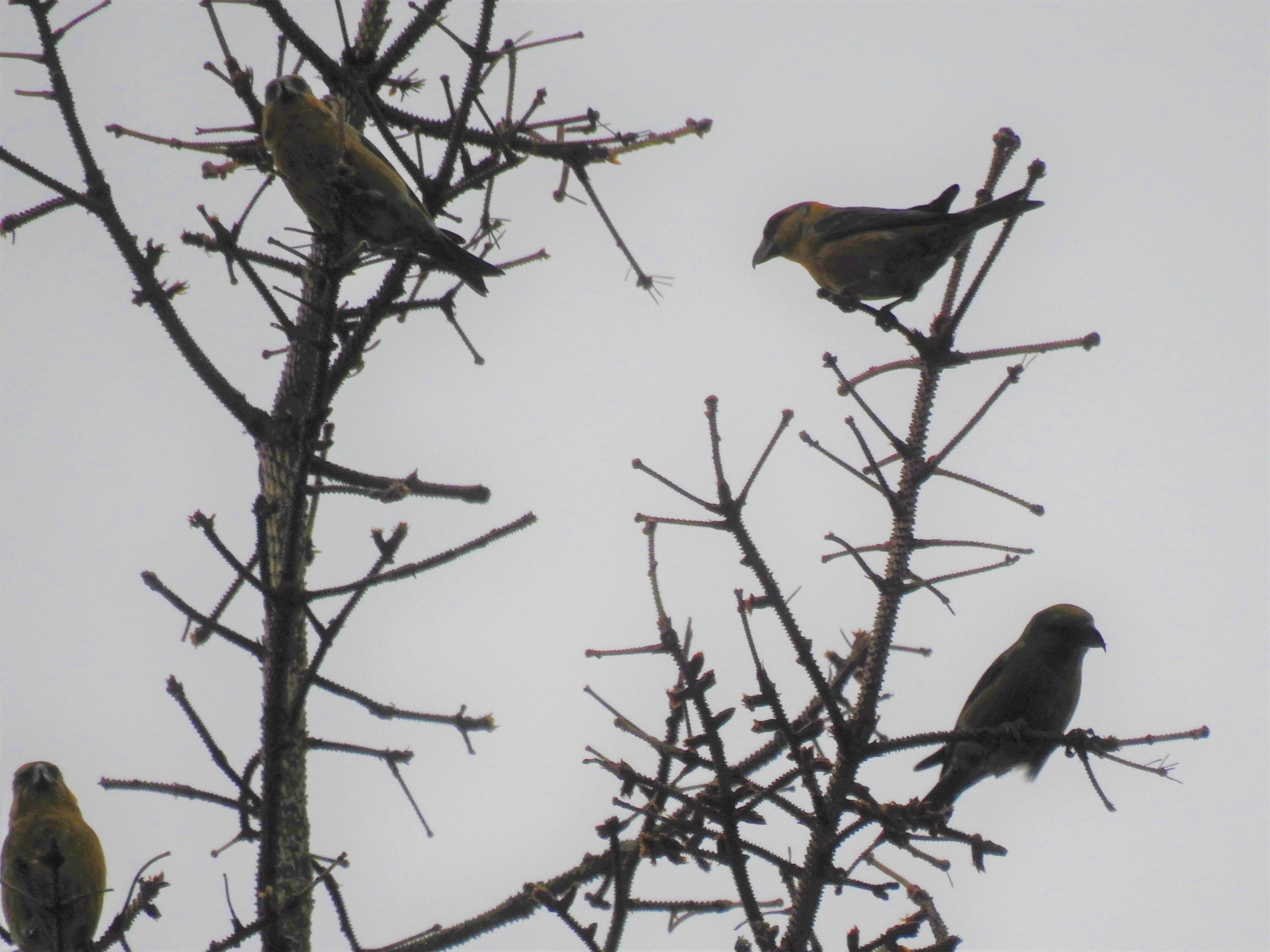
In the Hafren Forest, Mid-Wales there is the high pitched seeping of the tiny flitting goldcrests which is suddenly underscored by a lower pitched pipping — initially a long way off but growing ever closer, up in the canopy — could it be a flock of feeding crossbills?
Female CrossbillFlock of CrossbillsMale Crossbill
Here they are — difficult to photograph against the winter light. Chattering to each other as they wrestle with the largest fir cones to extract the seeds with their tin-opener beaks. The male breasts glowing orangey/pink, while the females are green.
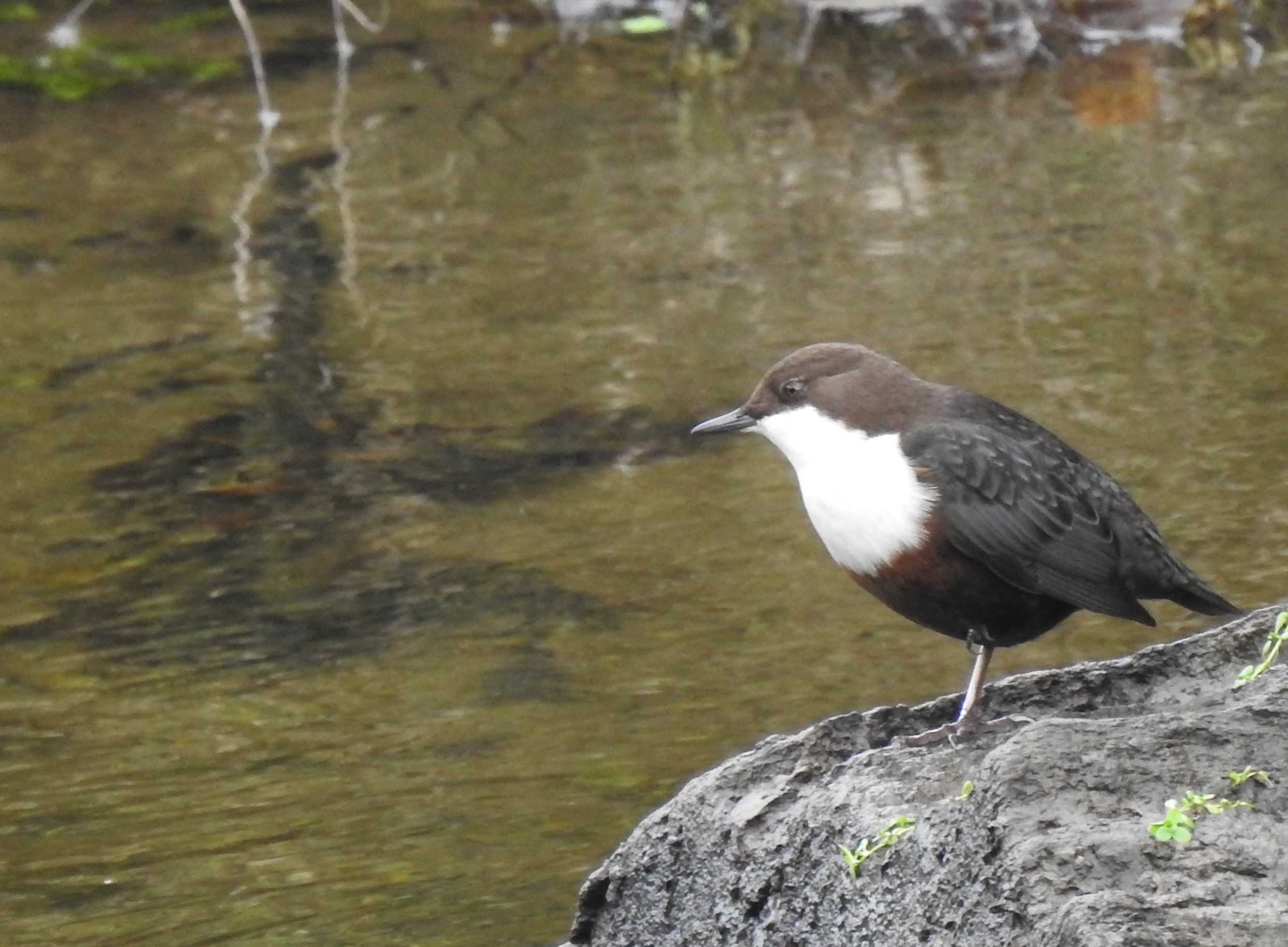
Walking back by the side of the river there is a dipper.
Driving down the Severn to Llanidloes to pick up our bread there is a bird feeder, overhanging the road, it is festooned with siskin, small green stripey birds, hanging like grapes.
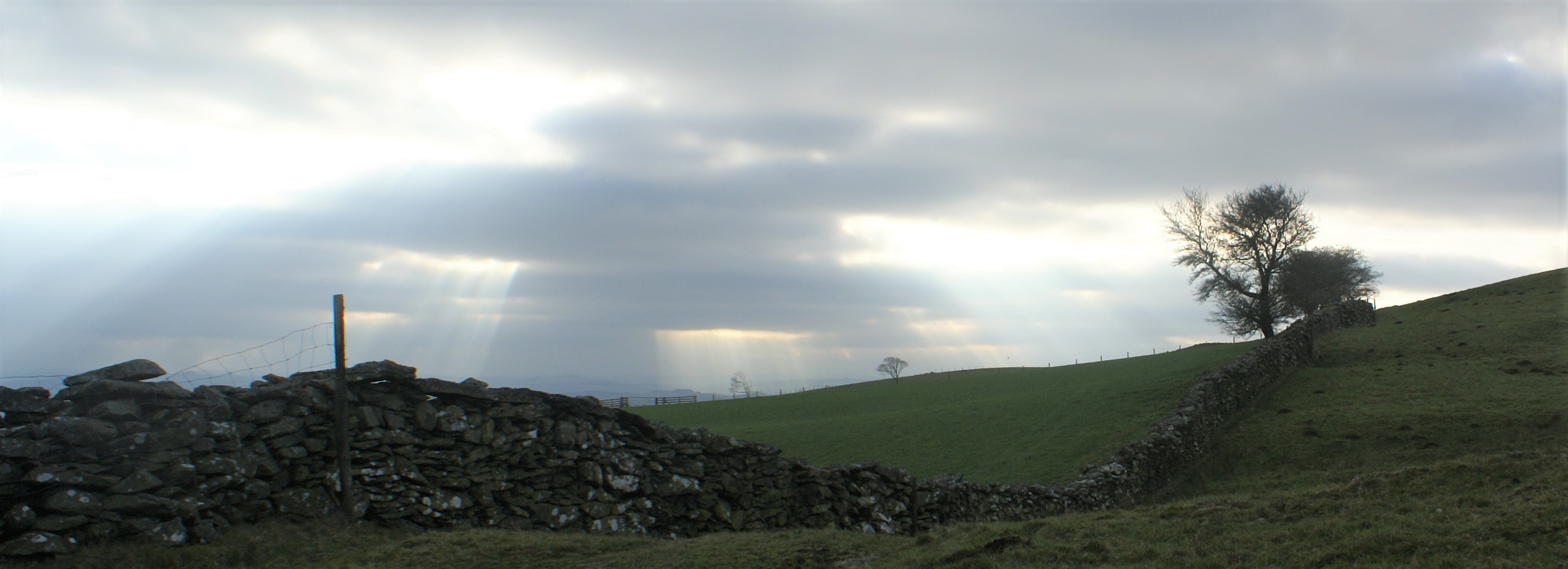
Most recently we ventured up, out of the sheltered valley, onto the exposed hilltop, not far away but a different world.
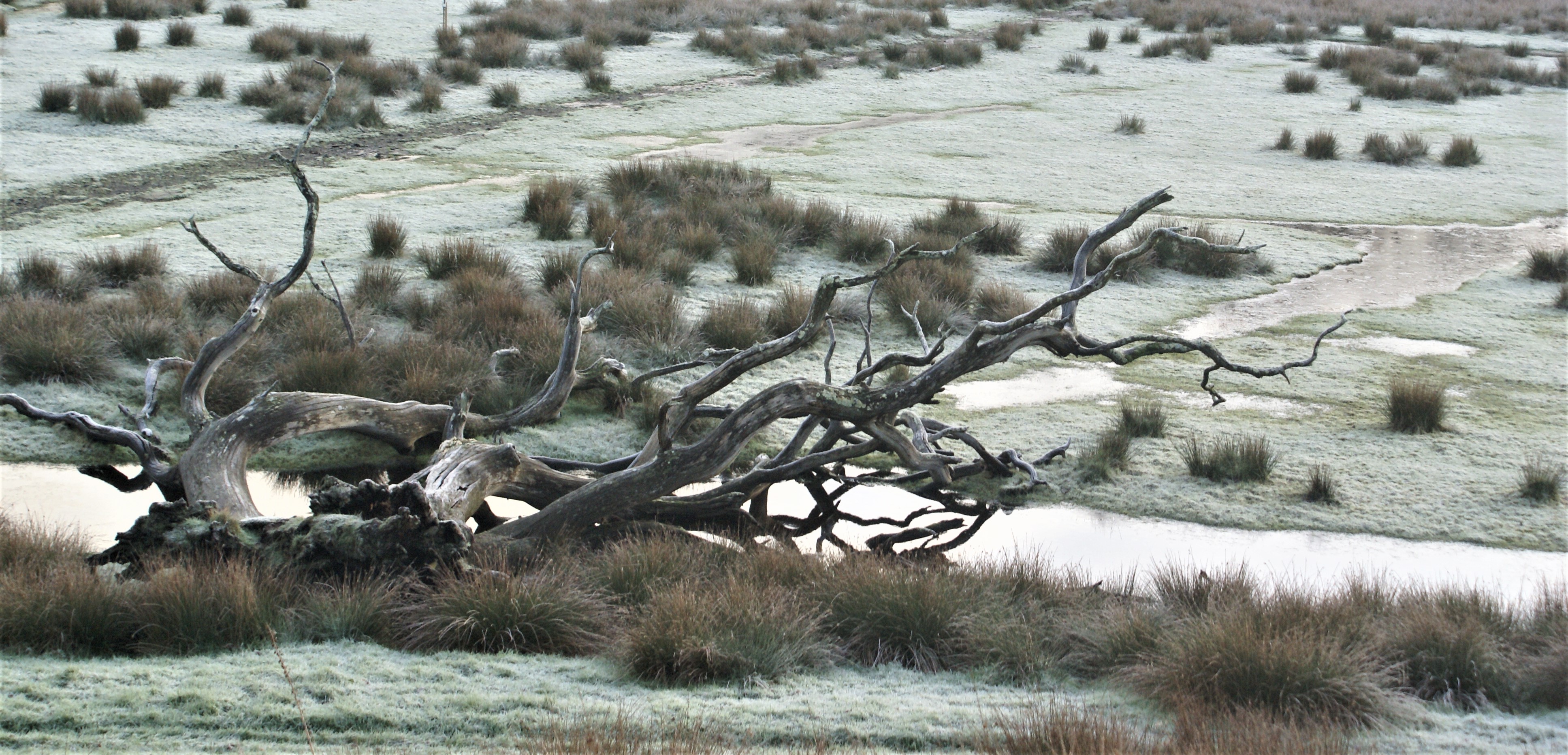
Bwlch y garreg on a chilly day
It was bleak but beautiful up there overlooking the mountain tarns. There were fieldfare feeding on the close cropped pasture and teal, coot and goldeneye on the lake with 7 goosander, saw-bill fishing ducks. Hovering on the wind above was a huge buzzard, circled by a red kite. At a lower level a kestrel winged its way between two telegraph poles.













 dianaashworth