lifestyle

Christmas Goes West

Turmoil comes in waves and these times of upheaval are our most creative — this is what I tell the children (it is no comfort to them).

It is Christmas and our five grown-up children (now that’s a strange concept) and their partners all seem to be facing new challenges.  Four now have various commitments in the West Country — work, homes, other family and friends, so to make it easier to all be together this year — Mum and Dad (and Pedro) go West.

Rhayader decorations

We entrust our pregnant ewes to a responsible friend — a rare thing!  Then we buy Tupperware and fill up the old camper van with plastic containers of Christmas, glance at the long term weather forecast and set off to The Gables — a rented house in Tywardreath, Cornwall.

But first, as Responsible Friend has noticed a hazard in the field in which we feed the aforementioned precious ewes, we have to fill in the seventy meter trench that we dug for the solar panel cable.  I use the word trench appropriately as torrential rain renders it a living memorial to life on the Somme in World War One.  The week before we leave for the West we slither and shiver, often up to our knees in mud.  Alan’s relationship with Digger is tested almost to destruction (not a bad thing, they were getting far too close) as her solenoid trouble makes her very temperamental and unreliable so that she often refuses to work at all and sits facing the prevailing storm with her windshield broken, getting her seat wet — but then we all have wet seats.

SONY DSC

Cornwall is dry and comfortable, camellias bloom in gardens and ragged robins in the hedgerows.  As shop assistants glower at befuddled shoppers and cars queue to enter and leave the supermarket car parks of the peninsula, sensible folk walk their wet dogs on nearby Par Sands where the China Clay factory breaths steam into the clear chilly air.

SONY DSC

Carols are sung at the Pub.

The Sun comes out on Christmas Morning.


Christmas Day

Christmas Day

The silvery sun makes it imperative to get out and make the most of the short days.

Festive meals are served for various permutations of family and friends.

P1040759 (2)


The wind changes, coming in from the North West, we pack up the left overs and drive home avoiding the Black Mountains, but not the traffic, to arrive home as the cold freezes the first dusting of snow into a crisp sugar coating over everything.

P1040768 (2)

Standard
Wales

Brecon Beacons

P1040670 (3)


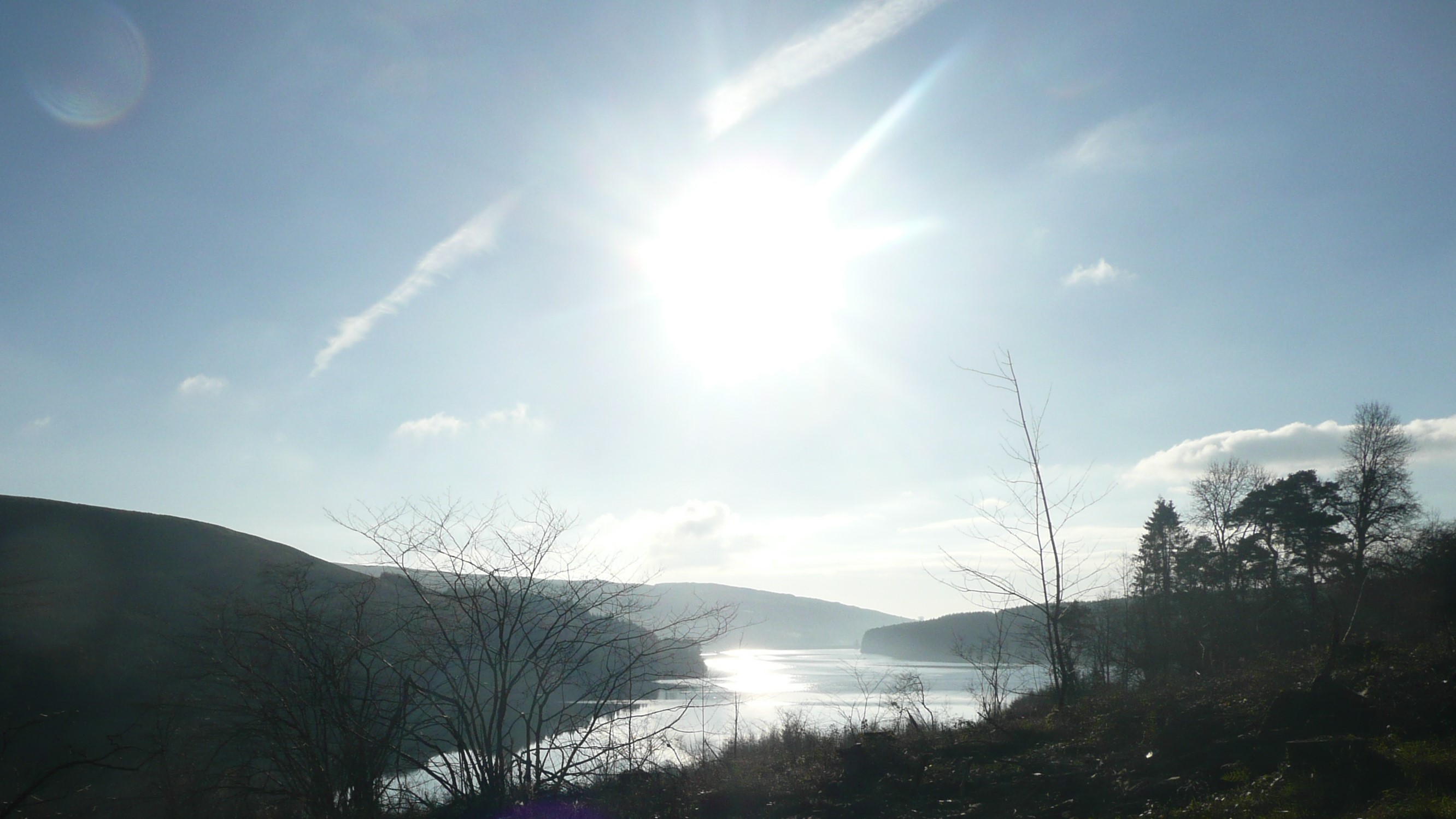
Call it serendipity, call it making the most of a bad job — this week-end we found ourselves, unexpectedly, in South Wales.  The rain cleared and the winter sun peeped over the hill blinding us with its reflection in the reservoir.

Pontsticill Reservoir

Pontsticill Reservoir

So we set out to explore this big splodge of green on the map of South Wales, north of the industrial Valleys and the metropolitan south.  The Brecon Beacons National Park stretches from Brecon in the middle of the country right down  to the Heads of the Valleys Road, along which you can drive and (if you want to) turn down each of the famous coal mining valleys that once fed the industrial revolution — that criss-crossed the area with canals and railways that turned the stone of the terraced houses, bridges and the tree trunks black and scarred the hillsides with mine workings and slag heaps.

All that has changed now but the Heads of the Valleys road still marks the boundary between valley bottoms of dense habitation and a wild paradise, though on the wild side there are still some signs of the human activities in the past — hillforts, burial mounds, quarries, mine workings and, of course the dams and reservoirs that still satisfy our needs.

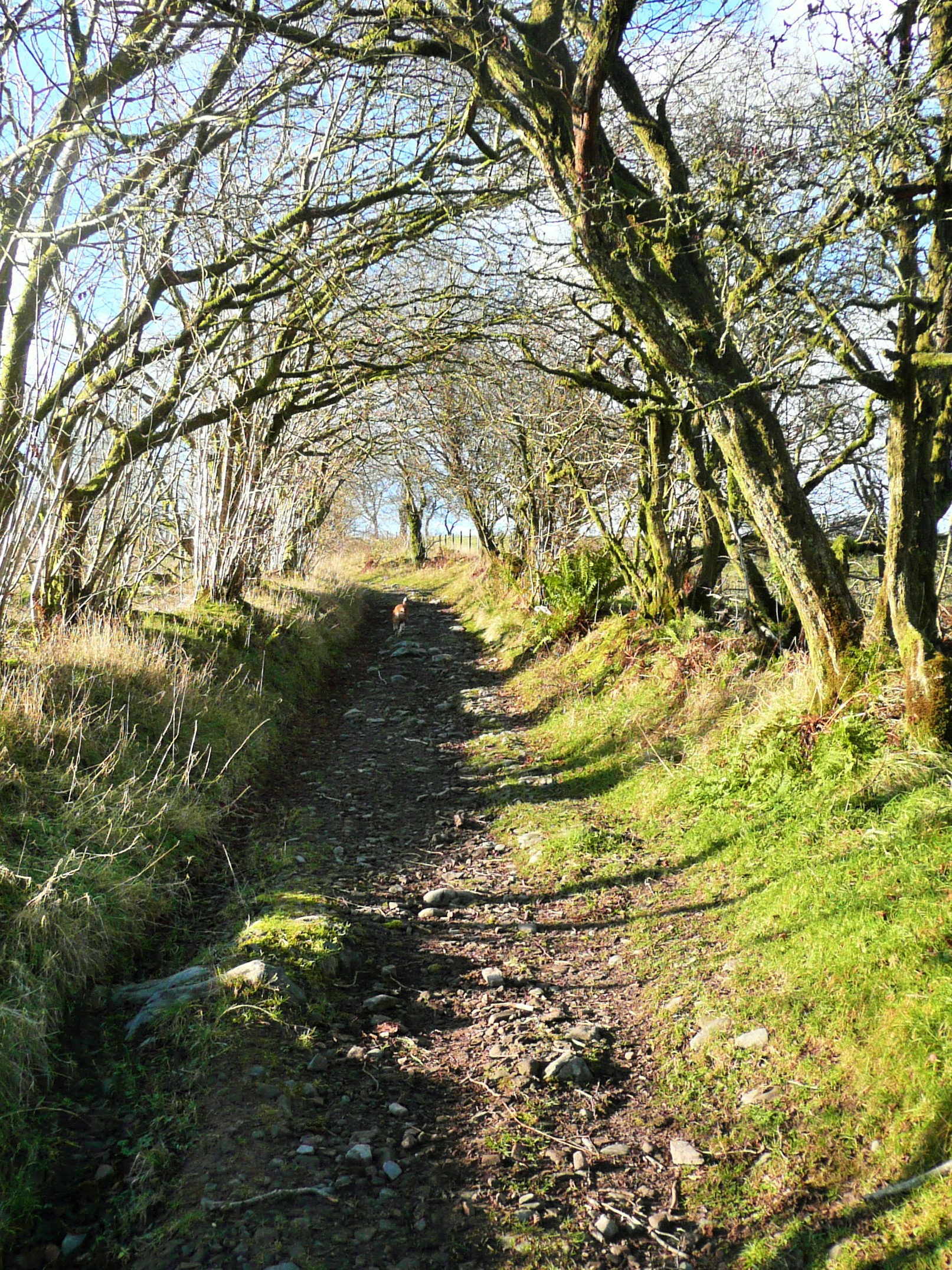
Not a farm track but a hang over from a more industrial past.

Not a farm track but a hang over from a more industrial past.

Under the sward, the moss and the lichen the industrial history is written into the hillsides.

P1040670 (2)Now it’s all farming, forestry and tourism — watch out for the cyclists!

P1040680

P1040683 (3)

To the north is Brecon, a garrison town — the first soldiers who stayed near here were probably Roman in the first century AD, now they  are Welsh and Ghurkas and that is why this sleepy little town has a Cathedral and Nepalese restaurants.

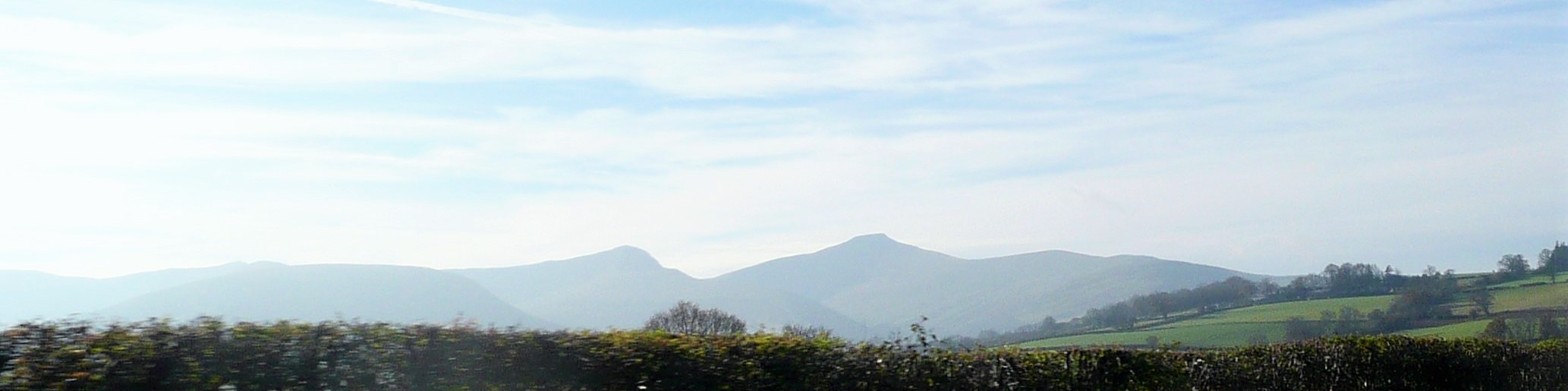
Driving along the northern edge of the Brecon Beacons after visiting Brecon Cathedral we see the peaks in the distance

? PEN-Y-FAN (886M) and GWAUN RHUDD (746M)

? PEN-Y-FAN (886M) and GWAUN RHUDD (746M)


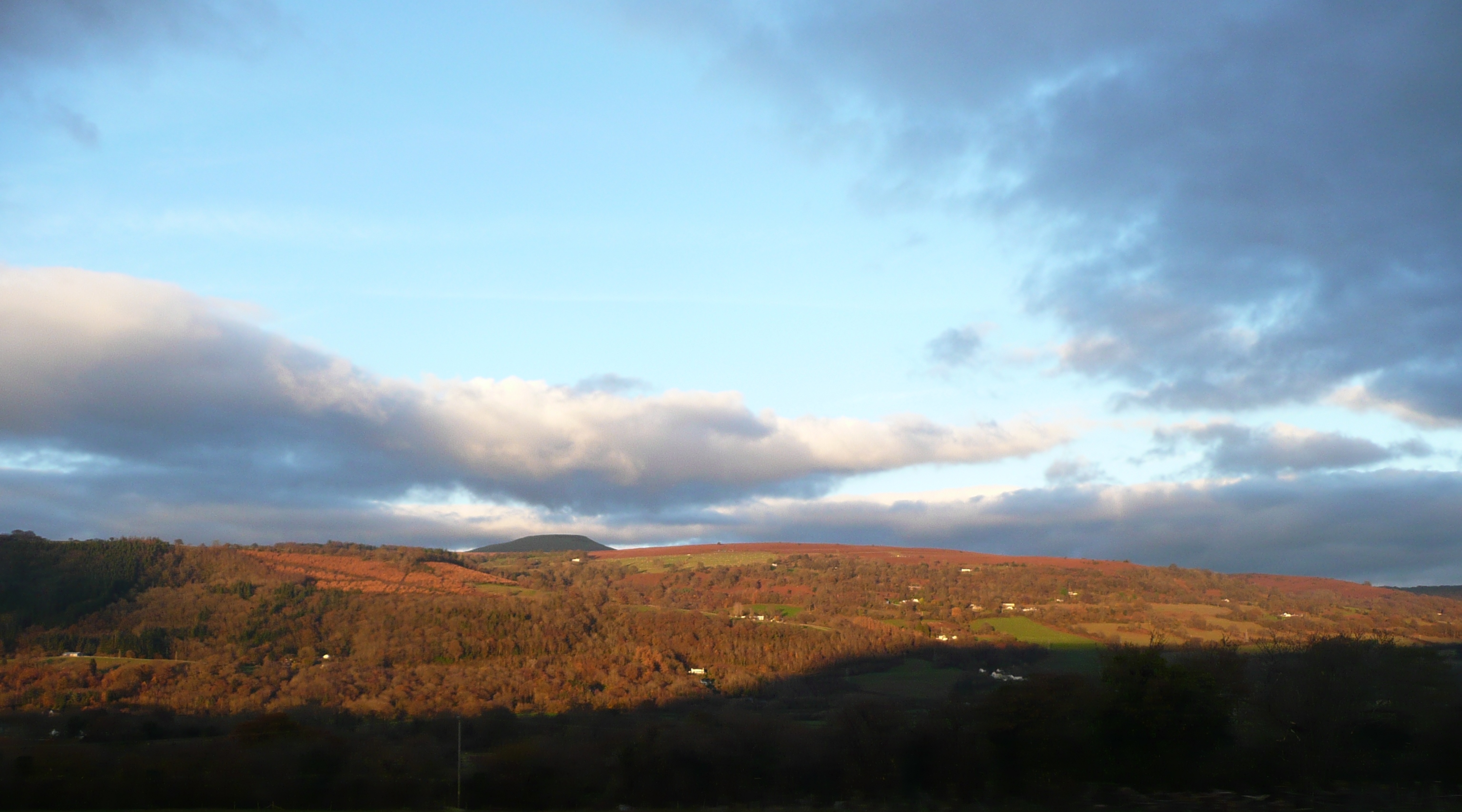
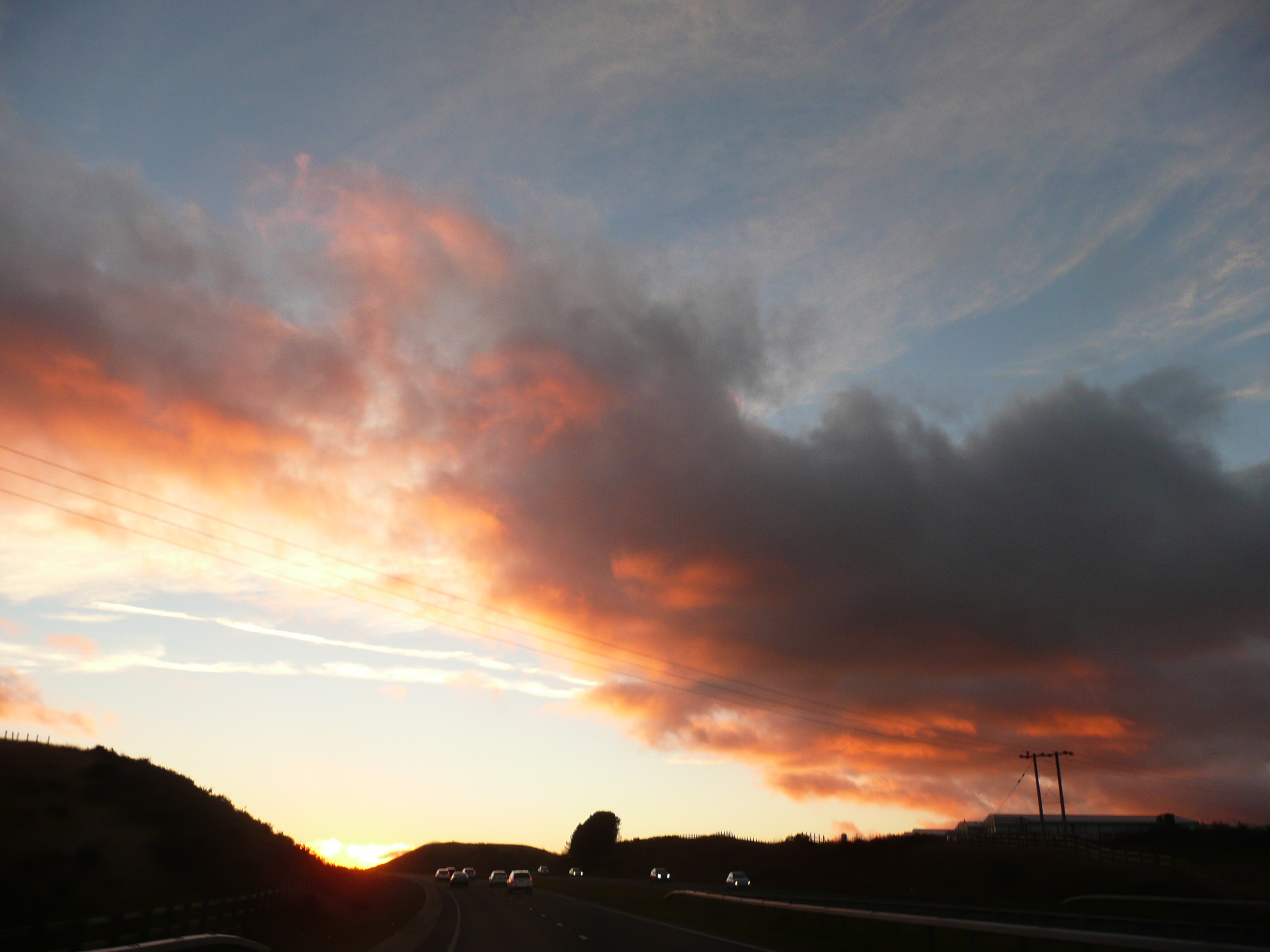
Within the National Park the River Usk separates the peaks of the Brecon Beacons from those of the Black Mountains to the east.  The sun, setting in the west,  bathes the eastern side of the Usk Valley in golden light, beyond is the Sugar Loaf. P1040705 Usk Valley skyAn epic sunset reminds us what a bonus sunny winter’s day we have had in the company of one of our children.

Sunset over Merthyr

Sunset over Merthyr


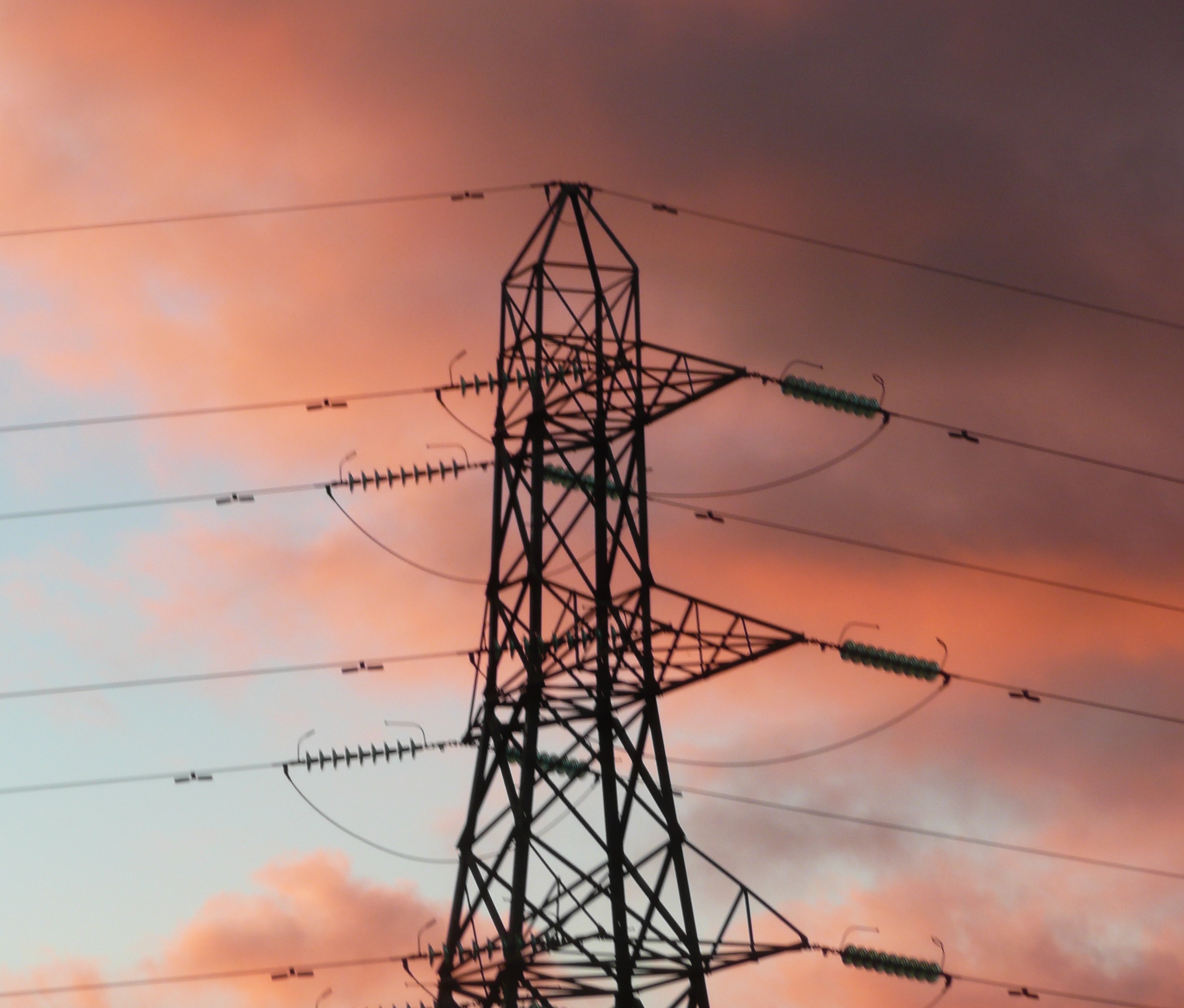
Merthyr Tydfil Pylon

Merthyr Tydfil Pylon


Standard
Uncategorized

Ten Mile Dive

By derivative work: Harpagon (talk) Image:Australia_satellite_plane.jpg: created by Image:Australia_location_map.png: Diceman [CC-BY-SA-3.0 (http://creativecommons.org/licenses/by-sa/3.0)], via Wikimedia Commons

By derivative work: Harpagon (talk) Image:Australia_satellite_plane.jpg: created by Image:Australia_location_map.png: Diceman [CC-BY-SA-3.0 (http://creativecommons.org/licenses/by-sa/3.0)%5D, via Wikimedia Commons

When my cousin was lost (to me) somewhere in the Australian Out-Back or in Papua New Guinea, I looked at her last known address on Google Earth, which was relatively new, and wrote this poem.

Eye bagged,

not jet-lagged

but weary of travelling —

colonial first!

With cultural thirst —

I’ve been to Bathurst.

Didn’t fly —

eyes in the sky,

‘visit Bathurst and die.’

Down,

down,

to the gold-rush town.

Ten mile dive —

saw your Ute

on the drive.

It’s fifty years in our diaspora,

I’ve come to play,

what do you say,

Deborah?

Standard
Lyrical, Nature Photography

Where does the river start?


P1040648 (4)

Today the air is oozing — it is absolutely still — not a single raindrop, nor a whisper of wind, but everything is wet,reflecting the mist.

P1040632 (2)

Every blade of grass carries a pearl of moisture that swells and drops into the soggy ground.


All-day-dew

All-day-dew

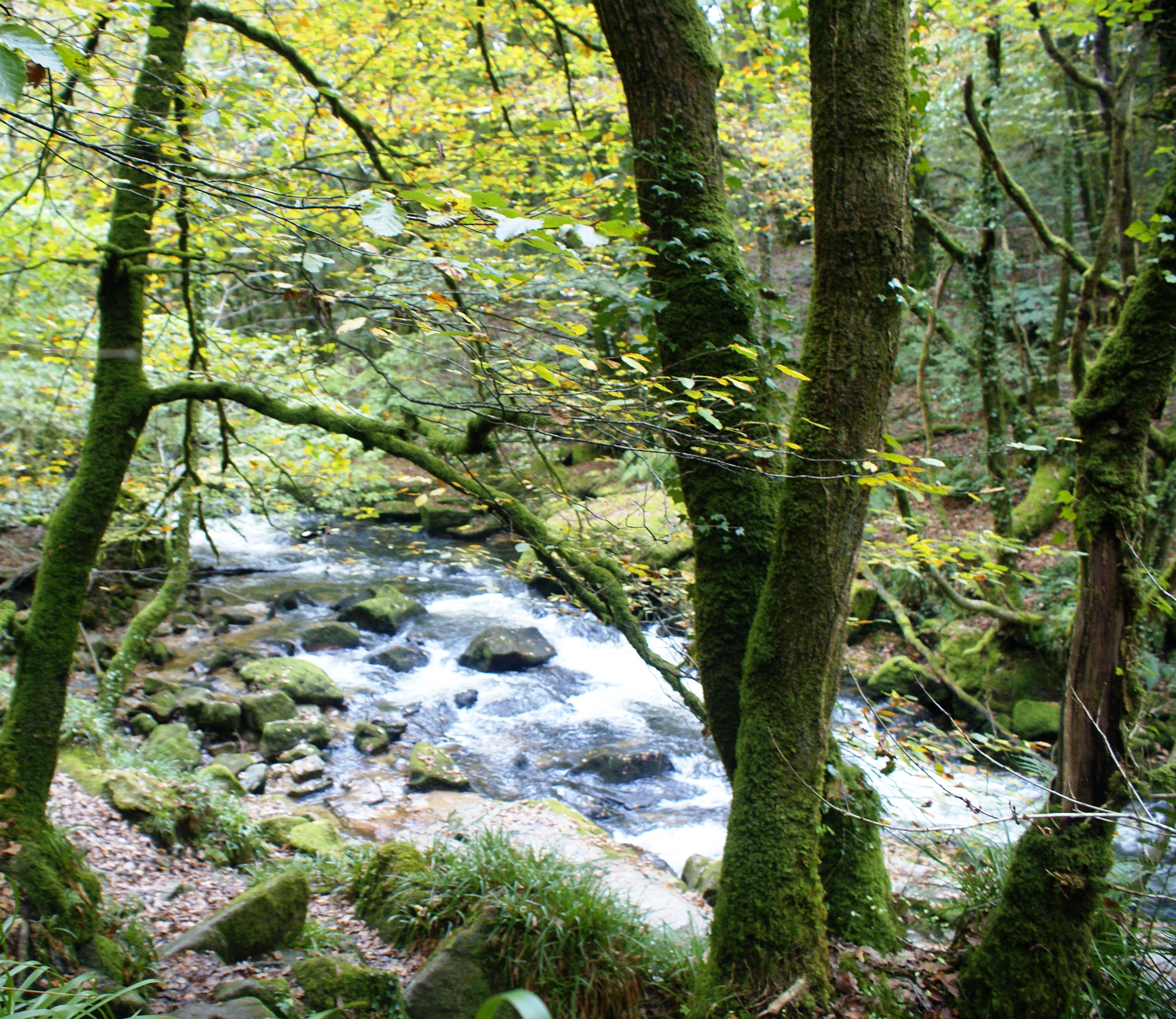
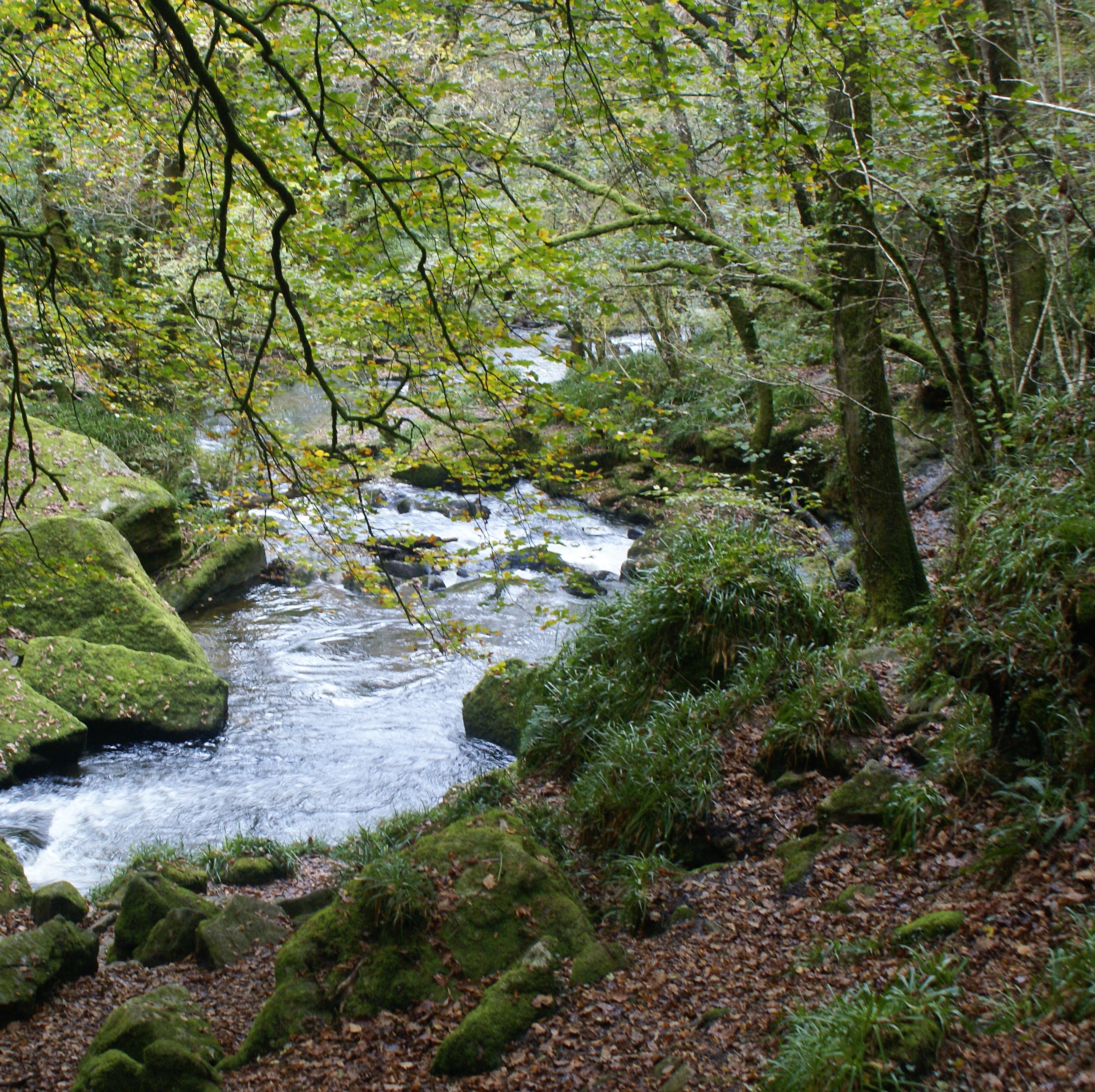
Water condenses onto every surface — all day dew…  Dew (the Welsh for God) that seeps through the sloping fields, that runs down ruts and overflows the puddles into ditches and culverts where it gurgles and giggles to the jingling stream.

cropped-testing-024.jpg


The land sings with water — not falling rain, not today, but water that’s a sacrament, a mystery and a power.

Golitha Falls, Cornwall.

Golitha Falls, Cornwall.

?????????????????????????????

Standard
Doggy, Humour, Wales

Feelgood Friend

P1040495 (2)

I feel another half-baked theory coming on — pet owners live longer than other people, probably just because they are more active (getting up in the night to open doors, clearing up messes, taking long walks, searching for missing balls, disposing of bodies, washing duvets etc.).  This fits in with the bowls and ballroom dancing phenomenon —  any doctor will tell you that their oldest and healthiest patients are those who still engage in these strange physical practices.  The key, it seems, is activity — any activity.

Happiness is also supposed to be good for you and is definitely infectious — perhaps it is a zoonosis (something you catch from animals).

P1040492 (2)

All of this crossed my mind this week-end while on a camping holiday on the Gower peninsula in South Wales — we only went for a couple of days because it’s November and the weather forecast was appalling.  The timing was not negotiable as Alan had been invited on a brewery sponsored trip to see the Scarlets play rugby against Glasgow at Llanelli and Llanelli is just a knock-on from the Gower — I was to pick him up after the match.

He found me in the camper van, parked in Morrison’s car park outside the stadium — I didn’t recognise him, not because of the strangeness and unsteadiness of his gait but for some reason he had donned a flat cap and a muffler — a throw-back to his childhood, perhaps.  The rain was driving and the wind howled around the van  which became super-cooled.

I had booked into the camp-site earlier but it was already dark and stormy.  That was when I made the acquaintance of the owner of the adjacent livery stable — an animated man with a coat over his head who danced  around the camper van in the heavy rain and the glow of my brake lights as I exercised a 17-point turn in his cluttered yard.

As I drove Alan back to the Gower he was relatively oblivious to the idiosyncrasies of my driving style and we found the pitch again with ease, it was the only one with a crooked number which I had adjusted earlier with the near-side bumper.

Next morning I awoke under the pile of duvets and the survival blanket, I was warm– Alan was alive, despite the hot water bottle having fallen out of the end of our bed and into the dogs basket during the night.  The sun was shining through the cracks in the window insulation.  There is something rather wonderful about the quality of the light on the Gower.

Something about the light -- there should be a Gower school of art -- perhaps there is!

Something about the light — there should be a Gower school of art — perhaps there is!

If you like wide open beaches, the Gower is for you.

P1040468 (2)

The sunshine bought out the crowds — we must have seen eight people in the course of the day, most disguised as seals and frolicking in the surf —

P1040577 (2)

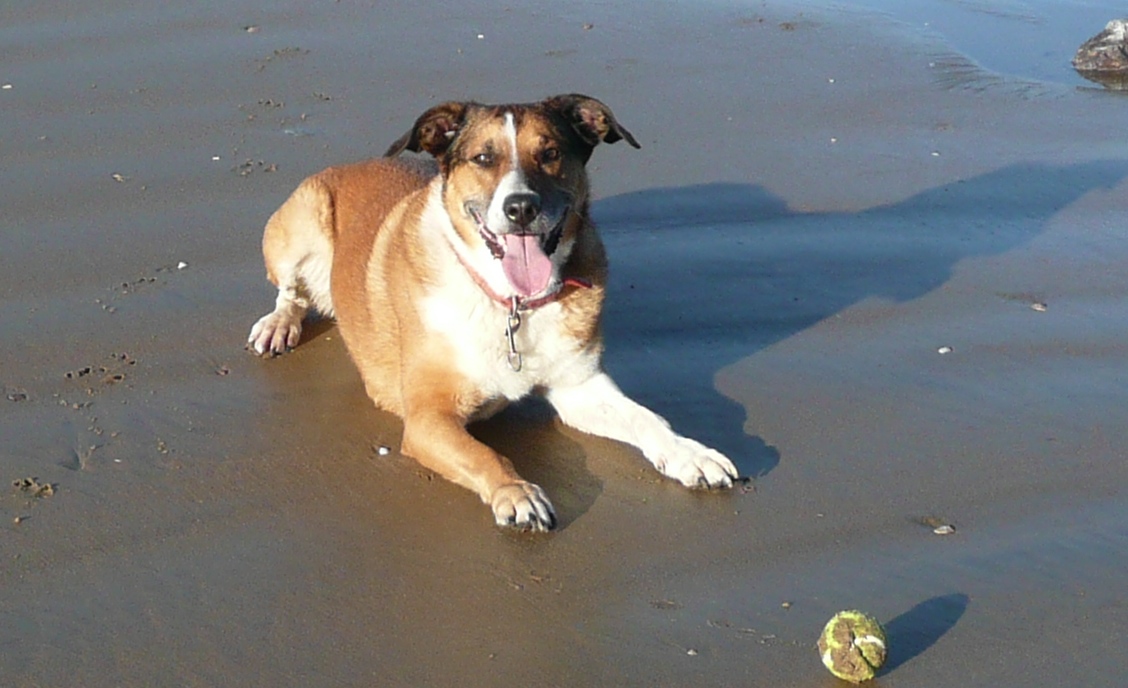
I think wet suits are quite sinister and expected our dog Pedro to pick up 0n this but it seems that they smell rubbery, like ball which is even better than stick and, it turns out, surfers are exactly his type of person.

A dog day that starts with a hot-water bottle is going to turn out well.

The Gower is his sort of place and I am left musing how strange it is that spending a day throwing balls for a wet dog can make a human feel so happy.

P1040486=dog

Standard
Communication, lifestyle

‘I’ve never been to London —

–but I went to Birmingham once and I didn’t like it,’ warned Aled before I left, ‘Too many people!’

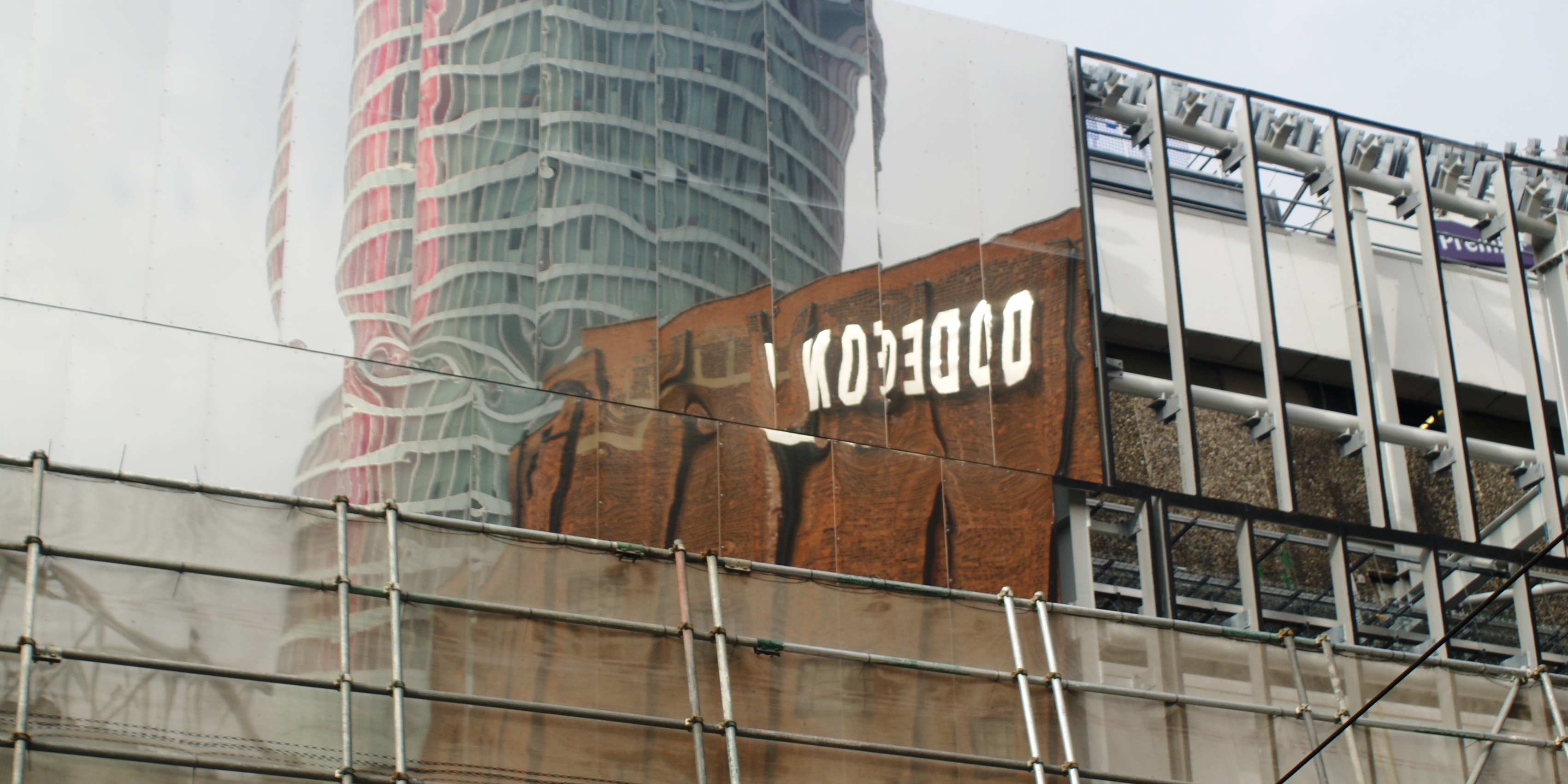
The Rotunda in the Bullring, Birmingham -- reflection on 1960's 'iconic'.

The Rotunda in the Bullring, Birmingham — reflection on 1960’s ‘iconic’.

Birmingham is quiet when I change trains — not quite what it seems.

I am bound to join the World War One remembrance pilgrims to the Tower of London on a suitably wet November day.

People in the rain

People in the rain

The trouble with cities is the constant state of flux where everything is changed each time you visit.

Today, at Euston, they have hidden all the bus ticket machines and amongst all the psychedelic signage the Mayor of London proclaims that contactless debit cards now operate the buses  (they may well do, but they haven’t reached Mid-Wales yet) — and Oyster cards — I have forgotten the one my daughter gave me.

‘Excuse me!’ I say to a passing commuter who spins round, wide eyed.  The young woman with strings falling from her ears has been dragged from a parallel universe into mine and is terrified.  She does not speak, she does not stop.

My daughters have warned me of the danger of my country ways — you have to walk in a bubble, Mum, it’s the only way to survive.  You mustn’t keep invading people’s personal space.

I’m not stupid, I do not ask the two policemen with machine guns and I resist the temptation to point my camera at them — sometimes it flashes automatically.

Okay, I think.  I can do careful.   I approach the next person from the front with my arms close to my body but in full view, I smile but do not show my teeth, ‘Excuse me!  Where can I buy an Oyster card?’

The nice young man directs me to the Underground and down the steps I go — like those on a harbour wall down into a sea of people, swirling about as flows from different directions meet in a turbulent confluence.  I join a current and am carried along.  I am a strong swimmer but I can feel the power and I know that I am not in a bubble.  Crossing the flow, ‘I’m sorry!’ ‘Excuse me!’ ‘So sorry!’ I join an eddy that buffets me back to the steps and up to safety.

Looks like I’ll have to walk — I’m quite good at that.

By the time I get to St Pancras reason has prevailed and it’s quieter.  There are only about two hundred people in the Underground ticket hall and the ways to the exits are clearly visible — I am not phobic — just a normal human being — with instinct.

Here, something strange happens — like an hallucination…   Fireman Sam helps me — really, in his high-vis suit, helmet and visor — he helps me with the machine, the queue behind was getting restive.  I thank him and climb back into the air brandishing my Oyster card and am able to share my local knowledge with several Geordie pensioners who are trying to get on a bus.  They are explaining to the bus driver that they have money — he cannot understand what they are saying and stares nervously from his glass cage.

?????????????????????????????

At the Tower, 800,000 ceramic poppies commemorate our fallen in WW1.  Everywhere I look, their descendants, their grand children, great grandchildren, great nieces and nephews, move slowly and politely, stopping to take photographs and waiting for someone to let them into a place by the railings to get their shot or their selfie — strange.  It’s raining and the poppies seem to miss their mark today but the snake of people, come to see them and be moved,  does not.

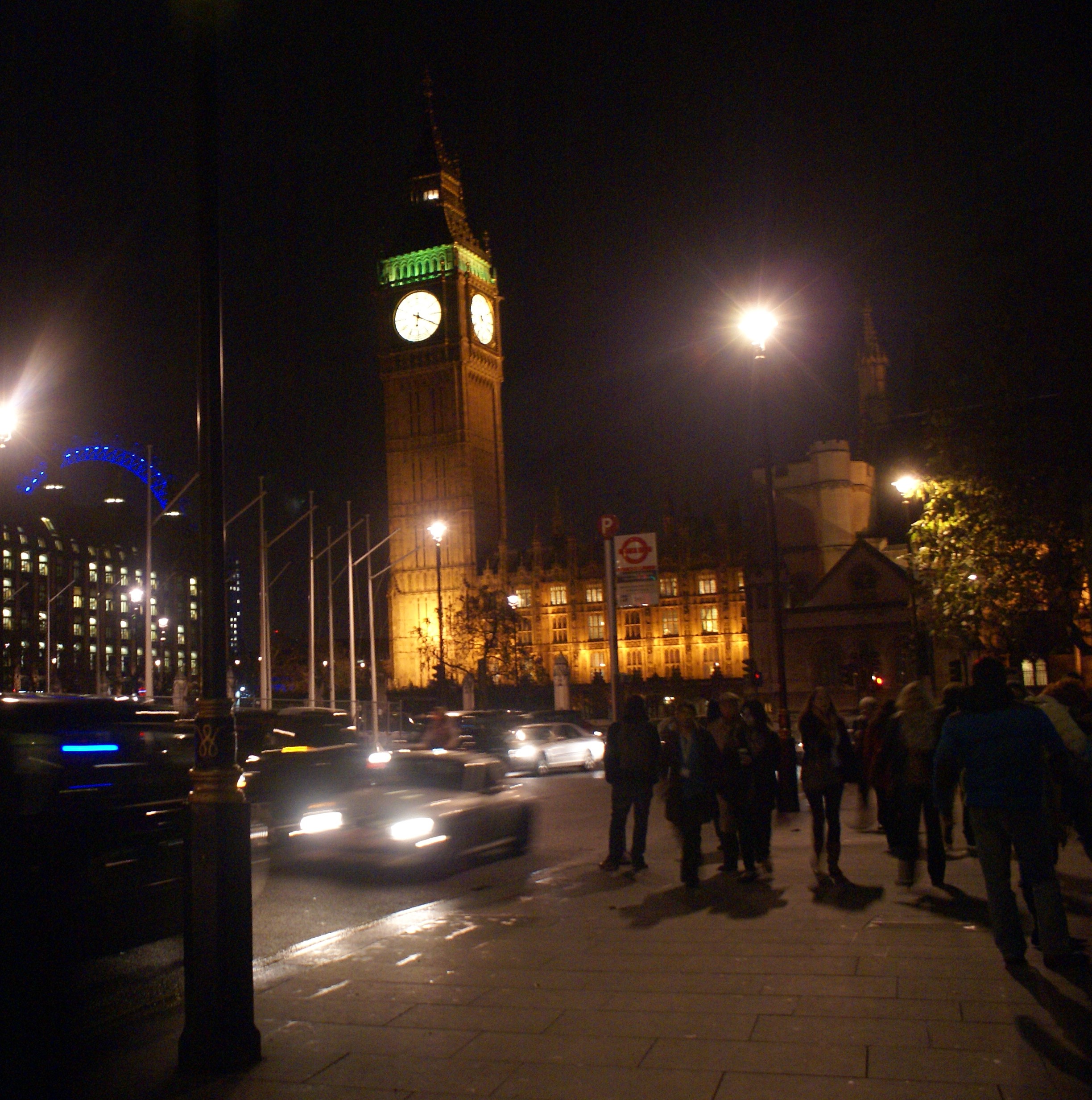
In London even the trees are grey, muted by urban substances and the Thames smells, as it did when I was a child, like no other river I know, but at dusk something strange happens.

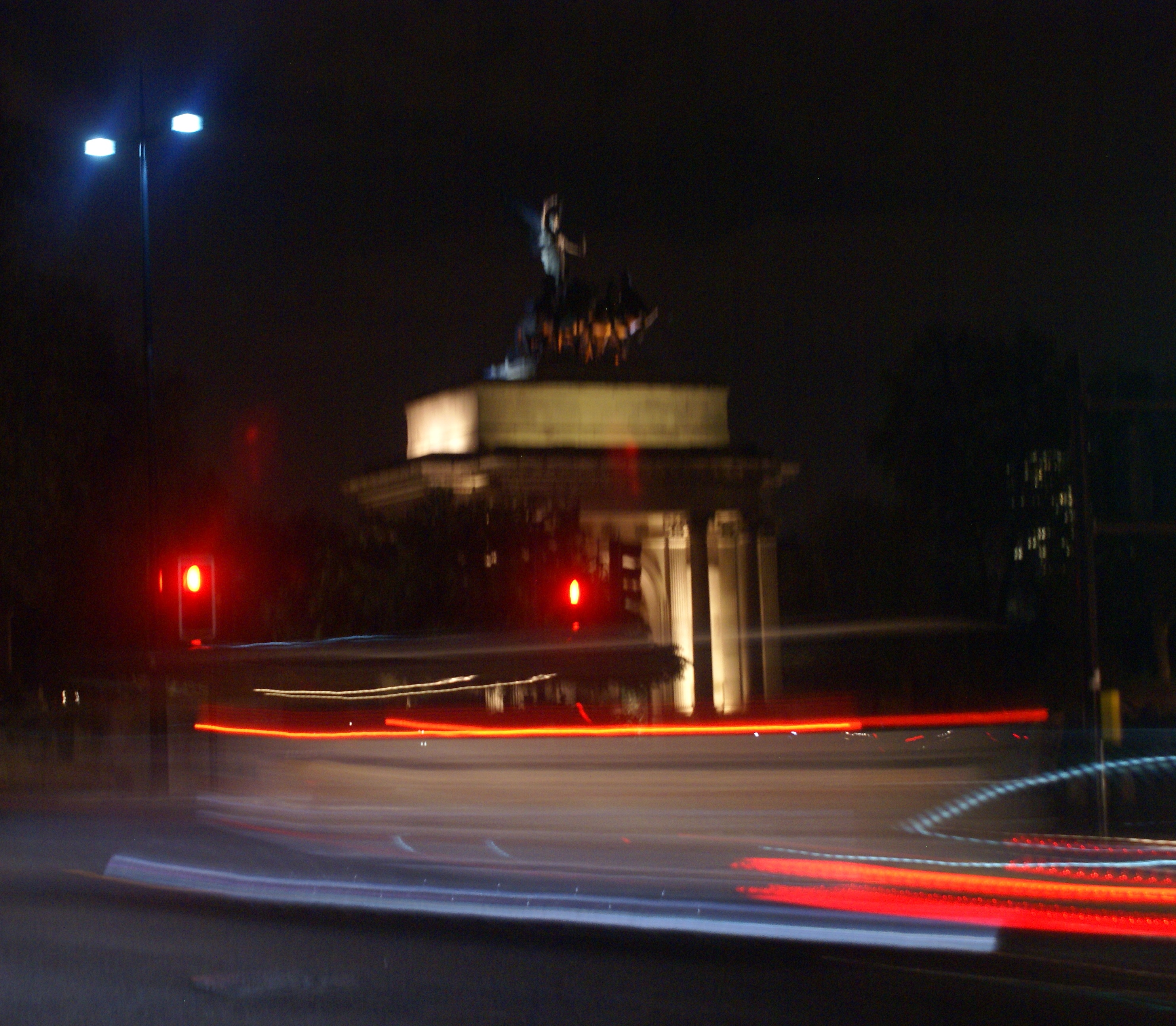
At night there is magic in the city.

At night there is magic in the city.

?????????????????????????????

?????????????????????????????

Standard
Wales

When the mud boiled —

SONY DSC

— steam rose from the Kennel Field and drifted over flaming puddles.  The whole town had turned out but the flames were so high and the heat so great that 3000 souls, un-marshalled, stood back in a perfect circle 30 yards from the fire and the moon looked down from a safe distance.

In Llanidloes, the little town is still laid out in a mediaeval pattern of tightly packed timber-framed houses within an invisible (long gone) pailing rampart.  Not surprisingly then —  on the fifth of November, or thereabouts, everyone troops over the bridge to the site of the sheep fair, outside the town — beyond the pale (long gone), safe on the far side of the Severn, for the Bonfire Night celebrations.

The centre of town is deserted.

The centre of town is deserted.

What are we celebrating?  One suspects that it is nothing much to do with the goings-on of 1605 — it would be un-characteristic for the local population to be much concerned about events in London and, looking at the scale of our fire, it is as well that Guy Fawkes was not a Welshman or the course of history might have been very different.  It probably goes back much further.

SONY DSC

The fifth of November is the traditional day for turning out the tups, putting the rams in with the ewes, and so is really the first day of the sheep farming year.

SONY DSC

Happy New Year!

'The nails in all those pallets could be a problem at future sheep sales'

At the end of the evening — ‘The nails in all those pallets could be a problem at future sheep sales’

Standard
Hill Farming, lifestyle, Wales

‘There’s a man in the ditch who says he’s got a broken leg!’

erecting Solar Panels

erecting Solar Panels

‘Sorry to bother you but there’s a man in the ditch who says he’s got a broken leg,’

‘Who is it?’ I ask the worried faces at the kitchen door – one is a workman erecting our solar panels and the other is a white faced lad.

‘Can’t remember, he did say his name,’ says the lad, ‘I nearly ran him over! He told me to get you!’

‘Is it Roger?’ I ask over my shoulder, running towards the gate.

‘That’s it!  That’s his name!’

Roger is our nearest neighbour.

Happier times -- Roger caught shooting our rabbits in his dressing gown

Happier times — Roger caught shooting our rabbits in his dressing gown

He is lying face down in the narrow, shallow gully that runs down between his house and the road, he is darkly dressed and mud splattered and still wearing the world weary cricket hat he had on an hour earlier when he had been in our kitchen drinking coffee. He is perfectly camouflaged but the other workman is standing guard to make sure no one else runs him over.

‘What have you done?’

Roger had skidded on the slippery ramp to his cabin and heard his ankle crunch and snap. He had called and called – we were digging with the digger and no one heard.

Noisy digger

Noisy digger

He tried to adjust his right foot into a walking position, felt faint and thought better of it. He shouted some more and no one heard. His wife was out and he didn’t know when she would be back, it was raining intermittently and the sun had sunk behind the tall trees and it was getting chilly so he set off to crawl the fifty yards through the long wet grass to the road. He was on his way, commando style, down the ditch towards his front door and a telephone when the man delivering our cable (fortunately young and on-the-ball) narrowly missed him and got out to investigate.

While the workman calls an ambulance, I wrap him in roof-insulating foil and carefully unlace his boot, it does not seem to hurt him too much.

‘Perhaps is just a sprain?’ he says.

‘Perhaps it is, can you roll over and we’ll have a proper look,’ He rolls over and his booted foot flops into a strangely unnatural posture.

‘Woops! Roll back Rog.’

We remove his boot with the foot pointing in its normal direction – aided by gravity. It is warm and not all that tender or bruised and I can feel several pulses – we wrap it up to keep it warm and await the ambulance. Several vehicles come along – all stop, the drivers get out and join in. One wraps his fluorescent coat into a bundle and puts it under Roger’s head. Someone else gives him a lighted cigarette. A police van arrives, the first we have ever seen in these parts, it is only passing through but the driver waits patiently behind the log-jam of other vehicles and chats.

Roger is feeling quite warm and becoming positively effusive – I’ve noticed this before – something to do with adrenaline, I think – people can seem at their very best when they are quite near to their very worst, it is probably the secret of most heroism — it won’t last!

‘Here it comes!’ the look-out shouts and a big yellow ambwlans sweeps onto the scene — we are chastised for the smoking. Roger is loaded and someone slips his rolling tobacco and papers into his soggy pocket. The doors of the ambulance are closed. I am sent to find some dry clothes – not easy in someone else’s home. I do the best I can. I am then dispatched to find his medication.

Meanwhile his wife arrives, shocked by the sight of the ambulance and surprised to find the paramedic dressing her husband in drag – she retrieves her clothes indignantly and makes haste to procure more macho garb, she also manages to find his pills and off he goes.

Later that night his wife returns from the hospital at Aberystwyth – he is to have his ankle surgically pinned the following day. By then she has washed his wet clothes and pegged them out.

‘What do you think I should do with his tobacco?’

‘He won’t be able to get out, to smoke.’

‘No, I know that — it’s been through the washing machine.’ We both peer into the packet, ‘it’s only a bit damp.’

Get well soon, Roger!

Standard
Neurophysiology, Thoughtful

The Man in the Alley — Seeing Red

They’d been to Ronnie Scots to listen to jazz that was so weird and avant guard that  they wanted to giggle so they left early and got the bus home but something caught her eye — from the top of the bus — in an alley — the shape of someone, slumped.


Thanks to Yuichi from Morioka, Japan [CC-BY-2.0] via Wikimedia Commons

Thanks to Yuichi from Morioka, Japan [CC-BY-2.0] via Wikimedia Commons

They got off the bus at the next stop — I know her, she would have to do that…  And they walked back and found the alley and the man.  He was lying with his shoulders against a bin, in a puddle, the weather was dry — she thought he had wet himself.

The conversation was stereotyped, ‘Are you okay?’

‘Fuck off!’ he just wanted to be left alone, he was probably drunk — they left.

As the young couple walked home the doubts began to hatch.  Was he just drunk?  Was he ill, a diabetic having a hypo, perhaps?  Had he been mugged, stabbed?  Was it blood on the ground, hidden in the shadow and the distorting spectra of the street light?

They phoned the police, who must have been grateful.

Then she phoned a friend who was me and set me thinking about all the puddles of blood and abusive men (and women) that I have tried to help — the insulin enhanced right-hooks I have dodged, ducking and diving to avoid the punches and projectile vomits that pursued me in my previous life.

A friend of ours found a man, collapsed and cold, on the moor — he was barely conscious and could well have said, ‘Fuck-off!’ but the friend for some reason that he will never understand  (he had no particular medical knowledge) asked the man if he was diabetic.  ‘Yes,’  he said and passed out.

That knowledge and hot sweet tea saved his life.

People with diabetes get ill and confused with high blood sugars, they don’t smell of alcohol but do smell of acetone (like alcoholics the morning after) which can be misleading.  Untreated diabetes does not give you hypos, but the treatments can and the hypoglycaemia can make you seem drunk, can come on very suddenly and make you violent, confused and incontinent.  It can rapidly lead to brain damage and death. If in doubt you can always give them sugar — if they are suffering from a high sugar you won’t make it much worse but if they have a low sugar you may well save their life.

As for the blood — blood is one thing in a hospital ward, in a labour room or the back of an ambulance but it is quite another as you follow the drops up a half lit staircase or out of a back door into the dusk.  Then it explodes onto your retina, impacting on your senses like nothing else.  A tiny drop of fresh blood will grab your attention and lead you to the next and the next.

In half-light blood assaults the senses

In half-light blood assaults the senses

We have evolved to follow injured prey, to find a wounded comrade, to see red and know the danger.  This phenomenon always amazes me — makes me remember that I am an animal — reminds me to wear something red to a concert if I want my friend, on the stage, to spot me — explains why I cannot read the cooking instructions, written in white on the scarlet pizza box — the red, you see, just fills up my senses.

Wear something red to be noticed

Wear something red to be noticed

If the man in the alley were lying in a pool of blood, you would have known,  and believe me, you would have smelled the blood!

Look into the half-light and you will see blood.

Look into the half-light and you will see blood.


Standard
Humour, lifestyle

The Journey (not the Destination).


P1040399 (2)

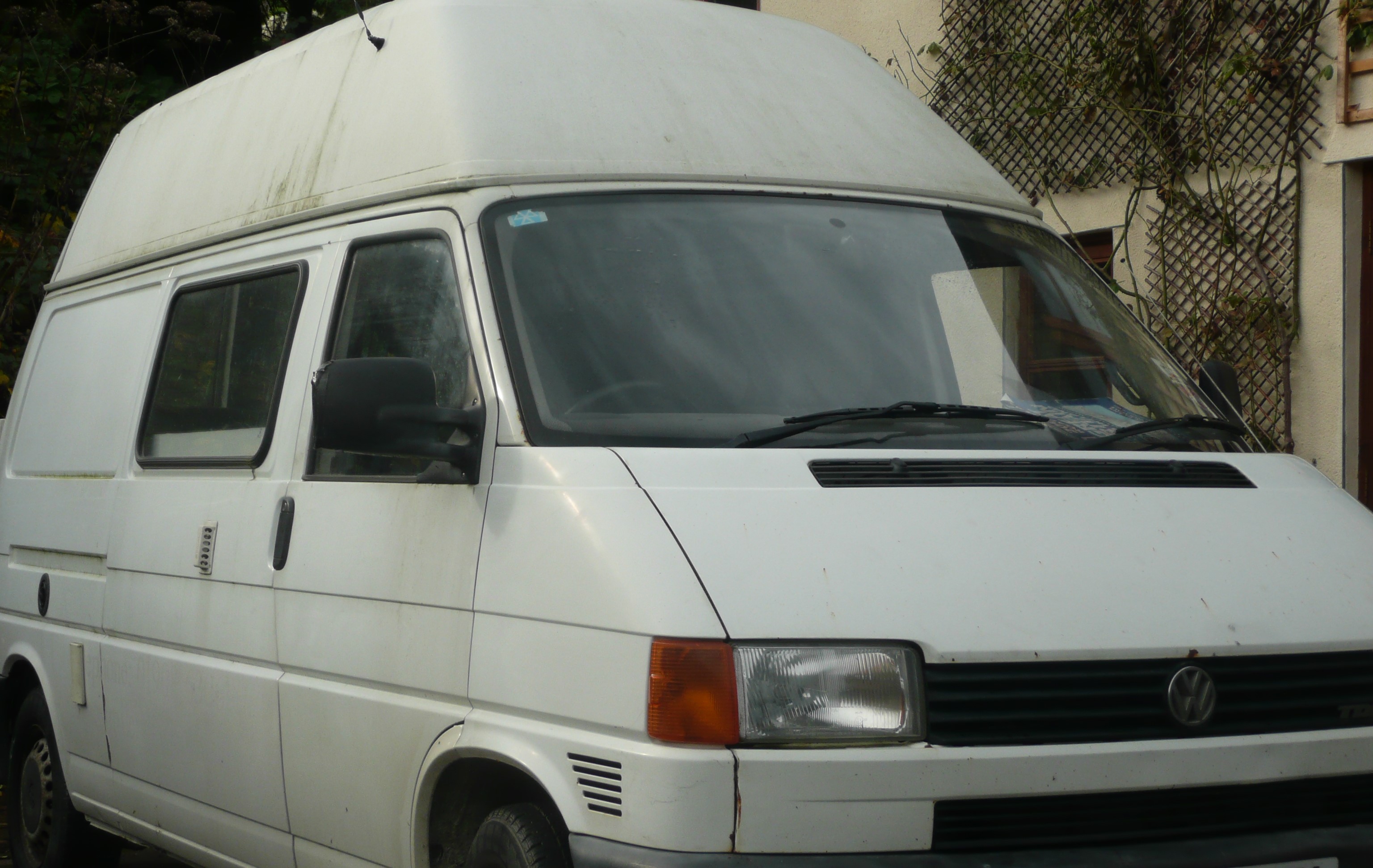
The Pikey van has come out of retirement — an updated version of the genuine Gipsy caravan, rescued from our barn, emptied of animal feed sacks and given a cursory vacuum clean.  We’ve been busy for the last ten years and, as the only completely rat-proof container, it’s been busy too — minding sheep-nuts and sheltering privileged spiders.  Now it’s time for a re-birth, an adventure, a pilgrimage, a journey!

Inspecting the Sea Wall at Burnham on Sea

Inspecting the Sea Wall at Burnham on Sea while the kettle boils

Noisier than we remember, it discourages unnecessary conversation — we nod at Glastonbury Tor as we chug past (it is promised to friend-Silvia for her bucket-list trip to the festival, but we have enough mud in our every day and spend our time trying to avoid crowds).  It hasn’t lost its charisma — land owners pale at our approach.

The Pikey van is explicit, a statement of a philosophy and a tester of prejudice — it is a reminder.  Driving it is chastening, like going round a supermarket in a wheel chair…  ‘Ah… Bless!’ as  the cashier said to me as I tried to pay for my shopping. It is not just our spiders that are normally privileged.  When we drive it, gates close, barriers come down — appeased only by the roundness of our vowels and the friendliness of our dog.

?????????????????????????????


To us, it is cost-effective.  It is a warm and comfortable bed in a light and airy ex-commercial, VW high-top Transporter — old, high mileage– empathic,  no fancy electronics to go wrong and no frilly curtains but it is insulated, ventilated, has running water (usually), a fridge, a cooker and a loo.  It smells of oily rags and dog, but they are our oily rags and our dog.

When parked over night in a municipal car-park it is just another white van and no-one notices it.  Best of all — no one cuts you up on roundabouts — you look as if you mean business — even if it is the scrap-business!  There is no fuss — you don’t have to be endlessly polite or worry about the dog barking if anyone uses the bathroom.  A huge man does not stands over you while you force down the largest full-English breakfast in Cornwall telling you about his most recent coronary.  No one sniffs under the door to see if you are smoking or charges you £15 extra for the dog who is on a diet and doesn’t want the sausages either.

Burnham on Sea -- expecting high tides

En Route — expecting high tides in the Bristol Channel

When you get tired, you can just stop and have a sleep — it is perfect.   You can drive to the beach in your pyjamas and walk the dog while your spouse snores on.

P1040404

Standard