Birds, farming

White Storks in Sussex

A couple of years ago we saw 20 storks flying over the Lizard in Cornwall looking for a land route to Europe on their way to Africa via Gibraltar — they don’t like flying over sea if they can help it! At that time we were so excited that the photos were accidentally deleted! Ever since we have promised ourselves a trip to Knepp in the South to see the storks that nest there.

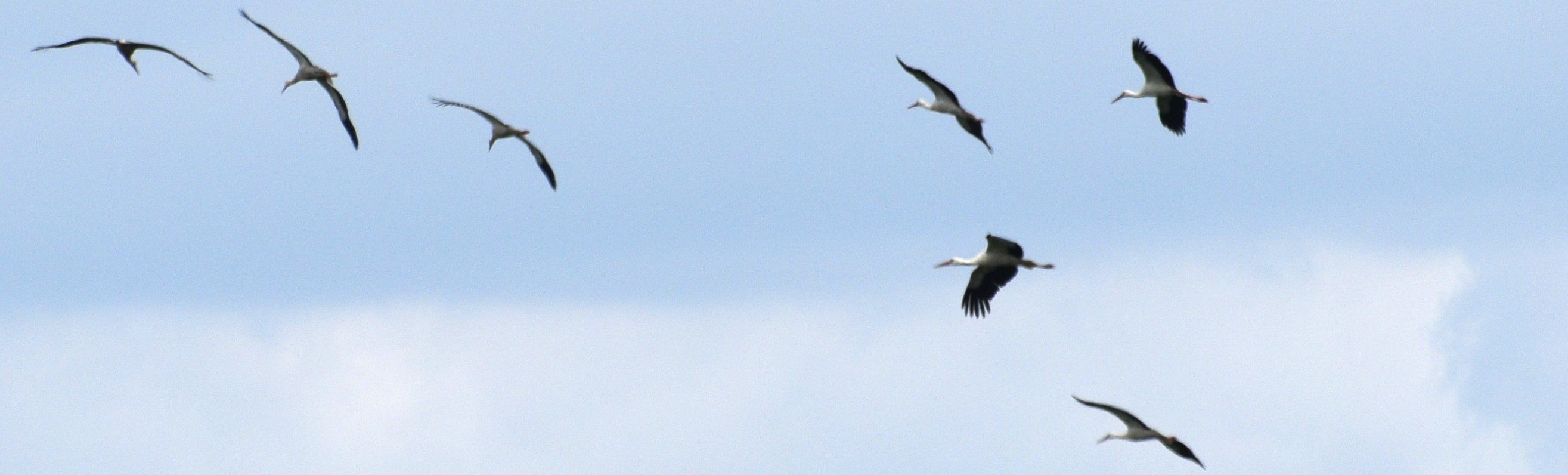
This year we set off. We couldn’t find the place — we were lost! Then suddenly, above us–

we realized that we had arrived!

Bill remembers, before their reintroduction in 2020, the last stork to nest in Britain was on St Giles Cathedral in Edinburgh 1416. They lost habitat and were hunted to extinction.

They have been re-introduced to Knepp in West Sussex, also to sites in the Cotswolds, Essex, Surrey and Wadhurst Park in East Sussex.

Knepp is a large estate that is being re-wilded. You can read about it in Isabella Tree’s book Rewilding.

We had a glimpse of their long horn cattle but, not exactly free ranging in this part, and no sign of the wild boar or beavers but it is a huge place an we only saw a small part! We are still looking for a turtle dove.

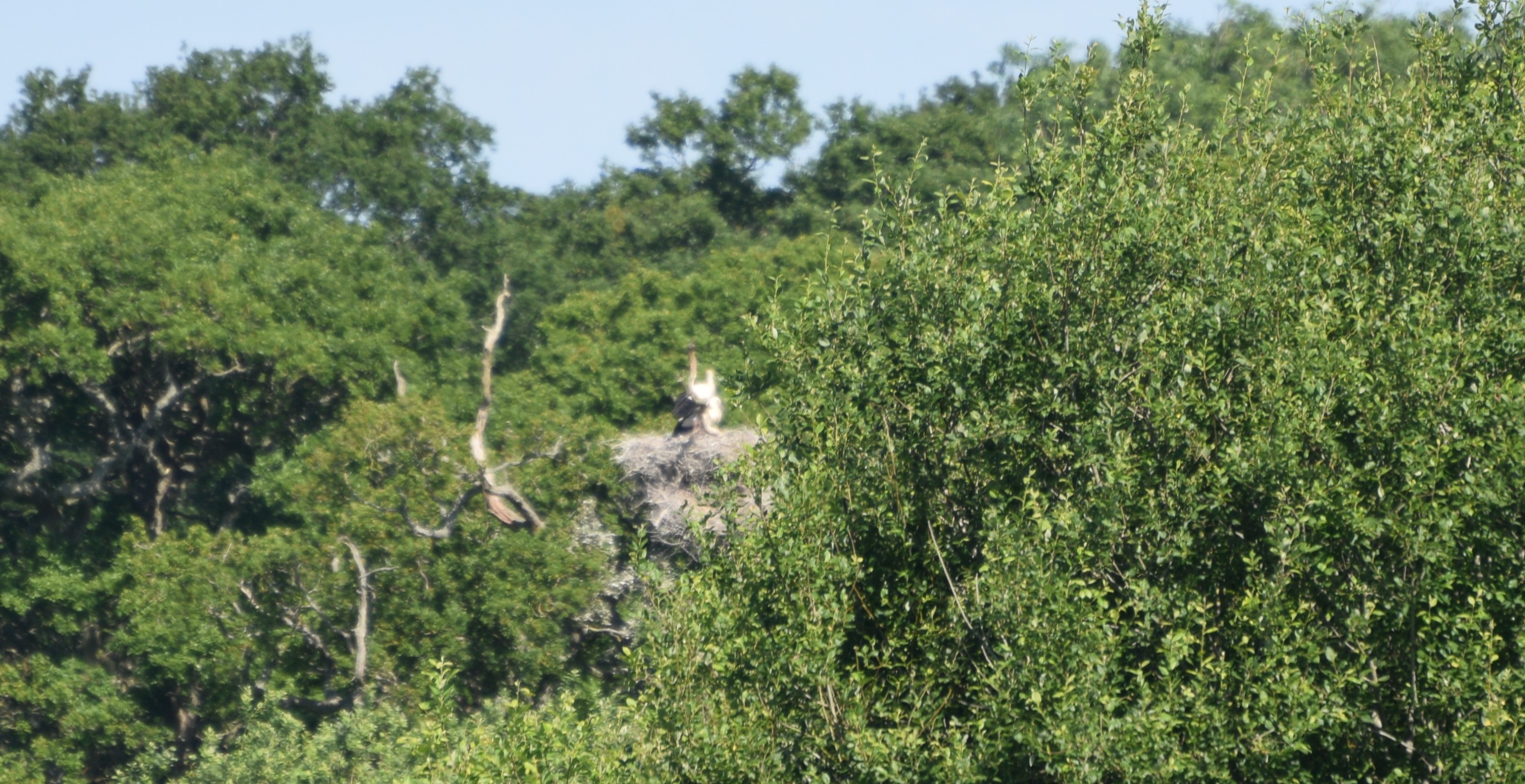
We sat on a rise overlooking the estate where we could see a stork nest.

Early in the afternoon there was an eruption of storks taking to the sky — seemed they were changing the guard on all the nests at the same time! Last year 26 storks fledged from 11 nests — it looks as if there will be more this year!

Spectacular birds.

Very interesting experiment in re-wilding, and it is all relative, compared with where we live the small part that we were able to visit on foot, seemed pretty tame! But it was enough to see that it is a spectacular exercise in diversification of farming — loads of visitors, efficiently managed involving minimal staff. They basically ask for a donation for parking and you can walk on the foot paths through the estate. We didn’t take any of the guided tours on offer which are not cheep, nor stay in any of their eco-accommodation — I’d be interested to hear feedback from people who have.

Standard
Uncategorized

Good year for Barn Owls!

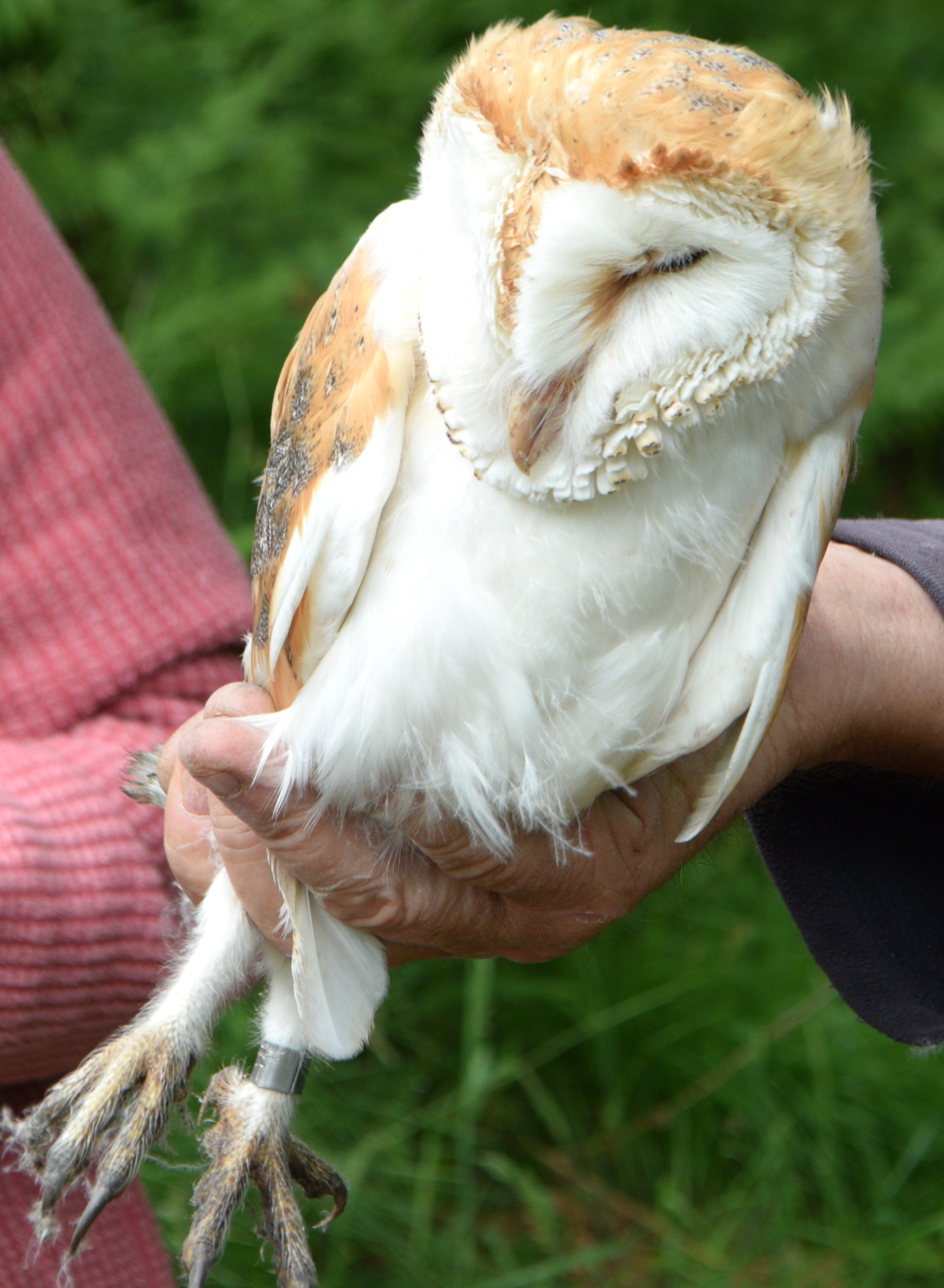
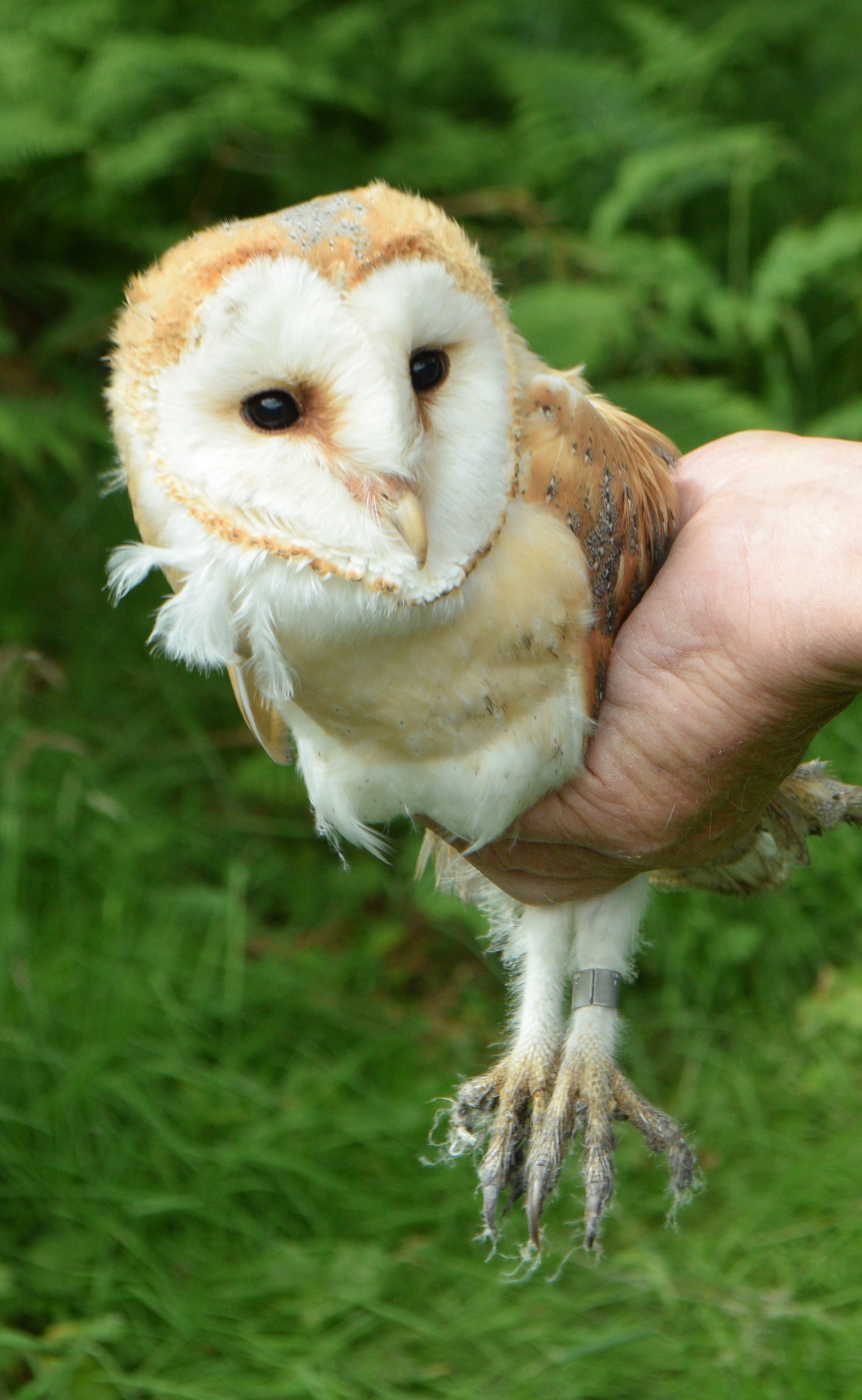
Earlier this year more than 150 barn owl chicks were ringed all over this area of Mid and North Wales by those tireless volunteers that monitor the population. Our box yielded 4 (3 female and one male). Now safely fledged and flying. Today I disturbed a magnificent young bird sheltering from the heavy rain in our barn, perhaps assessing the suitability of the new box we put there, waiting for a tenant for next year.

I’m no carpenter! But watch this space!

Female barn owl, about 7 weeks old.

Maturity assessed by measuring the second flight feather. Females have speckles under their wings.

What beautiful birds they are.

Standard
Moths

Who put twigs in the moth trap?

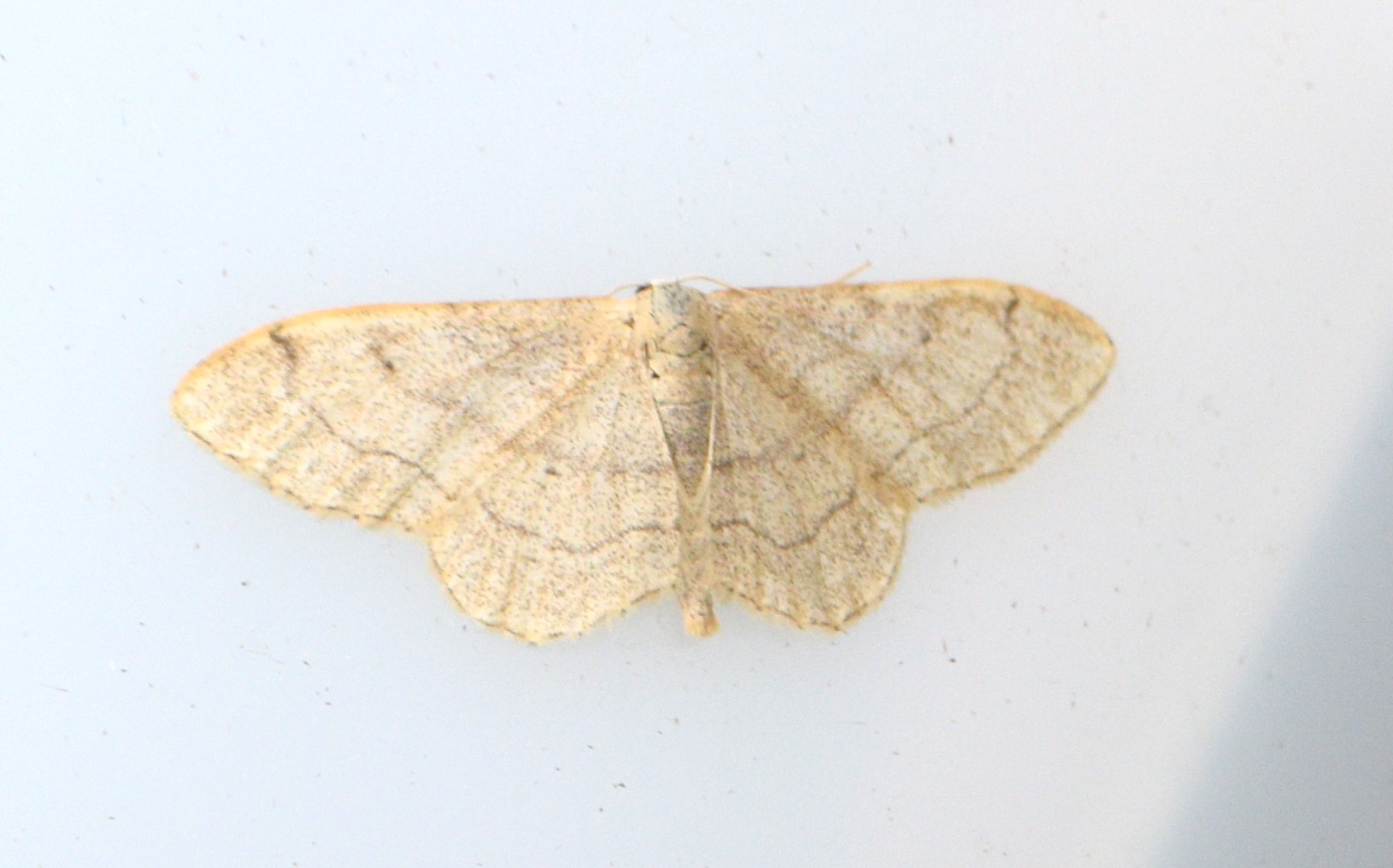
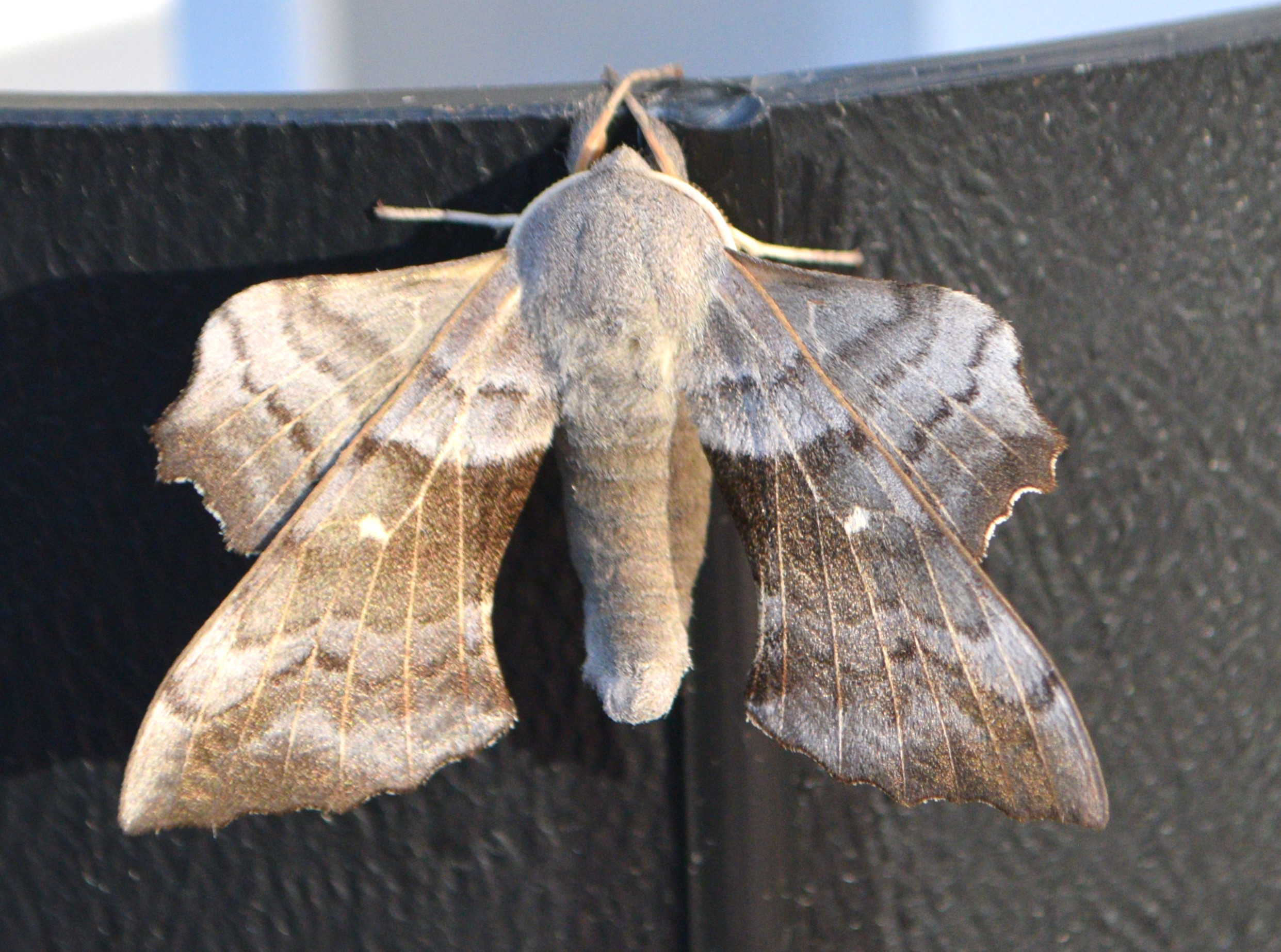
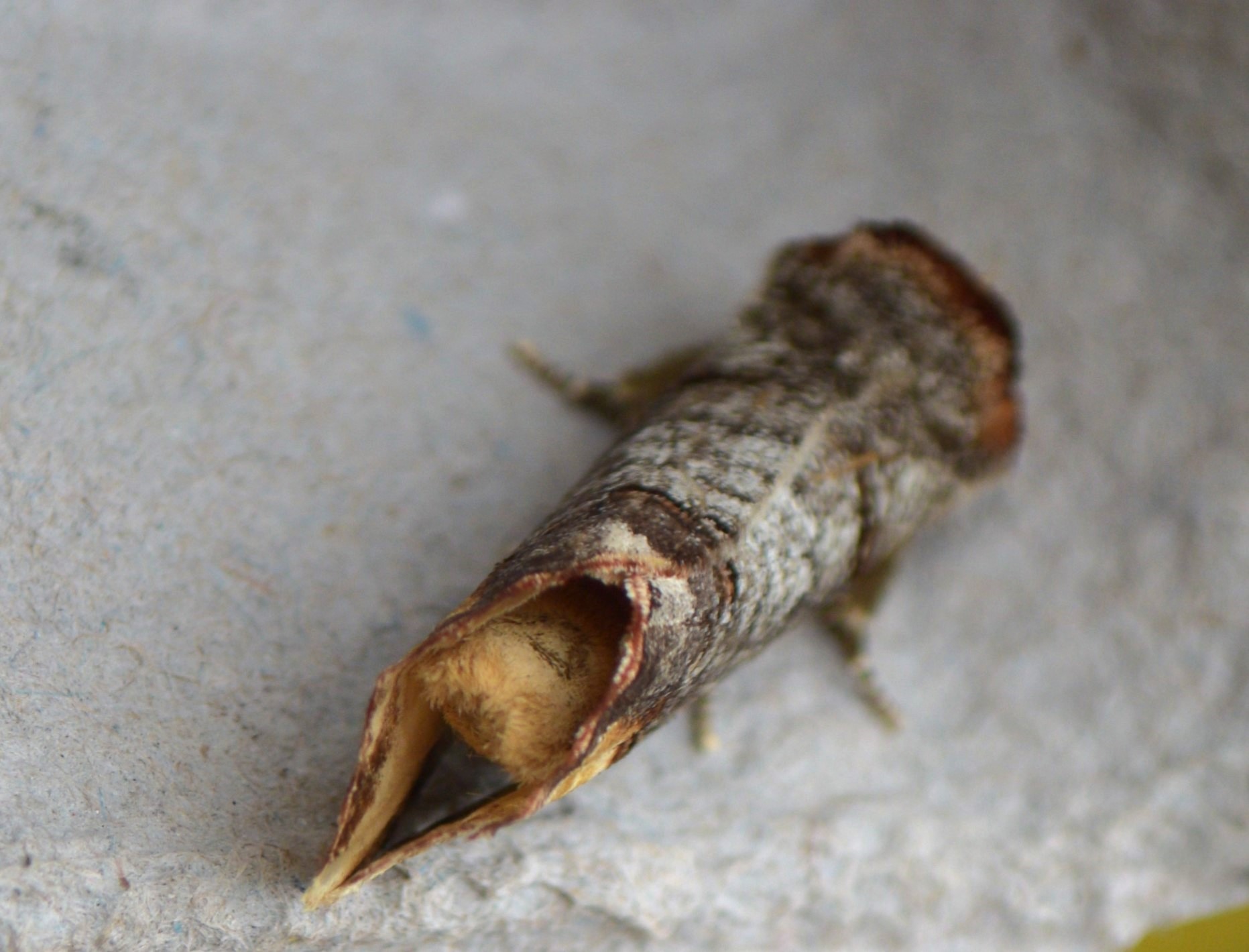
Look at this early thorn moth perching on a birch twig! But who put birch twigs in the moth trap?

Look again — this twig has a smiley face!

It is a buff tip moth (Phalera bucephala) — disappointing name for such a master of disguise.

The Latin is more like it — meaning something like bull’s head breast plate.

Here is a rear view:

Beautiful picture taken on Bill’s i-phone. Not an uncommon moth but probably rarely noticed!

Standard
Birds, Butterflies, Moths

Spectacle in the far South!

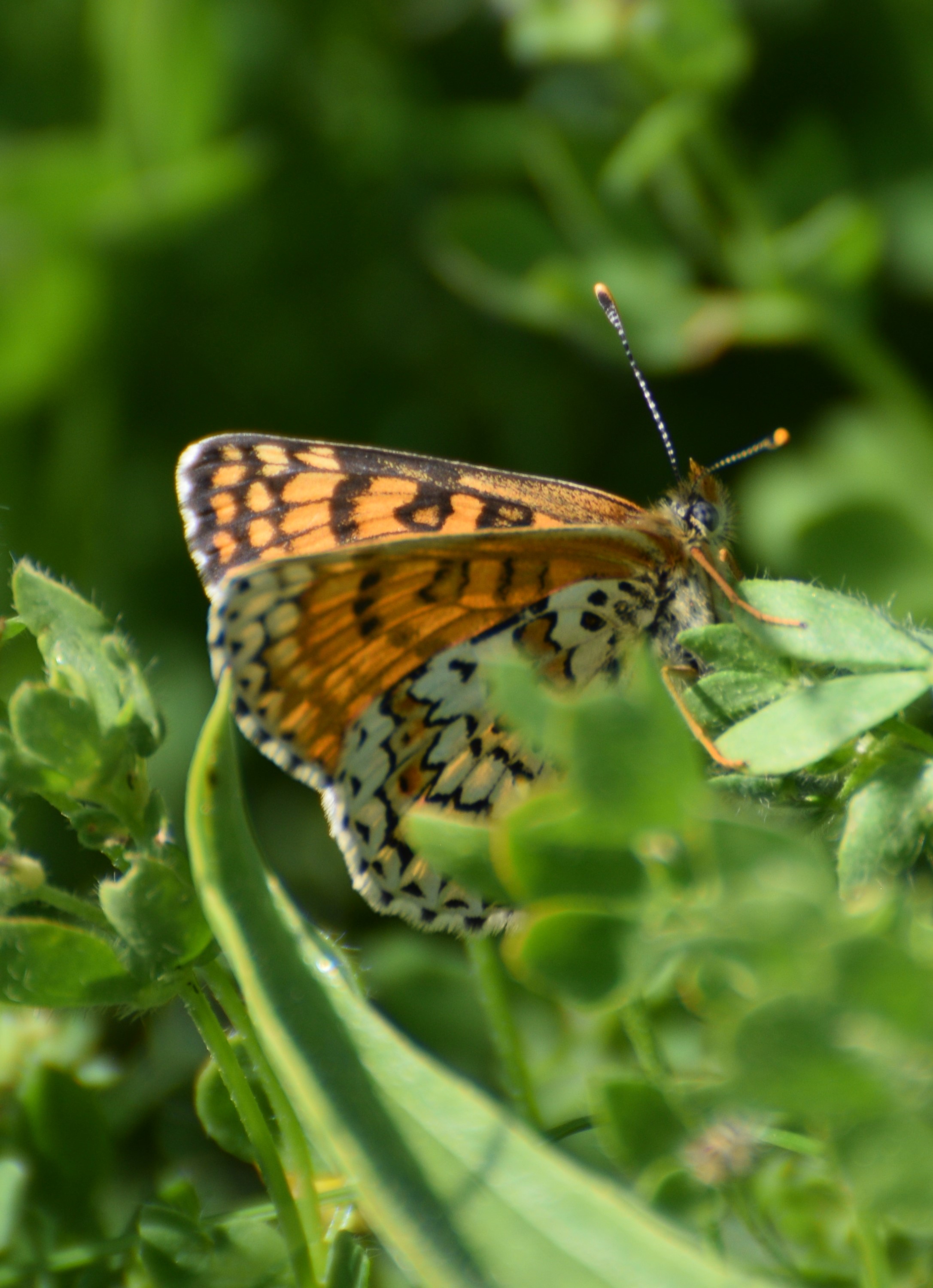
We recently visited the Isle of Wight on a butterfly hunt. The weather did not help much but one sunny morning did yield a few windswept examples of what we had hoped for.

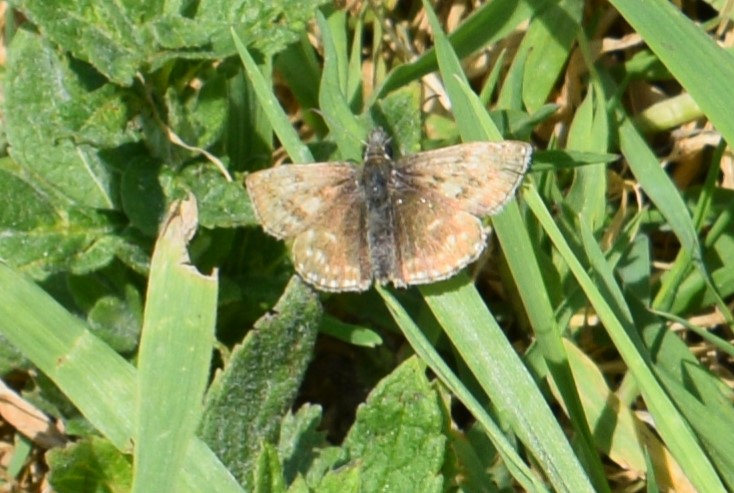
Glanville Fritillary — not seen very often in UK, except in the Channel Islands, Isle of Wight and far south.

Underwing of Glanville Fritillary
A bonus — Caterpillars of Muellin moth — easily spotted because they had eaten nearly all the Muellin — they are so bright that I doubt they taste very nice!

The chalk downs are home to many plants that are unfamiliar to us in the acid West:

Bee Orchid
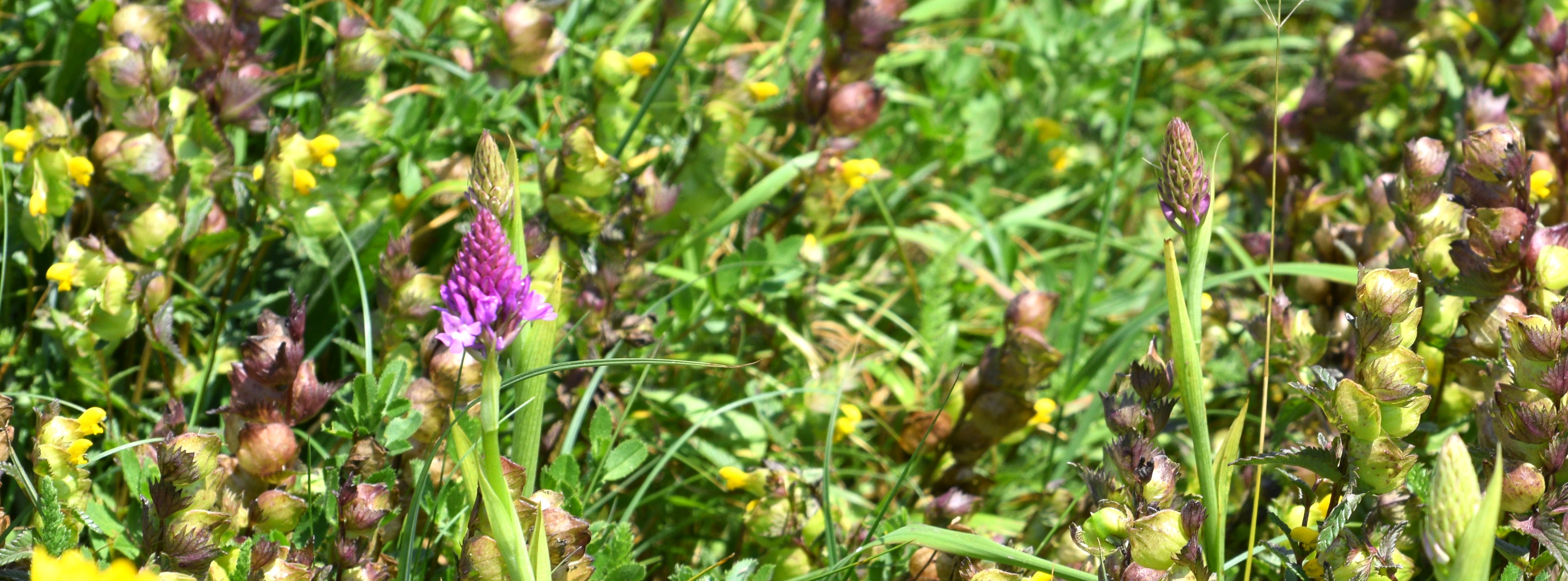
Pyramidal orchids amongst yellow rattle.
Broomrape

We kept our eyes open for white tailed eagles and had a good look at all the likely habitats on the island. At one place we spotted a large, dead, oak tree. As we were looking there was an avian kerfuffle with crows attacking a marsh harrier — we watched fascinated as the harrier returned to its nest among the reeds when suddenly a huge bird swooped down and attacked the harrier, carrying off something which may have been a chick. It carried it up into the oak tree and was almost immediately joined by its mate.

What a fluke, two white tailed eagles in an unpublicized nest. But that was not all — as we looked through the telescope — there was a chick.

Fuzzy image but definitely a chick! Because this may have been it’s first photo-call we have allowed time for it to fledge before publishing the image. What a privilege and adequate compensation for the bad weather!
Standard
Birds, Communication

Birdsong to herald the Spring!

Common Whitethroat

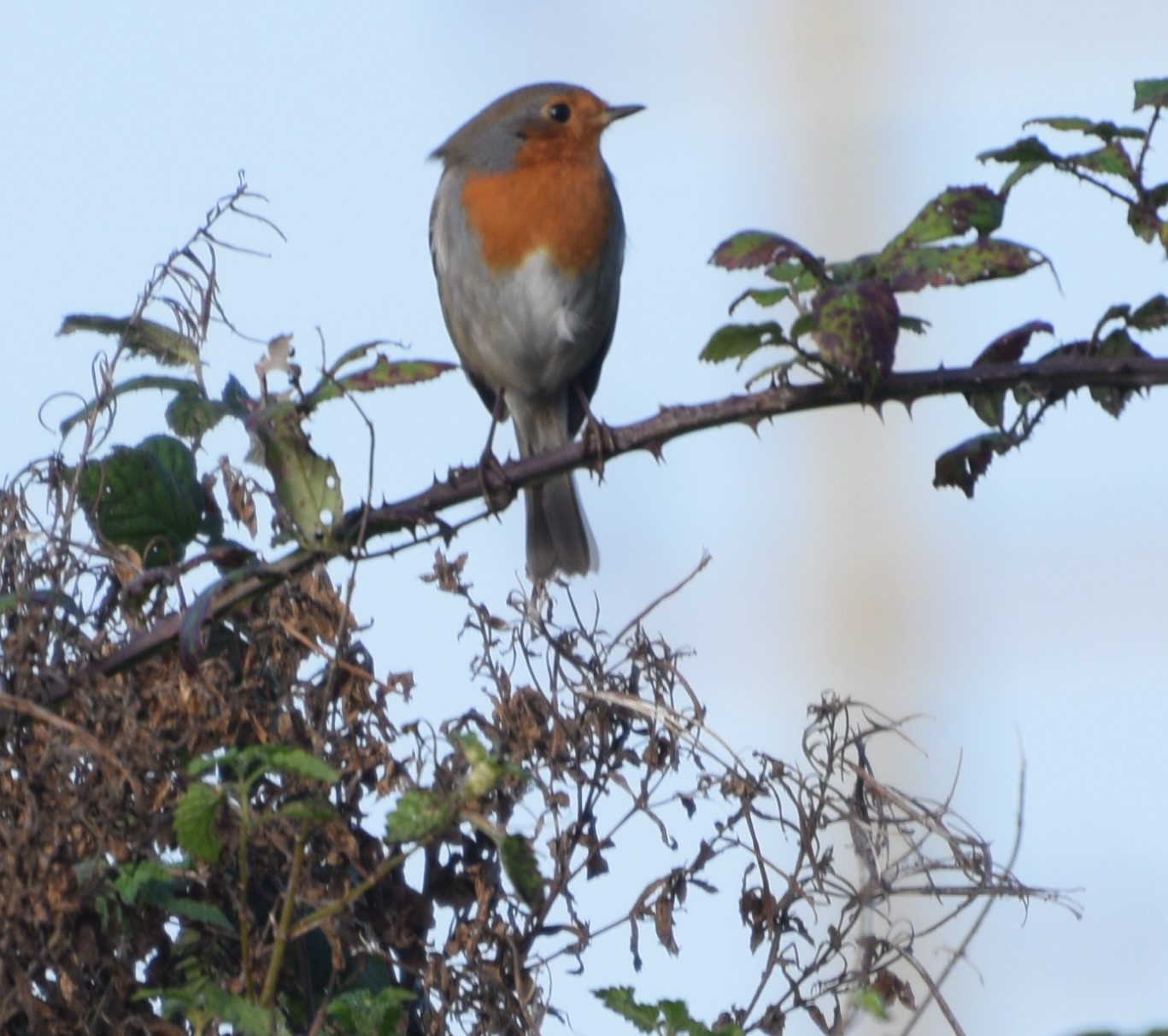
For the last few days we have rejoice in the sound of birdsong and been relieved that so many of our old friends have made it back from their winter quarters to boost the chorus of our native woodland dunnocks, robins and wrens.

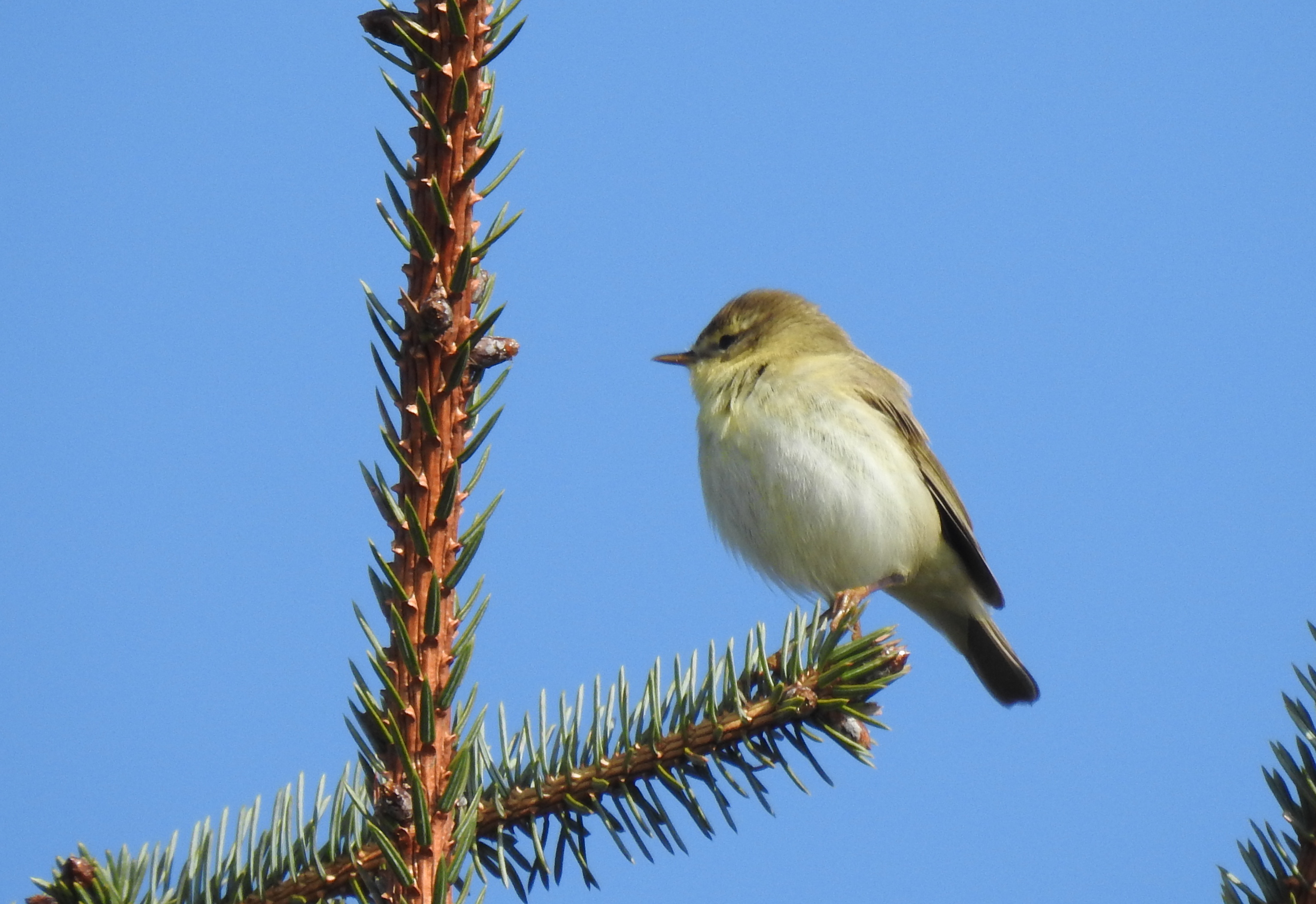
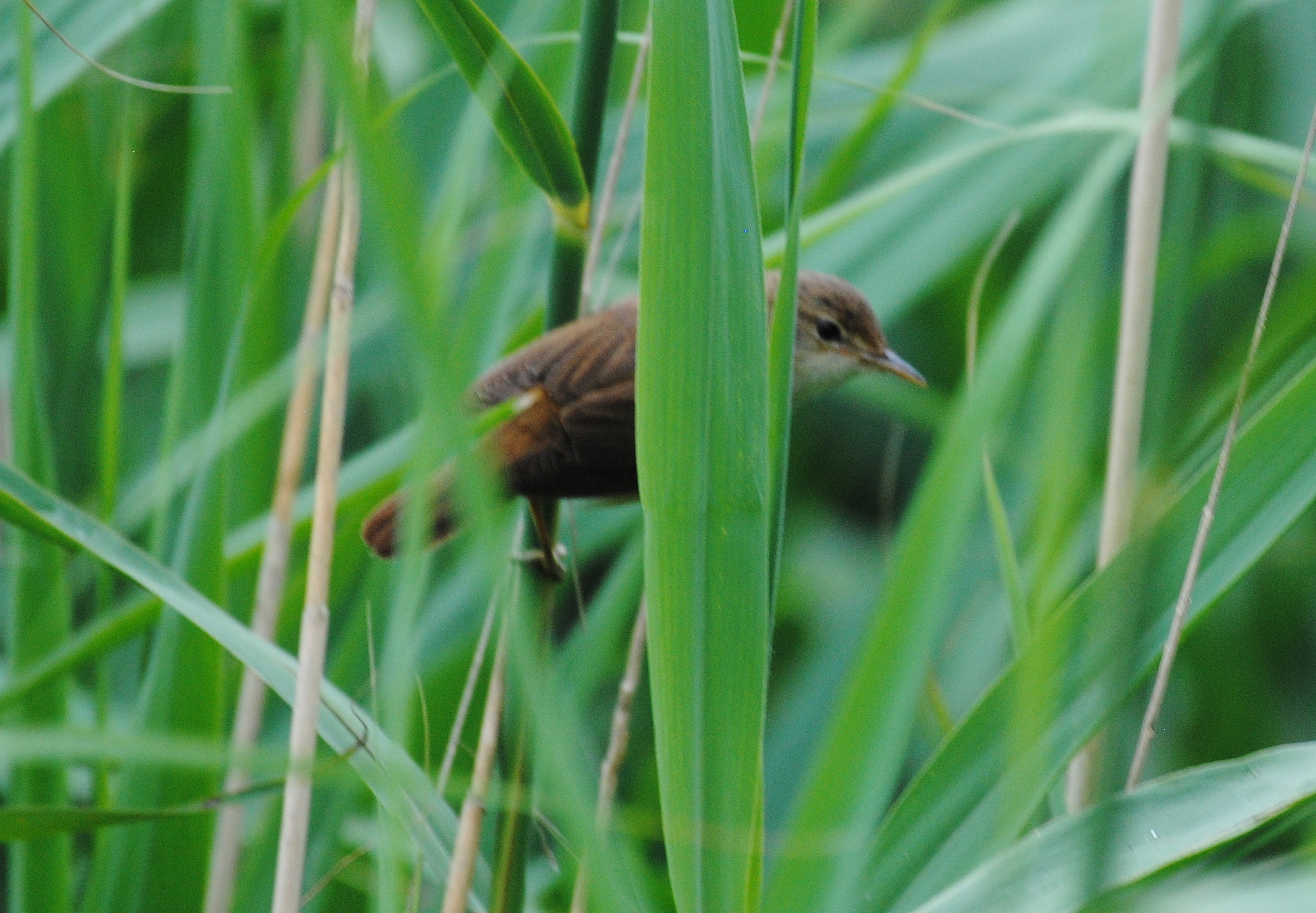
Suddenly the hedges are full of willow warblers in their minor key and the excited, raspy call of sedge warblers who suddenly throw themselves into the air, showing off to the female of his choice. Now the reed warblers join in with their lower, more guarded song. Evolution has taught them to conceal their location and that of their nest. Now they are all singing to attract a mate, all with their own particular refrain.

As you can see, to make things more interesting (with the exception of the reed warbler) they do not usually call from their eponymous habitats!

Everywhere we go we listen for the Cuckoo — this year everywhere we go we hear him. We hear him calling from all around but he flies always behind the trees so we cannot see him. This morning the sun was shinning and at last we saw one, here he is shouting from the highest branch, before taking off to advertise himself to the females on the other side of his large territory.

We heard a female cuckoo’s call back, said to sound like water going down a plug hole, to me it is more like the whinnying of a horse. She calls from cover while she stealthfully searches for the nests of any careless reed warbler or dunnock, who has given away her nest and left it unattended.

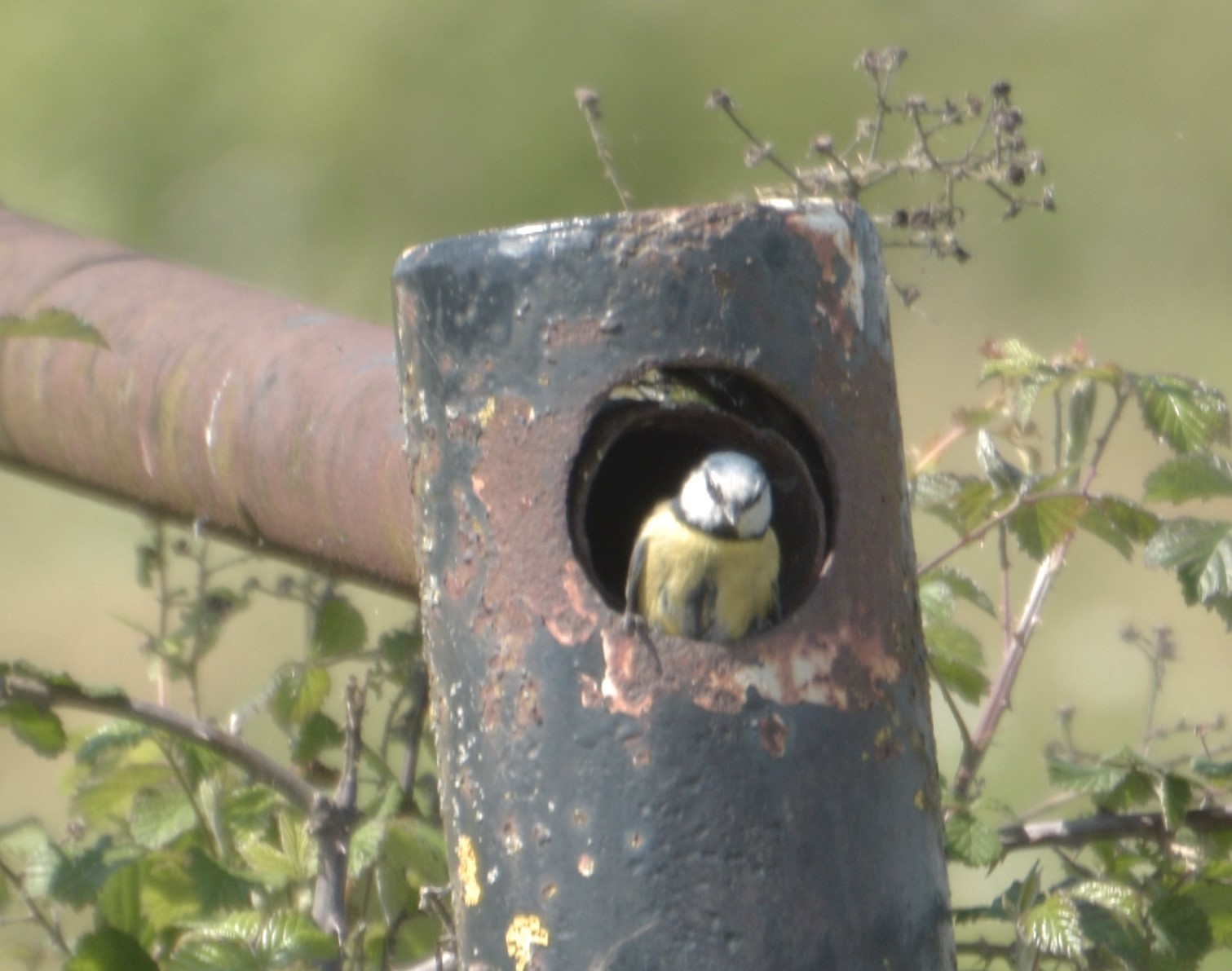
Down by the river we notice something swoop down and disappear into a hole — I stake it out with my camera. What is this?

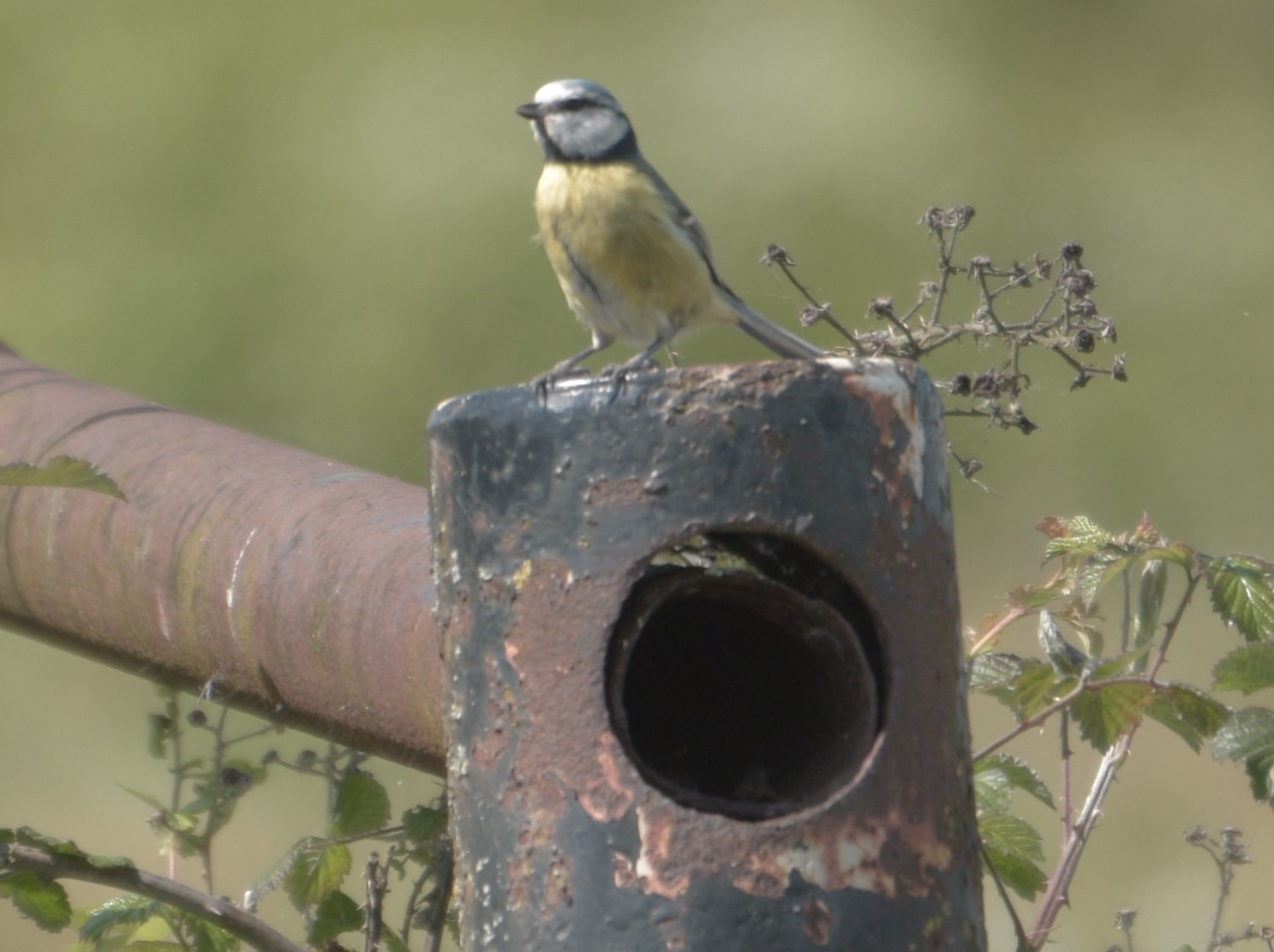
A Blue Tit, nesting in a convenient rusty post.

One species is well ahead in the breeding stakes —

Tawny owl twins meet the world — sitting in the sun this morning.

Standard
Books, Medical Education, Writing

Special Opportunity!


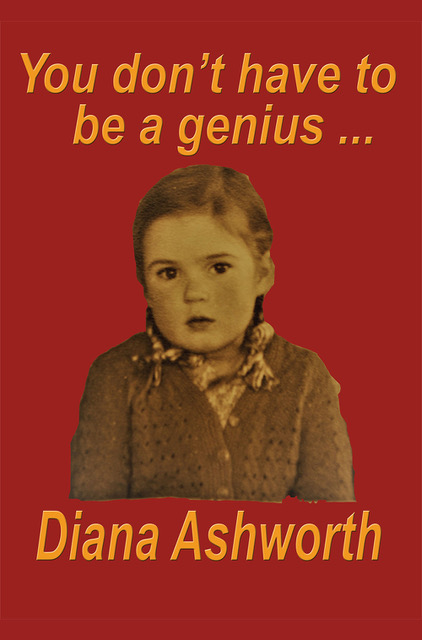
Clinical Press, the publishers of my book You don’t have to be a genius, have chosen a few of their favourite books (including mine!) for special promotion in the first week of May. The e-book will be available at a very reduced rate.

From May 1st, the following e-books from Clinical Press Ltd. will be available initially at just 99p (or 99cents in USA) by searching on the Amazon site:

You don’t have to be a genius by Diana Ashworth: Funny and moving and based on a true story. At the dawn of the permissive age Diana is a medical student in swinging London. A great read.

Splittage: brain hyping in the Dystopia; by M J Marazan. Dystopian science fiction in the style of the Golden Age of SF with hints of Asimov and Heinlein

The origin of the virus: Barnard, Quay and Dalgleish. The definitive account of how they produced a virus that killed millions  (Note: Amazon No. 1 Bestseller in Health Risk assessment)

The dog comes with the practice: Expanded 2nd Edition by Tom Baskett.  ‘This gentle volume reminds us that, at the core, medicine is about people.’  Medical autobiography…  ‘the medical equivalent of All creatures great and small.’ (Clinical Press book of the year 2023)

Losing Eldorado by Mark T Goddard: Two brothers searching for the soul of America (Note: Amazon No. 1 Hot new release in Music, No 1 Hot new release in US Travel)

Standard
Birds, Cornwall

Whimbrel Hunt

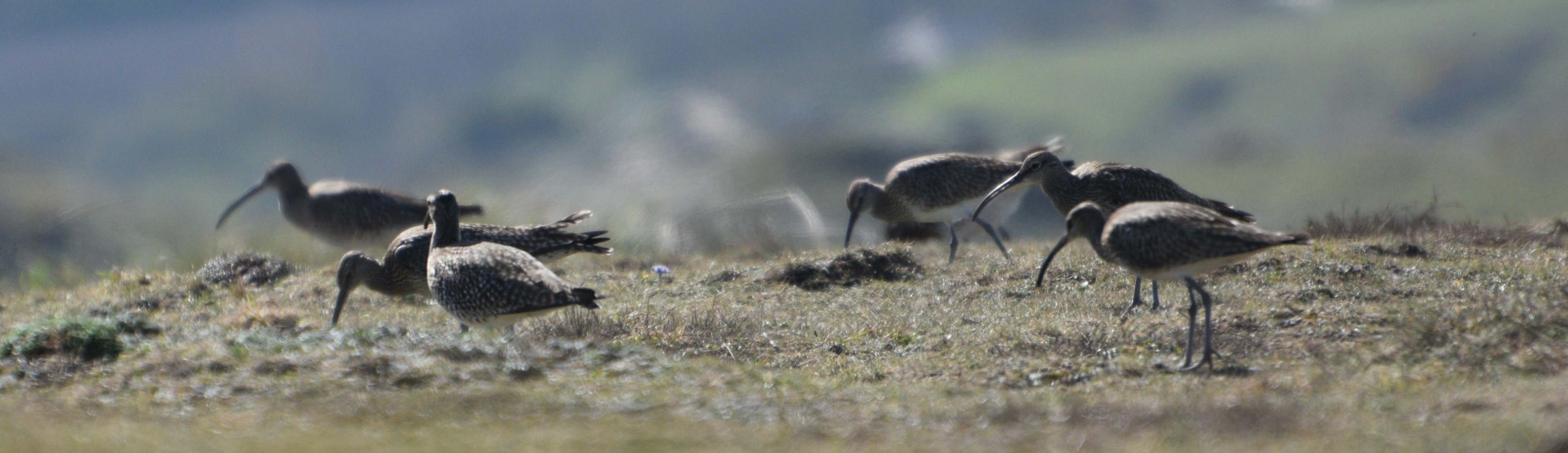
Just spent several days, in Cornwall, looking for this elusive bird, amongst other things — trying to spot it en-route between Africa and its breeding grounds in the sub-arctic, where it breeds as far south as Orkney, Shetland and the north of Scotland. They are the smaller of our two curlews.

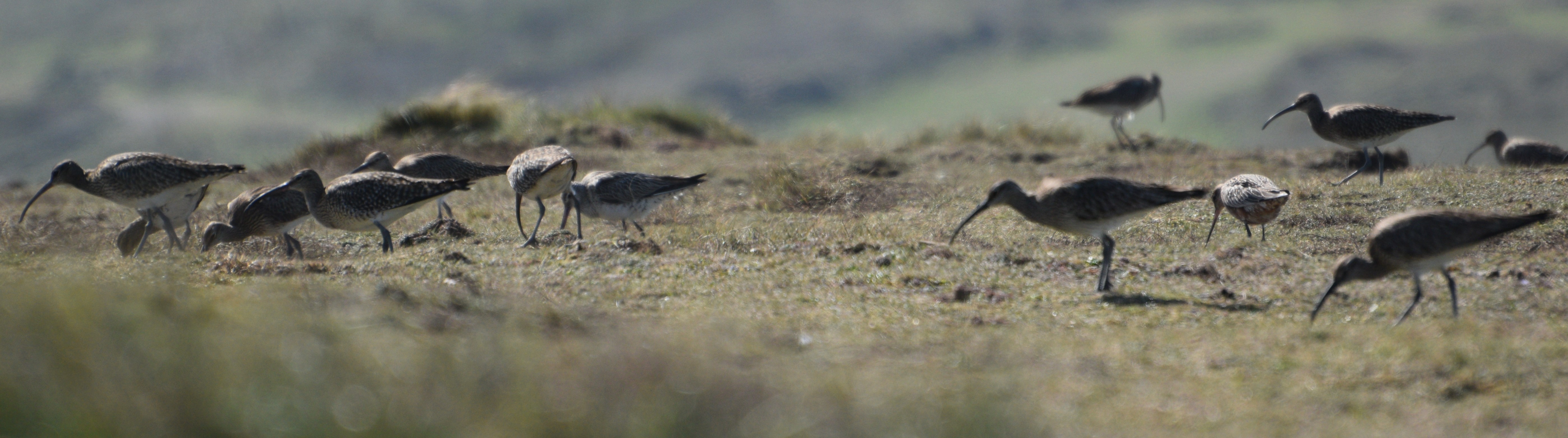
They travel in groups, along the coasts of Britain, feeding as they go. Reported one day and gone the next! We missed them at Land’s End and at Boat Cove. At Godrevy, on our last evening we were scrambling on the rocky cliff edge scanning the rocks below when we were nearly knocked off the precarious path by a low flying squadron of huge birds. They had found us!

Twenty-four whimbrels with 2 godwits, stopping for an evening feed on the clifftop

Standard
Architecture, British history

Powis Castle

It has been very wet of late so when we have a sunny day, we drop everything and head off for a day out!

The Castle is famous since the injection of cash it received indirectly from Clive of India when his eldest son, Edward, married Henrietta Herbert, daughter of the Earl of Powys. The Herbert family were at the heart of the British aristocracy but had fallen on hard times. Edward’s father, Robert Clive was a sort of eighteenth century, colonial oligarch. He had had a brilliant career in India as an administrator of the East India Company, a soldier, politician and adventurer — accruing considerable celebrity and wealth which is just what a medieval castle needs!

Because of it’s association with Clive, I had always thought it dated from that period but I was quite wrong. It was built way back, by Gruffudd ap Gwenwynwyn, a prince of Wales, in the 13th century to defend himself against the princes of Gwynedd — it is one of the few surviving properly Welsh medieval castles. Most of the now famous ones were built by the English King Edward I to keep the Welsh princes in order.

It commands a magnificent view of the country around Welshpool from the terraced Italianate garden.

It is famous for its monumental and historic yew hedges.

The castle is packed with amazing furniture and art works which, sadly, cannot be photographed. There are paintings dating back to Tudor times — well worth the visit.

I was very impressed by the tasteful and historically sensitive lady’s lavatory.

As Bill was by the athletic lady outside the cafe who appeared to be drinking a yard of ale!

Standard
Friendship, Hill Farming

Vengeance!

Our not so imaginary neighbor, Iolo, continues to exact vengeance for the naive notion that we might have what it takes to be hill farmers. The inspiration for this character is, in reality, a humorous and generous man, but one who cannot bear to see things, that should be done, left undone. He, like us, is now ancient but his drive and energy are legendary.

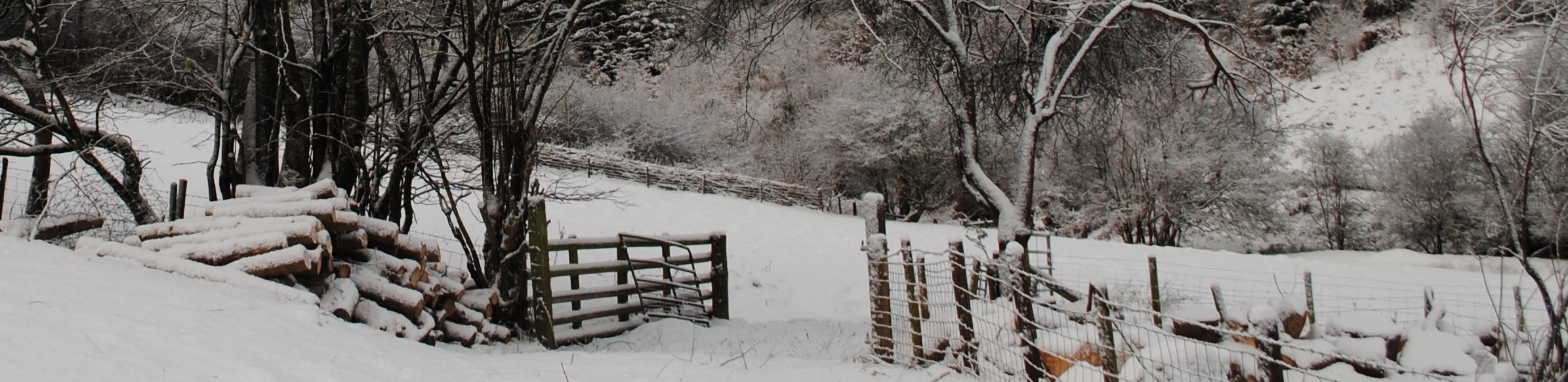
Woodpile 2015

Recently we have seen him anxiously eyeing our log pile — cut 9 years ago. Bill said, ‘I can see it is worrying him’, and well it might — all that useful timber edging over the limit of well seasoned into the realm of porous, wet and rotting, something should be done!

When I see one of the younger members of his family, I do something — I arrange for them to come with their tractor saw-bench and chop it all up so we can stack it in the dry for burning in the wood burner next winter — rates were discussed. ’Dad will want to supervise — it’s his kit but he’s not very well at the moment — we’ll arrange to come when he’s better’.

That was all Iolo needed — next day, shortly after a frosty dawn, we heard a strange noise, ‘That can’t be a night jar? It sounds like a distant chain saw?’

There he was, not a tractor in sight, but Iolo attacking our log pile like a man possessed. The worst thing about a chain saw is starting it — once roaring away only a fool would stop it — Iolo is no fool, so on he roared while, shamed, we carted the great cheeses down to the new wood pile and graded and piled them in the dry.

Great inroads — couldn’t photograph the master at work — too busy carting.

Later we re-possessed the shared log-splitter from Roger, next door, and after a refresher course and explanation of recent modifications we split the big ones — no splinters, no fingers removed! 

Standard
Birds

A Lifetime First!

All my bird-watching days I have wanted to photograph a water rail. They are shy, busy birds that skulk in reed beds — people say ‘Oh yes, they are here.’ But they never show themselves to us. Just the occsional flash of a tail feather as they disappear into the reeds. Not even a burst of their alleged piglet-like squeal. Don’t bother to follow the call, as I did, unless you want to inspect your neighbour’s new weaners! 

Last week we went to Slimbridge looking for Bewick swans:

What did we find? A water rail! Bold as brass, trotting around the edges of a shallow pond.

What a beautiful bird and not at all reticent, just very focused on the hunt.

Oh, and what of the Bewicks?

Bewick swans at Slimbridge.

Not many, most were out and about grazing on the surrounding fields. But, what a bonus–

Two of the six wild common or Eurasian cranes we saw, grazing on the marsh.

They were wiped out in the UK in the 1600s and have only been seen again since 1979 — there has been lots of work re-introducing these iconic birds from captive breeding programs. In 2022 there were over 70 pairs breeding in the wild in the UK — mainly in the Eastern counties and the Somerset levels. We’ve seen them in the Nene Washes.

Common crane at Eldernell on the Nene
Standard