Birds

Wait for it…

This is not the Christmas Blog.

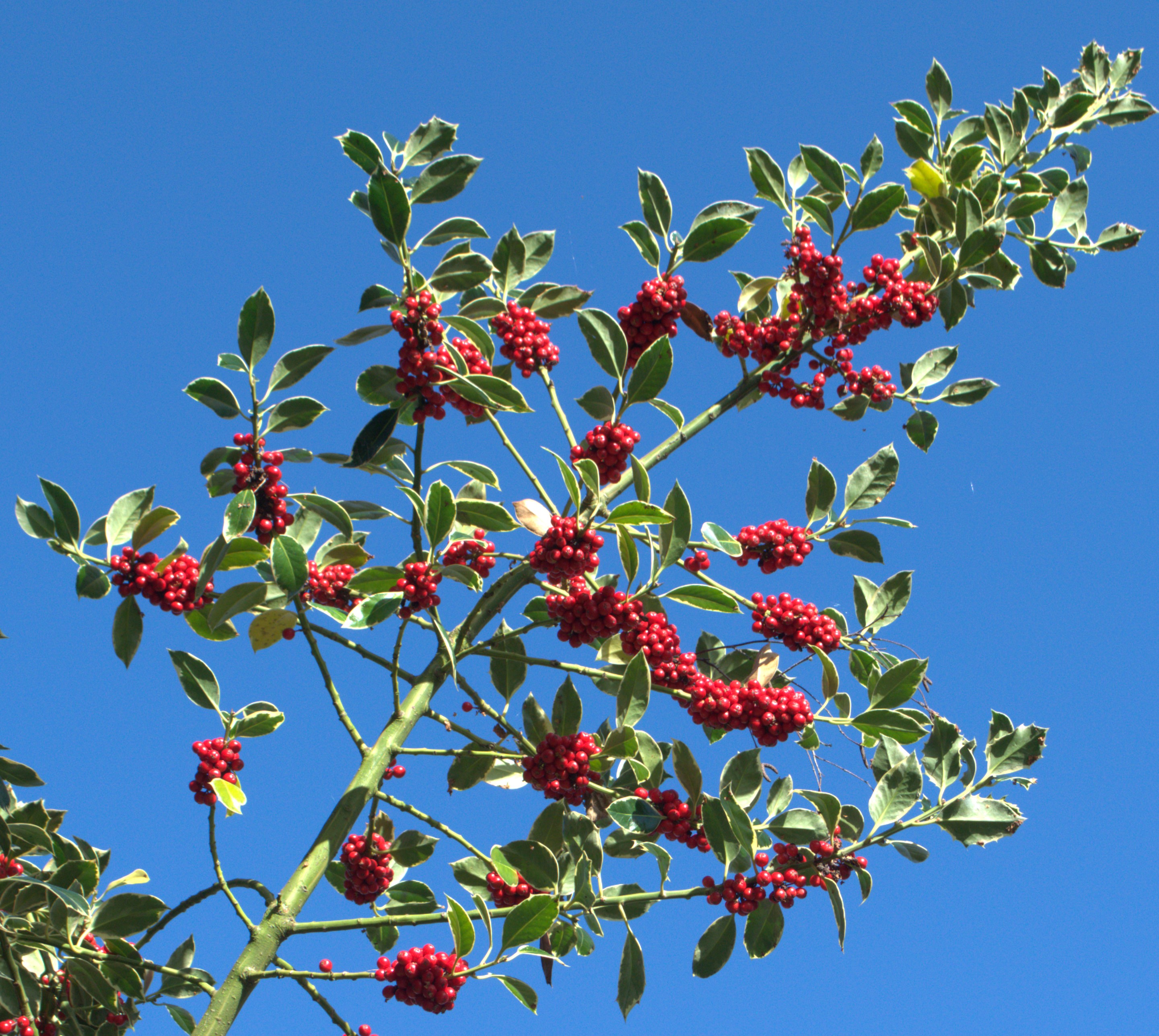
But it’s been an amazing year for holly — I’ve never seen so many berries. Nor such huge haws.

And the Mistletoe is marvelous.

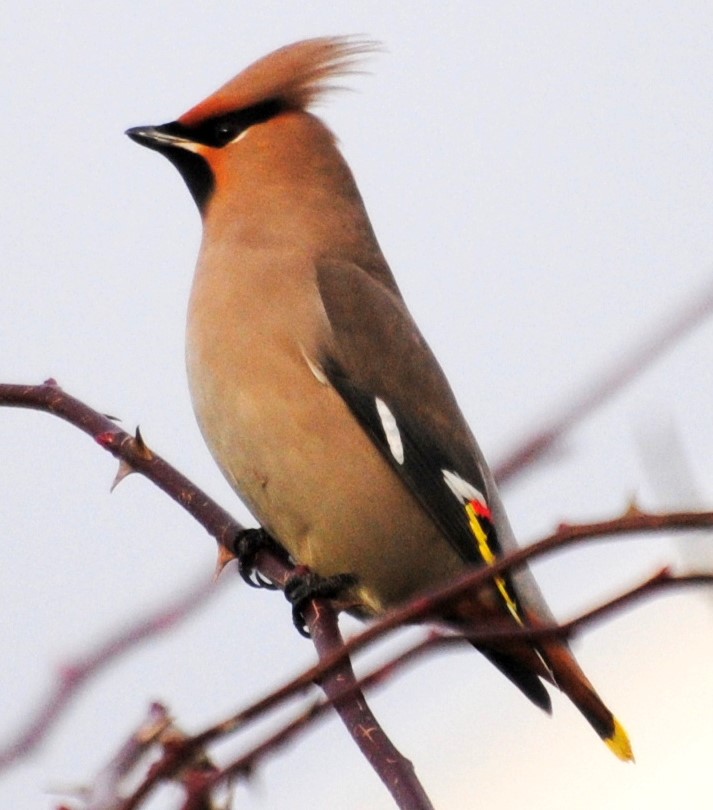
It all bodes well for a good Christmas but we are waiting for the long predicted Waxwings to appear.

These beautiful birds live in Scandinavia but head south in winter in search of food. This is one of those exceptional years when food is thin in the trees at home and the winds have been northerly. There have been lots of sightings as they following the berries, coming further south and west as they denude the trees. We got up before dawn to sneak into Newtown College car park where there are still rowan berries, their favorite… To no avail. Maybe there is so much to eat in the North of England that they will never get to Northamptonshire where Bill photographed this one in 2013 — the last exceptional year

Waxwing in Barton Seagrave 2013.

Standard
Climate, Welsh culture

101 ways to overwhelm the NHS!

Yesterday was grey — the thick, wet cloud lay on the wet ground blanketing the melting snow, making the road run, frappé with ice – you remember Slush Puppies.

As we walked down hill to our village through the rain, we dug our sticks into the bank to avoid slip-sliding or aquaplaning.  We remembered the conversation of the night before when the News reported ‘NHS about to be overwhelmed’ in this latest cold snap.

I’d recalled when I was a casualty officer tending the droves of the foolish elderly with their fractured ankles, wrists and hips, who’d ventured out on the first frosty morning after the ‘thaw’.  Just another example of role-reversal, ‘Bill!’ I say, ‘Think how much you will enjoy the helicopter ride!’

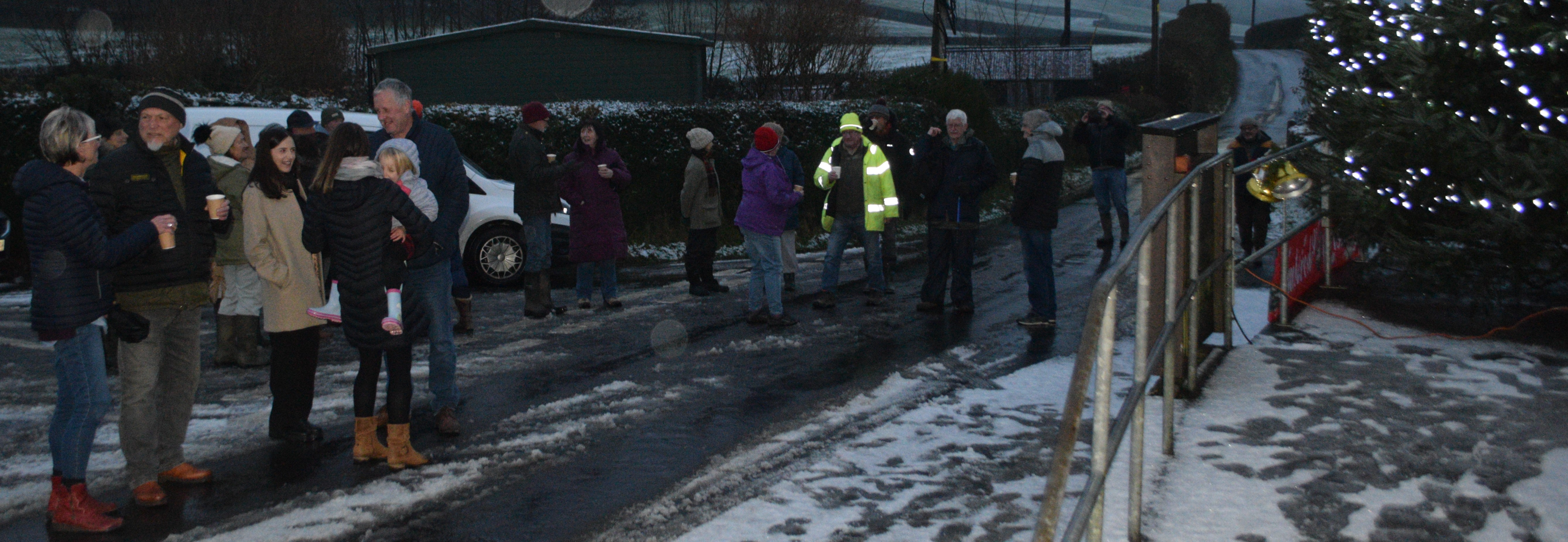
But we make it to Llawr-y-glyn without falling and we aren’t the only ones – 30 odd villagers who should all know better, are there to drink mulled wine in the gloaming, dodging the drips and the gushes from the puddle on the canopy, as a public spirited citizen pokes it from beneath with his brolly wetting all the mince pies.

The Christmas Tree had appeared, as always, by magic – we used to decorate it with bows and baubles — but it took so long to collect them each year after the inevitable gale that now it is simply decked with lights and switched on by the youngest resident – she didn’t make a speech. 

Now we trudge home, up hill. Did I mention we both had Covid recently and still puff a bit. In the dark I remember not to forget the day glow jackets,(too late!) I switch on my torch. There is no traffic so no one knocks us into the hedge leaving us for dead so we count tawny owls.

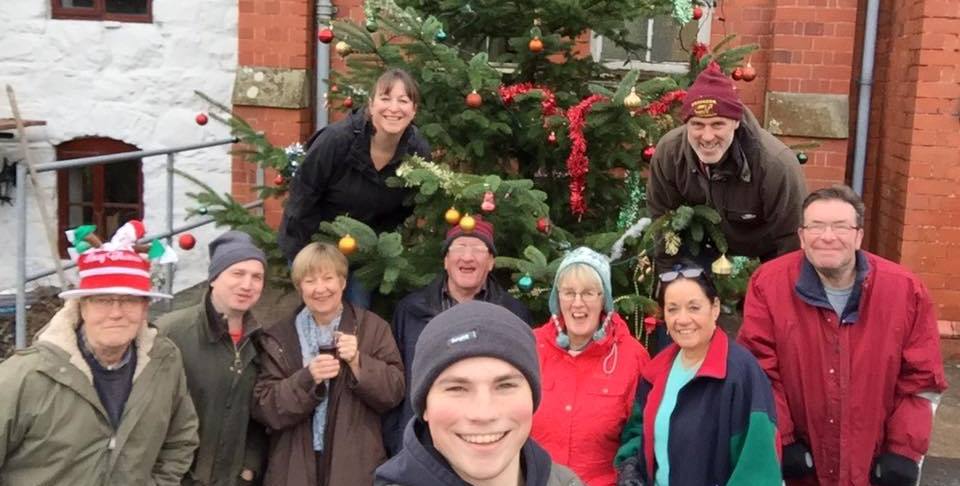
In 2018 the weather was better. The faces change but life goes on.

Standard
Ecology, Humour

Doricum hoax uncovered!

Still getting serious responses to this post published 9 years ago — time to clear the air!

DoricumWhen faced with plants he did not know my father would confidently pronounce them  Doricums.  ‘Shouldn’t it be Dorica?’ we would ask.

‘No, Doricums.  The word is derived from the Greek, or possible the Zoroastrian,’ he would concede.  Doricums grew everywhere in Hertfordshire — my dad was not much of a gardener.

Last spring we dug some gravel from the stream bed to create a pool to encourage fish, we left the gravel in a heap at the waters edge.  Normally a fox would have placed a walnut whip on its summit — they do this to announce their ownership of all heaps — sand, salt for the roads, compost, even large mole hills — but this mound of gravel has become subject to another interloper — the dastardly Doricum!

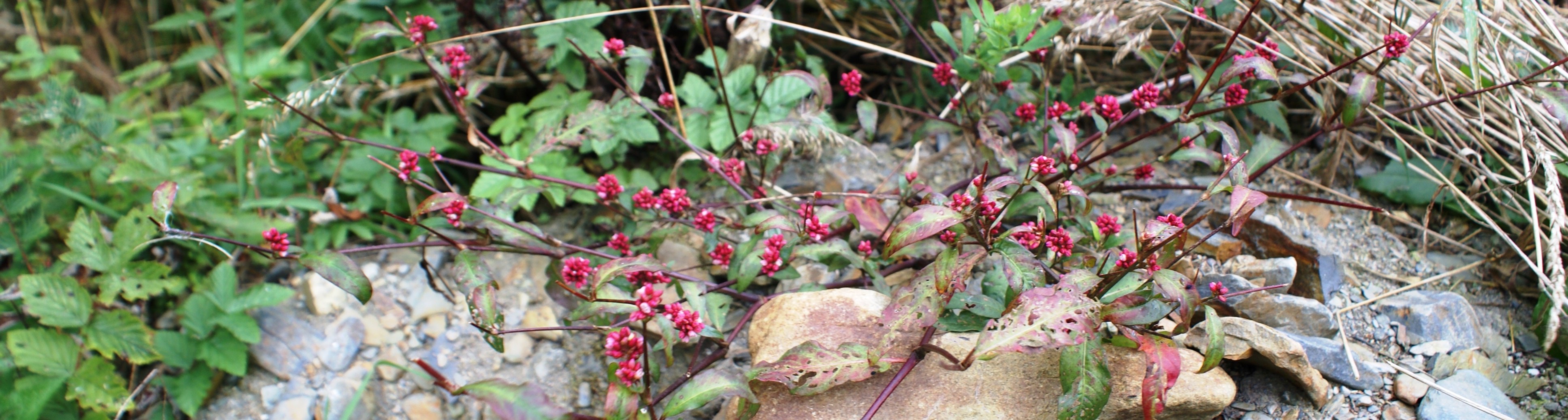
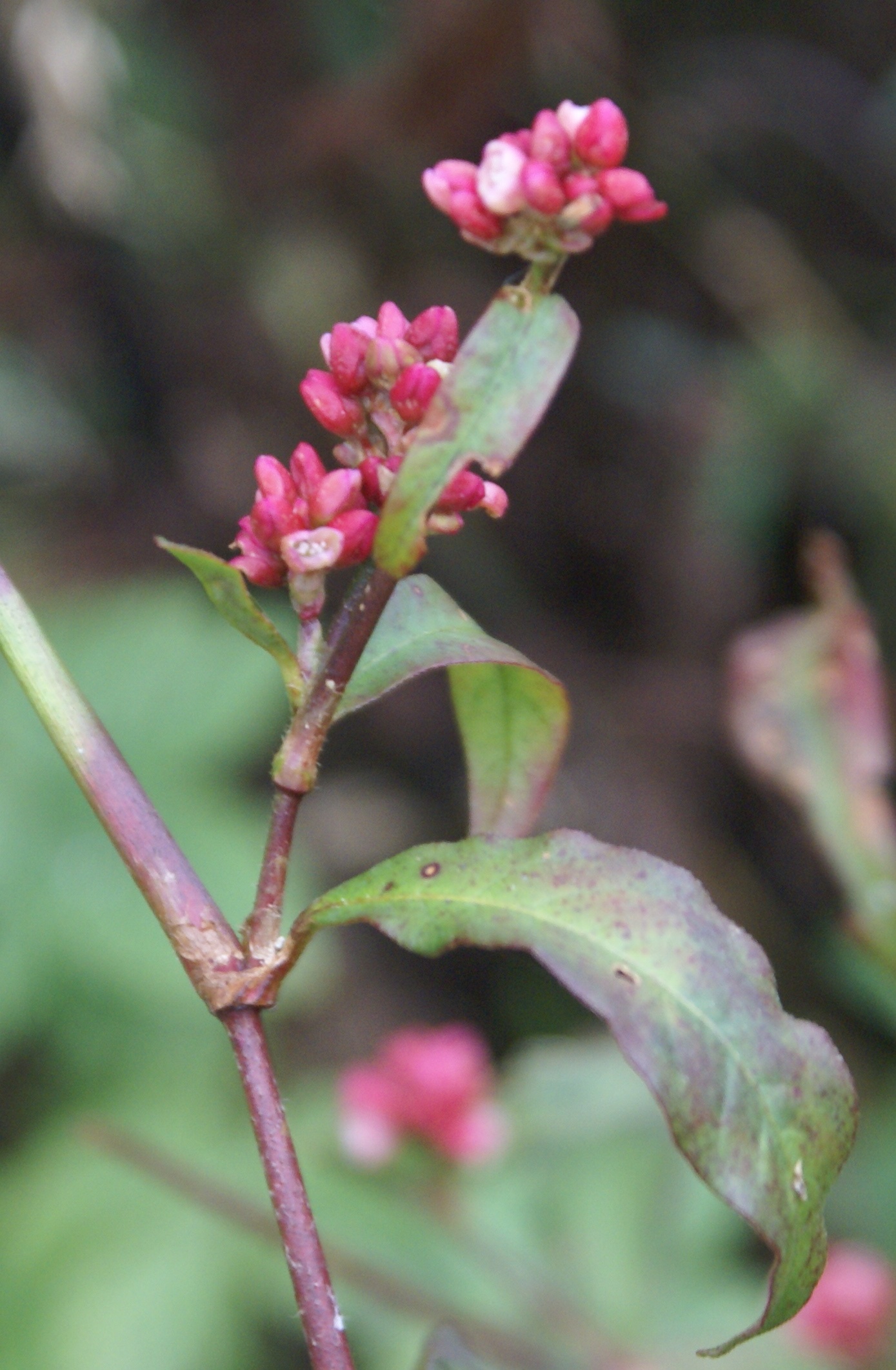
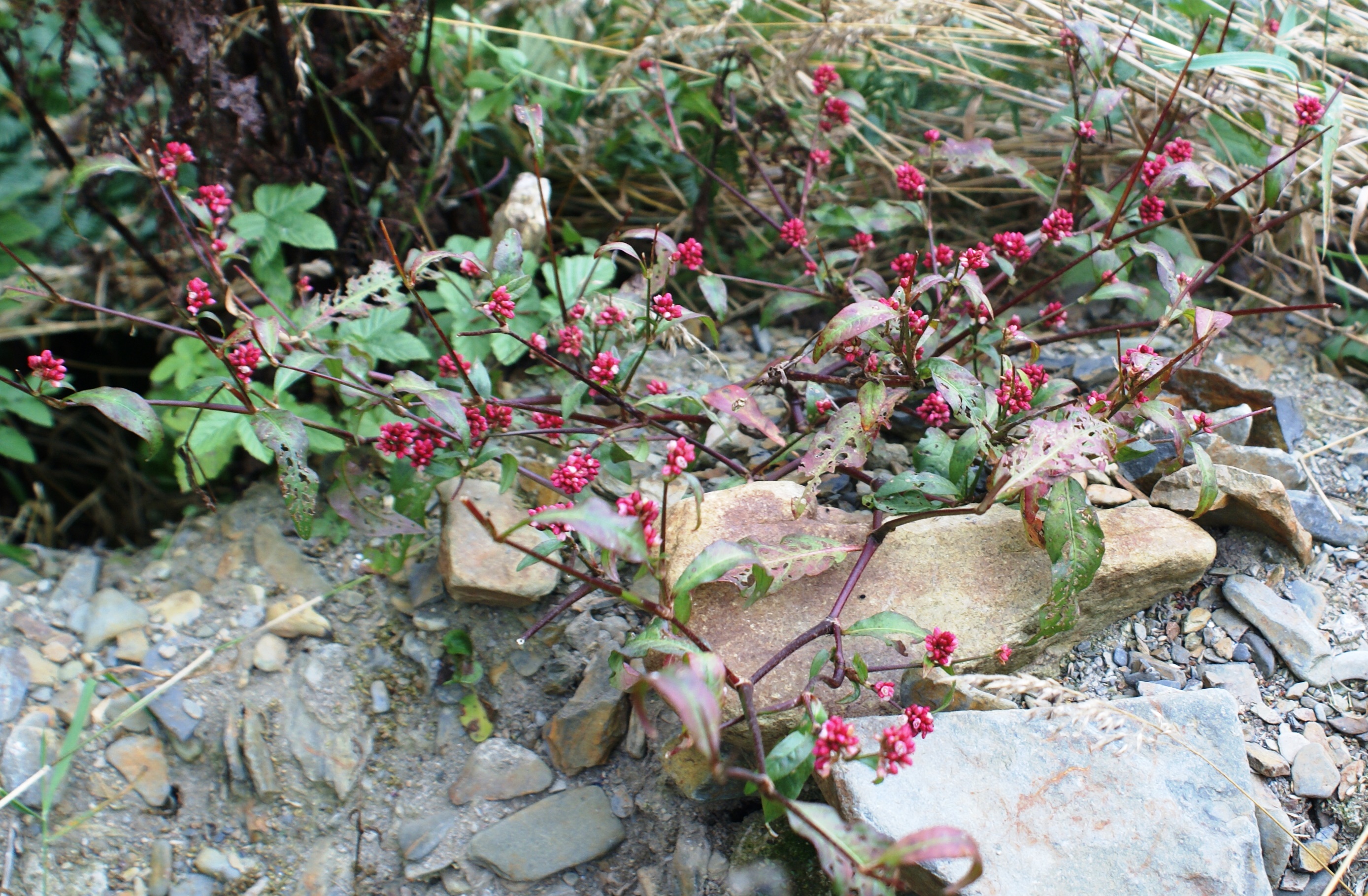
Have you seen this plant before?

?????????????????????????????

We have scanned the internet and looked at all our books but to no avail — although it does look vaguely familiar — we guess that it is feral or seriously out of context.

Do you have information about its true identity?

?????????????????????????????

It has been nibbled but not by sheep, this gives it a spiky appearance — we’ve looked up squirrelwort and rabbit-bit in the index of popular names — its not even under badger-nip.

Is this a new species — D. notlikelae?

Addendum: 30.11.2023 St Andrew’s day and Winston Churchill’s birthday.  On reflection this may have been a rather tatty example of Redleg (P. persicaria L.) a member of the dock family.  There is more of it about now and it looks more typical — sorry Dad!

Standard
Books, weather

Knighton Rain Festival

Knighton Festival of books, art, music and, as it happened, weather took place this week-end.

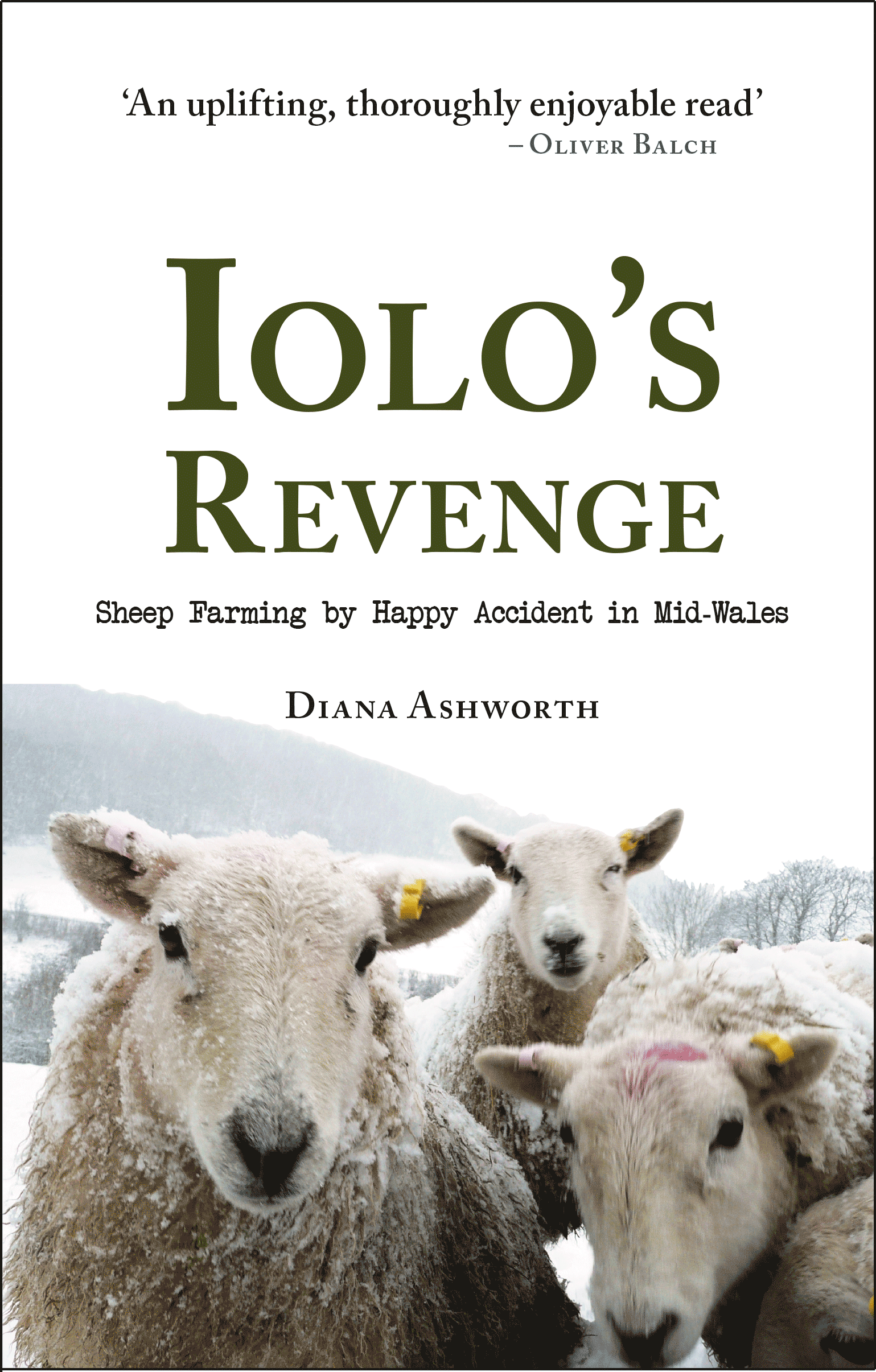
I was invited to give a talk about my book set in Mid-Wales, Iolo’s Revenge. I have been preparing it nervously for months. We set off early and Bill had studied the map — Shropshire was enjoying the heaviest rainfall since Catherine’s friend Laura got married and the church was cut off by flood water and the bride had to wade across fields in wellies!

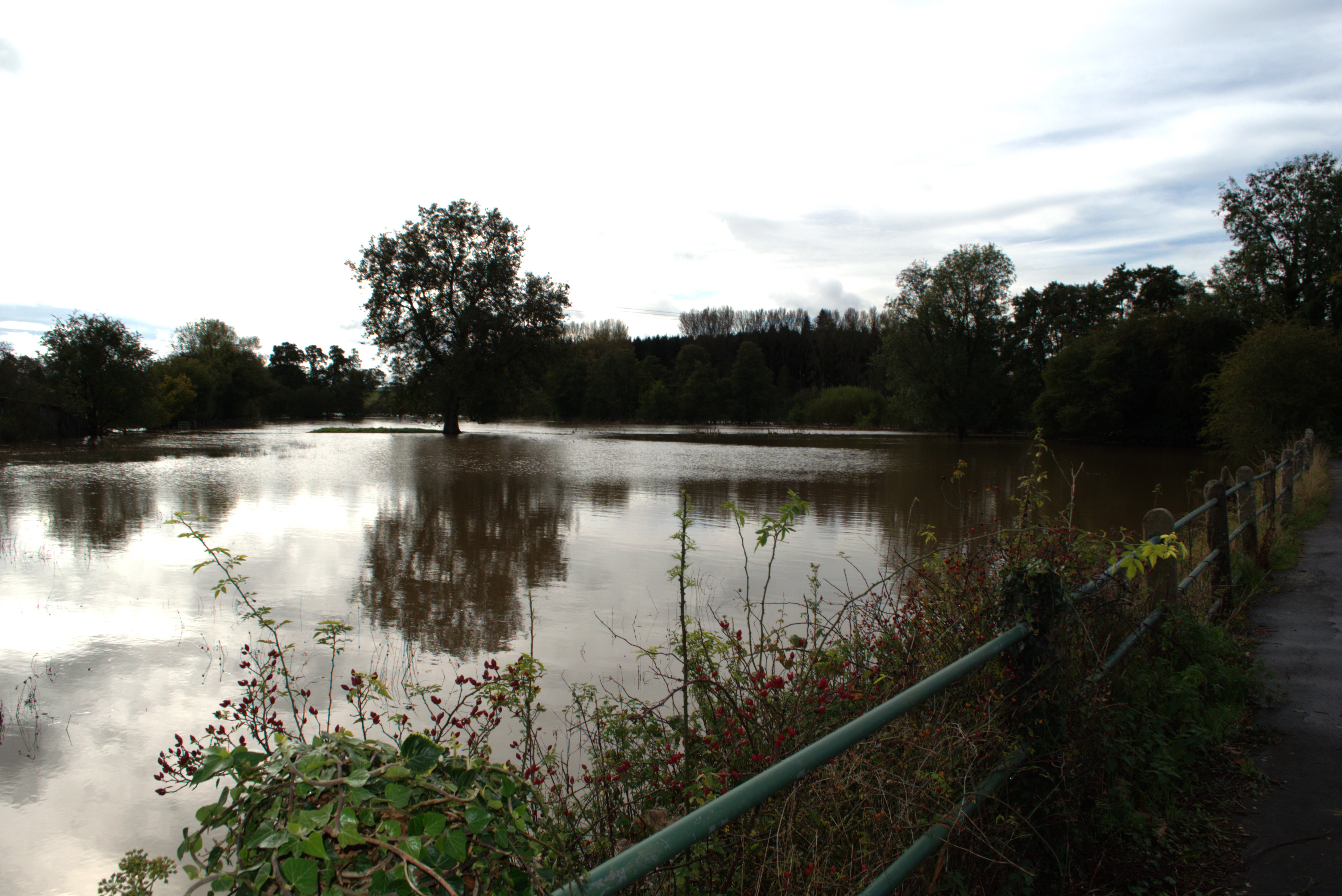
Knighton station was closed — all the town’s four trains per day were cancelled because the line along the Teme valley was inundated. Stranded, bedraggled, young people with rucksacks were wandering the steep, wet streets. The ladies in the town’s cafes doling out tea, sympathy and all-day-breakfasts.

I boomed out the extracts from my book over their wonderful sound system, it sounded quite good, even to me and the select collection of stoical festival faithful laughed in all the right places and showed their interest with lots of intelligent questions and comments. I really enjoyed it!

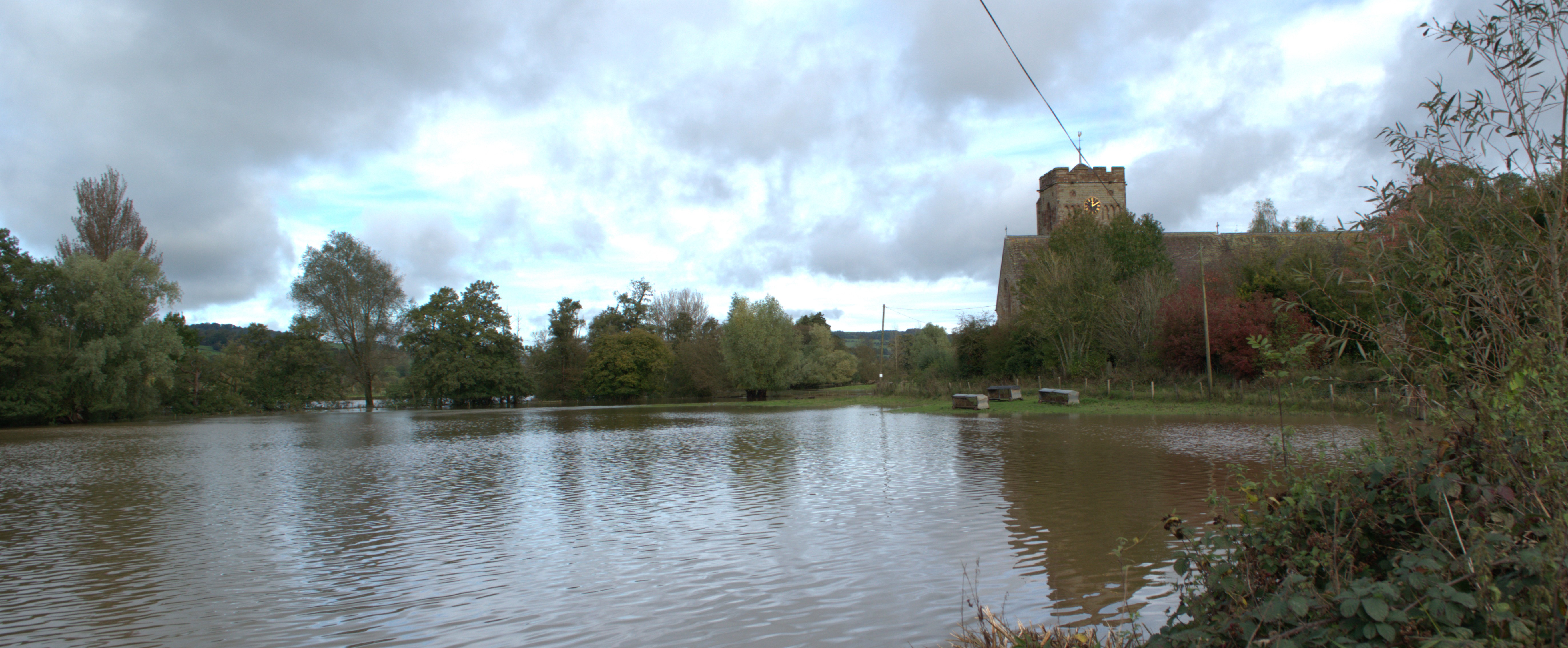
Proper use of the flood plain next to the river Clun in Shropshire near Clununford. We found a road home that was passable though many others were not!

Standard
Birds

Hunting the Elusive Ouzel!

I have been intrigued by ring ouzels since I read Gilbert White’s Natural History of Selborne, when I was about twelve. He was so excited about a bird I had never heard of, let alone seen. He said they were rare but reported flocks of 20, getting a friend to shoot four, just to be sure — times were different then! We too have hunted them high and low, but without a gun.

We’ve sought them in Scotland at 3600 ft, going twice to Cairngorm and braving the elements — on one occasion getting the most transient glimpse of a one scruffy, windswept pair as we left the car park at a lower level. On both occasion we also didn’t see a ptarmigan!

This autumn we have redoubled our efforts — searching in the Elan Valley in Wales which is reputed to be on their migration path. Above is Bill’s photo. We should perhaps re-name them the car-park bird — this one popped into view within 3 minutes of stopping the car!

In 1768 Gilbert White was looking for Ring Ousels in Selbourne, near Southampton. I think this eccentric Georgian clergyman was the first to realise that these spring and autumn visitors to his parish were migrating. He knew they bred in the north of England and worked out that they passed his way, feeding on ivy berries in the spring and returned, en route for warmer climes in autumn when they fed on haws. It is the rowan berries that persuade them to stop over in the Elan valley. Sadly we only saw one bird but he was rather fine!

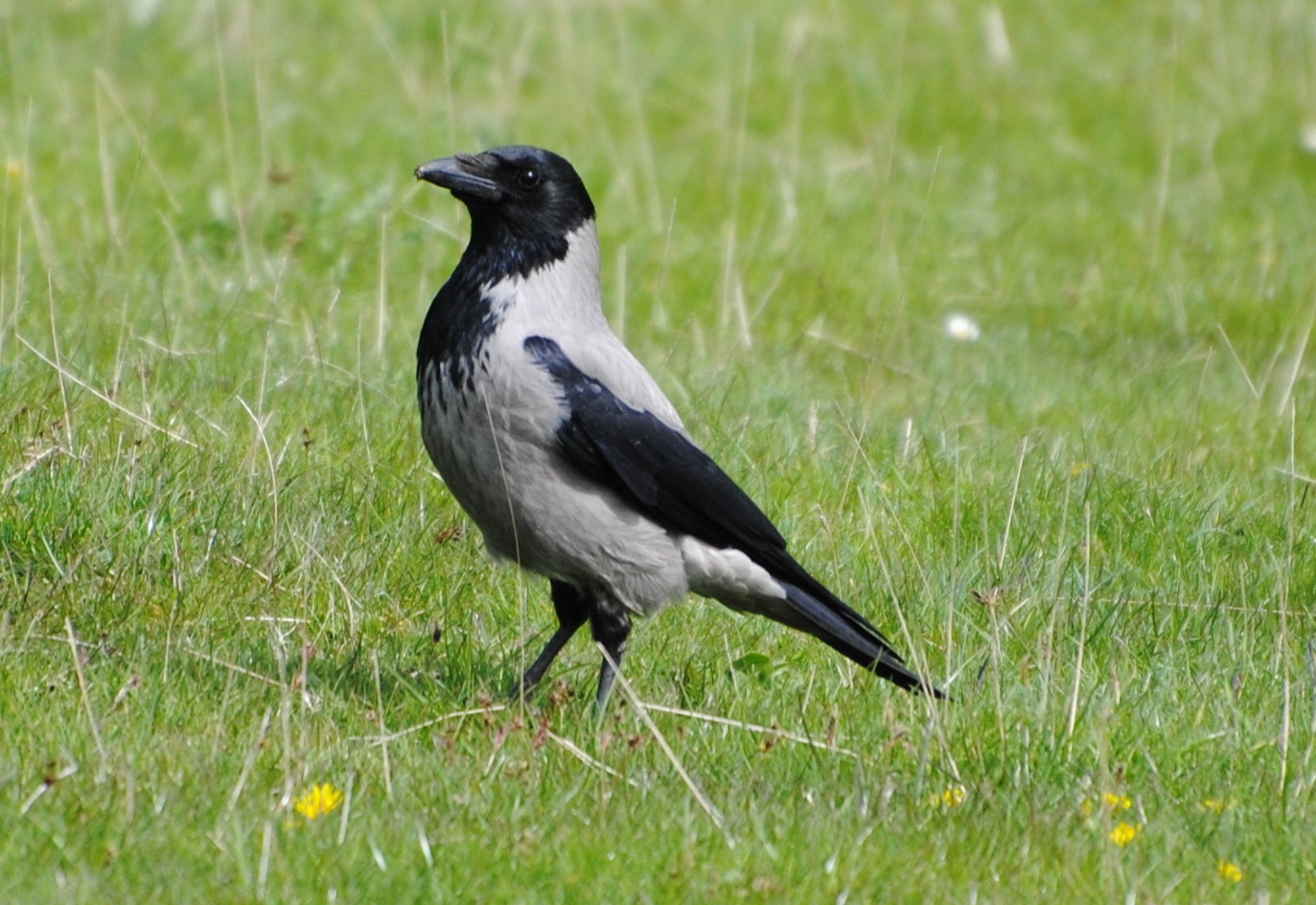
Addendum (for Paula — see comments ): Here is an image of a fine Hoodie for you! They are fantastic characters!

hooded crow
Standard
Travel

Orford Ness revisited.

Last time I stayed at the Jolly Sailor it was a rickety building standing on a higgledy-piggledy quay in a disorder of scruffy little fishing boats pulled up onto the mud, amid tangled ropes and lobster pots.

When we revisited it recently it had moved into another century and appeared to have moved inland and had sprouted a large car park, albeit below sea level, the whole protected by a sea wall. There were no fishermen, nor even firefighters, singing sea shanties and playing fiddles in the heaving public bar. I felt sure it was the same pub as the bar seemed right. No one could help me. No one remembered.

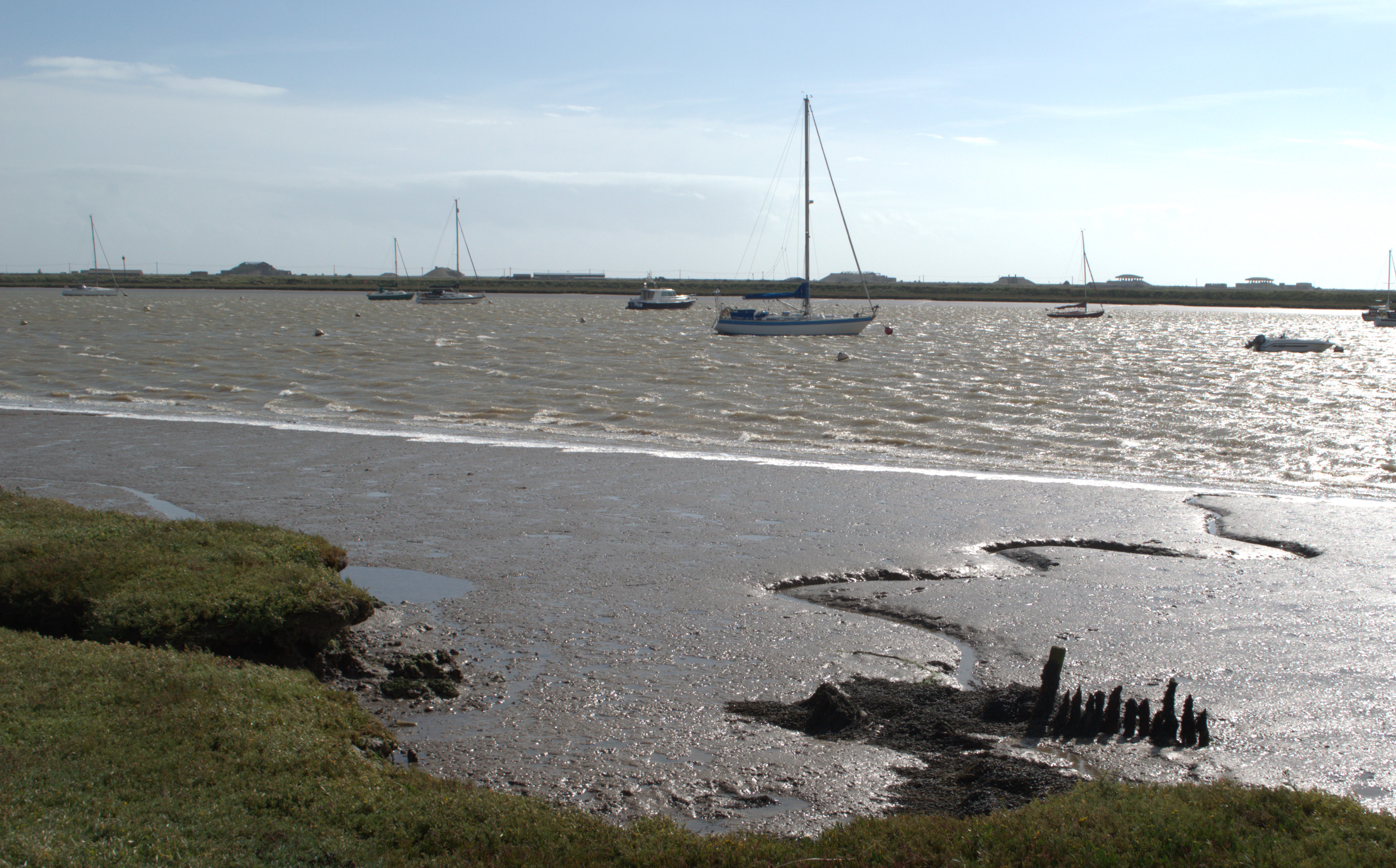
The mere was familiar but it was blowing a gale and the rigging of the little pleasure boats shrieked like a manic celestial harp or a skein of hysterical geese. From the sea wall we could see the castle and the church so we went to investigate.

The 12th century castle looks new due to recent rendering with tinted lime mortar to protect its crumbling stonework. “The ramparts have been reduced to lurching waves of grassy ditch and hummock,” said the Readers Digest book in the bar.

The pretty village is manicured and painted with Farrow and Ball Sardine but that is where the fishiness ends.

Gone is the smoker’s shack by the water where kippers, pigeons, oysters and eels hung, filling the air with a delicious miasma. There is a very clean deli on the new quay but it was closed.

Exploring the churchyard,

I warm to the little man who guards the mediaeval font in St Bartholomew’s church, Orford.

I missed the singing and the good humour of my last visit, but not the food poisoning from the smokery on the mud!

Standard
photography

New Camera!

My camera had a fall last month and was fatally injured. I took it to the mender who shook his head but all, it seemed, was not lost — due to the surprising perspicacity of a camera manufacturer who is not British (that may be something to do with it) all the new versions of my camera, which was quite old when I was given it, are interchangeable. So my expensive lenses all fit a newer (still not quite new) camera body. Not only that but all the controls are the same which is nothing short of a miracle!

I have been out testing my new-to-me Nikon D3300.

These girls, picketing the sea wall at Frampton marsh, were not impressed.

Nor were the lowest highland cattle in Europe — below the sea-wall at Surfleet, way below sea level!

Always a challenge –white flowers or butterflies. Convulvulus on what we used to call wasteland.

Ultimate test — Kettering station with its back to bright sunlight. Amazing — you can still see the people to whom I can now give an alibi — must check that the camera time and date is accurate!

Distant, fluttering yellow wagtail
Here it is relaxing in the garden.

Seems okay to me!

Standard
Friendship, Medical Education

Reunion at the Athenaeum!

50 years – passed in the blink of an eye – and here we are all together again! Well not quite all, some of my old medical school contemporaries didn’t make it.   The Royal Free School of Medicine for Women (and the odd privileged man) has a far-reaching diaspora encompassing the whole globe, not to mention the afterlife. 

We remembered with affection our fallen comrades and exchanged news of the beautiful ones (those with perfect teeth and not a hint of a wrinkle) who still work in the USA, and those trapped by new lives, love and family in the Antipodes.  We welcomed back the returners, those who have spent a career in the sunshine and understand politics and poverty in a way that we never will.

Meeting people that you once knew well after a gap of 50 years is a daunting experience – you can’t take you eyes off them – trying to fit the image in your memory over the features that confront you.  Why has everyone shrunk? Perhaps the younger generations are not just getting bigger and bigger – perhaps it’s not just old girls that get osteoporosis. 

It is marvellous to realise how superficial I was when I was young, and I am sure I was not alone. How wrong we can be about how people will turn out.  Medicine changes people as does the illness and trauma we survive.  The shy become confident, the brash are moderated — they were perhaps always kind. Those intimidating cool dudes warm a little and the differences that we felt singled us out, and were never mentioned then, are now freely admitted and laughed about…  “I’d never have guessed that about you!”

We had a wonderful meal together and talked until our heads buzzed in the heart and heat of London, in the Athenaeum, a club selective for achievement, not background.  A suitable venue, as our chairman reminded us, to re-unite students selected by the doyennes of the Royal Free.  Selected by different criteria from other medical schools – perhaps primarily for vocation and the suspicion of as yet unfulfilled potential.  We owe them a debt of gratitude.

Royal Free Hospital School of Medicine (photo by Holysp via Wikipedia)
Standard
nature

Testing Time for Baby Bunnies!

Peeping out from the edge of our yard, this baby rabbit can hear the incessant screeches of the young buzzard, calling from the top of the oak tree behind the house.

The parent birds circle overhead looking for prey to shut up the chick who is probably almost as big as they are by now. They see the little rabbits and if they get desperate enough they will swoop low around the house and carry one off in their talons but they prefer to hunt in the fields and woods at a safer distance from human habitation.

So these little chaps can dash about in relative safety, exploring underneath the cars by the house, annoying the house sparrows and occasionally meeting a mirror image. Sniffing as they go.

They are nesting under our wood pile and are in for a shock as Ali and Dan are coming soon with the dogs and suddenly everything will be smelling a lot scarier!

Standard
Health and safety

Fractured Femur or Burned Alive?

Back in Wales and we’ll have a peaceful few days before we get stuck into all the chores.

6am on the first morning and all hell breaks out — smoke detectors all over the house are screaming hysterically!

The moment we are both risen and have worked out which way to run — they all stop.

Wild fires have not reached this soggy part the planet, we inspect the alarms — all bleep obediently when we push the little button — one gives a tiny red flicker — we change its battery.

Next night they all go off again at 2am, — I lift my head and groan, Bill goes and switches off the circuit. 5am they really up the angst. Because they can no longer whisper to each other through their wires they are shouting to each other instead — first one bip-bip-bip, then another.

We’ll give them a little rest — there is no way of working out which ones have flat batteries and which do not — we will replace them all, except that some are radio-active, automatons that don’t need batteries at all –fancy that!

Willy Price, local battery mogul feels obliged to give us the official warning, “You know you are much more likely to break your neck replacing these than you are to be incinerated in your own home.”

We know it’s true but we pay the £47 anyway. We replace them all — even the one at the top of the stairwell, from the top of the twelve foot ladder propped on a wooden block and wedged with the atlas that doesn’t show Ukraine. I drop this smoke detector from the top of the ladder and it bounces on the wooden floor below, Bill leaves his post, steadying the ladder, and with unaccustomed expletives gives chase.

It is retrieved, brushed down and replaced with a submissive little bleep. That’ll teach it.

We reconnect the power. That afternoon there are several other little bleeps then all is quiet.

.

Standard