Birds, Ecology, Hill Farming, Uncategorized

Faux Christmas?

A friend of mine has just returned to the UK having lived for several years on the other side of the globe. She explains her disorientation in time and space on the disruption to her seasons (I have no excuse!). It’s mid-summer here and mid-winter in New Zealand, where those who suffer from European nostalgia have a pretend Christmas.
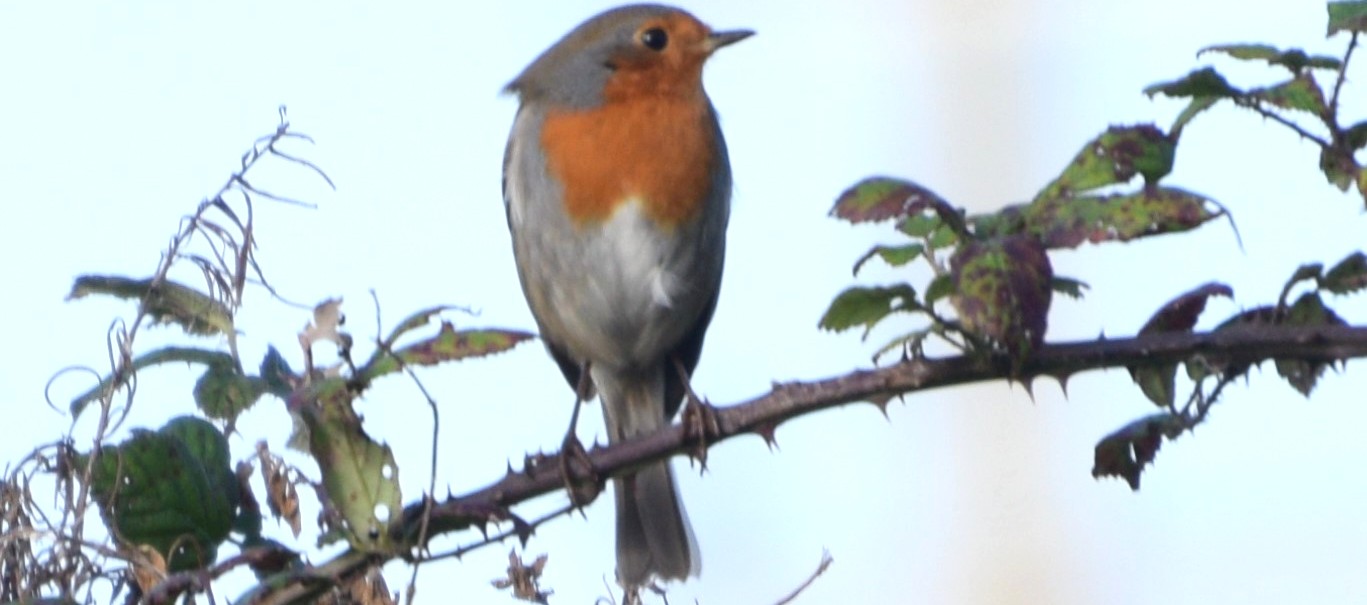
Here on our smallholding in Mid-Wales we do something similar — opening our gifts on one particular day. It’s exciting. It’s bird-ringing day! Not their necks so that we can roast them with pigs-in-blankets and plum pudding, but counting all the year’s baby birds, catching the fledgelings that are about to leave their nests and, in particular, those in our nest boxes and ringing them. A right of passage — a birdy Bar Mitzvah — we should have a party!
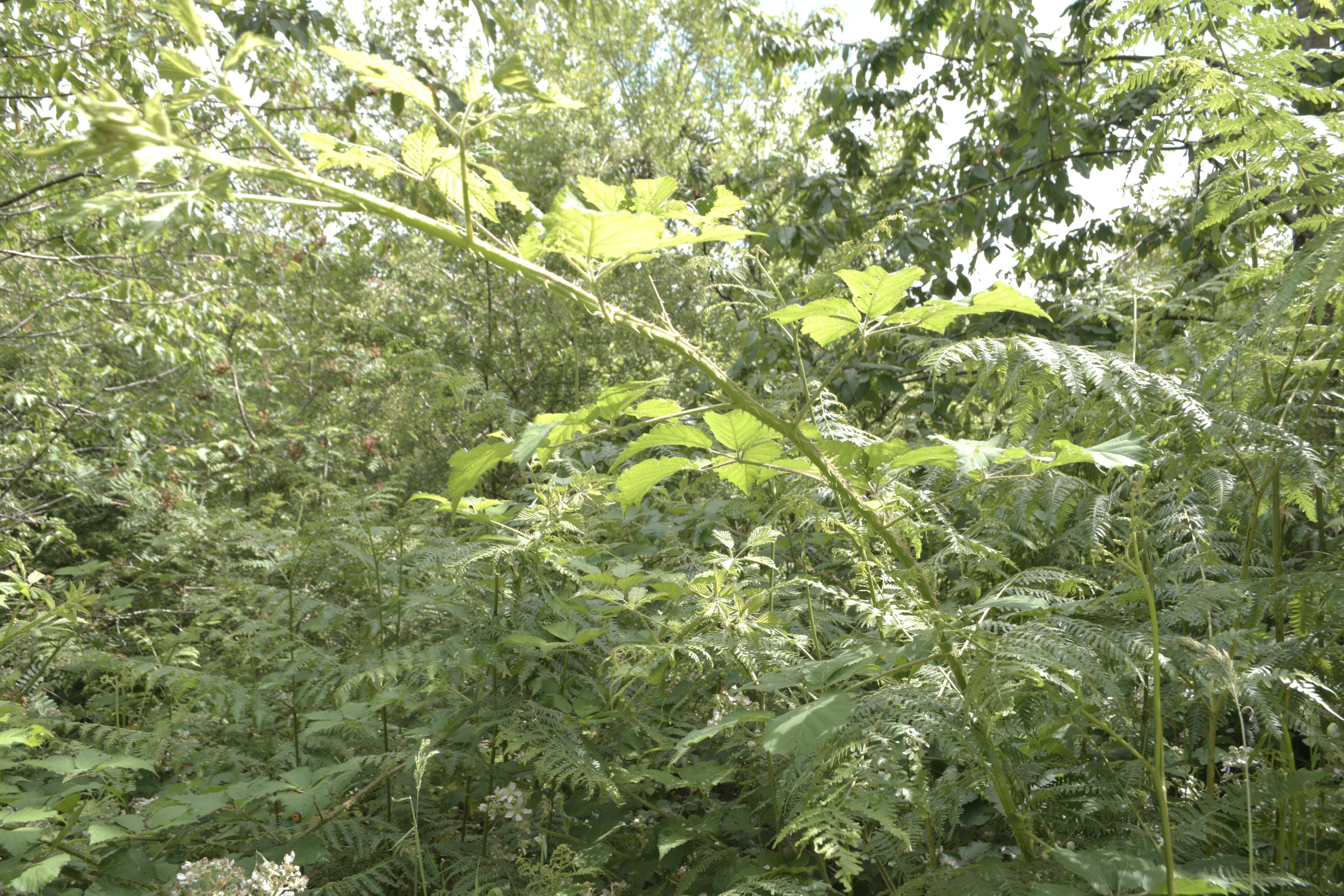
At a time when we feel we will be overwhelmed by the sheer fecundity of our temperate rain forest, it is good to have some positive feedback for our efforts for wildlife. We are engulfed in 8 foot bracken and torn at by wildly flailing tentacles of bramble that reach out across the tracks to grab us as the mower clogs and stalls yet again, which is just as well as it is overheating.
The cloud of buzzing flies that pursue us fails to reassure us that our local biosphere is healthy or that forswearing insecticides was a good idea. But counting birds does.
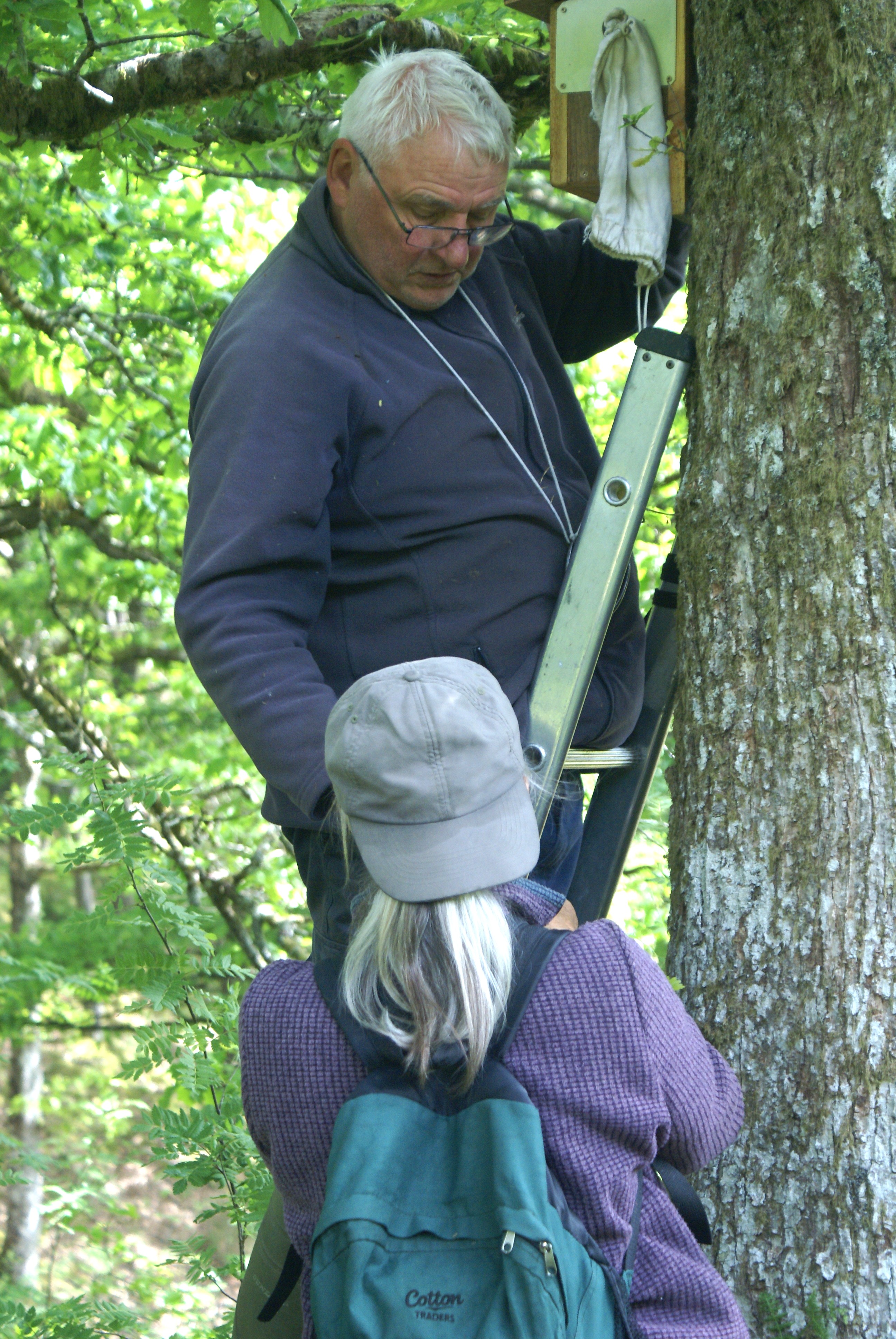
Jon and Jan

The stalwarts from the Habitat Protection group have made their annual visits and this year has been very good for blue tits — 52 chicks from 5 nest boxes. How’s’at for productivity! It represents a lot of caterpillars! Lots of work from this top-of -the-table, enterprising species.

A better year for our “target” species, the more endangered pied flycatcher. They produced 24 chicks from their 5 nests. Up 20% but one of their nests failed completely last year — we suspected a great spotted woodpecker. It’s harder for pied flycatchers as they are migrants and have to co-ordinate their arrival with the weather and the caterpillars, not to mention competing with the locals for nesting sites and finding each other again as the males arrive first.

Pied Flycatcher

There was only one nest of great tits but they produced 7 chicks.

Great tit fledgeling

Three of our 14 boxes were empty; today I noticed a great spotted woodpecker squarking a warning to its own fledgelings — wildlife is a balance.

They also ringed a treecreeper fledgling hopping about and keen to be included. They tend to nest in the holes between the roots of the oak trees and in the deep splits in trunks, we watched one earlier this year taking lots of spiders to a nest on the hill.

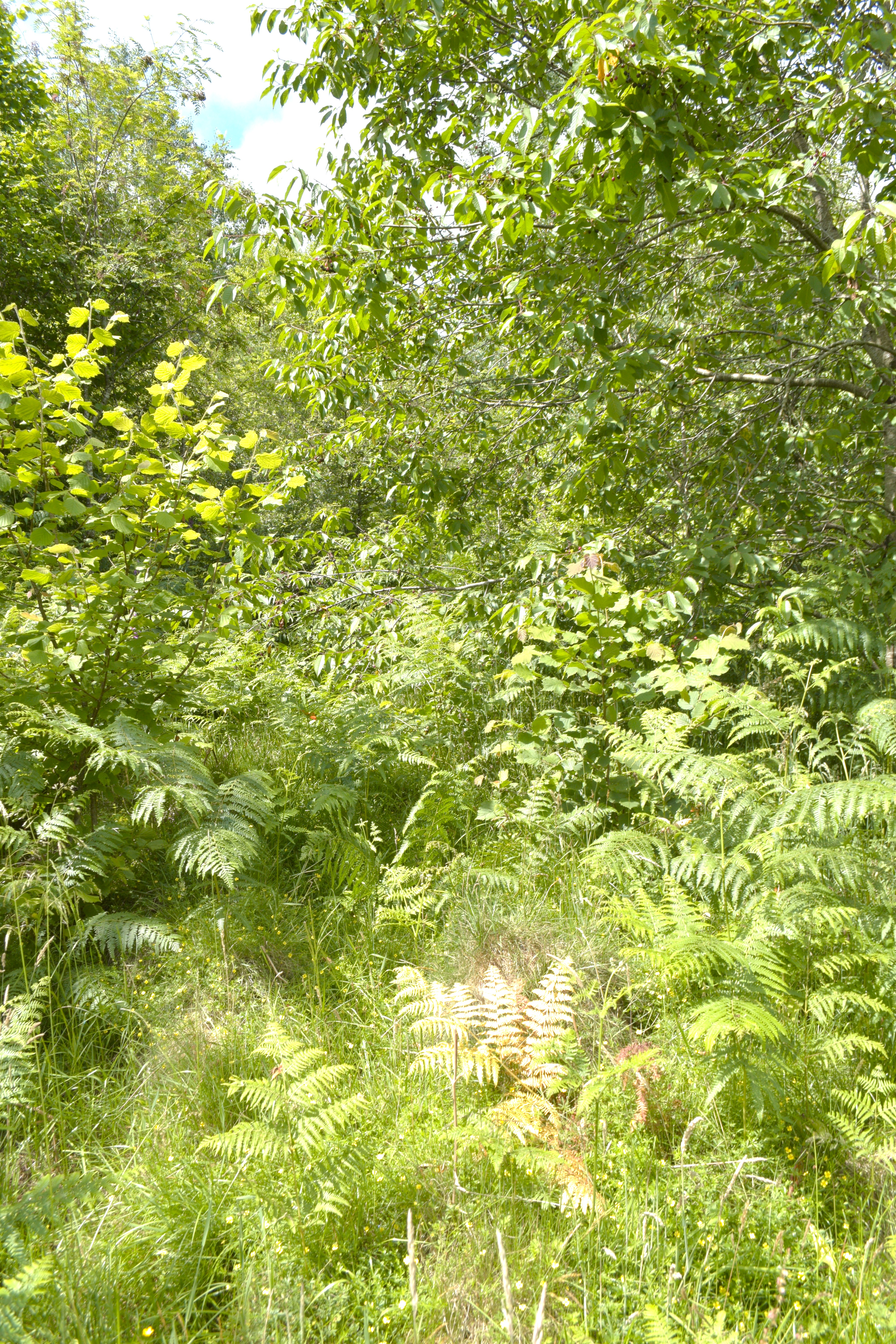
So, inspired by all this avian fertility, we bash on with re-establishing the tracks to maintain some sort of access to our wild areas and woodland and uncover the diversity that is appearing and a weighty crop of rowan berries and wild cherries that are already keeping the blackbirds and thrushes busy.
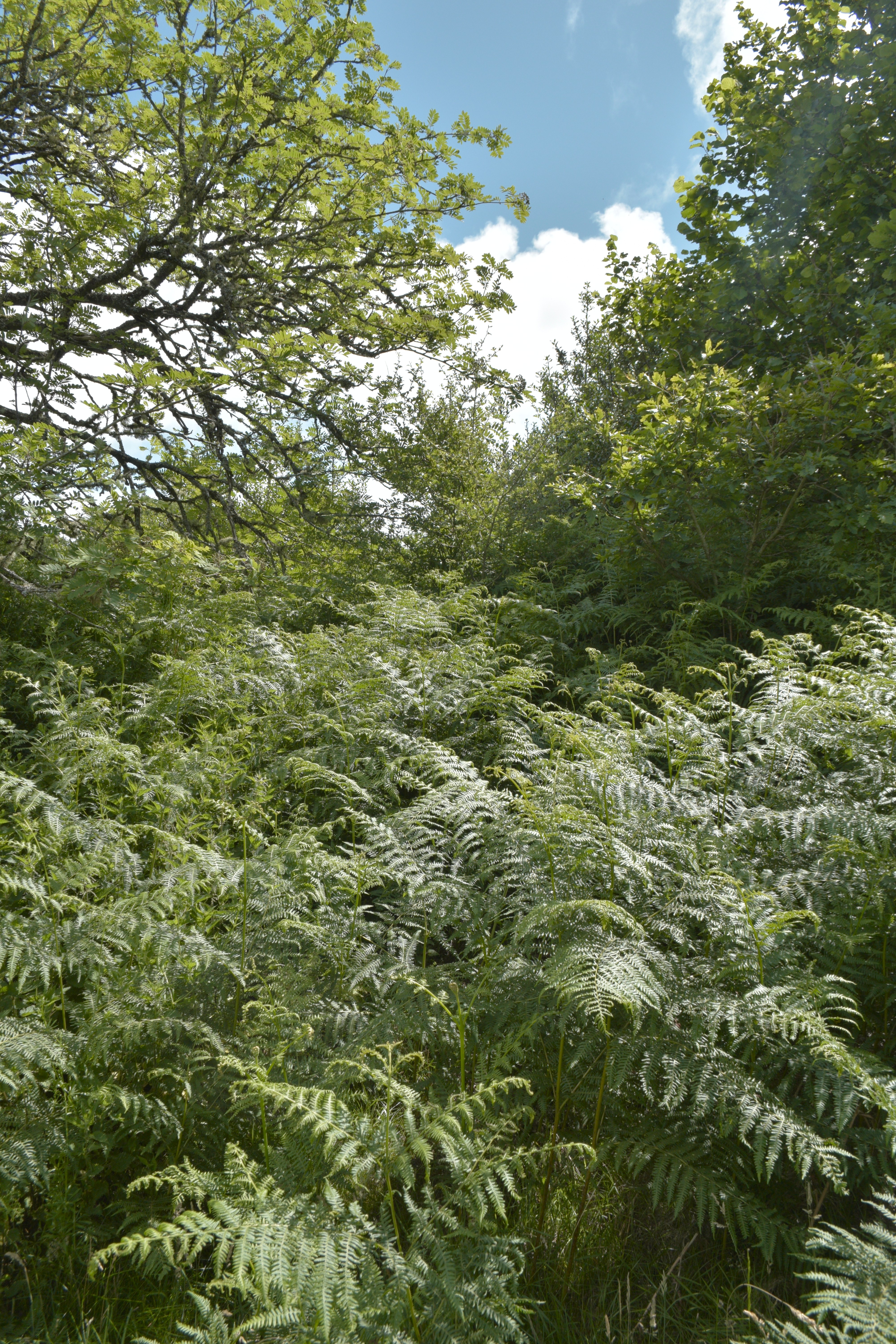
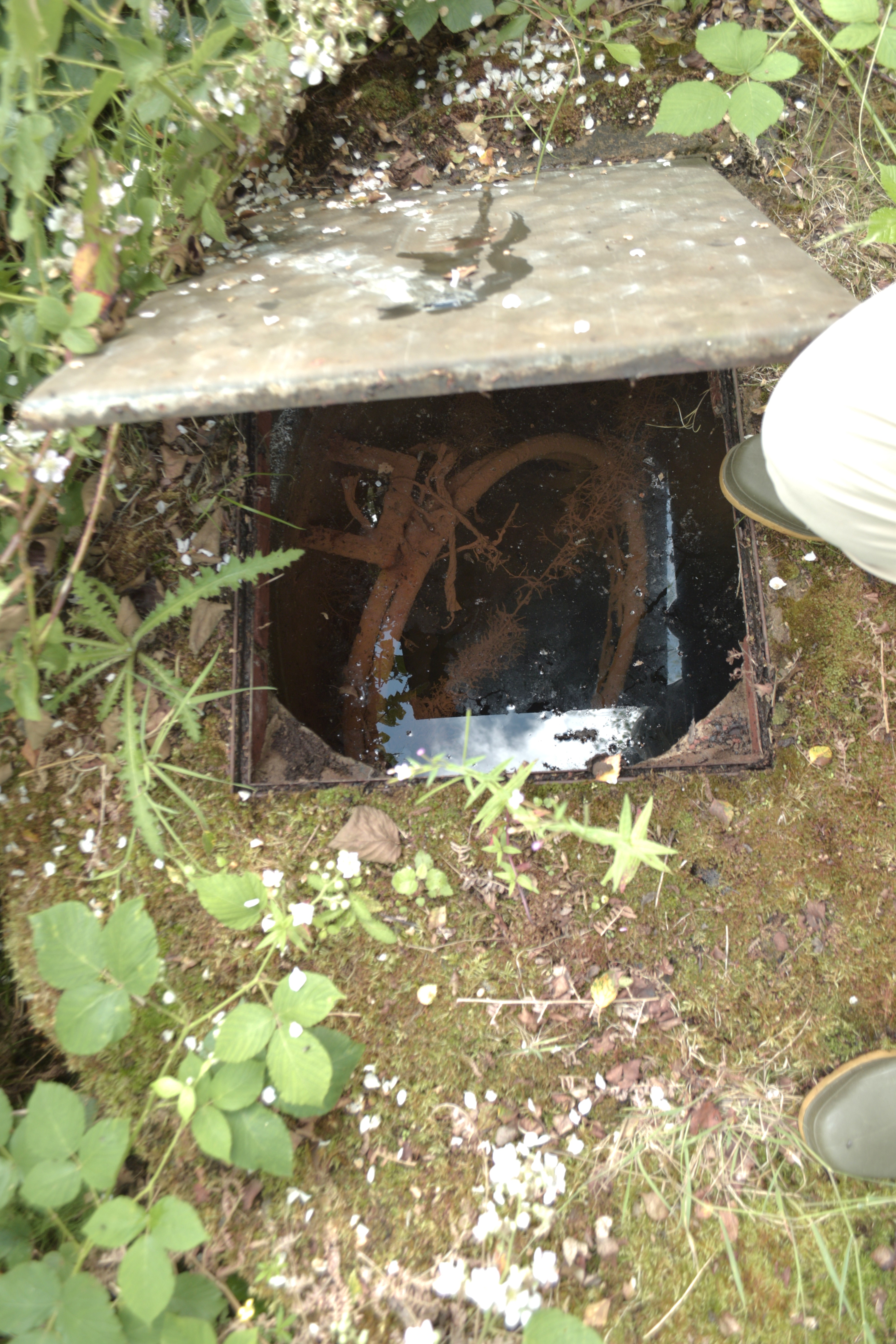
This is the time of the year when we regularly lose our well and it is quite important that we find it in its nest of horsetail ferns and overgrown by all this burgeoning diversity. Here it is and it’s full.

Standard
Birds, Cornwall

Good year for Hoopoes…

in Cornwall recently, hoopoes, those charismatic European birds were popping up all over the place.

Camouflaged men and women with longer and longer lenses dashed about and swapped intelligence, clicked and whirred and punched the air in triumph, then moved on to hunt the elusive blue headed wagtail and the booted eagle!

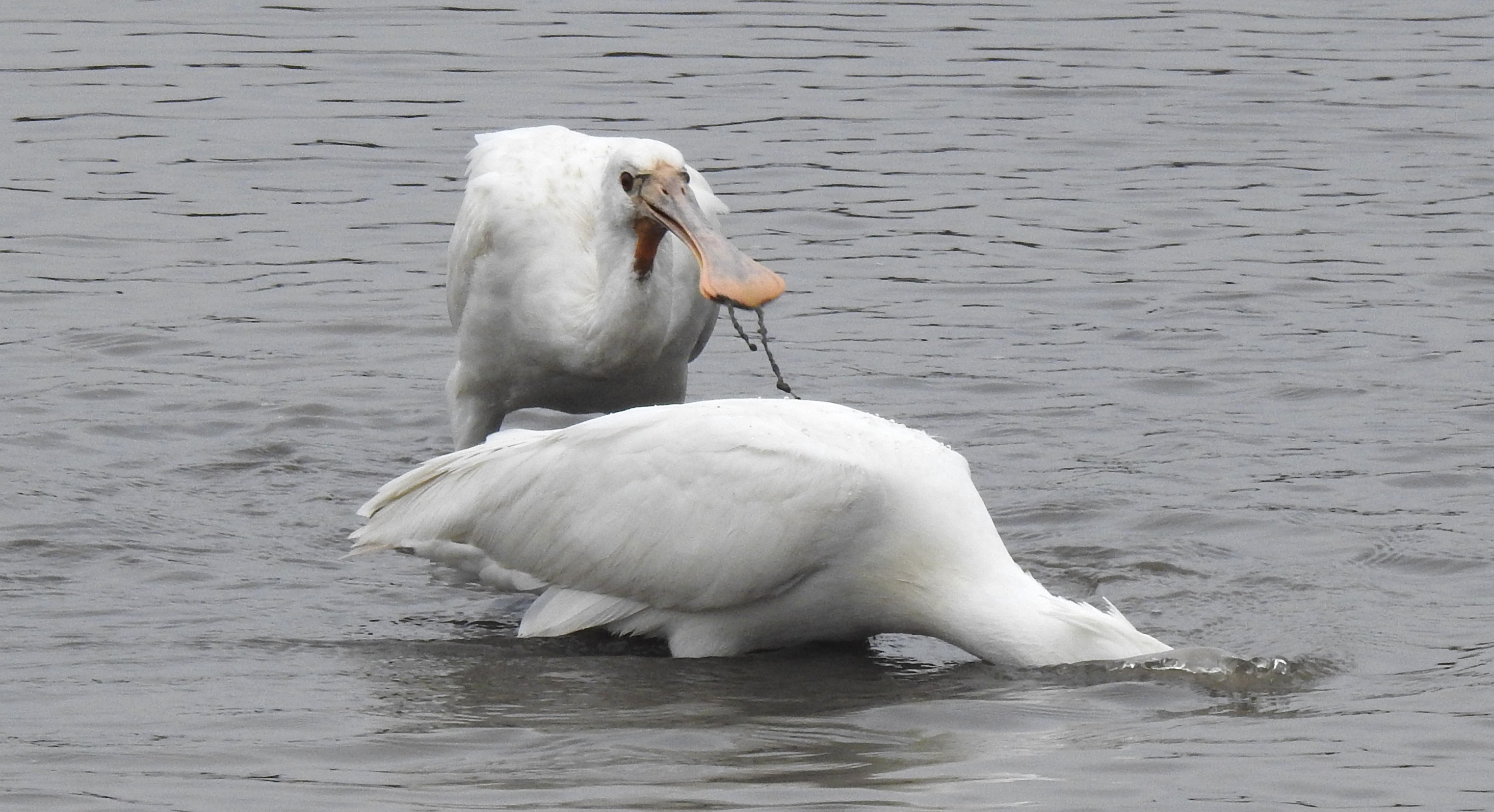
Last autumn we got to know the lonely spoonbill that hung around feeding in the Hayle estuary and associated pools.

How pleased we are to find that this spring he has a friend.

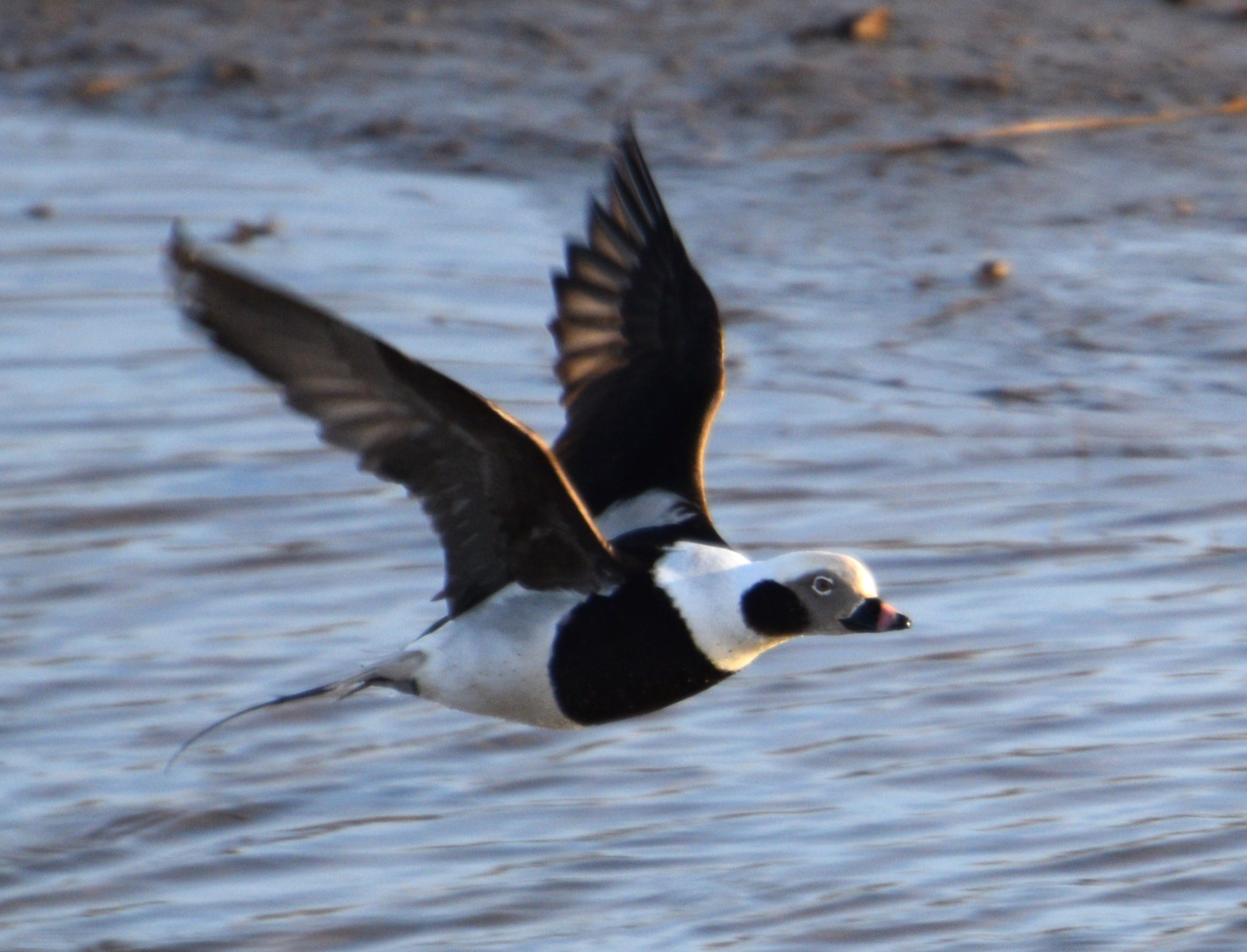
What is this? A dodgy duck on the boating lake in Newquay. A rare long tailed duck, a lonely female. When the weather gets better she’ll head out to sea to find a mate.

We saw this male in Norfolk — Holme Dunes, near Thornham, last year.

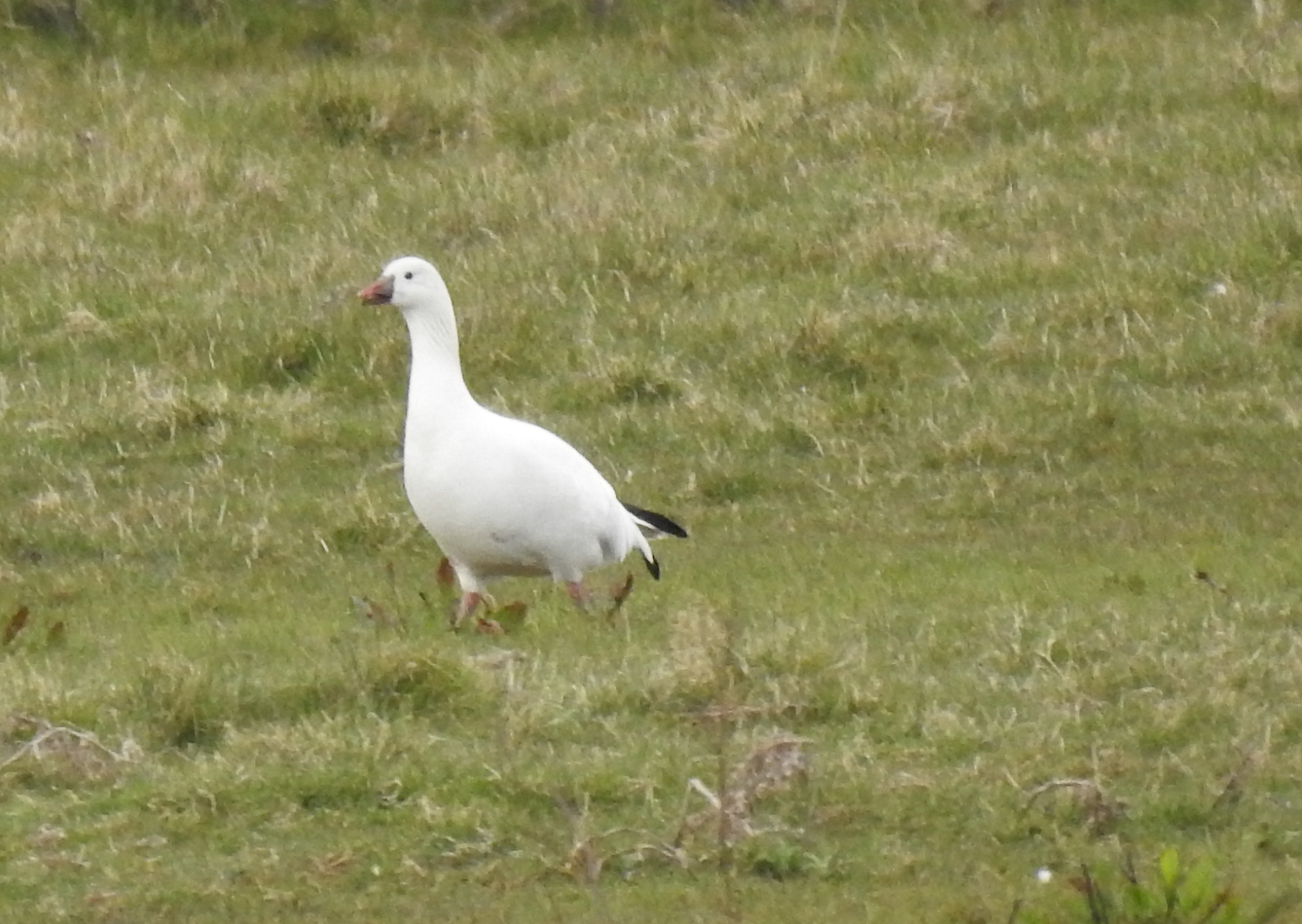
At Slimbridge, in Gloucestershire, we saw white fronted geese, a Ross’s goose and lots of barnacle geese.

Thanks to Bill for the pictures of the spoonbills, hoopoe and female sea duck. This is my best duck!

Garganey, isn’t he beautiful, but I cheated — he wasn’t exactly in the wild!

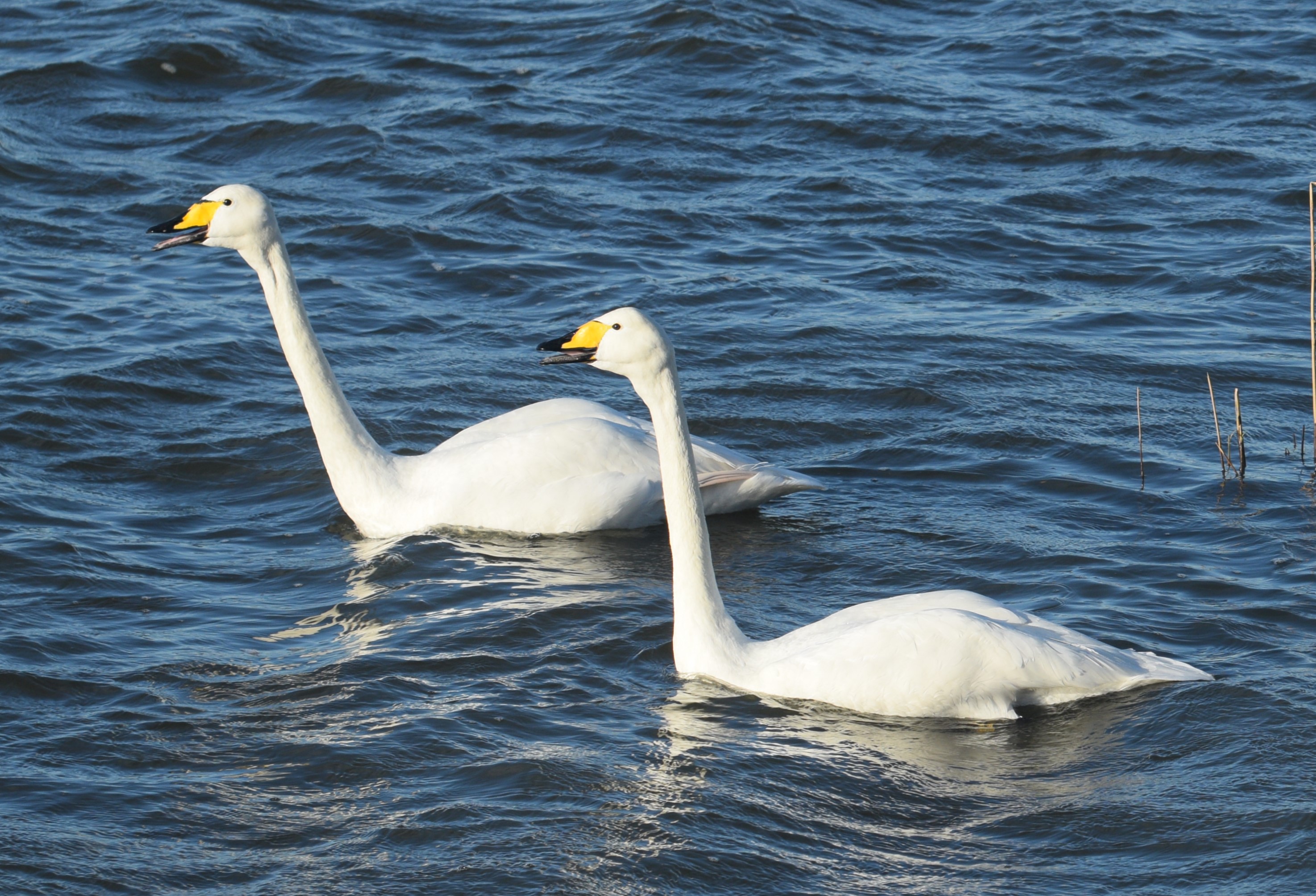
Above is a male red-breasted merganser, also seen at Slimbridge. Most of the swans have gone now, the Bewicks and the whoopers, gone back up to the Arctic to breed.

Whooper swans
Bewick Swans
Mute swans — for balance!
The little gull is a rare Bonaparte’s gull, seen in Hayle with a black headed gull for scale and balance.

Standard
Birds, Cornwall

The Egalitarian Ornithologist!

I’ve been showing my bird photos to my grandchildren.

‘Elitist! Surely not!’

‘But where are the pigeons and gulls, Granny?’

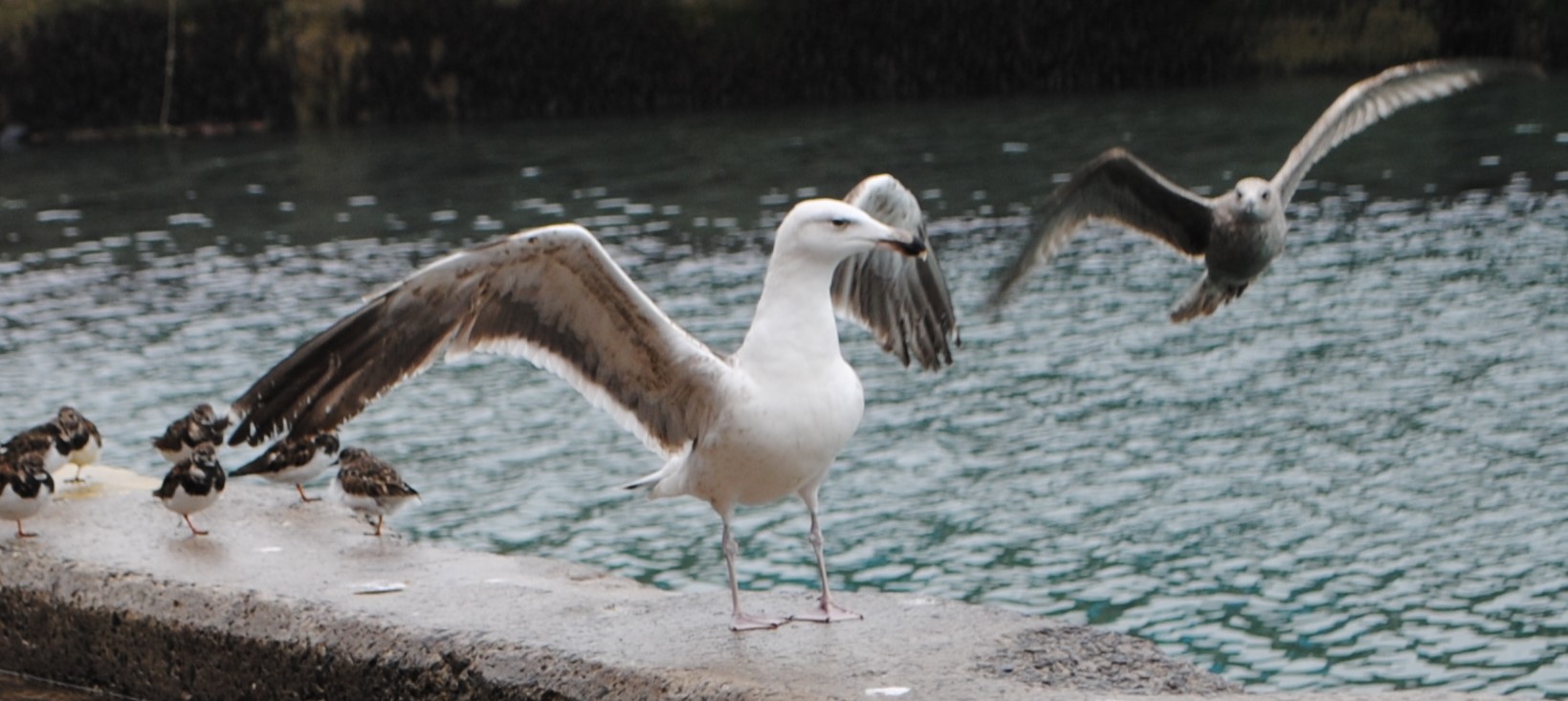
Yes! Move over turnstones, give a gull a chance!

They are cheeky these herring gulls but less inclined to mug you than they were, since the council in Cornwall have banned us feeding them. But there is still a certain amount of private enterprise:

Herring gulls staking out the fish market at Newlyn harbour.
Herring gull protection racket in the Lizard car park
H. Gull, tour guide, Lizard point, Cornwall.
When it comes to pigeons Emily might have a point — I haven’t photographed many.

But if you really want a pigeon? How about this one!

Biggest pigeon in the world and this one lives in Cornwall

Standard
Birds, Climate, Wales, weather

Snow Birds!

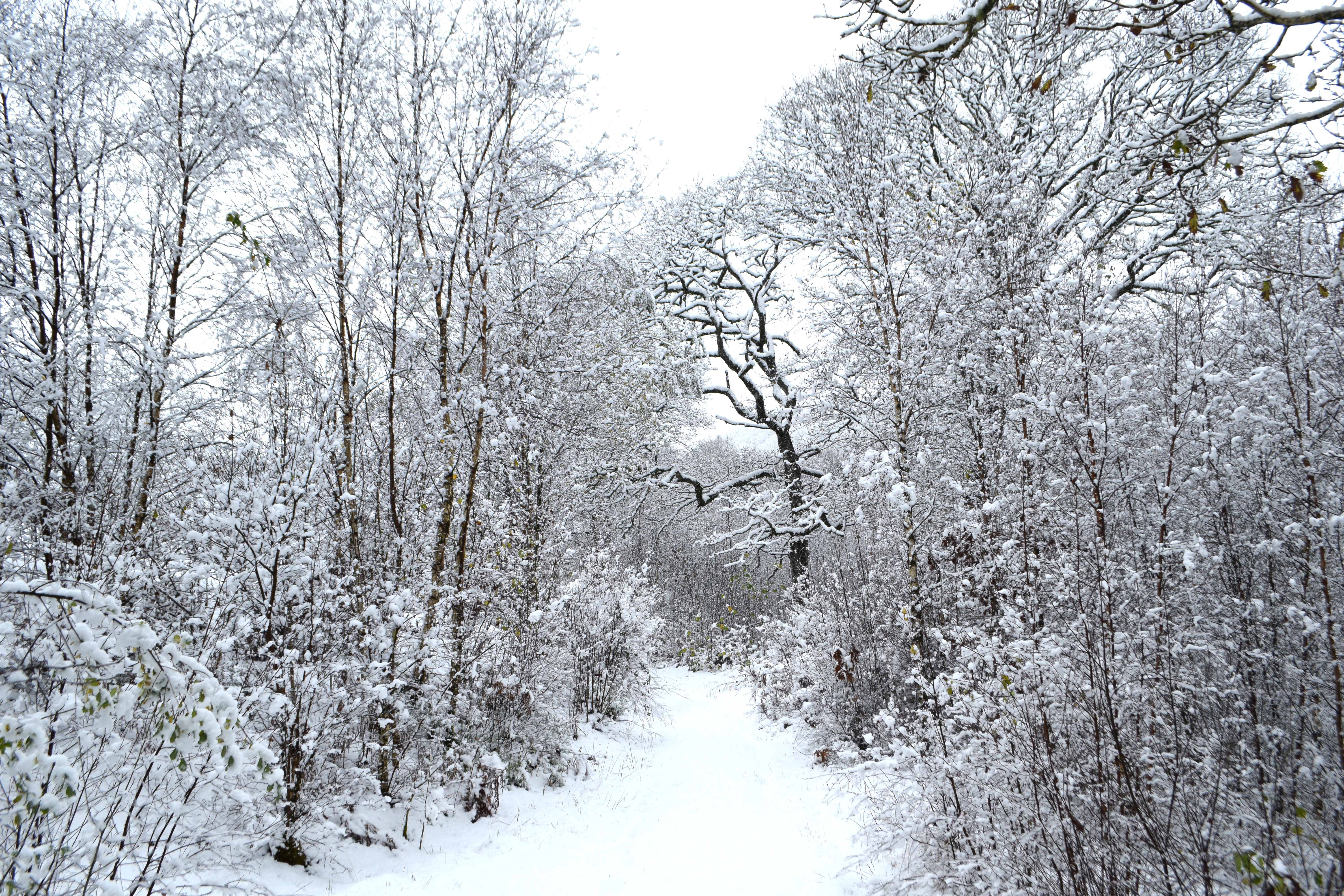
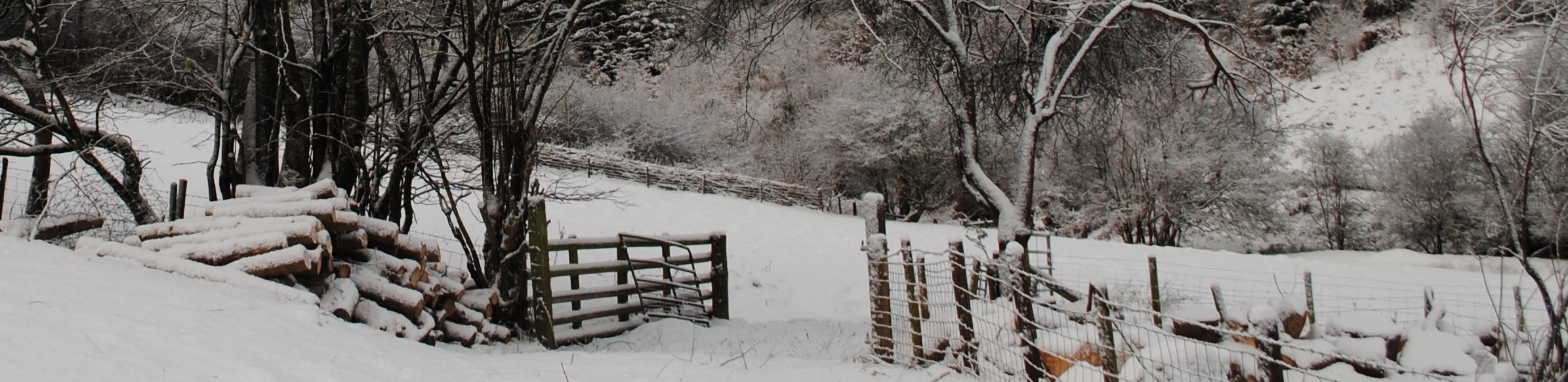
Its chilly here and the ground is covered and crunchy.

Food is thin on the ground and creatures need more calories to keep warm.

This is bringing birds that are usually wary of humans closer to the house.

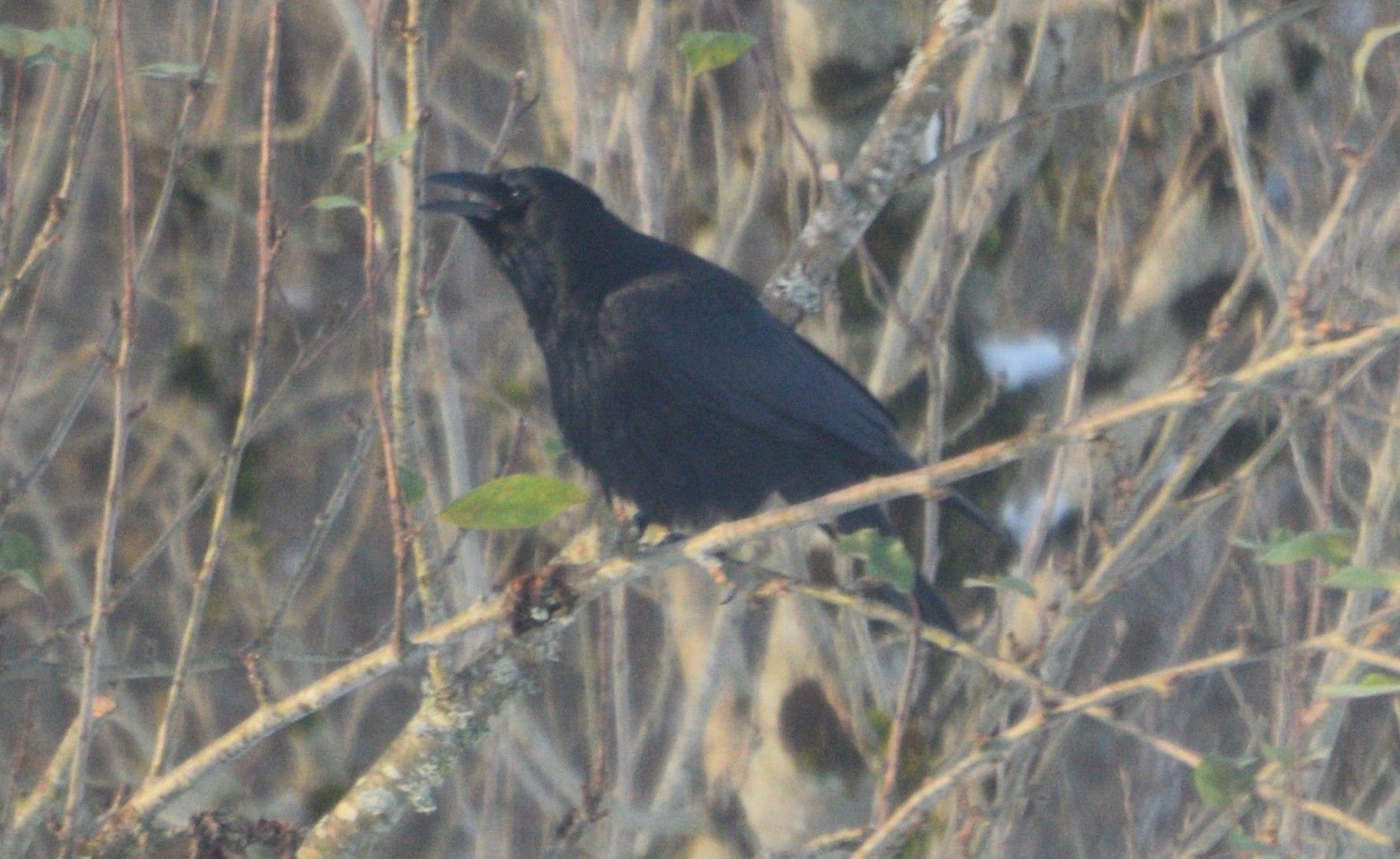
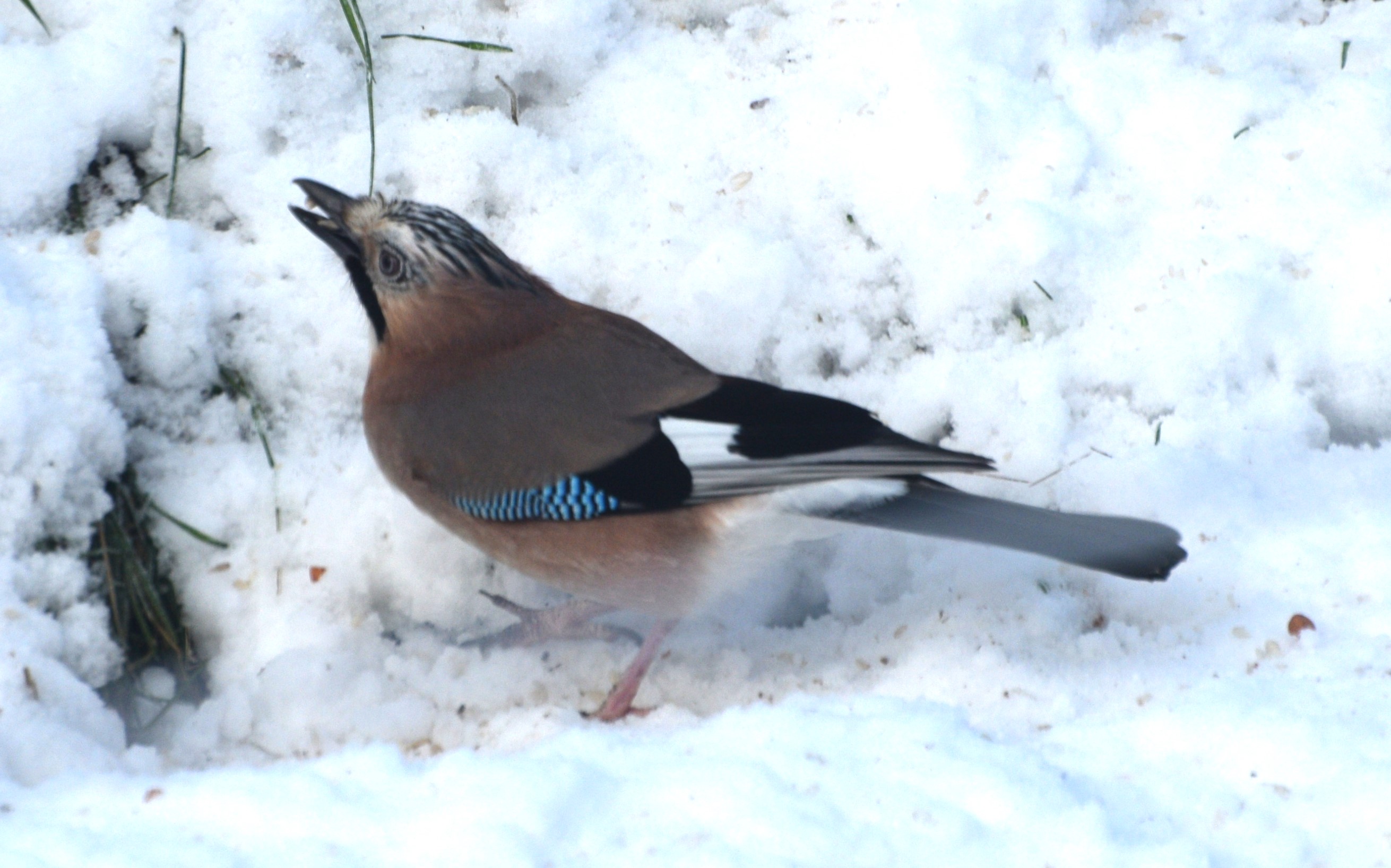
This fine jay has been spotted foraging under the bird feeder and is battling for custody of the windfall apples with the local carrion crow, who sits in the tree posturing aggressively.

By and large jay defers to crow but sneaks back later.

Both hear the Raven up above, getting closer but still never coming to ground.

One regular is undeterred.

The Buzzards sit on the telegraph poles having removed the dead mouse from the patio, which I caught for him in my kitchen! Times are especially hard for him, and the fox as all the little mammals have gone to ground. We see the foxes prints prowling the edges of the fields but no rabbit tracks.

The one lonely fieldfare is not scared of the jay — there are plenty of fallen apples still.
But the little birds must beware!

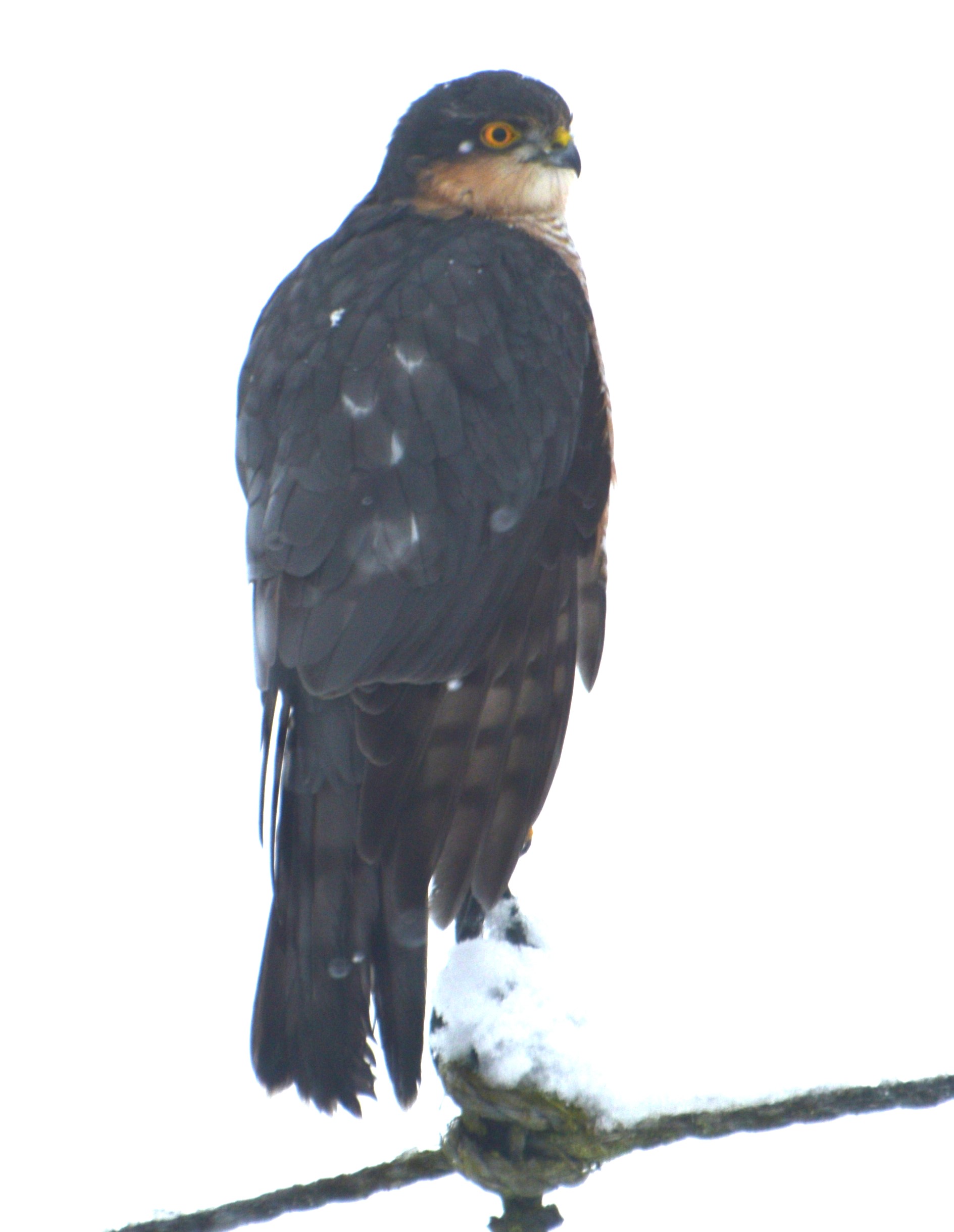
The sparrowhawk visits daily and sits on the bird feeder — we know he’s there by the sudden eerie absence of everything else.

Standard
Birds, farming

White Storks in Sussex

A couple of years ago we saw 20 storks flying over the Lizard in Cornwall looking for a land route to Europe on their way to Africa via Gibraltar — they don’t like flying over sea if they can help it! At that time we were so excited that the photos were accidentally deleted! Ever since we have promised ourselves a trip to Knepp in the South to see the storks that nest there.

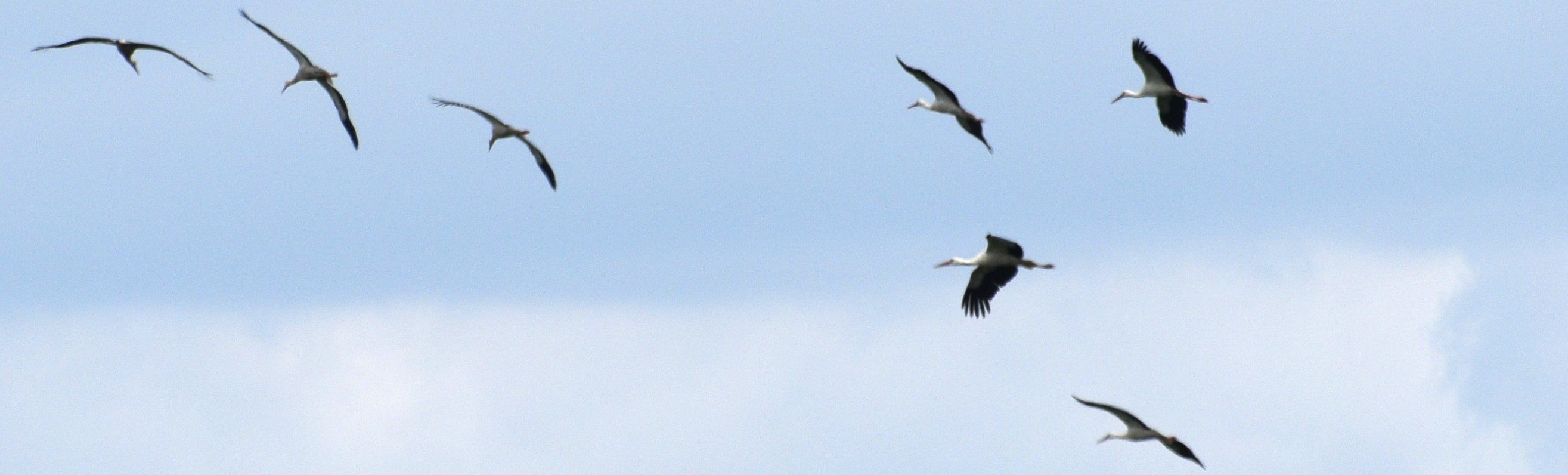
This year we set off. We couldn’t find the place — we were lost! Then suddenly, above us–

we realized that we had arrived!

Bill remembers, before their reintroduction in 2020, the last stork to nest in Britain was on St Giles Cathedral in Edinburgh 1416. They lost habitat and were hunted to extinction.

They have been re-introduced to Knepp in West Sussex, also to sites in the Cotswolds, Essex, Surrey and Wadhurst Park in East Sussex.

Knepp is a large estate that is being re-wilded. You can read about it in Isabella Tree’s book Rewilding.

We had a glimpse of their long horn cattle but, not exactly free ranging in this part, and no sign of the wild boar or beavers but it is a huge place an we only saw a small part! We are still looking for a turtle dove.

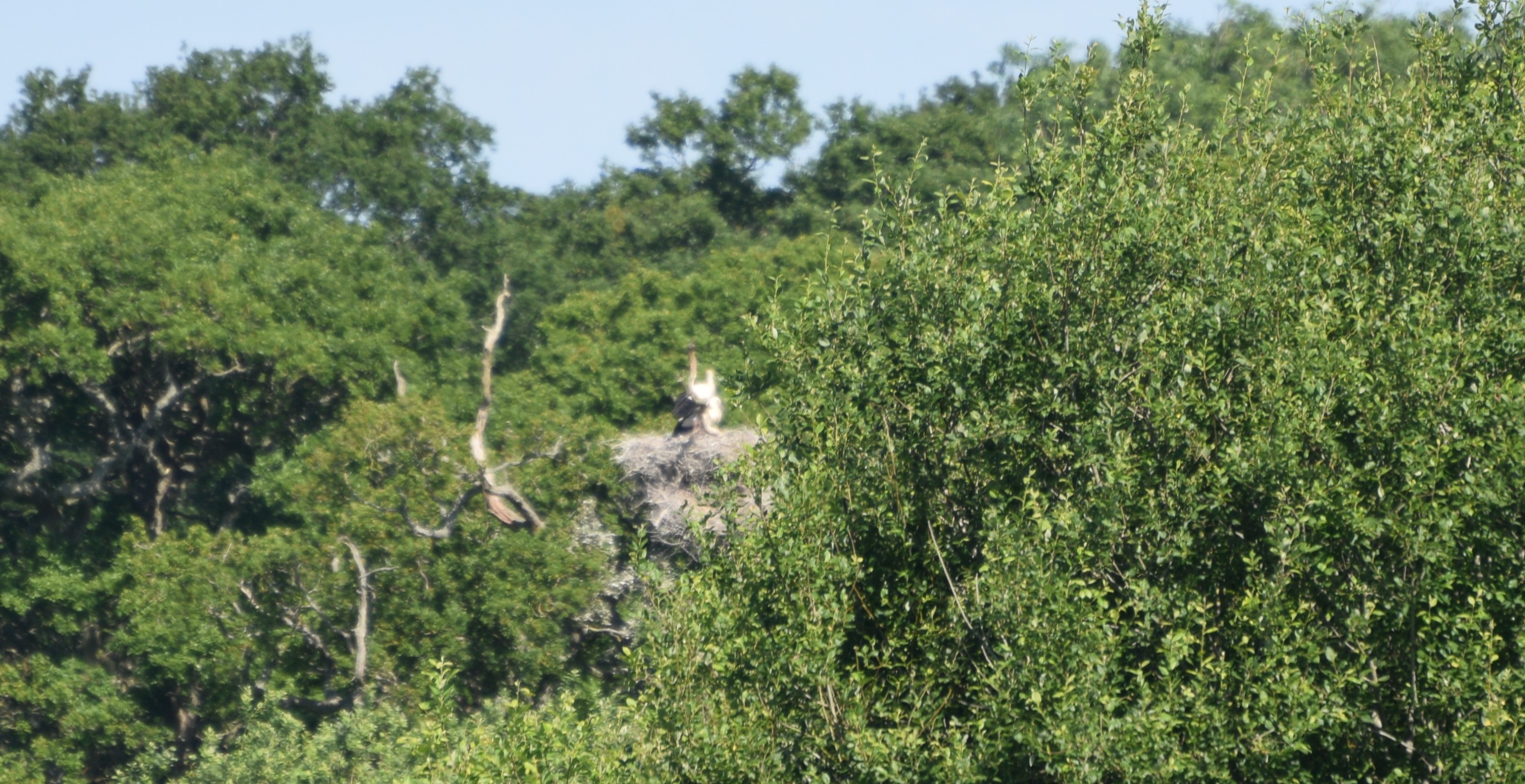
We sat on a rise overlooking the estate where we could see a stork nest.

Early in the afternoon there was an eruption of storks taking to the sky — seemed they were changing the guard on all the nests at the same time! Last year 26 storks fledged from 11 nests — it looks as if there will be more this year!

Spectacular birds.

Very interesting experiment in re-wilding, and it is all relative, compared with where we live the small part that we were able to visit on foot, seemed pretty tame! But it was enough to see that it is a spectacular exercise in diversification of farming — loads of visitors, efficiently managed involving minimal staff. They basically ask for a donation for parking and you can walk on the foot paths through the estate. We didn’t take any of the guided tours on offer which are not cheep, nor stay in any of their eco-accommodation — I’d be interested to hear feedback from people who have.

Standard
Birds, Butterflies, Moths

Spectacle in the far South!

We recently visited the Isle of Wight on a butterfly hunt. The weather did not help much but one sunny morning did yield a few windswept examples of what we had hoped for.

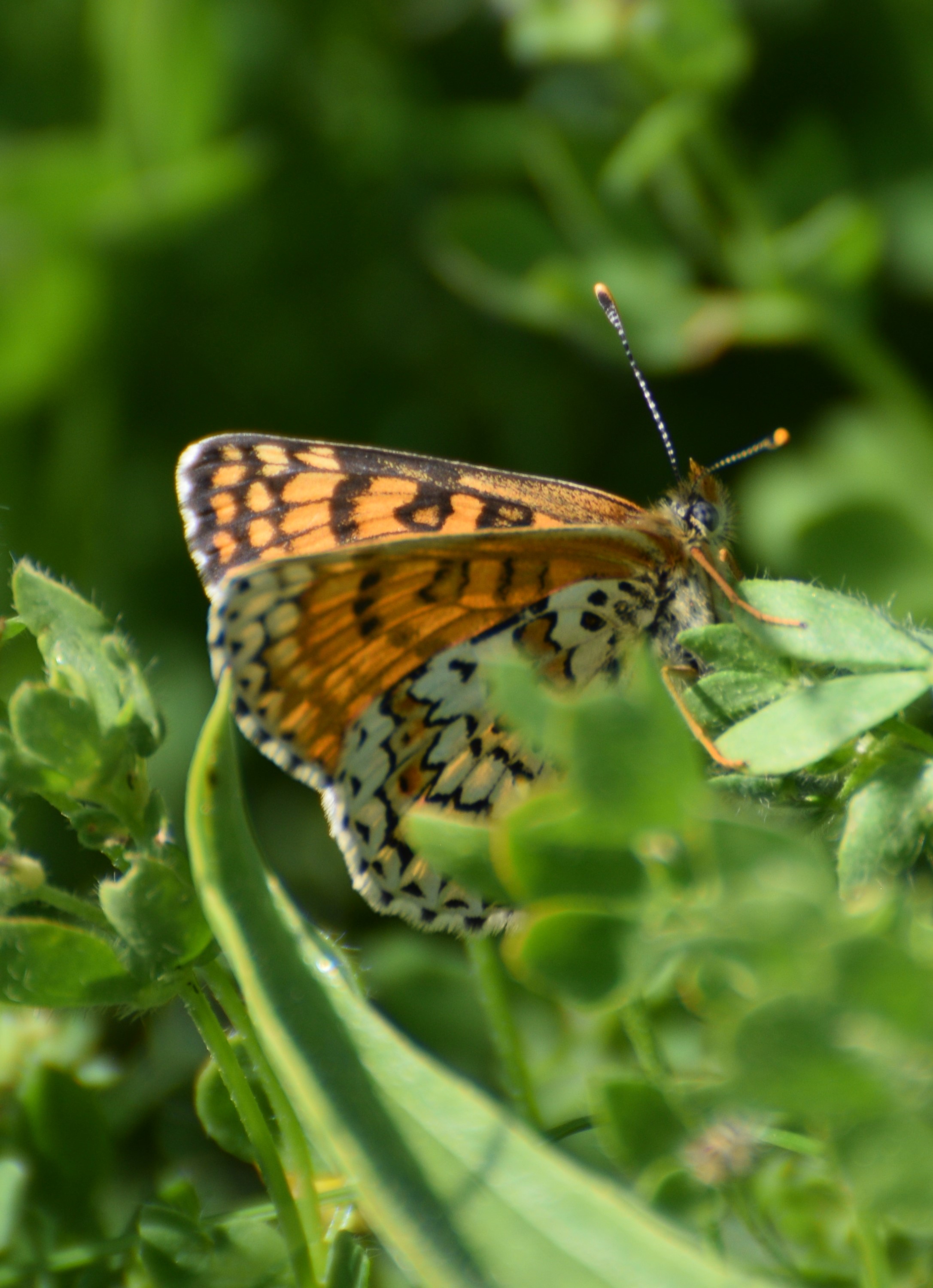
Glanville Fritillary — not seen very often in UK, except in the Channel Islands, Isle of Wight and far south.

Underwing of Glanville Fritillary
A bonus — Caterpillars of Muellin moth — easily spotted because they had eaten nearly all the Muellin — they are so bright that I doubt they taste very nice!

The chalk downs are home to many plants that are unfamiliar to us in the acid West:

Bee Orchid
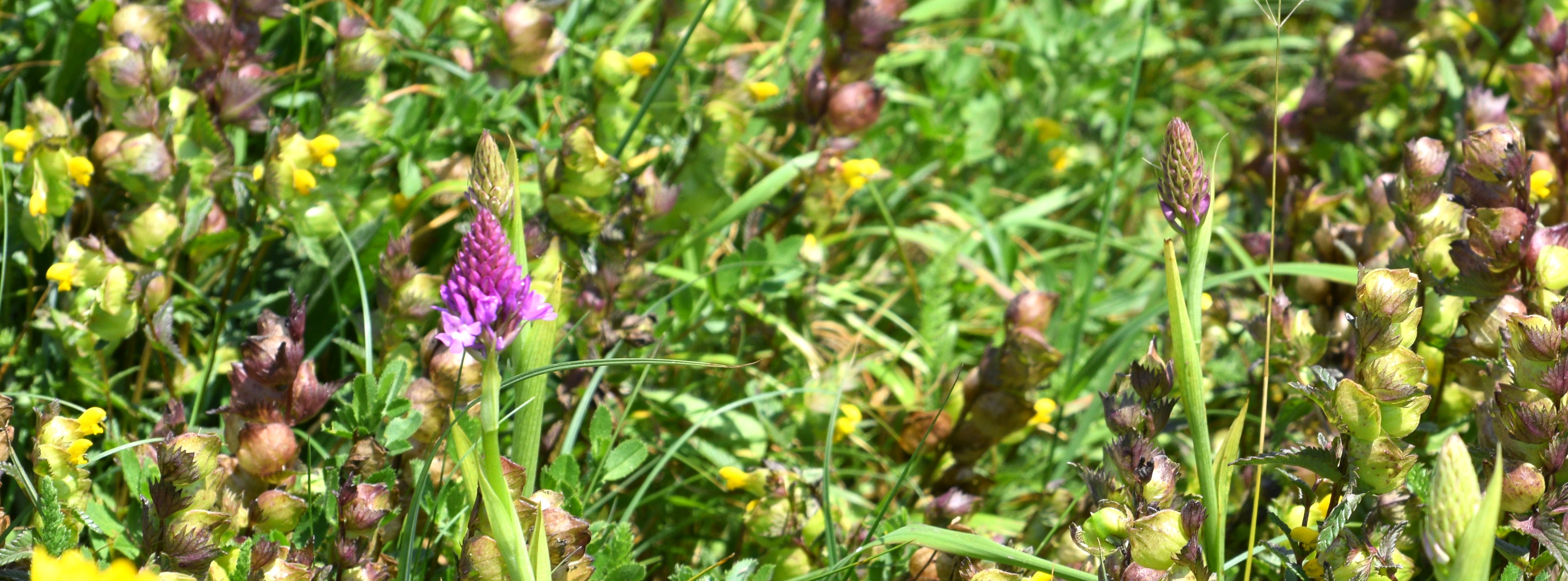
Pyramidal orchids amongst yellow rattle.
Broomrape

We kept our eyes open for white tailed eagles and had a good look at all the likely habitats on the island. At one place we spotted a large, dead, oak tree. As we were looking there was an avian kerfuffle with crows attacking a marsh harrier — we watched fascinated as the harrier returned to its nest among the reeds when suddenly a huge bird swooped down and attacked the harrier, carrying off something which may have been a chick. It carried it up into the oak tree and was almost immediately joined by its mate.

What a fluke, two white tailed eagles in an unpublicized nest. But that was not all — as we looked through the telescope — there was a chick.

Fuzzy image but definitely a chick! Because this may have been it’s first photo-call we have allowed time for it to fledge before publishing the image. What a privilege and adequate compensation for the bad weather!
Standard
Birds, Communication

Birdsong to herald the Spring!

Common Whitethroat

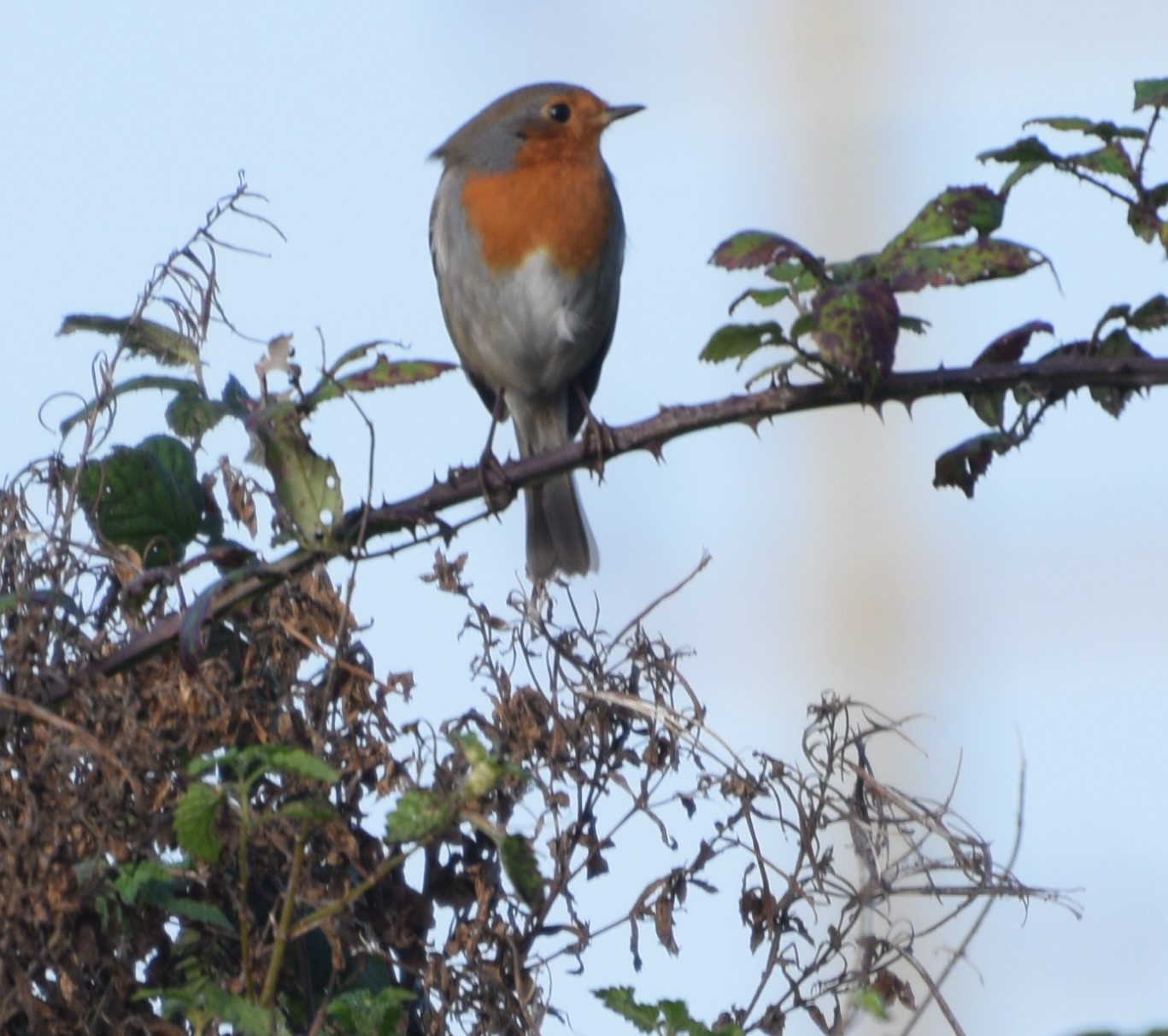
For the last few days we have rejoice in the sound of birdsong and been relieved that so many of our old friends have made it back from their winter quarters to boost the chorus of our native woodland dunnocks, robins and wrens.

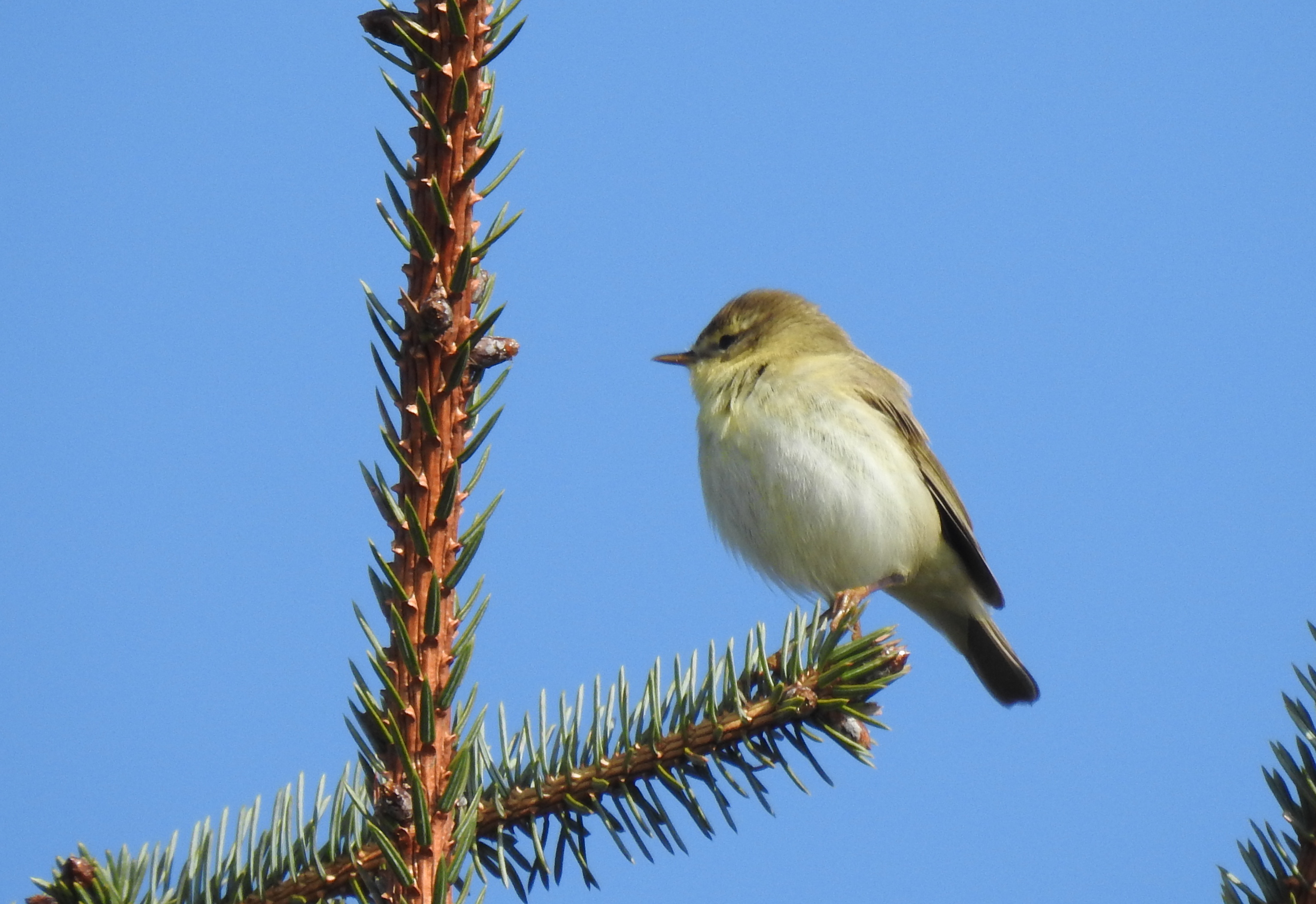
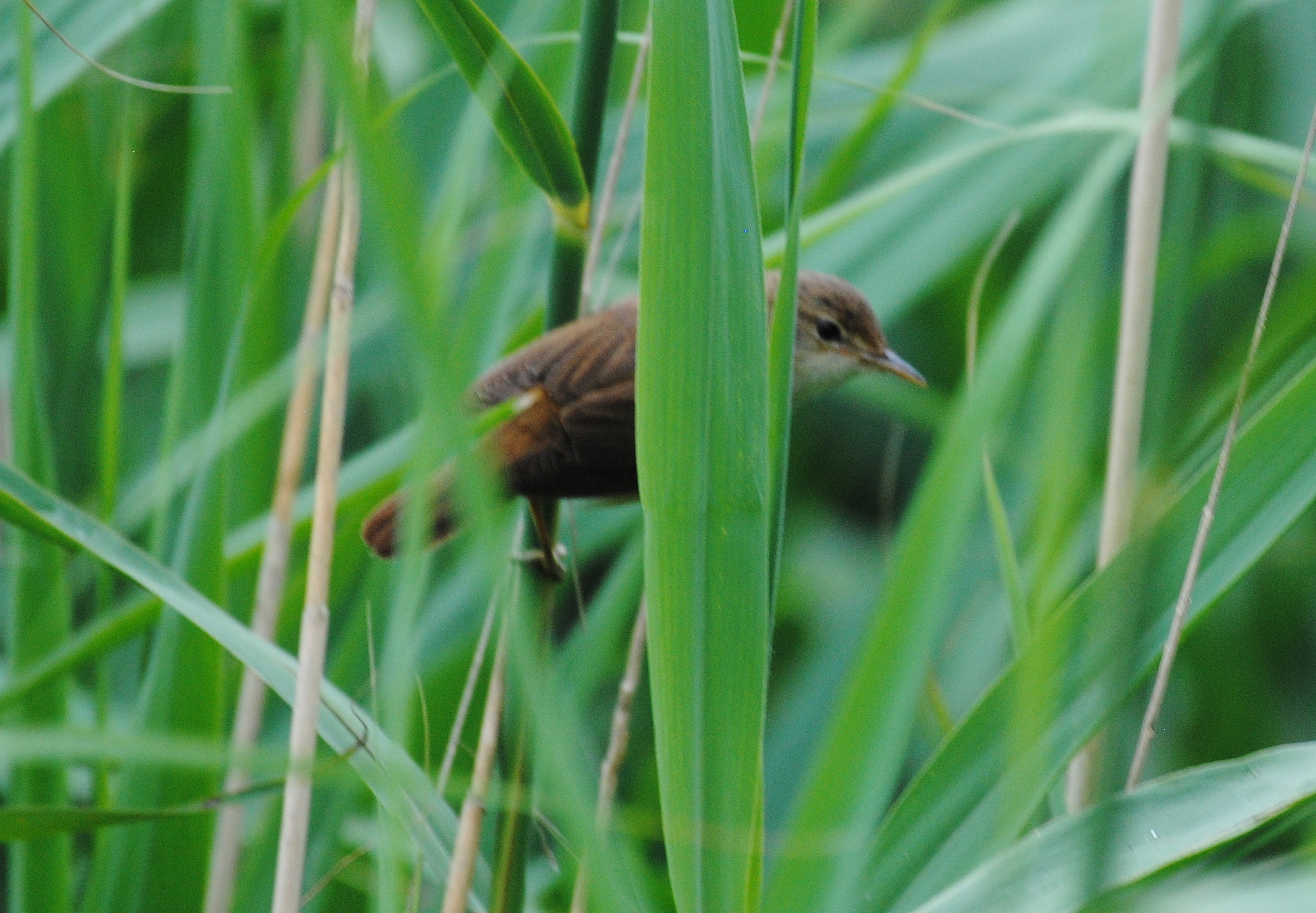
Suddenly the hedges are full of willow warblers in their minor key and the excited, raspy call of sedge warblers who suddenly throw themselves into the air, showing off to the female of his choice. Now the reed warblers join in with their lower, more guarded song. Evolution has taught them to conceal their location and that of their nest. Now they are all singing to attract a mate, all with their own particular refrain.

As you can see, to make things more interesting (with the exception of the reed warbler) they do not usually call from their eponymous habitats!

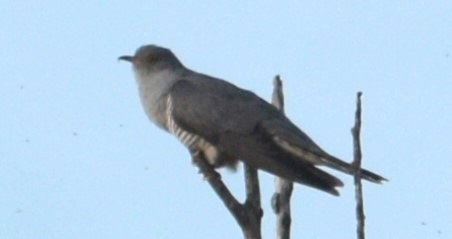
Everywhere we go we listen for the Cuckoo — this year everywhere we go we hear him. We hear him calling from all around but he flies always behind the trees so we cannot see him. This morning the sun was shinning and at last we saw one, here he is shouting from the highest branch, before taking off to advertise himself to the females on the other side of his large territory.

We heard a female cuckoo’s call back, said to sound like water going down a plug hole, to me it is more like the whinnying of a horse. She calls from cover while she stealthfully searches for the nests of any careless reed warbler or dunnock, who has given away her nest and left it unattended.

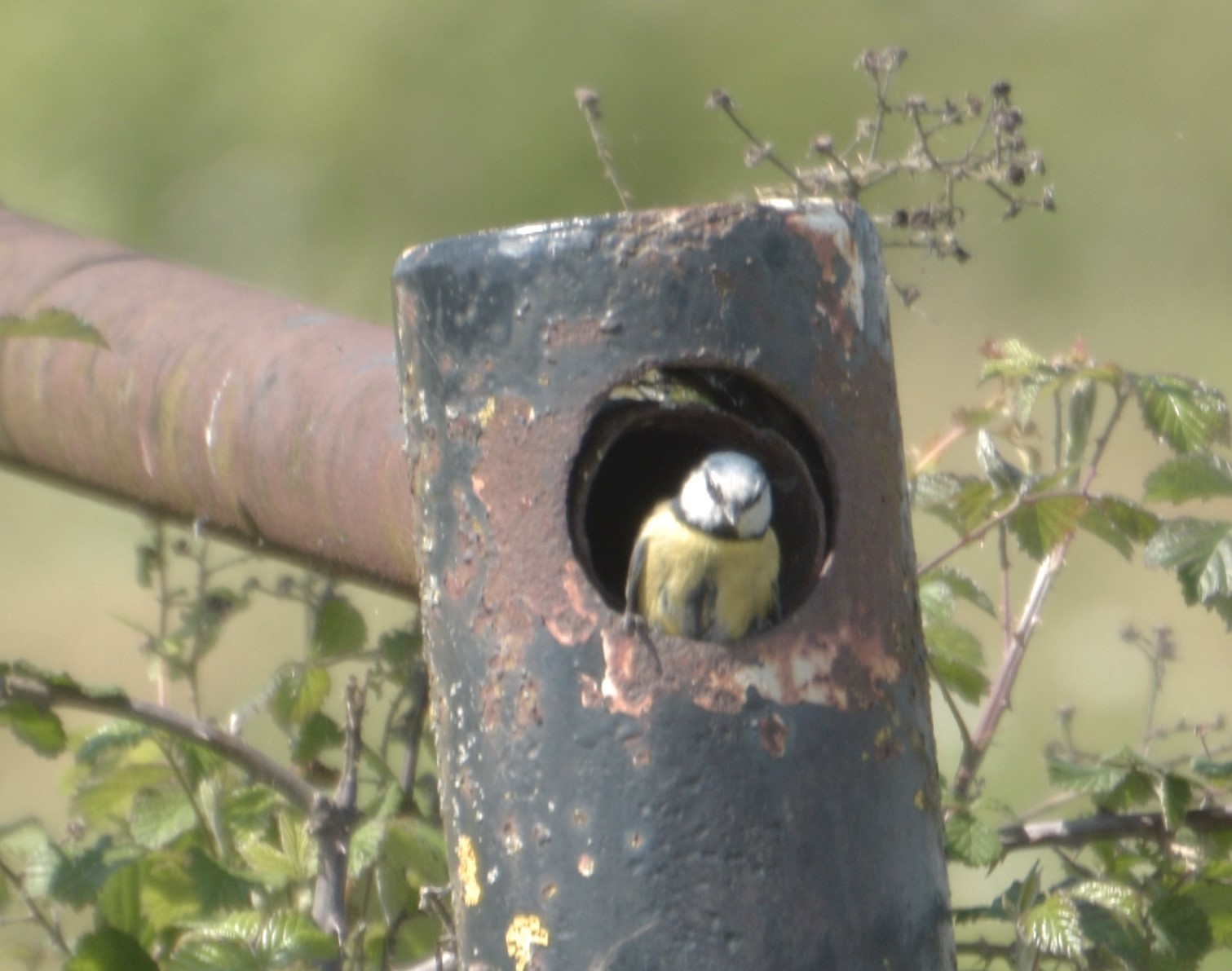
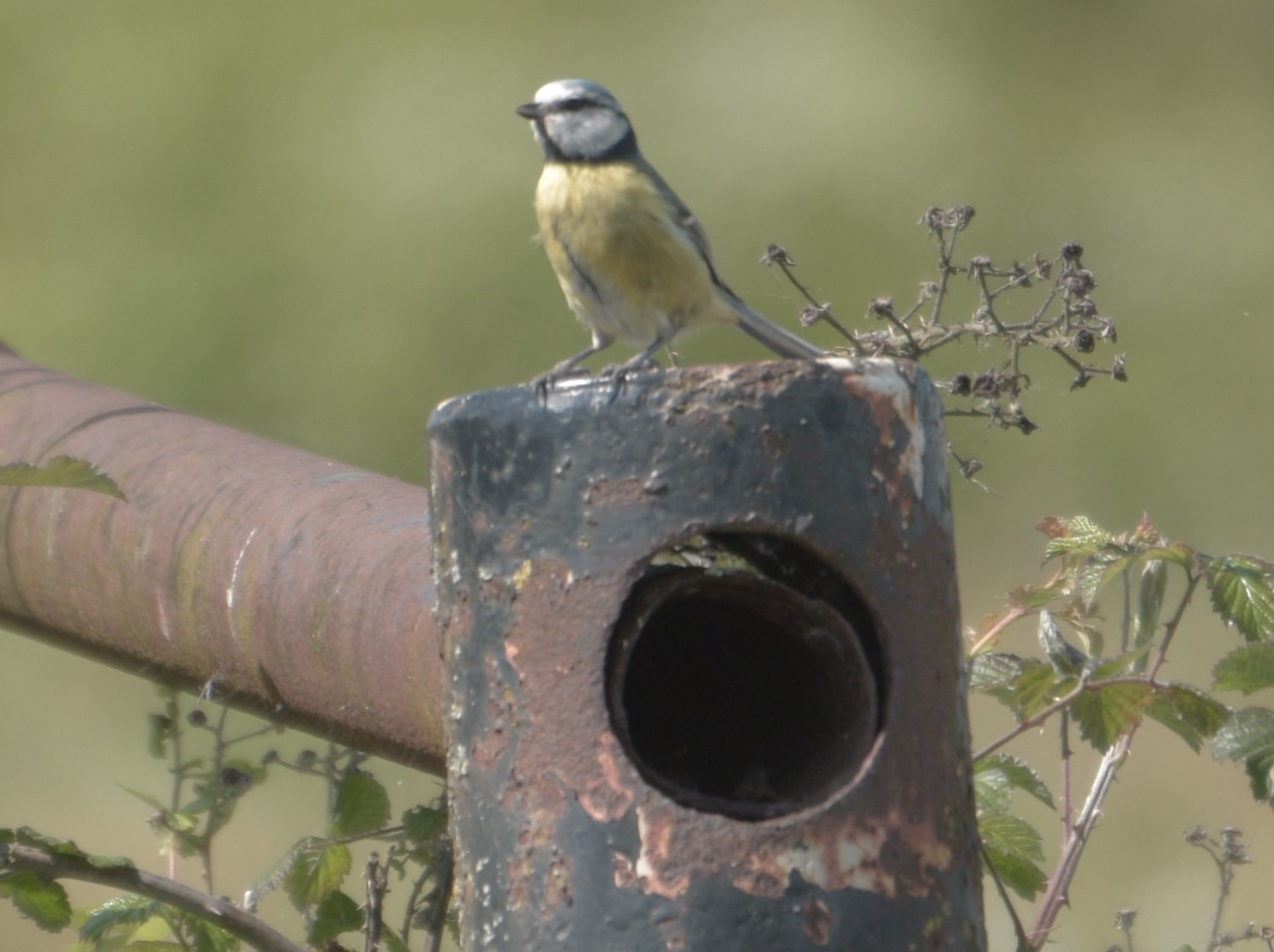
Down by the river we notice something swoop down and disappear into a hole — I stake it out with my camera. What is this?

A Blue Tit, nesting in a convenient rusty post.

One species is well ahead in the breeding stakes —

Tawny owl twins meet the world — sitting in the sun this morning.

Standard
Birds, Cornwall

Whimbrel Hunt

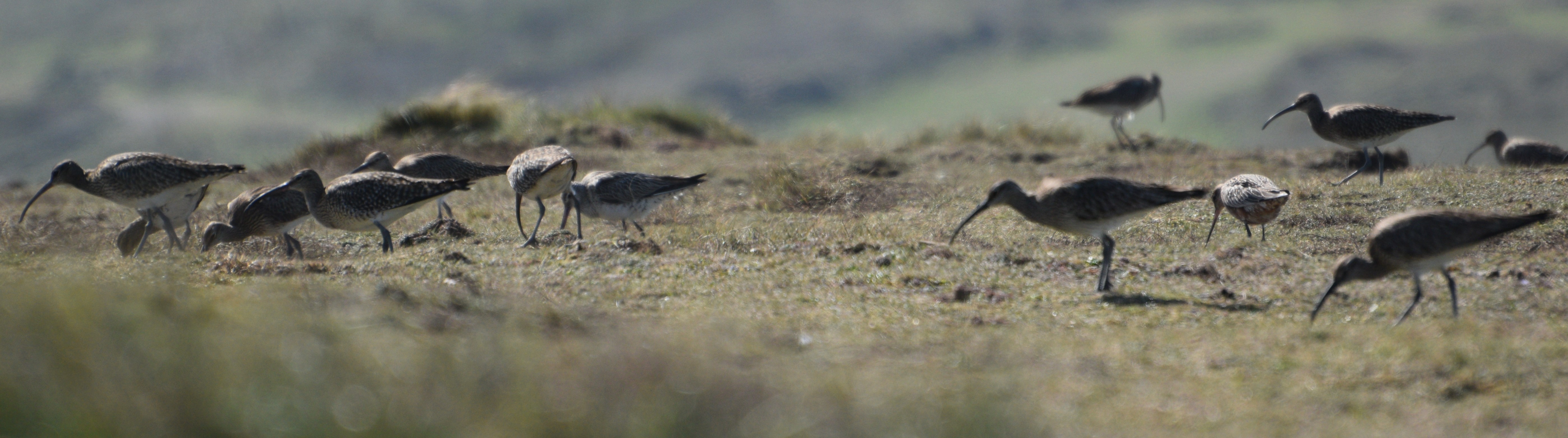
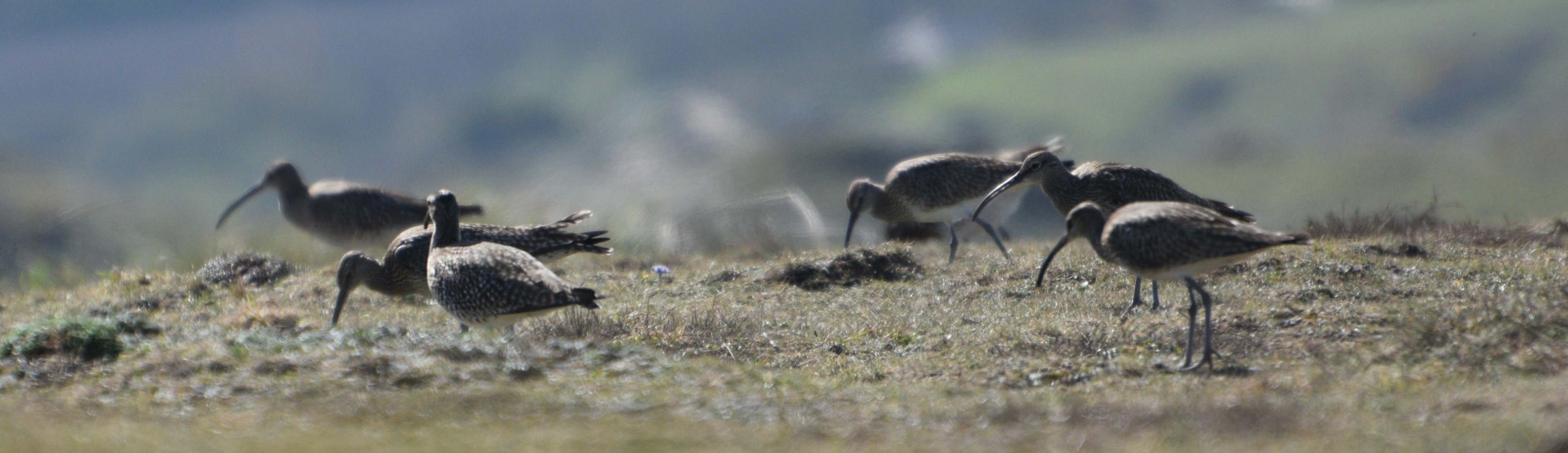
Just spent several days, in Cornwall, looking for this elusive bird, amongst other things — trying to spot it en-route between Africa and its breeding grounds in the sub-arctic, where it breeds as far south as Orkney, Shetland and the north of Scotland. They are the smaller of our two curlews.

They travel in groups, along the coasts of Britain, feeding as they go. Reported one day and gone the next! We missed them at Land’s End and at Boat Cove. At Godrevy, on our last evening we were scrambling on the rocky cliff edge scanning the rocks below when we were nearly knocked off the precarious path by a low flying squadron of huge birds. They had found us!

Twenty-four whimbrels with 2 godwits, stopping for an evening feed on the clifftop

Standard
Birds

A Lifetime First!

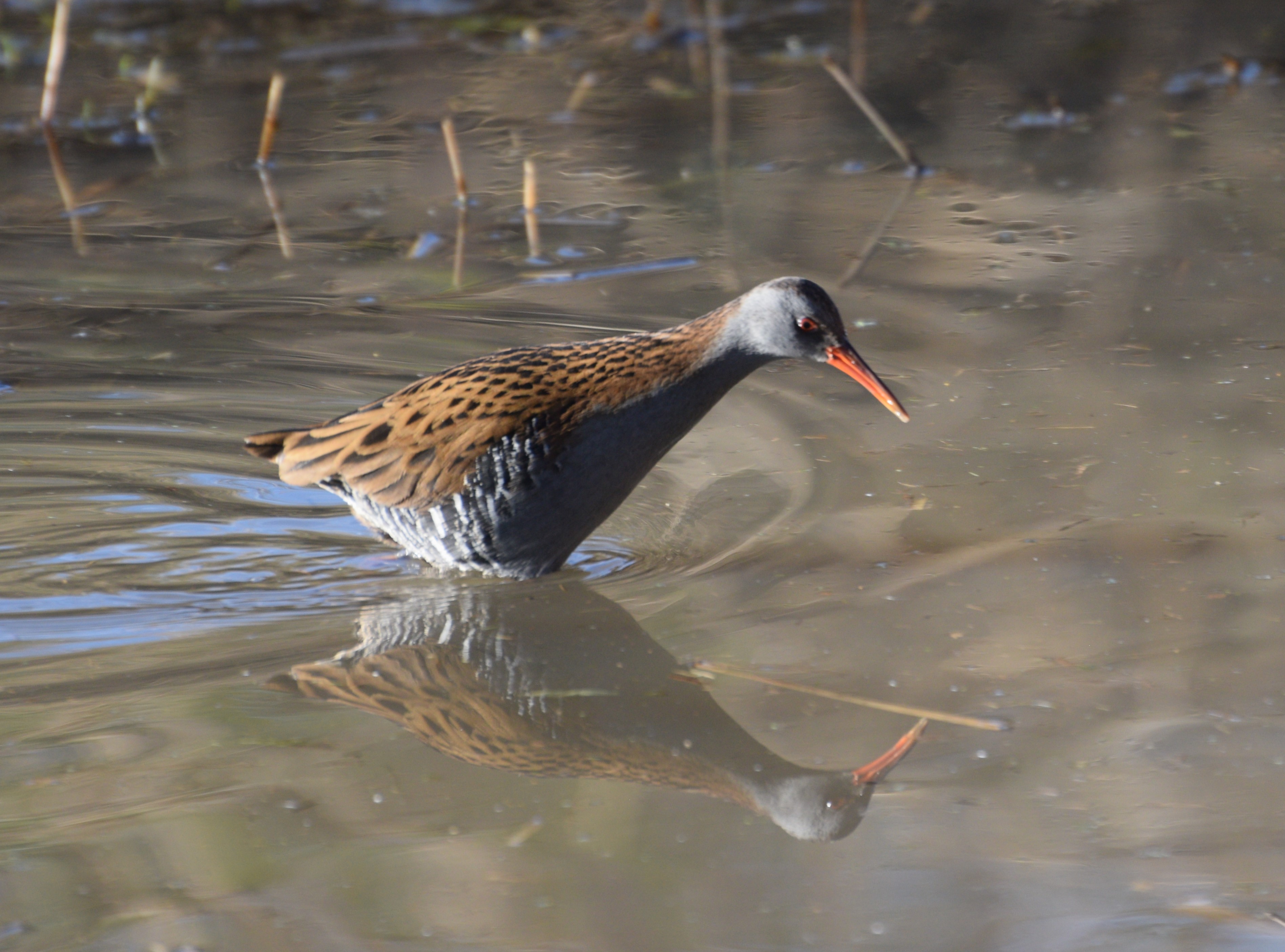
All my bird-watching days I have wanted to photograph a water rail. They are shy, busy birds that skulk in reed beds — people say ‘Oh yes, they are here.’ But they never show themselves to us. Just the occsional flash of a tail feather as they disappear into the reeds. Not even a burst of their alleged piglet-like squeal. Don’t bother to follow the call, as I did, unless you want to inspect your neighbour’s new weaners! 

Last week we went to Slimbridge looking for Bewick swans:

What did we find? A water rail! Bold as brass, trotting around the edges of a shallow pond.

What a beautiful bird and not at all reticent, just very focused on the hunt.

Oh, and what of the Bewicks?

Bewick swans at Slimbridge.

Not many, most were out and about grazing on the surrounding fields. But, what a bonus–

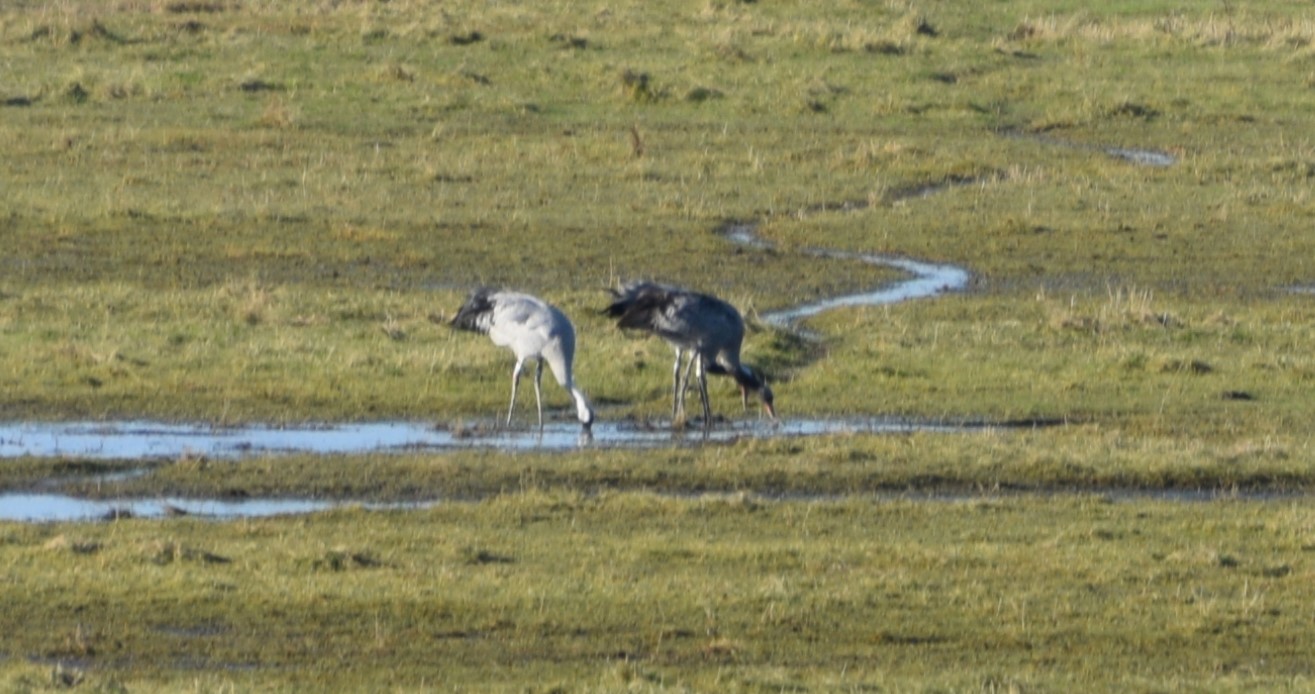
Two of the six wild common or Eurasian cranes we saw, grazing on the marsh.

They were wiped out in the UK in the 1600s and have only been seen again since 1979 — there has been lots of work re-introducing these iconic birds from captive breeding programs. In 2022 there were over 70 pairs breeding in the wild in the UK — mainly in the Eastern counties and the Somerset levels. We’ve seen them in the Nene Washes.

Common crane at Eldernell on the Nene
Standard
Birds

Camouflage!

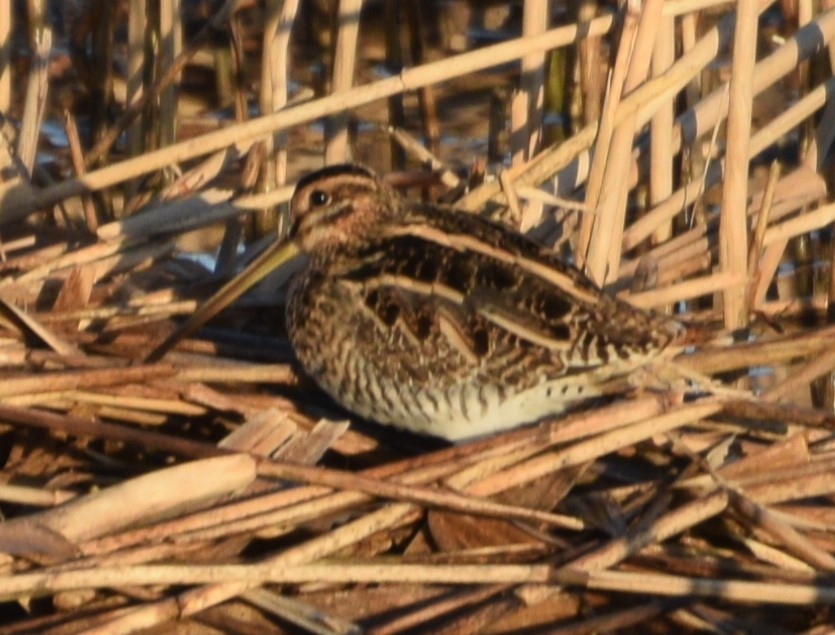
Can you see the Snipe? New Year’s Day visit to Rutland Water.

I’ll make it easier for you!

The more you look — the more you see. Just one of 46 species that we spotted on New Year’s Day.

Have a Happy 2024!

Standard