Communication, Doggy, Humour

Dog Friendly Accomodation

Not just dog friendly — pig friendly — horse friendly — duck friendly — goose friendly — and, yes, human friendly!

?????????????????????????????

We stayed in a place once, recommended by the Cornish Tourist Office as dog-friendly, where Pedro had to sleep in the car and the landlady sniffed at the gap under our bedroom door.  When we surprised her in the act, she accused my husband of smoking which he had not been doing (although he might have smelled of tobacco!)

Thus we are sceptical about such claims of tolerance and frienship.

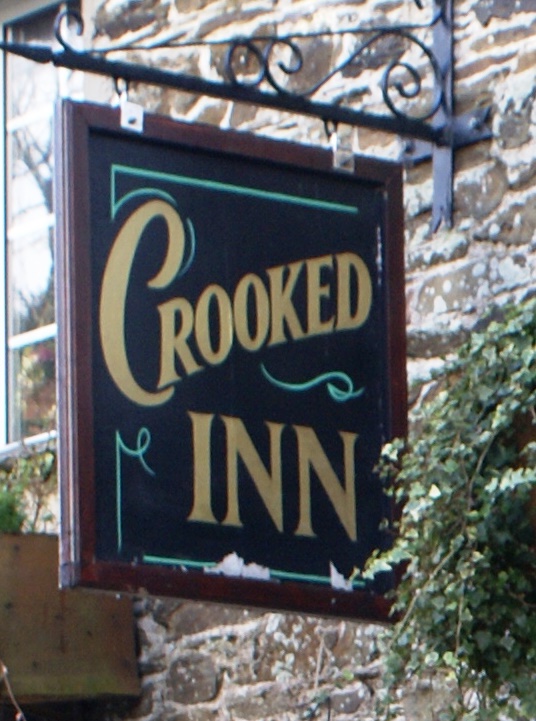
Not so at the Crooked Inn, Trematon, near Saltash, Cornwall, England (for far-away friends).

?????????????????????????????

Here we were welcomed by the host, a large, elderly, golden Labrador who met us in the car park and led us into the bar, explaining the rules to Pedro on the way under his breath.  Inside was a heaving Friday night bar where unseen wagging tails flagellated our passing legs.

Food was being served and dogs lolled under tables.  One of the locals was tired and emotional and obviously disliked tourists, he growled at Pedro and was bundled away by his friends several of whom then came over and introduced themselves.

In the dinning room, Pedro was calmed by under-floor heating and ate fat from excellent sirloin steak.

No one woofed in the night, not even when someone fell over a goose and set of the alarm.

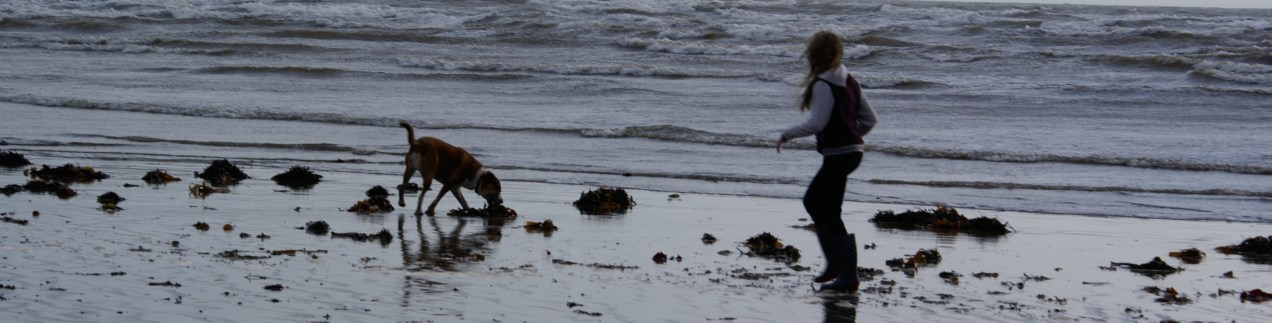
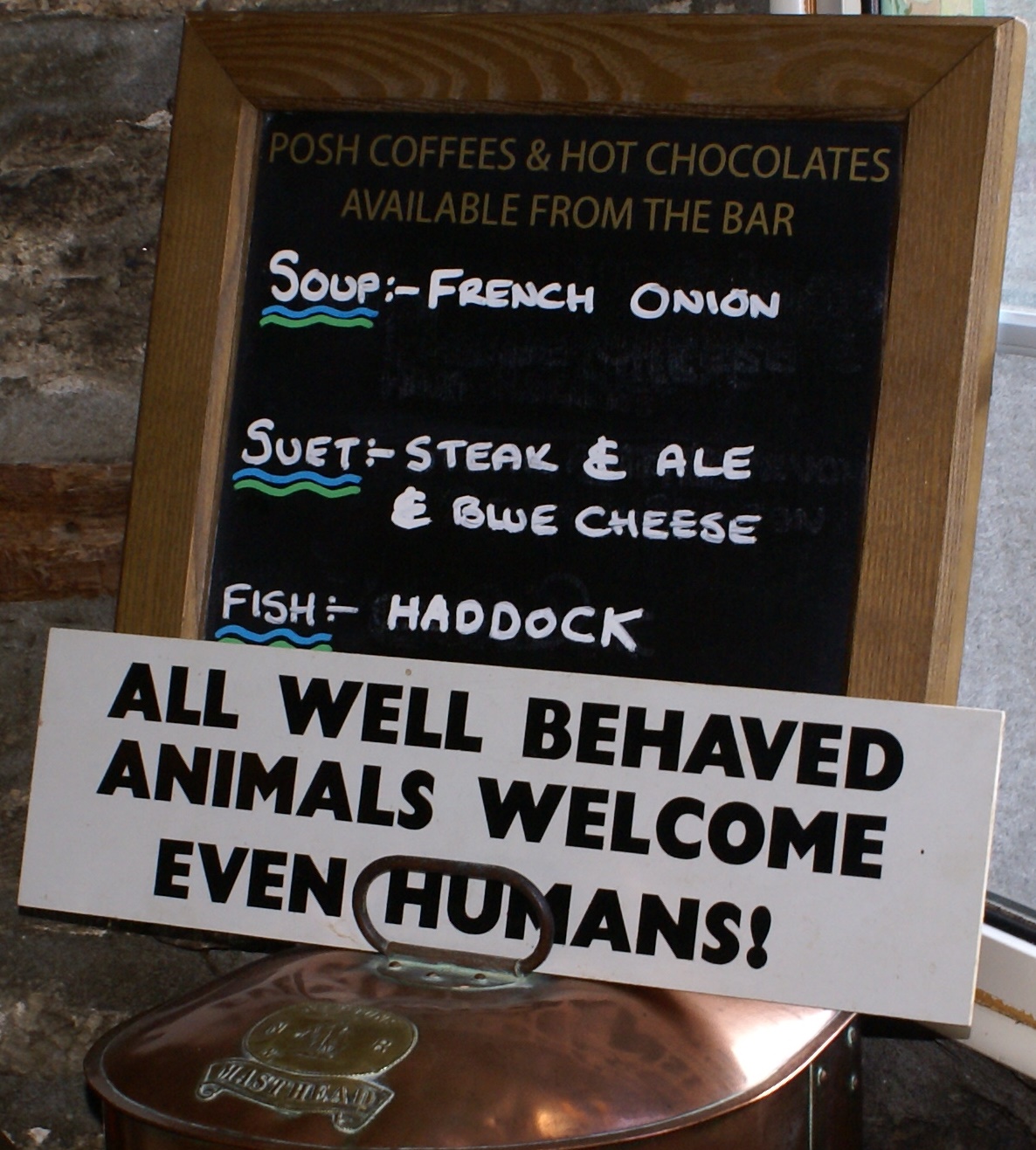
Breakfast was generous smoked haddock with a perfect poached egg, garnished with lemon and fresh lime.  Outside the huge pig wandered free, unmolested by the running dogs and ignored by the over-coated horse.  The puddle-ducks dabbled and the geese gaggled and Pedro prepared for the serious business of the day

?????????????????????????????

Standard
Communication, Humour

Only Puddleducks

Worst floods since 1756

We crossed the Somerset levels this week-end to visit family in Devon and Cornwall, the media warned of an impending apocalyptic storm, the prime minister acknowledged the plight of those whose farms and livelihoods  were already flooded and promised to dredge the rivers of Somerset.  Weather forecasts showed only swirling cloud completely obliterating our corner of western Europe.  We were foolish to set off.

It did rain most of the way to Plymouth.

We saw some swans preening in a vibrantly green field just east of Bridgewater.  We peered into the gloom waiting for the sea of flooded fields to appear.  The sun came out and we scanned the sky for rainbows, and for doves carrying twigs — there were none.

Where were the news men in galoshes standing on bridges about to be washed away and waiting for the record high tide at Burnham on Sea?  We did not expect the motorway to be submerged (we know that the clever civil engineers at least build their motorways higher than the flood plain) but from the high ground we had been led to expect diluvial vistas — silver fields.

?????????????????????????????

As far as the eye could see all was green, actually very green for the time of year and some of the streams looked alarmingly full, I give you that.

When we arrived at our destination I checked to see if the Somerset levels had been moved, perhaps to Norfolk where it is very flat or to Cumbria where it does rain a lot, but no they were still where I thought they were and still in the centre of a media storm.  Yes, that’s about it — a media storm.

?????????????????????????????

I wonder, is there something else going on — are they trying to distract us?

(Apologies if you have been flooded – please send photos! —  on 04.02.2014 the ‘storm ‘continues with a visit from HRH The Prince of Wales – for your information — an area of 25 sq miles is under water, that is equivalent to 5 miles by 5 miles, not a huge area in farming terms or compared with the area of the whole of the Somerset levels, it involves between 20-40 homes but is disrupting a lot more who feel that the problem is due to the government’s Environment Agency’s neglect of the river system. )
Standard
Communication

My dog can’t read

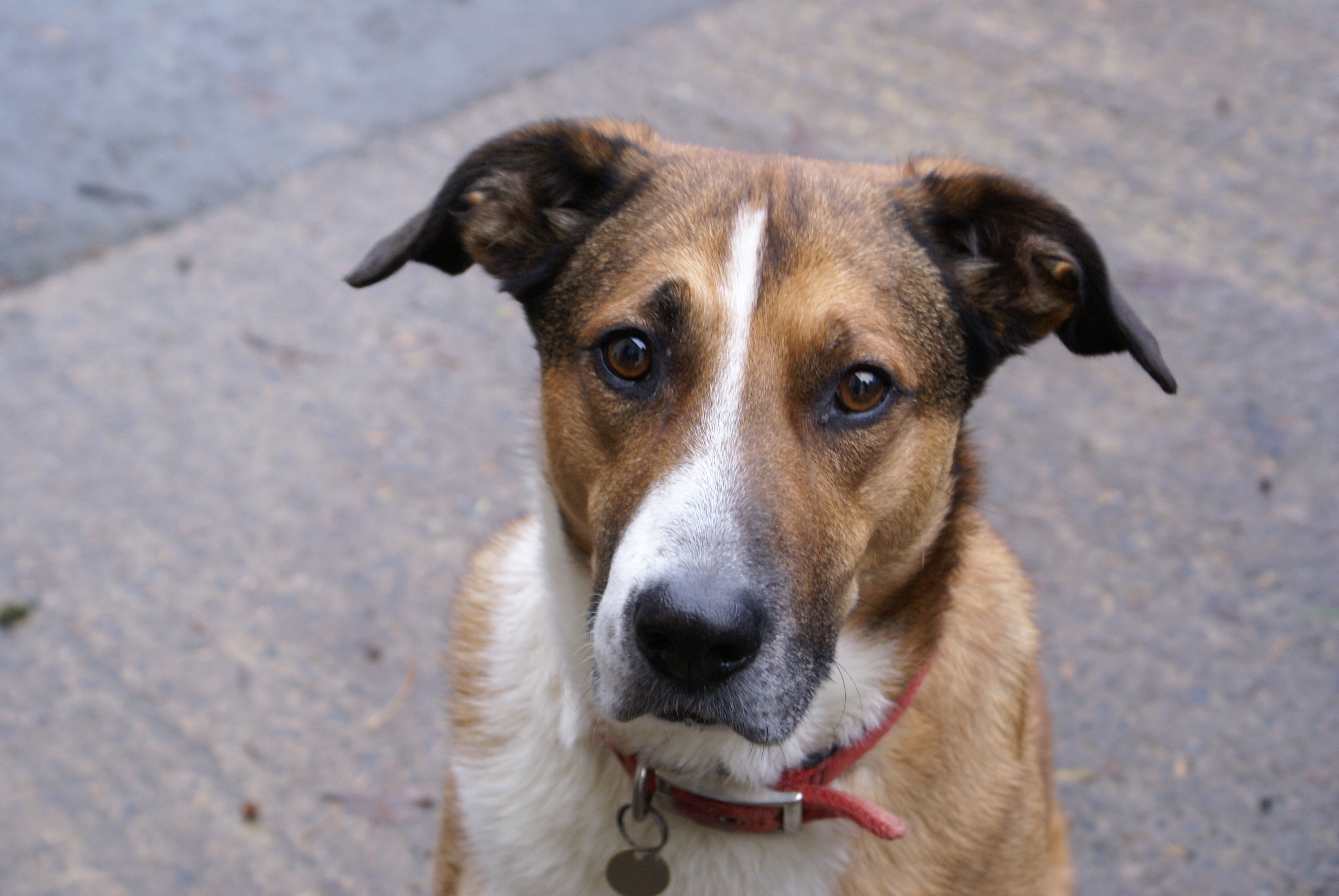
My dog can’t read – but he can smell where I’ve been.

He can eloquently remind me when I forget something in our shared routine.  He does this by urgently engaging my attention by gazing through my eyes into my mind then shooting a glance in the direction of the task that I have forgotten (usually one that he enjoys).  His body-clock is not, like mine, regulated by an unreliable stomach – it has pin-point accuracy, ‘Gosh, is that the time Pedro (that’s his name) you’re right, we’d better feed the sheep before it gets dark,’ or, more likely, ‘Alright!  Alright!  Don’t nag — I hadn‘t forgotten!’ which I had.

SONY DSC

‘What did you say?’ asks my husband.

‘I was talking to the dog!’

His empathy is as finely tuned as his sense of smell (the dog, not my husband).  He knows exactly what I am feeling and he is not alone in this – I read of a dentist who had the greatest difficulty in separating his blind and nervous client from his guide dog — you’ve never heard such a kerfuffle.  Not until the master had removed his fluorescent harness, rendering him off duty, would the dog sit edgily in the waiting room.

The point I’m trying to make is that in pursuit of more and more exacting verbal communication we may be missing something.

My dog can't text  but uses the internet- BT

My dog can’t text
but uses the internet-
BT

Non-verbal conversations can be the most eloquent, exchanged in an instant, are fluent in different languages, understood by other species and are rich in emotional content.

If you ask any parent who has a child on the other side of the world if they’d rather video-call or have a conventional telephone call they’ll tell you the importance of seeing their loved one’s face to know how they really are.

I suspect that, like everything in nature, the ability to talk without words is normally distributed, some of us have a lot of it and some of us have very little and most of us are somewhere in the middle.  I think that where we are on this spectrum is probably, like most things, a bit genetic and a bit learned.  I have had two babies, both normal: one arrived as a blank canvas and learned facial expression gradually by watching and mimicking, the other came out of the womb with, to our surprise, a complete repertoire of facial expressions.  Right from the beginning this child could express, pleasure, disgust, alarm, fear, pain, puzzlement, interest, attraction, satisfaction, surprise and wind.  Children like this are an open book and can engage more easily and earlier with others – we are not all born equal.

For those children born at the opposite end of the spectrum, endowed with little inherent understanding and deprived of opportunities to learn from others all those non-verbal cues that inform us about what other people (and my dog) are thinking, for whom other people’s thoughts are a mystery, life is confusing.  It is as if all their social interaction is by telephone. Worse than that: even the non-verbal elements of speech are removed; the secrets of prosody are hidden, the nuances of intonation and rhythm in speech that can change a statement into a challenge, or a rebuke, or a question, or just a ruminative echo.

The question is: when Nature alters brain structure or function a little further in one direction so that we notice it and call it a syndrome, what is it making room for?  What new possibilities may be opening to us.

I also read (in the Christmas Good Housekeeping, or maybe it was Prima – I went to the dentist this week) of a little boy with Asperger’s syndrome (which includes difficulties in understanding the non-verbal) who was helped by having a cat – this brings us full circle to my dog who has no words but communicates perfectly and could, like the cat in the article, teach others the art of non-verbal communication by repeated reinforcement without any parental pressure or angst.
?????????????????????????????

http://dailypost.wordpress.com/2013/12/09/multimedia-storytelling-challenge
Standard