trees

Historic Trees

This cedar at Charlecote seemed particularly monumental, then I read about these trees in Mary Elizabeth Lucy’s autobiography. She lived there from 1823. The beauty of trees is that they have long memories.

and can remind you of days gone by. Like this chestnut tree at Hever Castle, home of Anne Bolyne
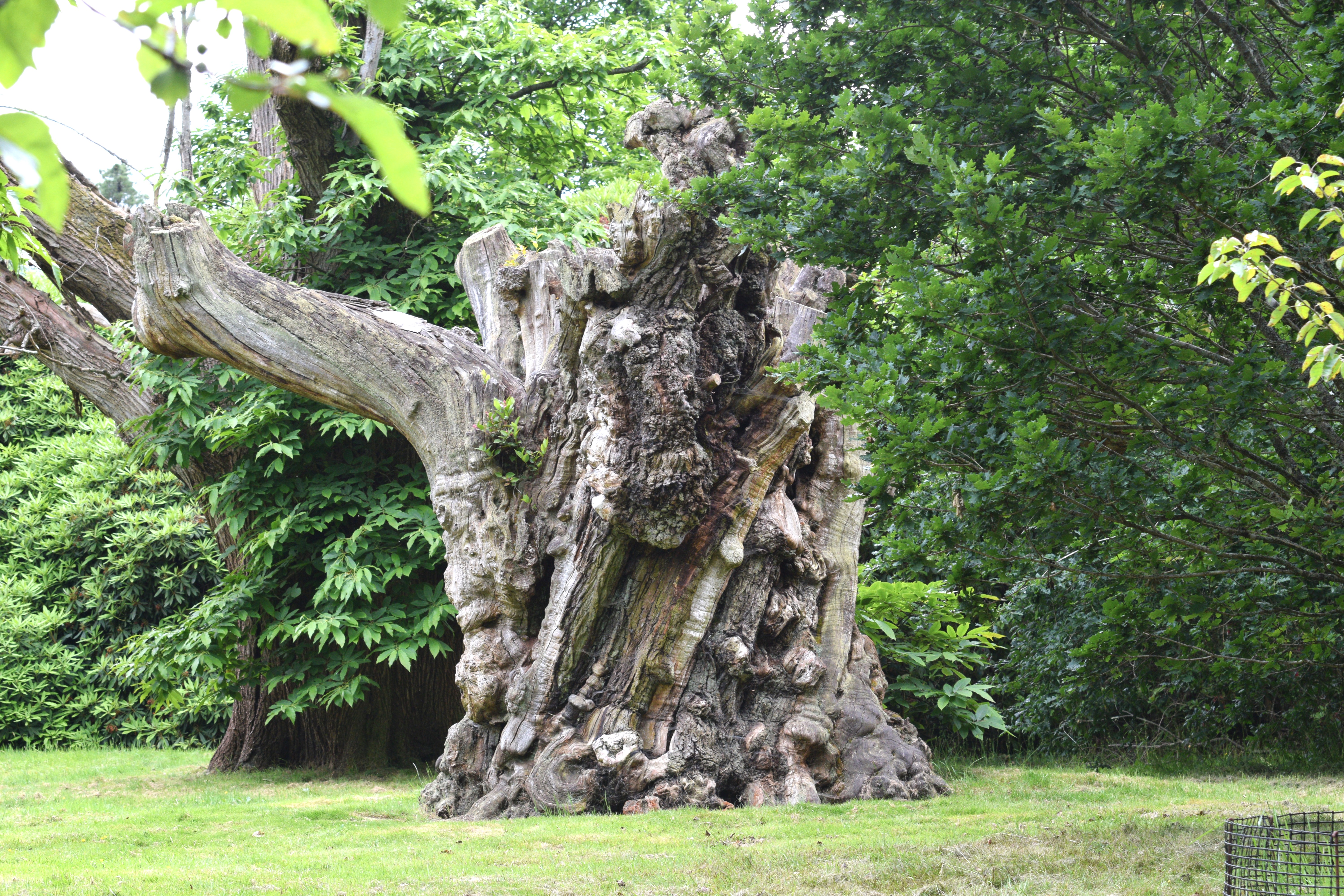
What tales it could tell; Henry VIII, cavorting in its shadow, but it is discrete, it looks away and stays mum, a survivor.

Here’s another survivor; a chestnut at Ightham mote, in Kent. You can tell its a sweet chestnut, even in winter, by its spiraling bark.
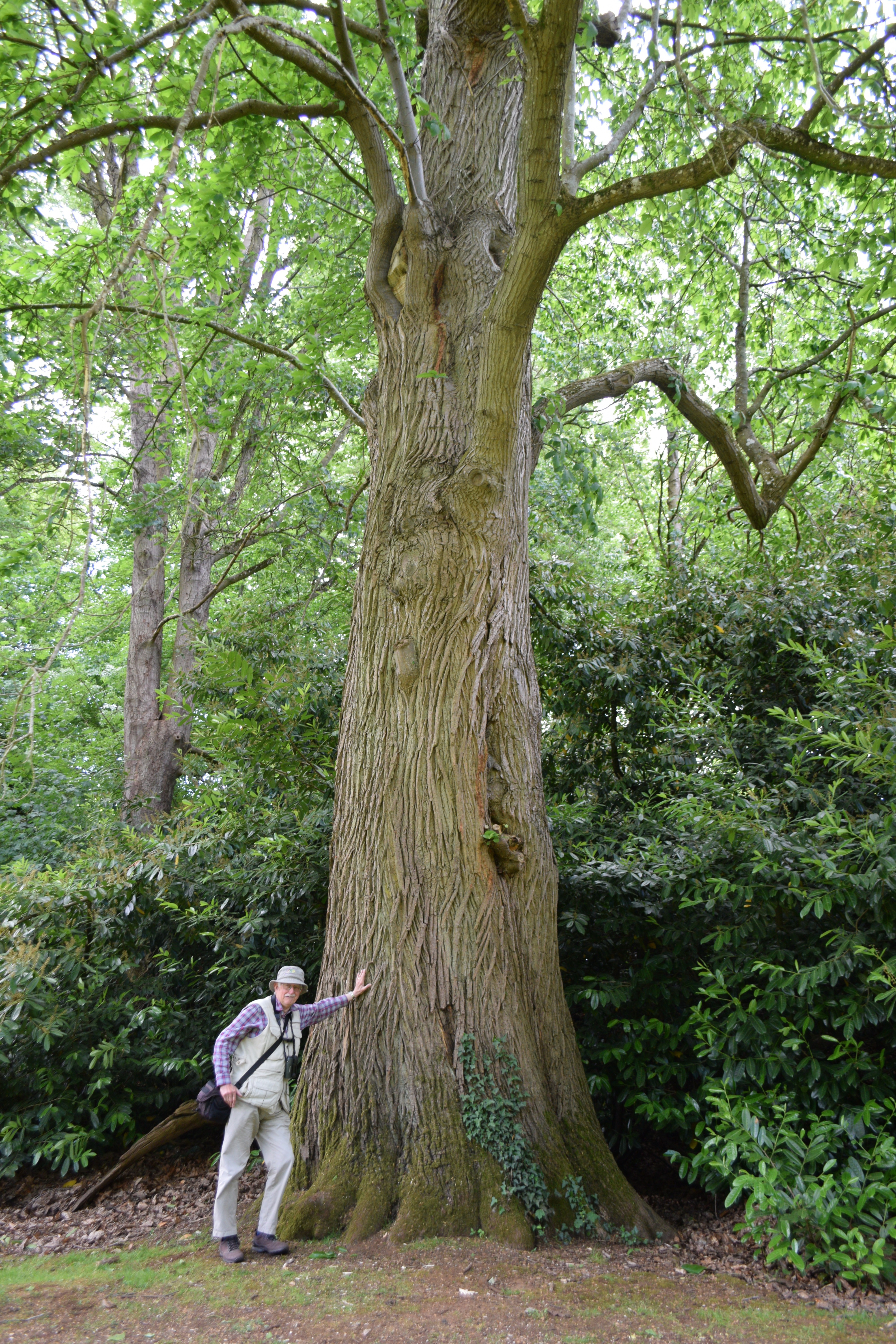
Here’s a relative youngster, not Bill, he’s there for scale — another chestnut, this time at Upton House. The heritage trees at National Trust Properties can be huge but don’t get the attention from visitors that they deserve. It’s usually on the way home that I wish I had brought my tape measure to record their girth and try to work out their age.

Monterey pines at Plas Newydd on the Anglesey bank of the Menai strait, only about the same age of me, but beautifully lopped by the tree surgeons of the National Trust, to grow straight and tall and strong.
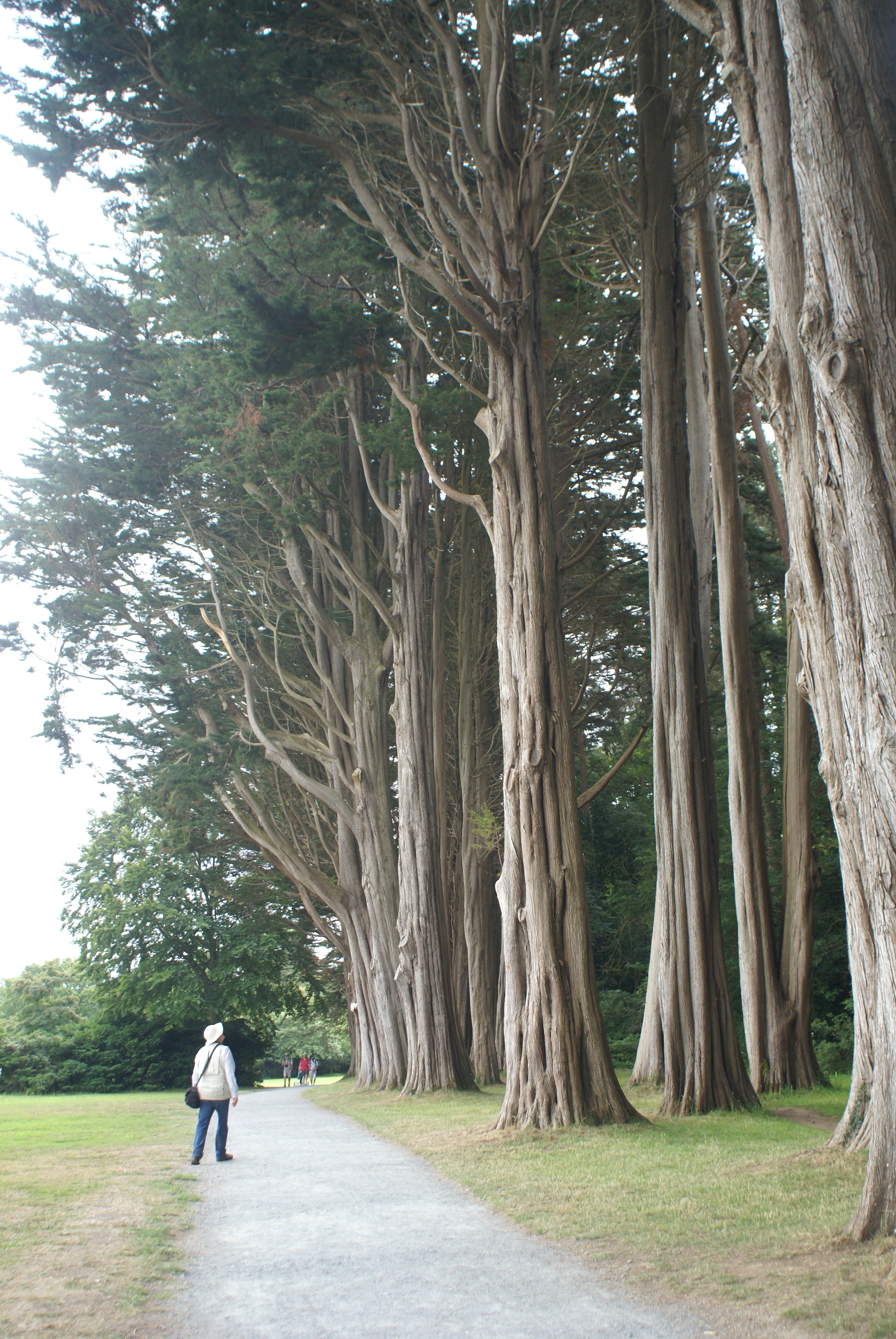
So few of our trees have the room to reach their full potential — or our hedges, for that matter!

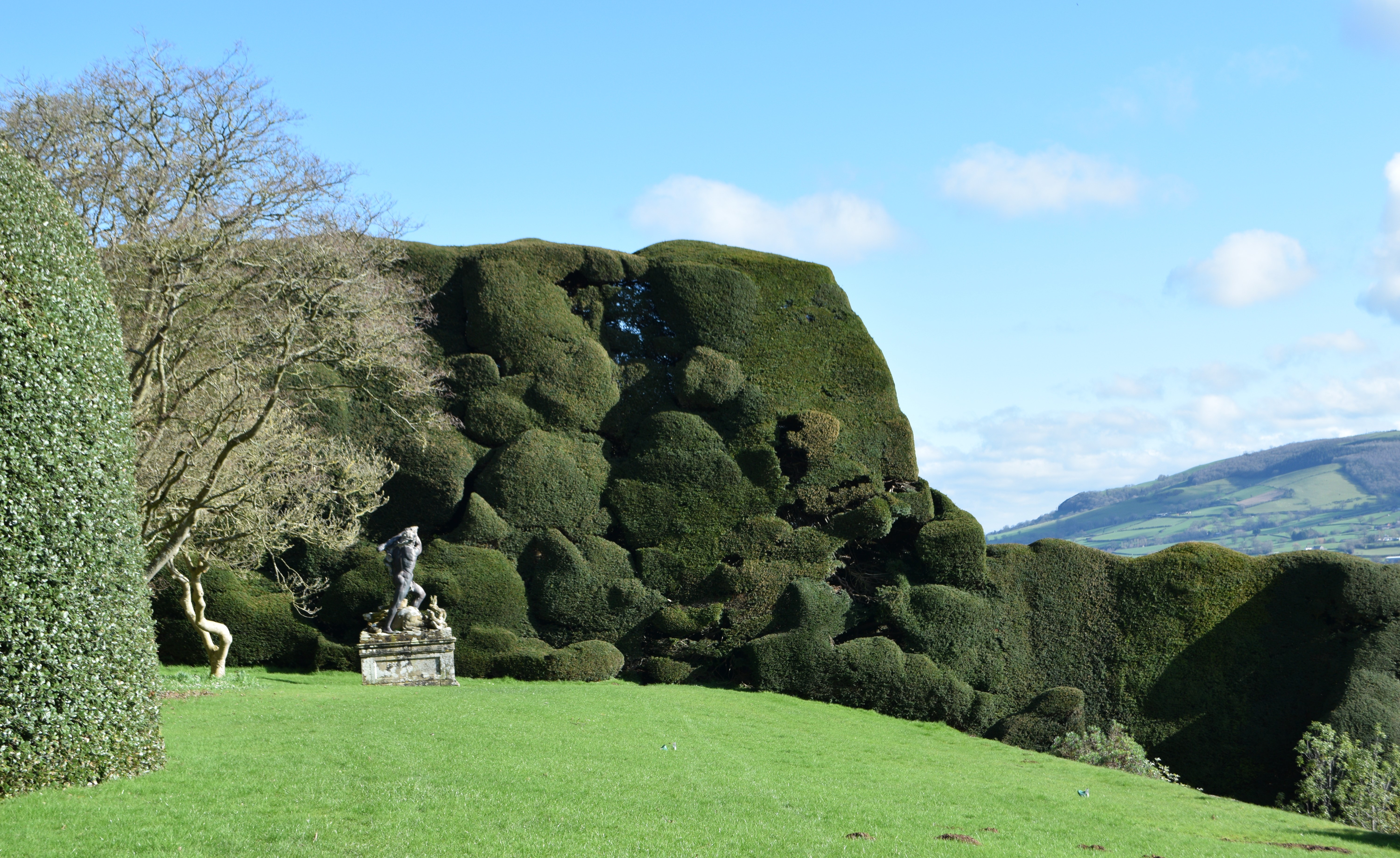
Here’s a hedge with attitude. Yew hedge at Powys Castle.
Standard
Natural Beauty, Nature Photography, trees

Relax in the Woods — it may never happen!

The hill above the house.
Anyone for angina?

An escape from the stresses of the week, here and in the States — I wish I could send you all the crispness of the air and the scent of the woods.

Standard
trees

An afterthought on my Oak post and a Plea

Welsh Oak is said to be taller and more upward stretching.

Welsh oak at home — tall and proud.

The English Oak is said to be broader and spreads more.

However, how the tree grows has a lot to do with the density of its planting. A single tree in the middle of a field will stretch out sideways, its fellow in a dense wood with shoot up (slowly) to find the light!

My friend Sue’s favourite oak — it lives in Wales but certainly spreads like an English Oak!

Large, old, spreading oaks have a tendency to split their crowns, so heavy are their outward stretched arms so they have evolved to rest their lower branches on the ground. This can annoy some gardeners who worry that the weight of these will actually cause the crown to split and they are tempted to cut them off, often also in the name of aesthetics, tidiness and ease of mowing.

The head-gardener at Cholmondeley Castle knows how to treat his charges — this wonderful old fellow is starting to rest more of its weight on its elbows.

Taking the strain off its old heart and supporting its crown.

Another bugbear of mine is ploughing around oaks — those wonderful freestanding old trees in the middle of fields of wheat, oilseed rape or pasture — it is sad to see them stunted and struggling in areas where farmers plough right up to the trunks, disrupting the superficial rootlets and associated fungal hyphae. Farmers who understand their trees leave a good wide area around them undisturbed and you can see the difference.

These great solitary oaks can live for hundreds of years, providing homes for all sorts of creatures and shade for stock — they are worth nurturing!

Old Oaks in Suffolk
Standard