Architecture, British history

Powis Castle

It has been very wet of late so when we have a sunny day, we drop everything and head off for a day out!

The Castle is famous since the injection of cash it received indirectly from Clive of India when his eldest son, Edward, married Henrietta Herbert, daughter of the Earl of Powys. The Herbert family were at the heart of the British aristocracy but had fallen on hard times. Edward’s father, Robert Clive was a sort of eighteenth century, colonial oligarch. He had had a brilliant career in India as an administrator of the East India Company, a soldier, politician and adventurer — accruing considerable celebrity and wealth which is just what a medieval castle needs!

Because of it’s association with Clive, I had always thought it dated from that period but I was quite wrong. It was built way back, by Gruffudd ap Gwenwynwyn, a prince of Wales, in the 13th century to defend himself against the princes of Gwynedd — it is one of the few surviving properly Welsh medieval castles. Most of the now famous ones were built by the English King Edward I to keep the Welsh princes in order.

It commands a magnificent view of the country around Welshpool from the terraced Italianate garden.

It is famous for its monumental and historic yew hedges.

The castle is packed with amazing furniture and art works which, sadly, cannot be photographed. There are paintings dating back to Tudor times — well worth the visit.

I was very impressed by the tasteful and historically sensitive lady’s lavatory.

As Bill was by the athletic lady outside the cafe who appeared to be drinking a yard of ale!

Standard
Friendship, Hill Farming

Vengeance!

Our not so imaginary neighbor, Iolo, continues to exact vengeance for the naive notion that we might have what it takes to be hill farmers. The inspiration for this character is, in reality, a humorous and generous man, but one who cannot bear to see things, that should be done, left undone. He, like us, is now ancient but his drive and energy are legendary.

Woodpile 2015

Recently we have seen him anxiously eyeing our log pile — cut 9 years ago. Bill said, ‘I can see it is worrying him’, and well it might — all that useful timber edging over the limit of well seasoned into the realm of porous, wet and rotting, something should be done!

When I see one of the younger members of his family, I do something — I arrange for them to come with their tractor saw-bench and chop it all up so we can stack it in the dry for burning in the wood burner next winter — rates were discussed. ’Dad will want to supervise — it’s his kit but he’s not very well at the moment — we’ll arrange to come when he’s better’.

That was all Iolo needed — next day, shortly after a frosty dawn, we heard a strange noise, ‘That can’t be a night jar? It sounds like a distant chain saw?’

There he was, not a tractor in sight, but Iolo attacking our log pile like a man possessed. The worst thing about a chain saw is starting it — once roaring away only a fool would stop it — Iolo is no fool, so on he roared while, shamed, we carted the great cheeses down to the new wood pile and graded and piled them in the dry.

Great inroads — couldn’t photograph the master at work — too busy carting.

Later we re-possessed the shared log-splitter from Roger, next door, and after a refresher course and explanation of recent modifications we split the big ones — no splinters, no fingers removed! 

Standard
Birds

A Lifetime First!

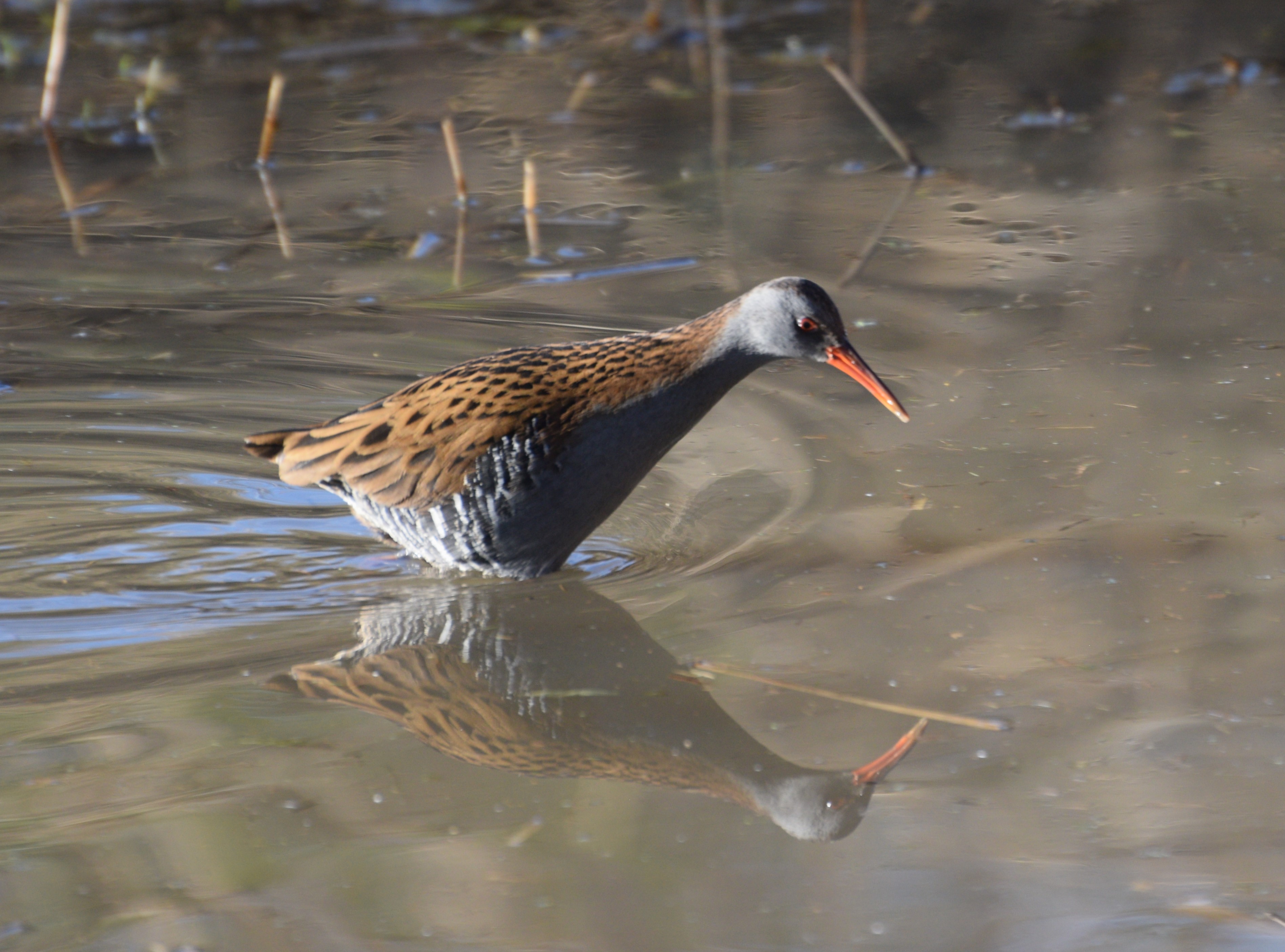
All my bird-watching days I have wanted to photograph a water rail. They are shy, busy birds that skulk in reed beds — people say ‘Oh yes, they are here.’ But they never show themselves to us. Just the occsional flash of a tail feather as they disappear into the reeds. Not even a burst of their alleged piglet-like squeal. Don’t bother to follow the call, as I did, unless you want to inspect your neighbour’s new weaners! 

Last week we went to Slimbridge looking for Bewick swans:

What did we find? A water rail! Bold as brass, trotting around the edges of a shallow pond.

What a beautiful bird and not at all reticent, just very focused on the hunt.

Oh, and what of the Bewicks?

Bewick swans at Slimbridge.

Not many, most were out and about grazing on the surrounding fields. But, what a bonus–

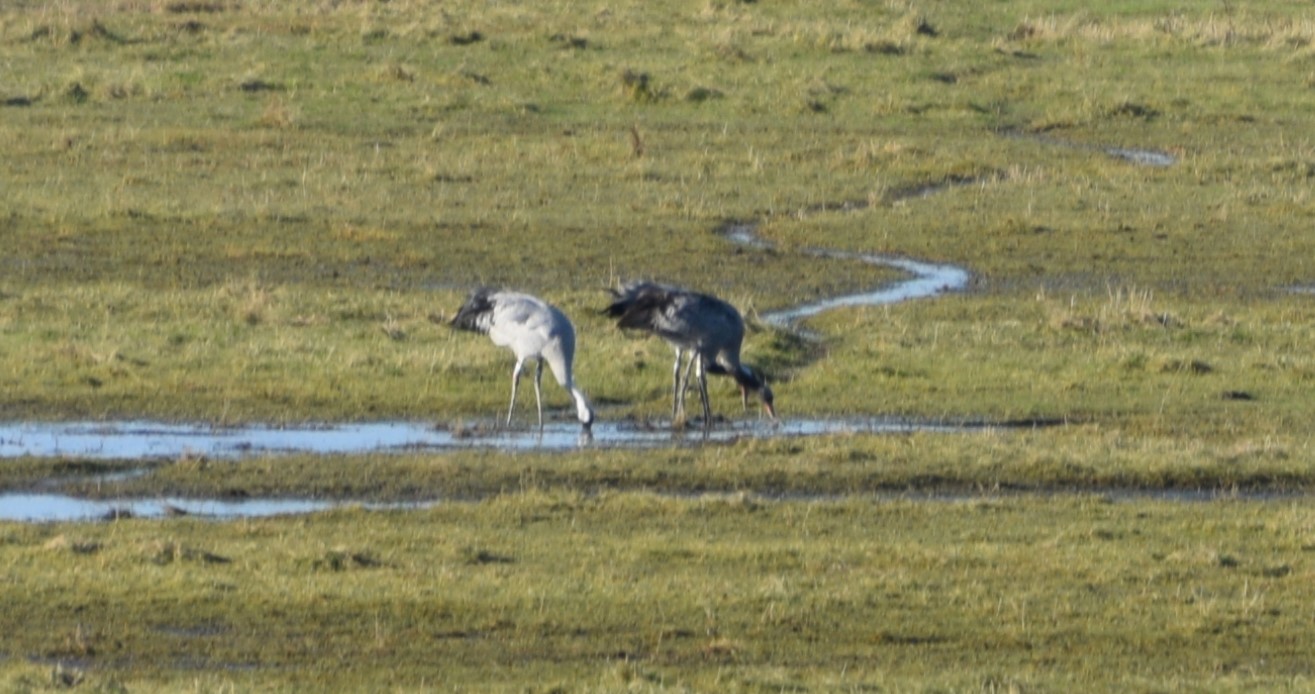
Two of the six wild common or Eurasian cranes we saw, grazing on the marsh.

They were wiped out in the UK in the 1600s and have only been seen again since 1979 — there has been lots of work re-introducing these iconic birds from captive breeding programs. In 2022 there were over 70 pairs breeding in the wild in the UK — mainly in the Eastern counties and the Somerset levels. We’ve seen them in the Nene Washes.

Common crane at Eldernell on the Nene
Standard
Birds

Camouflage!

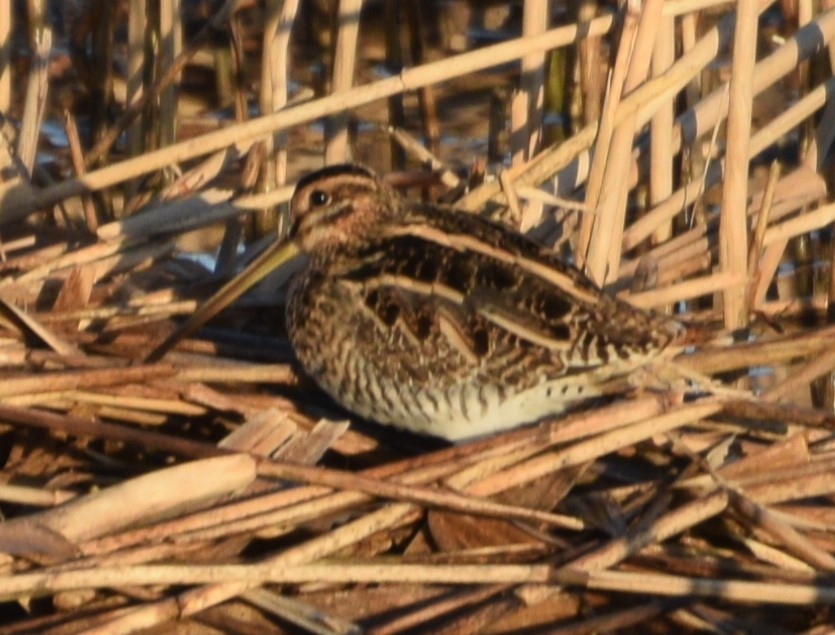
Can you see the Snipe? New Year’s Day visit to Rutland Water.

I’ll make it easier for you!

The more you look — the more you see. Just one of 46 species that we spotted on New Year’s Day.

Have a Happy 2024!

Standard
Writing

Kindle Promotion!

Clinical Press have asked me to tell all my friends that Kindle are promoting my book over the Christmas period so for 99p you can have an amusing distraction from the distension of your abdomen or the depressing nature of the news. Here is the link https://www.amazon.co.uk/dp/B09TQ1WGLB

Standard
Friendship

Christmas Greetings!

Best wishes at this testing time to all my followers throughout the world. As the gods of our forefathers have been hijacked by ambitious humans for their own ends, platitudes stick in my throat so I’ll just send you all a little love.

Standard
Birds

Wait for it…

This is not the Christmas Blog.

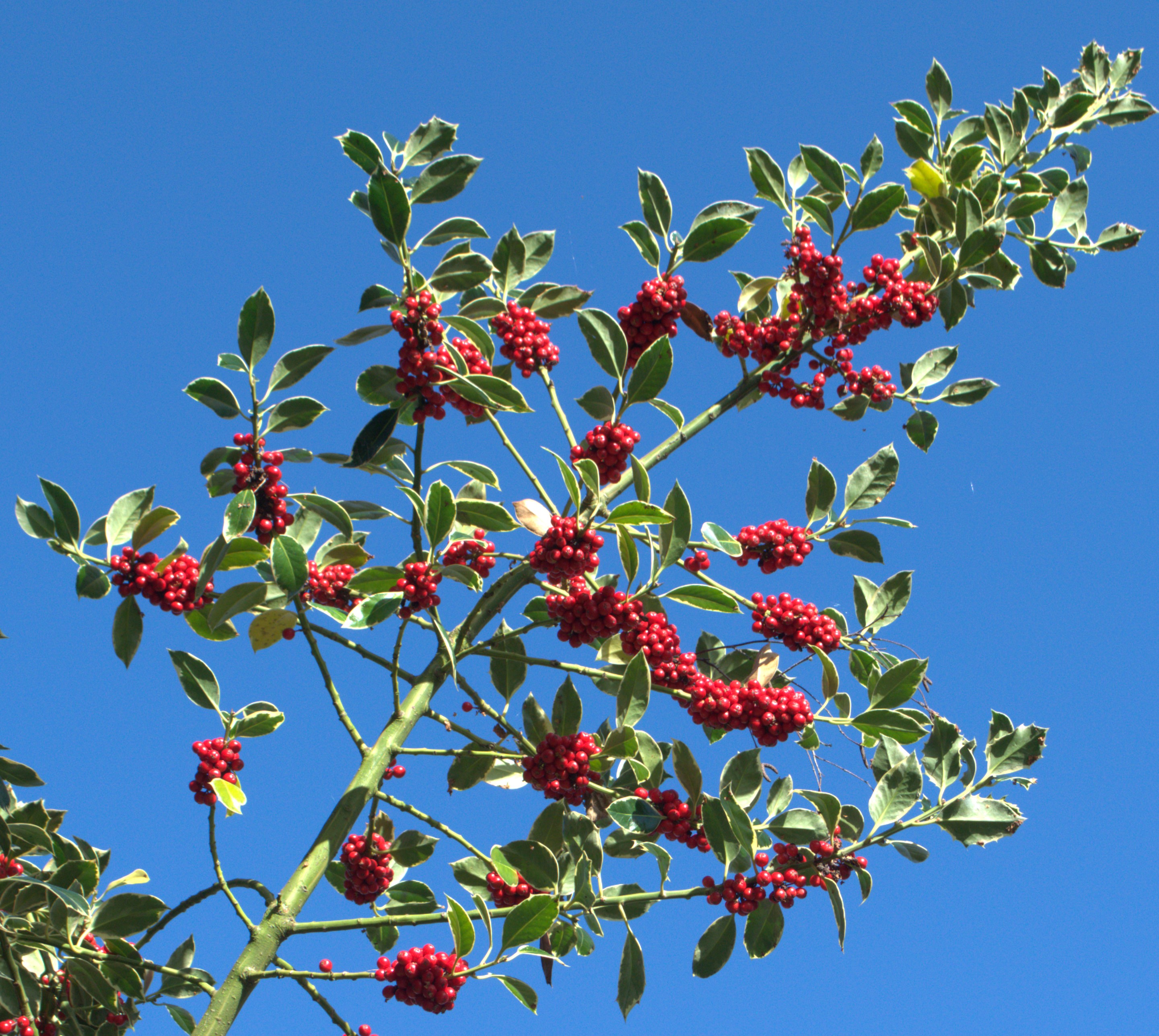
But it’s been an amazing year for holly — I’ve never seen so many berries. Nor such huge haws.

And the Mistletoe is marvelous.

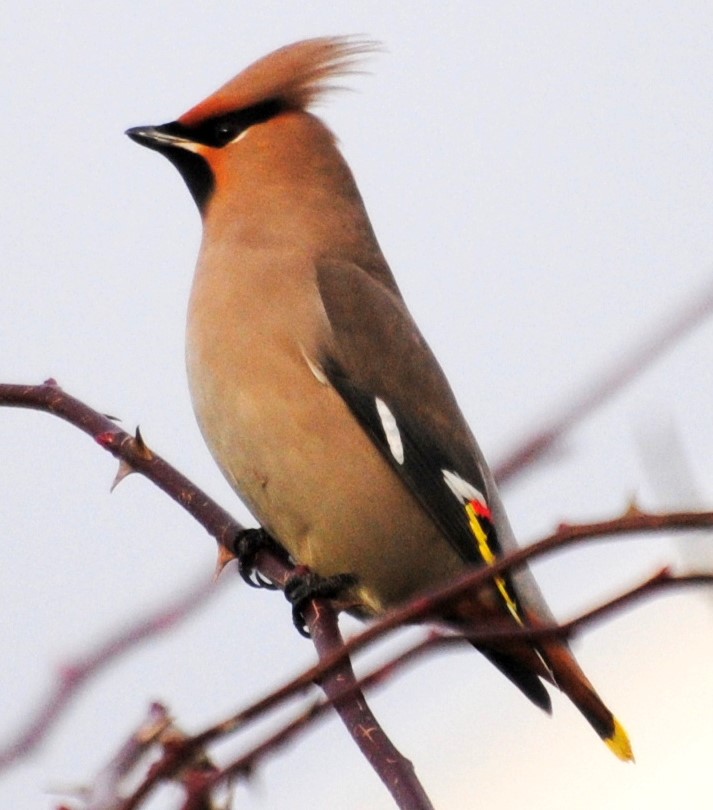
It all bodes well for a good Christmas but we are waiting for the long predicted Waxwings to appear.

These beautiful birds live in Scandinavia but head south in winter in search of food. This is one of those exceptional years when food is thin in the trees at home and the winds have been northerly. There have been lots of sightings as they following the berries, coming further south and west as they denude the trees. We got up before dawn to sneak into Newtown College car park where there are still rowan berries, their favorite… To no avail. Maybe there is so much to eat in the North of England that they will never get to Northamptonshire where Bill photographed this one in 2013 — the last exceptional year

Waxwing in Barton Seagrave 2013.

Standard
Climate, Welsh culture

101 ways to overwhelm the NHS!

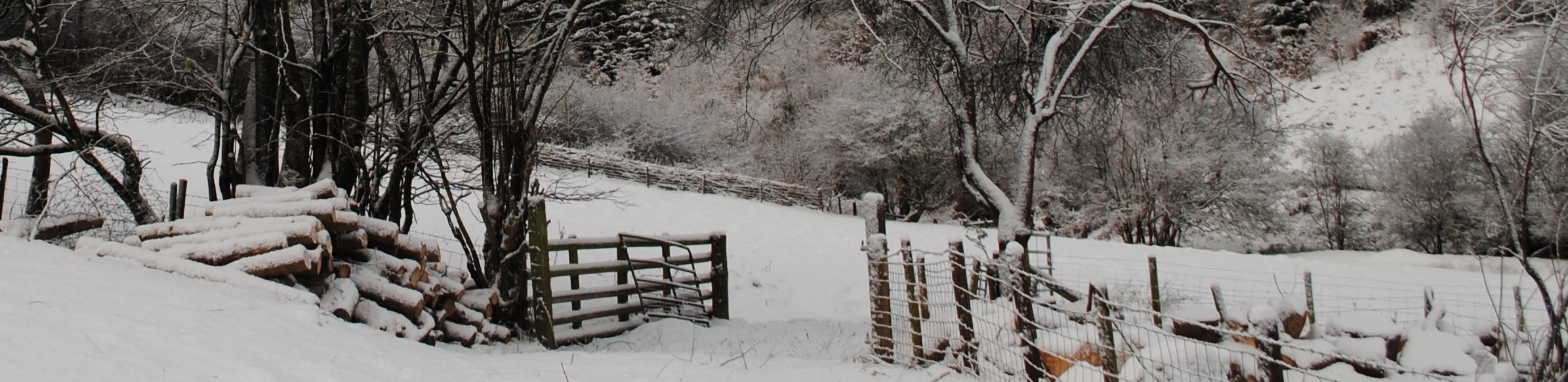
Yesterday was grey — the thick, wet cloud lay on the wet ground blanketing the melting snow, making the road run, frappé with ice – you remember Slush Puppies.

As we walked down hill to our village through the rain, we dug our sticks into the bank to avoid slip-sliding or aquaplaning.  We remembered the conversation of the night before when the News reported ‘NHS about to be overwhelmed’ in this latest cold snap.

I’d recalled when I was a casualty officer tending the droves of the foolish elderly with their fractured ankles, wrists and hips, who’d ventured out on the first frosty morning after the ‘thaw’.  Just another example of role-reversal, ‘Bill!’ I say, ‘Think how much you will enjoy the helicopter ride!’

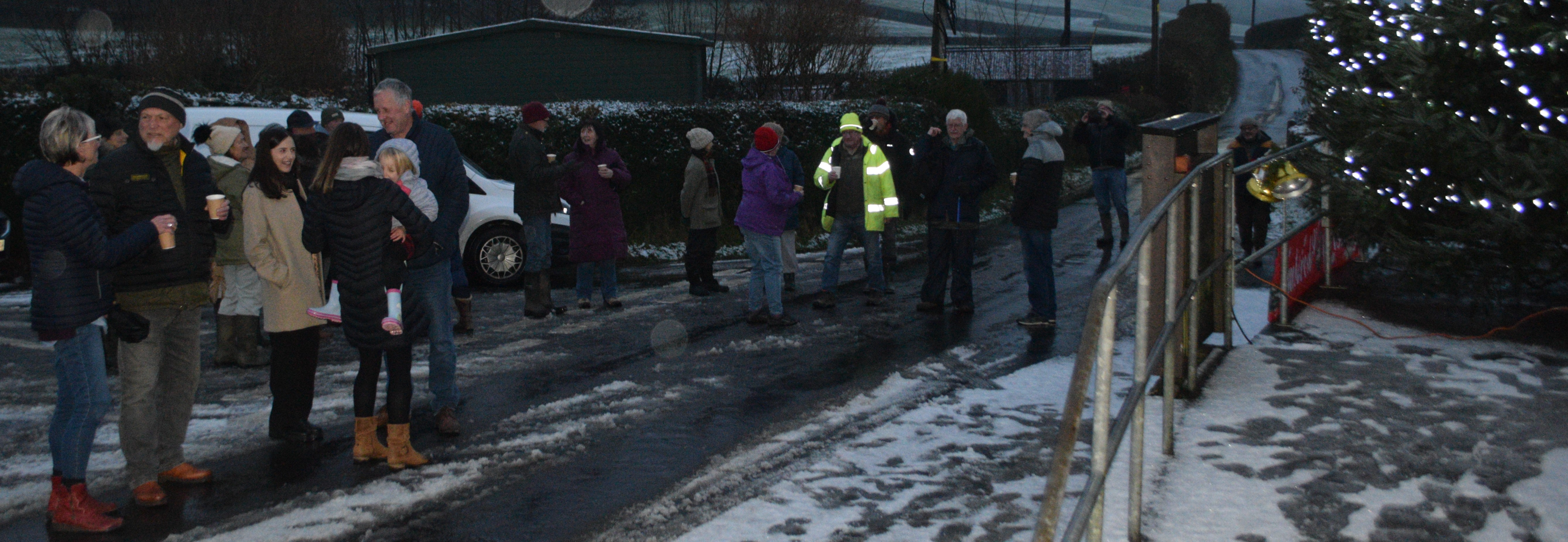
But we make it to Llawr-y-glyn without falling and we aren’t the only ones – 30 odd villagers who should all know better, are there to drink mulled wine in the gloaming, dodging the drips and the gushes from the puddle on the canopy, as a public spirited citizen pokes it from beneath with his brolly wetting all the mince pies.

The Christmas Tree had appeared, as always, by magic – we used to decorate it with bows and baubles — but it took so long to collect them each year after the inevitable gale that now it is simply decked with lights and switched on by the youngest resident – she didn’t make a speech. 

Now we trudge home, up hill. Did I mention we both had Covid recently and still puff a bit. In the dark I remember not to forget the day glow jackets,(too late!) I switch on my torch. There is no traffic so no one knocks us into the hedge leaving us for dead so we count tawny owls.

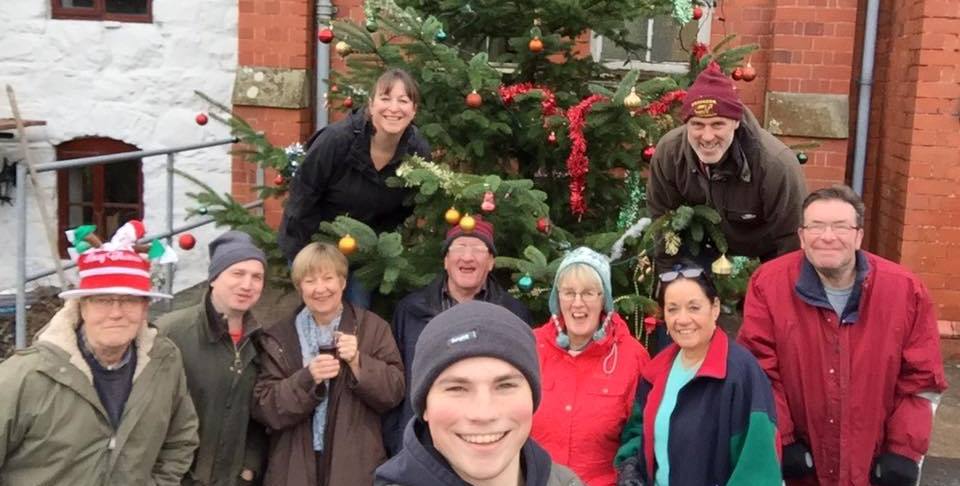
In 2018 the weather was better. The faces change but life goes on.

Standard
Ecology, Humour

Doricum hoax uncovered!

Still getting serious responses to this post published 9 years ago — time to clear the air!

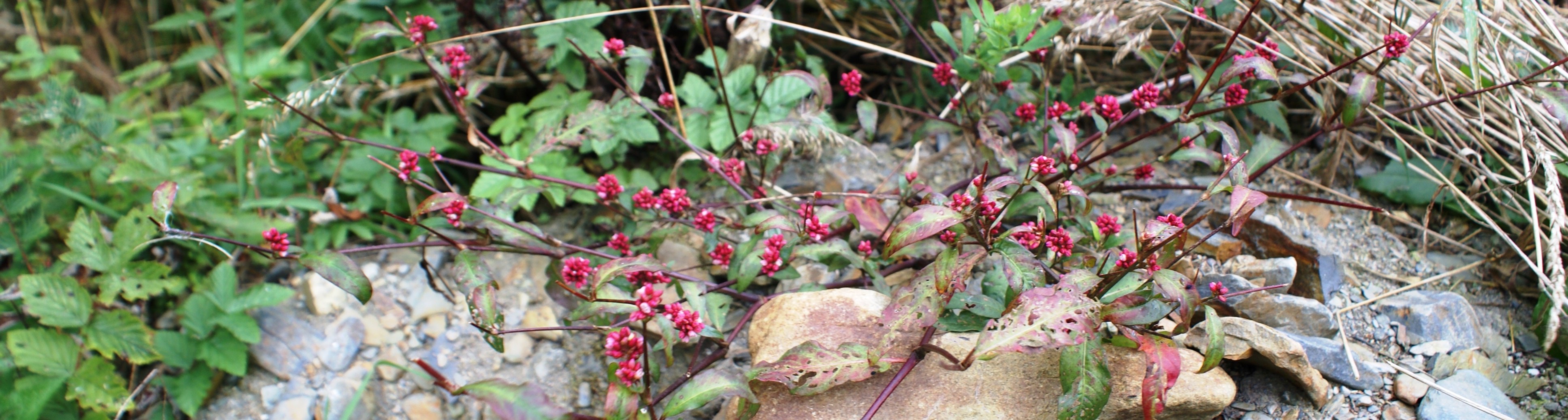
DoricumWhen faced with plants he did not know my father would confidently pronounce them  Doricums.  ‘Shouldn’t it be Dorica?’ we would ask.

‘No, Doricums.  The word is derived from the Greek, or possible the Zoroastrian,’ he would concede.  Doricums grew everywhere in Hertfordshire — my dad was not much of a gardener.

Last spring we dug some gravel from the stream bed to create a pool to encourage fish, we left the gravel in a heap at the waters edge.  Normally a fox would have placed a walnut whip on its summit — they do this to announce their ownership of all heaps — sand, salt for the roads, compost, even large mole hills — but this mound of gravel has become subject to another interloper — the dastardly Doricum!

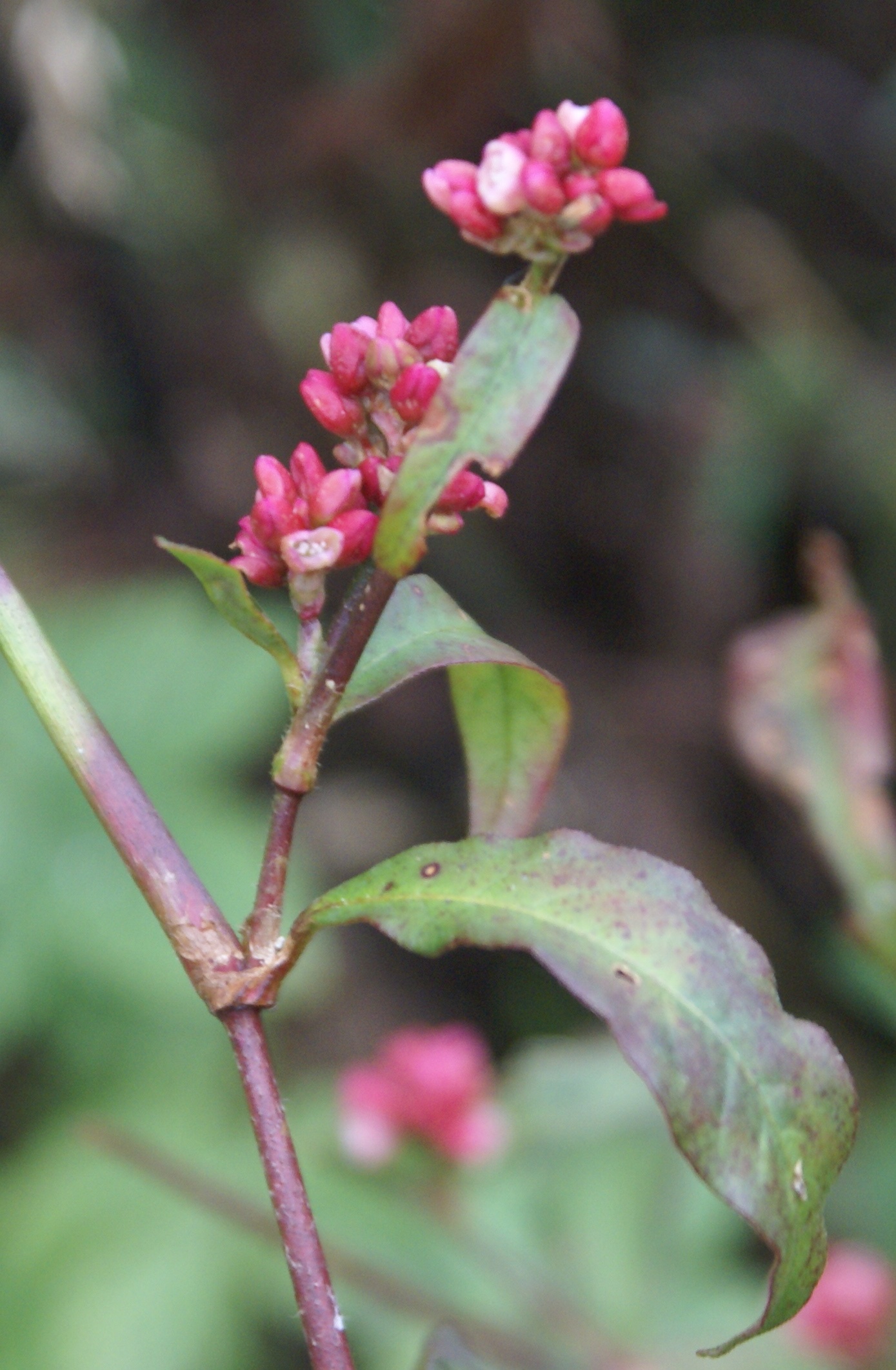
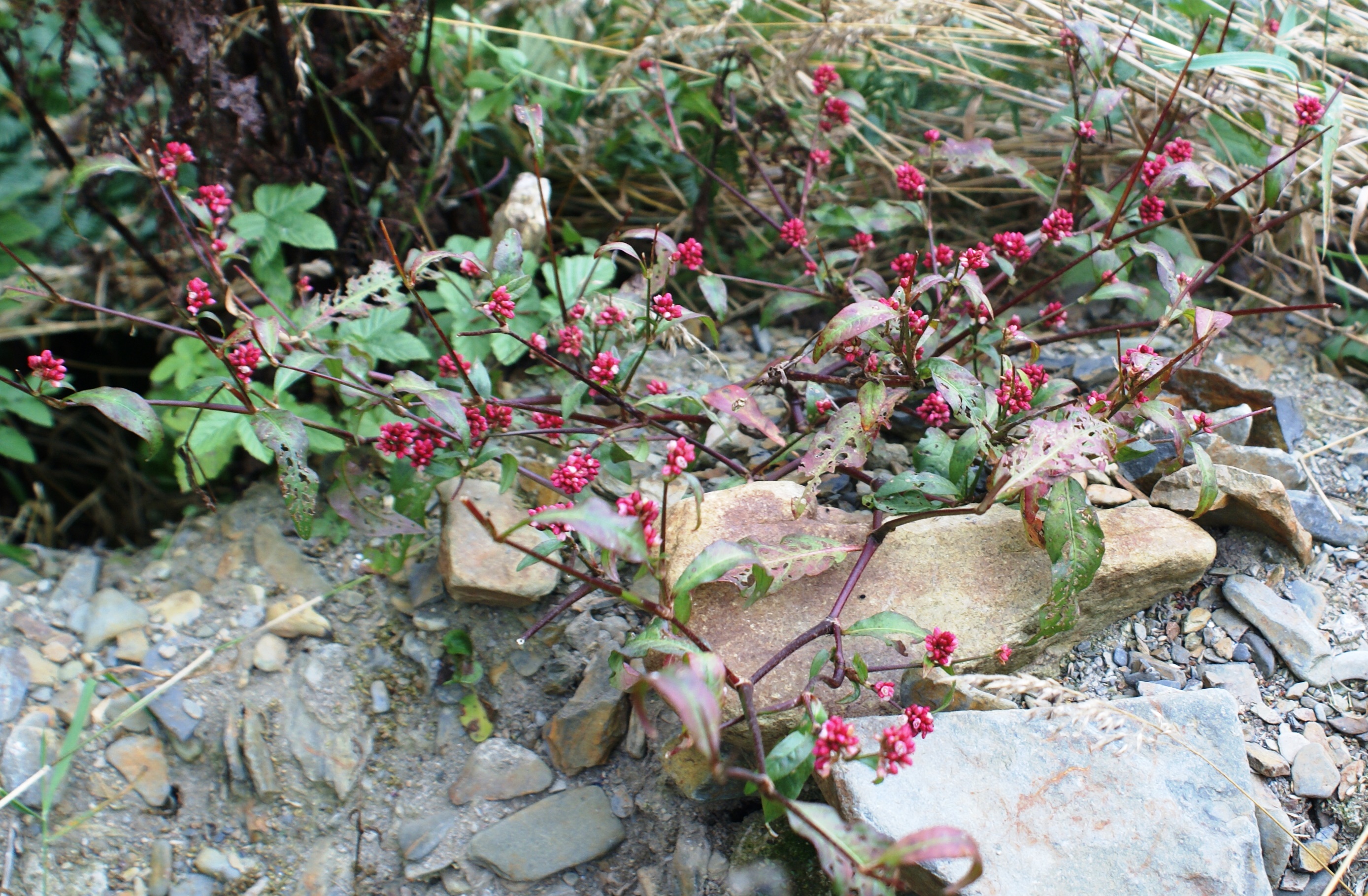
Have you seen this plant before?

?????????????????????????????

We have scanned the internet and looked at all our books but to no avail — although it does look vaguely familiar — we guess that it is feral or seriously out of context.

Do you have information about its true identity?

?????????????????????????????

It has been nibbled but not by sheep, this gives it a spiky appearance — we’ve looked up squirrelwort and rabbit-bit in the index of popular names — its not even under badger-nip.

Is this a new species — D. notlikelae?

Addendum: 30.11.2023 St Andrew’s day and Winston Churchill’s birthday.  On reflection this may have been a rather tatty example of Redleg (P. persicaria L.) a member of the dock family.  There is more of it about now and it looks more typical — sorry Dad!

Standard
Books, weather

Knighton Rain Festival

Knighton Festival of books, art, music and, as it happened, weather took place this week-end.

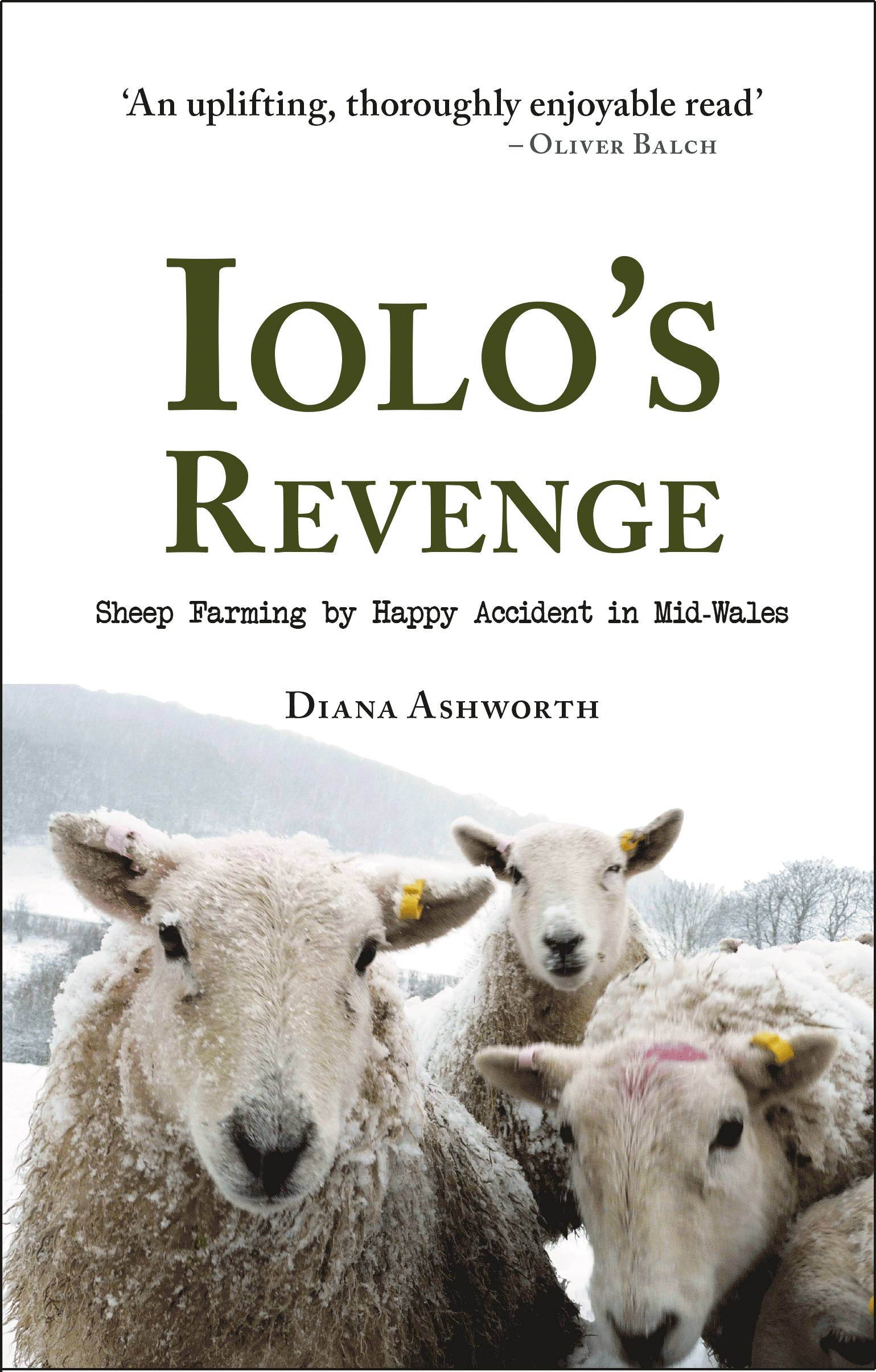
I was invited to give a talk about my book set in Mid-Wales, Iolo’s Revenge. I have been preparing it nervously for months. We set off early and Bill had studied the map — Shropshire was enjoying the heaviest rainfall since Catherine’s friend Laura got married and the church was cut off by flood water and the bride had to wade across fields in wellies!

Knighton station was closed — all the town’s four trains per day were cancelled because the line along the Teme valley was inundated. Stranded, bedraggled, young people with rucksacks were wandering the steep, wet streets. The ladies in the town’s cafes doling out tea, sympathy and all-day-breakfasts.

I boomed out the extracts from my book over their wonderful sound system, it sounded quite good, even to me and the select collection of stoical festival faithful laughed in all the right places and showed their interest with lots of intelligent questions and comments. I really enjoyed it!

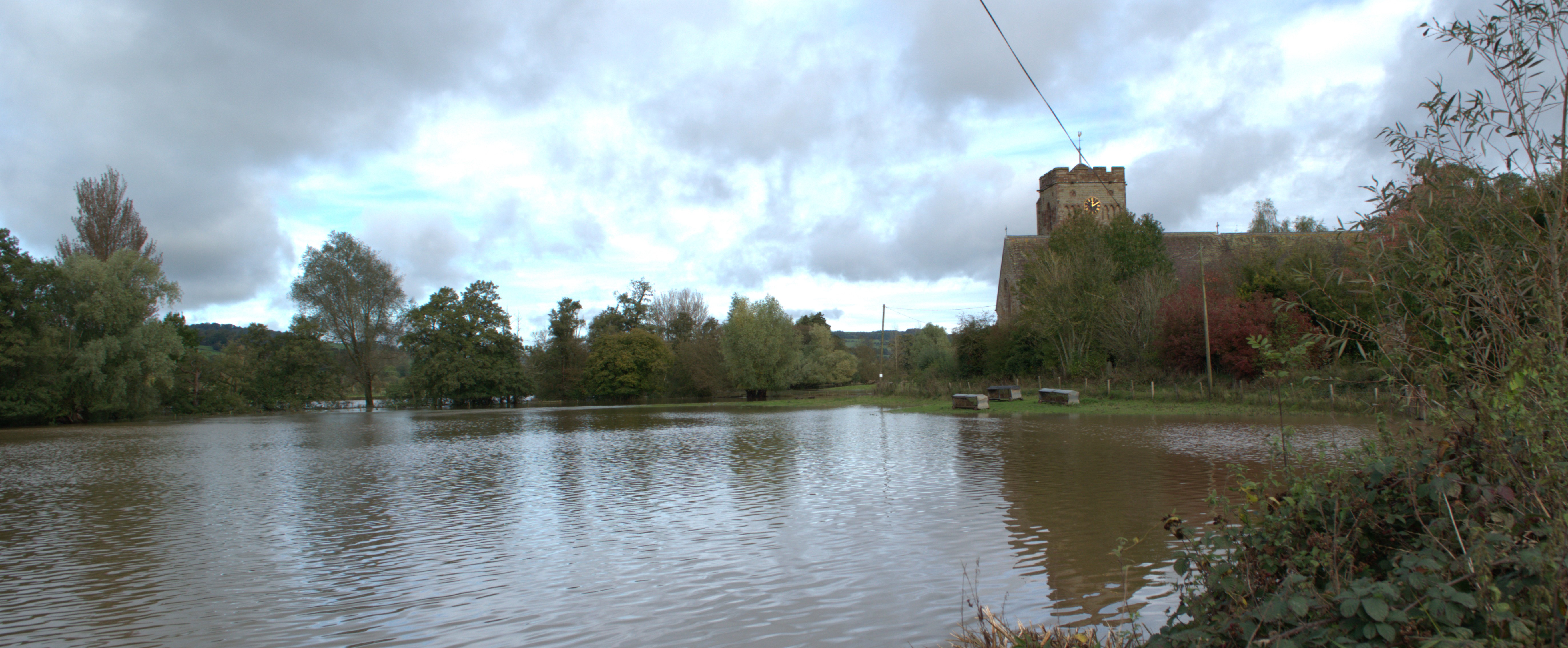
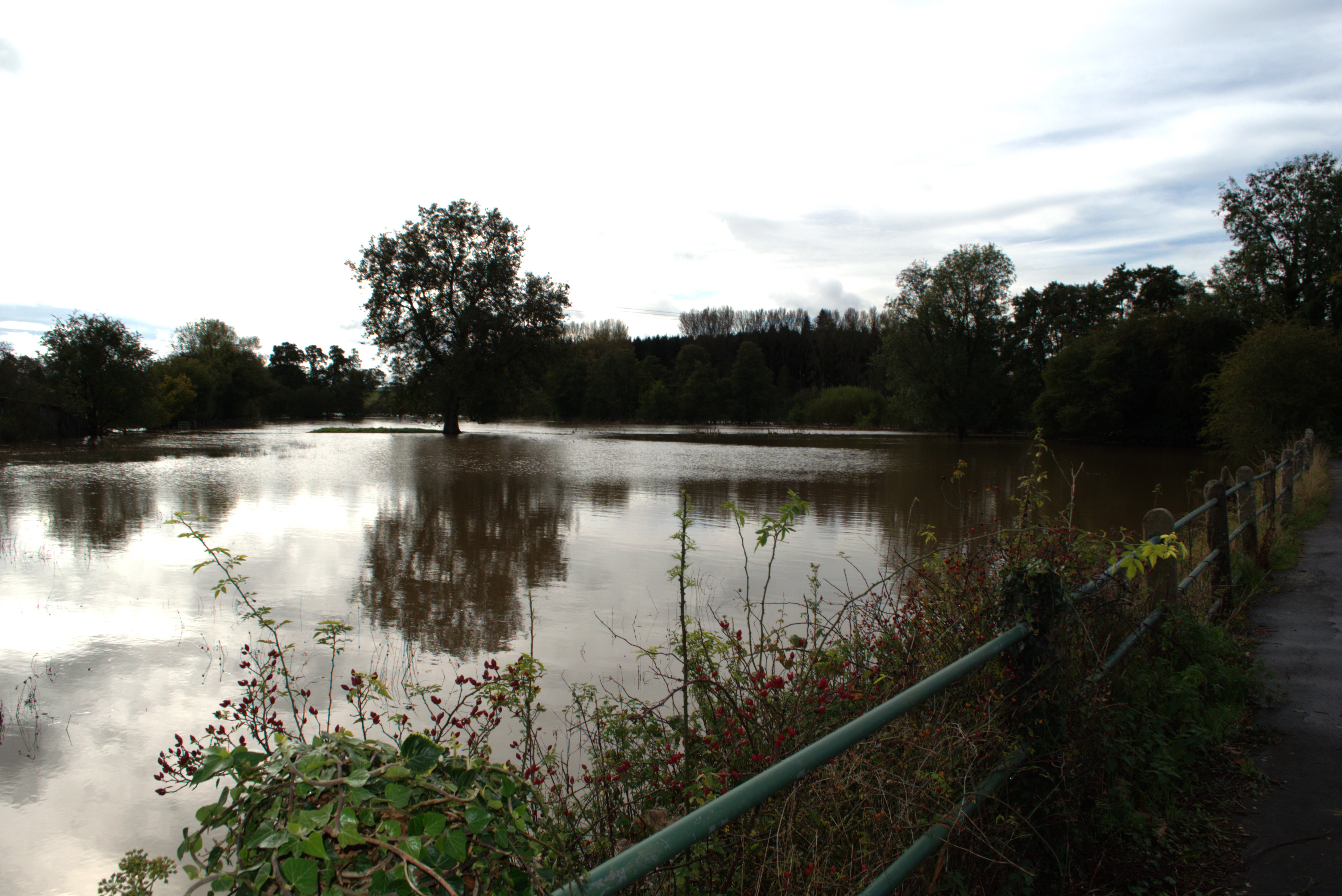
Proper use of the flood plain next to the river Clun in Shropshire near Clununford. We found a road home that was passable though many others were not!

Standard