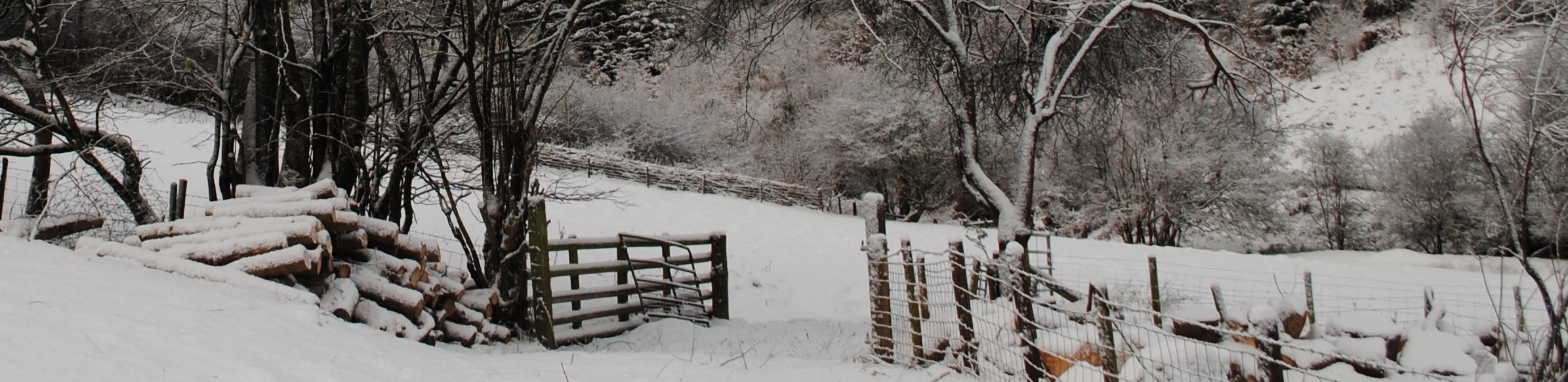
A friend of mine has just returned to the UK having lived for several years on the other side of the globe. She explains her disorientation in time and space on the disruption to her seasons (I have no excuse!). It’s mid-summer here and mid-winter in New Zealand, where those who suffer from European nostalgia have a pretend Christmas.
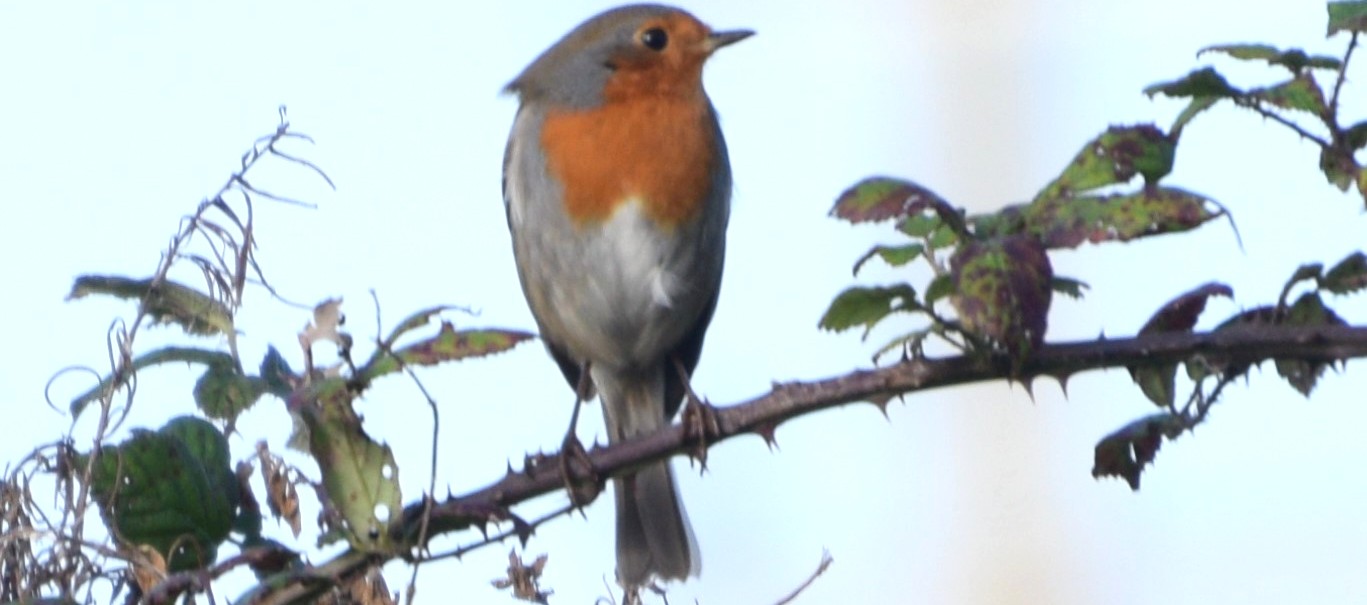
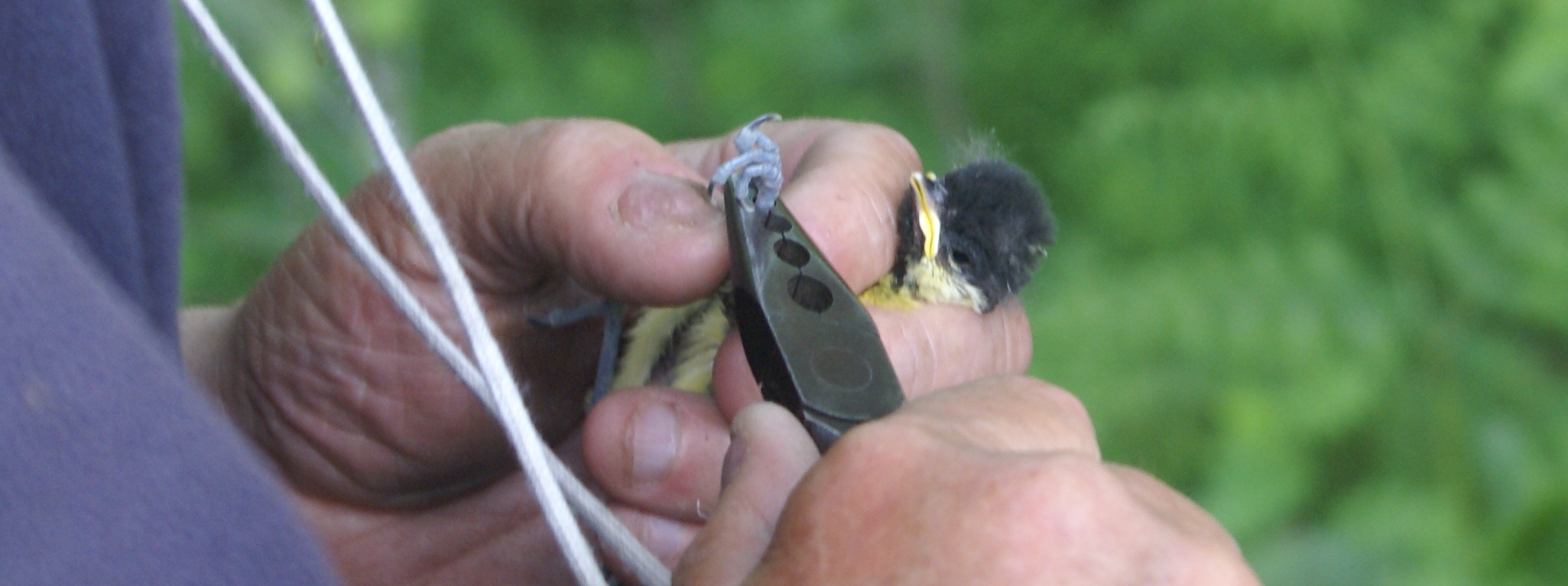
Here on our smallholding in Mid-Wales we do something similar — opening our gifts on one particular day. It’s exciting. It’s bird-ringing day! Not their necks so that we can roast them with pigs-in-blankets and plum pudding, but counting all the year’s baby birds, catching the fledgelings that are about to leave their nests and, in particular, those in our nest boxes and ringing them. A right of passage — a birdy Bar Mitzvah — we should have a party!

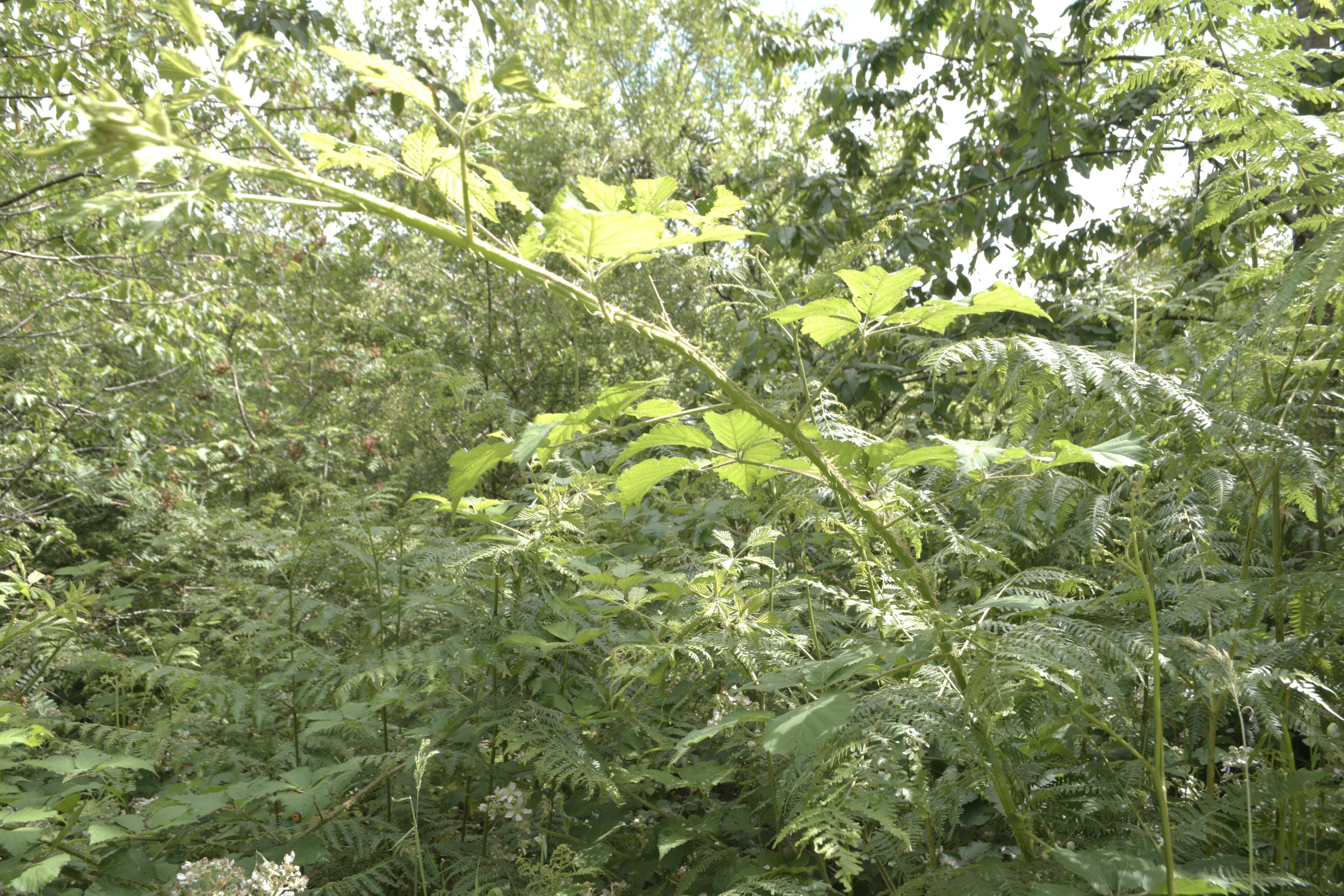
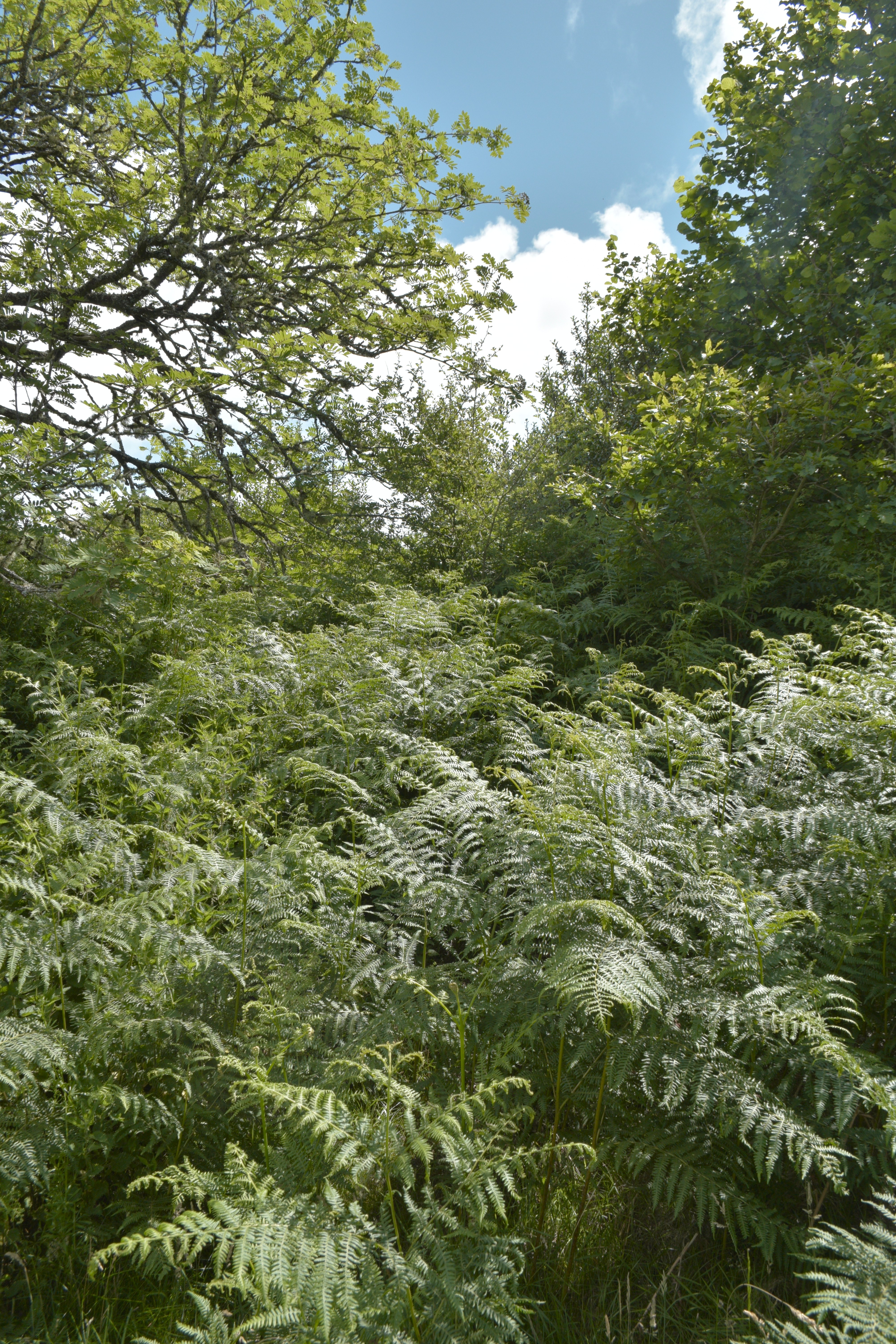
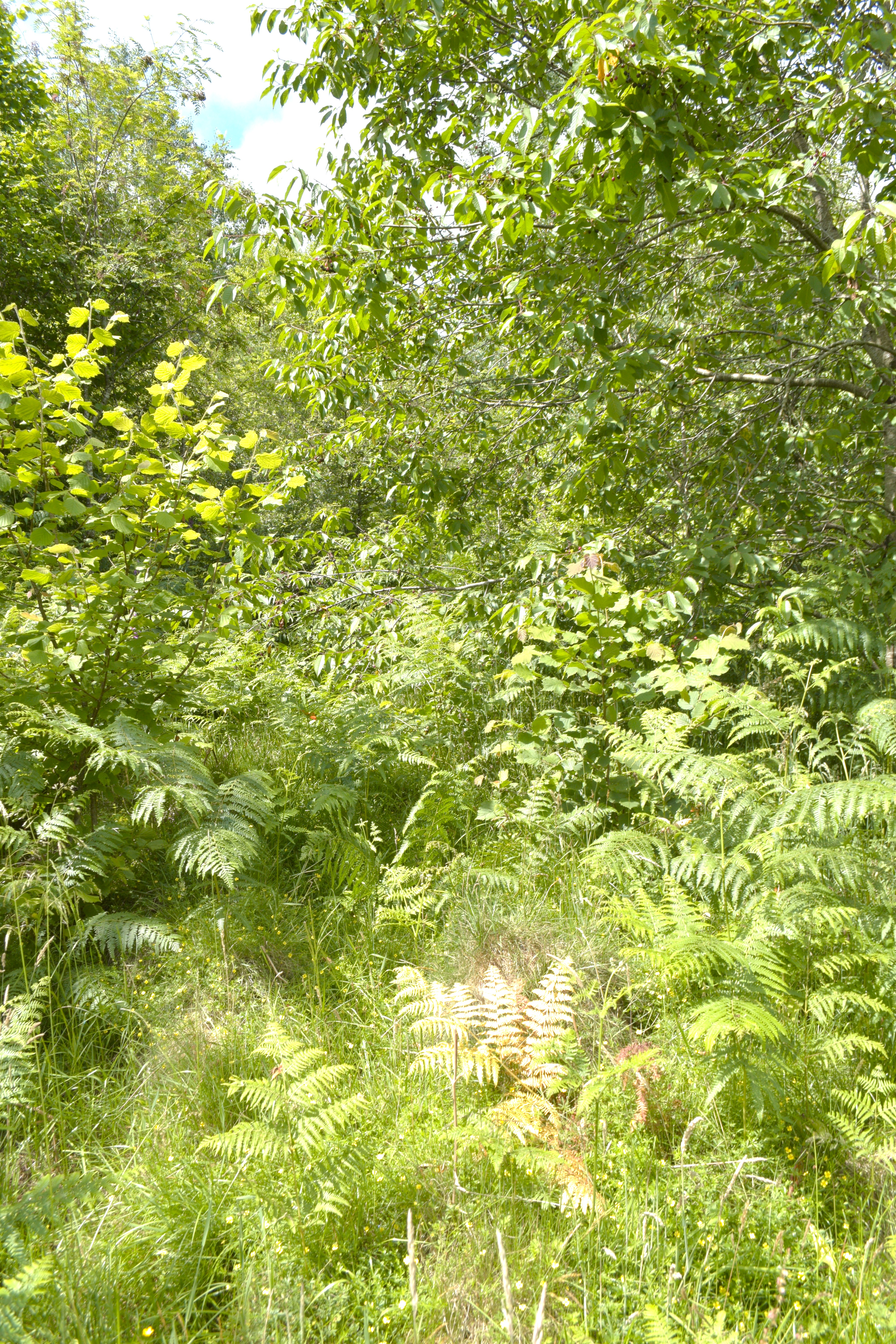
At a time when we feel we will be overwhelmed by the sheer fecundity of our temperate rain forest, it is good to have some positive feedback for our efforts for wildlife. We are engulfed in 8 foot bracken and torn at by wildly flailing tentacles of bramble that reach out across the tracks to grab us as the mower clogs and stalls yet again, which is just as well as it is overheating.
The cloud of buzzing flies that pursue us fails to reassure us that our local biosphere is healthy or that forswearing insecticides was a good idea. But counting birds does.
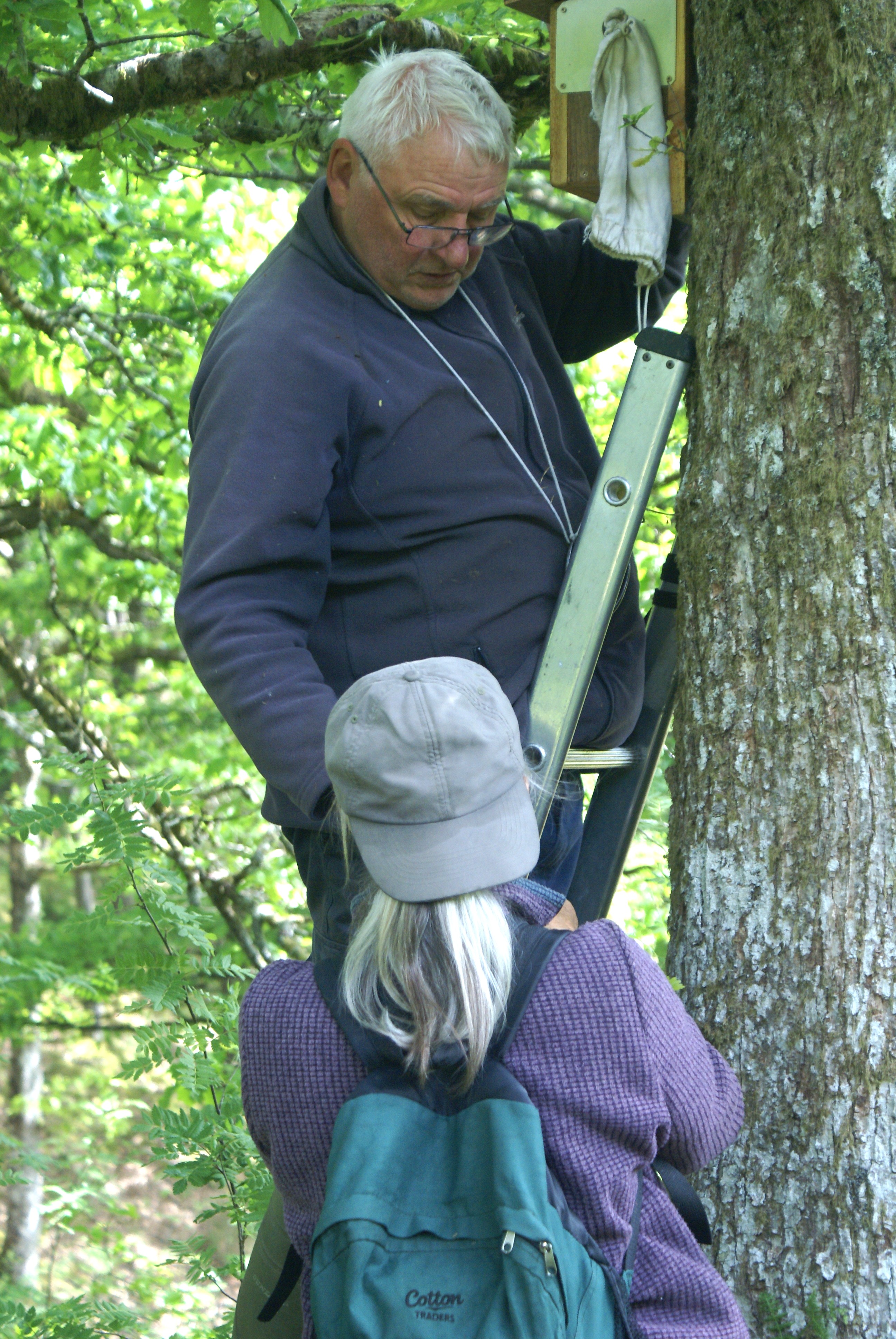
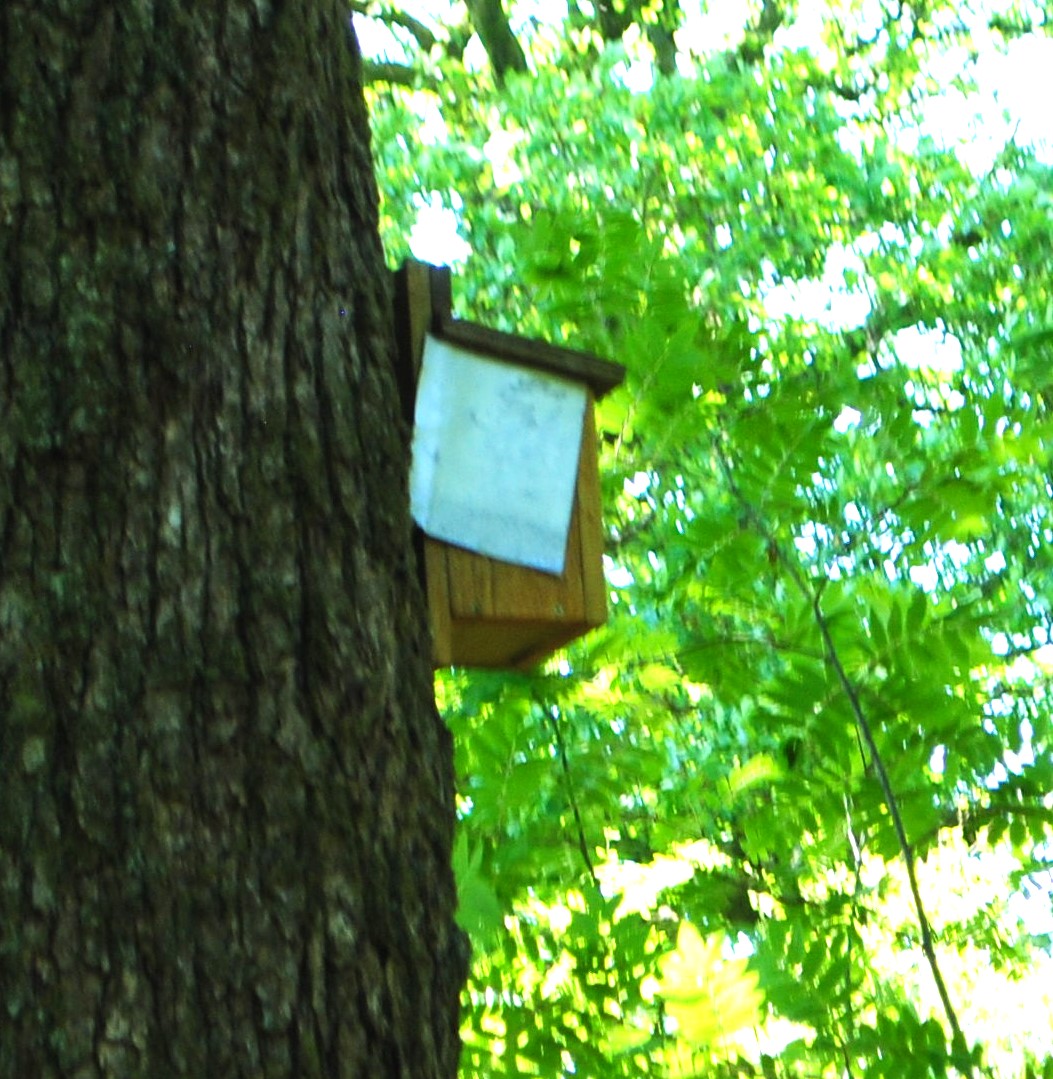
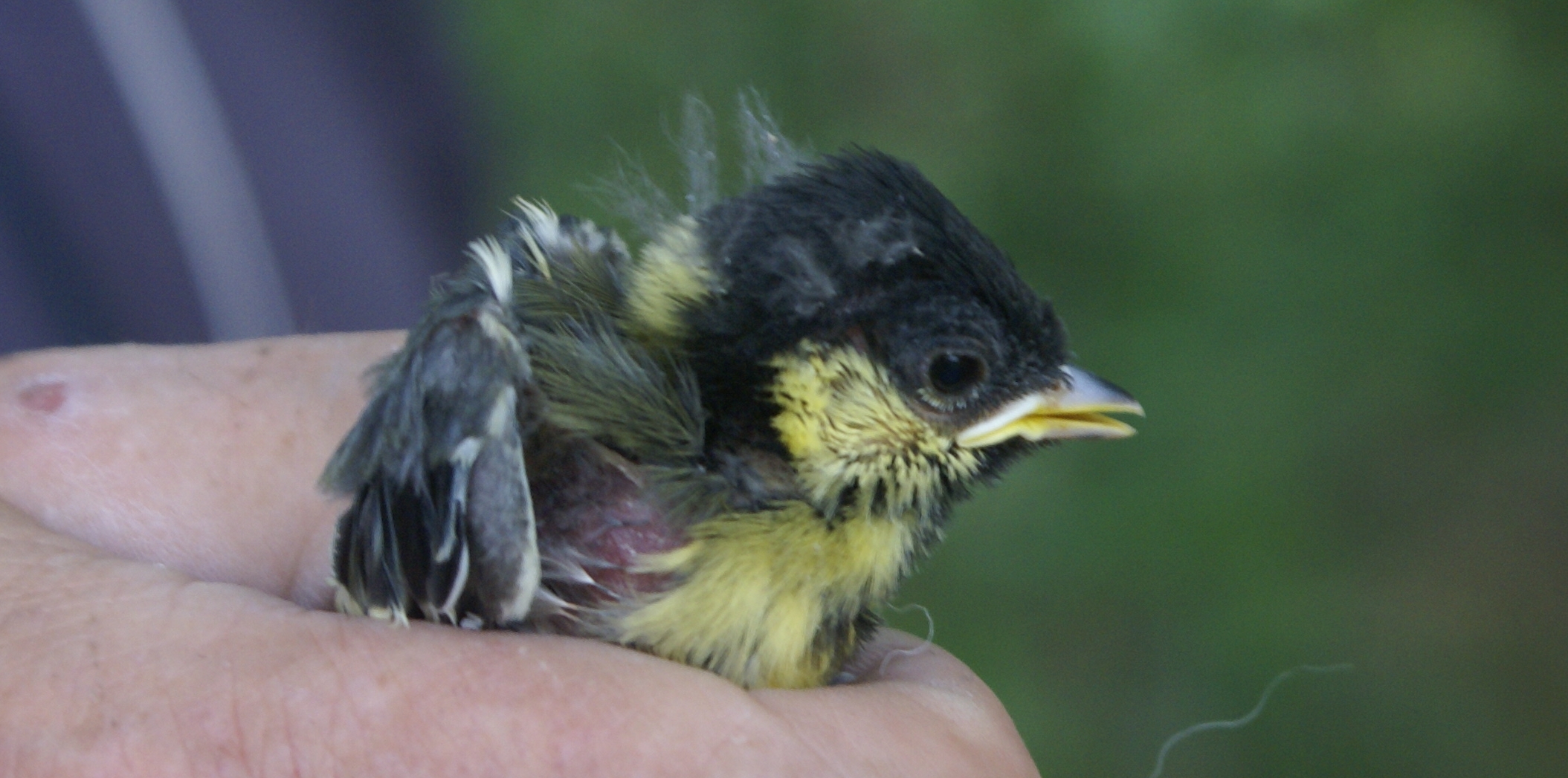
The stalwarts from the Habitat Protection group have made their annual visits and this year has been very good for blue tits — 52 chicks from 5 nest boxes. How’s’at for productivity! It represents a lot of caterpillars! Lots of work from this top-of -the-table, enterprising species.

A better year for our “target” species, the more endangered pied flycatcher. They produced 24 chicks from their 5 nests. Up 20% but one of their nests failed completely last year — we suspected a great spotted woodpecker. It’s harder for pied flycatchers as they are migrants and have to co-ordinate their arrival with the weather and the caterpillars, not to mention competing with the locals for nesting sites and finding each other again as the males arrive first.

There was only one nest of great tits but they produced 7 chicks.

Three of our 14 boxes were empty; today I noticed a great spotted woodpecker squarking a warning to its own fledgelings — wildlife is a balance.

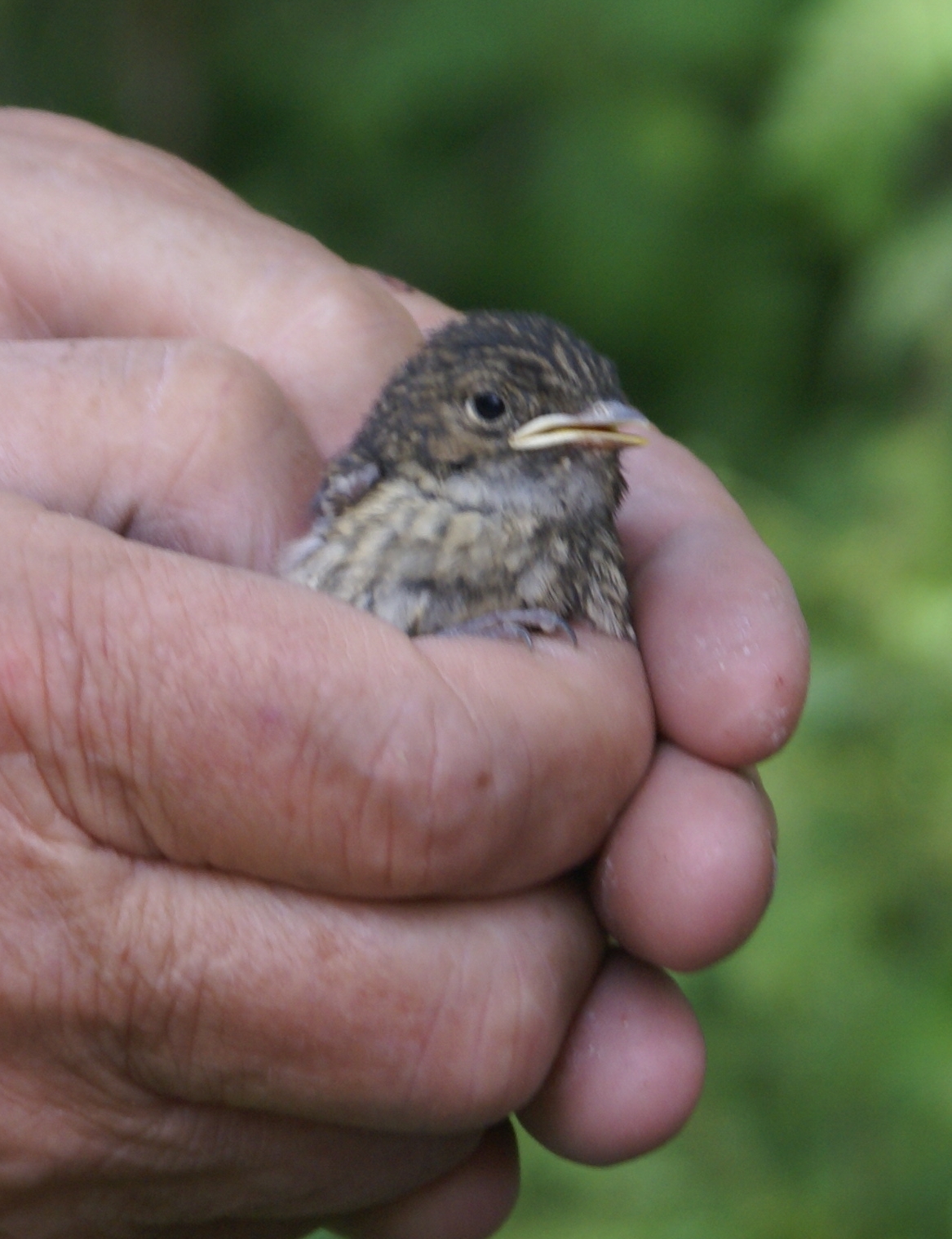
They also ringed a treecreeper fledgling hopping about and keen to be included. They tend to nest in the holes between the roots of the oak trees and in the deep splits in trunks, we watched one earlier this year taking lots of spiders to a nest on the hill.

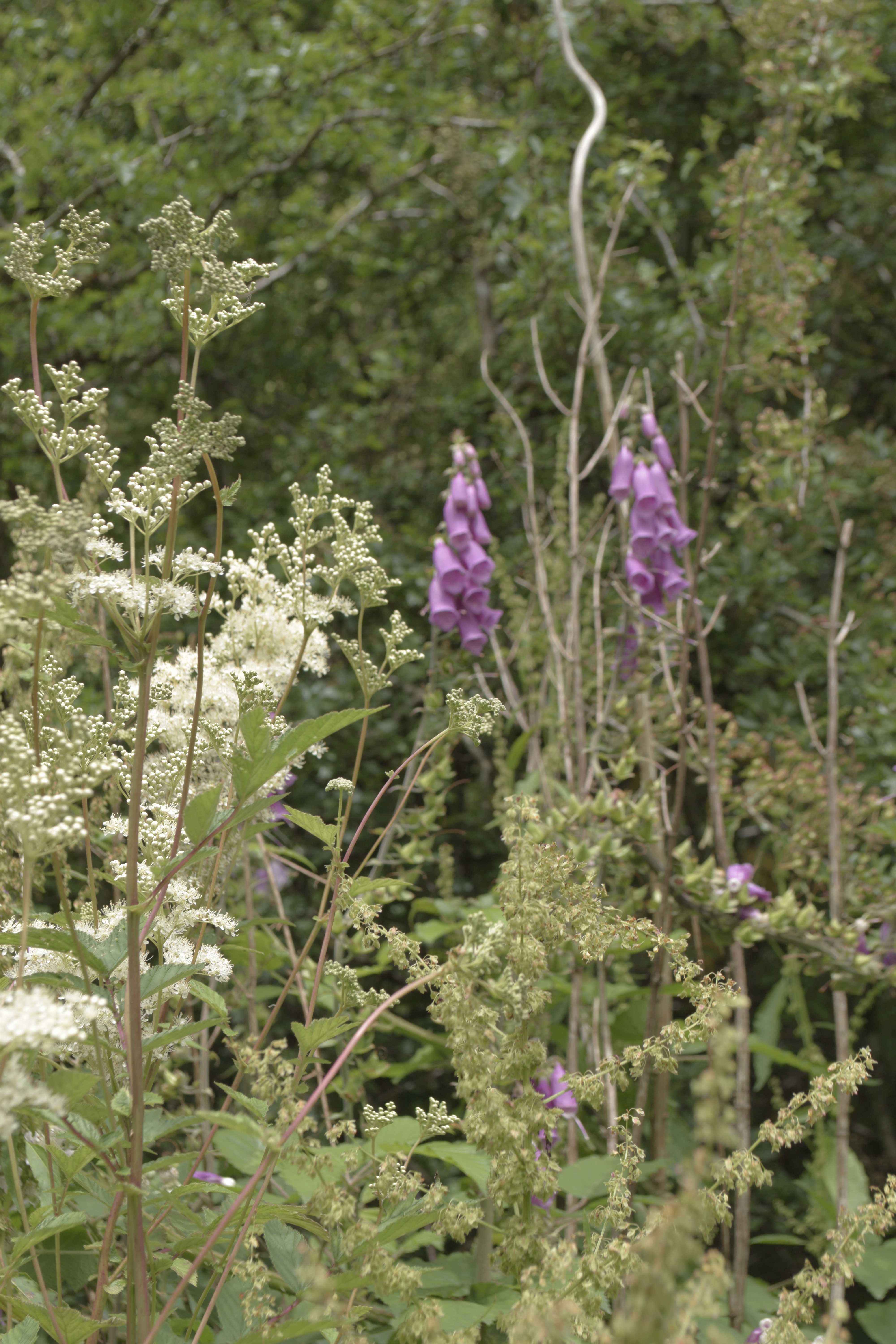
So, inspired by all this avian fertility, we bash on with re-establishing the tracks to maintain some sort of access to our wild areas and woodland and uncover the diversity that is appearing and a weighty crop of rowan berries and wild cherries that are already keeping the blackbirds and thrushes busy.


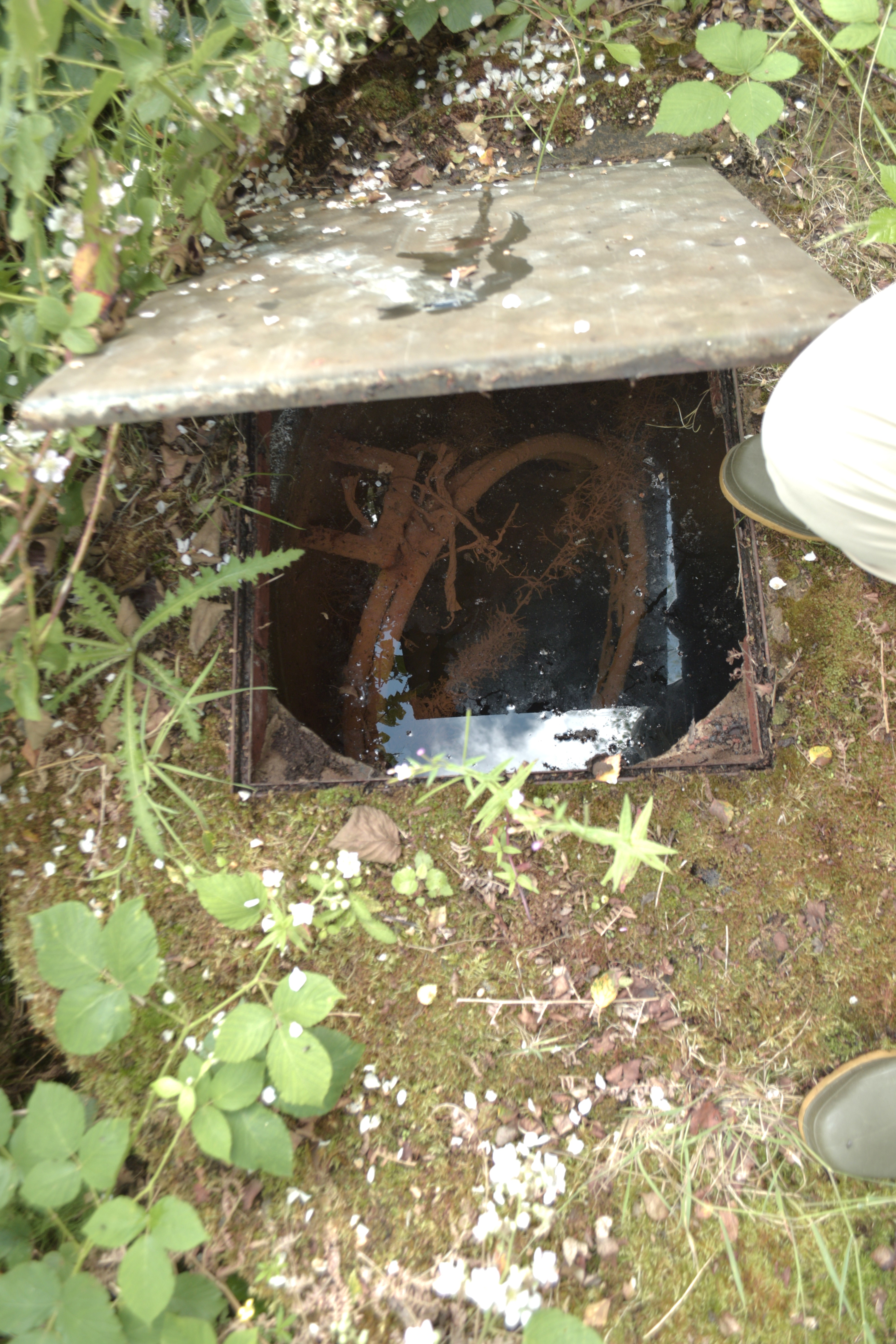
This is the time of the year when we regularly lose our well and it is quite important that we find it in its nest of horsetail ferns and overgrown by all this burgeoning diversity. Here it is and it’s full.




 dianaashworth