Birds, Cornwall

Good year for Hoopoes…

in Cornwall recently, hoopoes, those charismatic European birds were popping up all over the place.

Camouflaged men and women with longer and longer lenses dashed about and swapped intelligence, clicked and whirred and punched the air in triumph, then moved on to hunt the elusive blue headed wagtail and the booted eagle!

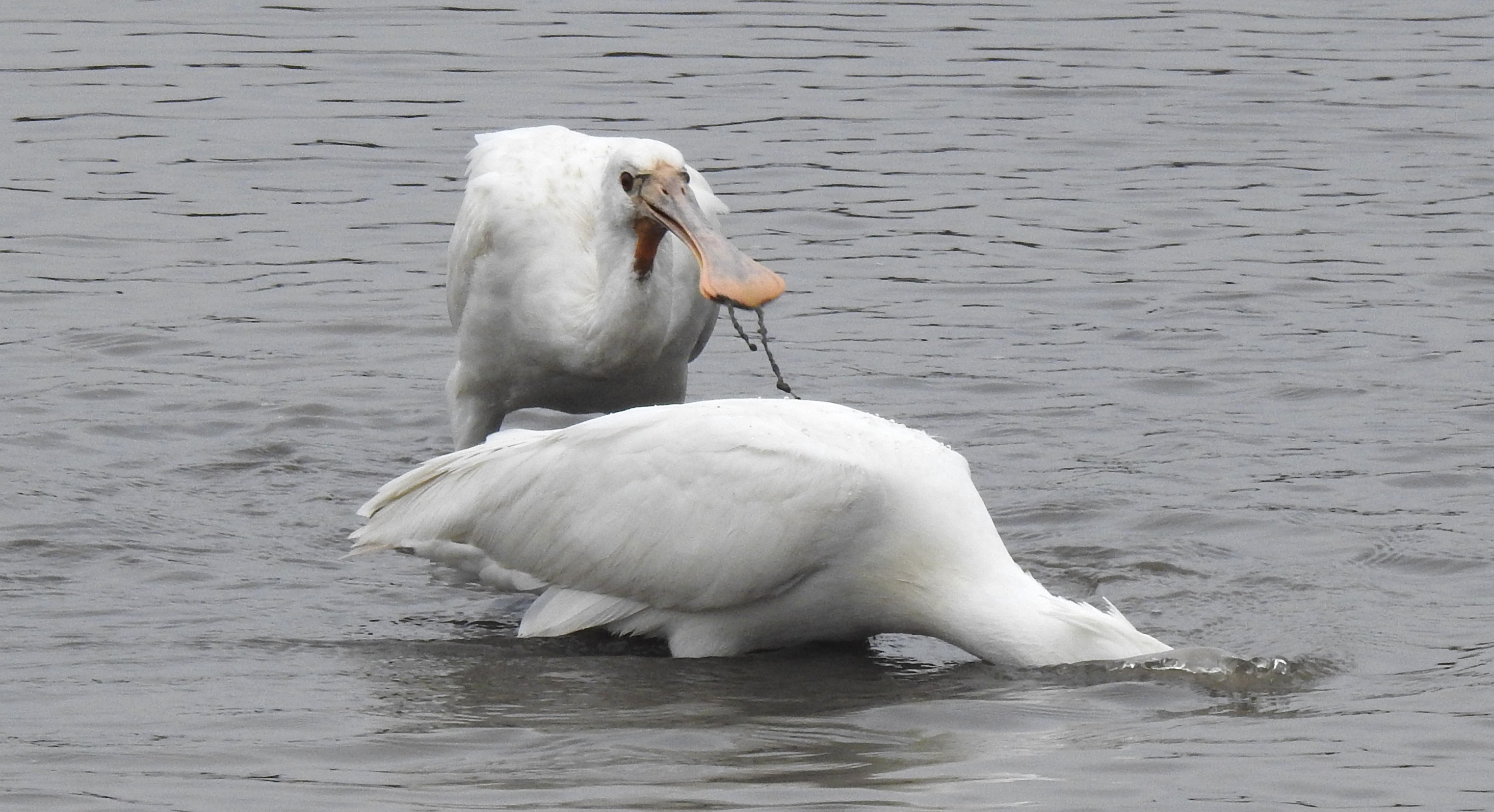
Last autumn we got to know the lonely spoonbill that hung around feeding in the Hayle estuary and associated pools.

How pleased we are to find that this spring he has a friend.
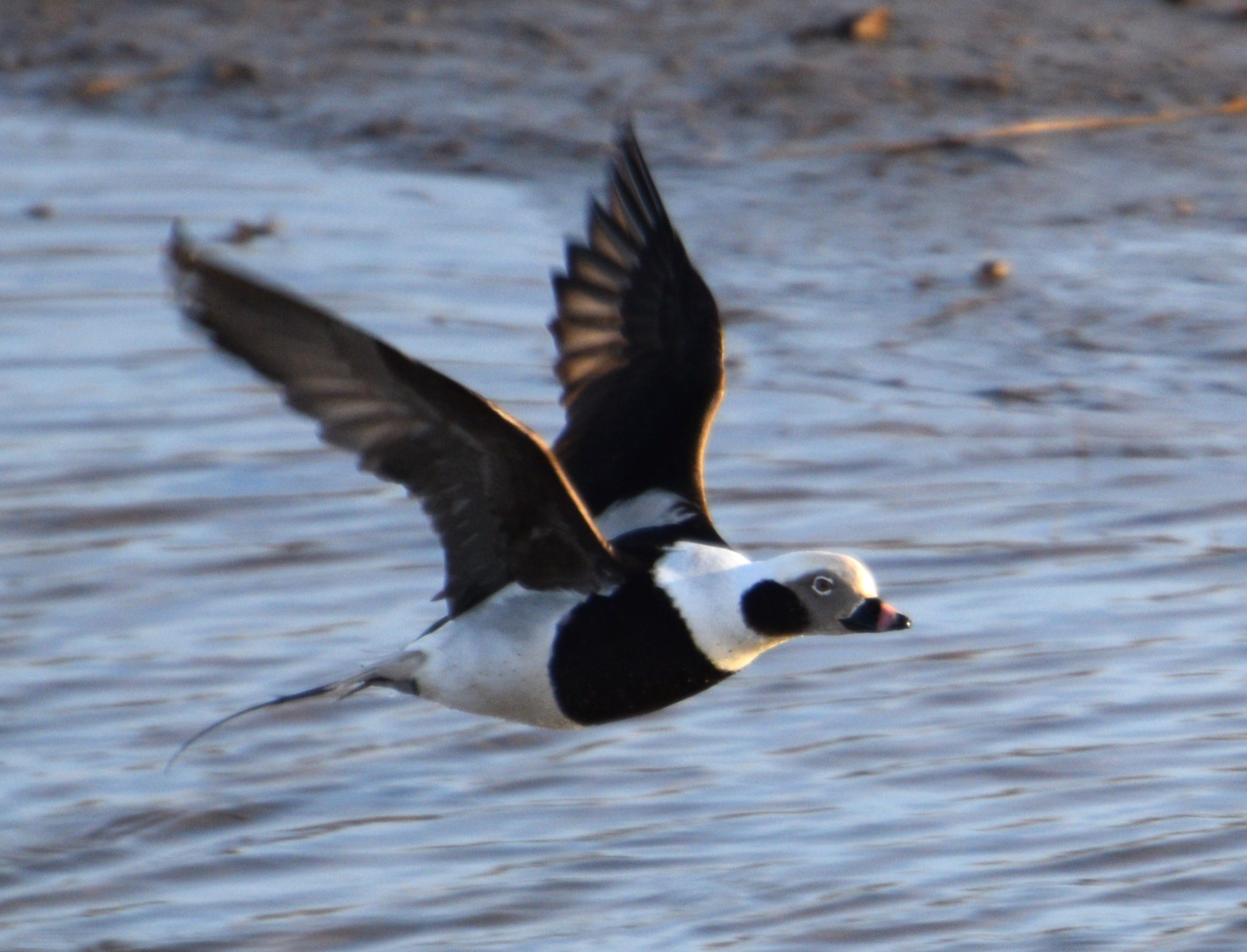
What is this? A dodgy duck on the boating lake in Newquay. A rare long tailed duck, a lonely female. When the weather gets better she’ll head out to sea to find a mate.

We saw this male in Norfolk — Holme Dunes, near Thornham, last year.
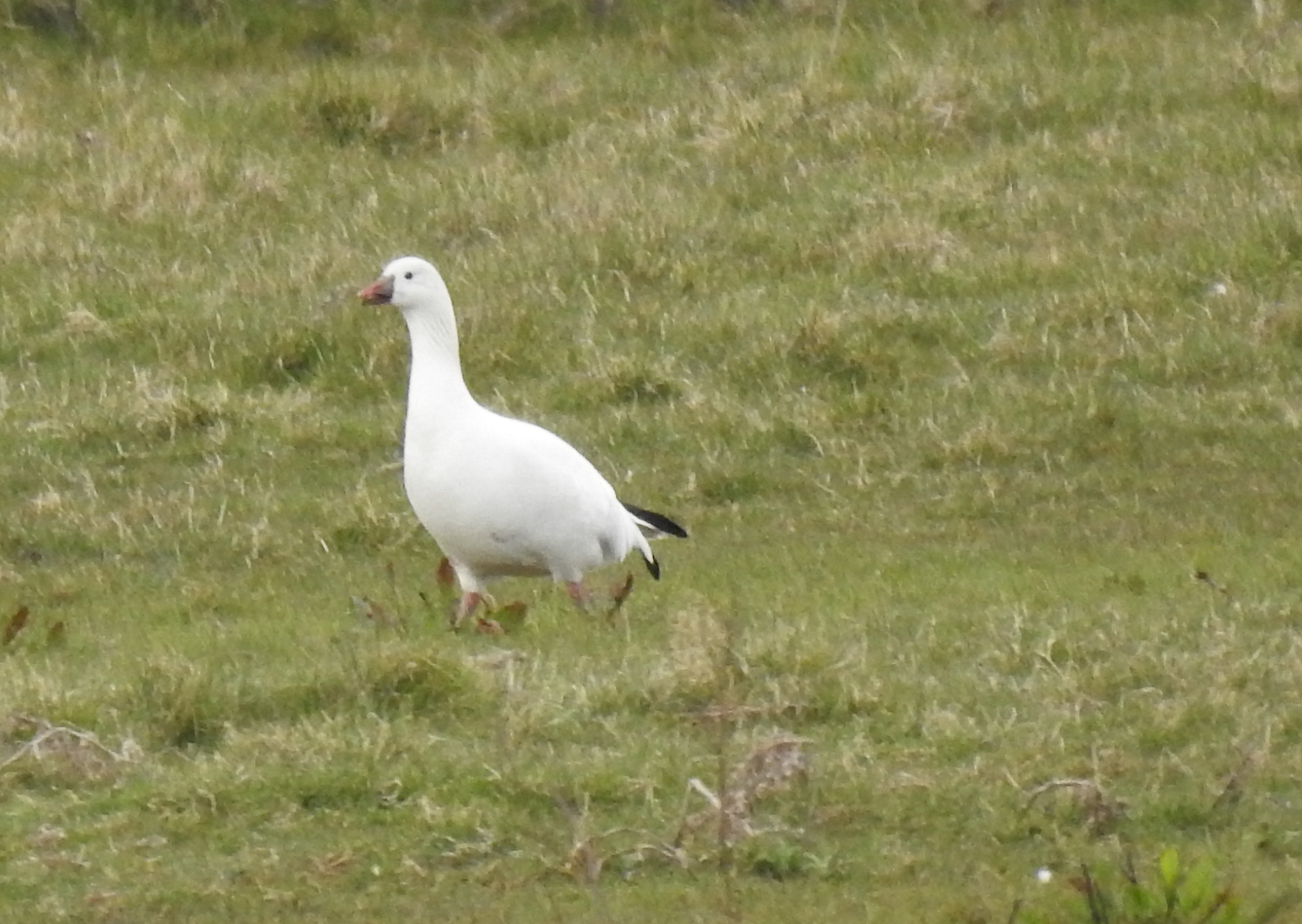
At Slimbridge, in Gloucestershire, we saw white fronted geese, a Ross’s goose and lots of barnacle geese.

Thanks to Bill for the pictures of the spoonbills, hoopoe and female sea duck. This is my best duck!

Garganey, isn’t he beautiful, but I cheated — he wasn’t exactly in the wild!

Above is a male red-breasted merganser, also seen at Slimbridge. Most of the swans have gone now, the Bewicks and the whoopers, gone back up to the Arctic to breed.
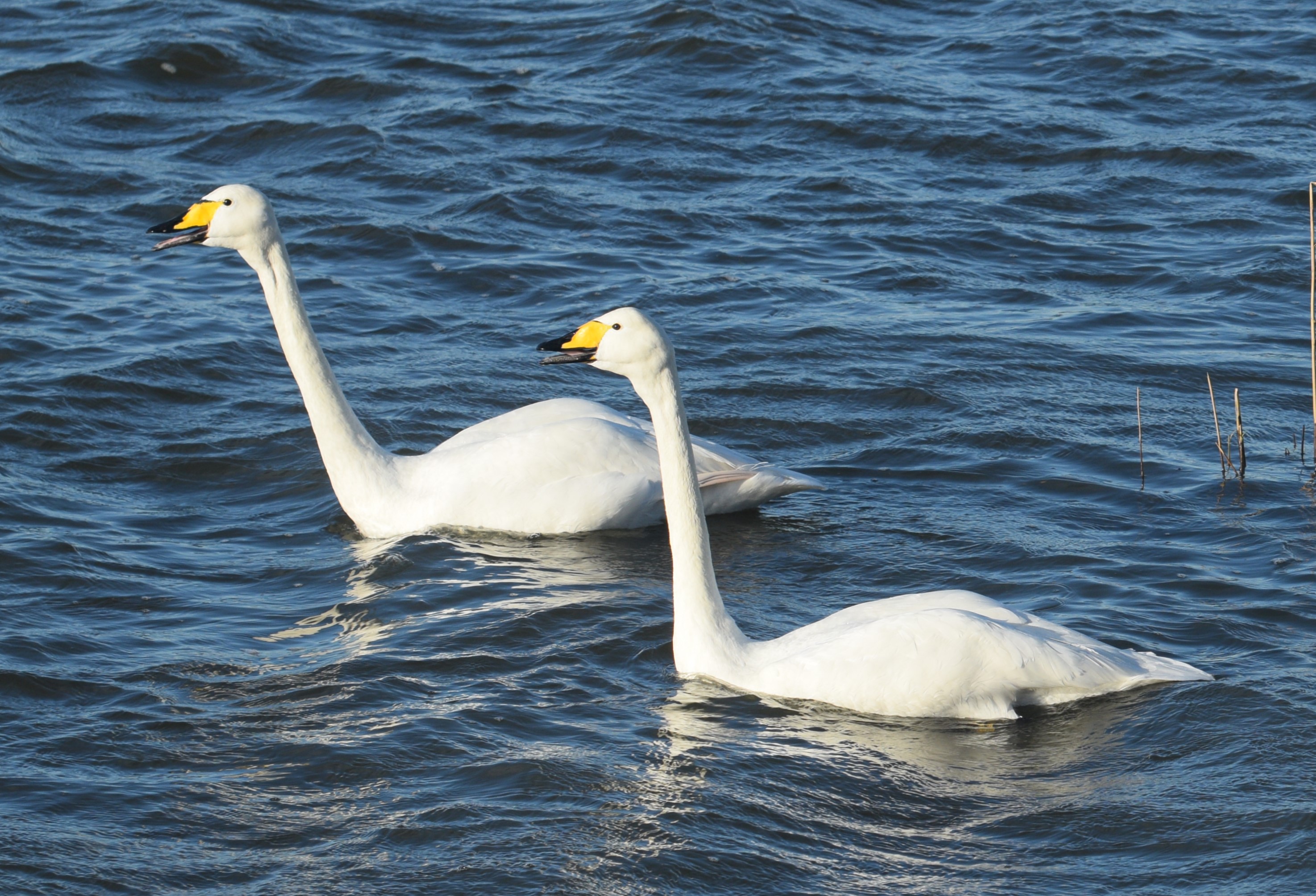
Whooper swans
Bewick Swans
Mute swans — for balance!
The little gull is a rare Bonaparte’s gull, seen in Hayle with a black headed gull for scale and balance.

Standard
nature

Island Sanctuary

We didn’t actually fly in to Brownsea Island in our sea plane.

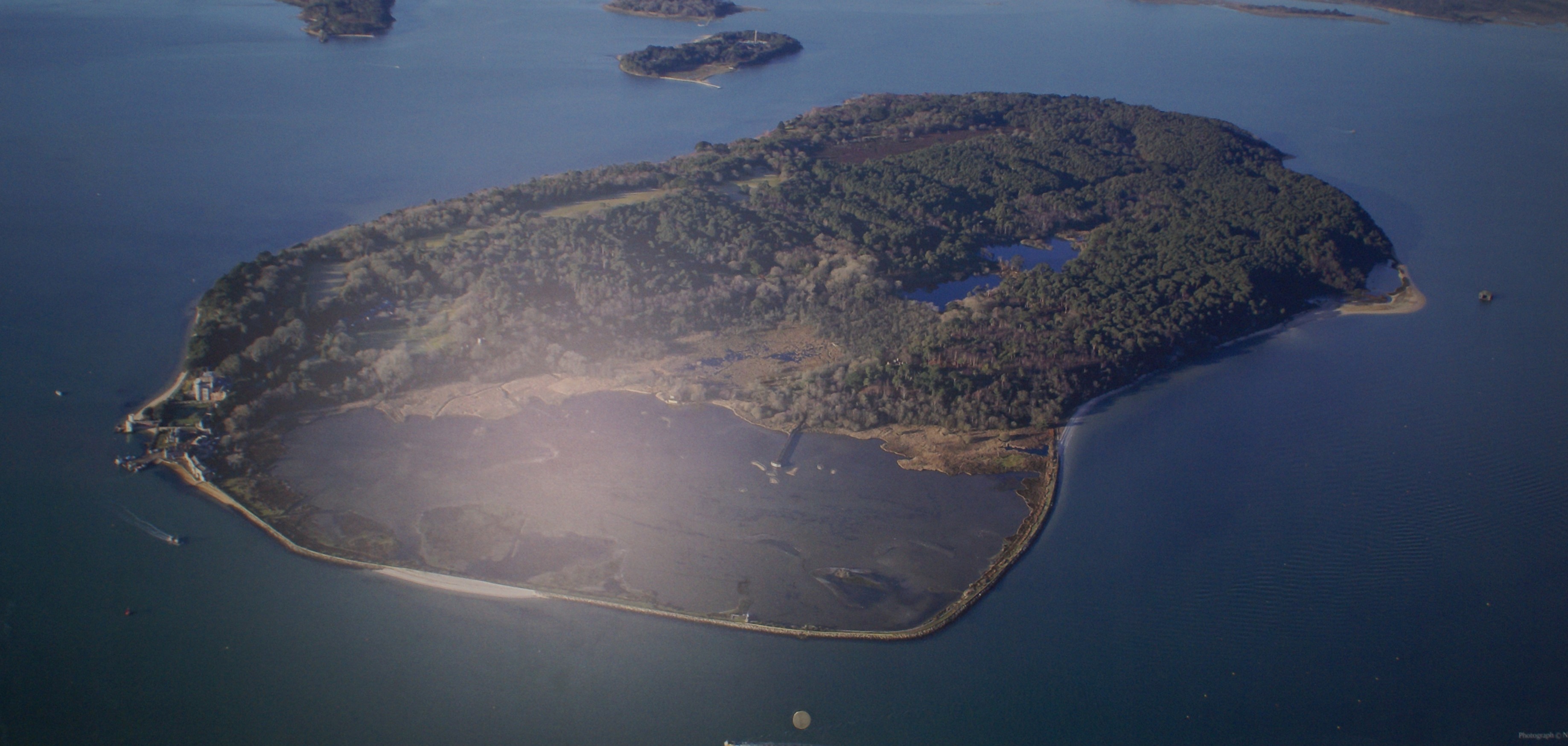
Aerial photograph displayed in NT Visitor Centre

We arrived by boat, crossing Poole Harbour which is a large natural inlet on England’s south coast. Brownsea Island sits in the middle and affords unique protection to the species that live there.

Arriving at Brownsea quay.

This is what we came to see.

Red Squirrel at British Wildlife Centre by Cameraman (CC BY-SA 2.0)

Disgorged from the first boat of the day, almost immediately we are aware of frenetic activity — in the treetops, up and down the trunks and bounding across the grass — foraging red squirrels.

Small and very lively — difficult to catch. Thriving, away from predators and disease, in this more bio-secure environment.

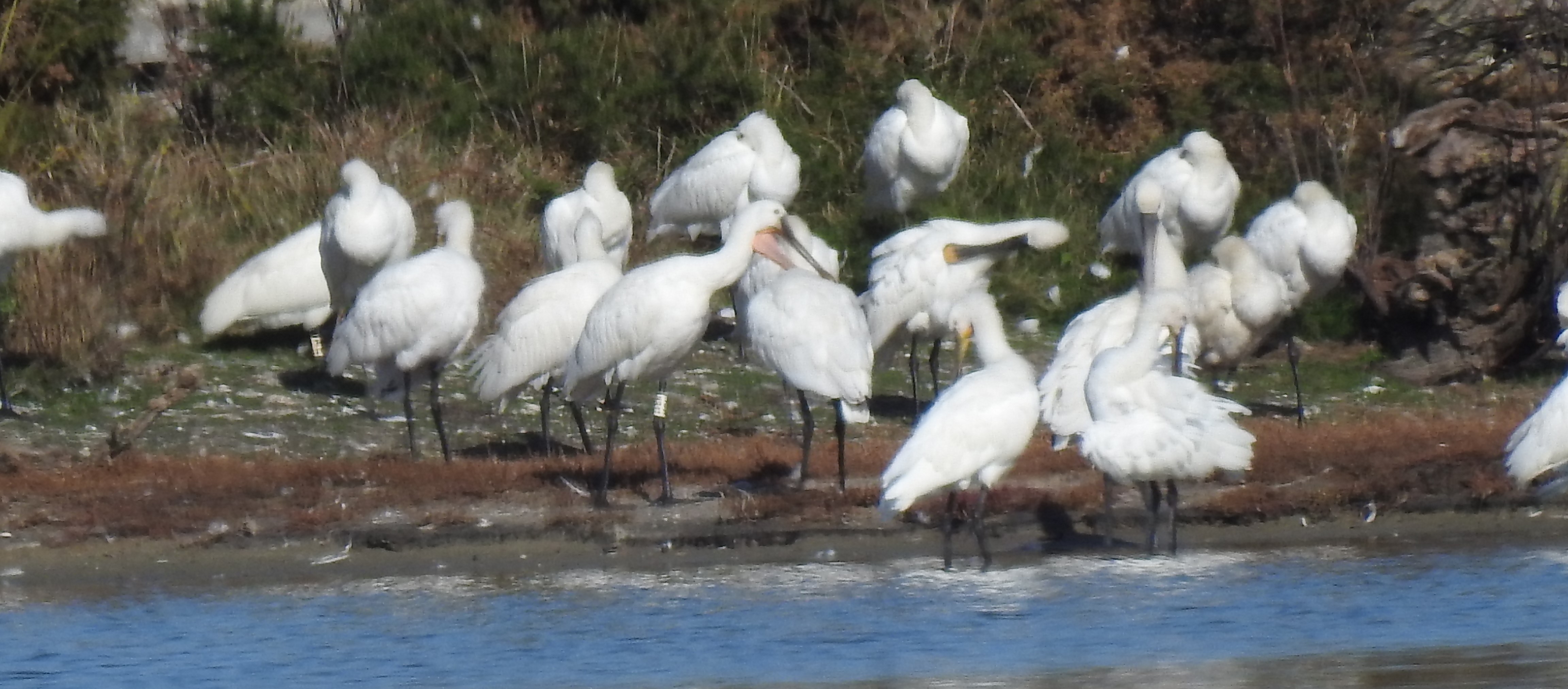
At the north-east corner of the island is a large brackish lagoon, built in the mid 19th century as a polder to reclaim land from shallow sea for agriculture — it was flooded in the 1930 and has remained flooded since. Though the water is shallow, suitable for dabblers rather than divers, it is sheltered and protected and has a colony up to 72 spoonbills which now breed on the island.

Distant view of spoonbills on the far side of the lagoon.

Spoonbills disappeared from the UK in the 1600s with the loss of their habitat, due to draining of wetlands for agriculture, and because of hunting. They have only recently returned and are still rare but are breeding in several locations helped by various schemes to recreate the sort of conditions that they find at Brownsea.

Standard