
I don’t talk about politics or current affairs because increasingly they dumbfound me. That doesn’t mean to say that I do not want to understand them! To this end we read a lot. Bill scans the internet and me, well I’ve been mining other resources for insights.
Having accidentally come across a review of East of Eden by John Steinbeck I ordered a copy instantly from Audible. Hooked immediately, I did what I do when I want to understand how something is written; I made haste to the bookshop and treated myself to a paper copy.
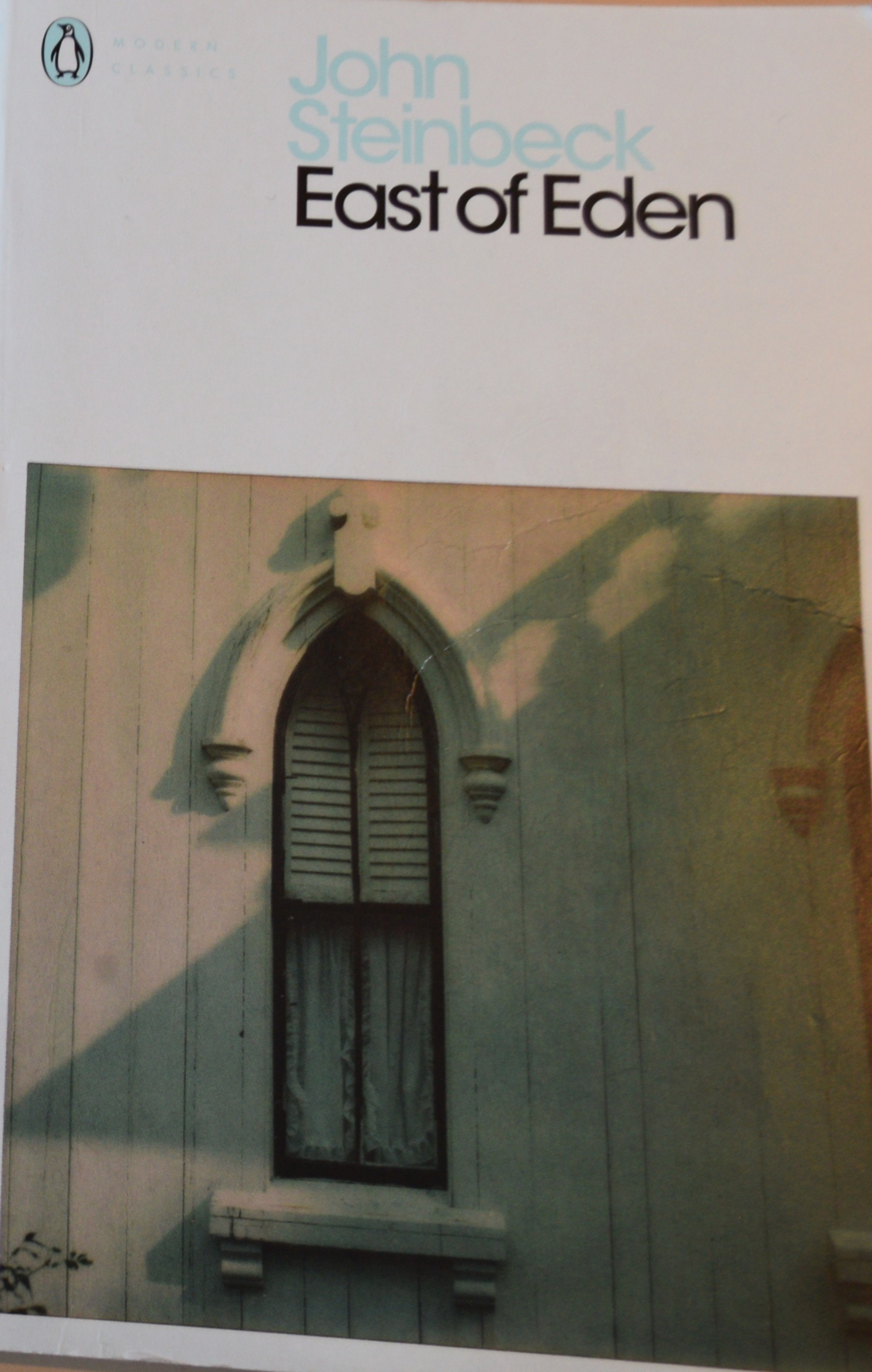
Didn’t get around to this when I was young but probably enjoyed it much more now I am old; it has such depth and perspective as it follows the fortunes of two US families over 3 generations through the late 19th and early 20th century. It explores sibling rivalry and social ills, friendship, hypocrisy, old fashioned good and evil and inter-generational consequences with drama and sensitivity.
Beautifully written, intelligent and absolutely riveting! This is one of his later works published in 1952
Steinbeck was born in 1902 — so contemporary with my grandparents. This gives me a point of reference as he looks back at his own family history. It underlines some of the differences in our countries, separated (as George Bernard Shaw said) by a common language; this is a literary work with a youthful bluntness, lack of euphemism and less hypocrisy — honest social and sexual observation which would have had him banned in the UK.
This may be why, despite his Nobel Prize for Literature, it was so poorly received by some of the US literary establishment. We can all be touchy about our own culture.
His most famous book was The Grapes of Wrath (1939).
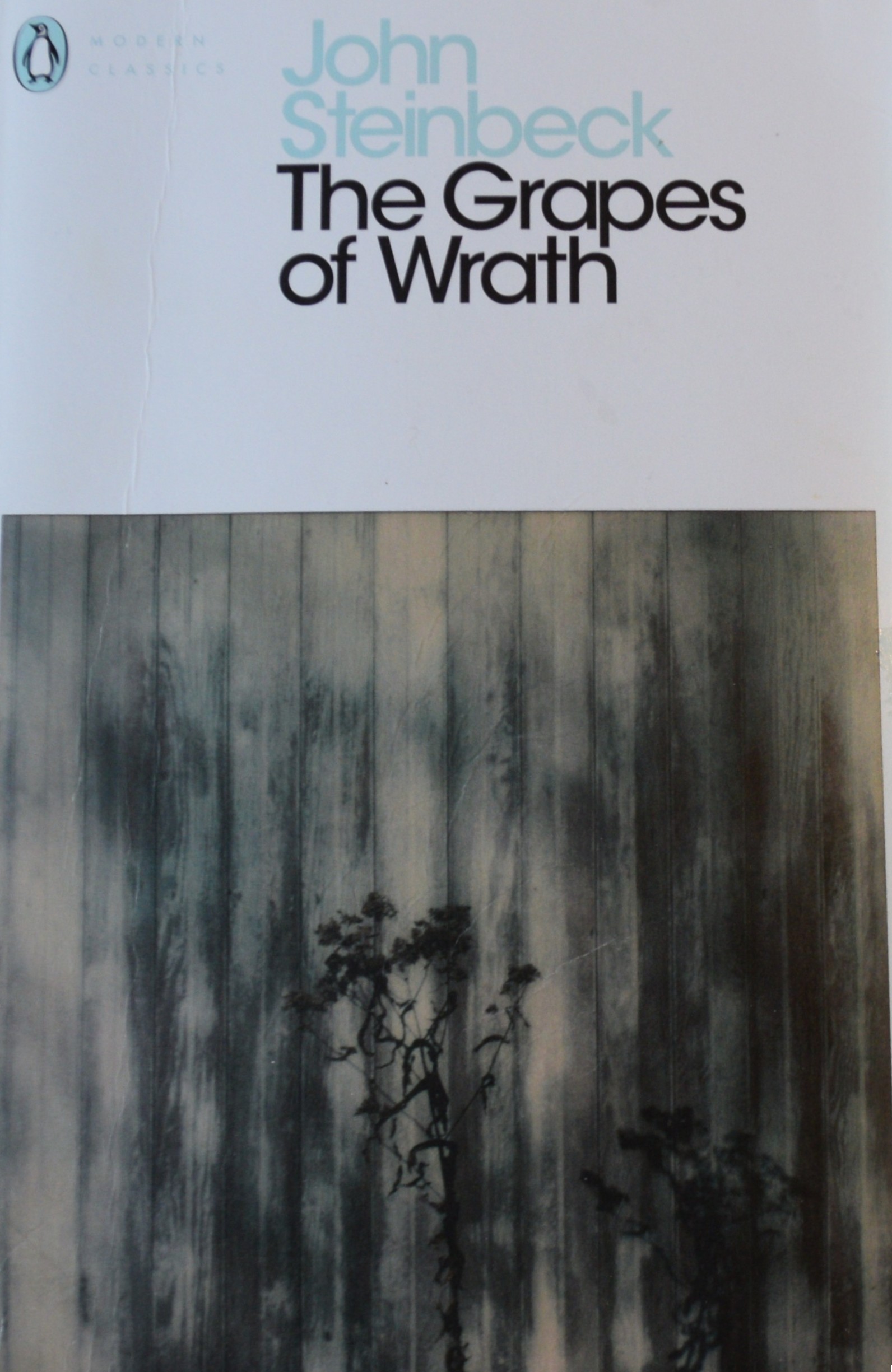
The subject (the great depression, the dust bowl, migration and social unrest) didn’t seem very relevant when I was young but, By God, it is relevant now. It won the Pulitzer prize and if written today would win it today. It is a master class in writing. If you want to understand what on Earth is happening in our world you would do well to start here. John Steinbeck takes a long, hard look at an underclass; migrants within their own country (like the Welsh and the Irish or gypsies; in Britain), at aspects of capitalism and human nature, family and, thankfully, at the resilience of the human spirit.
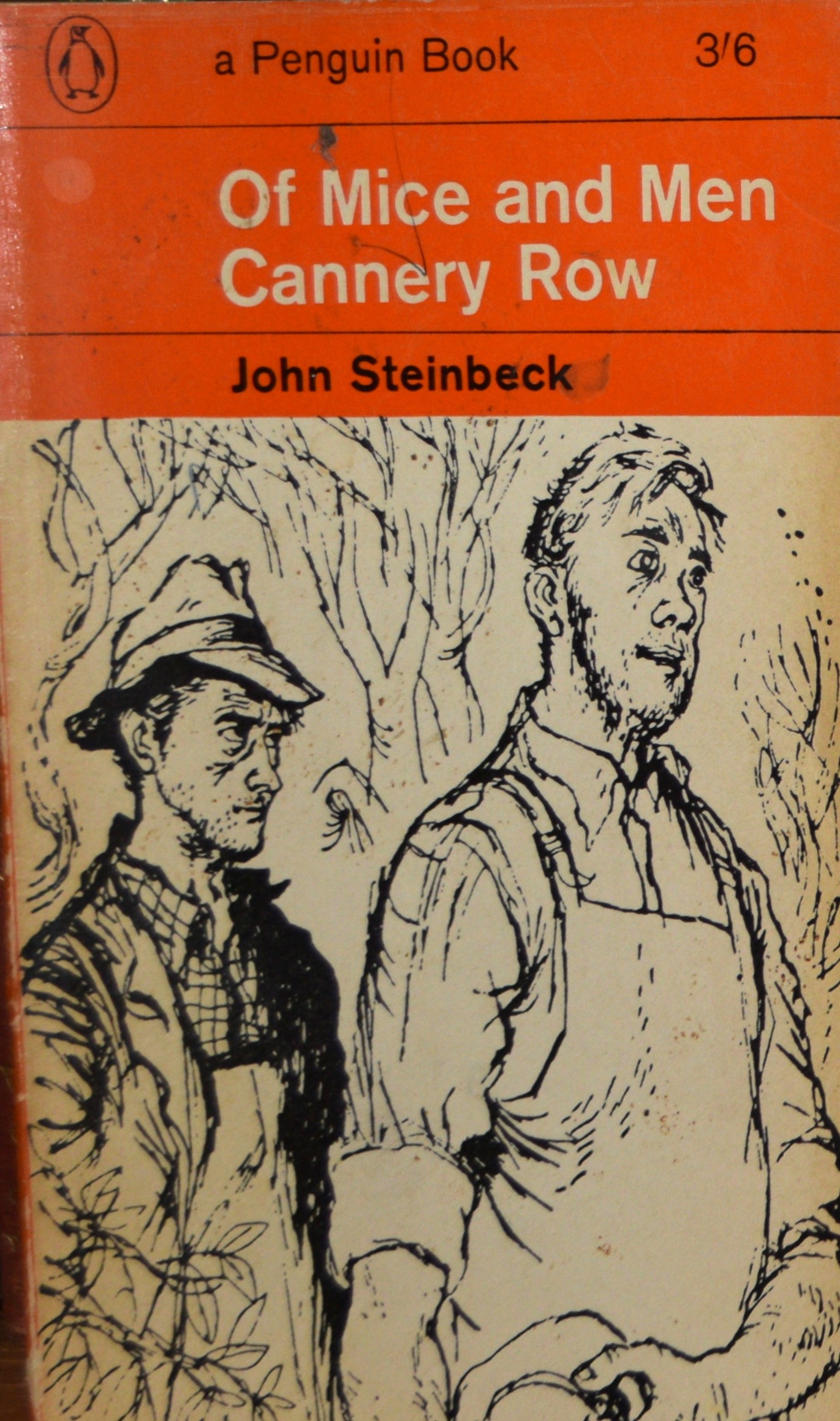
He was criticised a good deal for his assumed politics and was probably lucky to survive the communist-phobia of McCarthyism in the 50’s. Today he seems more like an unbiased observer. He wrote emotionally and socially sensitive, beautiful prose. I cannot praise him enough — if you want a starter, read Of Mice and Men (1937) a short novel about a kind, simple (we’d call him mentally handicapped) man, a victim of his own physical presence — it is full of foreboding. I read it first when it was 3/6 (17p) recommended by my English teacher, she knew I was a reluctant reader and that what I needed was something really good. It was, but sadly it took 60 years to face his longer novels!
Still — what a joy now. But tell me, who is the modern equivalent to John Steinbeck — who will explain to me what is going on now? Any ideas?
 dianaashworth