Healthy lifestyle, lifestyle, sport

Olympic fever?

Have you noticed? There is a lot of illicit exercise going on in the United Kingdom.

If you venture out when the streets are supposed to be empty, just after dawn you will be baffled if not run over by track-suited parents in trainers, jogging up and down, getting out before the kids are up — mustering their endorphins to face the day! Elderly gentlemen in shorts and cricket hats flash past you as you try to photograph a timid warbler. Ladies on bikes, dragging reluctant dogs, get tied up in leads and bump into post boxes to the alarm of the knitted figures sitting on top. Bicyclists shoot across in front of you as you wonder if you can make it through the lights on amber.

I guess it all started during Covid and has been exacerbated by the Olympics– it must be a good thing.

But what’s this? Lady in a wet suit in a park in St Neots — a long way from the sea.

Hang on — here are some more, bobbing around in the river.

Someone blows a whistle and they are off!

Suddenly, all thrashing about — like spawning fish in an upland pool, but they are whizzing along — after about 400 yards they all turn round and come back again. Only when they reach the shore can I categorize them — mainly young men, well young to me, but some young women and one man with a long white beard struggling as he runs along, to reach a string swinging down his back to unzip his wet-suit.

There is someone I know, in transition — nothing to worry about — just changing into her bicycling gear.

Only 25 kilometers — not even enough time for me to get a cup of coffee. Lots of riders struggle to get their feet attached to the pedals while riding as fast as they can up hill, one man in splendid electric blue shoes falls into a bed of nettles — that will sooth the pain in his joints.

After a 5 kilometre run Fran is triumphant!
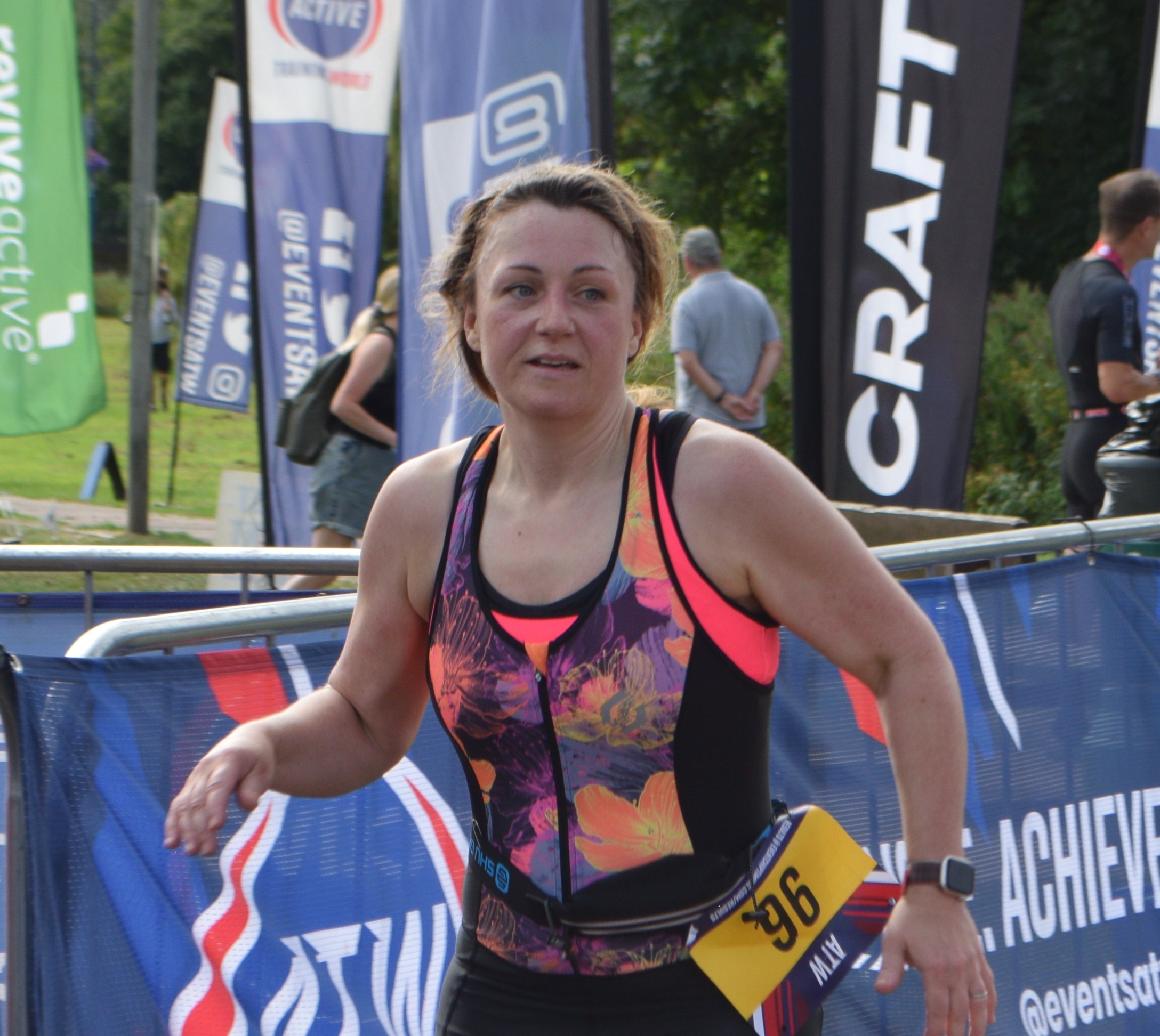
In remarkable shape on the hottest day of the year, best times ever, and looking forward to the next sprint-triathlon! I feel fitter just from watching!
Standard
Reptiles

Birth Announcement!

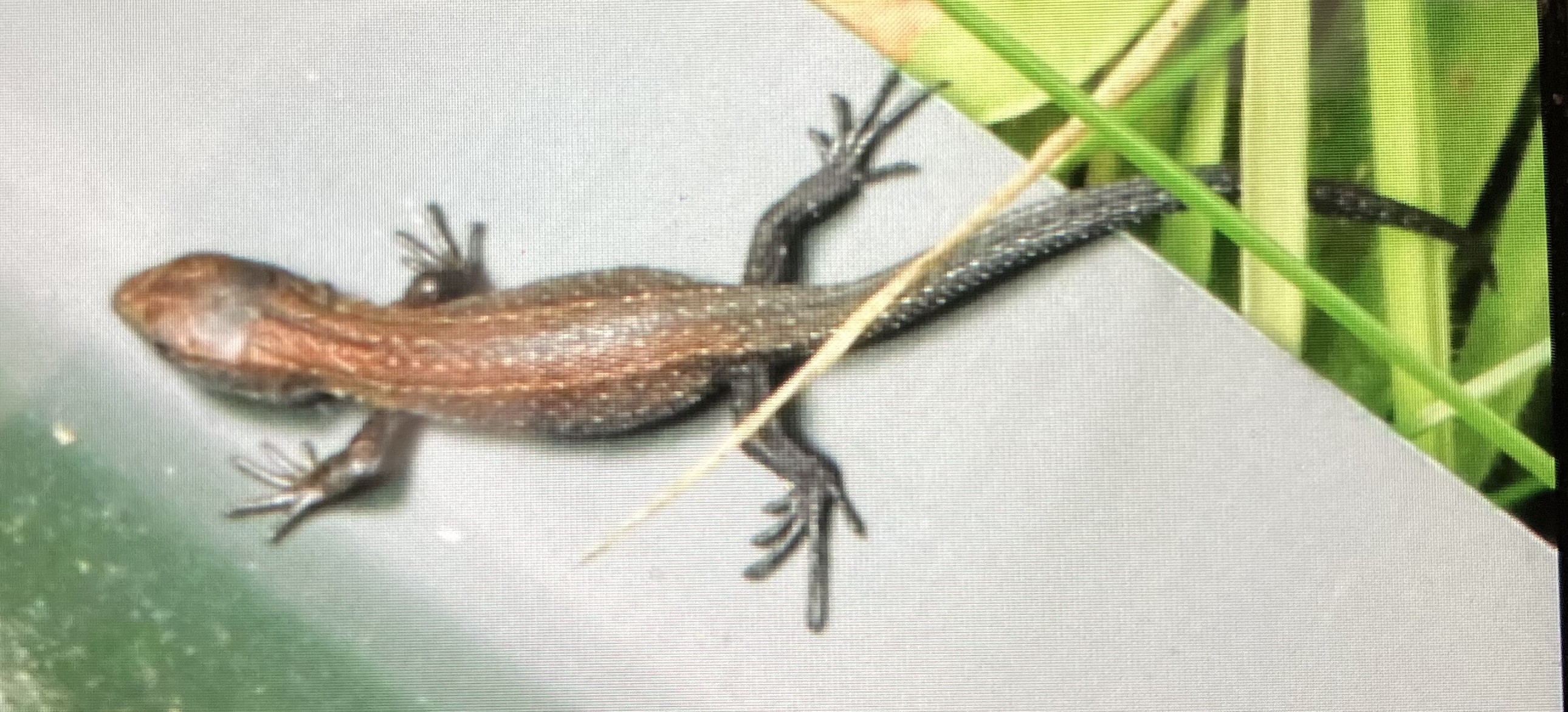
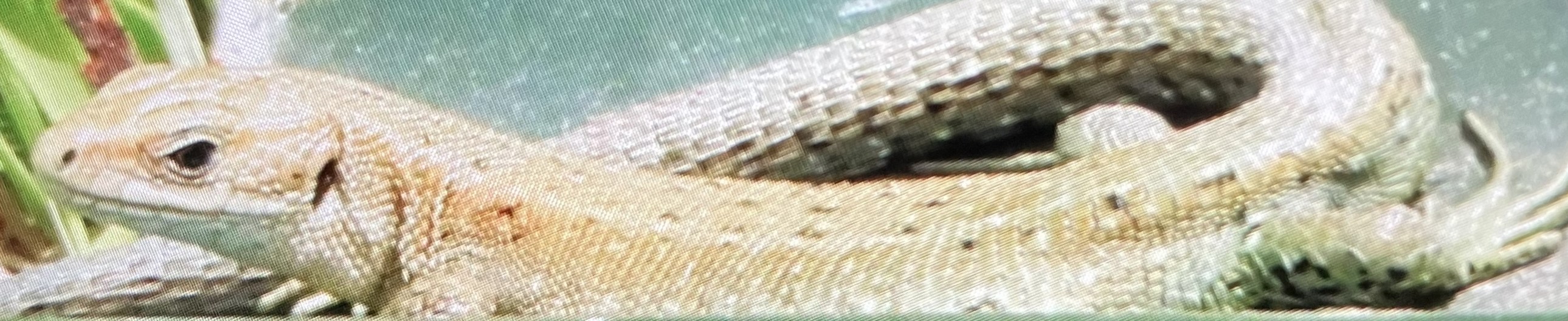
For the first time ever we are aware of baby lizards — tiny black skittering forms disappearing under the compost heap by the pond when we approach — here is one very magnified basking in a short period of sunlight today.

We have put out a piece of corrugated iron by the pond which they seem to like!

Maybe this is the mother of our little chap — enjoying the corrugated which was intended for slow worms (no sign of them yet!)

Bigger one seen at the Osprey Centre.
Standard
Moths

Moth Trap

It is amazing what is fluttering around the house in the dead of night. Here are some of the most spectacular.

This elephant hawk moth is not uncommon. Why is it so pink? Well, the food plant of its caterpillar is the rose bay willow herb which has had a very good year and the foliage is flecked with the same pink as its flowers and its moth! The moth doesn’t look much like an elephant but it is relatively large and the markings on its shoulders could be seen as like large ears… maybe.

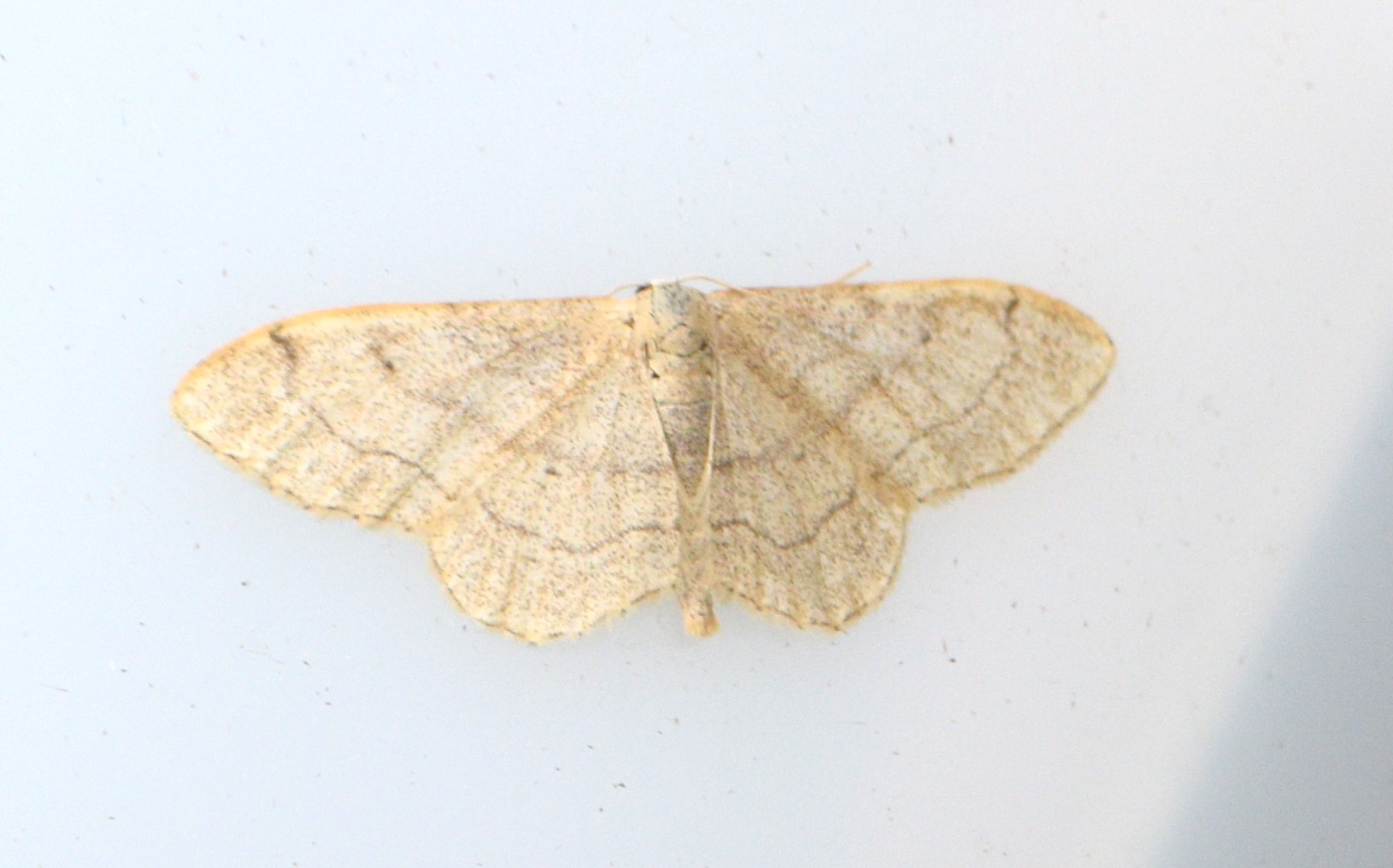
The riband wave moth is one we catch most nights, there are two forms, we are getting the remutata variety, shown here. Their caterpillars eat various plants like dandelions and dock — the docks have also enjoyed the conditions this year.

Another beautiful moth is the light emerald, Campaea margaritata. Its caterpillar eats the soft bark of some deciduous trees, including apple and plum, which might explain why one of our apple trees is looking so peaky.

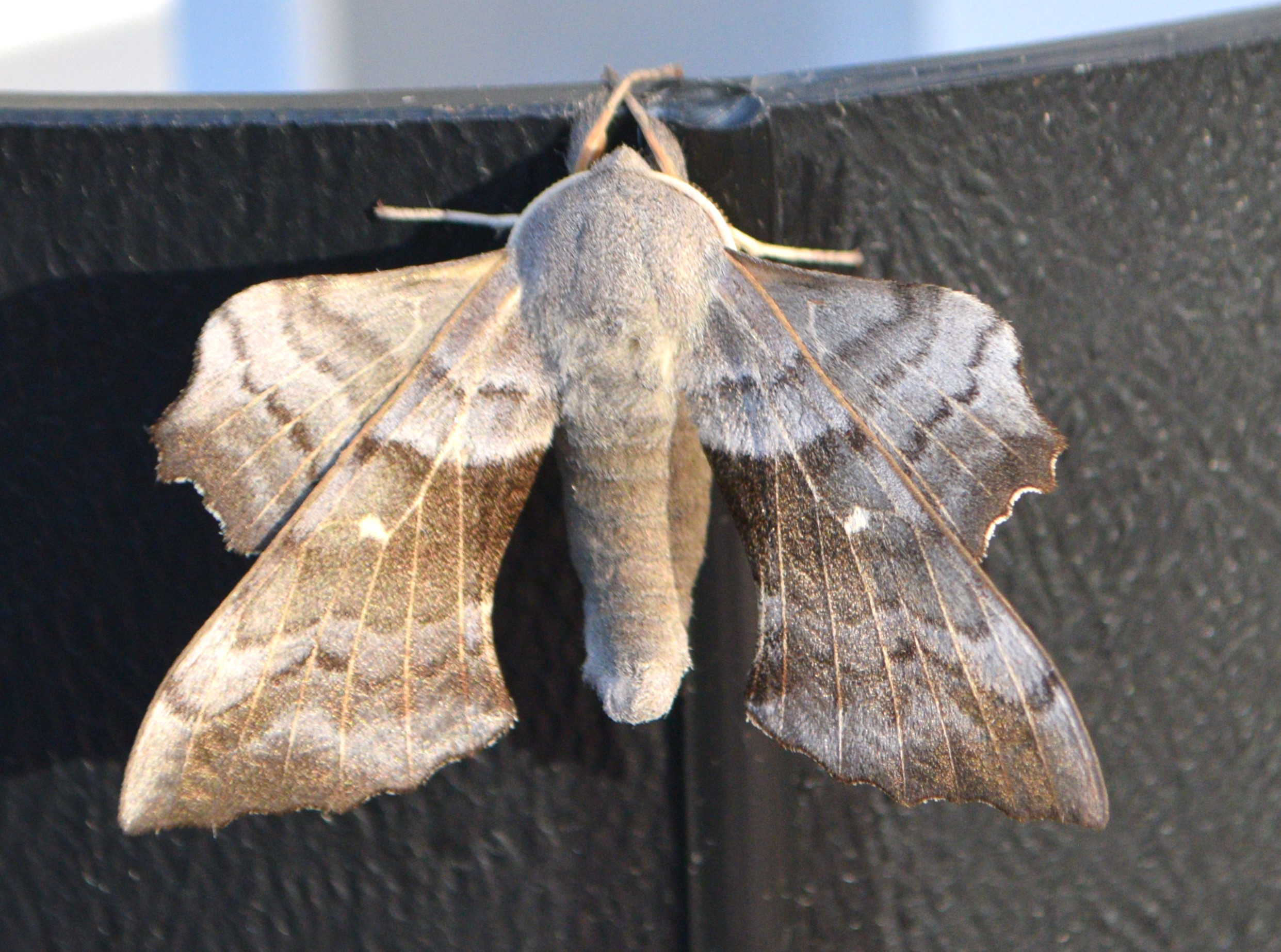
Here is the largest so far, the poplar hawk moth Laothoe populi. Its wingspan is 7-10 cm and rather than having its fore and hind wings linked together, like most moths, these are separate so that, at rest, they lie at different angles and look like a group of dead leaves on the poplars and willows trees that they favor with their caterpillars.

But there is a downside to moth trapping which I say as I try not to scratch my itching face!

Midges! It has also been a very good year for them!

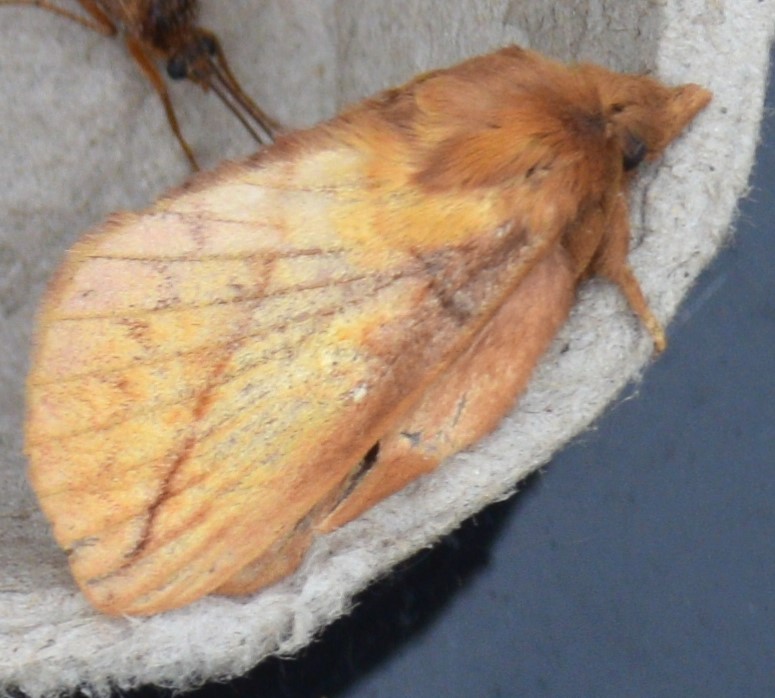
This drinker moth is perched above a sea of dozing midges which swarm up to suck the blood of the lepidopterists!

Here’s a better shot of the Drinker with the ubiquitous caddisfly lurking behind.

We catch almost as many caddisflies as moths — they are not as glamorous as moths but are a good health marker for the environment. Their larvae are aquatic and our stream is pure, we see lots when we pond dip, and they will be providing food for our growing brown trout.

Standard
Birds, farming

White Storks in Sussex

A couple of years ago we saw 20 storks flying over the Lizard in Cornwall looking for a land route to Europe on their way to Africa via Gibraltar — they don’t like flying over sea if they can help it! At that time we were so excited that the photos were accidentally deleted! Ever since we have promised ourselves a trip to Knepp in the South to see the storks that nest there.

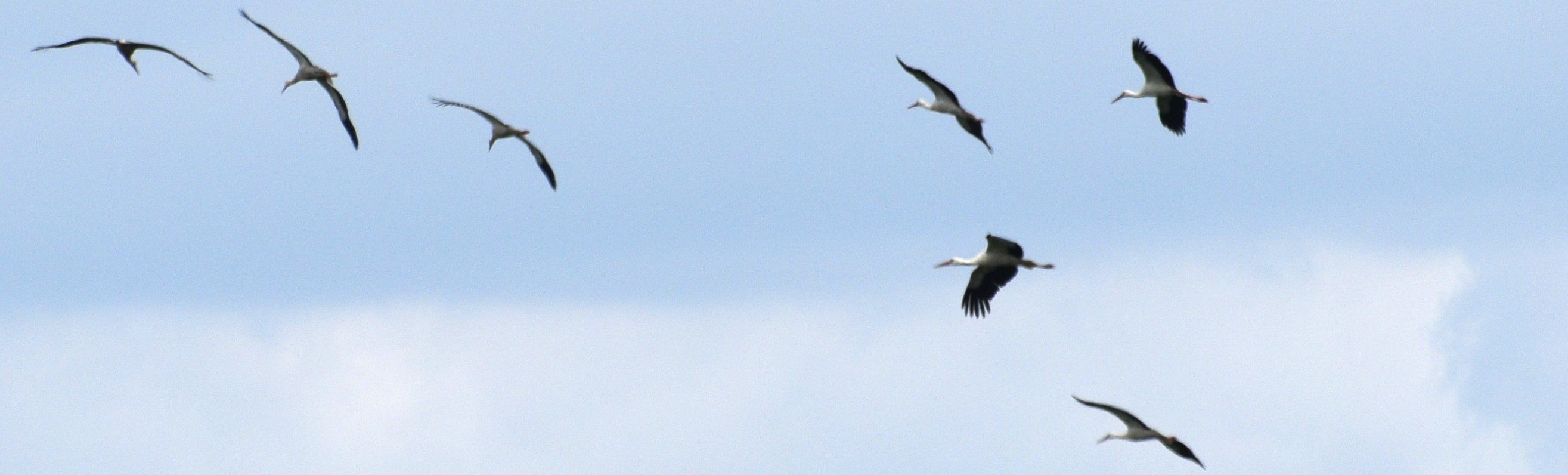
This year we set off. We couldn’t find the place — we were lost! Then suddenly, above us–

we realized that we had arrived!

Bill remembers, before their reintroduction in 2020, the last stork to nest in Britain was on St Giles Cathedral in Edinburgh 1416. They lost habitat and were hunted to extinction.

They have been re-introduced to Knepp in West Sussex, also to sites in the Cotswolds, Essex, Surrey and Wadhurst Park in East Sussex.

Knepp is a large estate that is being re-wilded. You can read about it in Isabella Tree’s book Rewilding.

We had a glimpse of their long horn cattle but, not exactly free ranging in this part, and no sign of the wild boar or beavers but it is a huge place an we only saw a small part! We are still looking for a turtle dove.

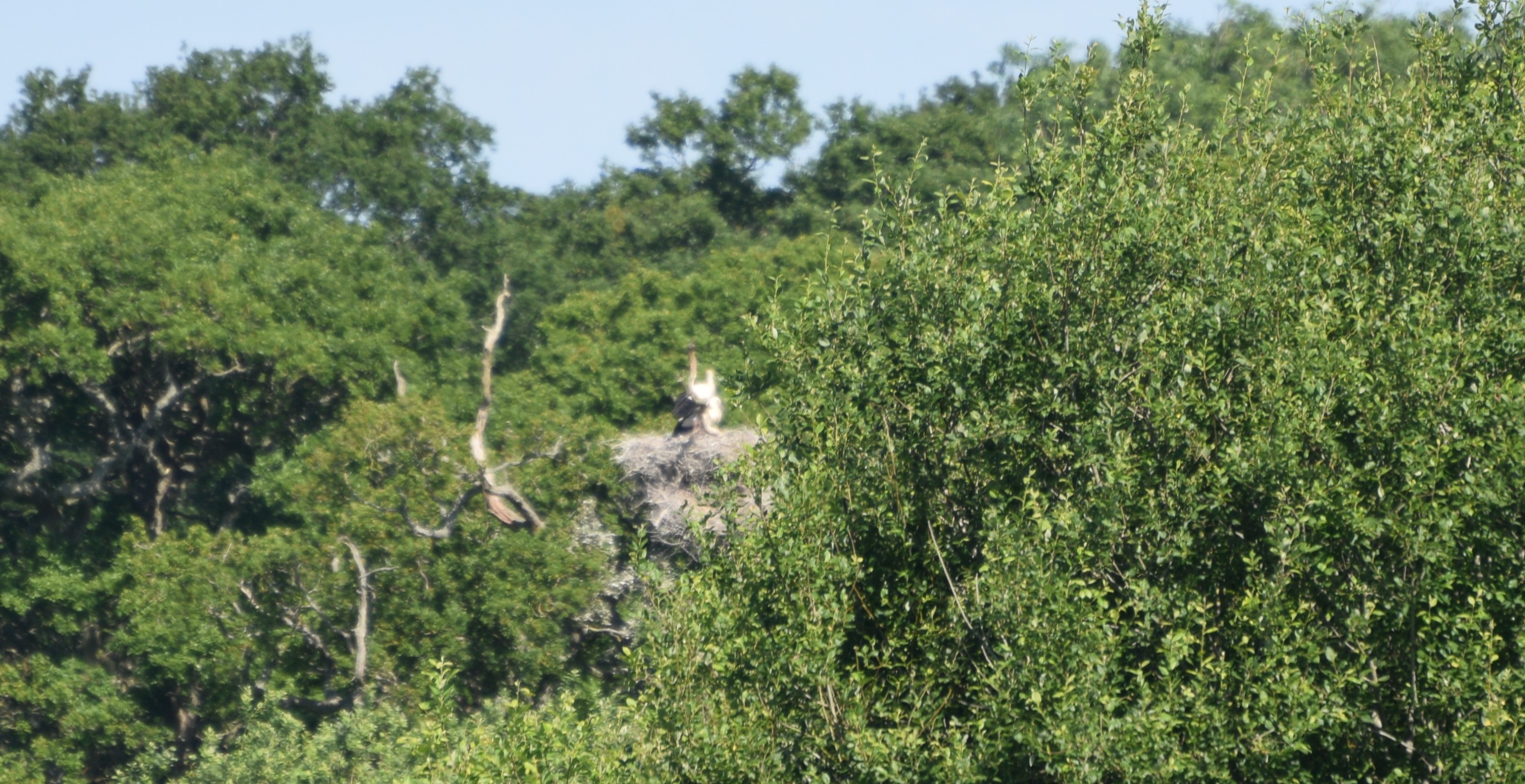
We sat on a rise overlooking the estate where we could see a stork nest.

Early in the afternoon there was an eruption of storks taking to the sky — seemed they were changing the guard on all the nests at the same time! Last year 26 storks fledged from 11 nests — it looks as if there will be more this year!

Spectacular birds.

Very interesting experiment in re-wilding, and it is all relative, compared with where we live the small part that we were able to visit on foot, seemed pretty tame! But it was enough to see that it is a spectacular exercise in diversification of farming — loads of visitors, efficiently managed involving minimal staff. They basically ask for a donation for parking and you can walk on the foot paths through the estate. We didn’t take any of the guided tours on offer which are not cheep, nor stay in any of their eco-accommodation — I’d be interested to hear feedback from people who have.

Standard
Uncategorized

Good year for Barn Owls!

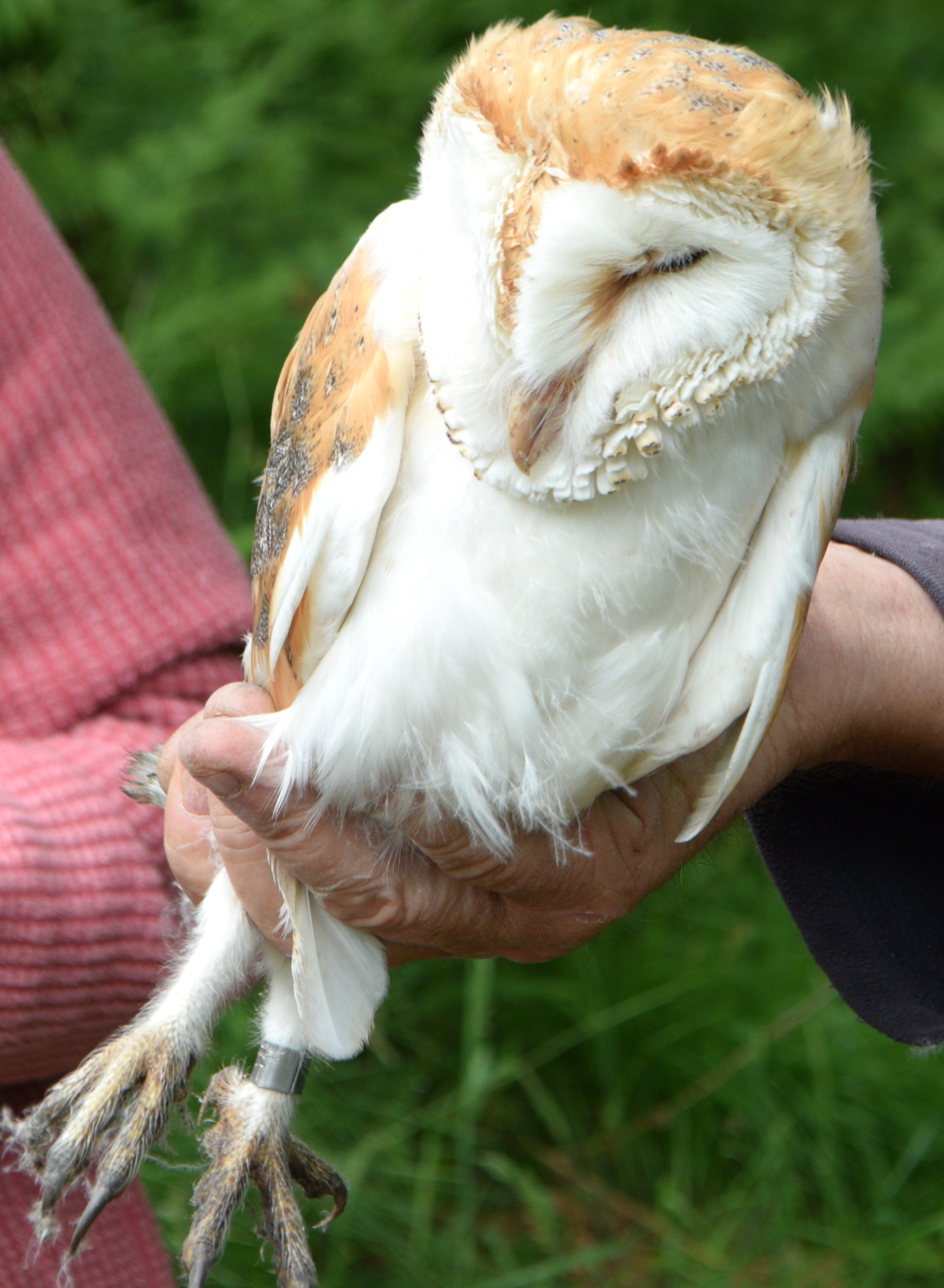
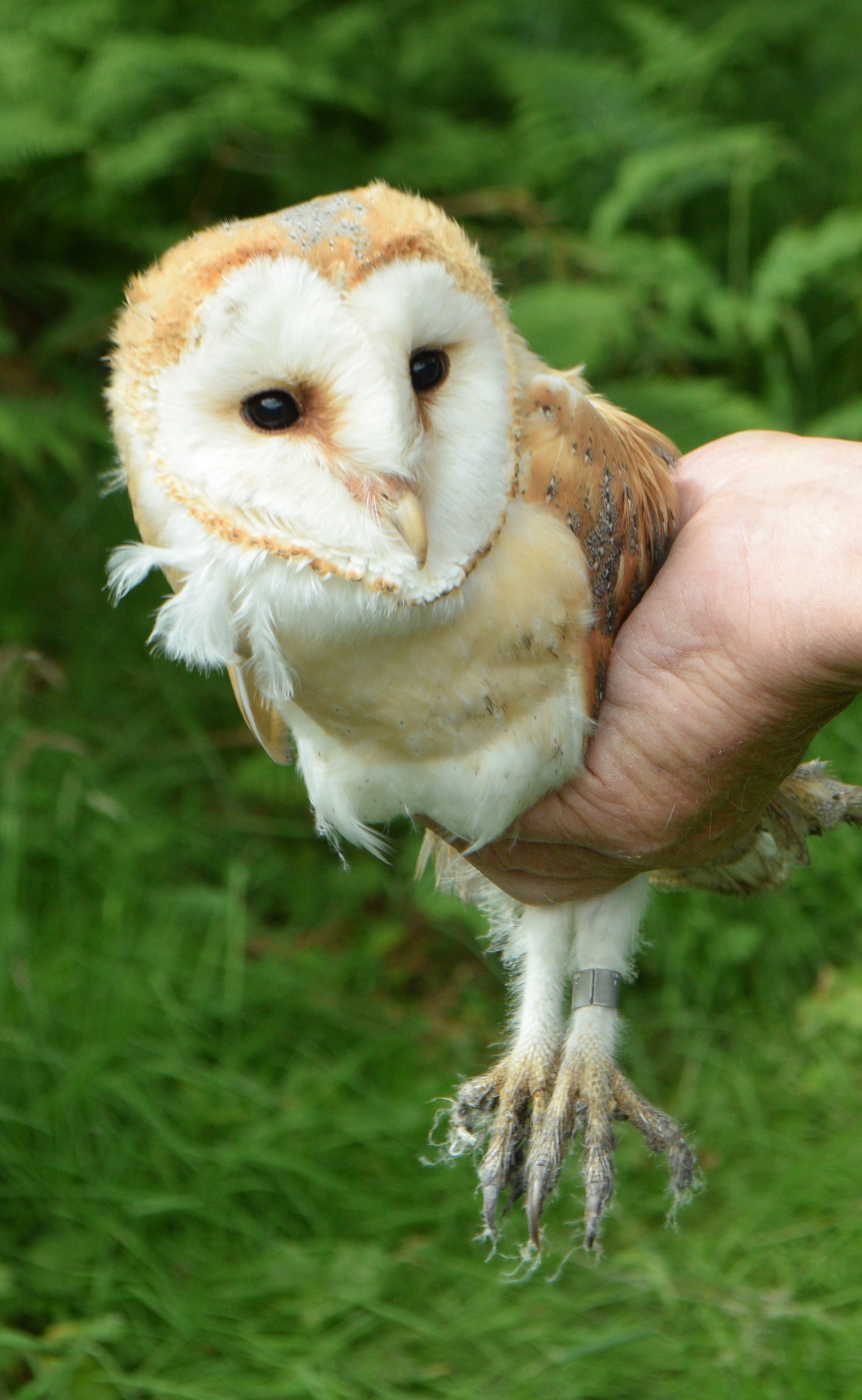
Earlier this year more than 150 barn owl chicks were ringed all over this area of Mid and North Wales by those tireless volunteers that monitor the population. Our box yielded 4 (3 female and one male). Now safely fledged and flying. Today I disturbed a magnificent young bird sheltering from the heavy rain in our barn, perhaps assessing the suitability of the new box we put there, waiting for a tenant for next year.

I’m no carpenter! But watch this space!

Female barn owl, about 7 weeks old.

Maturity assessed by measuring the second flight feather. Females have speckles under their wings.

What beautiful birds they are.

Standard
Moths

Who put twigs in the moth trap?

Look at this early thorn moth perching on a birch twig! But who put birch twigs in the moth trap?

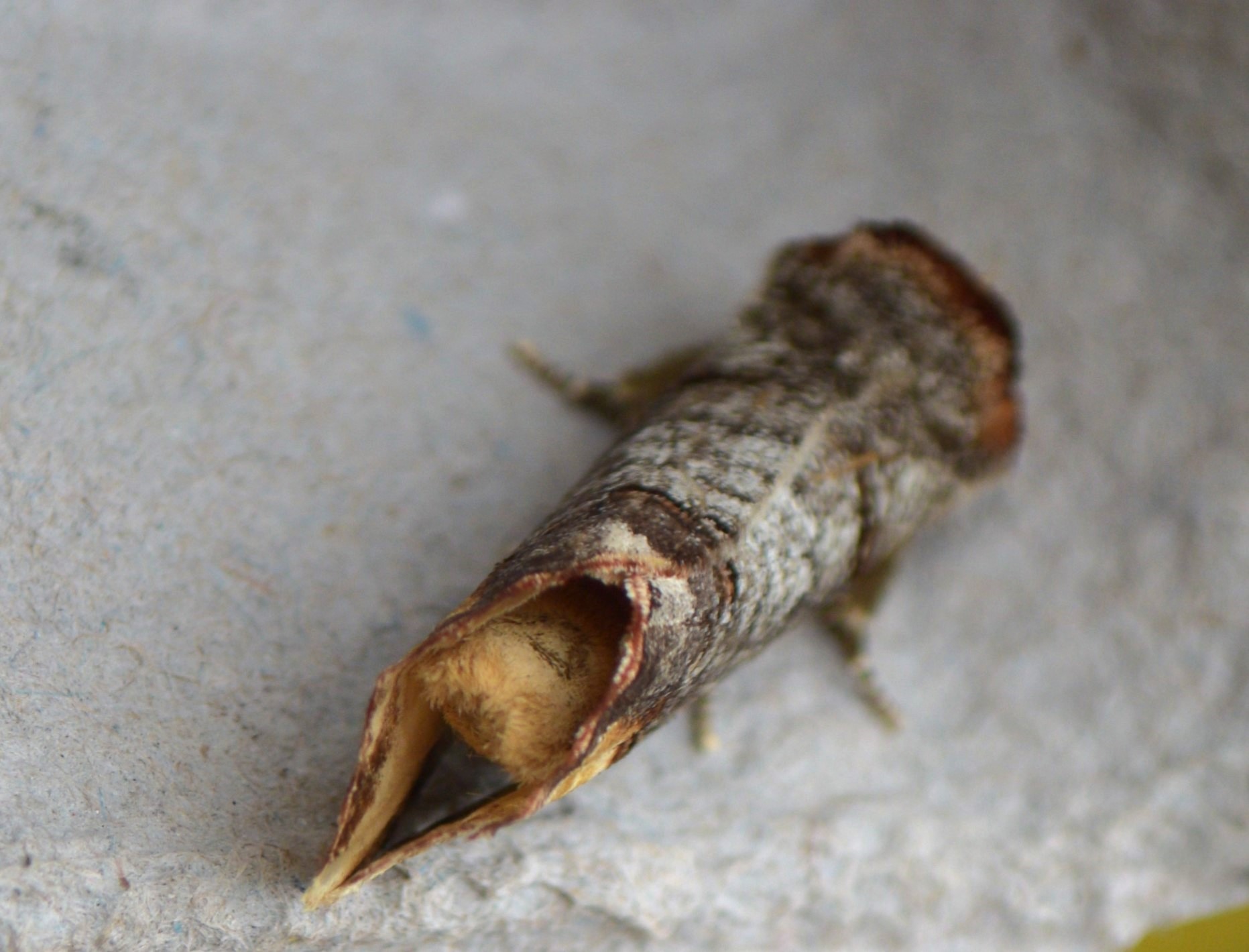
Look again — this twig has a smiley face!

It is a buff tip moth (Phalera bucephala) — disappointing name for such a master of disguise.

The Latin is more like it — meaning something like bull’s head breast plate.

Here is a rear view:

Beautiful picture taken on Bill’s i-phone. Not an uncommon moth but probably rarely noticed!

Standard
Birds, Butterflies, Moths

Spectacle in the far South!

We recently visited the Isle of Wight on a butterfly hunt. The weather did not help much but one sunny morning did yield a few windswept examples of what we had hoped for.

Glanville Fritillary — not seen very often in UK, except in the Channel Islands, Isle of Wight and far south.

Underwing of Glanville Fritillary
A bonus — Caterpillars of Muellin moth — easily spotted because they had eaten nearly all the Muellin — they are so bright that I doubt they taste very nice!

The chalk downs are home to many plants that are unfamiliar to us in the acid West:

Bee Orchid
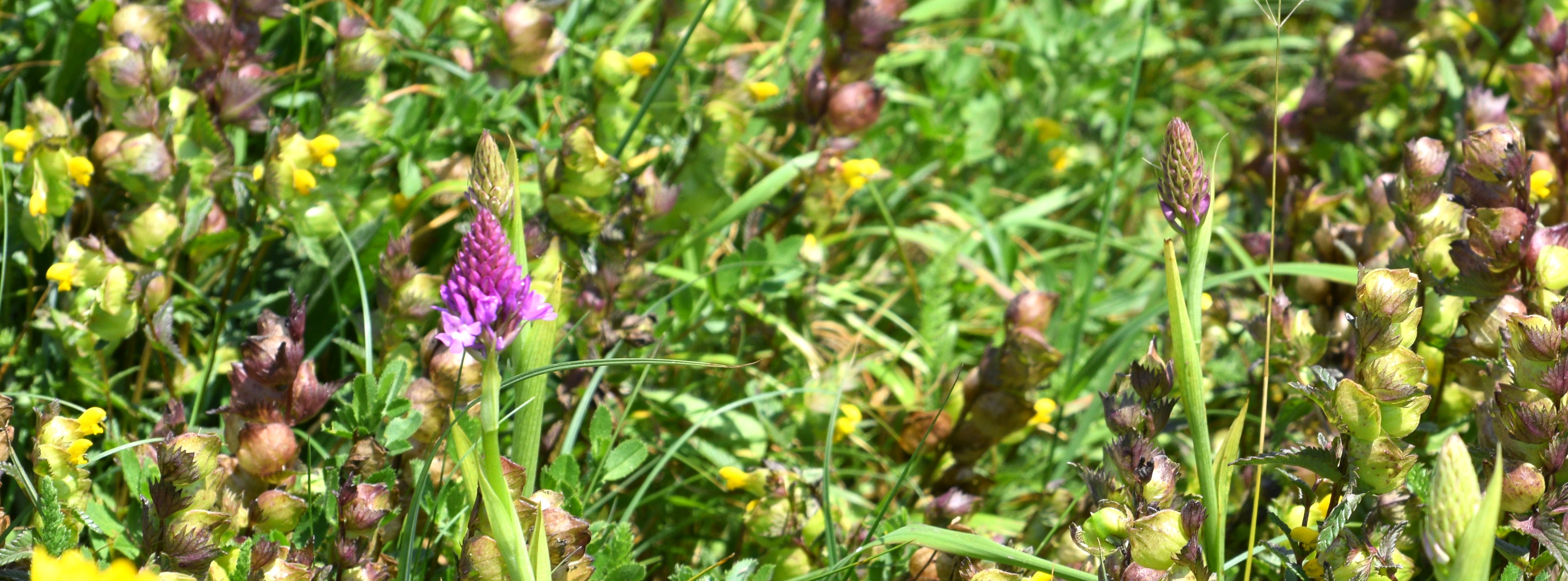
Pyramidal orchids amongst yellow rattle.
Broomrape

We kept our eyes open for white tailed eagles and had a good look at all the likely habitats on the island. At one place we spotted a large, dead, oak tree. As we were looking there was an avian kerfuffle with crows attacking a marsh harrier — we watched fascinated as the harrier returned to its nest among the reeds when suddenly a huge bird swooped down and attacked the harrier, carrying off something which may have been a chick. It carried it up into the oak tree and was almost immediately joined by its mate.

What a fluke, two white tailed eagles in an unpublicized nest. But that was not all — as we looked through the telescope — there was a chick.

Fuzzy image but definitely a chick! Because this may have been it’s first photo-call we have allowed time for it to fledge before publishing the image. What a privilege and adequate compensation for the bad weather!
Standard
Birds, Communication

Birdsong to herald the Spring!

Common Whitethroat

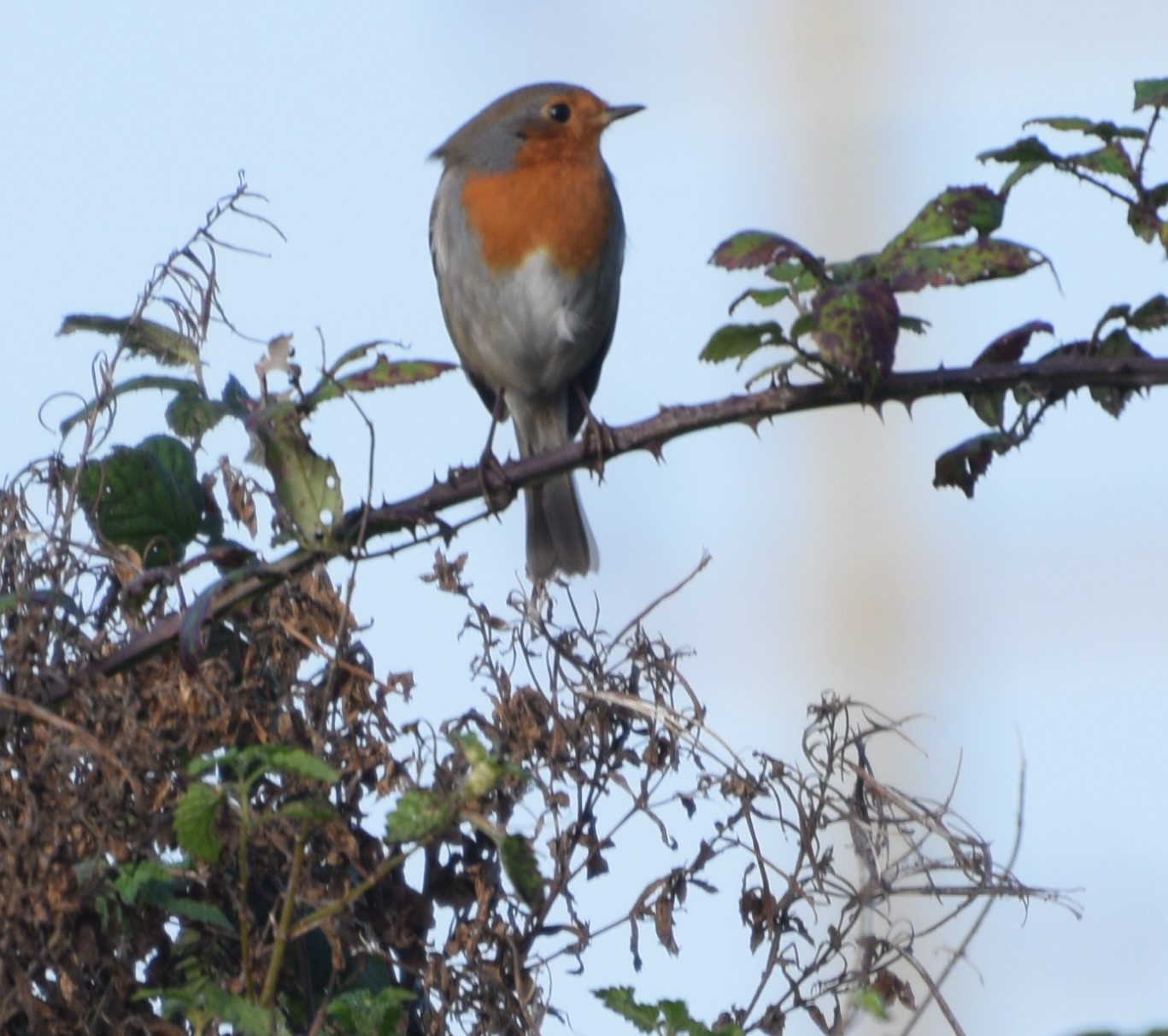
For the last few days we have rejoice in the sound of birdsong and been relieved that so many of our old friends have made it back from their winter quarters to boost the chorus of our native woodland dunnocks, robins and wrens.

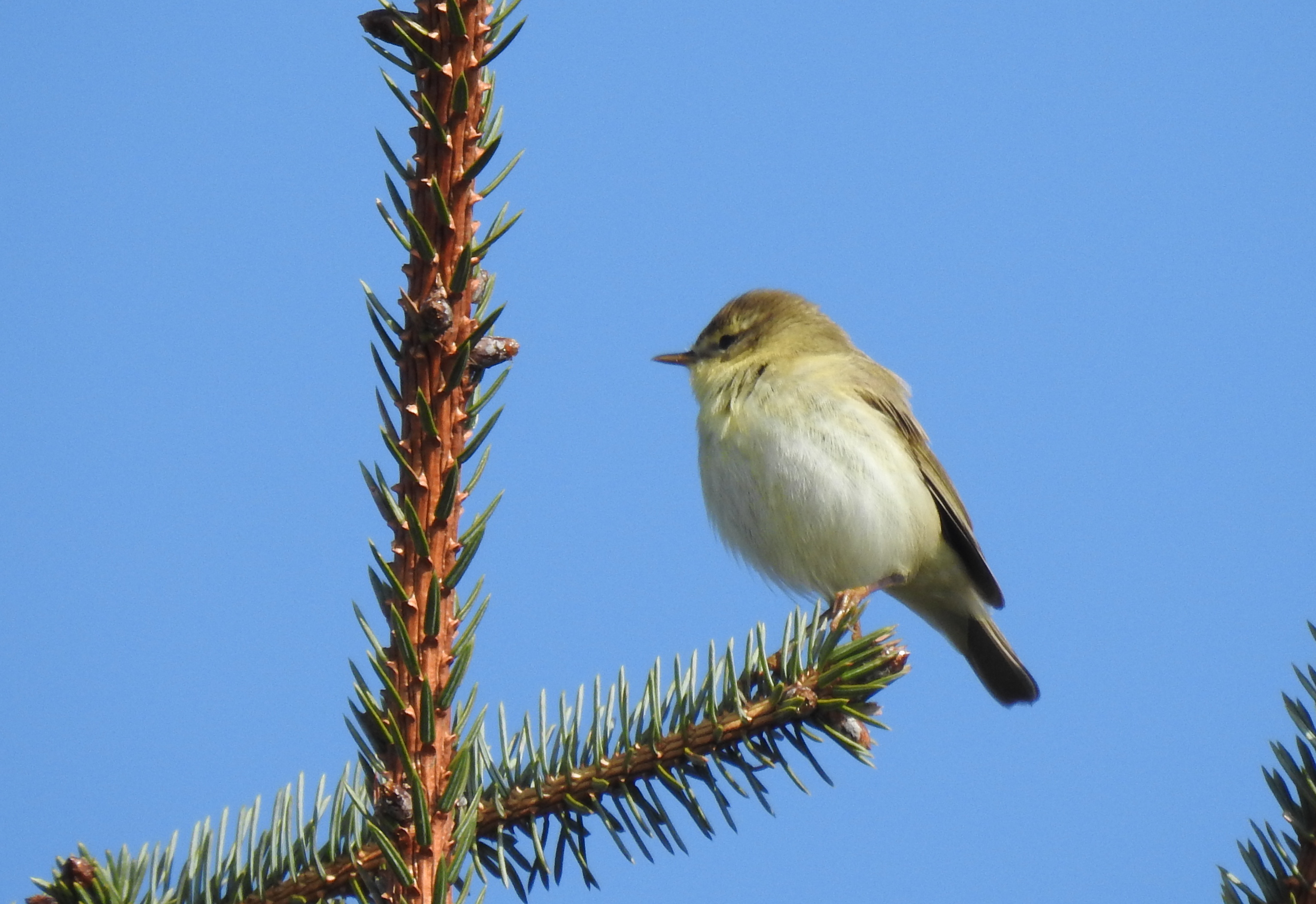
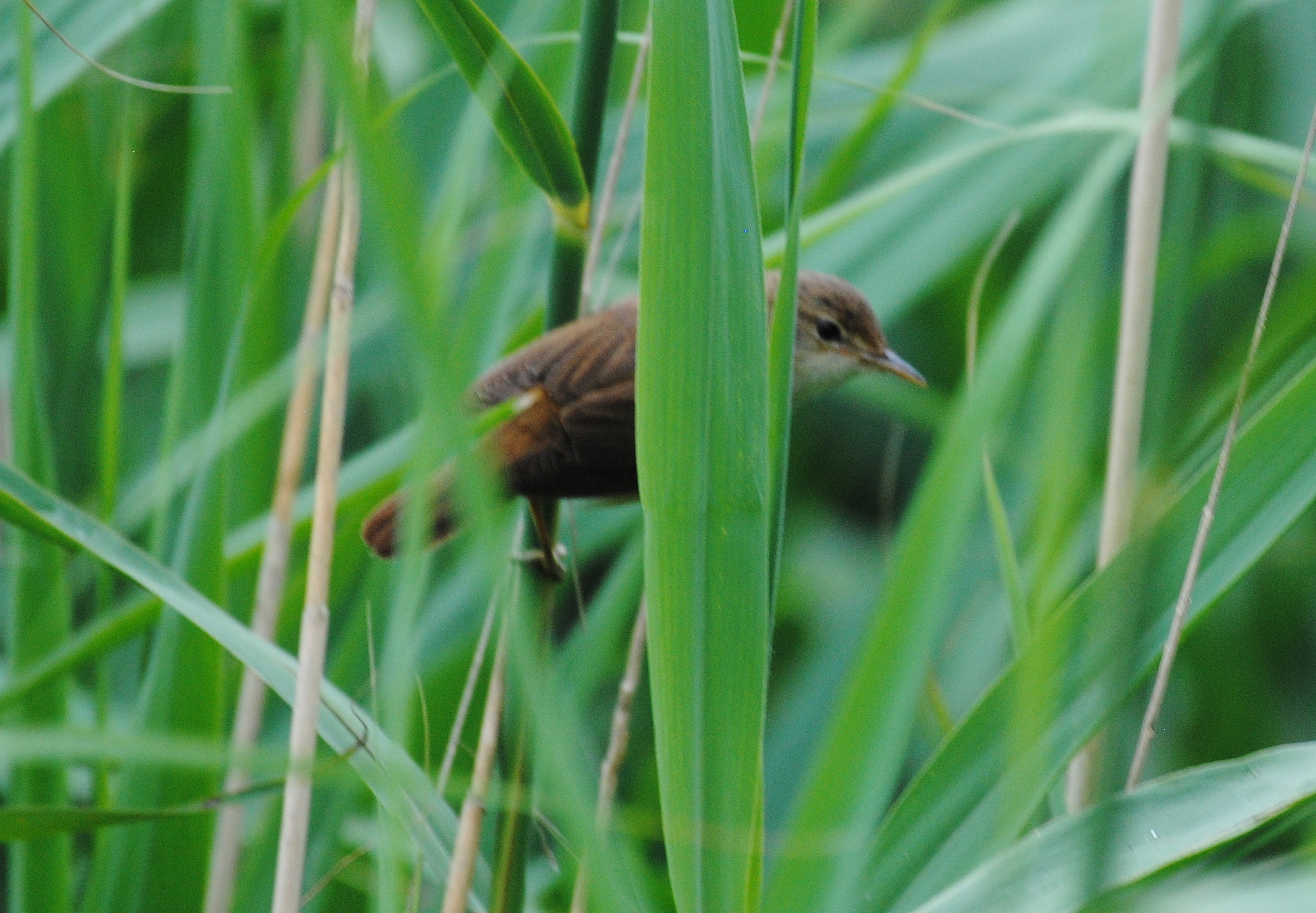
Suddenly the hedges are full of willow warblers in their minor key and the excited, raspy call of sedge warblers who suddenly throw themselves into the air, showing off to the female of his choice. Now the reed warblers join in with their lower, more guarded song. Evolution has taught them to conceal their location and that of their nest. Now they are all singing to attract a mate, all with their own particular refrain.

As you can see, to make things more interesting (with the exception of the reed warbler) they do not usually call from their eponymous habitats!

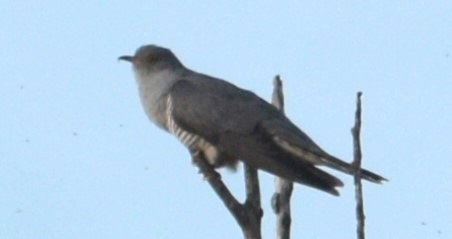
Everywhere we go we listen for the Cuckoo — this year everywhere we go we hear him. We hear him calling from all around but he flies always behind the trees so we cannot see him. This morning the sun was shinning and at last we saw one, here he is shouting from the highest branch, before taking off to advertise himself to the females on the other side of his large territory.

We heard a female cuckoo’s call back, said to sound like water going down a plug hole, to me it is more like the whinnying of a horse. She calls from cover while she stealthfully searches for the nests of any careless reed warbler or dunnock, who has given away her nest and left it unattended.

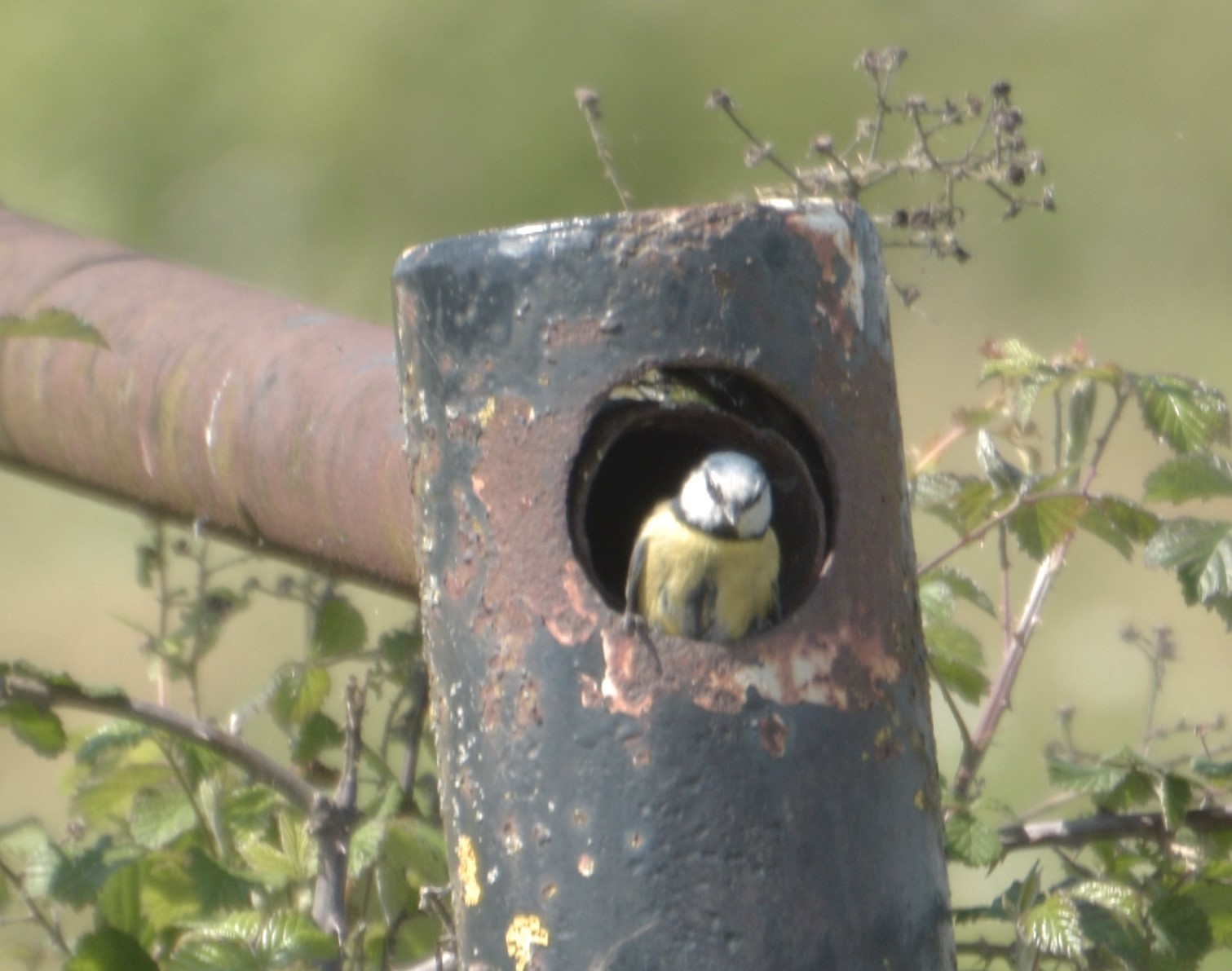
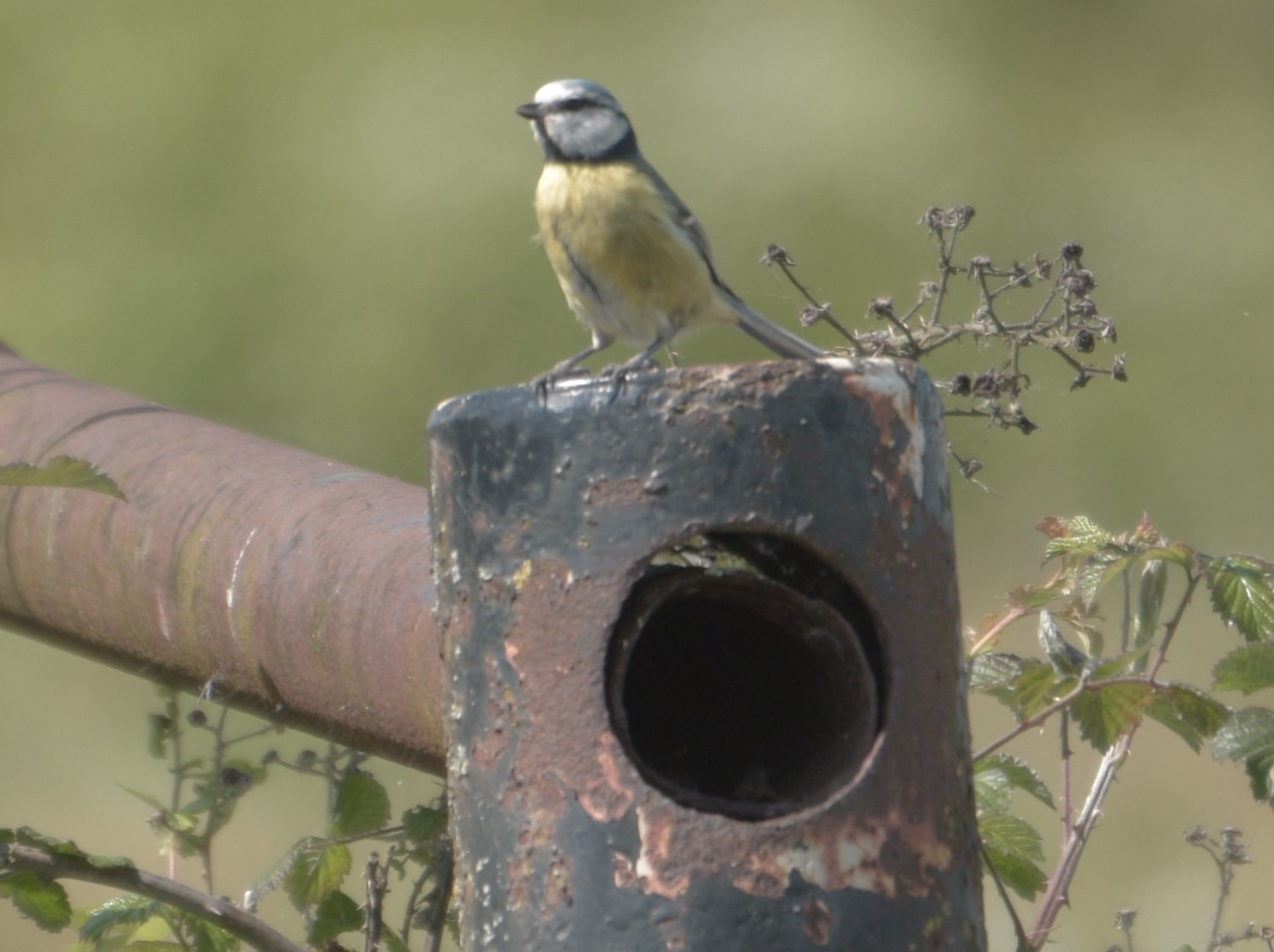
Down by the river we notice something swoop down and disappear into a hole — I stake it out with my camera. What is this?

A Blue Tit, nesting in a convenient rusty post.

One species is well ahead in the breeding stakes —

Tawny owl twins meet the world — sitting in the sun this morning.

Standard
Books, Medical Education, Writing

Special Opportunity!


Clinical Press, the publishers of my book You don’t have to be a genius, have chosen a few of their favourite books (including mine!) for special promotion in the first week of May. The e-book will be available at a very reduced rate.

From May 1st, the following e-books from Clinical Press Ltd. will be available initially at just 99p (or 99cents in USA) by searching on the Amazon site:

You don’t have to be a genius by Diana Ashworth: Funny and moving and based on a true story. At the dawn of the permissive age Diana is a medical student in swinging London. A great read.

Splittage: brain hyping in the Dystopia; by M J Marazan. Dystopian science fiction in the style of the Golden Age of SF with hints of Asimov and Heinlein

The origin of the virus: Barnard, Quay and Dalgleish. The definitive account of how they produced a virus that killed millions  (Note: Amazon No. 1 Bestseller in Health Risk assessment)

The dog comes with the practice: Expanded 2nd Edition by Tom Baskett.  ‘This gentle volume reminds us that, at the core, medicine is about people.’  Medical autobiography…  ‘the medical equivalent of All creatures great and small.’ (Clinical Press book of the year 2023)

Losing Eldorado by Mark T Goddard: Two brothers searching for the soul of America (Note: Amazon No. 1 Hot new release in Music, No 1 Hot new release in US Travel)

Standard
Birds, Cornwall

Whimbrel Hunt

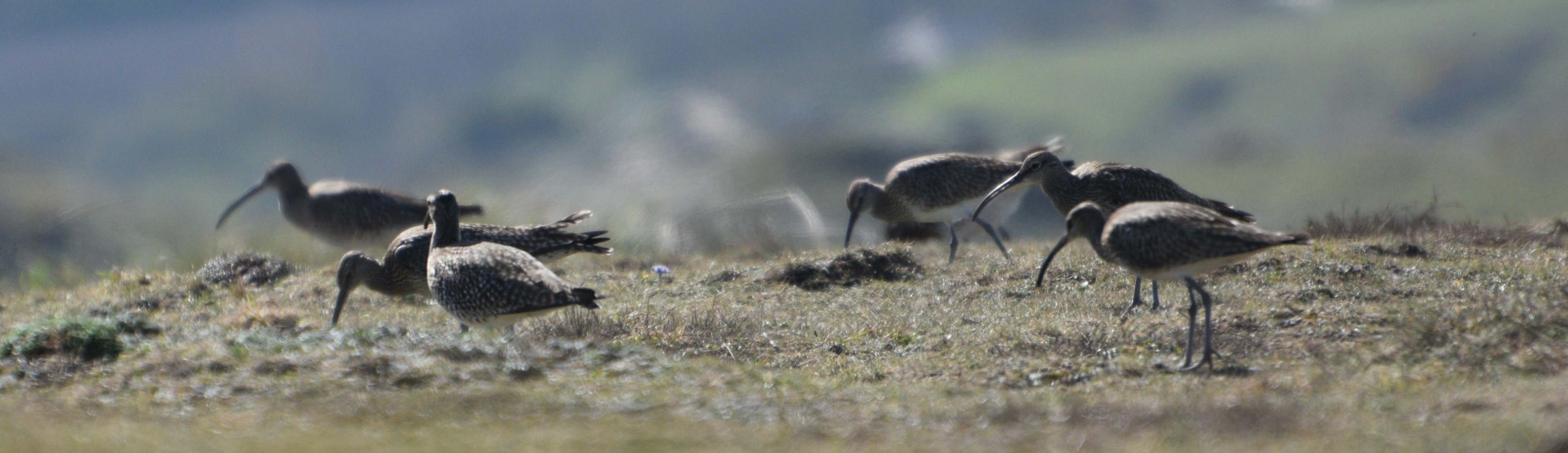
Just spent several days, in Cornwall, looking for this elusive bird, amongst other things — trying to spot it en-route between Africa and its breeding grounds in the sub-arctic, where it breeds as far south as Orkney, Shetland and the north of Scotland. They are the smaller of our two curlews.

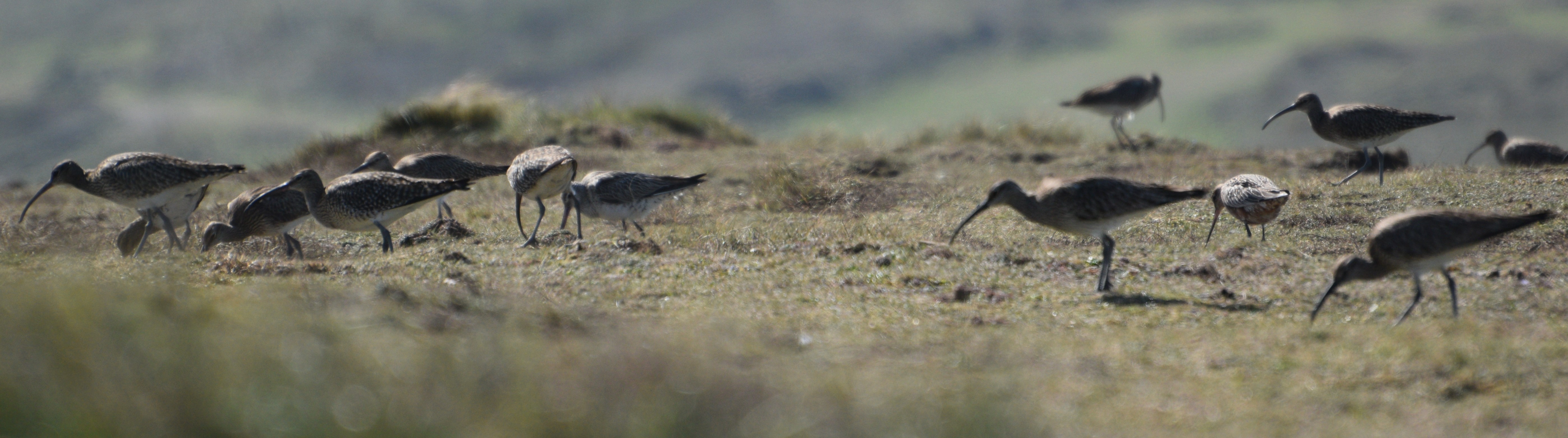
They travel in groups, along the coasts of Britain, feeding as they go. Reported one day and gone the next! We missed them at Land’s End and at Boat Cove. At Godrevy, on our last evening we were scrambling on the rocky cliff edge scanning the rocks below when we were nearly knocked off the precarious path by a low flying squadron of huge birds. They had found us!

Twenty-four whimbrels with 2 godwits, stopping for an evening feed on the clifftop

Standard