Ecology, Moths, Natural Beauty

Secret Night-Life in the Trannon Valley!

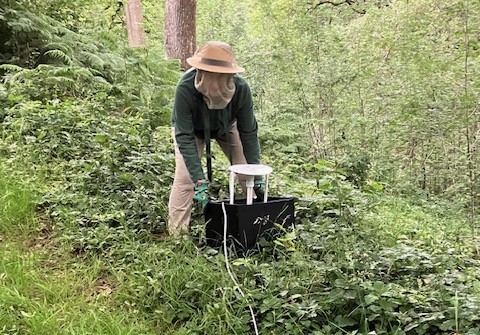
Here I am, on my birthday. We are testing my birthday present, a state-of-the-art, battery-driven moth-trap.

It is a summer evening in the oak wood, we encourage insects, Some of them are man-eaters; hence the fetching veil. They pollenate and fascinate and fuel the food-chains, sustaining all the chicks, bats and baby mammals. They also give us an idea of how well we are doing, the numbers and variation give us an index of diversity which we can compare year on year.
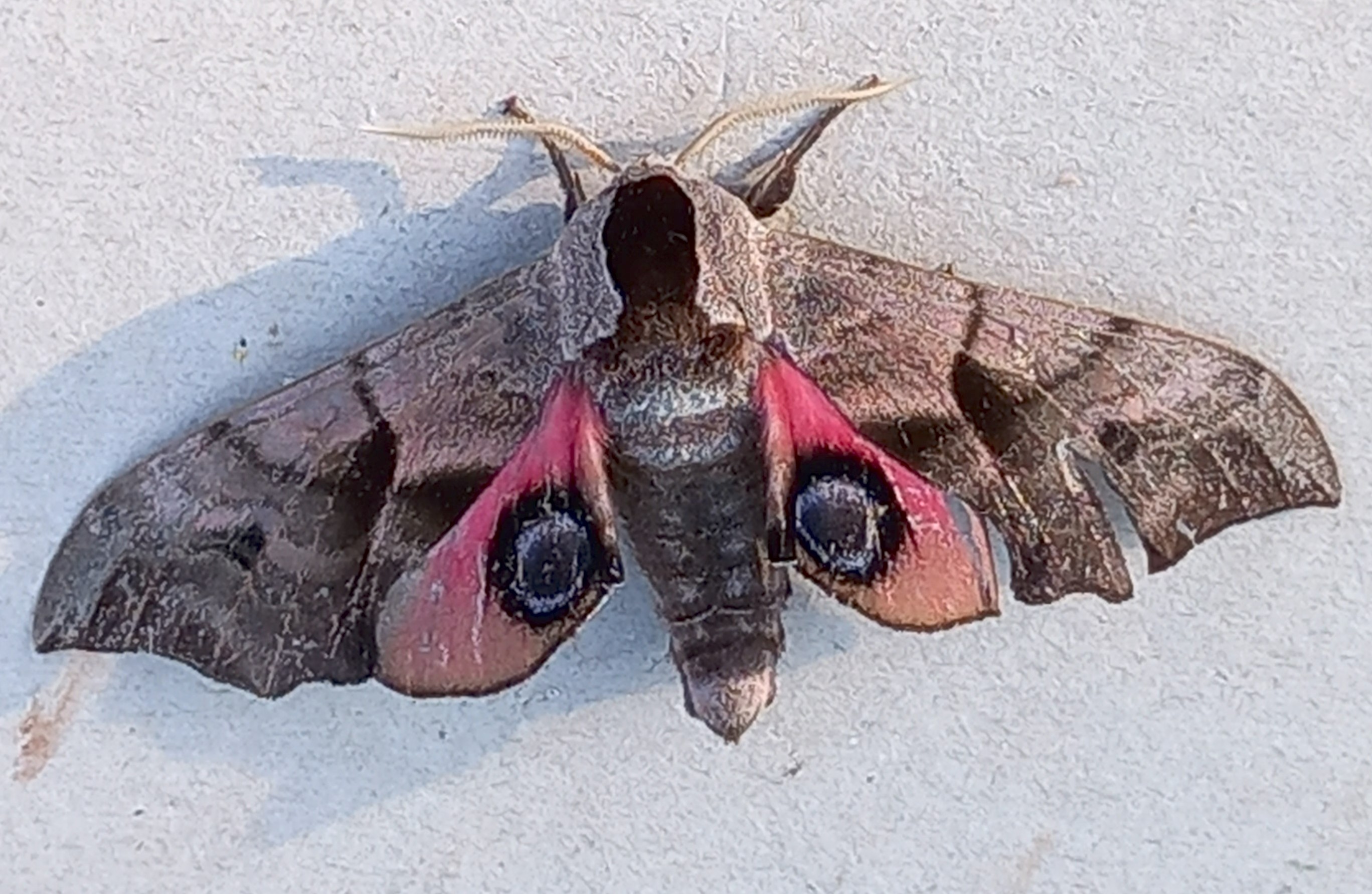
Eyed Hawk Moth

WOODLAND MOTH SURVEY 01.07.2026

Number of moths identified: 128

Number of different species identified: 55

GARDEN MOTH SURVEY 01.07.2026

Number of moths Identified: 48

Number of different species identified: 31

Just to give you a taste of these under-appreciated creatures which are not dull and not boring!

Here are some of the more spectacular ones we collected and released in the morning.

HAWK MOTHS
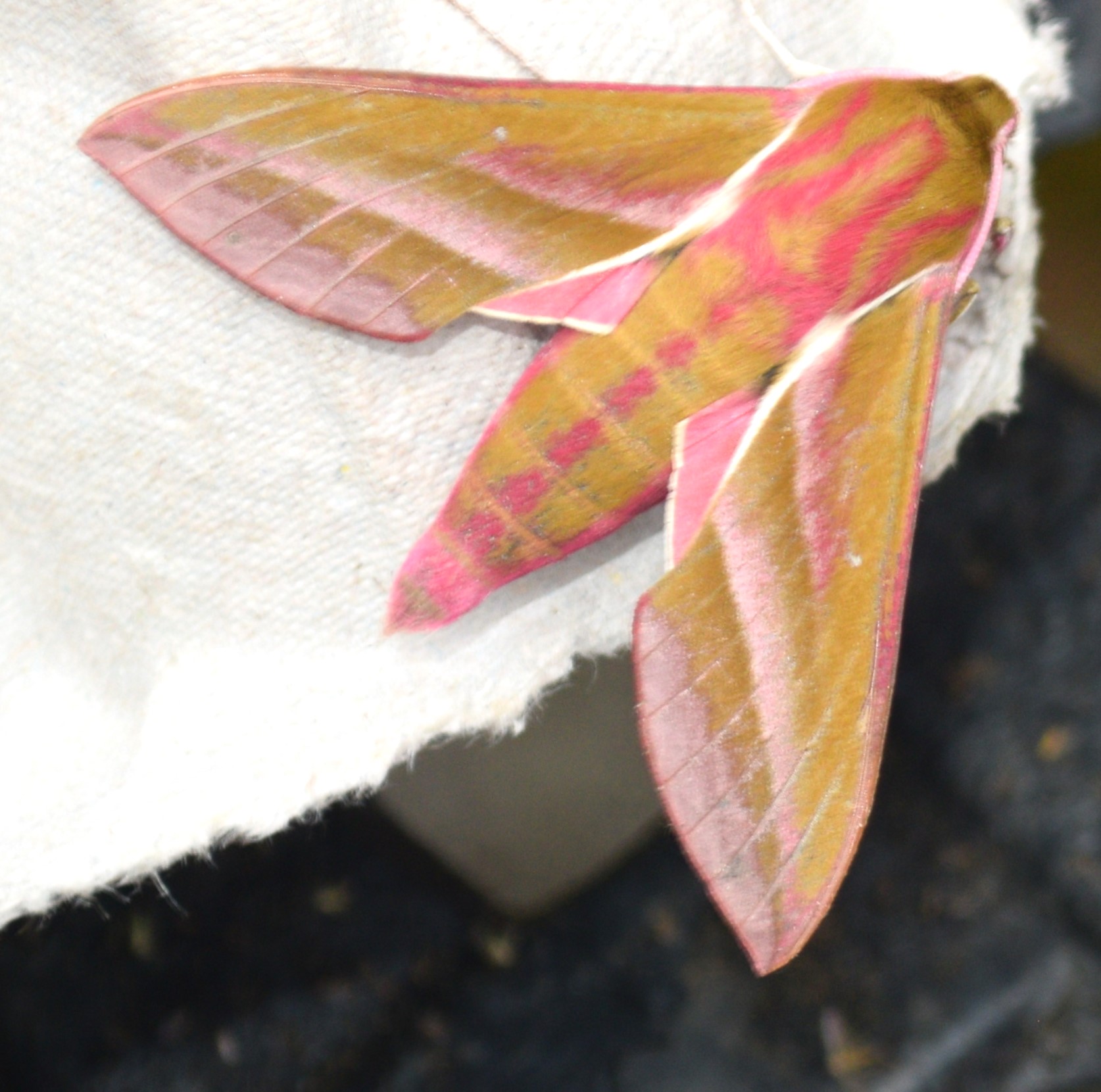
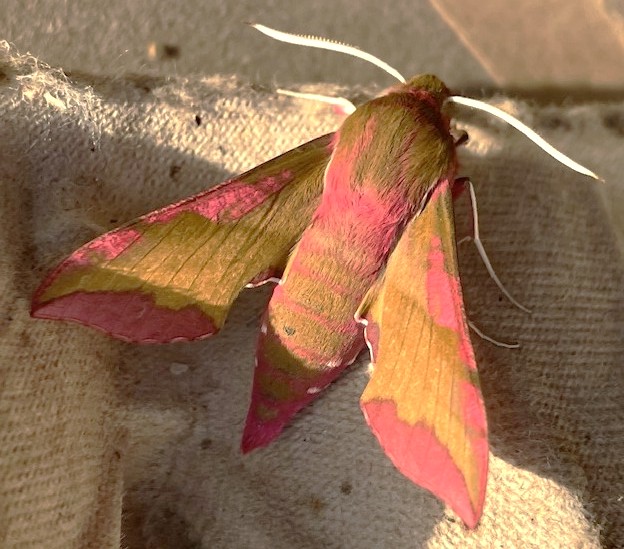
Elephant Hawk Moth
Small Elephant Hawk Moth for comparison — it was flying 25.05.2026, can you see the differences?
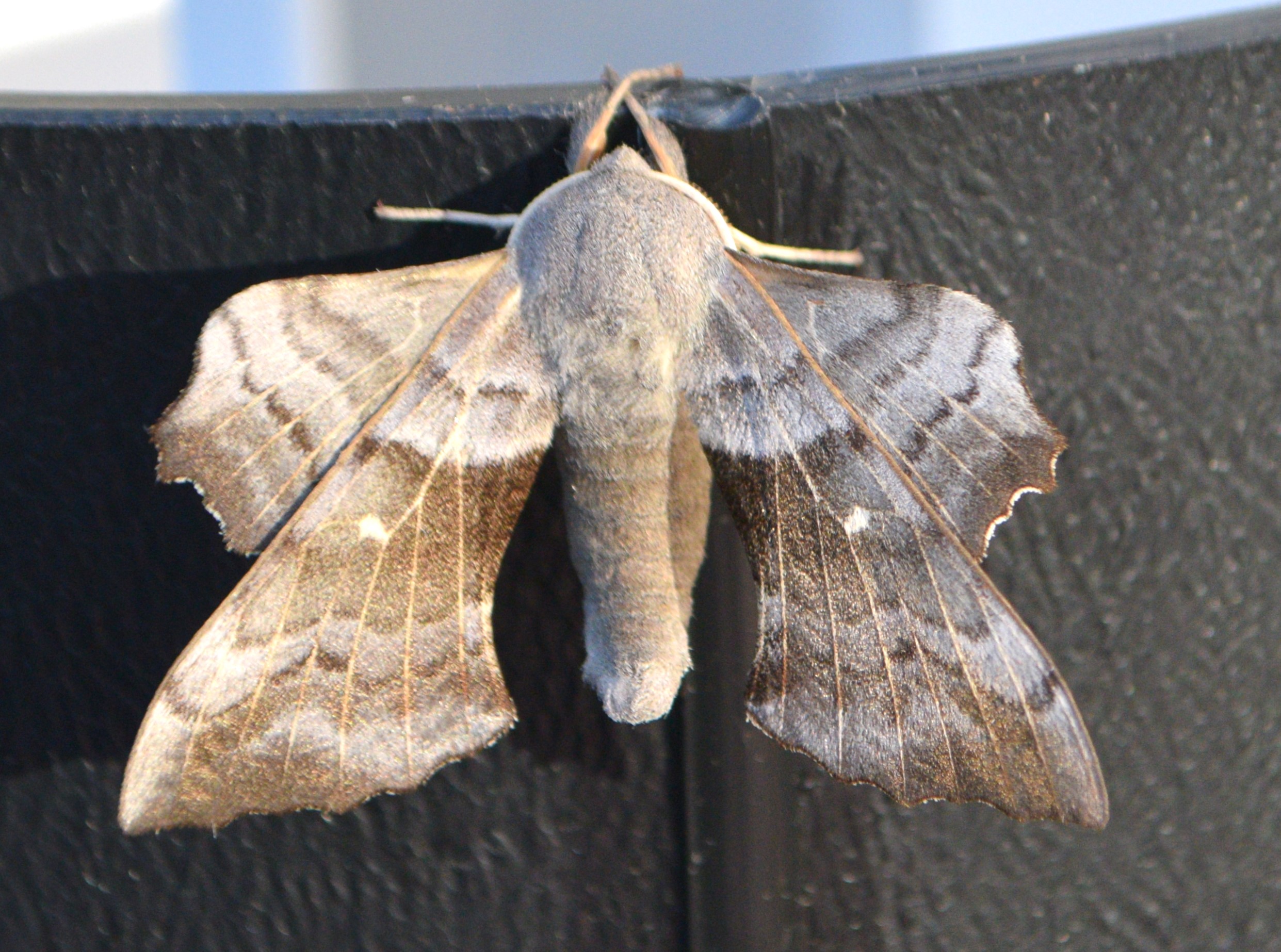
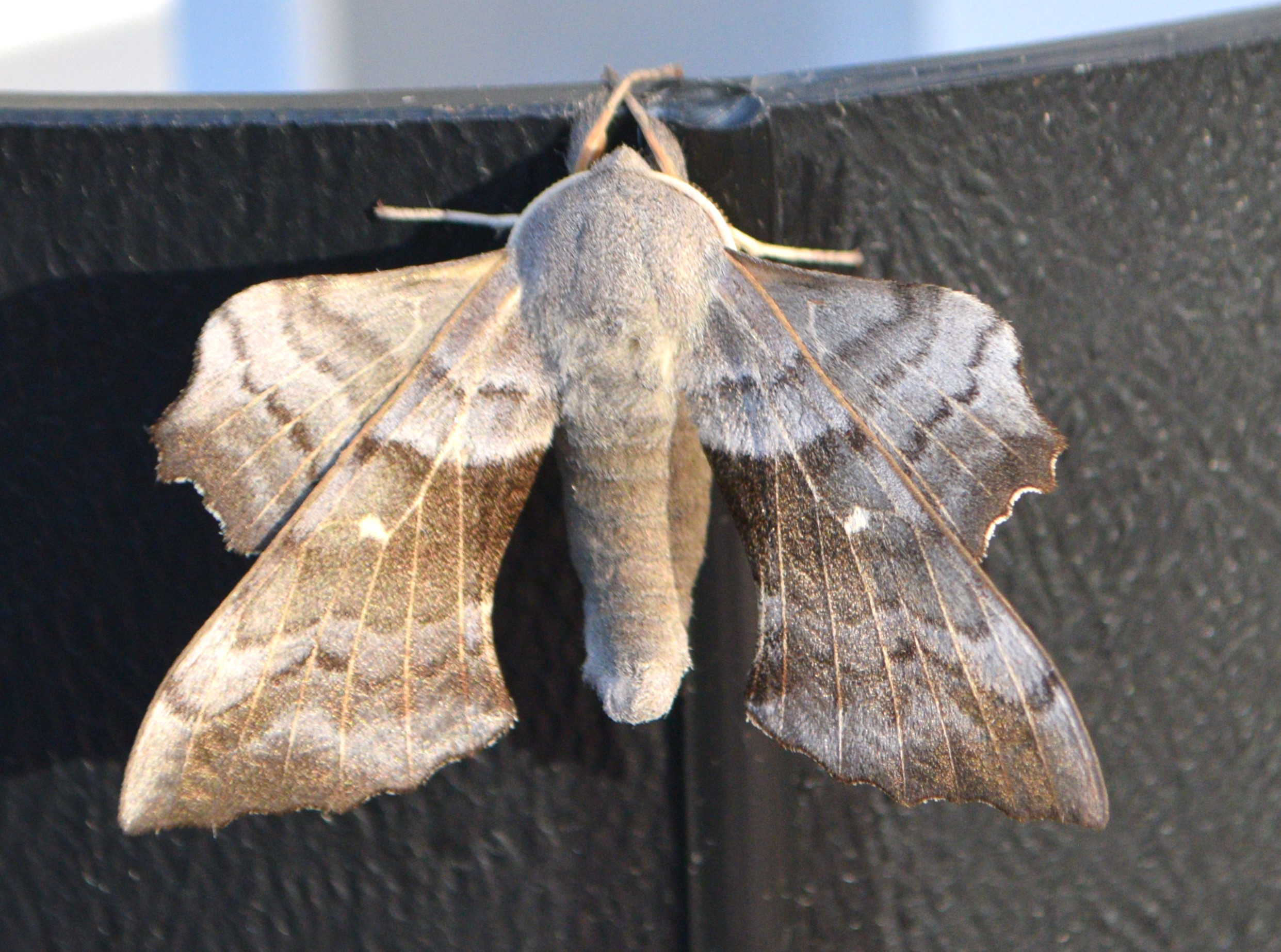
Poplar Hawk Moth — found 7 of these giants in the garden trap.

EMERALD MOTHS

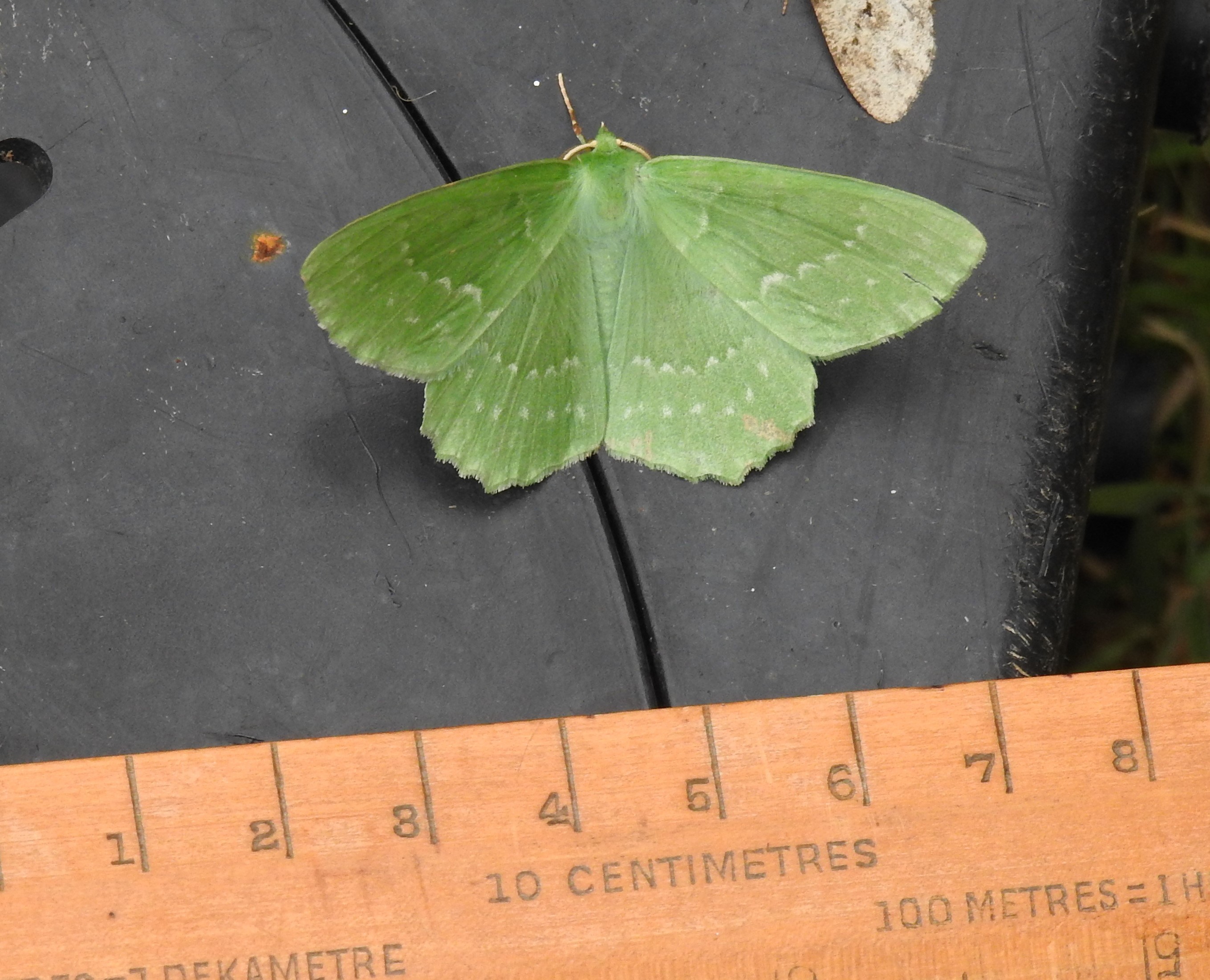
Large Emerald Moth

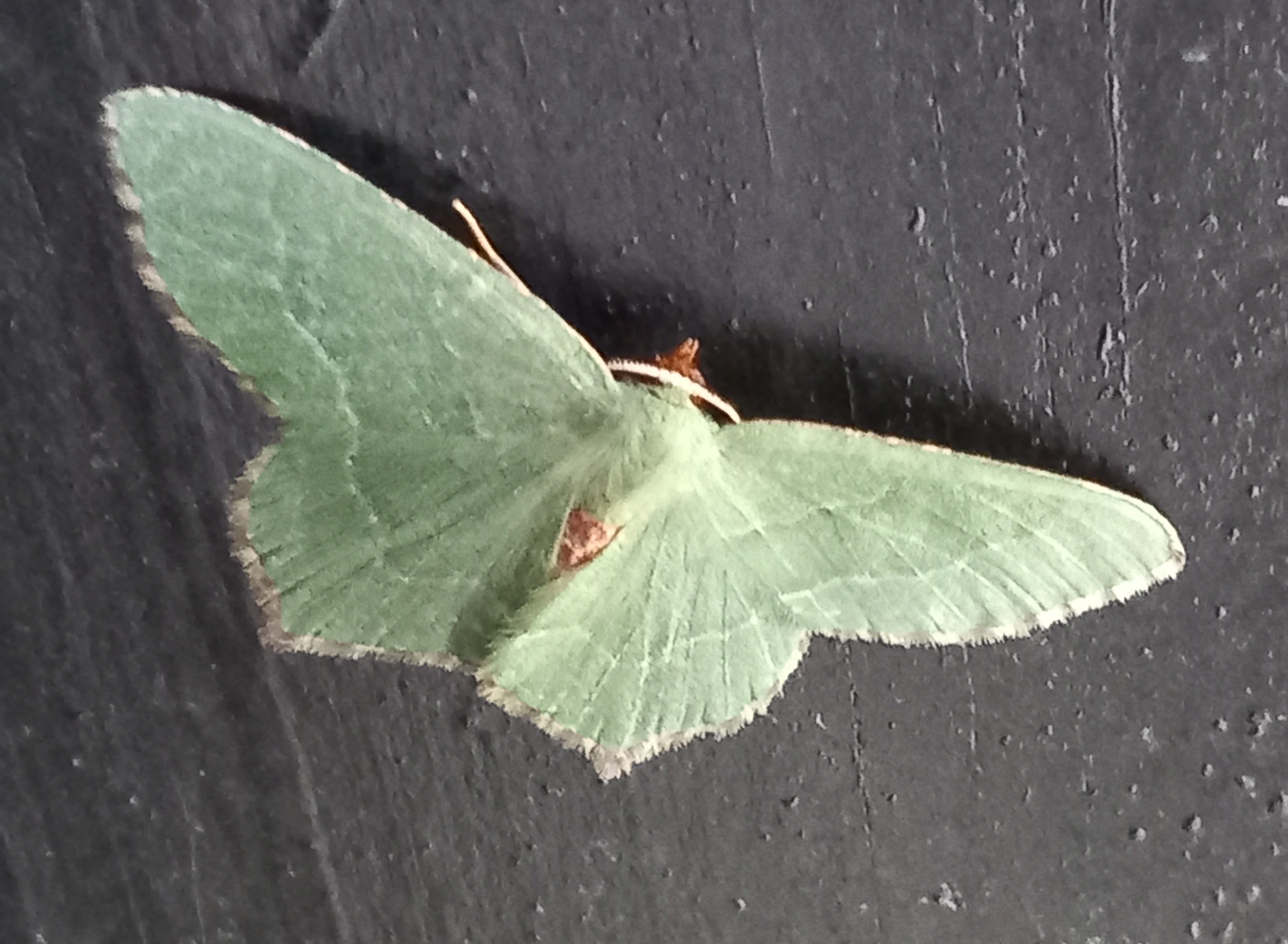
Common Emerald Moth

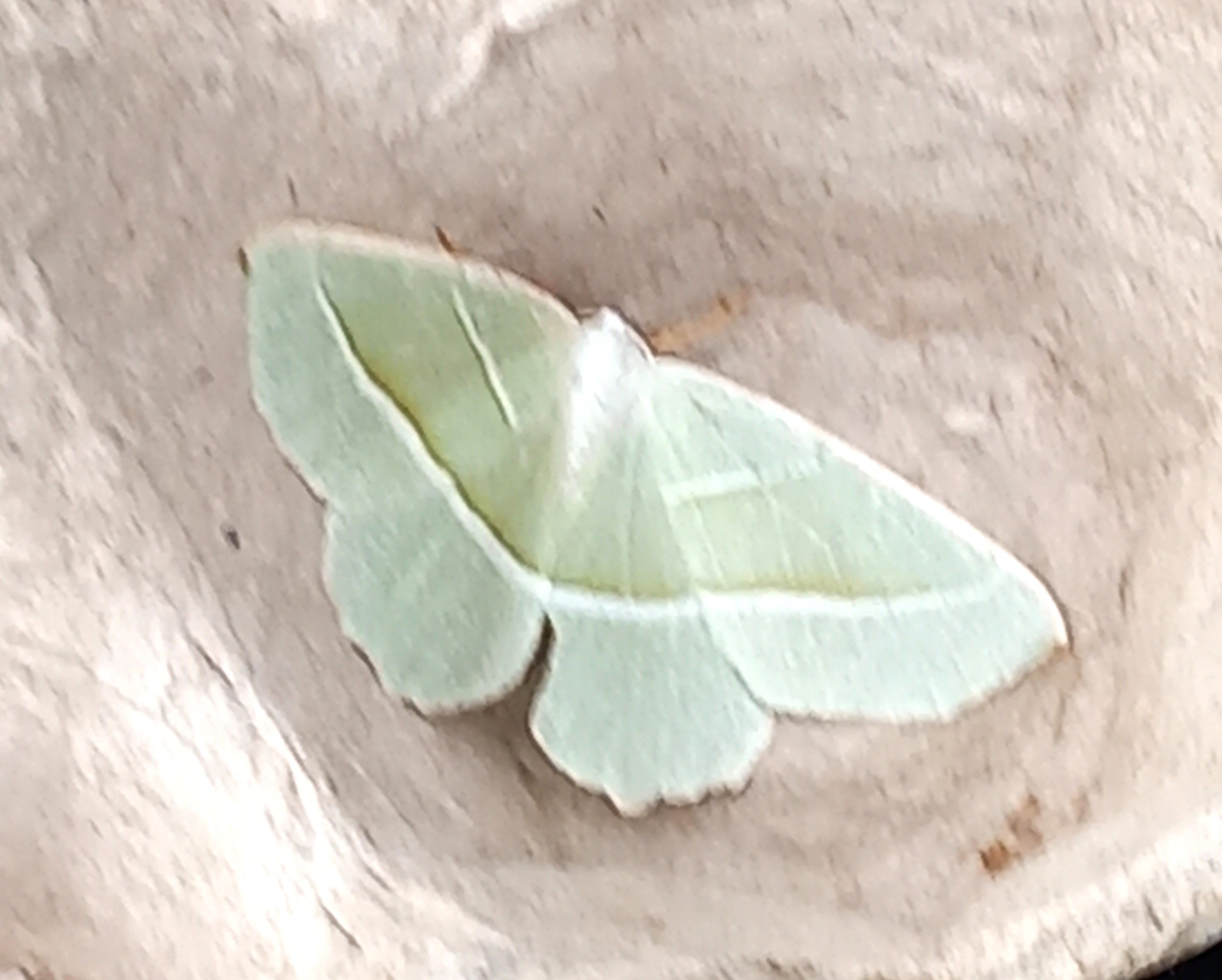
Light Emerald Moth

Smaller but just as beautiful:
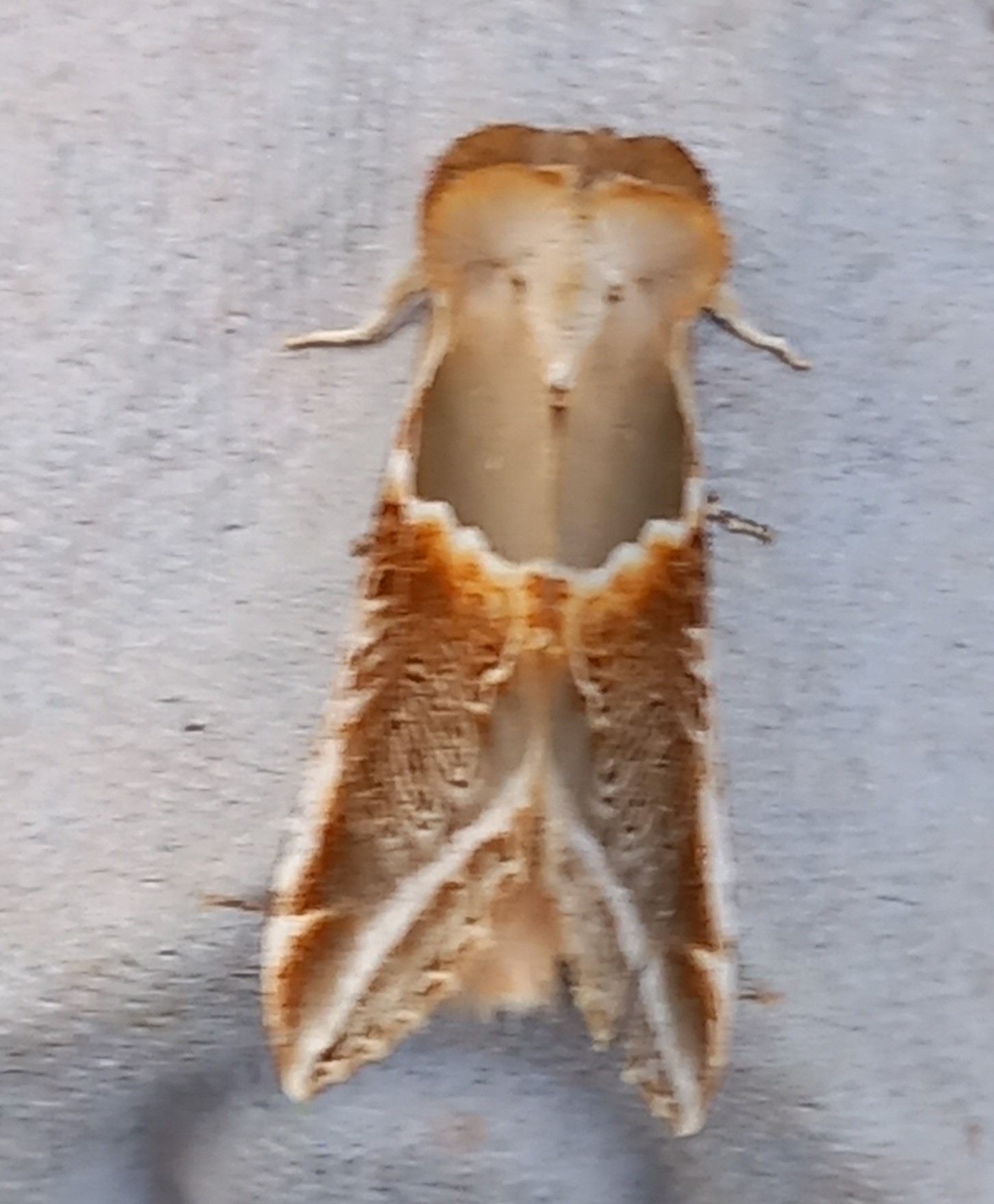
Buff Arches Moth
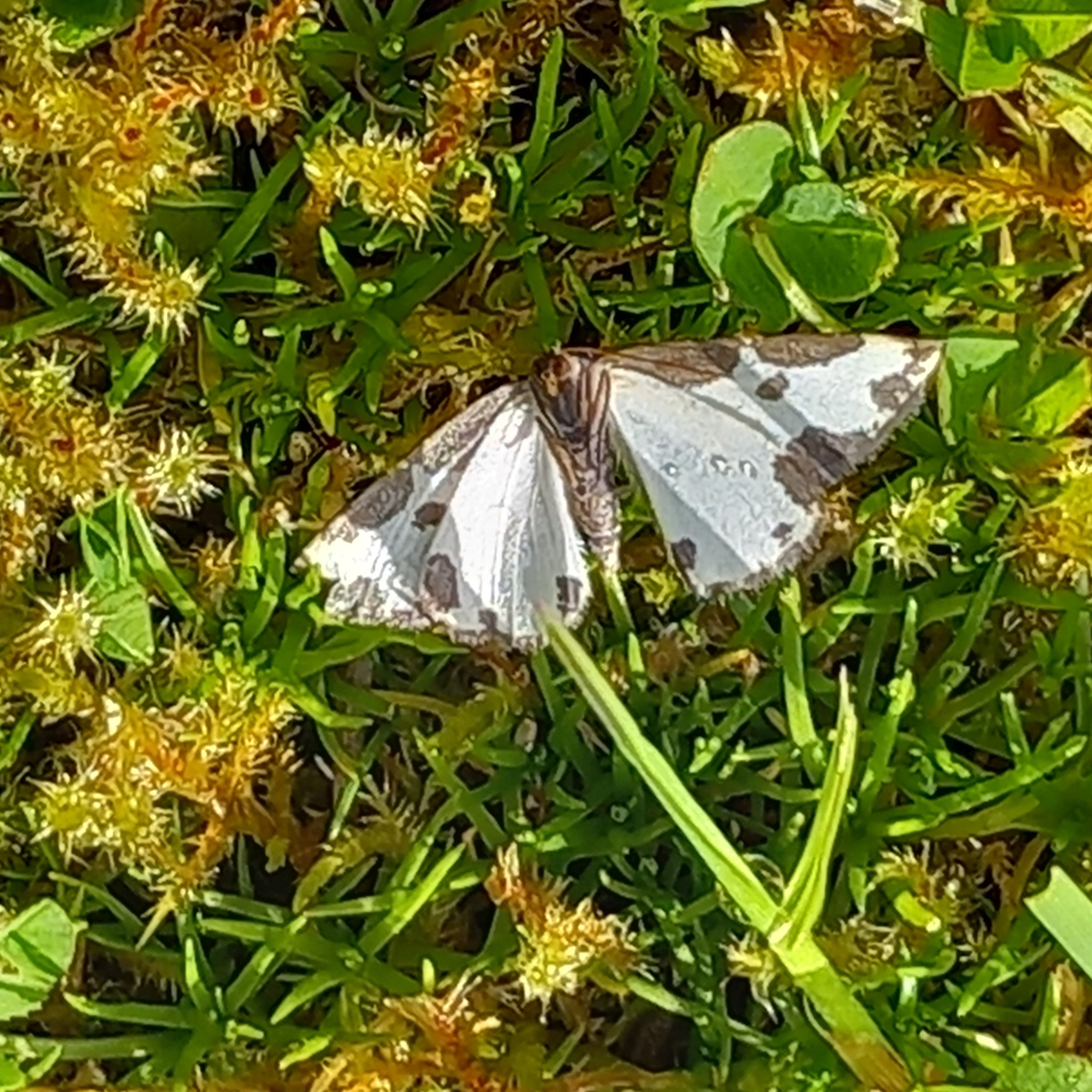
Clouded Border Moth, we caught 4, this one made a break for it in the morning.
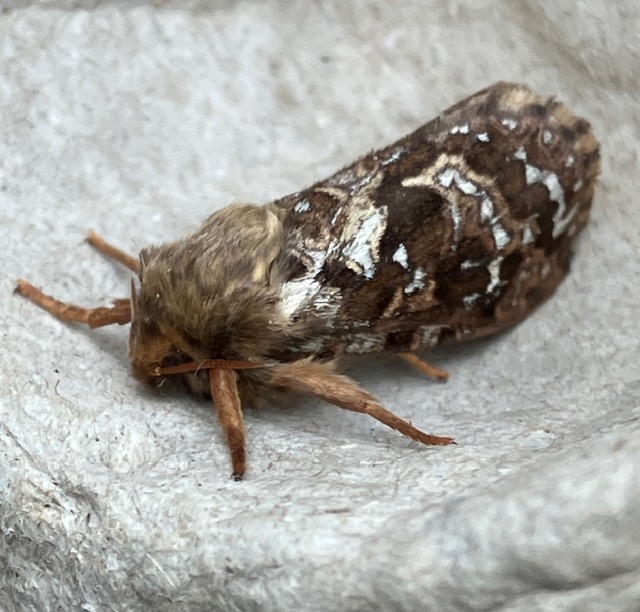
Map-winged Swift Moth

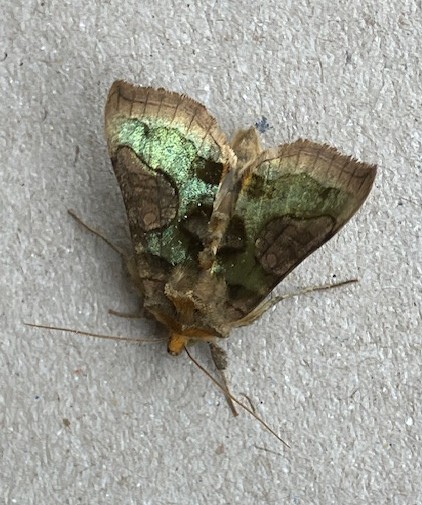
Small but exquisite!

Burnished Brass Moth

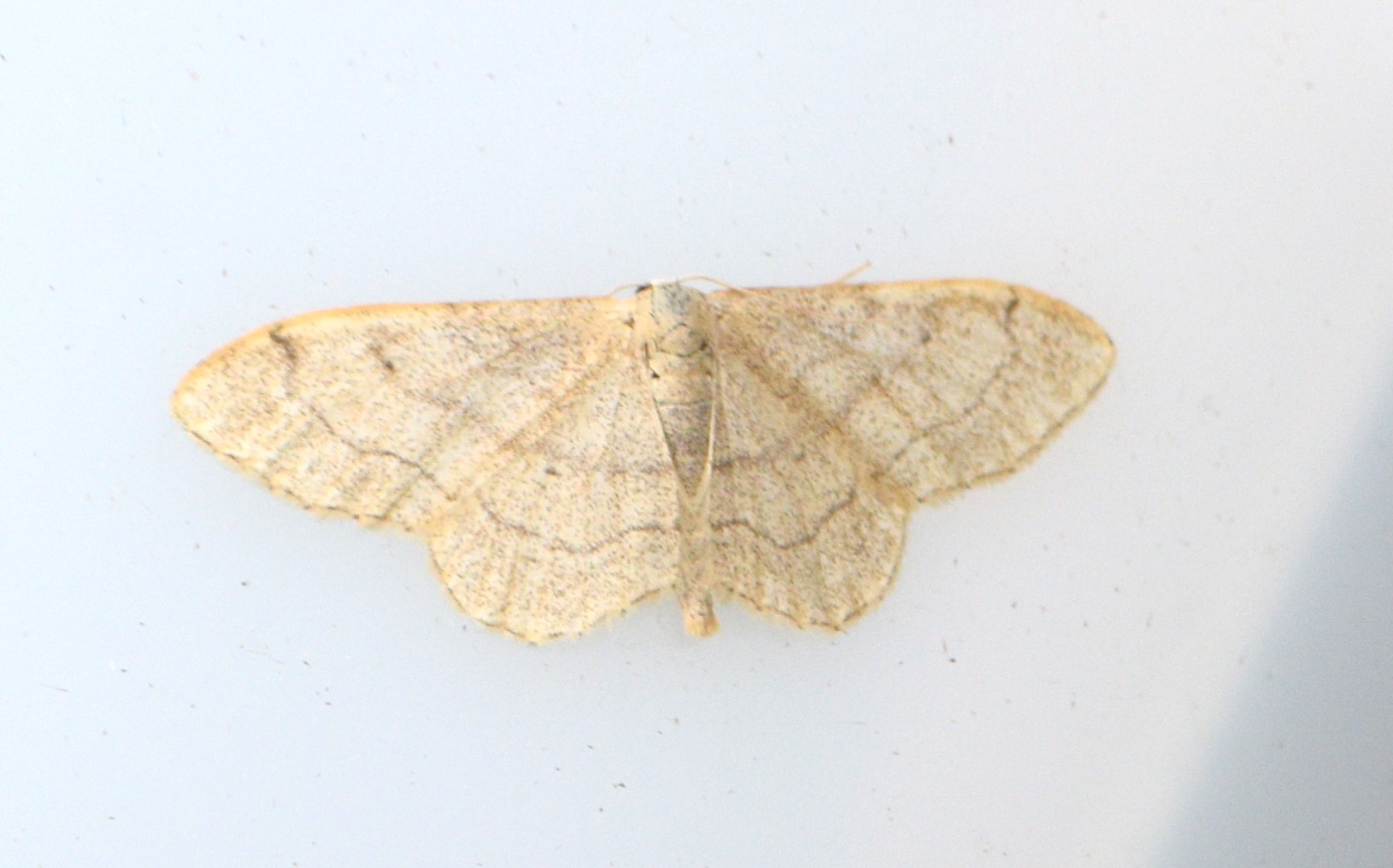
Just a taster and which was the most numerous? The Riband Wave — we caught 13 in the Woodland they are very variable.
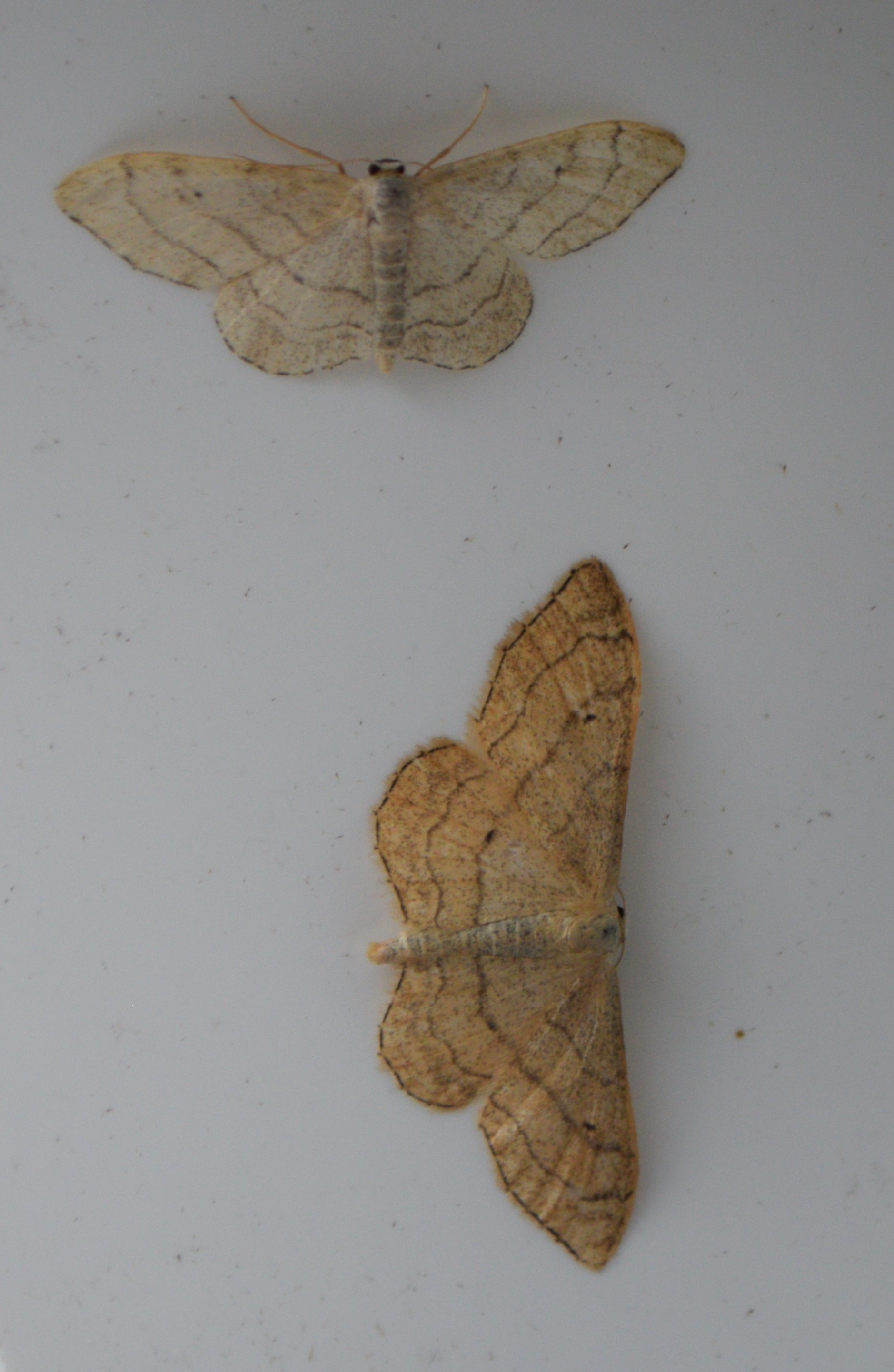
Riband Wave

Got to go –getting dark, it’s warm and no rain is forecast but the moon should be obscured by cloud — perfect for trapping.

Standard
Moths

Moth Trap

It is amazing what is fluttering around the house in the dead of night. Here are some of the most spectacular.

This elephant hawk moth is not uncommon. Why is it so pink? Well, the food plant of its caterpillar is the rose bay willow herb which has had a very good year and the foliage is flecked with the same pink as its flowers and its moth! The moth doesn’t look much like an elephant but it is relatively large and the markings on its shoulders could be seen as like large ears… maybe.

The riband wave moth is one we catch most nights, there are two forms, we are getting the remutata variety, shown here. Their caterpillars eat various plants like dandelions and dock — the docks have also enjoyed the conditions this year.

Another beautiful moth is the light emerald, Campaea margaritata. Its caterpillar eats the soft bark of some deciduous trees, including apple and plum, which might explain why one of our apple trees is looking so peaky.

Here is the largest so far, the poplar hawk moth Laothoe populi. Its wingspan is 7-10 cm and rather than having its fore and hind wings linked together, like most moths, these are separate so that, at rest, they lie at different angles and look like a group of dead leaves on the poplars and willows trees that they favor with their caterpillars.

But there is a downside to moth trapping which I say as I try not to scratch my itching face!

Midges! It has also been a very good year for them!

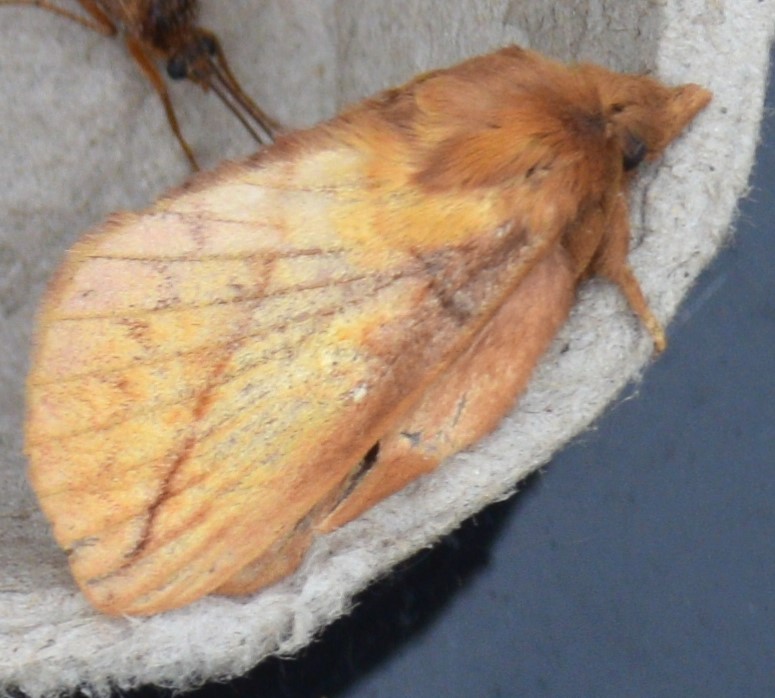
This drinker moth is perched above a sea of dozing midges which swarm up to suck the blood of the lepidopterists!

Here’s a better shot of the Drinker with the ubiquitous caddisfly lurking behind.

We catch almost as many caddisflies as moths — they are not as glamorous as moths but are a good health marker for the environment. Their larvae are aquatic and our stream is pure, we see lots when we pond dip, and they will be providing food for our growing brown trout.

Standard