Ecology, Moths, Natural Beauty

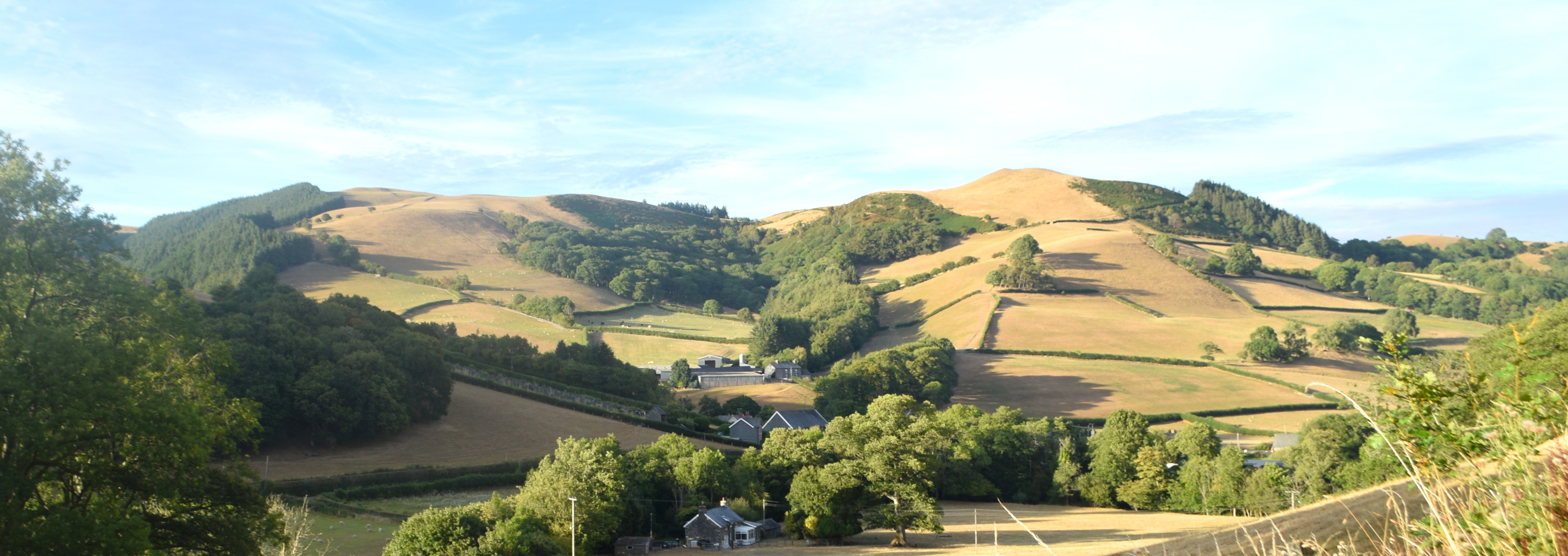
Secret Night-Life in the Trannon Valley!

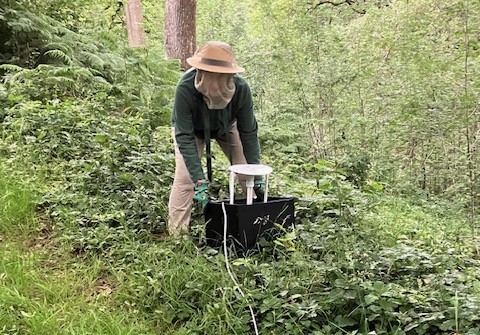
Here I am, on my birthday. We are testing my birthday present, a state-of-the-art, battery-driven moth-trap.

It is a summer evening in the oak wood, we encourage insects, Some of them are man-eaters; hence the fetching veil. They pollenate and fascinate and fuel the food-chains, sustaining all the chicks, bats and baby mammals. They also give us an idea of how well we are doing, the numbers and variation give us an index of diversity which we can compare year on year.
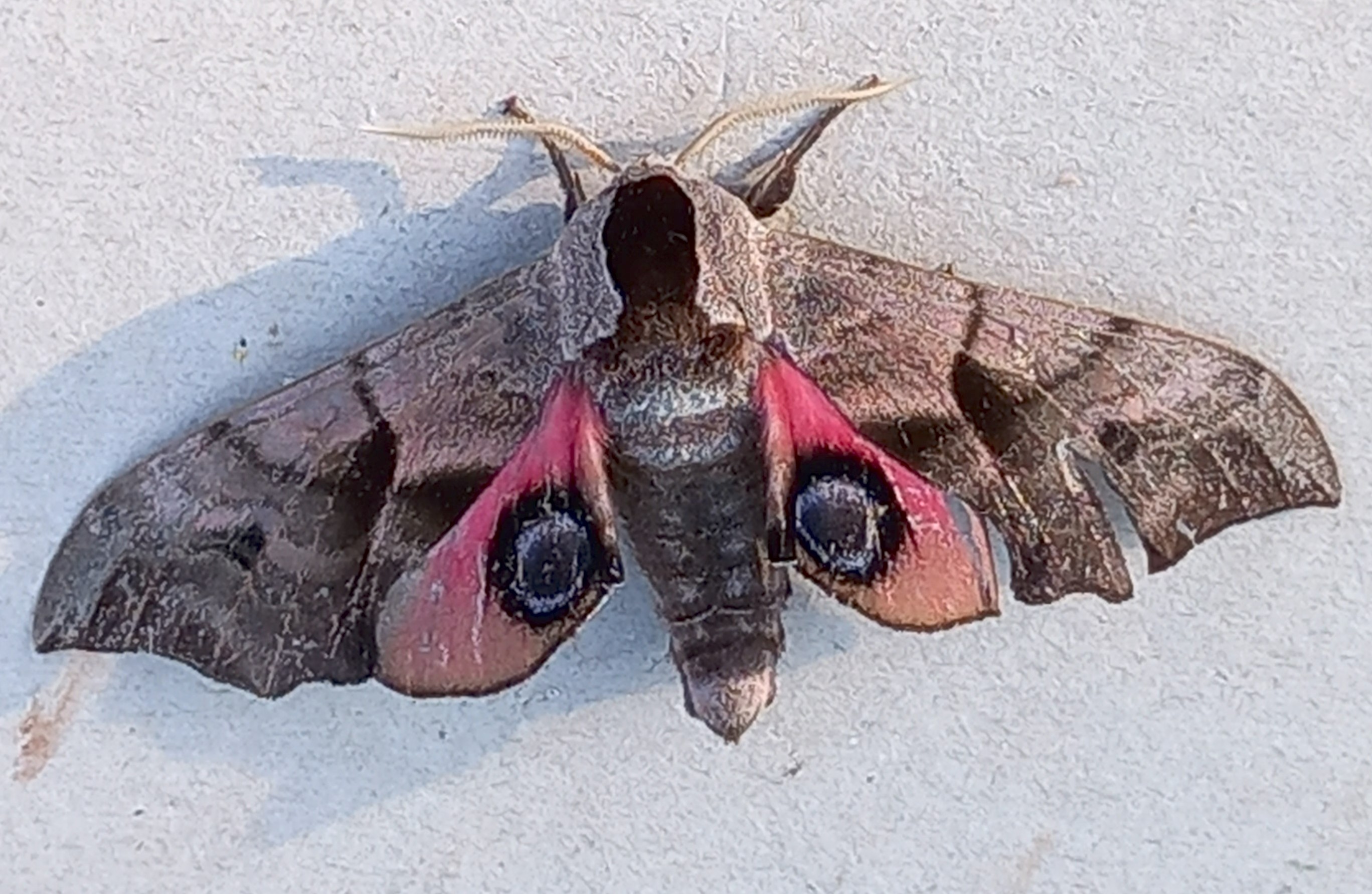
Eyed Hawk Moth

WOODLAND MOTH SURVEY 01.07.2026

Number of moths identified: 128

Number of different species identified: 55

GARDEN MOTH SURVEY 01.07.2026

Number of moths Identified: 48

Number of different species identified: 31

Just to give you a taste of these under-appreciated creatures which are not dull and not boring!

Here are some of the more spectacular ones we collected and released in the morning.

HAWK MOTHS
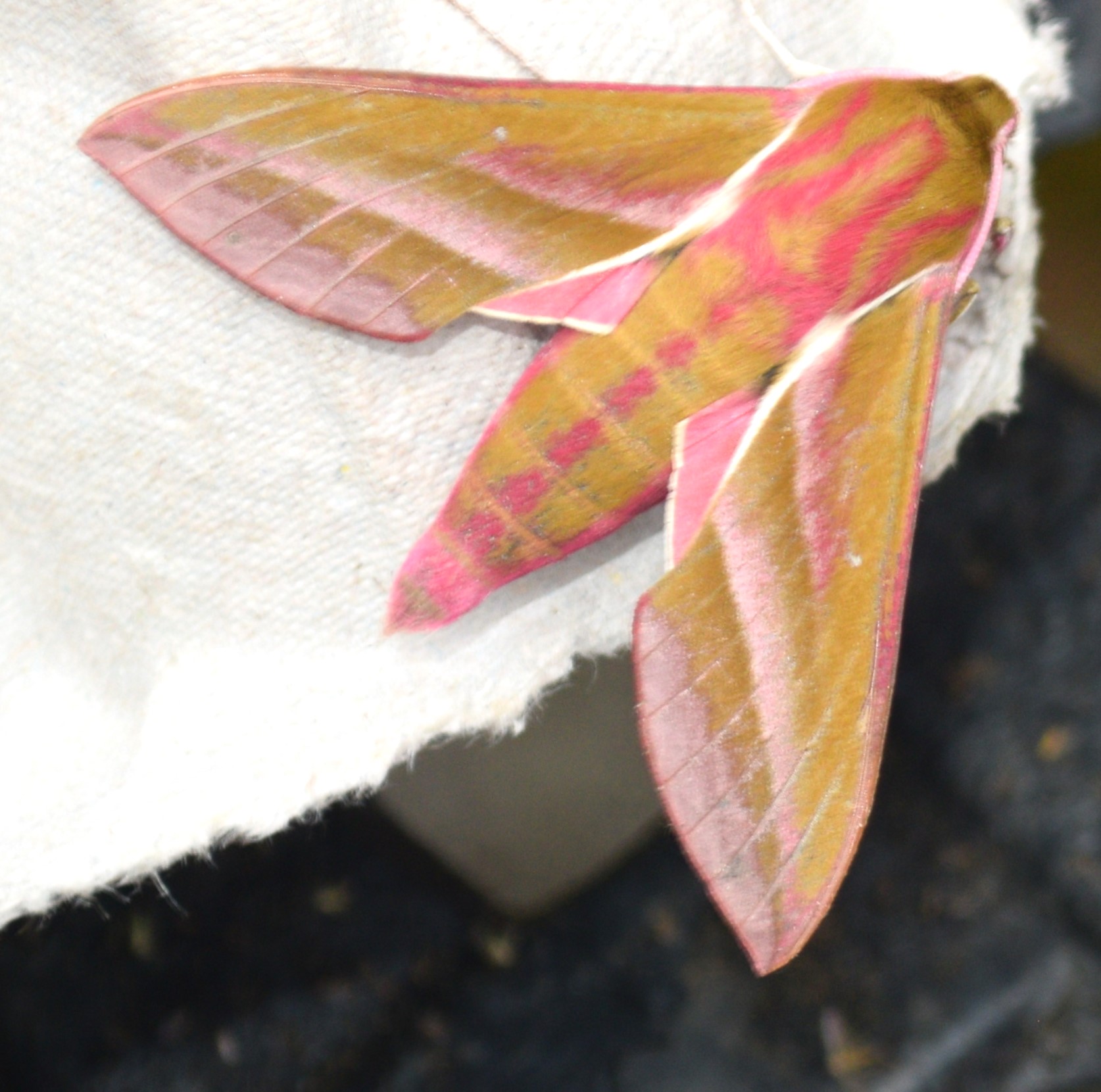
Elephant Hawk Moth
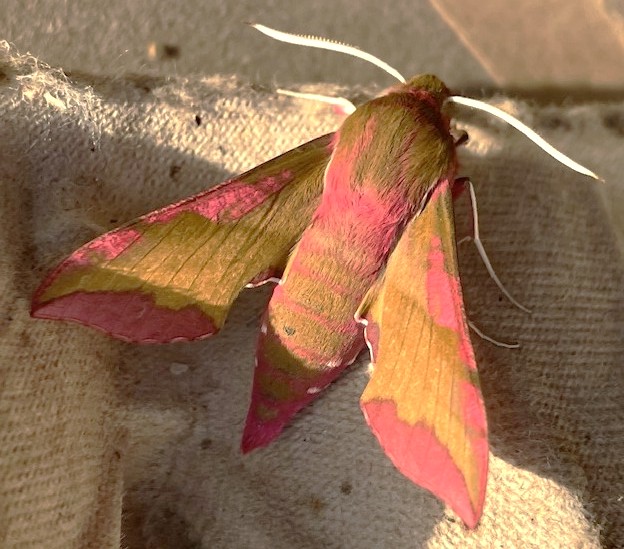
Small Elephant Hawk Moth for comparison — it was flying 25.05.2026, can you see the differences?
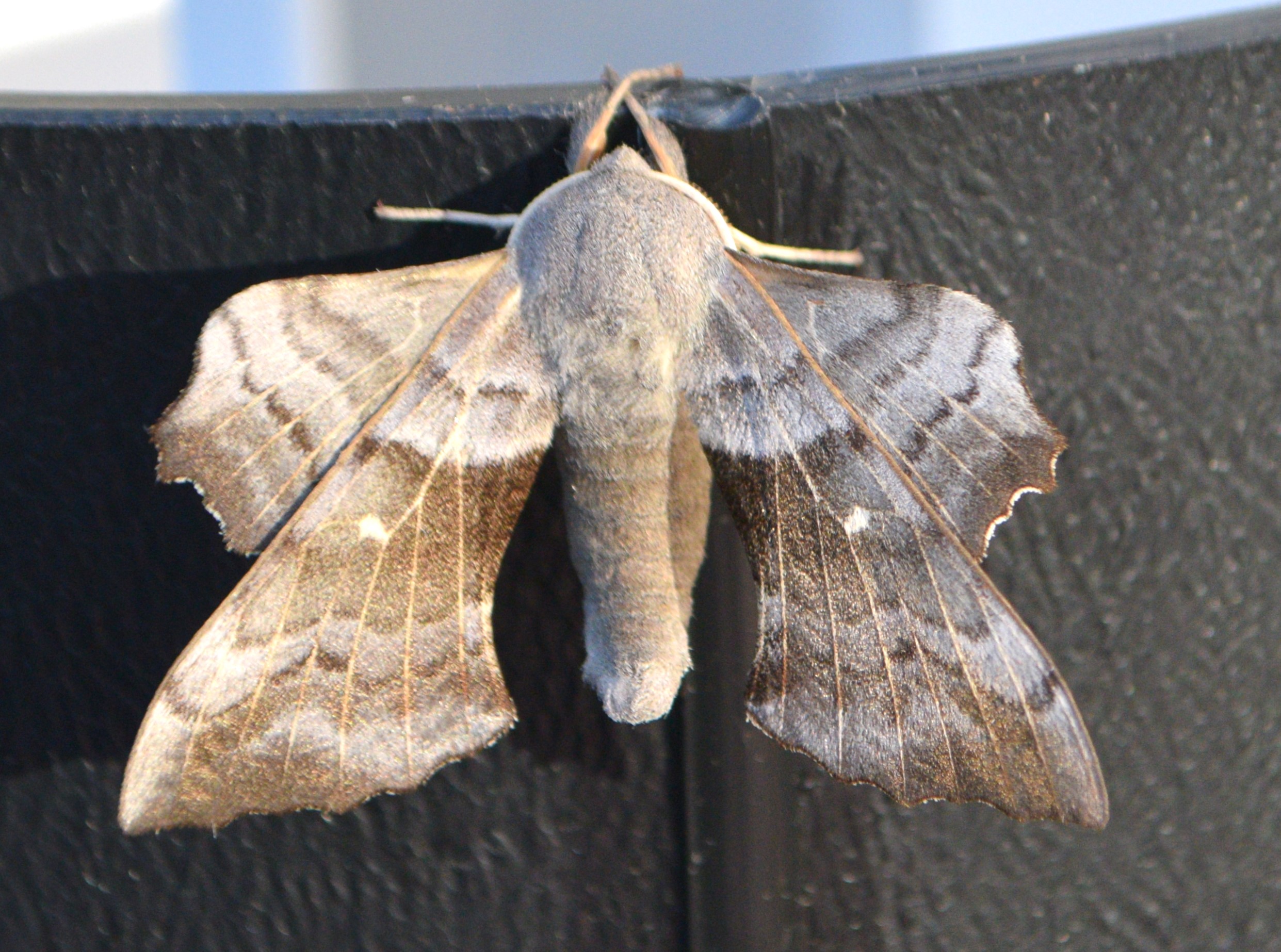
Poplar Hawk Moth — found 7 of these giants in the garden trap.

EMERALD MOTHS

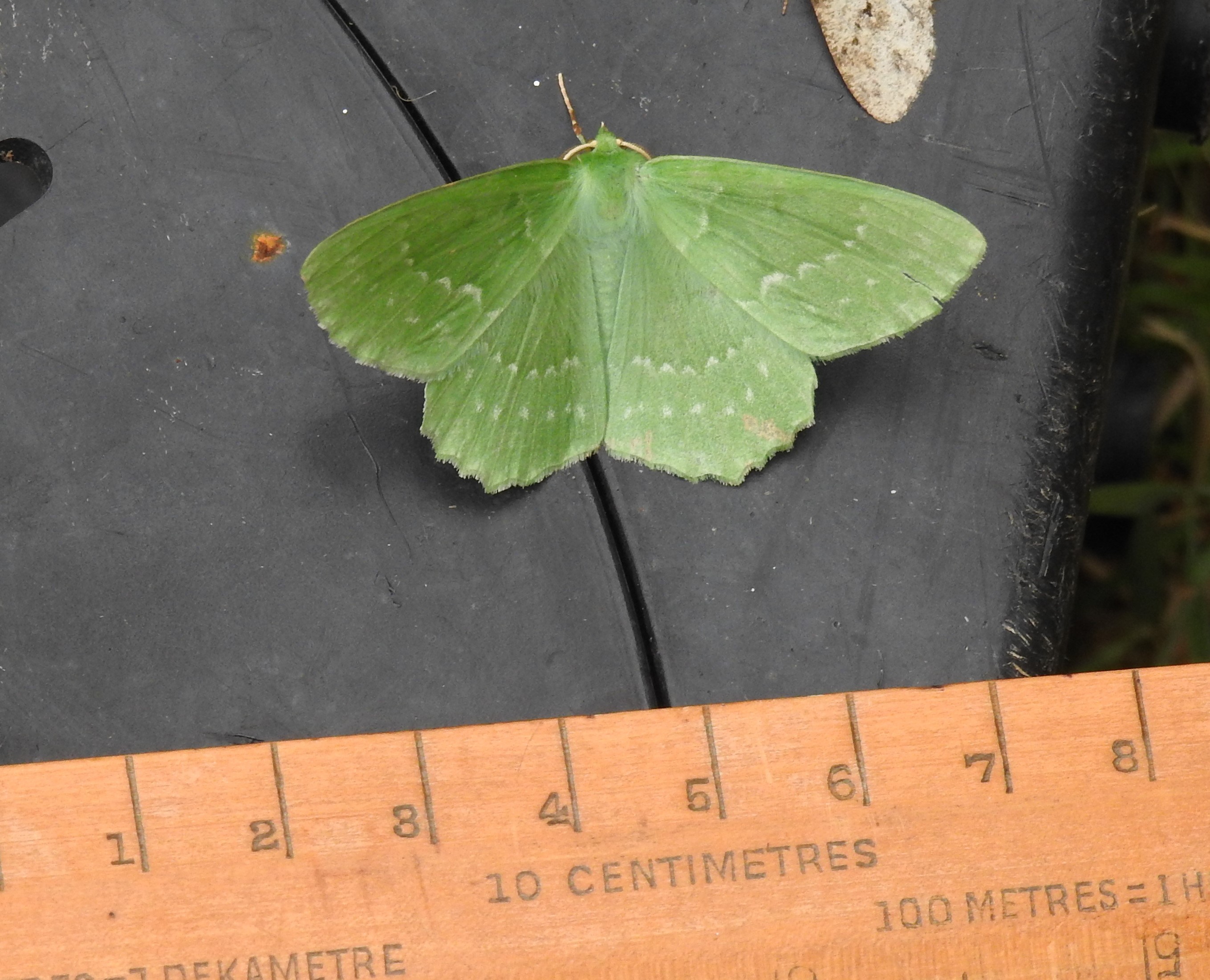
Large Emerald Moth

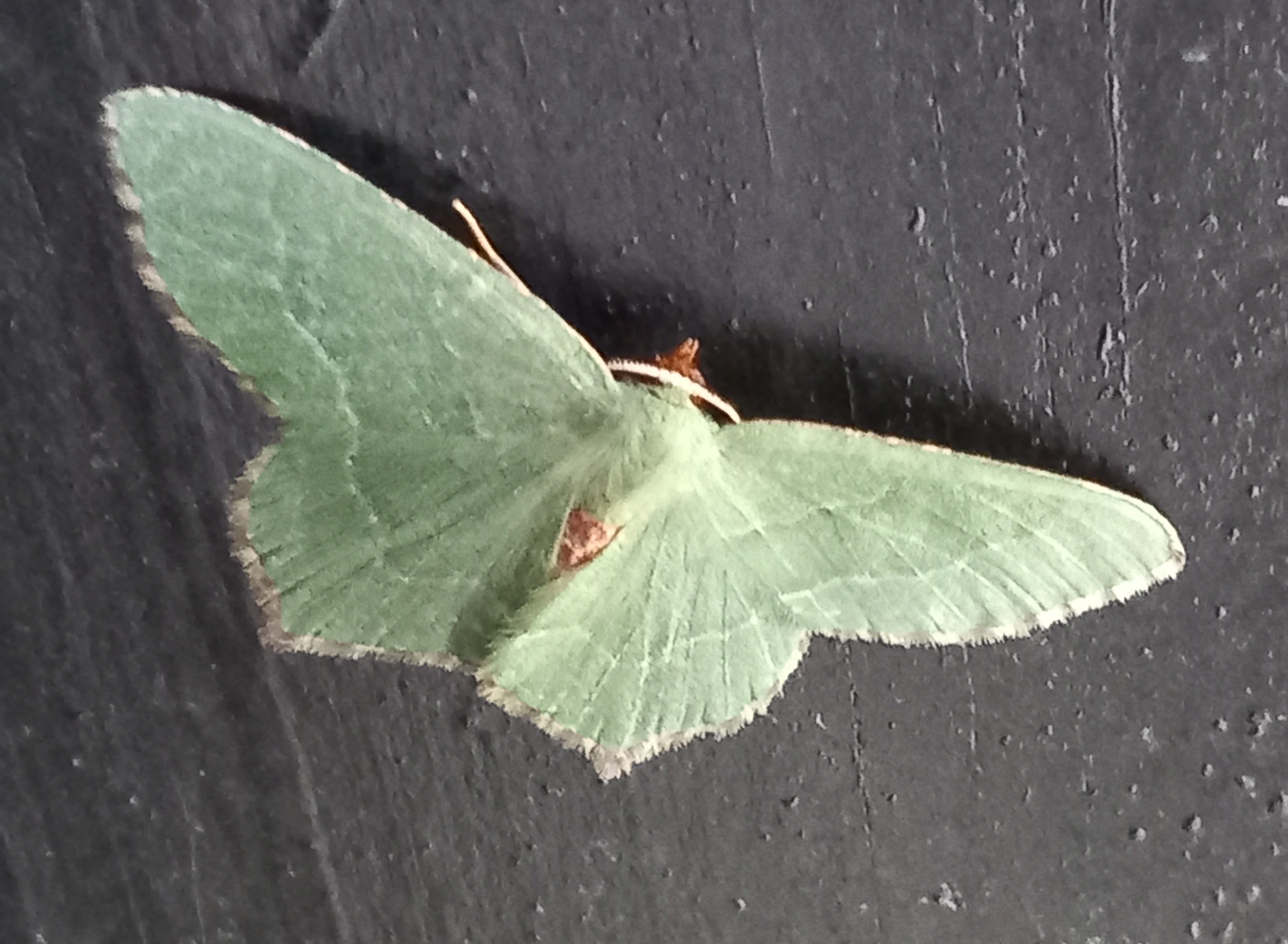
Common Emerald Moth

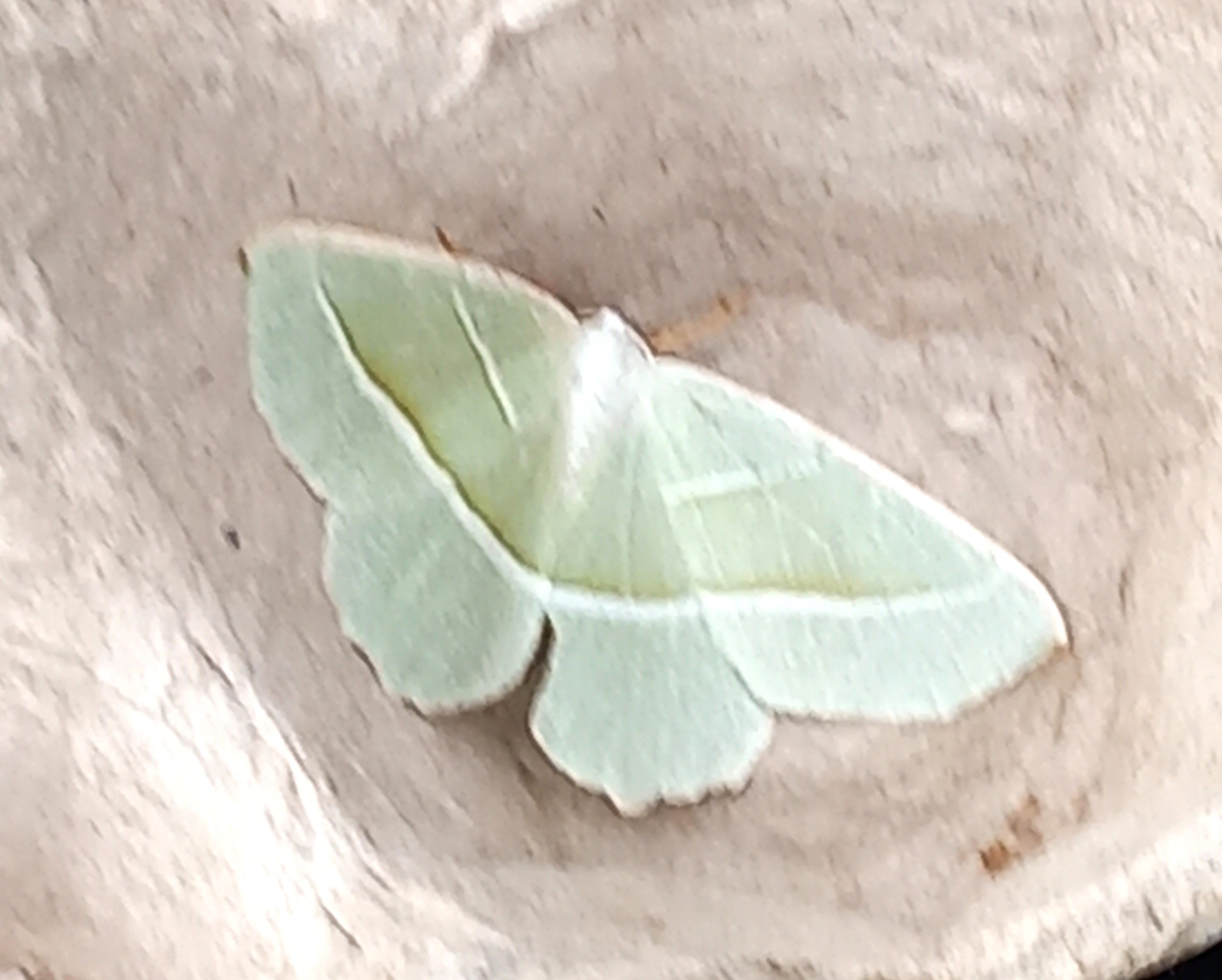
Light Emerald Moth

Smaller but just as beautiful:
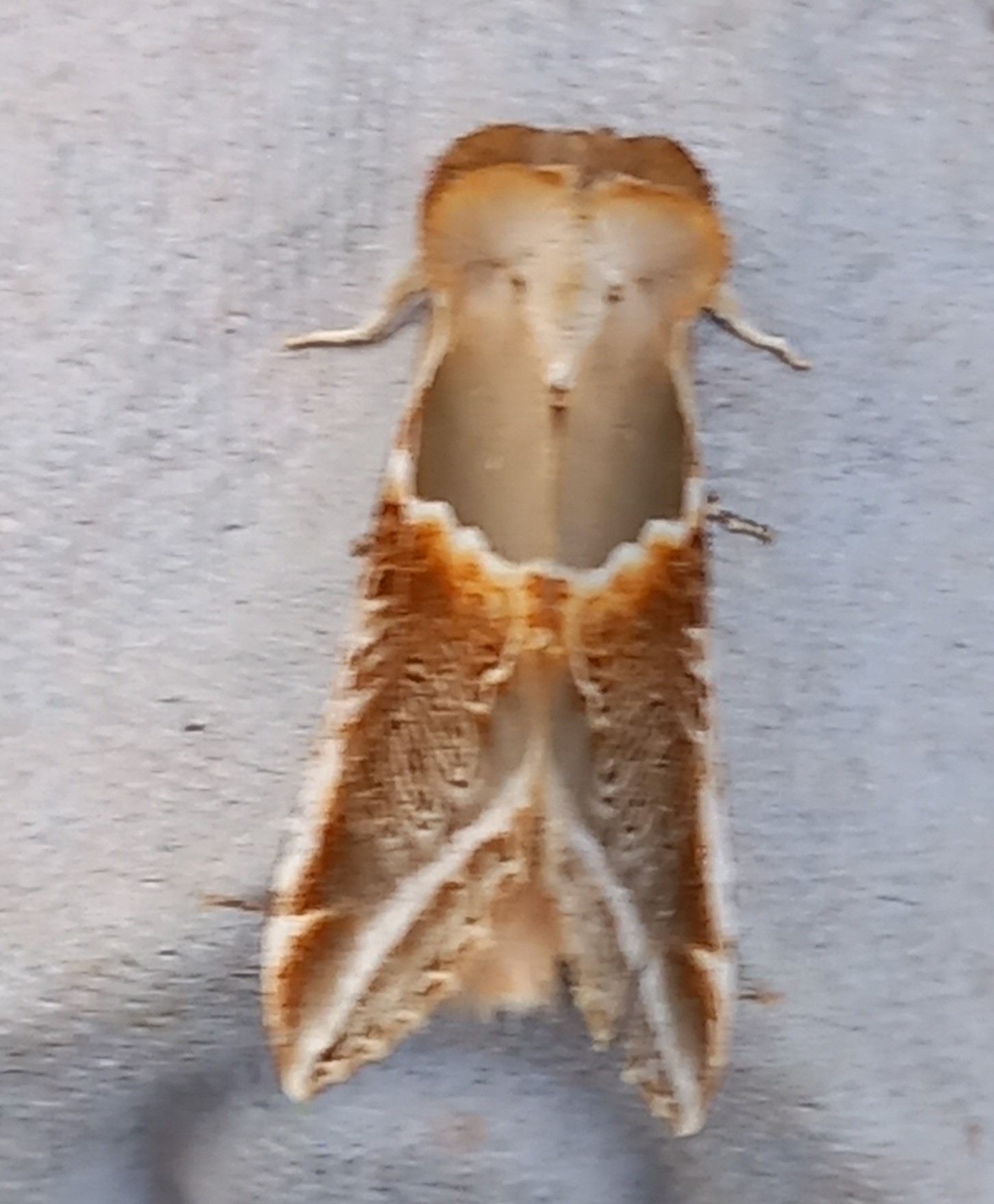
Buff Arches Moth
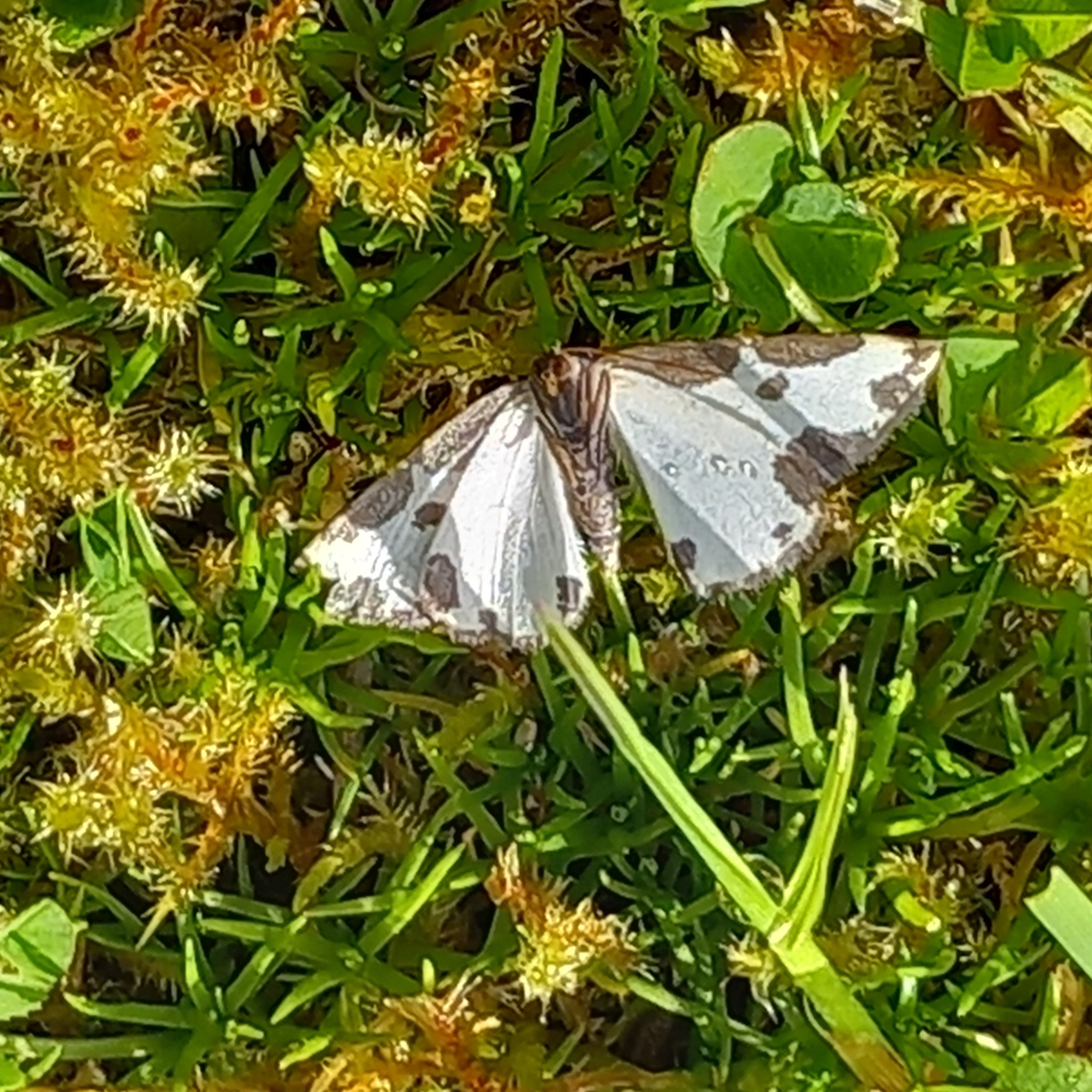
Clouded Border Moth, we caught 4, this one made a break for it in the morning.
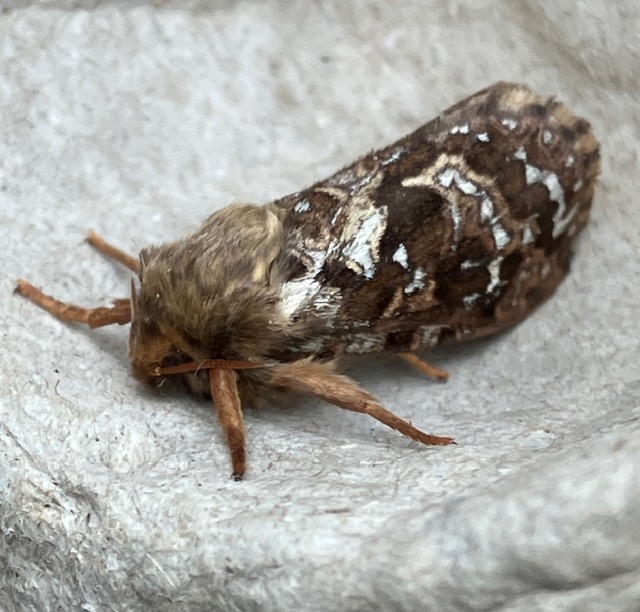
Map-winged Swift Moth

Small but exquisite!

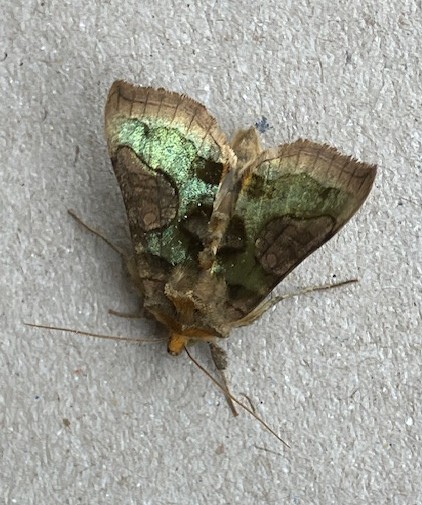
Burnished Brass Moth

Just a taster and which was the most numerous? The Riband Wave — we caught 13 in the Woodland they are very variable.
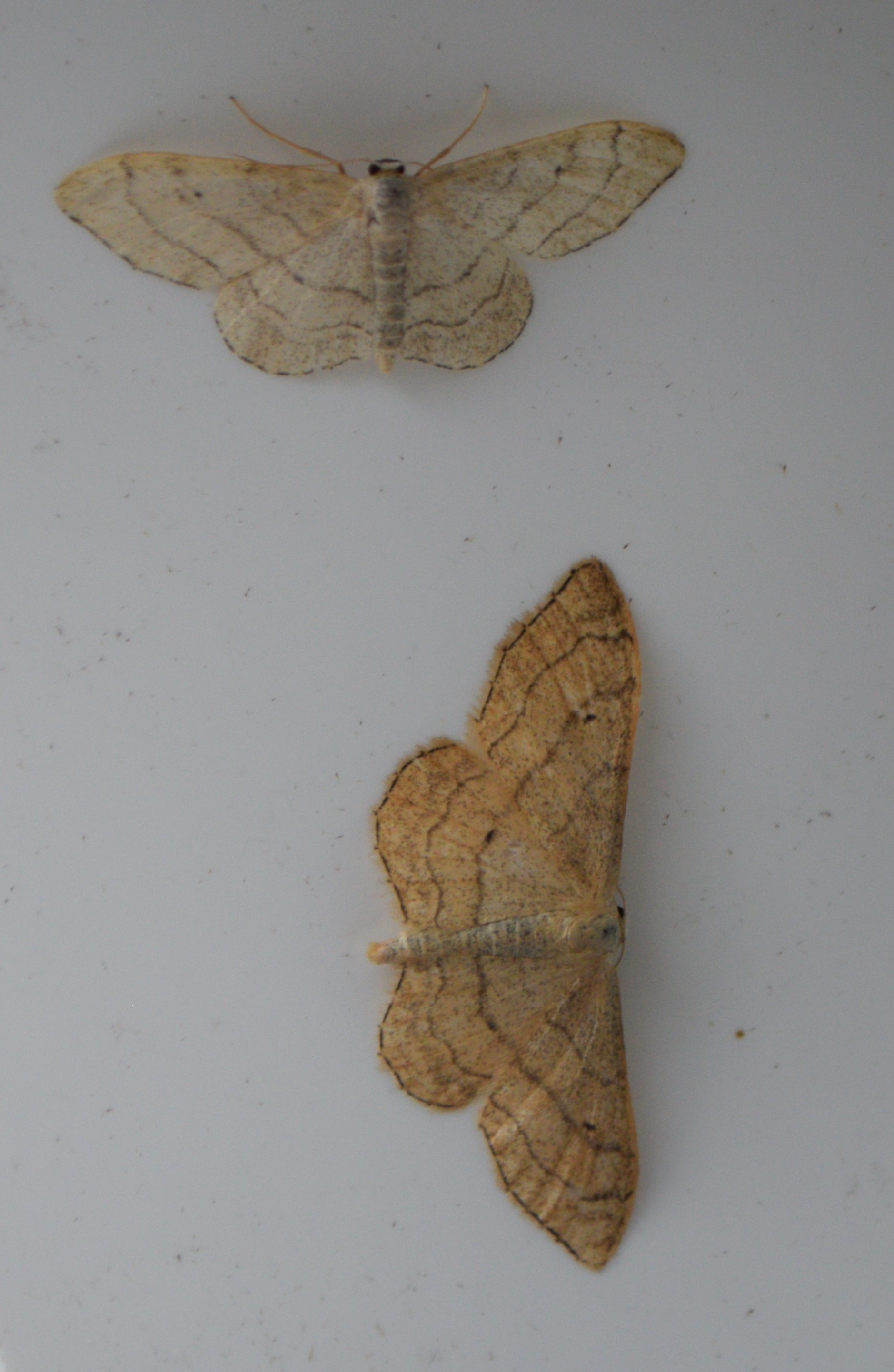
Riband Wave

Got to go –getting dark, it’s warm and no rain is forecast but the moon should be obscured by cloud — perfect for trapping.
Standard
Moths, Wales

Imperial Interference!

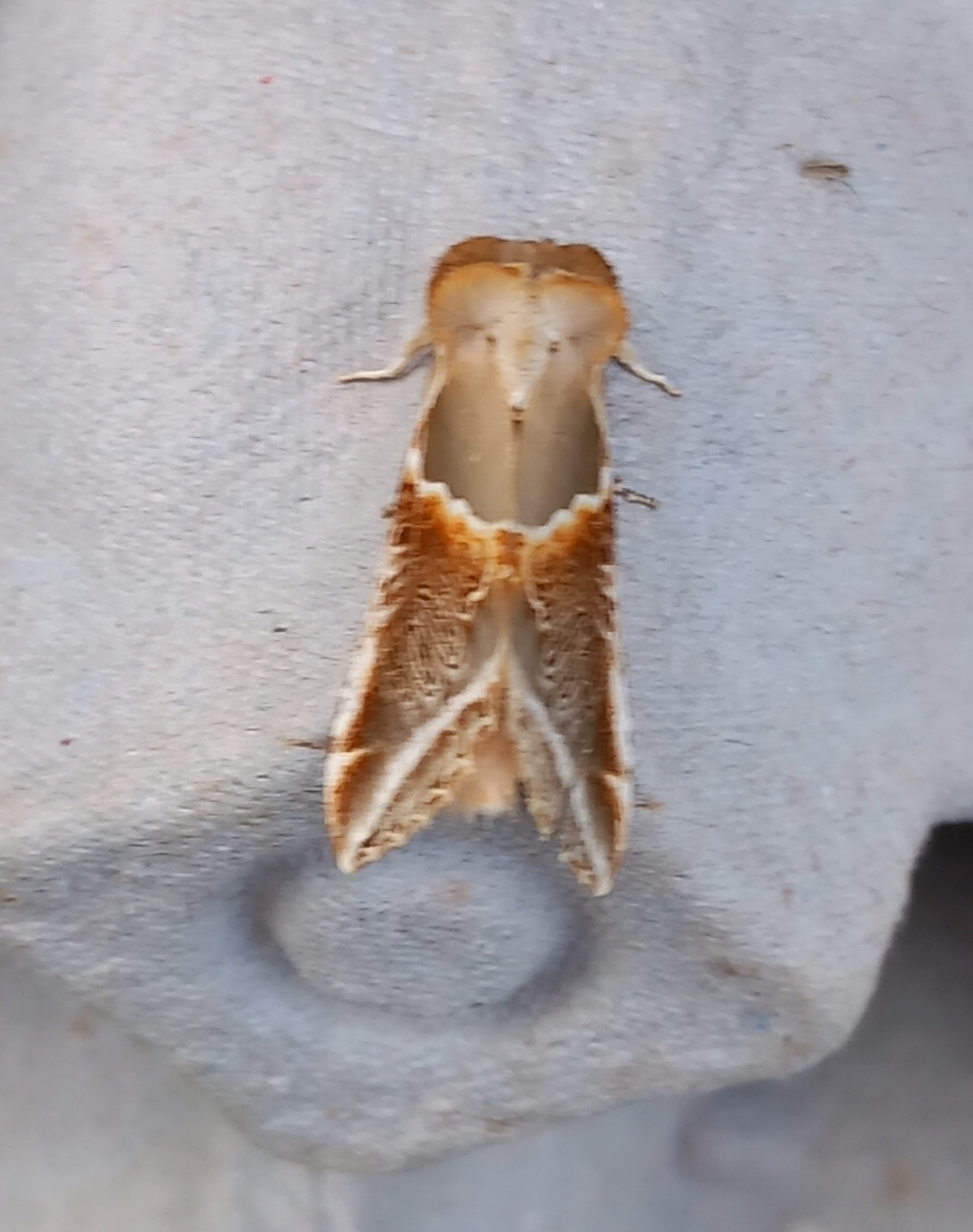
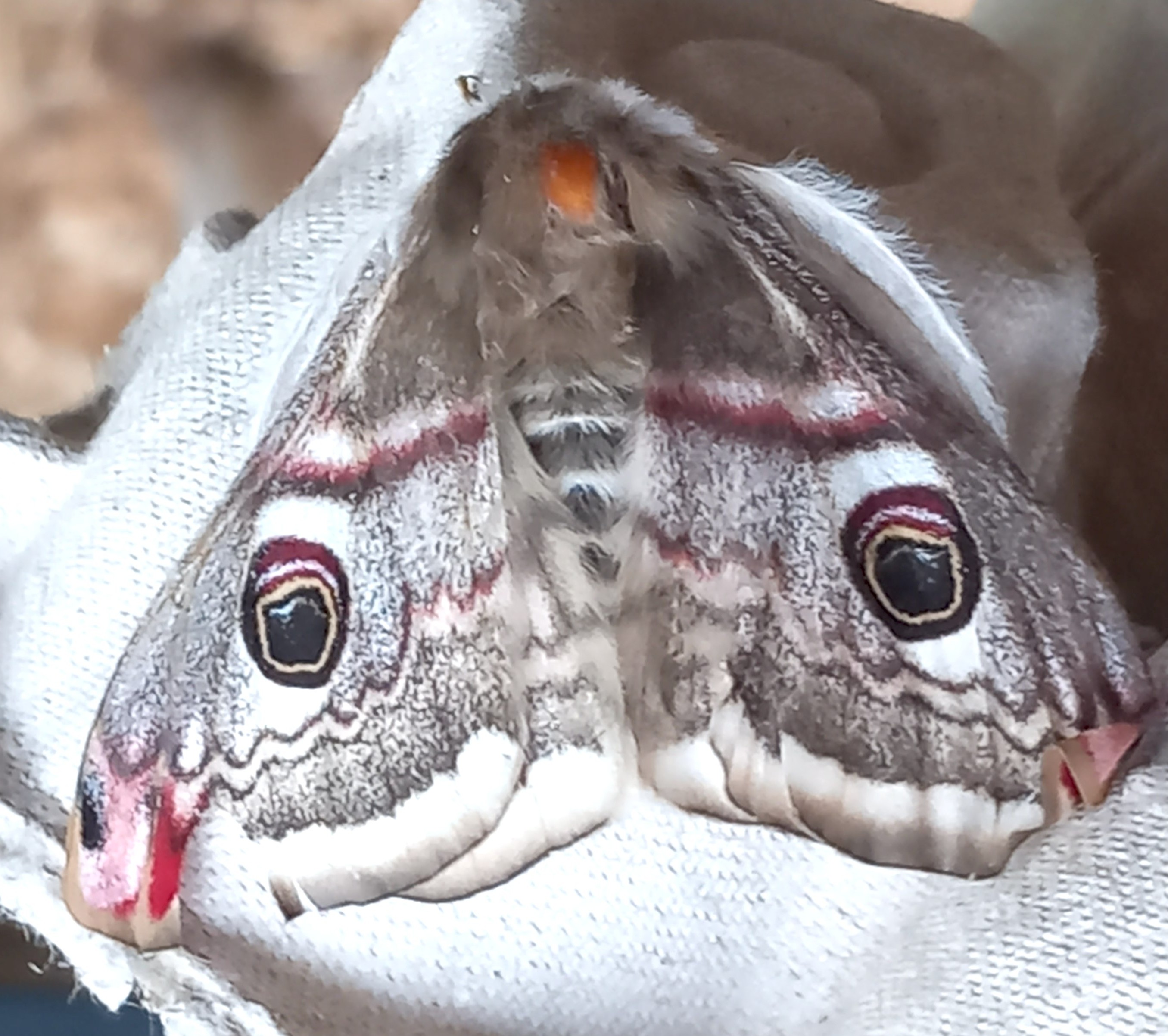
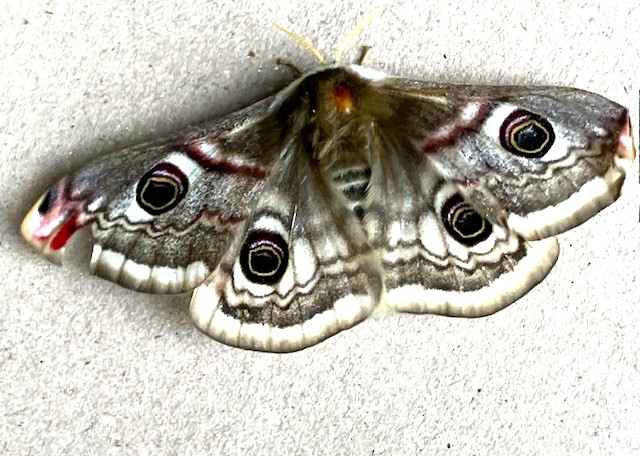
We were very excited to find this whopping moth sitting on an eggbox in our trap last week. It is an emperor moth Saturniidae pavonia and although not uncommon, it was very large and beautiful and the first we had ever encountered. The previous day had been unusually hot and sunny and must have encouraged her emergence.

Here she is in all her splendor about 7 cm across.

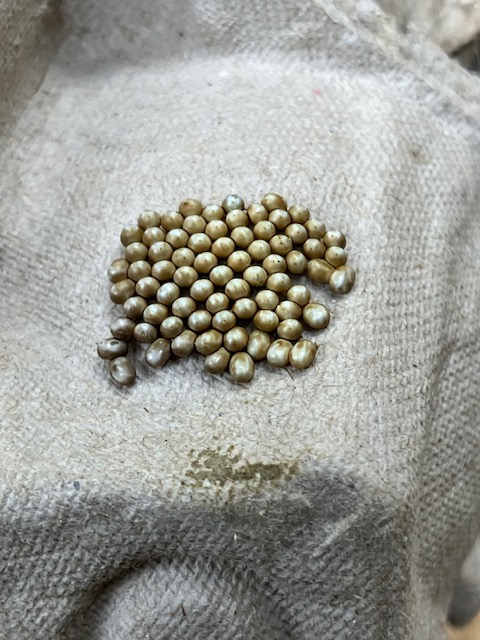
Stretching to reveal her hind wings, the females wings are all the same colour. The male, though smaller, has brighter orangey hind wings. But that was not the reason we knew she was an Empress… Look what she left behind.

A clutch of shiny Empress eggs and a dilemma — do we rush out and buy a large fish tank (that is what the family assumed we would do) or do we compromise with Mother Nature?

Here is what we did.

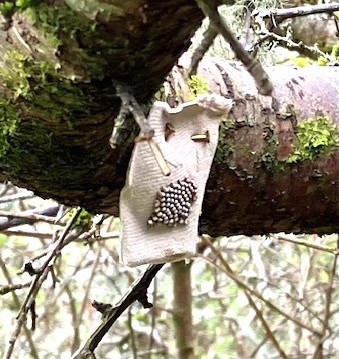
In a thicket of blackthorn that emperor caterpillars like to eat above a bramble bush where they will also happily roam, we pinned the eggs to a branch where we hope in 6 weeks, maybe later, if it’s cold, they can hatch.

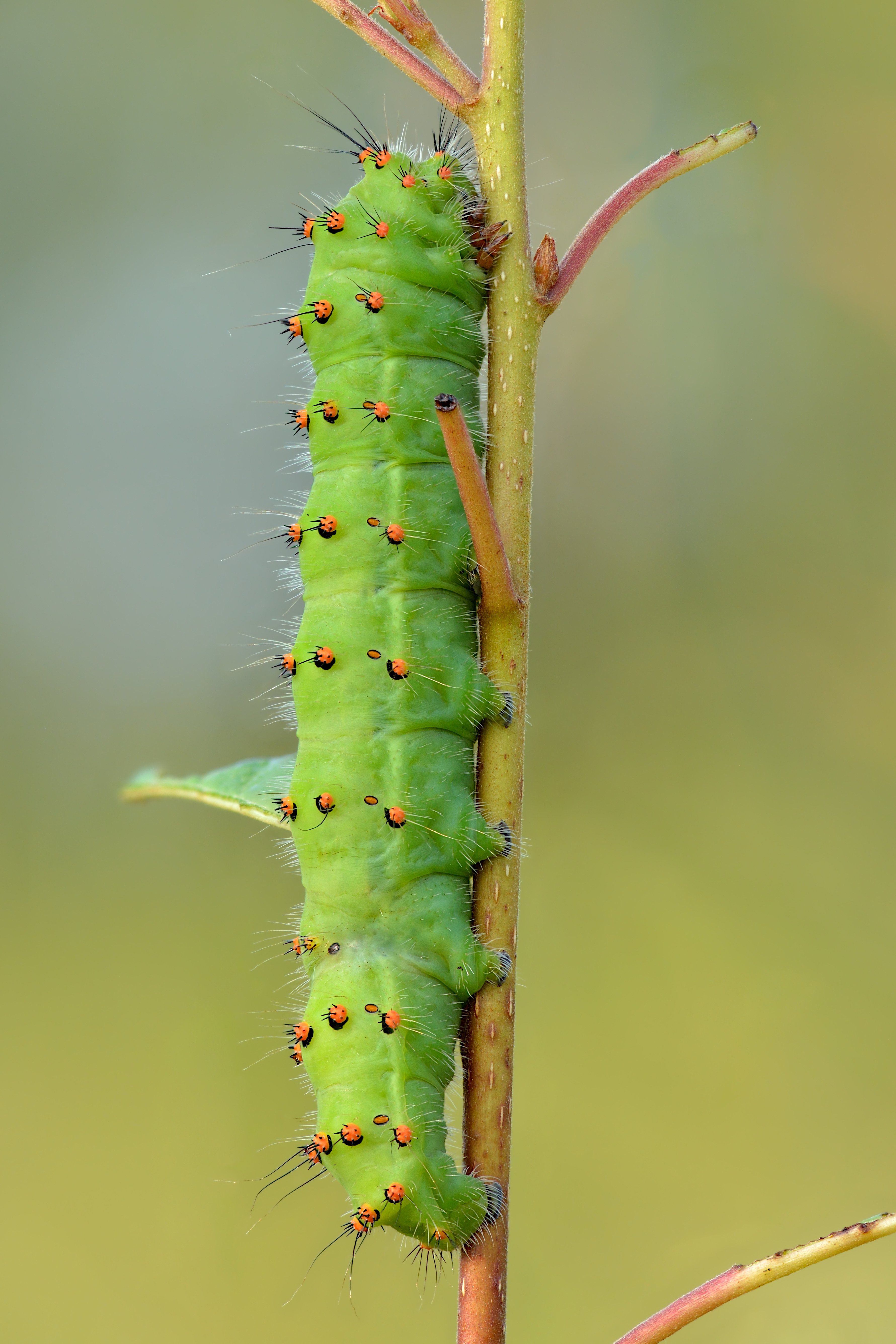
Meanwhile here is an Estonian one by Ivar Leidus CC.BY-SA 4.0 via Wikimedia

They start off black and eventually are this bright green with bands of spots which become black and hairy (I think)… We will see… Maybe.

Standard
Moths, Natural Beauty, nature, Reptiles

Enchantment! What gets you out of bed?

We are possessed — we tumble out of bed at the first ray of sunlight, Bill to rush out and be electrocuted in the morning dew, forgetting to switch off the mains before moving the sodden leads so that he can see what he has caught in his moth trap!

I follow, not to resuscitate but because the one thing I hate more than early mornings is being left out! And it’s like Christmas — you just don’t know what you will get!

Antler moth artistically posing on my rhubarb.
Buff arches
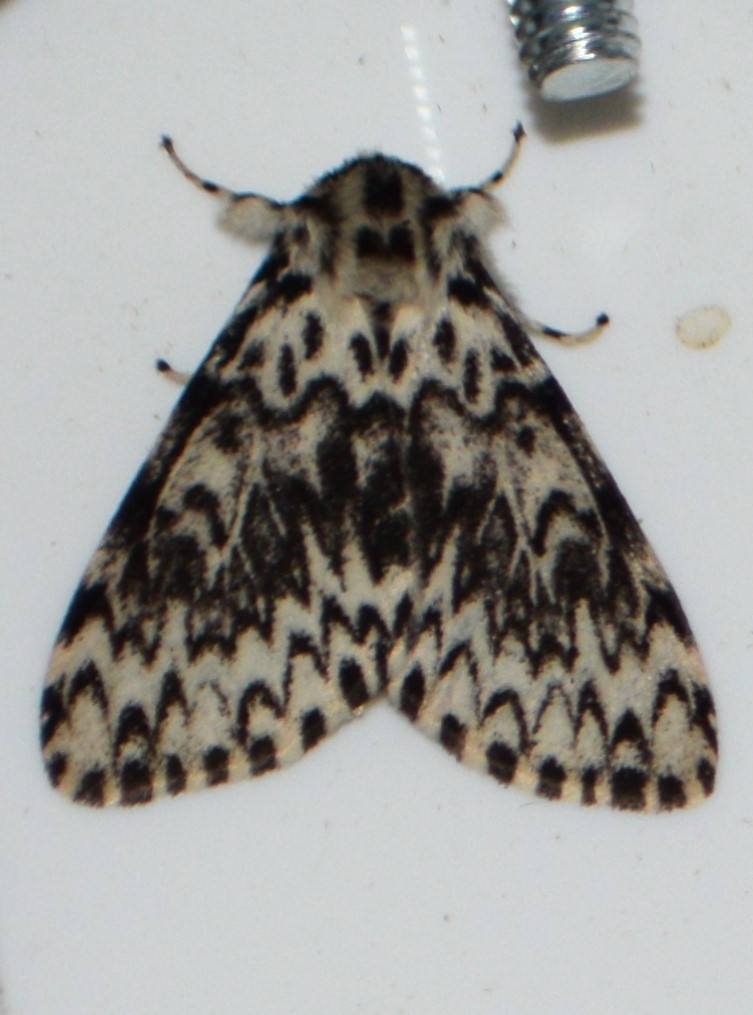
Black Arches Moth
Brown china mark
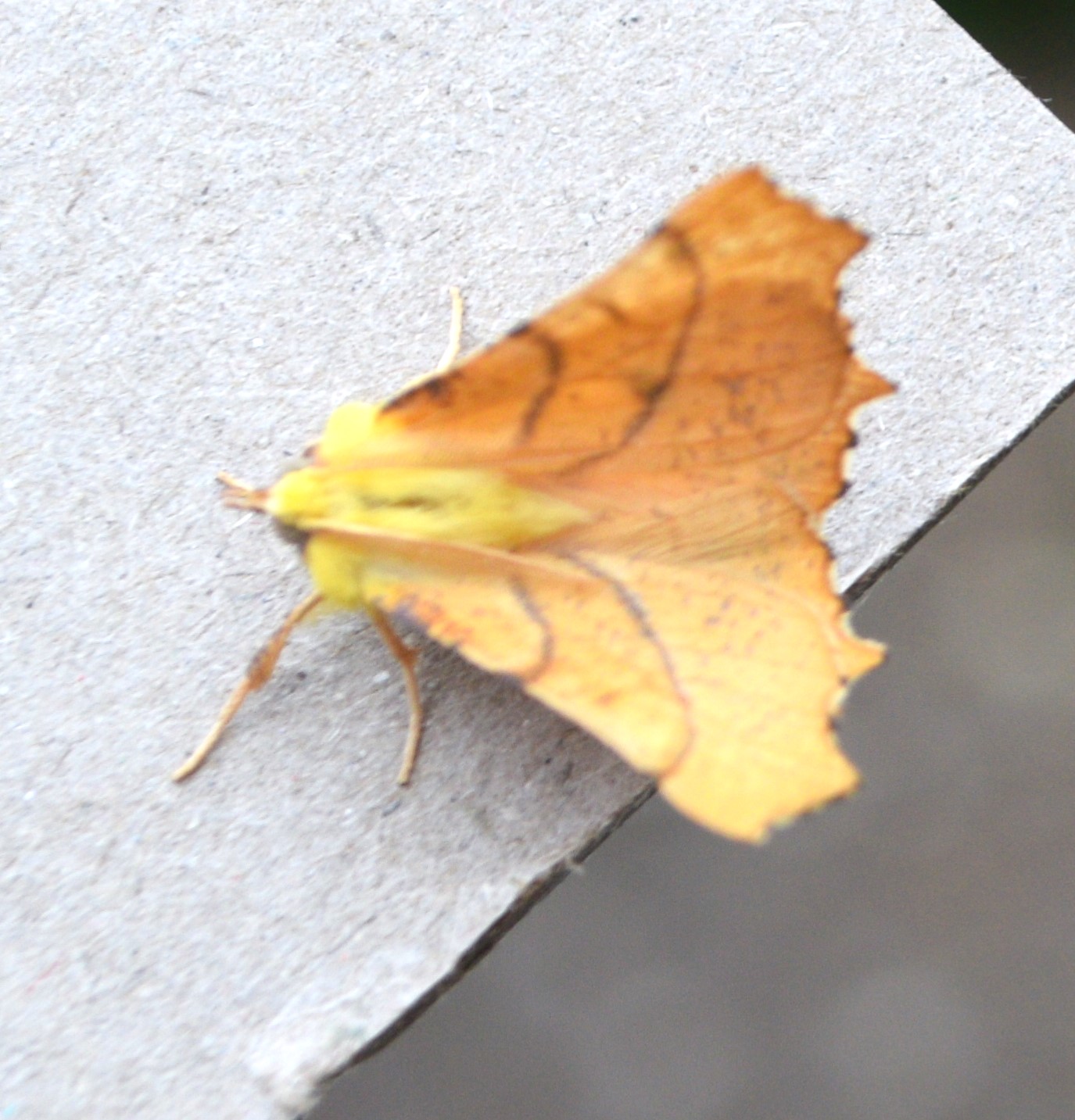
Canary shouldered thorn
Feathered gothic
Large emerald
Garden tiger moth
Gypsy moth male — slightly battered — not surprising, possibly blown from Europe.

Just a few of the 100 plus species of moth we have photographed since July — you can’t say they are dull!

But these are what gets me tip-toeing down the dewy track as the sun peeps over the hill!

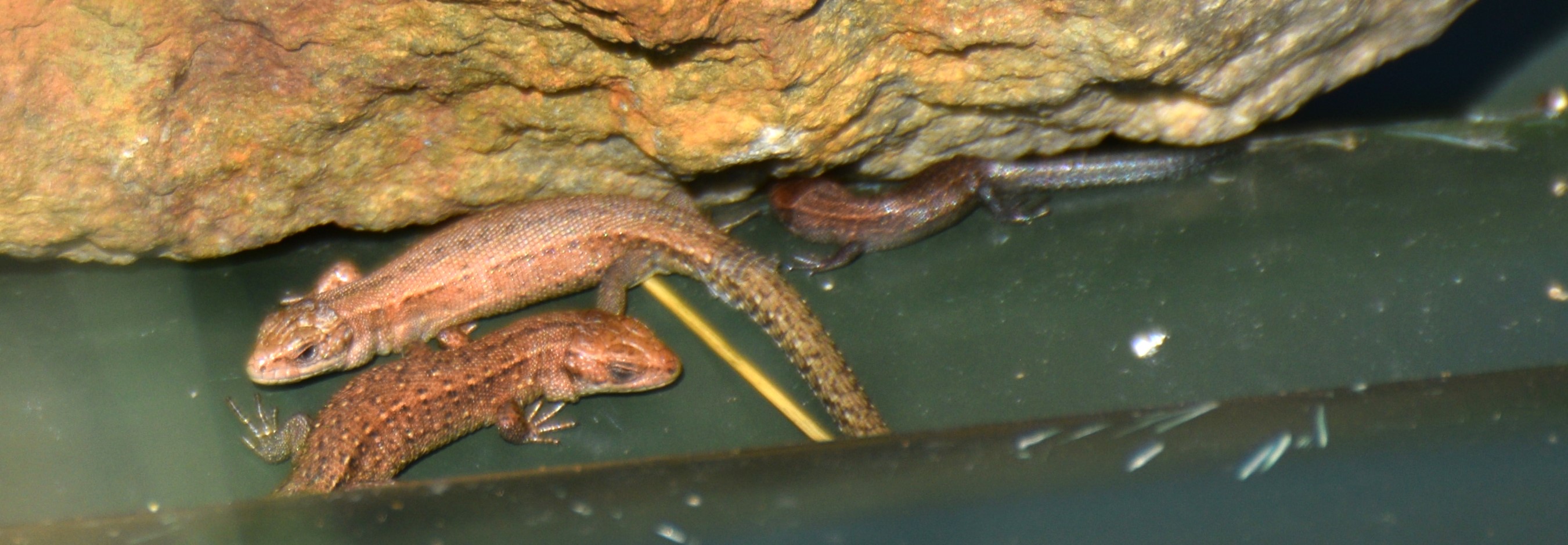
Baby lizards

There seems to be a family of 7 or 8 babies and at least one adult that bask in the morning sun on the corrugated iron that we have put by the bench where we bask. They are charming and very brave — are they going to become accustomed to us and remain so as adults — I do hope so. We have made them an air-raid shelter but at the moment they seem to prefer to hide in the grass.

Standard