Rememberance

We Will Remember Them!

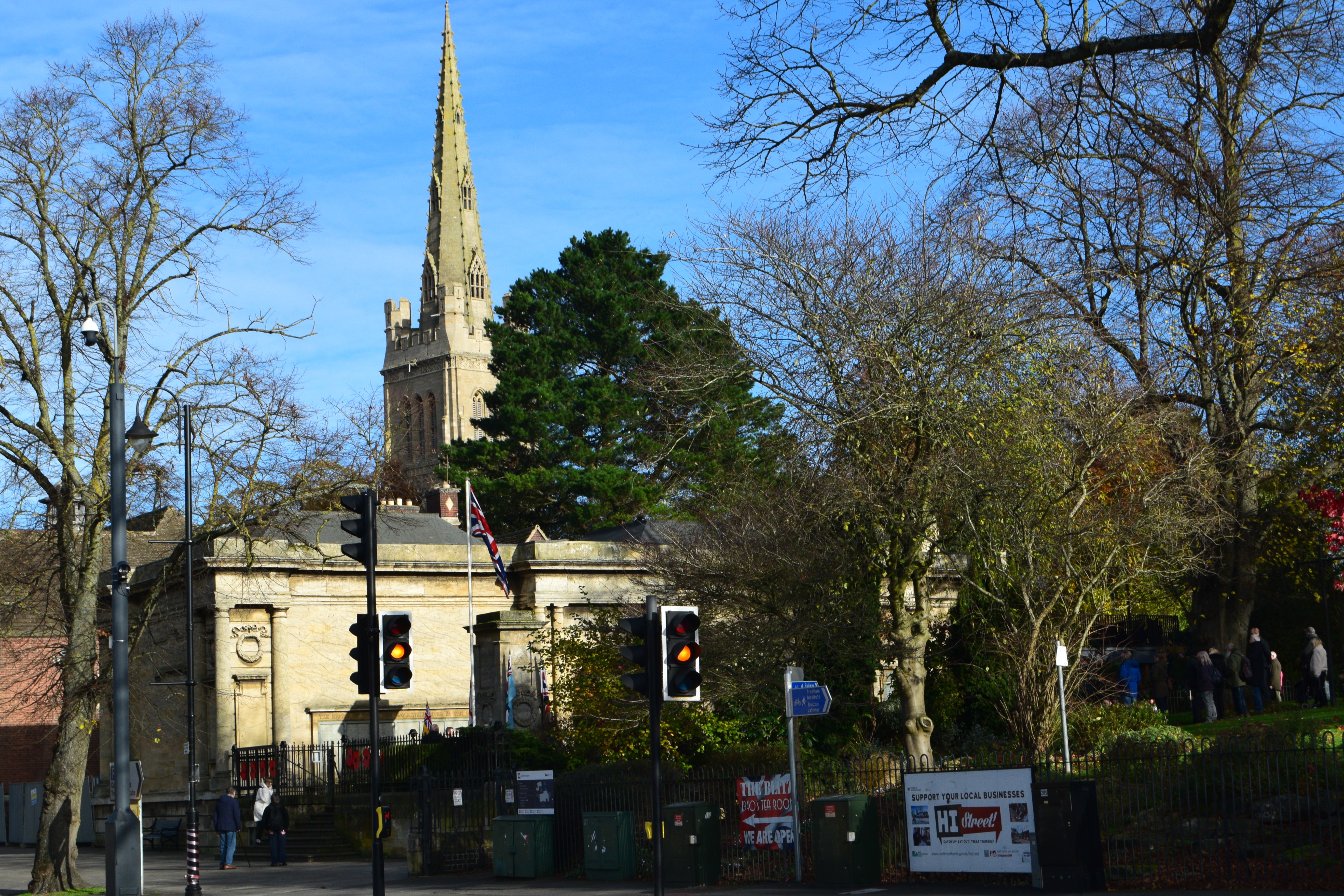
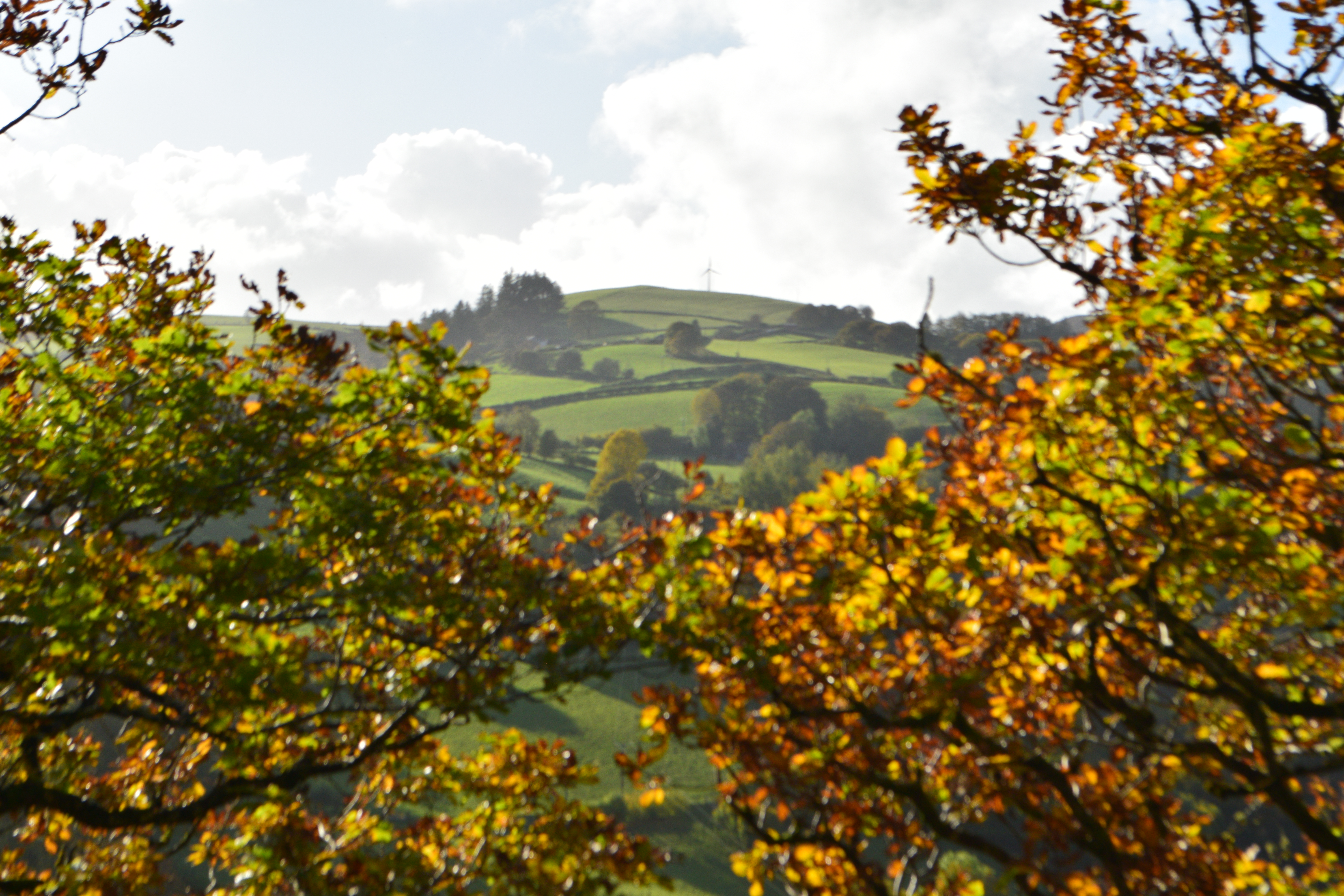
Time has passed, but judging from Kettering and Trefeglwys War Memorials both young and old are still aware of the sacrifices made by the wartime generations — the wreaths laid by school children are re-assuring that we remember.

They shall grow not old, as we that are left grow old,

Age shall not weary them, nor the years condemn.

At the going down of the sun, and in the morning,

We will remember them.

R.L.Binyon from “For the Fallen”

The sun came out this morning over the War Memorial in Kettering.

The mayor read the evocative words of John Maxwell Edmonds:

When You Go Home, Tell them of Us and Say,

For Your Tomorrow, We Gave Our Today.

And still it goes on — another generation sacrificed today — how could the sun come out.

Standard
Natural Beauty, Nature Photography, trees

Relax in the Woods — it may never happen!

The hill above the house.
Anyone for angina?

An escape from the stresses of the week, here and in the States — I wish I could send you all the crispness of the air and the scent of the woods.

Standard
Humour, Wales, Writing

Brace Yourselves!

My new book is now in the publisher’s catalogue with a release date in December 2024!

My dog can’t read, but if I sent him a postcard, he’d sniff it and know I was fine and thinking of him. If I needed to tell him more, I suppose I’d send him one of my socks. 

In an insecure world, be cheered by the landscape and friendliness of this quiet, green valley, with its unexploded bombs, stampeding cattle and life-or-death decisions. Diana’s off-beat take on life, honed by her years as a family doctor, is one of the things that made her first book, Iolo’s Revenge: Sheep farming by Happy Accident in Mid Wales, so popular. People who read it ask what has happened since?

Quite a lot actually …

Pre-order at https://logastonpress.co.uk/product/my-dog-cant-read-more-tales-from-an-accidental-farmer/

Standard
Ecology, nature, Nature Photography

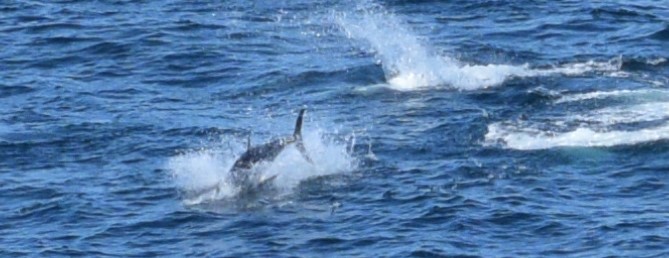
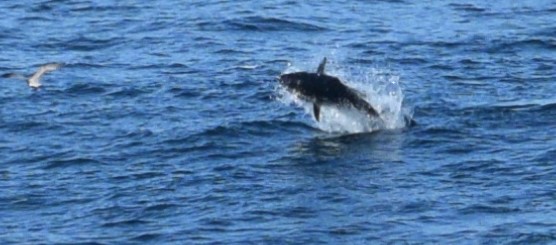
Would you believe it? Blue Fin Tuna!

Here’s what we saw from the cliffs at Land’s End, the most southerly point of mainland Britain on our recent stay in Cornwall.

A disturbance — turbulence in the water and excitement amongst the sea birds, swooping above the swirling and splashing.

Whatever they are they are large as you can see, we are looking from a long way off.

Is it a shark? It looks like a tuna but surely they don’t swim off Cornwall — all the photos of big game fishing show men in Edwardian dress.

Here you have it — It’s official. The Blue Fin Tuna has returned to British waters. Either because of global warming, or the demise of the inshore fishing industry or because of excellent fishery management — they are back.

Blue fin tuna chasing shoals of smaller fishes around the rocks where the bait fish try to escape by jumping, and the opportunist gulls swoop to pick them off, mid-air.

Will they be fished to extinction again — hopefully not, there are now strict quotas, and fishery vessels patrolling — we saw Fishery Protection vessels as well as Border Force vessels from our viewpoint. A Border Force high speed rib was very actively chasing a fishing boat — by evening, the local News revealed that they had caught 6 tons of cocaine but no tuna!

Undercover surveillance?

Standard
Moths, Natural Beauty, nature, Reptiles

Enchantment! What gets you out of bed?

We are possessed — we tumble out of bed at the first ray of sunlight, Bill to rush out and be electrocuted in the morning dew, forgetting to switch off the mains before moving the sodden leads so that he can see what he has caught in his moth trap!

I follow, not to resuscitate but because the one thing I hate more than early mornings is being left out! And it’s like Christmas — you just don’t know what you will get!

Antler moth artistically posing on my rhubarb.
Buff arches
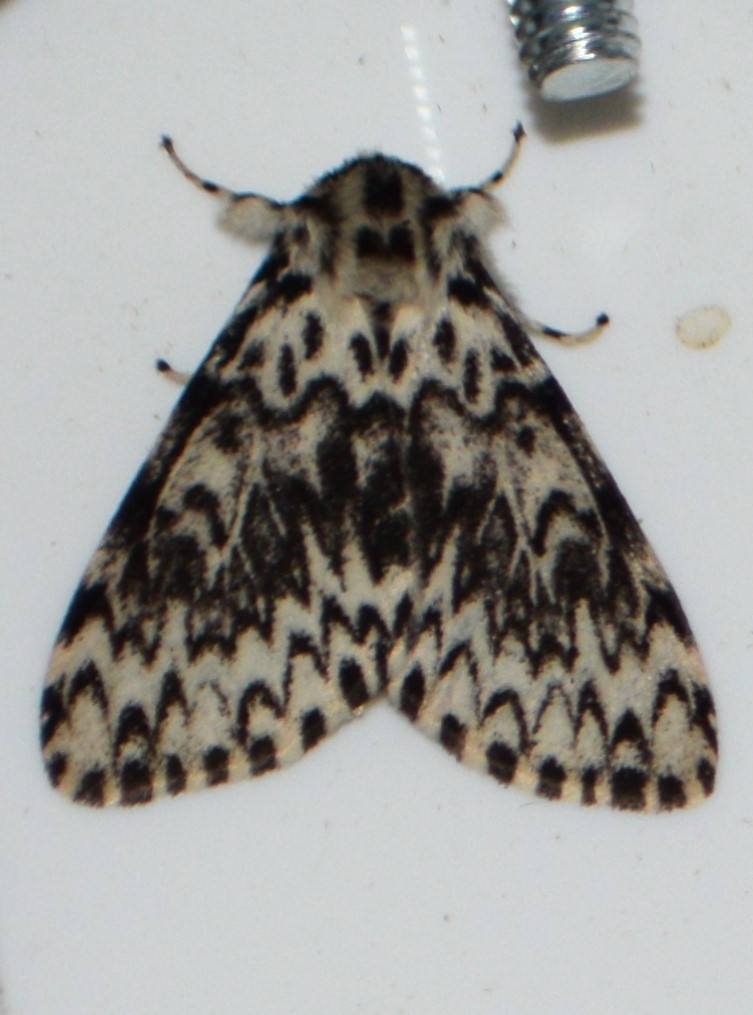
Black Arches Moth
Brown china mark
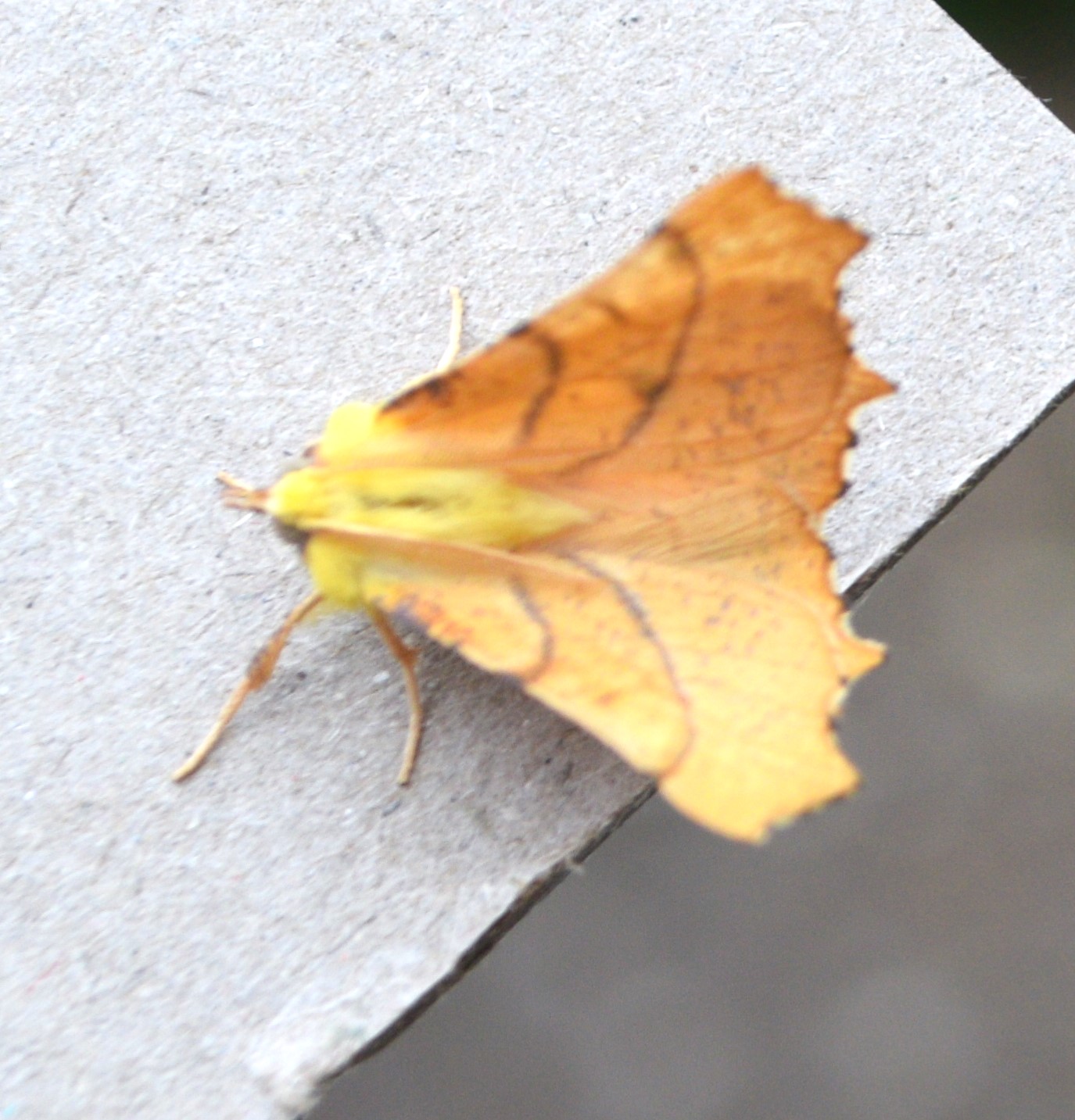
Canary shouldered thorn
Feathered gothic
Large emerald
Garden tiger moth
Gypsy moth male — slightly battered — not surprising, possibly blown from Europe.

Just a few of the 100 plus species of moth we have photographed since July — you can’t say they are dull!

But these are what gets me tip-toeing down the dewy track as the sun peeps over the hill!

Baby lizards

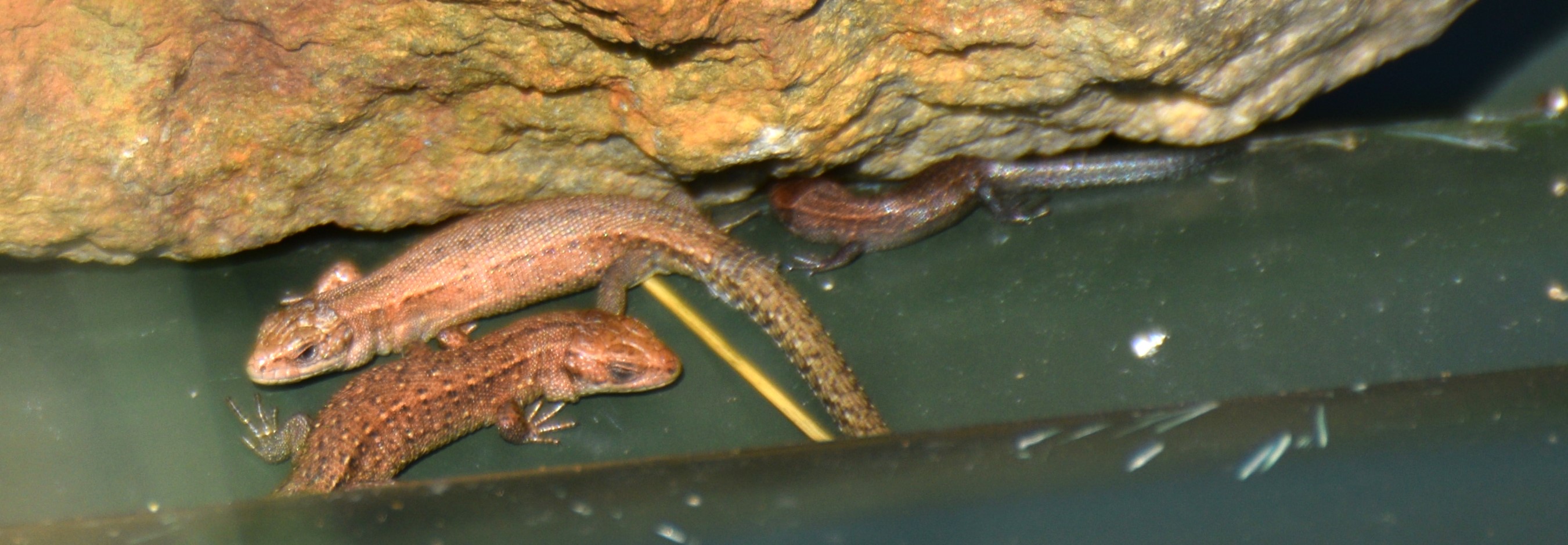
There seems to be a family of 7 or 8 babies and at least one adult that bask in the morning sun on the corrugated iron that we have put by the bench where we bask. They are charming and very brave — are they going to become accustomed to us and remain so as adults — I do hope so. We have made them an air-raid shelter but at the moment they seem to prefer to hide in the grass.

Standard
Architecture, History

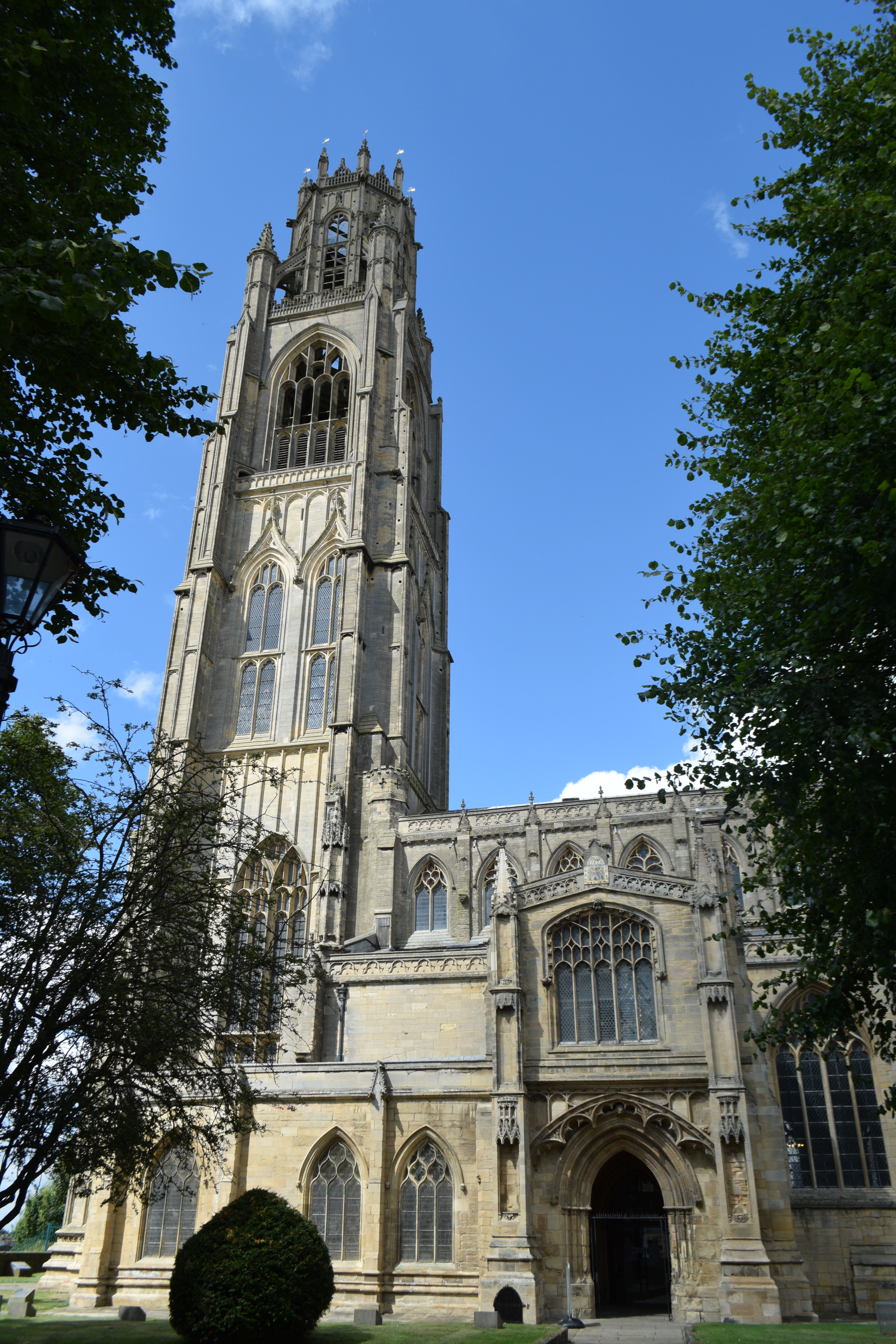
Visiting the Boston Stump!

Last week we exhausted ourselves in the heat, tramping around Frampton Marsh on the Wash looking for yellow wagtails. In the distance we could see the only landmark in this flat landscape — Boston stump — the tall tower of Boston’s St Botolph’s medieval parish church . After lunch we went to have a closer look.

I had always thought that this was a cathedral but no, it is a humble parish church!

As you step into the nave, the vastness of it knocks you back and you wonder how this little town in Lincolnshire could possible have mustered the resources back in the 1309 to start such a mammoth project. It took the best part of a century and the tower was added later, by the late 1500s.

The view from the river gives a hint. The River Witham has a short course to the sea and is tidal — Boston, in its day was a major port, serving a rich agricultural area and the merchants were wealthy.

Boston in Lincolnshire, on the Wash — that great bite from the map of Eastern England, was the port from which many Puritans left Britain, notably those in 1630 in the reign of James I, bound for the Massachusetts Bay colony, frustrated by the lack of change in the Church of England — parted from Rome by Henry VIII, but not purged of much that was still Catholic. They took the town’s name with them and were soon followed by their own vicar, John Cotton who became known as the Puritan Patriarch of New England. 166 of his Boston, Lincolnshire parishioners made it to New England.

1660 was the year that marked the end of the Puritan rule of Oliver Cromwell that followed the Civil War and the restoration of the monarchy. Charles II ruled for 30 uneasy years but in 1685 when he died his younger brother James II, personally a committed Catholic, was again a threat to stability and within 3 years the powers-that-be, facing the prospect of another Civil War, invited William (protestant king of the Netherlands) and his queen, Mary ( James II’s daughter) to assume the crown. James’s army deserted him and he fled to France. In 1690 he tried to regain his throne but was beaten at the Battle of the Boyne in Ireland and the rest, as they say, is history — which goes on and on!

These were turbulent years in England. And not much fun for this schoolboy I spotted being beaten — seen on a misericord in the choir.

Standard
Ecology

Rural sprawl — Natures fightback!

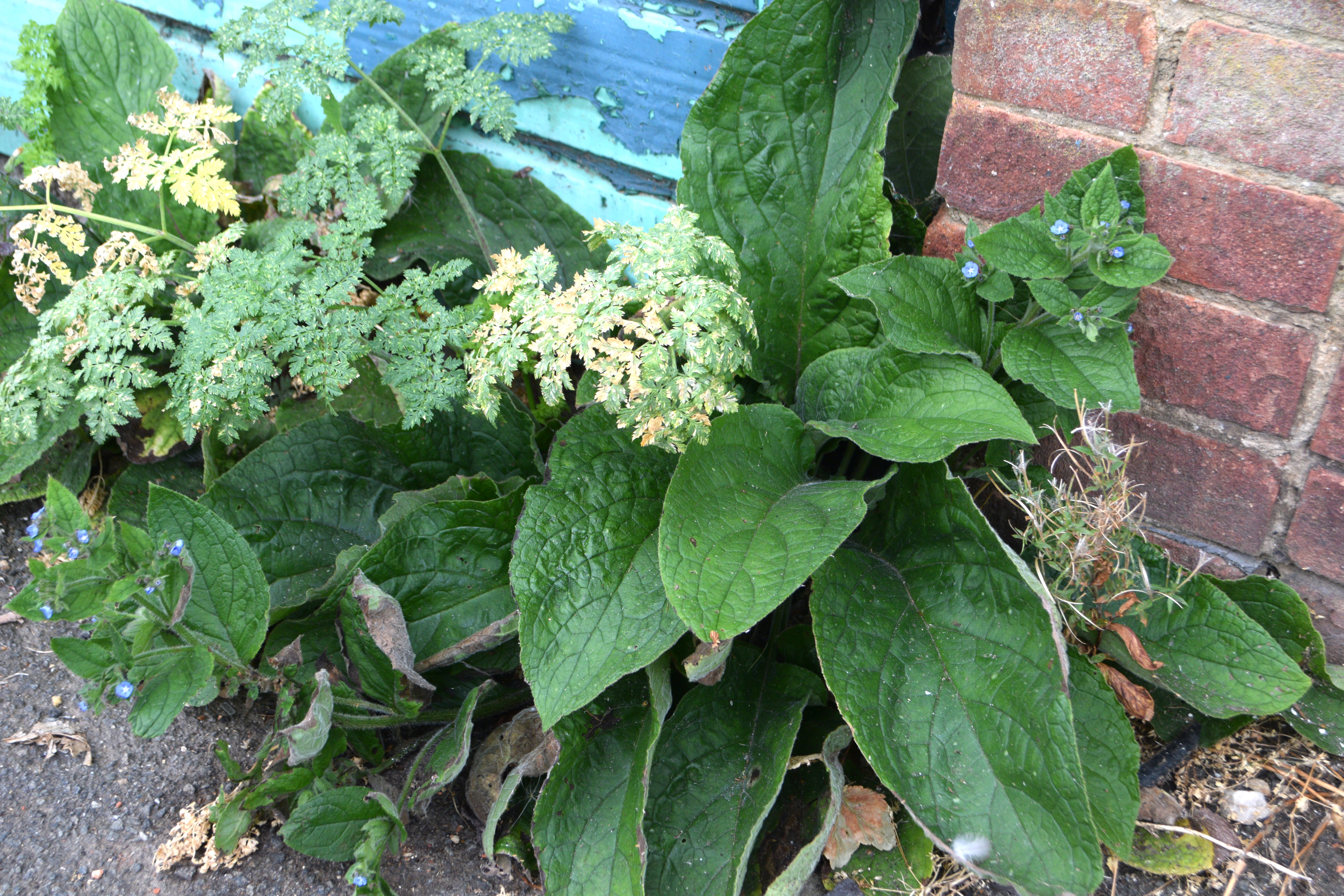
When I walk the pavements of the terraced streets of Kettering, where the mature lime trees seem to have pushed themselves up through the Tarmacadam, the thing that amazes me is all the life that emanates from the cracks. As if the countryside, on which our ancestors built this industrial shoe town, is still there underneath, escaping whenever and wherever it can– sometimes with evil intent. Above is green alkanet growing today in a crack with hemlock! I must remember not to buy flat-leafed parsley from the corner shop!

These houses are dated and most built about 125 years ago — the last time there were barley fields. In fact the predominant species are invasive like this rock fumewort (yellow corydalis) — it likes the well drained mortar of the old walls and has settled here from its home in the foothills of the Italian alps.

I love these hardy hangers on — maiden hair spleenwort, a fern that thrives in rocky crevices

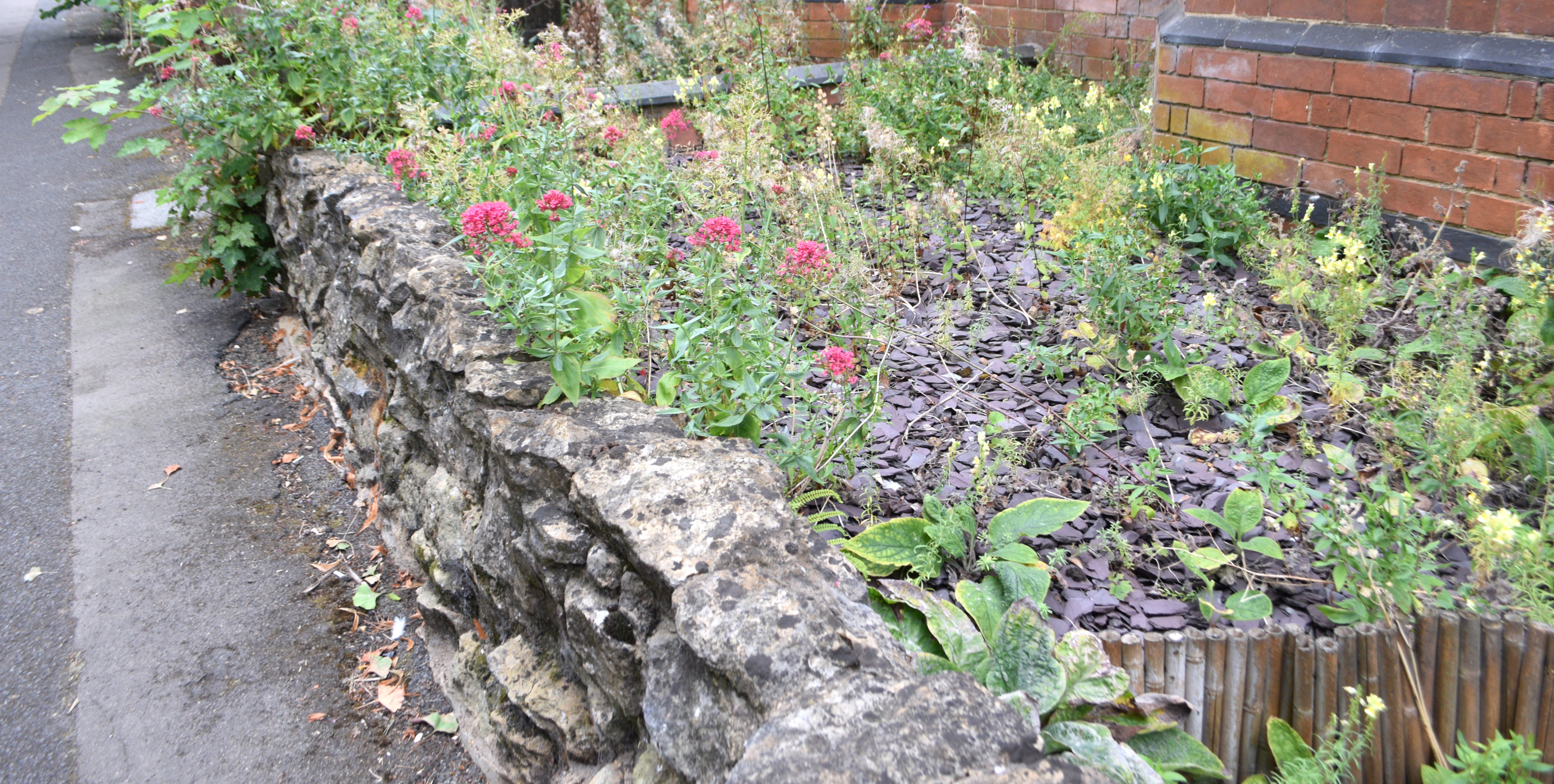
Despite the best endeavors of householders Nature fights hard to assert herself forcing her way through plastic membranes and squeezing between paving slabs. Here with the buddleia and the feral snap dragons is red valerian, in the vanguard of the battle, it quite likes the lime mortar in old stone walls and knocks them down in no time!

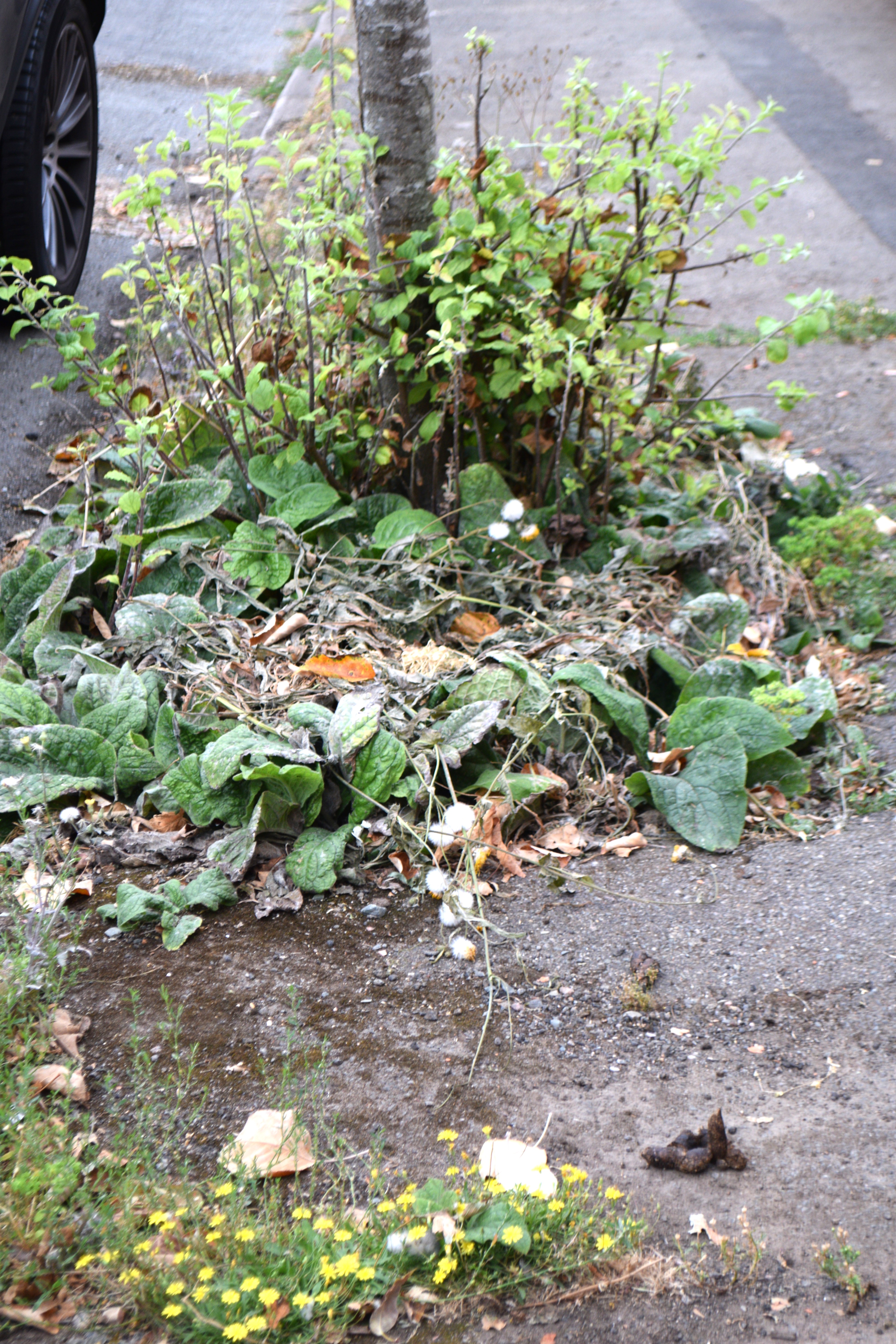
While exploring the biodiversity at the foot of a street tree a man rushed over the road to me, anxiously demanding to know why I was photographing his car — I was more discrete after that — recording biodiversity is not without its risks.

Watch out for predators!

Standard
Healthy lifestyle, lifestyle, sport

Olympic fever?

Have you noticed? There is a lot of illicit exercise going on in the United Kingdom.

If you venture out when the streets are supposed to be empty, just after dawn you will be baffled if not run over by track-suited parents in trainers, jogging up and down, getting out before the kids are up — mustering their endorphins to face the day! Elderly gentlemen in shorts and cricket hats flash past you as you try to photograph a timid warbler. Ladies on bikes, dragging reluctant dogs, get tied up in leads and bump into post boxes to the alarm of the knitted figures sitting on top. Bicyclists shoot across in front of you as you wonder if you can make it through the lights on amber.

I guess it all started during Covid and has been exacerbated by the Olympics– it must be a good thing.

But what’s this? Lady in a wet suit in a park in St Neots — a long way from the sea.

Hang on — here are some more, bobbing around in the river.

Someone blows a whistle and they are off!

Suddenly, all thrashing about — like spawning fish in an upland pool, but they are whizzing along — after about 400 yards they all turn round and come back again. Only when they reach the shore can I categorize them — mainly young men, well young to me, but some young women and one man with a long white beard struggling as he runs along, to reach a string swinging down his back to unzip his wet-suit.

There is someone I know, in transition — nothing to worry about — just changing into her bicycling gear.

Only 25 kilometers — not even enough time for me to get a cup of coffee. Lots of riders struggle to get their feet attached to the pedals while riding as fast as they can up hill, one man in splendid electric blue shoes falls into a bed of nettles — that will sooth the pain in his joints.

After a 5 kilometre run Fran is triumphant!

In remarkable shape on the hottest day of the year, best times ever, and looking forward to the next sprint-triathlon! I feel fitter just from watching!

Standard
Reptiles

Birth Announcement!

For the first time ever we are aware of baby lizards — tiny black skittering forms disappearing under the compost heap by the pond when we approach — here is one very magnified basking in a short period of sunlight today.

We have put out a piece of corrugated iron by the pond which they seem to like!

Maybe this is the mother of our little chap — enjoying the corrugated which was intended for slow worms (no sign of them yet!)

Bigger one seen at the Osprey Centre.
Standard
Moths

Moth Trap

It is amazing what is fluttering around the house in the dead of night. Here are some of the most spectacular.

This elephant hawk moth is not uncommon. Why is it so pink? Well, the food plant of its caterpillar is the rose bay willow herb which has had a very good year and the foliage is flecked with the same pink as its flowers and its moth! The moth doesn’t look much like an elephant but it is relatively large and the markings on its shoulders could be seen as like large ears… maybe.

The riband wave moth is one we catch most nights, there are two forms, we are getting the remutata variety, shown here. Their caterpillars eat various plants like dandelions and dock — the docks have also enjoyed the conditions this year.

Another beautiful moth is the light emerald, Campaea margaritata. Its caterpillar eats the soft bark of some deciduous trees, including apple and plum, which might explain why one of our apple trees is looking so peaky.

Here is the largest so far, the poplar hawk moth Laothoe populi. Its wingspan is 7-10 cm and rather than having its fore and hind wings linked together, like most moths, these are separate so that, at rest, they lie at different angles and look like a group of dead leaves on the poplars and willows trees that they favor with their caterpillars.

But there is a downside to moth trapping which I say as I try not to scratch my itching face!

Midges! It has also been a very good year for them!

This drinker moth is perched above a sea of dozing midges which swarm up to suck the blood of the lepidopterists!

Here’s a better shot of the Drinker with the ubiquitous caddisfly lurking behind.

We catch almost as many caddisflies as moths — they are not as glamorous as moths but are a good health marker for the environment. Their larvae are aquatic and our stream is pure, we see lots when we pond dip, and they will be providing food for our growing brown trout.

Standard