Ecology, Wales

Common things being common

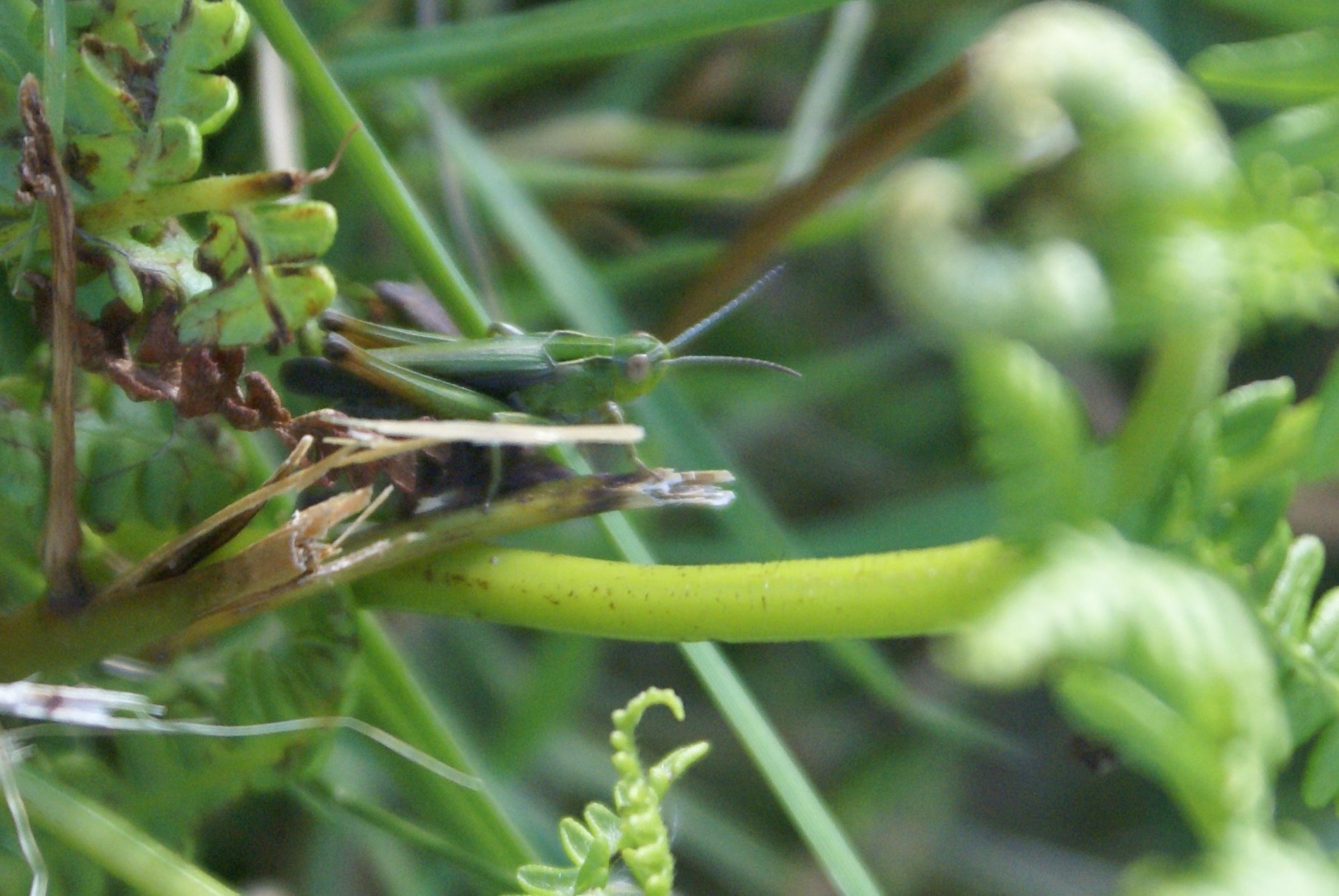
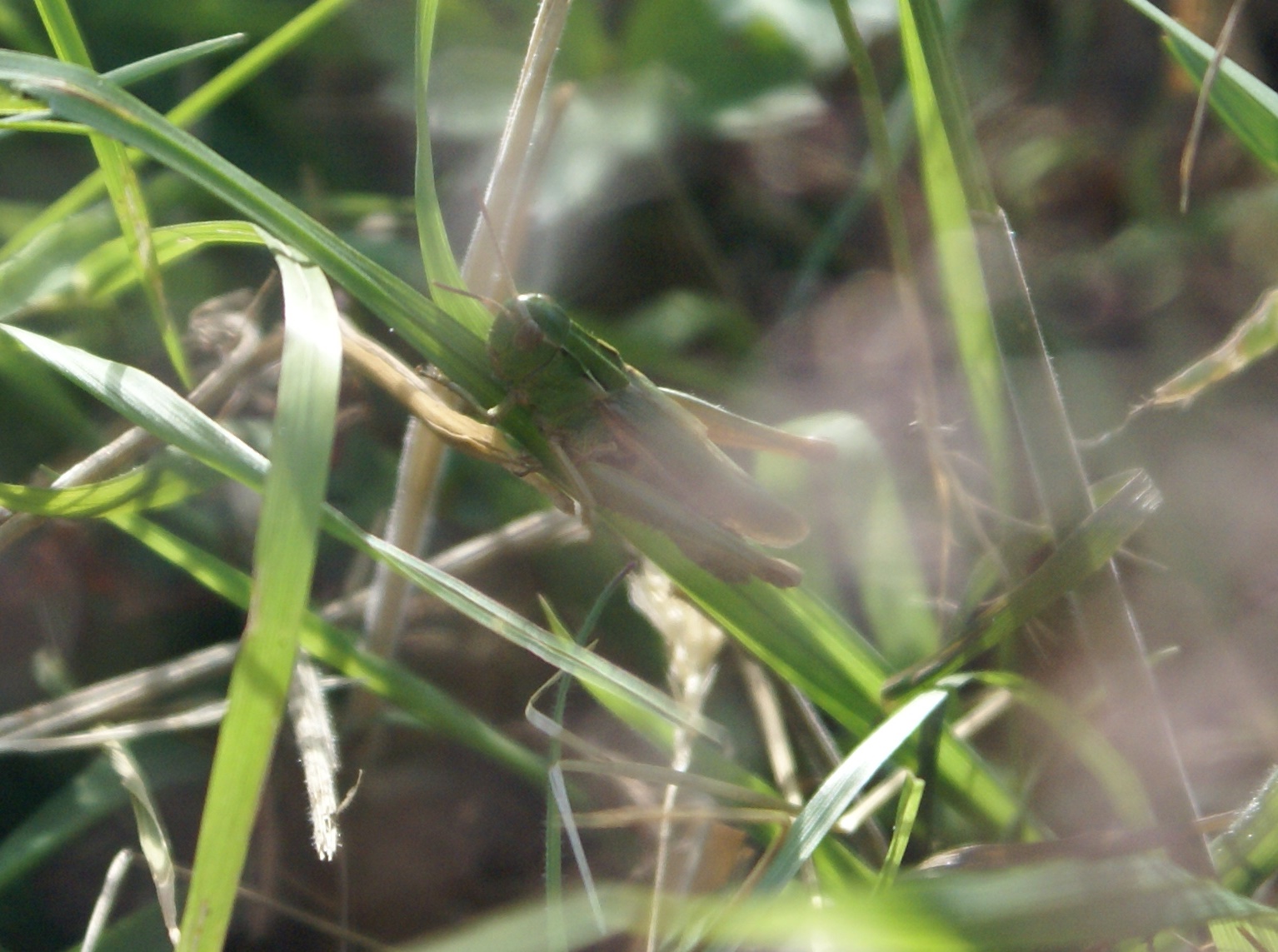
The grasshoppers that jumped out and away wherever you trod in our field last summer were green and there were lots of them.  That might make you think that they were Common Green Field Grasshoppers but with talk of global warming, climate change and species in all the wrong places (A Dartmoor Blog https://adriancolston.wordpress.com)  I have been inspired to have another look at my photos and to try to be more precise in my identification.

SONY DSC

First impressions may well have been correct and this confirms me in the belief that things should be named for what they are, although in this case I had such difficulty in photographing him that Brown Kneed Elusive might be a better name.

?Common Green Grasshopper

If you recognise this creature please leave details otherwise he will remain Omocestus viridulus, the common green field grasshopper.

Standard
Ecology, Humour

Solar Psychosis

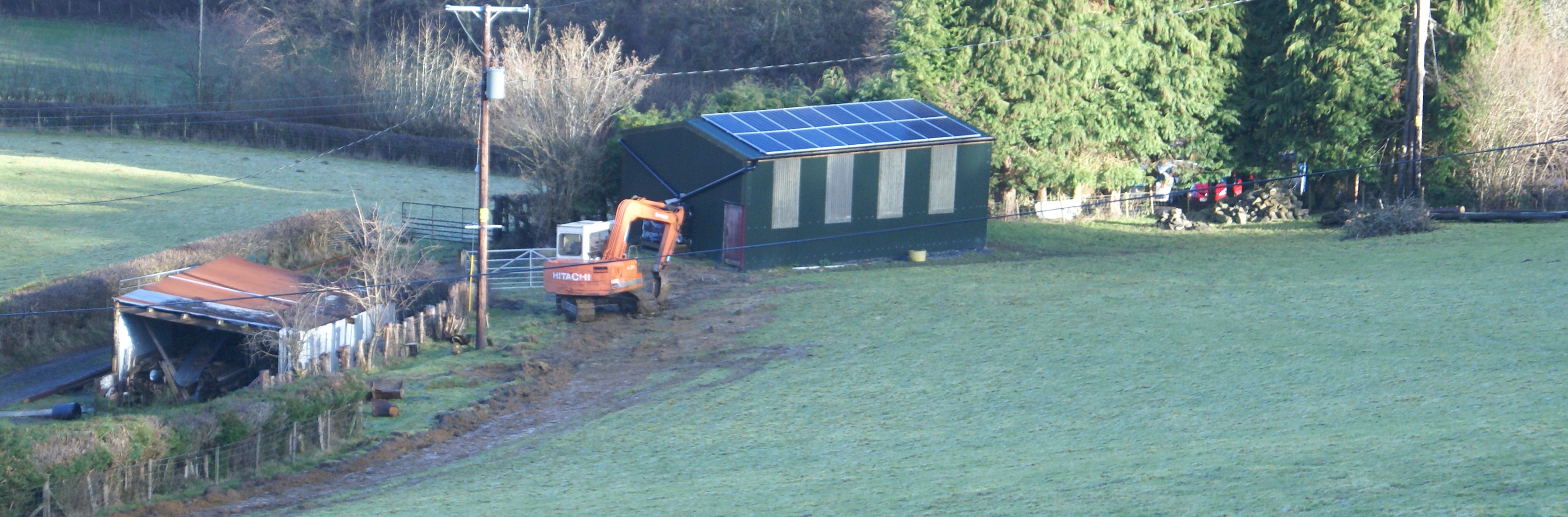
It’s a crisp winter’s morn — heavy frost but brilliant sunshine — the man said that was the best situation for the photo-voltaic  cells — got to dash — got to look at the meter — we’ve  got a little house with a smiley face — the water’s hot and we are exporting — our newly minted electricity is flowing into the National Grid — that’s bad, we should be using it — it’s free — got to put the washing machine on — WE’RE GENERATING!

P1040780 (2)

Whoops — No we’re not — the sun must have gone in — I’ll just pop out and look at the sky — we might manage a short wash later, between clouds — Oh no!  Look!  We’re importing!  Oh Alan, the smiley face has gone.

SONY DSC

Something must be on!  I’ll check that all the lights are off, is the fridge motor running?  You haven’t put the kettle on, HAVE YOU?  The computer’s on?  Oh yes, so it is.

That’s it — I’ve got it — acute green-energy dementia!  I think that’s how they work, the solar panels — not so much by generating as by focusing you on switching things off!

Like a Druid I watch the movement of the great celestial orb.  Our fixed panels are a compromise between a right angle to the sun’s rays in summer and a right angle to the rays in winter so are almost always at a wrong angle — this results in rumination and ranting.

SONY DSC

We are constantly checking.  Look! they are in shadow.

It’s those damn trees!

SONY DSC

I can’t see!   I’m blind from looking at the Sun!

Standard
Ecology, Humour, Thoughtful

Frazzled? You’ve got Red Queen Syndrome

The Red Queen by Bill Brooks Attribution-ShareAlike 2.0 Generic (CC BY-SA 2.0)

The Red Queen by Bill Brooks Attribution-ShareAlike 2.0 Generic (CC BY-SA 2.0)

Red Queen Syndrome is running (or riding a turtle) to stand still — the first documented sufferer was the Red Queen in 1871, in  Through the Looking Glass and what Alice found there (I played the White Queen once — it was my finest hour, but a long time ago).  The phenomenon was recognised in 1993 by Matt Ridley — The Red Queen, Sex and the Evolution of Human Nature explored our origins and the need for constant evolution to keep one jump ahead of our competitors, our predators and, particularly, our diseases.  As the Red Queen said,’Now, here, you see, it takes all the running you can do, to keep in the same place.  If you want to get somewhere else you must run at least twice as fast as that!’

John Tenniel's illustration -- 1897 edition of Through the Looking Glass and what Alice found there.

John Tenniel’s illustration — 1897 edition of Through the Looking Glass and what Alice found there.

It’s a long time since I read Ridley’s book and at this distance I can only remember the messages that I took away from it — woven into my own narrative of life — the need for  the greatest genetic variation in a population so that the maximum options are available in case of emergencies (don’t forget Darwin) — those threats which will  inevitably emerge to confound us, due to the constant pursuit of organisms whose job it is to harm or out- perform us.    Oh, and the need for sexual reproduction and our sexual fascination with those most different from ourselves —  Jack Spratt Syndrome! It is the quest for new and useful genes — affording us the greatest possibilities to adapt or die.

This holds for almost everything — from our adaption, through natural selection, to emerging diseases and changes in our environment to our behaviours, technologies, economies, emotions and societies.  Everything is evolving all the time so we have to run to keep up.

As I slow down it seems to be getting faster.

My husband and I watch the prices of oil and electricity increase so we invest in solar panels. We’ll be able to heat our water for free!  But the immersion heater, which we have never used, is not responding — out with the electrical screw-driver — running to stand still — developing new skills.  Bang!

My computer is poorly, a problem in its power pick-up, it cannot be repaired because things have moved on in the 4  years since I bought it — no parts available, not made any more.  I have to buy a new computer — full of innovation — I have to run to stand still, change my behaviour, find all the secret clicks, do everything differently — where’s my e-dictionary — won’t open — connection broken — run troubleshooter — OMG.  Passwords won’t work — ‘Have you forgotten your password?’  No I bloody haven’t.  I will adapt and soon this new computer will seem second nature — I’ll probably even dream within its constraining matrix , but it will go on evolving and eventually (probably quite soon) it, or its successor, will out-run me.

People don’t get too old to do their job — the job evolves so that they no-longer recognise it.  The job out-runs them!

Now I’m going to try to download a picture of the Red Queen which may well take some time.

4228642691_539a578681_o Helena Bonham-Carter as the Red Queen from the film Alice in Wonderland, 2010, by Tim Burton. Attribution 2.0 Generic (CC BY 2.0)


Standard
Ecology, Humour

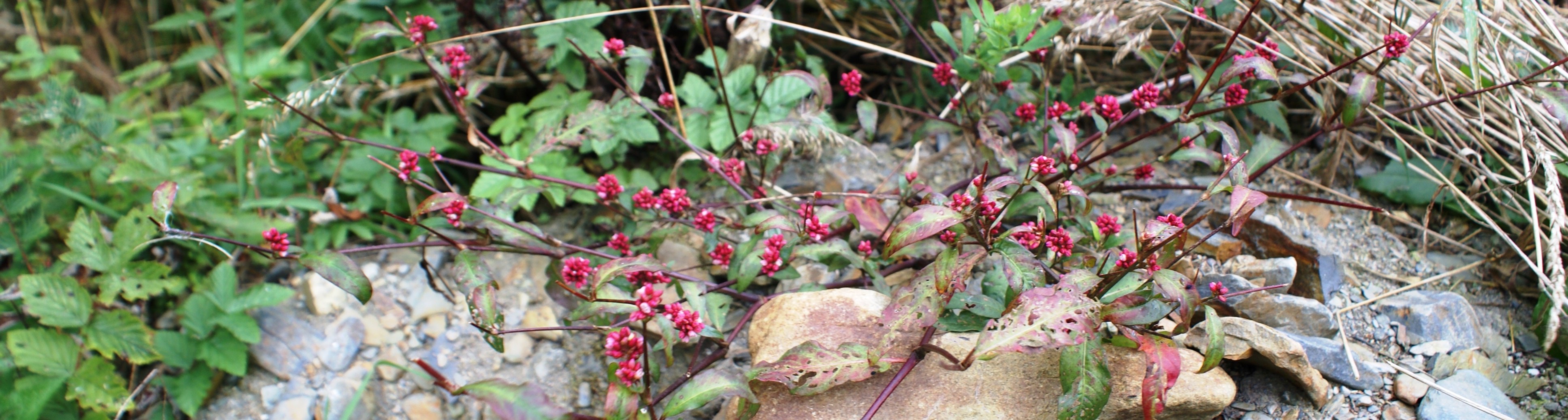
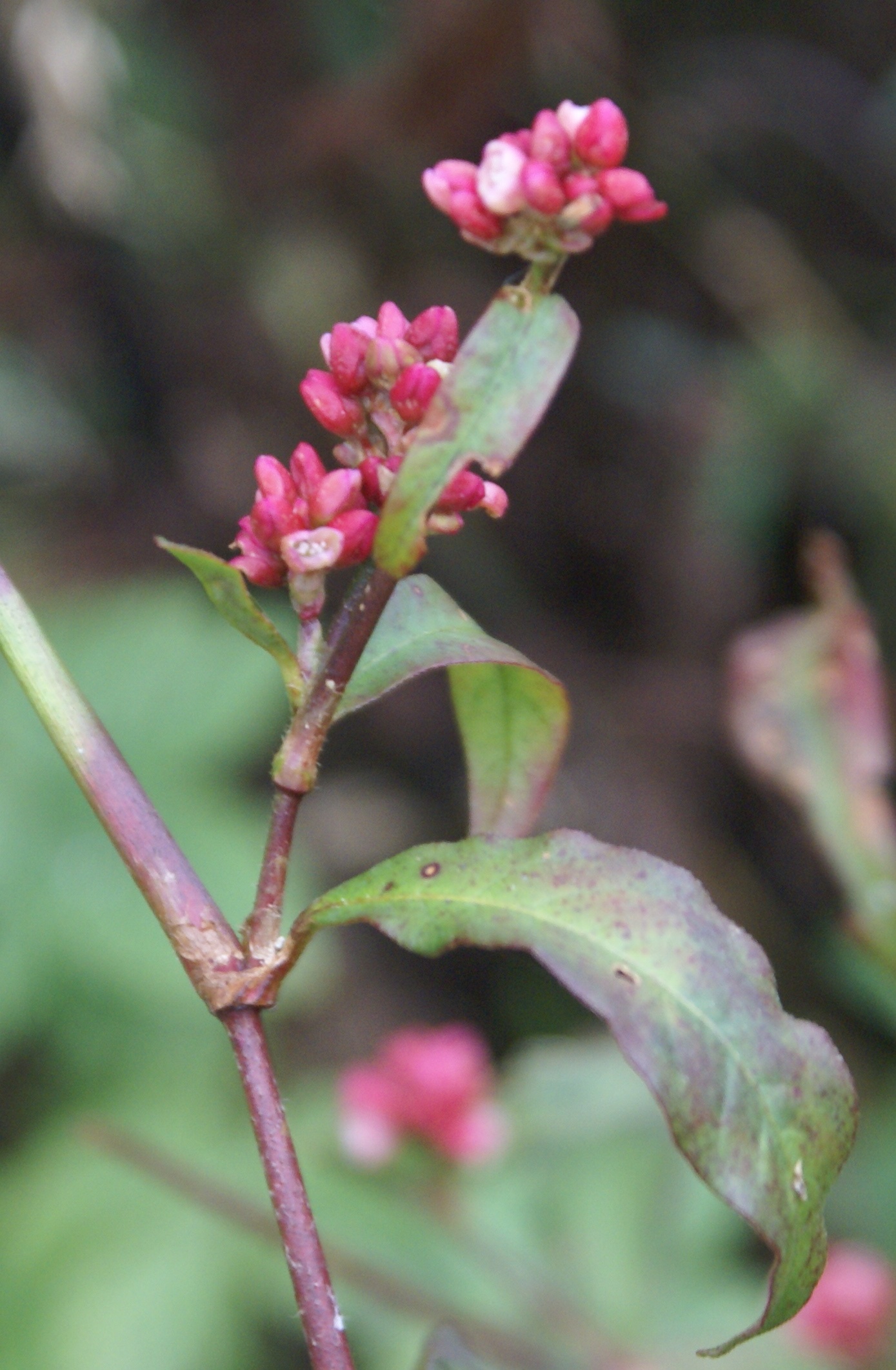
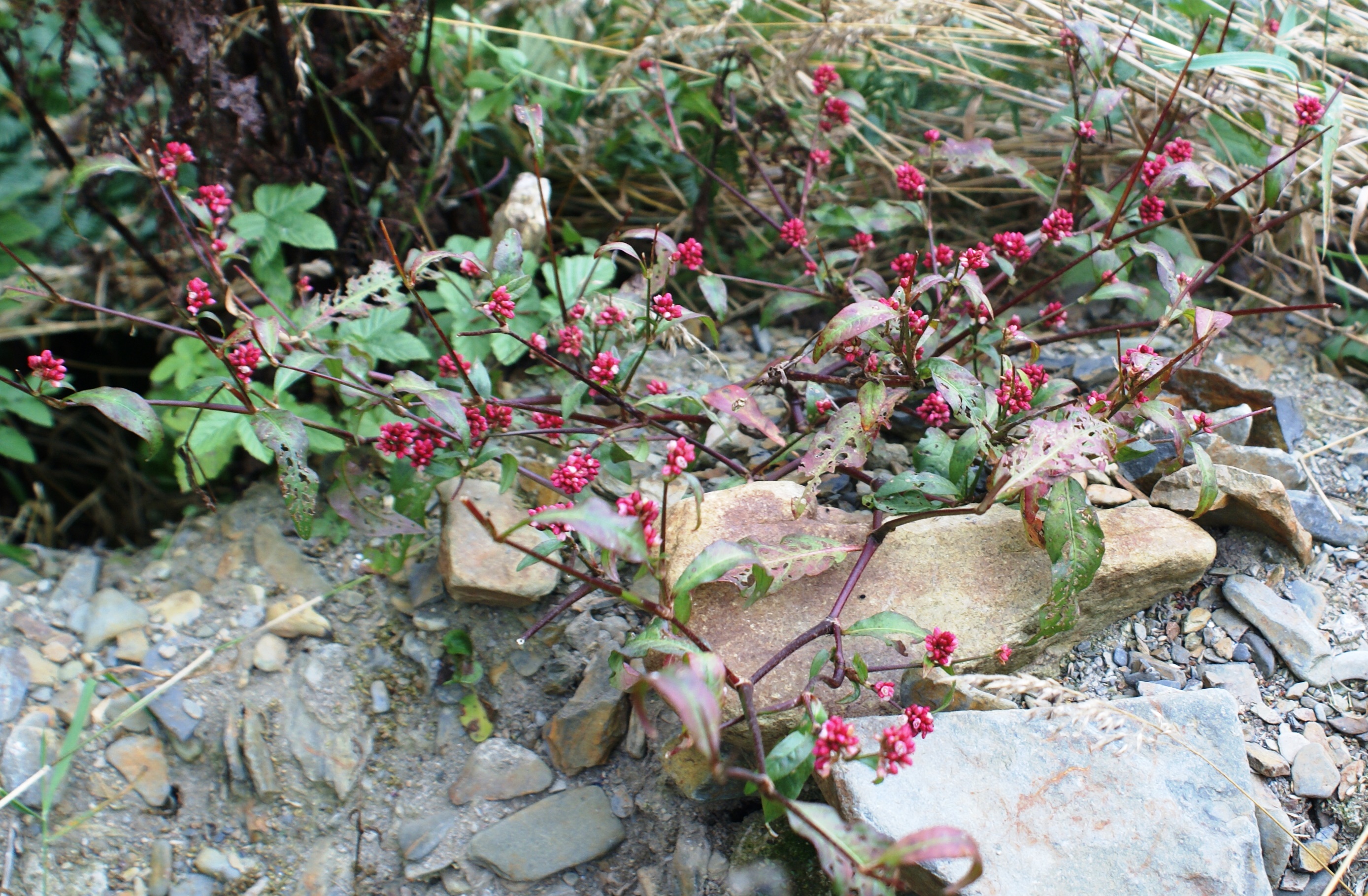
Doricum spotted in Wales!

DoricumWhen faced with plants he did not know my father would confidently pronounce them  Doricums.  ‘Shouldn’t it be Dorica?’ we would ask.

‘No, Doricums.  The word is derived from the Greek, or possible the Zoroastrian,’ he would concede.  Doricums grew everywhere in Hertfordshire — my dad was not much of a gardener.

Last spring we dug some gravel from the stream bed to create a pool to encourage fish, we left the gravel in a heap at the waters edge.  Normally a fox would have placed a walnut whip on its summit — they do this to announce their ownership of all heaps — sand, salt for the roads, compost, even large mole hills — but this mound of gravel has become subject to another interloper — the dastardly Doricum!

Have you seen this plant before?

?????????????????????????????

We have scanned the internet and looked at all our books but to no avail — although it does look vaguely familiar — we guess that it is feral or seriously out of context.

Do you have information about its true identity?

?????????????????????????????

It has been nibbled but not by sheep, this gives it a spiky appearance — we’ve looked up squirrelwort and rabbit-bit in the index of popular names — its not even under badger-nip.

Is this a new species — D. notlikelae?

Addendum: 30.11.2023 St Andrew’s day and Winston Churchill’s birthday.  On reflection this may have been a rather tatty example of Redleg (Persicarias persicaria L.) a member of the dock family.  There is more of it about now and it looks more typical — sorry Dad!

Standard
Ecology, Nature Photography

Backswimmer in the wake of a dragon

I never seem to understand the limitations of my eye-sight or reaction-time and today I’ve been trying to photograph dragon flies again.  I have many pictures of their wake — the disturbed but empty air just above the water where, just  recently, they were — but wait…  What is this?

?????????????????????????????Something lurking just below the surface — not clear enough to see.

?????????????????????????????Can you see what it is yet?  Sorry!  It’s what I call a water-boatman but when I look that up I find the term is ambiguous — it covers a multitude of sins — this needs clarification –I  rummage in the shed for a fishing net and plastic punnet — the one without holes and bingo!


It is a Back Swimmer (Notonectidae glauca) Known in Britain as the Greater Water Boatman.  It swims upside down (according to our prejudices) just below the surface of freshwater ponds, attracted to prey by the agitation of the water — the waves on the surface.  It has a nasty toxic bite and probably ate all our tadpoles.  It’s a proper bug and can haul itself through the surface and fly away though it didn’t when I hoicked it out to photograph it.  I think its eggs develop directly into adults.

What about the Lesser Water Boatman? I hear you ask.  He is called Corixa punctata — he swims the right way up near the bottom of the pond, is less agressive (a bit of a veggie)  but is otherwise quite similar unless you have a macro lens — I shall look for him tomorrow.

Standard
Ecology, Wales

Images of Summer


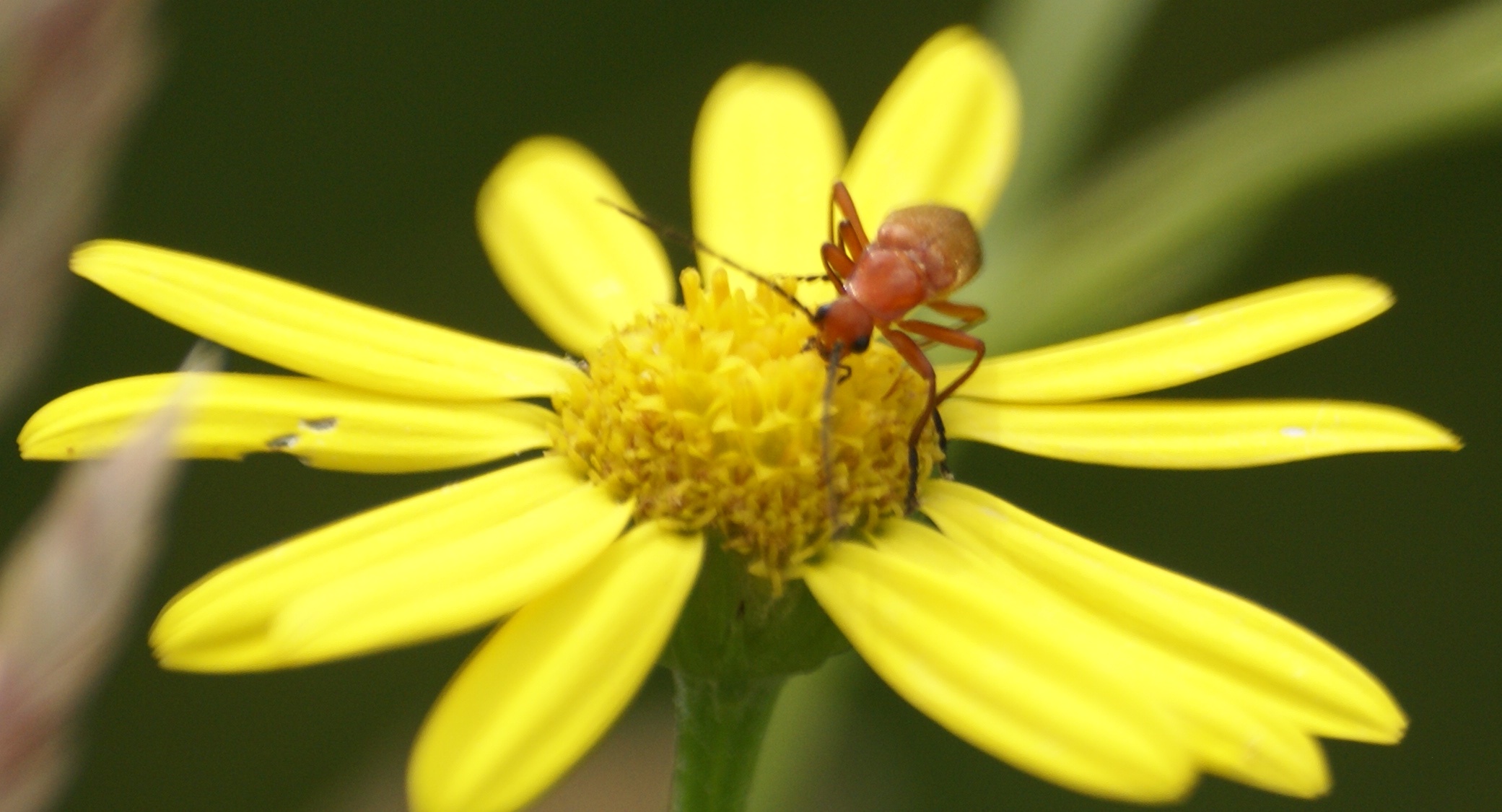
Bloodsucker on Ragwort

Bloodsucker on Ragwort

The sight of this flower beetle takes me back to the sunny meadows of childhood where holding one of these bloodsuckers was a right of passage!  Misnamed, they hunt the flower heads for tiny insects although this one seemed to be drinking nectar.

Fairies gambol and flit by the pond — dragonflies whizzing past my lens at the speed of sound — boom!  I know — shutter speed too slow!

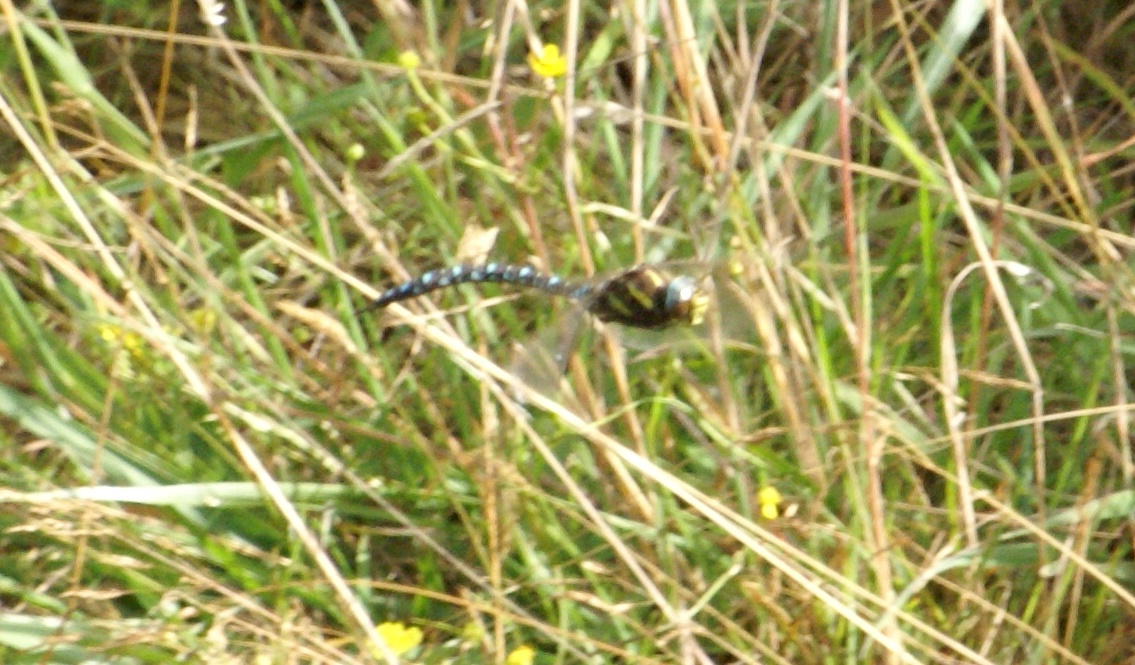
Dragonfly

Dragonfly

Dragonfly I took last year

Dragonfly I took last year

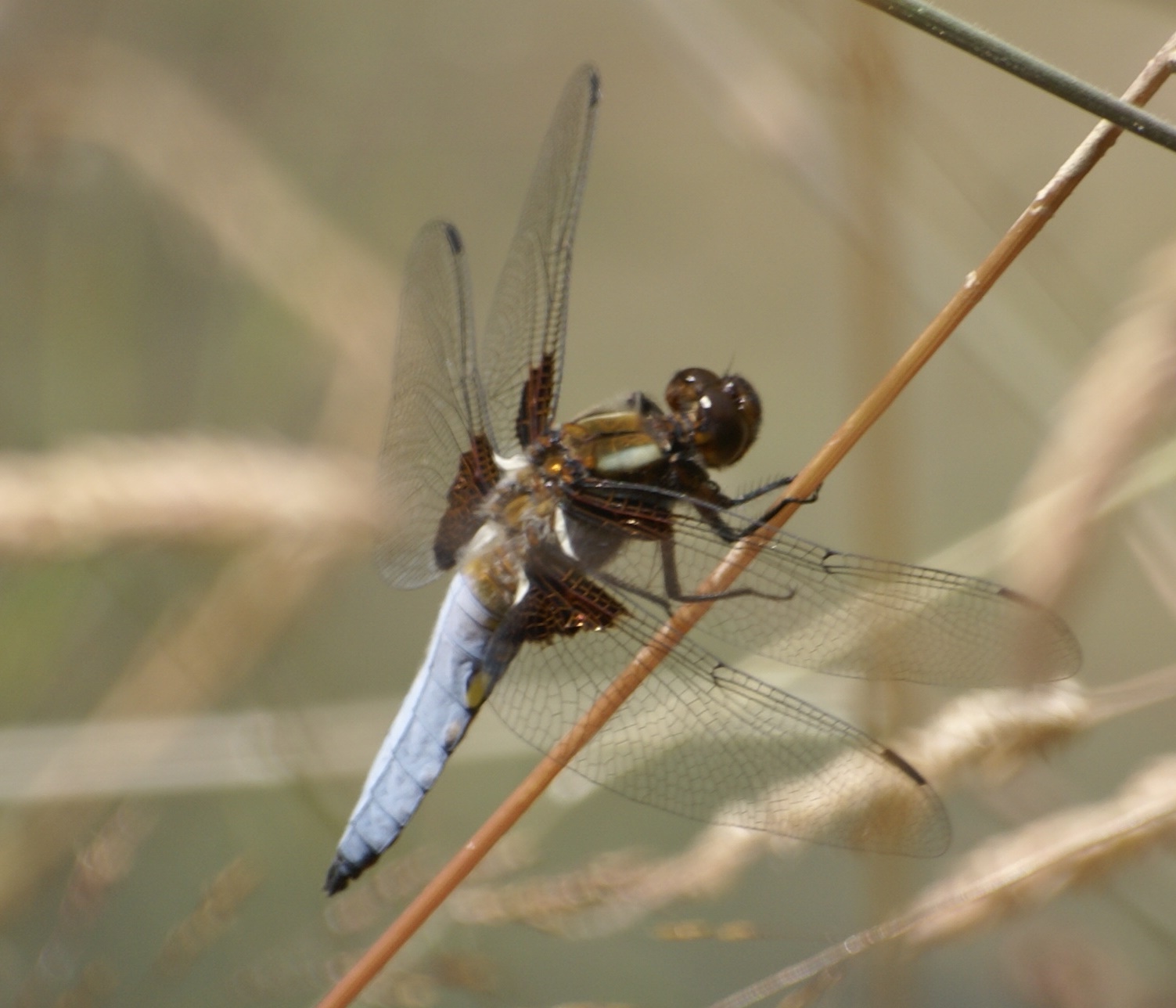
Cheating -- a blue chaser from August last year!

Cheating — a blue chaser from August last year!

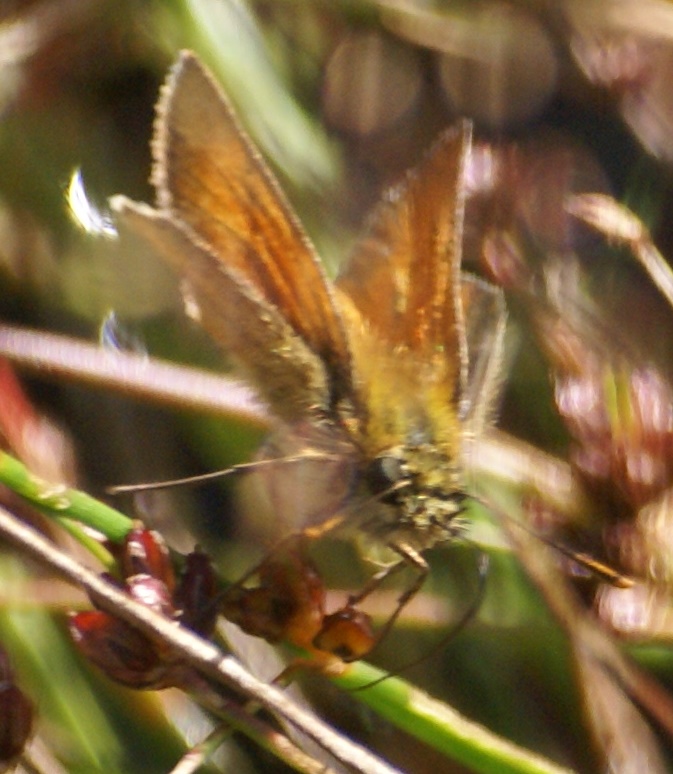
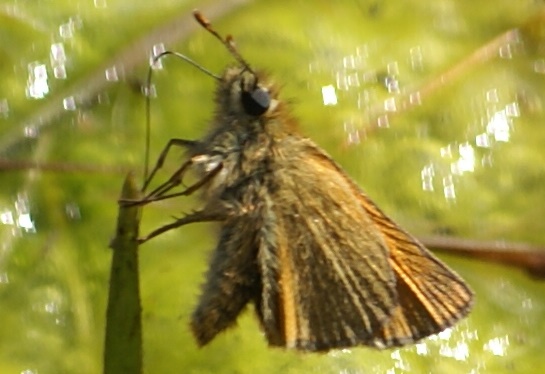
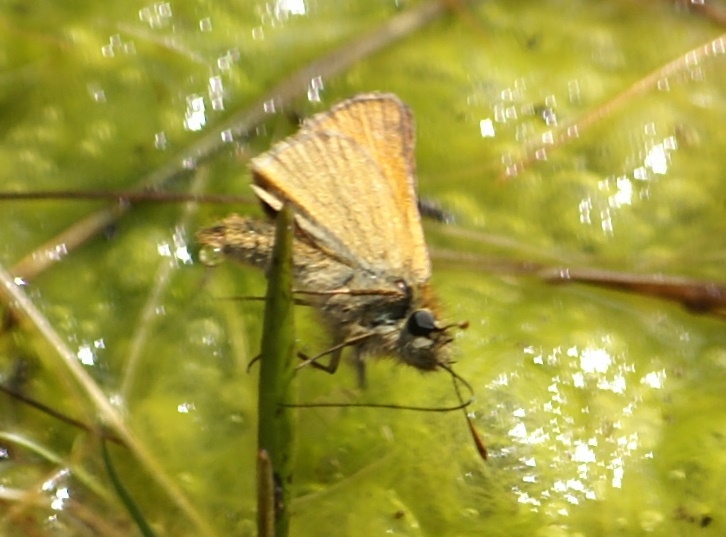
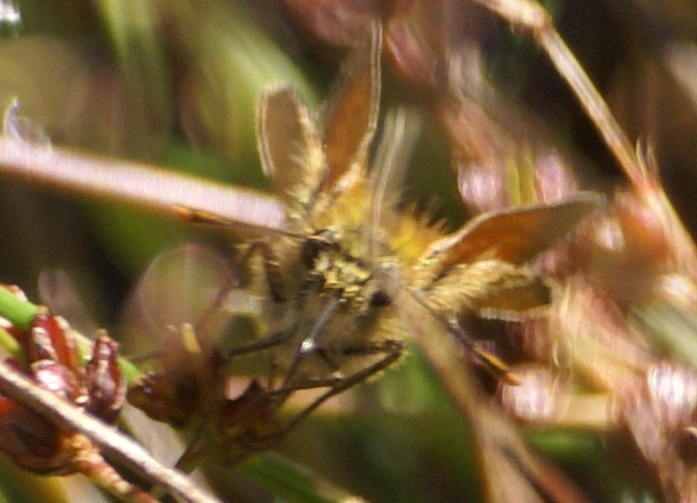
Just above the water of the pond, perched on a rush, is a tiny skipper — it seems to be laying eggs.

Orange Skipper

Orange Skipper — not clearest image

Skipper

Here she is again

Skipper

Skipper with her tongue out

Skipper laying Egg?

Skipper laying Egg?

Orange Skipper

Impressionist image of Orange Skipper

In the back-ground on this idyllic day is the sound of this little chap, well thousands of him, and not heard often in wet Wales!

Can you see the Meadow Grasshopper?

Can you see the Meadow Grasshopper?

Sorry — not always the crispest of images but I am working on it!

Standard
Ecology, Wales

Grass Roots Bio-Diversity.

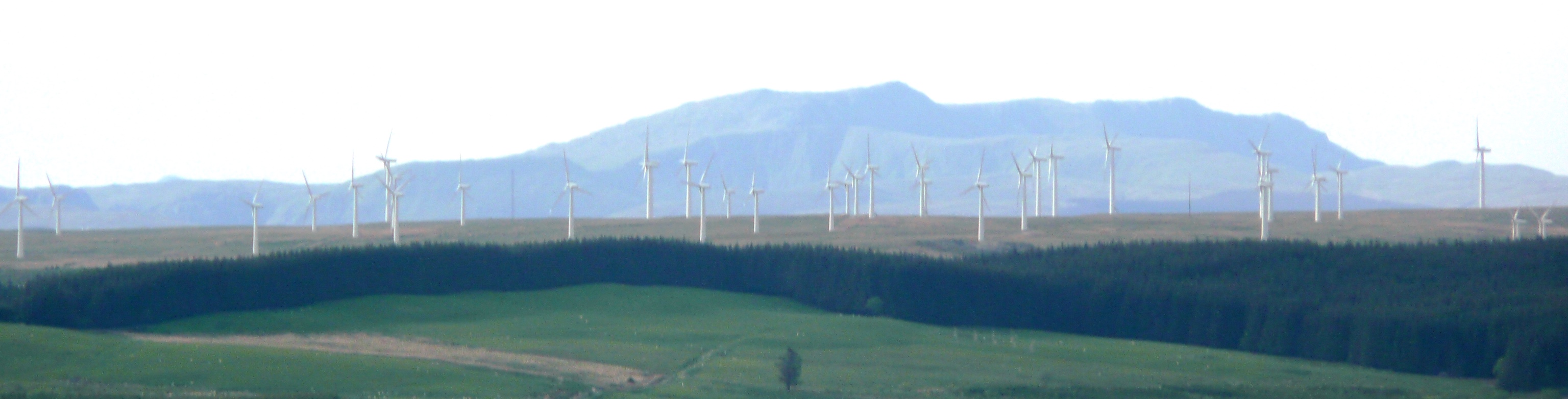
Here’s a political picture: four man-made layers  — you just know it’s wrong.

From the top -- over-grazed, windfarm on peat-bog, desolate, monoculture pine forest and modern farming

From the top — over-grazed mountain; wind-farm on peat-bog; desolate, monoculture pine forest; mechanised farming

In contrast, the farmland we tend here in Wales is designated by the Government as 100% habitat (which is probably true of most places if you know what you are looking at) — but it’s official,  half our land is ‘oak and wild hyacinth’ — bluebell woods to you — ancient woodland that was felled after the war for pit-props for the economic recovery and grazed until 2006 when the Forestry Commission, with unusual wisdom, offered us a modest grant to replant and, more importantly, to exclude grazing for 15 years.

So for the last 8 years this land, nestling under the old hill fort has been spared the ravages of the hardy native sheep that we love but whose mission is deforestation. ????????????????????????????? I never understand why folk get so enthusiastic about protecting the bleak moorlands of this area that are scoured bare by unnatural numbers of hungry sheep when, if left to its own devices this land would be broad-leafed woodland bursting with wild flowers, song birds and little furry creatures!

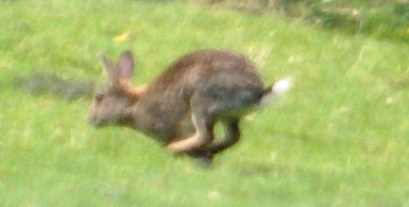
Couldn't resist a little furry creature!

Couldn’t resist a little furry creature!

So here we are — our saplings, oak, hazel,rowan, aspen, alder, wild cherry and holly wrestle with self-sown birch and willow and the creeping shoots of blackthorn and hawthorn which insinuate themselves from the old hedgerows.   They were planted naturalistically (not in rows), not to confuse the tree counters from the ministry, that was inadvertent (a happy accident) but to give them a head start and to make the wild-life feel at home.  In the wet gulleys the alders are already 5 meters high in places.  I don’t like to embarrass them but they are sexually mature with lots of little cones, the rowan have berries and this year for the first time there are wild cherries!  Some of the oaks are taller than me (I sound like a parent) and in the spring and early summer the foliage on the new growth is bright red.

Red leaves on the new growth

Red leaves on the new growth

Our new old wood is very young and we will need to maintain the glades and open areas — it would be nice to re-introduce a charcoal burner or an oak tanner, sadly extinct, to maintain the woodland clearings  where the meadow-sweet can grow as it does now in the floor of our little dingle.

Imagine the vanilla perfume, the hum of bees and the tintinnabulatiion of the stream

Imagine the vanilla perfume, the hum of bees and the tintinnabulatiion of the hidden stream

Fruiting moss -- once harvested for florists - you sink into it like green snow.

Fruiting moss — once harvested for florists – you sink into it like green snow.

The land looks wild but cut back the undergrowth a little and you will find signs of quite sophisticated engineering from long ago, built by hand with shovel and river-stone.

Drainage culvert

Drainage culvert

And beware invaders when you clear ground; where we dug out a hidden culvert in the spring to unblock it and release the pond that had squatted along our track, we now have a bank of rose bay willow herb.

Rose Bay Willow Herb flourishes on any bare ground.

Rose Bay Willow Herb flourishes on any bare ground.

What amazes us is the variety of plants and animals that show themselves as the year progresses; every week the micro-landscape changes as the colours and shapes reflect the constantly changing balance within the ecosystem.  As taller plants like the ferns, the miriad tall grasses, the foxgloves, meadowsweet and the parsleys grow up and take the light,  the undergrowth of smaller plants, the mosses, shamrocks, wood anemones and bluebells, having flowered while they can  are obscurred and you have to wade, shoulder deep in a tangled profusion of humming, scented, sometime prickling, jungle.  The lushness and fertility of it all just knocks your socks off!


The other half of our land is ‘severely disadvantaged’ and ‘unimproved’ pasture (what a cheek!)  that we work hard to maintain without recourse to chemicals or artificial fertilizers — we hack down the bracken and dig out the gorse and cut the thistles just before they seed and we harrow the mole hills and we mend the fences and the sheep do the rest!

Sheep in the meadow -- once the orchisa have seeded.

Sheep in the meadow — once the orchids have seeded.

Standard
Ecology

Time traveller’s guide to Mid-Wales

The sun is shining, a domestic cat is yowling to announce its slaughter of a grey squirrel which it is dragging through the tall undergrowth of grasses, foxgloves but, this year, no policemen’s helmets (that is carnival policemen — pink helmets of Himalayan balsam): its June 2014 — elementary.

All these factors give away the time — grey squirrels in Wales puts us somewhere in the last 120 years, foxgloves bloom in June when it usually rains, but not this year!   Balsam only arrived recently — another invader, I prefer the notion of a pioneer species — but it doesn’t like floods in autumn and spring and, by God, we did have those.  That’s narrowed it down, June 2014 and the bins are out in the lane — it’s a Tuesday — it’s today!  I knew that all along!

Foxgloves

Foxgloves

What I want to say is that, here, June is pink and purple with foxgloves and thistles and clover and orchids.  May was blue and white (bluebells and wood anemones, dancing in the breeze) heady with the perfume of the May flowers and April was yellow.  In July the valley floor will be cream and scented with meadow-sweet.  June is pink.

Orchid meadow

Orchid meadow

Fritillary butterflies flit between the thistles, the air bumbles with bees and hums with wing-beats — I never was aware of the sound of bird’s wing until we came here.  The pied wagtails have fledged and are sitting on the truck to avoid the cats — there are some feathers on the ground.  The sparrows in the eves and the house-martins under the gable are still chattering in their nests.  They say ‘any time now’.  There is plenty to eat — a good year for midges and the damsel flies fluoresce in flashes around the pond.

In bed at night with the windows flung wide, there is squeaking in the yard as the bats whizz around on silent wings — Good night.

Standard
Ecology

A Miracle? That’s what we need.

It is an apparition — a visitation — something from beyond our world — or perhaps from a time long gone —  extinct in Wales for decades, centuries — usually only seen with the dragons and griffons on coats of arms drawn long ago.  It is the Welsh fish-hawk, gweilch y pysgod,  hovering once more over the shallow waters and mud flats of the Dovey (Dyfi) estuary: an osprey.SONY DSCThe strenuous attempts of local, national and international ornithologists have been successful in luring back a single pair of nesting ‘fish eagles’ to a  muddy, midgey corner of Wales.  The female now sits on an untidy nest on a man-made platform at the top of a very tall pole.  They have returned from West Africa, where they migrate, to breed and lay their eggs.  She incubates them while fed by her mate who fishes in the waters around.  She looks out, moving her head jerkily to scan for intruders and all the while the CCTV mounted on the nearby pole scans her — recording her every movement and the visits of the male and those of the little train that clatters past every hour, around the water’s edge on its way to and from the university town of Aberystwyth.  Students on the train, often of natural sciences, know she is there and point her out to fellow travelers.

The nest is a place of pilgrimage — a birdy shrine.  Birdy folk come, they walk the half mile along the new board-walk to the soft-wood cathedral in the marsh — the new observation tower.

From the weather proof lounge at the top they can divest themselves of their long distance lenses and state-of-the-art cameras and unwrap their sandwiches.  There is a telescope fixed on the precise spot and, once you know it is there, you can indeed just see the nest platform with the naked eye and once you get the image home and magnify it — bingo:

The live-feed from the CCTV is excellent (you can view it online) — displayed on wide screens in the cathedral and at journey’s end — the gift shop.  It is also transmitted to the hide near the car park  for those who cannot make the pilgrimage along the board-walk through the peaceful marsh where only the dim twitter of warblers and reed bunting reminds us that this is a habitat — a sanctuary for birds — you can’t blame the usual inhabitants for keeping their heads down today — there is an osprey about!.

Thanks to Montgomeryshire Wildlife Trust for their permission to show photographs Creative Commons License   taken from their live feed.  View the birds yourself at http://www.montwt.co.uk

Dovey Estuary

Dovey Estuary

Standard
Ecology, Humour, Medical

What you need is a CT scan, 400 Chest X-rays or 1200 packets of Brazil Nuts.

‘What you need is a scan’

‘What, like you have when you are pregnant?’

‘No, a CT scan, computer tomogram — that’s the only way they can really tell what’s going on — but they’ll try to fob you off with painkillers, they always do!’

My friend’s bad knee continued to be discussed in the pub, no one said she ought to lose weight, change her footwear or work on her quads.  Everyone quoted their own experiences, all were unanimous — what she needed was a scan.

That’s equivalent to 8 chest X-rays –okay, probably worth the risk.

But I went to see a gastro-enterologist recently to discuss my mild indigestion during which consultation I mentioned that a relative had died of pancreatic cancer — ‘then you had better have a CT scan!’

He reached for his pad, it was 7.30 pm, I was his last patient, he looked tired.

‘Hang on a minute — what dose of radiation will that involve me in?’

‘About 8 milliSieverts, same as about 400 chest X-rays.’  He said this very quickly, ‘equivalent to sitting at home for three years watching the telly, enjoying the background radiation.’

‘That seems a bit extreme.  I mean having a scan.’

‘Everyone has a CT scan these days, it’s the only way to be sure,’ he said, ‘I don’t mind  — you can have one.  It will almost certainly be negative but then you won’t have to worry.’

But I do worry — 3 years back-ground radiation — that sounds like I’m suddenly 3 years older — three years nearer whatever I do die of.  So I went home to wait for my appointment and looked up one or two things…

Did you know that the average person in Great Britain is exposed to 2.7mSv per year?  This is from radon in the air, radioactivity in the rocks, soil, and plants and manufactured radiation, largely medical.  The radiation in the soil  gets into plants that we eat — you can get 0.005 mSv from one little packet of Brazil nuts (135g).  My CT scan is worth 1200 packets of nuts — there’s a thought.

The background radiation is largely unavoidable and varies a bit according to where you live — radon from the ground in Cornwall gives an annual exposure of 7.8 mSv — so my CT scan is equivalent to a year in Cornwall — that doesn’t sound too bad — unless you live in Cornwall.

Radiation exposure also depends on how high you live, the nearer you are to outer-space, every transatlantic flight you take racks up 0.07 mSv (just over 3 chest x-rays or more than 5 packets of Brazils!)  If you live in Denver, Colorado (mile high city) your background radiation will be twice as much as some other places.

Tobacco  contains Polonium-210 and Lead-210, these are radioactive and become concentrated in he lungs of smokers, the US Environmental Protection Agency quote  that smoking 20 a day gives a radiation exposure equivalent to 300 Chest X-rays or  6mSv/year

Without smoking, the average person in the USA is exposed to 6.2 mSv of radiation per year, more than double the British level (unless you live in Cornwall)  If you look at the different components of these figures, most of the difference is made up by, guess what — medical radiation.

When I first visited the US 20 years ago, I saw a lot that was strange to me — shopping malls, retail parks on the edges of towns with neon signs, ice machines, burger bars and super-sized paper cups, stacks of pancakes with syrup and ice-cream and Tommy Hilfiger clothes  — all are now common-place in Britain.  From jazz and rock-‘n-roll to obesity, what starts in the US comes to us in 15 years or less.

So I guess this trend for scans will continue and I will watch the cancer rates in the US for indications of what is to come here.  In the meantime, I think I might cancel my scan because, do you know, I think I feel better.

Thanks to Panoraia Paraskeva et al for the featured image of a CT scan via Wikimedia (CC-BY-SA-2.0)
Also thanks to Public Health England for the figures for relative doses of radiation.
Standard