Ecology, Wales

Grass Roots Bio-Diversity.

Here’s a political picture: four man-made layers  — you just know it’s wrong.
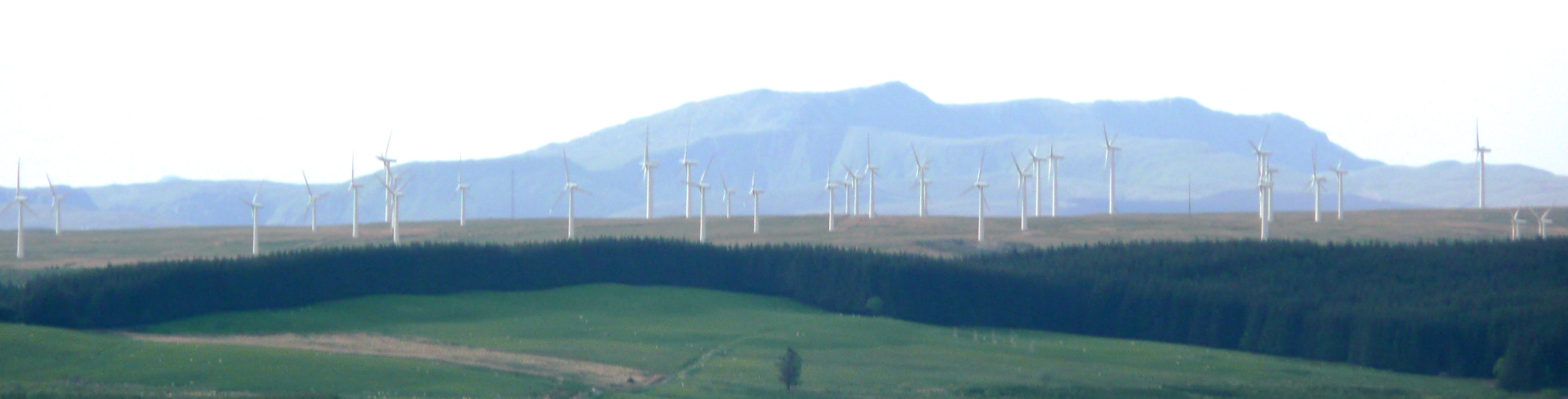
From the top -- over-grazed, windfarm on peat-bog, desolate, monoculture pine forest and modern farming

From the top — over-grazed mountain; wind-farm on peat-bog; desolate, monoculture pine forest; mechanised farming

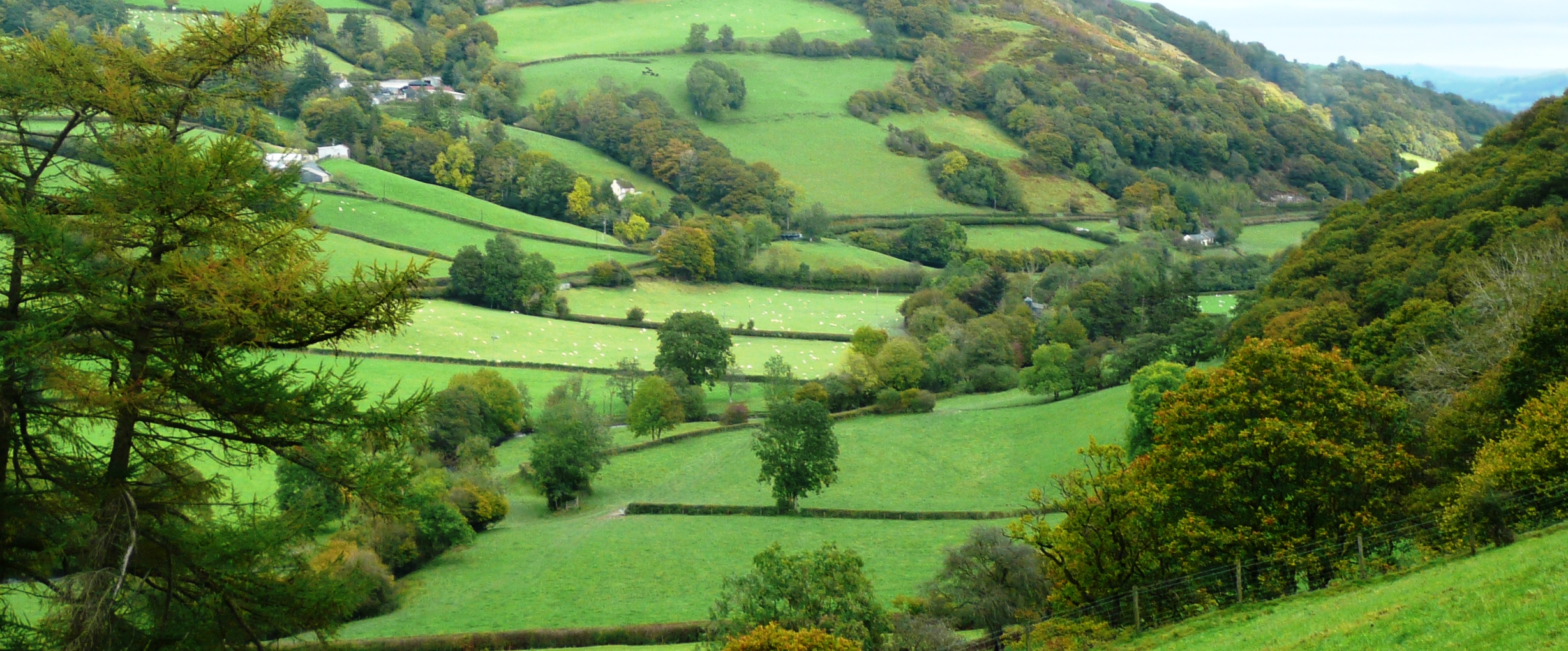
In contrast, the farmland we tend here in Wales is designated by the Government as 100% habitat (which is probably true of most places if you know what you are looking at) — but it’s official,  half our land is ‘oak and wild hyacinth’ — bluebell woods to you — ancient woodland that was felled after the war for pit-props for the economic recovery and grazed until 2006 when the Forestry Commission, with unusual wisdom, offered us a modest grant to replant and, more importantly, to exclude grazing for 15 years.

So for the last 8 years this land, nestling under the old hill fort has been spared the ravages of the hardy native sheep that we love but whose mission is deforestation. ????????????????????????????? I never understand why folk get so enthusiastic about protecting the bleak moorlands of this area that are scoured bare by unnatural numbers of hungry sheep when, if left to its own devices this land would be broad-leafed woodland bursting with wild flowers, song birds and little furry creatures!
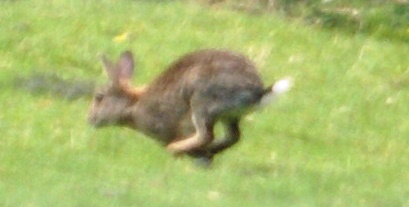
Couldn't resist a little furry creature!

Couldn’t resist a little furry creature!

So here we are — our saplings, oak, hazel,rowan, aspen, alder, wild cherry and holly wrestle with self-sown birch and willow and the creeping shoots of blackthorn and hawthorn which insinuate themselves from the old hedgerows.   They were planted naturalistically (not in rows), not to confuse the tree counters from the ministry, that was inadvertent (a happy accident) but to give them a head start and to make the wild-life feel at home.  In the wet gulleys the alders are already 5 meters high in places.  I don’t like to embarrass them but they are sexually mature with lots of little cones, the rowan have berries and this year for the first time there are wild cherries!  Some of the oaks are taller than me (I sound like a parent) and in the spring and early summer the foliage on the new growth is bright red.

Red leaves on the new growth

Red leaves on the new growth

Our new old wood is very young and we will need to maintain the glades and open areas — it would be nice to re-introduce a charcoal burner or an oak tanner, sadly extinct, to maintain the woodland clearings  where the meadow-sweet can grow as it does now in the floor of our little dingle.

Imagine the vanilla perfume, the hum of bees and the tintinnabulatiion of the stream

Imagine the vanilla perfume, the hum of bees and the tintinnabulatiion of the hidden stream

Fruiting moss -- once harvested for florists - you sink into it like green snow.

Fruiting moss — once harvested for florists – you sink into it like green snow.

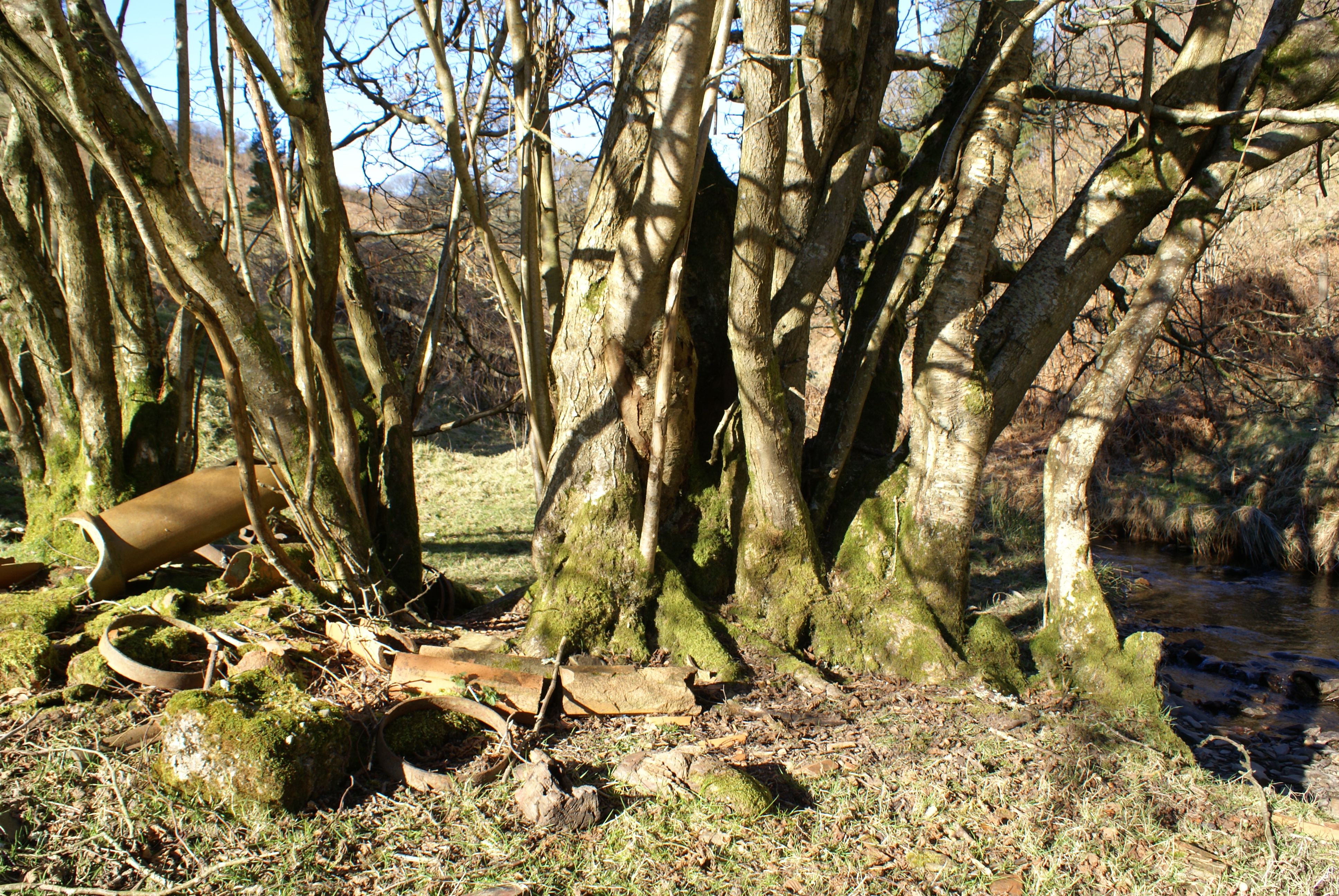
The land looks wild but cut back the undergrowth a little and you will find signs of quite sophisticated engineering from long ago, built by hand with shovel and river-stone.

Drainage culvert

Drainage culvert

And beware invaders when you clear ground; where we dug out a hidden culvert in the spring to unblock it and release the pond that had squatted along our track, we now have a bank of rose bay willow herb.

Rose Bay Willow Herb flourishes on any bare ground.

Rose Bay Willow Herb flourishes on any bare ground.

What amazes us is the variety of plants and animals that show themselves as the year progresses; every week the micro-landscape changes as the colours and shapes reflect the constantly changing balance within the ecosystem.  As taller plants like the ferns, the miriad tall grasses, the foxgloves, meadowsweet and the parsleys grow up and take the light,  the undergrowth of smaller plants, the mosses, shamrocks, wood anemones and bluebells, having flowered while they can  are obscurred and you have to wade, shoulder deep in a tangled profusion of humming, scented, sometime prickling, jungle.  The lushness and fertility of it all just knocks your socks off!


The other half of our land is ‘severely disadvantaged’ and ‘unimproved’ pasture (what a cheek!)  that we work hard to maintain without recourse to chemicals or artificial fertilizers — we hack down the bracken and dig out the gorse and cut the thistles just before they seed and we harrow the mole hills and we mend the fences and the sheep do the rest!

Sheep in the meadow -- once the orchisa have seeded.

Sheep in the meadow — once the orchids have seeded.

Standard
Ecology

Time traveller’s guide to Mid-Wales

The sun is shining, a domestic cat is yowling to announce its slaughter of a grey squirrel which it is dragging through the tall undergrowth of grasses, foxgloves but, this year, no policemen’s helmets (that is carnival policemen — pink helmets of Himalayan balsam): its June 2014 — elementary.

All these factors give away the time — grey squirrels in Wales puts us somewhere in the last 120 years, foxgloves bloom in June when it usually rains, but not this year!   Balsam only arrived recently — another invader, I prefer the notion of a pioneer species — but it doesn’t like floods in autumn and spring and, by God, we did have those.  That’s narrowed it down, June 2014 and the bins are out in the lane — it’s a Tuesday — it’s today!  I knew that all along!

Foxgloves

Foxgloves

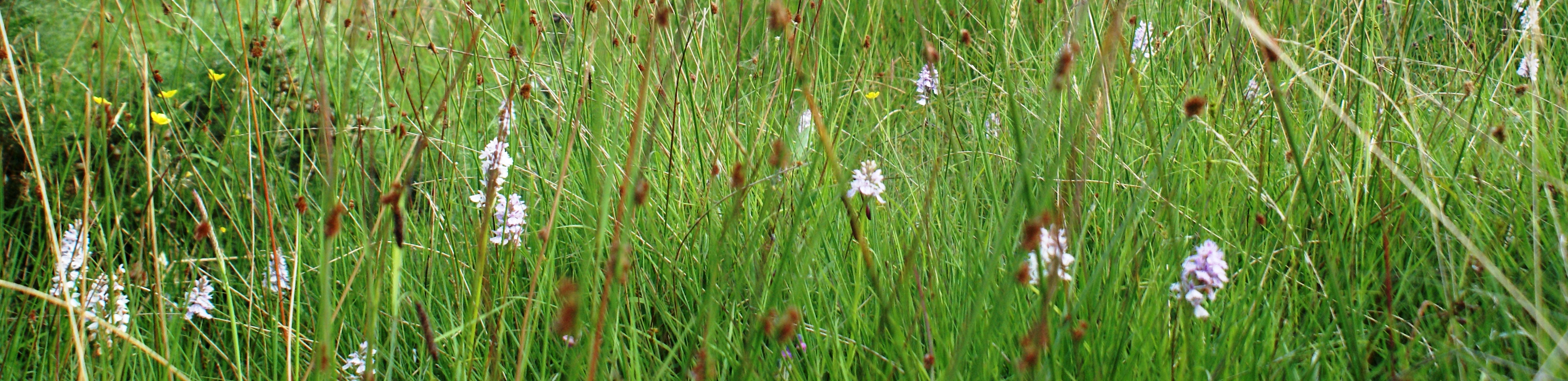
What I want to say is that, here, June is pink and purple with foxgloves and thistles and clover and orchids.  May was blue and white (bluebells and wood anemones, dancing in the breeze) heady with the perfume of the May flowers and April was yellow.  In July the valley floor will be cream and scented with meadow-sweet.  June is pink.

Orchid meadow

Orchid meadow

Fritillary butterflies flit between the thistles, the air bumbles with bees and hums with wing-beats — I never was aware of the sound of bird’s wing until we came here.  The pied wagtails have fledged and are sitting on the truck to avoid the cats — there are some feathers on the ground.  The sparrows in the eves and the house-martins under the gable are still chattering in their nests.  They say ‘any time now’.  There is plenty to eat — a good year for midges and the damsel flies fluoresce in flashes around the pond.

In bed at night with the windows flung wide, there is squeaking in the yard as the bats whizz around on silent wings — Good night.

Standard
Ecology

A Miracle? That’s what we need.

It is an apparition — a visitation — something from beyond our world — or perhaps from a time long gone —  extinct in Wales for decades, centuries — usually only seen with the dragons and griffons on coats of arms drawn long ago.  It is the Welsh fish-hawk, gweilch y pysgod,  hovering once more over the shallow waters and mud flats of the Dovey (Dyfi) estuary: an osprey.SONY DSCThe strenuous attempts of local, national and international ornithologists have been successful in luring back a single pair of nesting ‘fish eagles’ to a  muddy, midgey corner of Wales.  The female now sits on an untidy nest on a man-made platform at the top of a very tall pole.  They have returned from West Africa, where they migrate, to breed and lay their eggs.  She incubates them while fed by her mate who fishes in the waters around.  She looks out, moving her head jerkily to scan for intruders and all the while the CCTV mounted on the nearby pole scans her — recording her every movement and the visits of the male and those of the little train that clatters past every hour, around the water’s edge on its way to and from the university town of Aberystwyth.  Students on the train, often of natural sciences, know she is there and point her out to fellow travelers.

The nest is a place of pilgrimage — a birdy shrine.  Birdy folk come, they walk the half mile along the new board-walk to the soft-wood cathedral in the marsh — the new observation tower.

From the weather proof lounge at the top they can divest themselves of their long distance lenses and state-of-the-art cameras and unwrap their sandwiches.  There is a telescope fixed on the precise spot and, once you know it is there, you can indeed just see the nest platform with the naked eye and once you get the image home and magnify it — bingo:

The live-feed from the CCTV is excellent (you can view it online) — displayed on wide screens in the cathedral and at journey’s end — the gift shop.  It is also transmitted to the hide near the car park  for those who cannot make the pilgrimage along the board-walk through the peaceful marsh where only the dim twitter of warblers and reed bunting reminds us that this is a habitat — a sanctuary for birds — you can’t blame the usual inhabitants for keeping their heads down today — there is an osprey about!.

Thanks to Montgomeryshire Wildlife Trust for their permission to show photographs Creative Commons License   taken from their live feed.  View the birds yourself at http://www.montwt.co.uk

Dovey Estuary

Dovey Estuary

Standard
Ecology, Humour, Medical

What you need is a CT scan, 400 Chest X-rays or 1200 packets of Brazil Nuts.

‘What you need is a scan’

‘What, like you have when you are pregnant?’

‘No, a CT scan, computer tomogram — that’s the only way they can really tell what’s going on — but they’ll try to fob you off with painkillers, they always do!’

My friend’s bad knee continued to be discussed in the pub, no one said she ought to lose weight, change her footwear or work on her quads.  Everyone quoted their own experiences, all were unanimous — what she needed was a scan.

That’s equivalent to 8 chest X-rays –okay, probably worth the risk.

But I went to see a gastro-enterologist recently to discuss my mild indigestion during which consultation I mentioned that a relative had died of pancreatic cancer — ‘then you had better have a CT scan!’

He reached for his pad, it was 7.30 pm, I was his last patient, he looked tired.

‘Hang on a minute — what dose of radiation will that involve me in?’

‘About 8 milliSieverts, same as about 400 chest X-rays.’  He said this very quickly, ‘equivalent to sitting at home for three years watching the telly, enjoying the background radiation.’

‘That seems a bit extreme.  I mean having a scan.’

‘Everyone has a CT scan these days, it’s the only way to be sure,’ he said, ‘I don’t mind  — you can have one.  It will almost certainly be negative but then you won’t have to worry.’

But I do worry — 3 years back-ground radiation — that sounds like I’m suddenly 3 years older — three years nearer whatever I do die of.  So I went home to wait for my appointment and looked up one or two things…

Did you know that the average person in Great Britain is exposed to 2.7mSv per year?  This is from radon in the air, radioactivity in the rocks, soil, and plants and manufactured radiation, largely medical.  The radiation in the soil  gets into plants that we eat — you can get 0.005 mSv from one little packet of Brazil nuts (135g).  My CT scan is worth 1200 packets of nuts — there’s a thought.

The background radiation is largely unavoidable and varies a bit according to where you live — radon from the ground in Cornwall gives an annual exposure of 7.8 mSv — so my CT scan is equivalent to a year in Cornwall — that doesn’t sound too bad — unless you live in Cornwall.

Radiation exposure also depends on how high you live, the nearer you are to outer-space, every transatlantic flight you take racks up 0.07 mSv (just over 3 chest x-rays or more than 5 packets of Brazils!)  If you live in Denver, Colorado (mile high city) your background radiation will be twice as much as some other places.

Tobacco  contains Polonium-210 and Lead-210, these are radioactive and become concentrated in he lungs of smokers, the US Environmental Protection Agency quote  that smoking 20 a day gives a radiation exposure equivalent to 300 Chest X-rays or  6mSv/year

Without smoking, the average person in the USA is exposed to 6.2 mSv of radiation per year, more than double the British level (unless you live in Cornwall)  If you look at the different components of these figures, most of the difference is made up by, guess what — medical radiation.

When I first visited the US 20 years ago, I saw a lot that was strange to me — shopping malls, retail parks on the edges of towns with neon signs, ice machines, burger bars and super-sized paper cups, stacks of pancakes with syrup and ice-cream and Tommy Hilfiger clothes  — all are now common-place in Britain.  From jazz and rock-‘n-roll to obesity, what starts in the US comes to us in 15 years or less.

So I guess this trend for scans will continue and I will watch the cancer rates in the US for indications of what is to come here.  In the meantime, I think I might cancel my scan because, do you know, I think I feel better.

Thanks to Panoraia Paraskeva et al for the featured image of a CT scan via Wikimedia (CC-BY-SA-2.0)
Also thanks to Public Health England for the figures for relative doses of radiation.
Standard
Communication, Disaster, Ecology

Media Miasma

It all started with a sunset –here in the hills it’s the one thing we miss but there it was — harbinger of more weirdness to come.

?????????????????????????????And the media was full of it — southerly winds scooping up all the industrial and vehicular effluent from France and Spain (didn’t think they had much) and funneling it over Eastern England to dump it there with a load of sand from the Sahara and produce the worst air pollution for aeons.

Thank goodness it wasn’t going to affect Wales — so where is the hill?

?????????????????????????????It was there yesterday!

Now you see it

Now you see it

Now you don't

Now you don’t

And there is a slight metropolitan smell — yes, definitely diesel fumes.

If it’s this bad in the West it must be cataclysmic in London.

Panic phone call to daughter in central London where the weather-man’s air quality map is scarlet, we are green.  ‘Pollution?’

‘Yes, pollution — the worst for years — a real pea-souper!’

‘What are you on about,Mum.  No, really Mum, I walked home to Wandsworth and it was a bit misty by the river — that’s all.’  Her husband had been in Canary Wharf — up a skyscraper — hadn’t noticed a thing.

‘Not even the people collapsing with asthma and heart disease?’

‘No Mum.’

That’s odd.


Standard
Ecology, Hill Farming, Humour

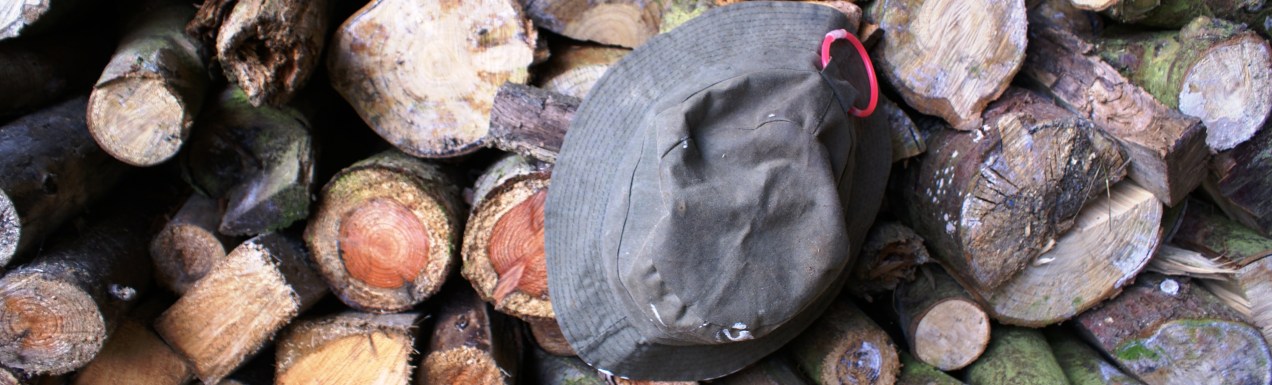
Habit-hat

SONY DSC

‘Where’s my hat?’

‘It’s become a habitat — entropy has had your hat.’

‘Why did you let it?’

”The storm wet it, I just let it dry — in the woodshed.’

‘The mice did the rest.’?????????????????????????????


Standard
Ecology, Hill Farming, Humour

Happytats for Birds and Bats

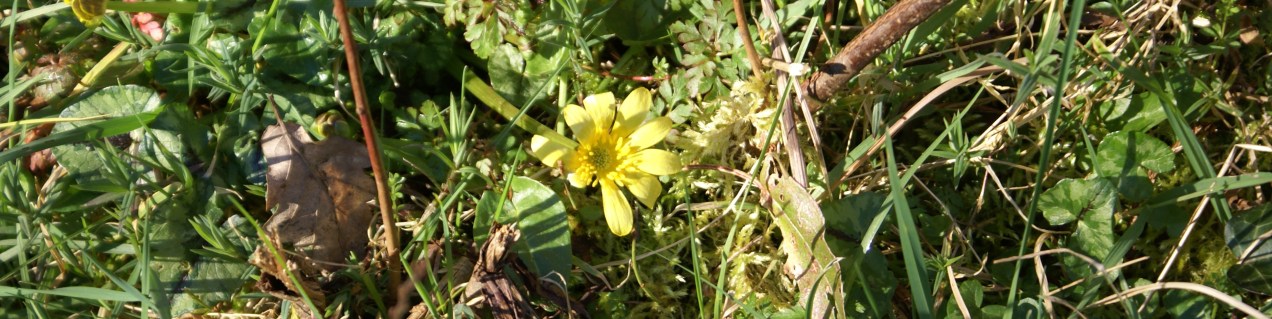
In a sheltered dimple on the far bank of our stream, facing south, we have spotted the first three tiny yellow lights that herald the Spring — they are ranunculi, brilliant buttercups with pointed stellar petals — broaches on the tweed of winter.  At this signal the woodpeckers have begun to drum.

It's a struggle to be first

It’s a struggle to be first

There is perfume in the air and overhanging the water, hazel catkins are dancing in gusts of March wind and the sunshine makes long shadows.   Clouds of frogspawn drift across the pond, strangely not reflected in the sky.

There is birdsong and the hum of passing wings.  The female pheasant from last year has reappeared.  Magpies are bickering and squawking in the field and above a circling buzzard mews so I go to check the sheep — a buzzard sees or smells a labouring ewe from high in the sky and will dive and swerve and snatch the precious afterbirth from the squabbling crows — but not today.

They will have to find some other quarry and that has reminded us that it is time to put up the bird boxes and the bat boxes that we made last winter.

?????????????????????????????

Prime real-estate – detached timber homes of French oak (offcuts from the office shelves) and other experienced material (hundred year old doors) deconstructed by a son and now born-again bat boxes with loft-ladder access from below (not shown).

We have sited them all carefully.  For bats: on the flight-path through the wooded glade at different heights for different species and facing for the morning or the evening sun.

The bird boxes face North-East, shaded and protected from the prevailing wind and sited with great thought, and not a little argument, about the specific requirements of the intended tenant whose name is penciled on the side – a test of avian literacy.

Do you think the mouse that was squatting in a bat house while it waited in the barn (avoiding the cat that sleeps on the rick) will find it up the tree?

Never overlook the importance of opportunism and untidyness in habitat creation!

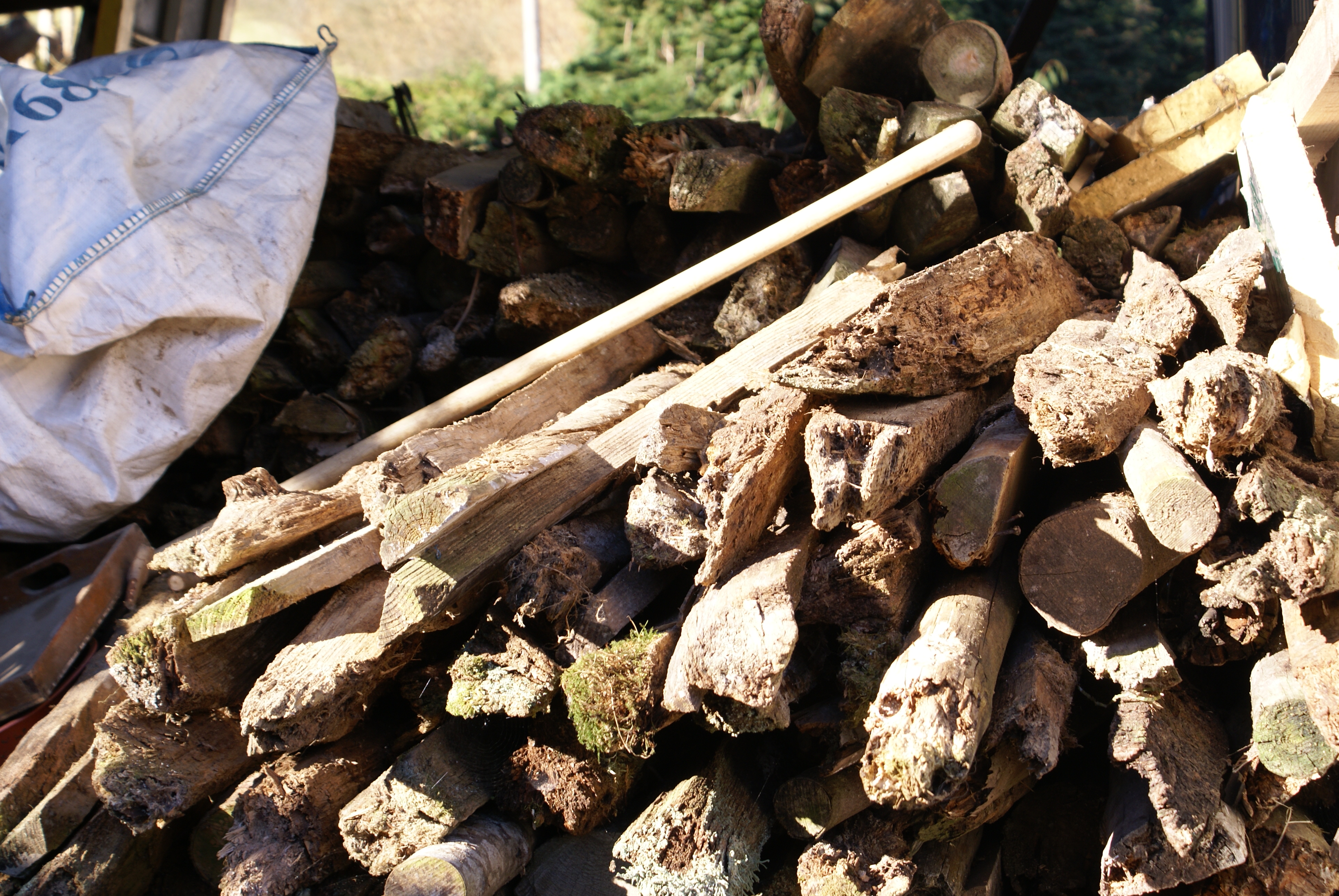
Last year Great Tits reared a brood in this bag of kindling in the woodshed

Last year Great Tits reared a brood in this bag of kindling in the woodshed

We like the look of this old farm junk -- what will move in?

We like the look of this old farm junk — what will move in?

Standard
Disaster, Ecology

Weird Welsh Waters threaten England

When one of my children got a fever she would rush about randomly picking things up and putting them down and talking too much (quite sweet but scary); we knew if we didn’t cool her down she would have a convulsion; the more energy you put into a system the faster it goes — even a little girl.

The weather has been like that.  As things warm up the system speeds up – the winds whizz around the globe picking up more moisture and dumping it in ever increasing amounts.  The winds blow faster – the whole thing gets unstable (from a human point of view).

In fact, I suppose, nature is doing what nature does best — she is resisting change – using all that extra energy to blow and suck and push and pull – to evaporate the seas and to lift the sodden air and swirl it around to generate static electricity and throw lightning around the heavens melting telephone lines in Wales and flooding the low-lying areas of most of Britain.

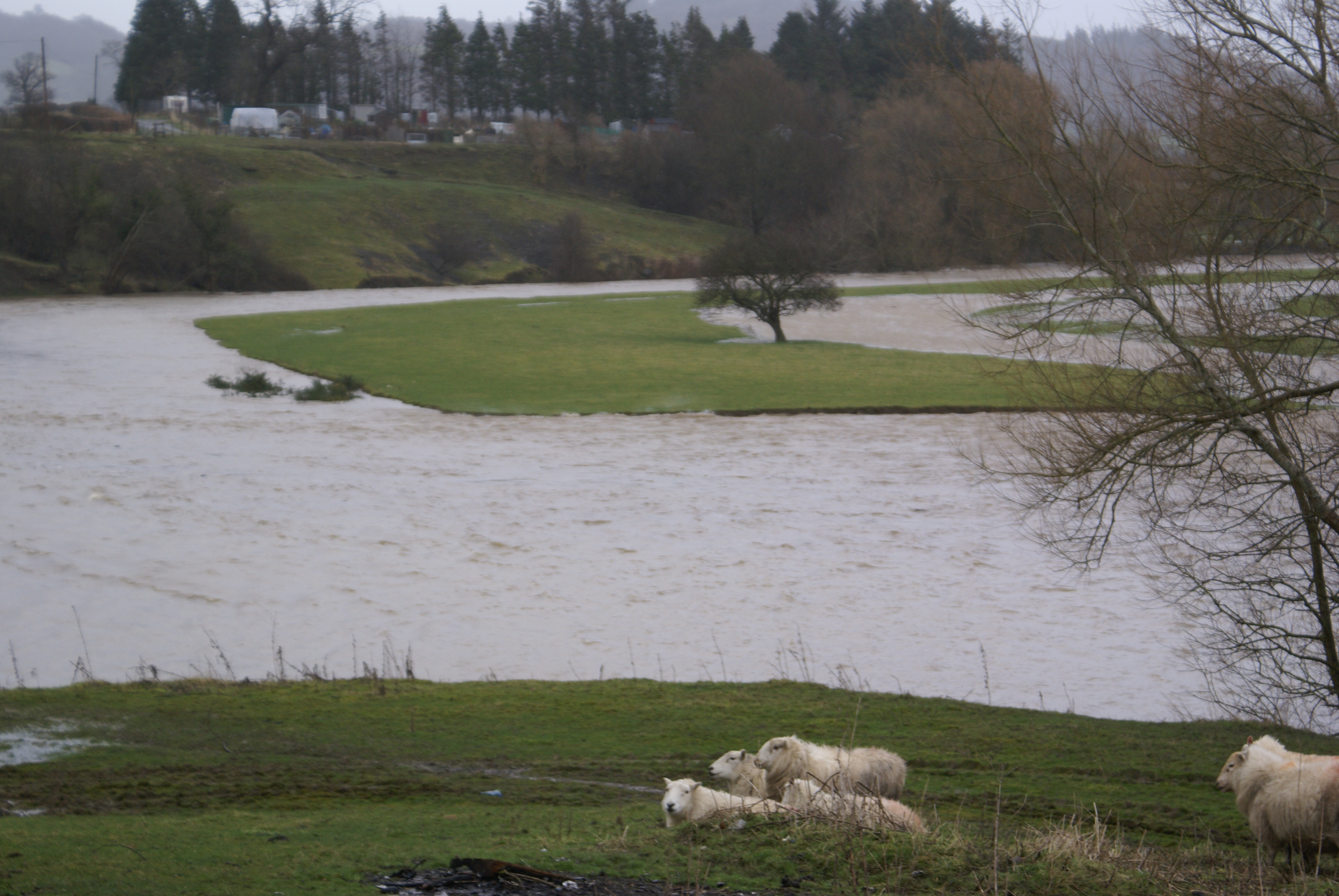
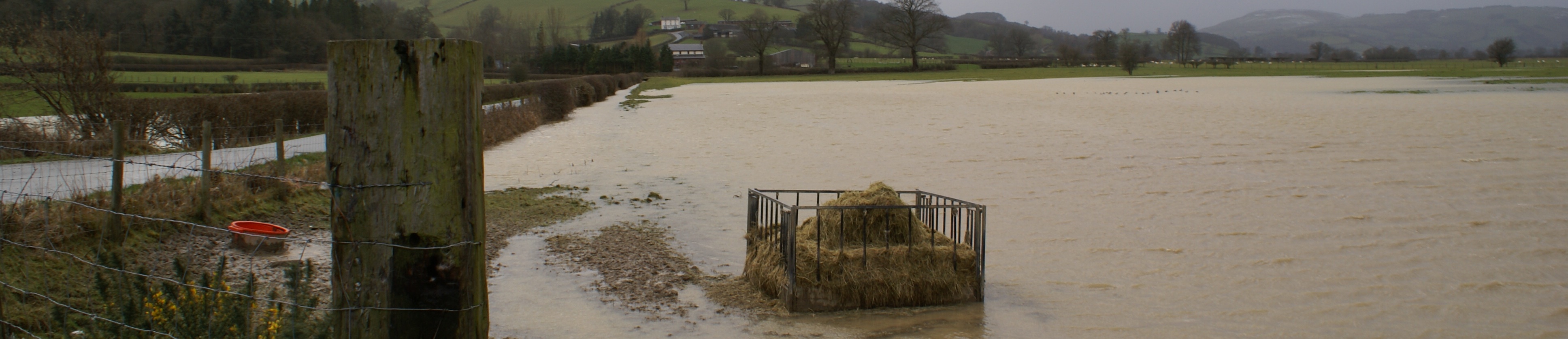
Flooding yesterday in Caersws

Flooding yesterday in Caersws

We live in the Cambrian Mountains of Wales which are not really mountains at all — they are about the size of the Black Hills of Dakota, but green — very green and very wet.  We have an epic amount of rainfall all the year round, except perhaps in April, if we are lucky.  A consequence of this is not that we have webbed feet but we do cope with it quite well.

When we arrived here we were amazed by the amount of attention lavished upon the ditches and culverts.  Yesterday I checked the grill on the drain by our gate, to dig away any silt or blockages — it was pristine and in the hedge nearby was a fresh pile of mud,gravel and dead leaves — the drain-fairy had been there before me!

The flood plain of the Cerist starting to fill -- note the absence of buildings

The flood plain of the Cerist starting to fill — note the absence of buildings

Here are the gathering grounds of the rivers Severn and the Wye.  The little river Cerist feeds the Severn and here the Severn has plenty of room to expand:

SONY DSC

The head-waters of the Severn are also regulated by the Clywedog Reservoir which can hold back huge amounts of water.

?????????????????????????????

But the reservoir is nearly full, it has been raining and snowing incessantly for weeks and it is warm so the snow has melted, the ground is waterlogged and now the melt waters are just pouring off the hillsides.

?????????????????????????????

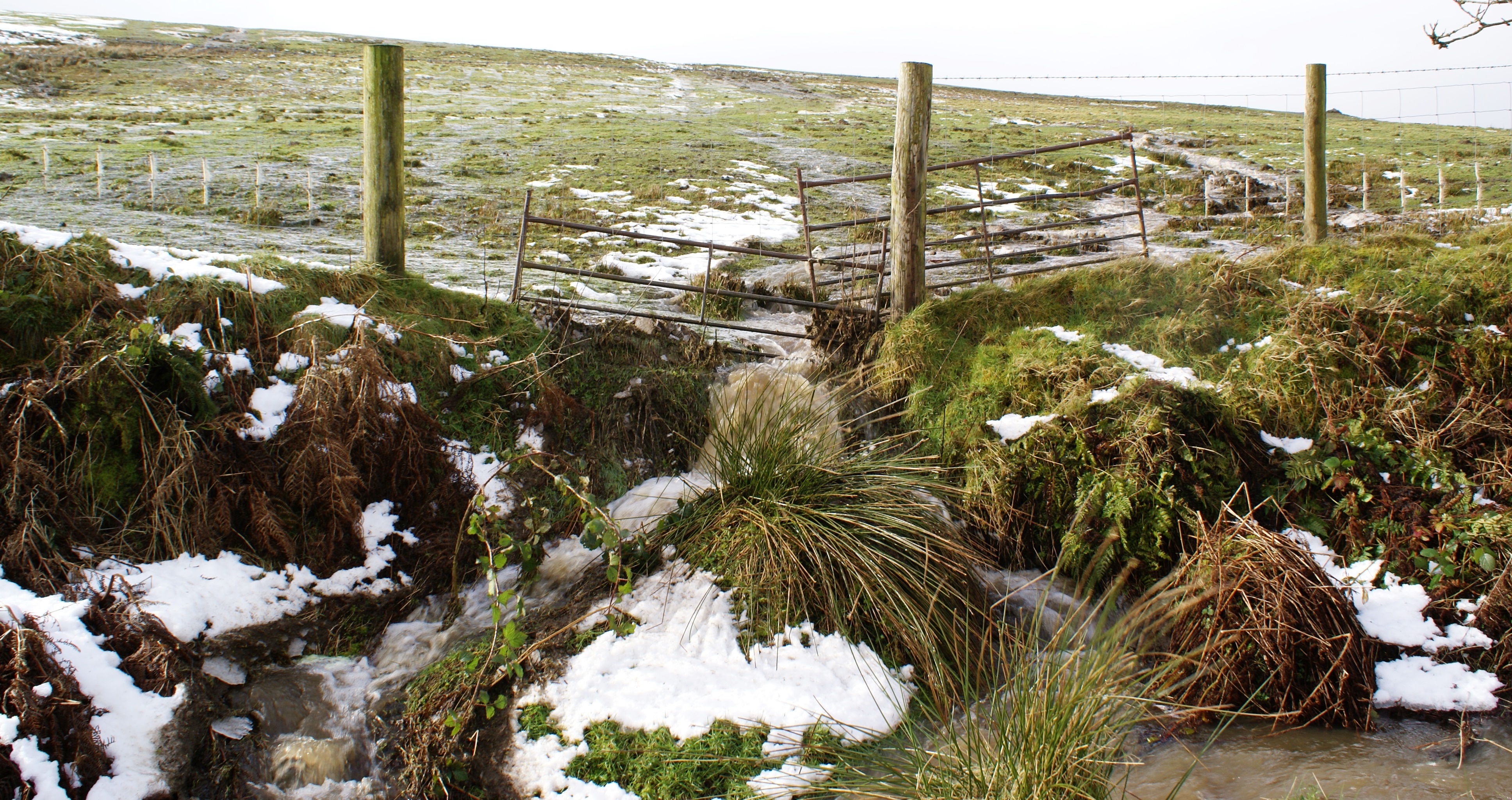
The muddy water fills the ditches, overflows and runs down the roads – the roads flow, waterfalls appear everywhere.

Streams that normally trickle are tumbling down every cleft and roadside brooks thunder towards the valleys, scaring the people and jumping the bridges.

SONY DSC

What flat pasture there is, and there is not much, is disappearing–

?????????????????????????????

Grazed only by mallard ducks.

?????????????????????????????

It is snowing again today, the news is full of pictures of the floods on the Thames around London.  The weather forecast is for more rain and more snow for the next month and all this water is bound for England.

Standard
Ecology, Nature Photography

New Worlds above the Flood

It’s been raining quite a lot.  Between storms I’ve been having a new look at the world.

The stream is swollen and down the valley they complain that the drumming of the river keeps them awake at night.

?????????????????????????????

We’ve moved our flock to higher ground to keep their feet dry and when the low winter sun comes out, which it has been doing quite often, every sheep has a silver lining:

?????????????????????????????We’ve been making the most of the sunny periods by cutting back the hedge rows so that the grass can grow with more light although we still need shelter for the beasts and privacy for lambing; behind the hedges we’re cutting back  the low branches and brambles that will whip us in the eye and snag us as we give assistance in the spring.

Winter working reveals aspects of the wildlife with which we share this land that are overshadowed or covered at other times of the year. Hover over these pictures for details:

Today I have been looking in a bit more detail at the moulds and fungi that surround us, if any of you recognise the species I’d love to hear from you – leave a comment.

Here are some mosses and lichen.   After the fall, some of the hawthorn and damson trees reveal so much lichen that they seem to be in blossom!

A whole world can exist on the top of a gatepost!

Gatepost with mini rain-forest

Gatepost with mini rain-forest of lichens and moss

Standard