Ecology, nature, Nature Photography

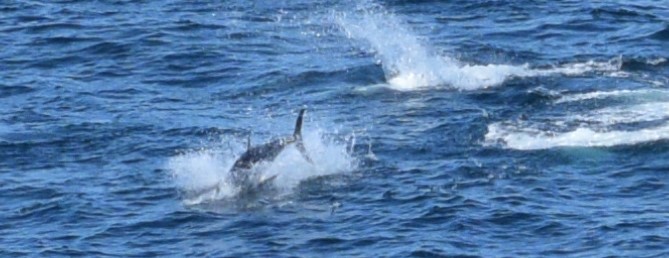
Would you believe it? Blue Fin Tuna!

Here’s what we saw from the cliffs at Land’s End, the most southerly point of mainland Britain on our recent stay in Cornwall.

A disturbance — turbulence in the water and excitement amongst the sea birds, swooping above the swirling and splashing.

Whatever they are they are large as you can see, we are looking from a long way off.
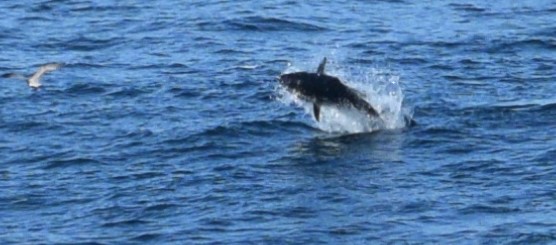
Is it a shark? It looks like a tuna but surely they don’t swim off Cornwall — all the photos of big game fishing show men in Edwardian dress.
Here you have it — It’s official. The Blue Fin Tuna has returned to British waters. Either because of global warming, or the demise of the inshore fishing industry or because of excellent fishery management — they are back.

Blue fin tuna chasing shoals of smaller fishes around the rocks where the bait fish try to escape by jumping, and the opportunist gulls swoop to pick them off, mid-air.

Will they be fished to extinction again — hopefully not, there are now strict quotas, and fishery vessels patrolling — we saw Fishery Protection vessels as well as Border Force vessels from our viewpoint. A Border Force high speed rib was very actively chasing a fishing boat — by evening, the local News revealed that they had caught 6 tons of cocaine but no tuna!
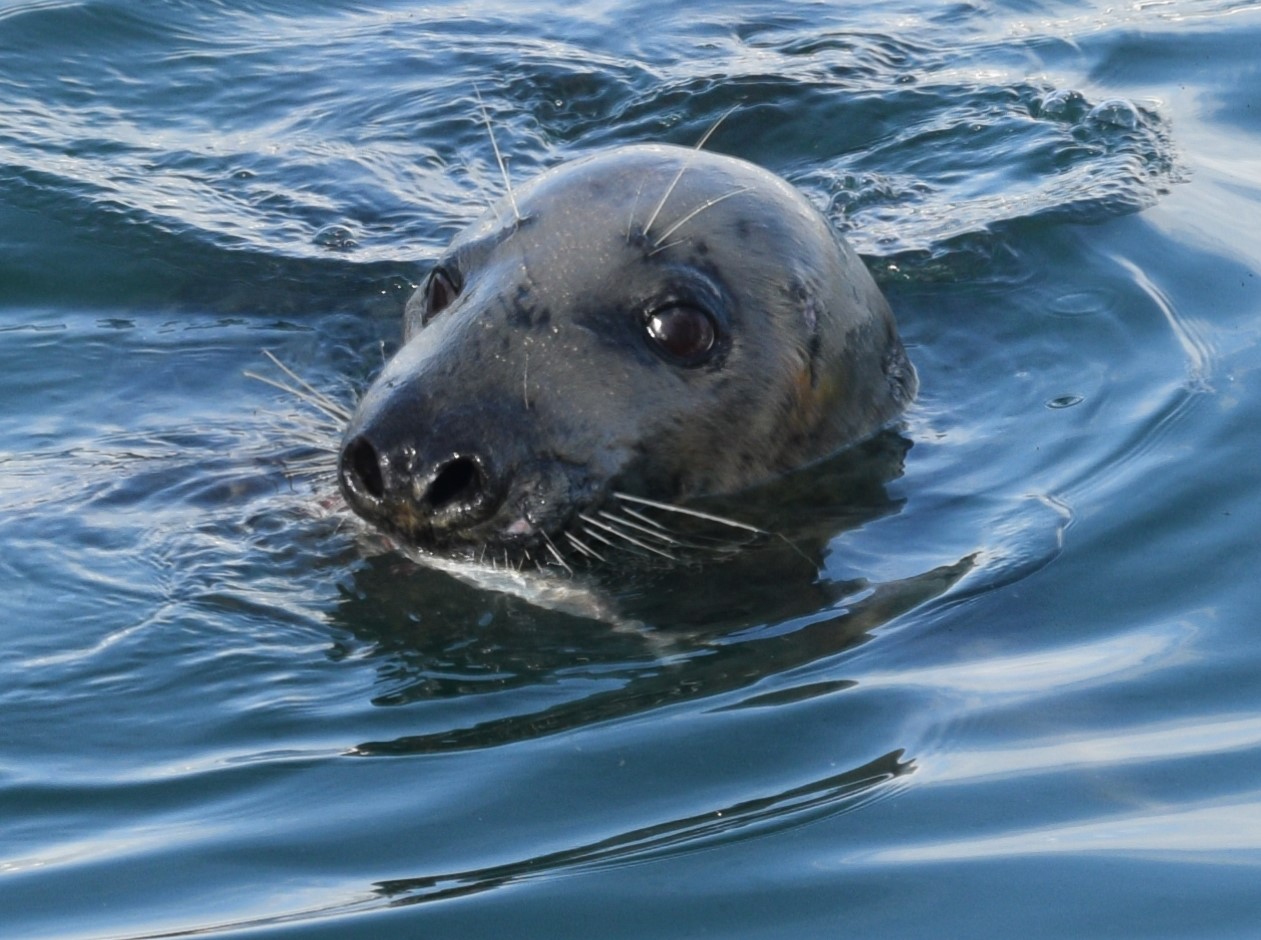
Undercover surveillance?

Standard
Moths, Natural Beauty, nature, Reptiles

Enchantment! What gets you out of bed?

We are possessed — we tumble out of bed at the first ray of sunlight, Bill to rush out and be electrocuted in the morning dew, forgetting to switch off the mains before moving the sodden leads so that he can see what he has caught in his moth trap!

I follow, not to resuscitate but because the one thing I hate more than early mornings is being left out! And it’s like Christmas — you just don’t know what you will get!

Antler moth artistically posing on my rhubarb.
Buff arches
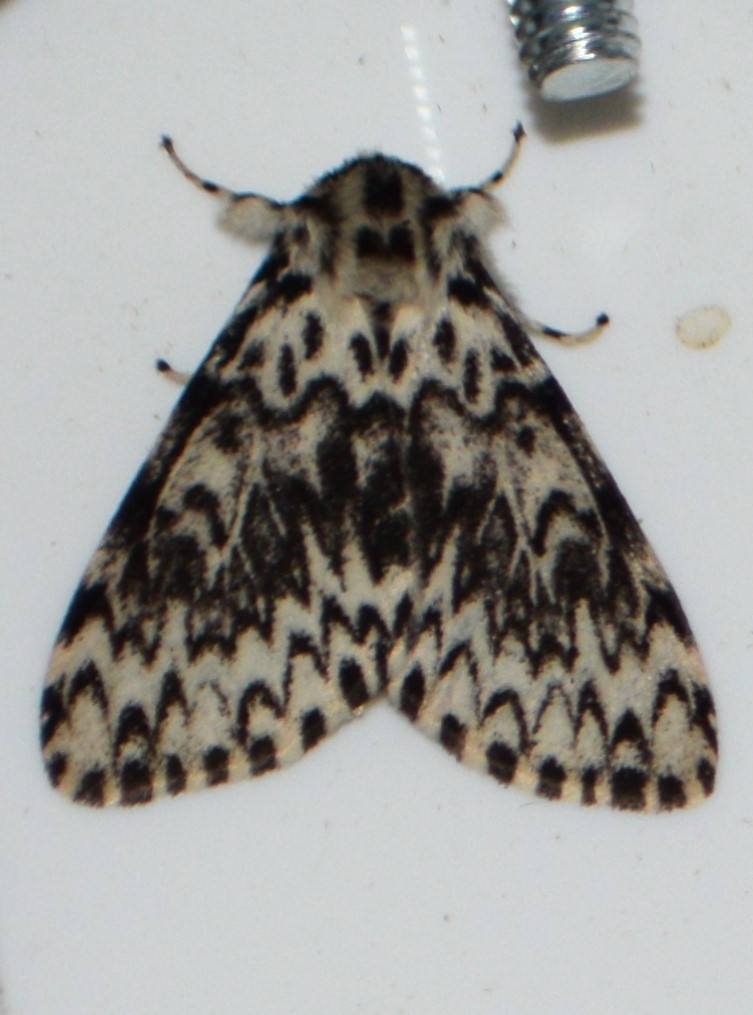
Black Arches Moth
Brown china mark
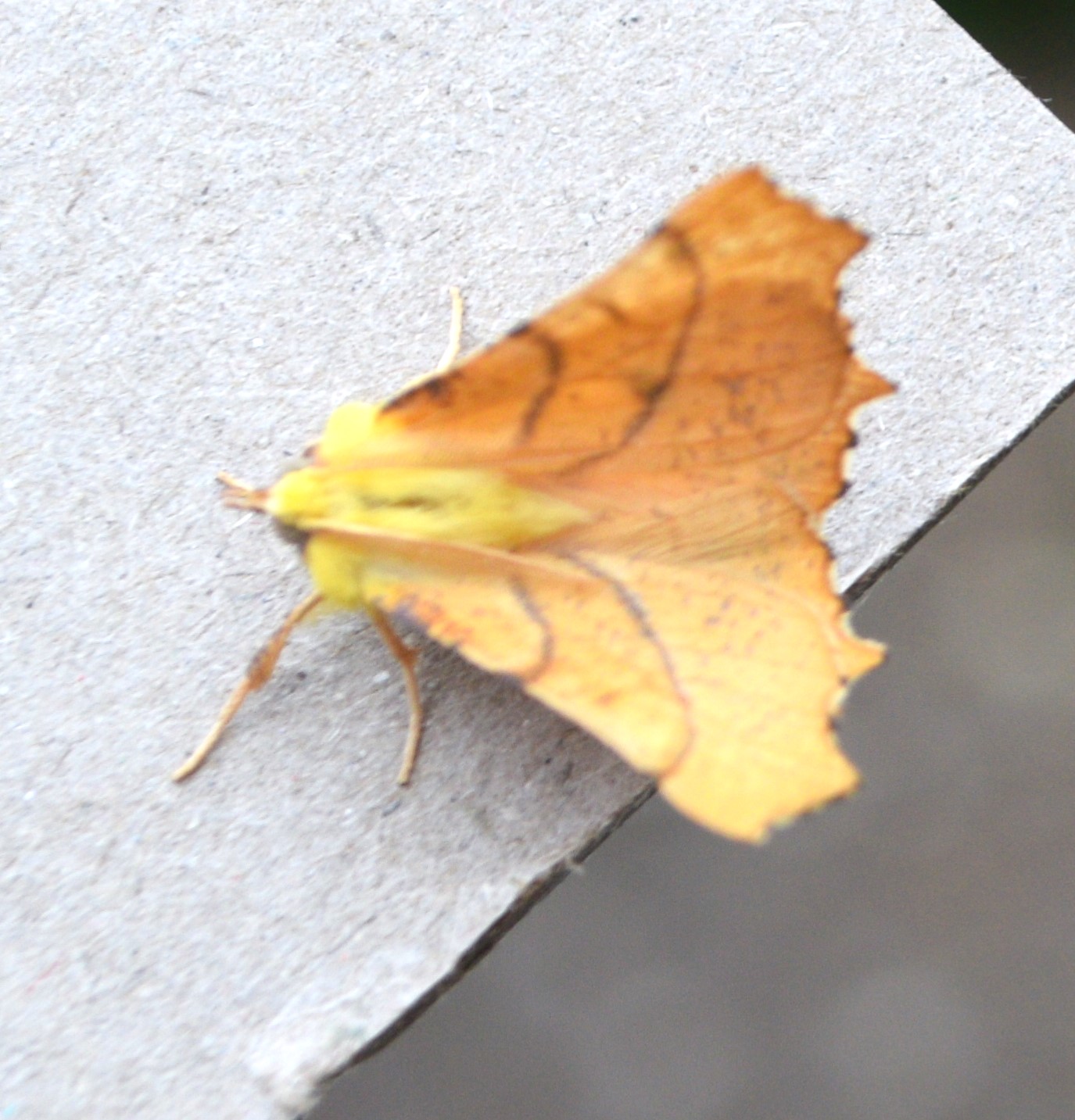
Canary shouldered thorn
Feathered gothic
Large emerald
Garden tiger moth
Gypsy moth male — slightly battered — not surprising, possibly blown from Europe.

Just a few of the 100 plus species of moth we have photographed since July — you can’t say they are dull!

But these are what gets me tip-toeing down the dewy track as the sun peeps over the hill!

Baby lizards

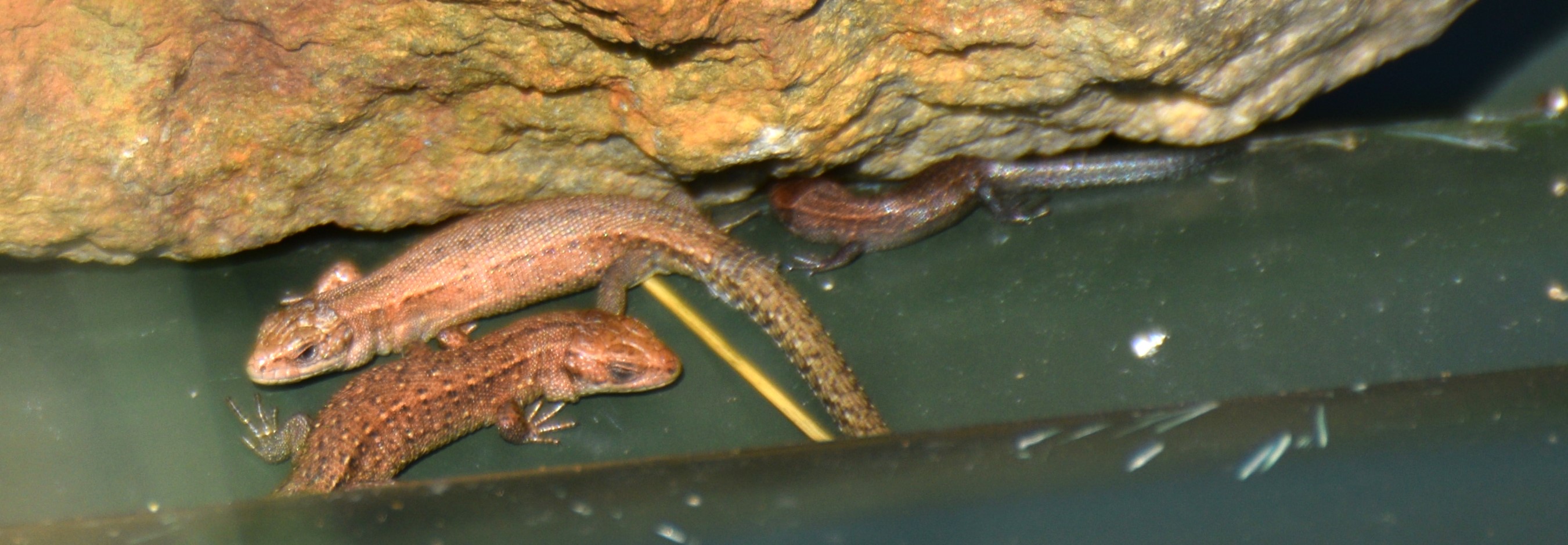
There seems to be a family of 7 or 8 babies and at least one adult that bask in the morning sun on the corrugated iron that we have put by the bench where we bask. They are charming and very brave — are they going to become accustomed to us and remain so as adults — I do hope so. We have made them an air-raid shelter but at the moment they seem to prefer to hide in the grass.

Standard
nature

Testing Time for Baby Bunnies!

Peeping out from the edge of our yard, this baby rabbit can hear the incessant screeches of the young buzzard, calling from the top of the oak tree behind the house.

The parent birds circle overhead looking for prey to shut up the chick who is probably almost as big as they are by now. They see the little rabbits and if they get desperate enough they will swoop low around the house and carry one off in their talons but they prefer to hunt in the fields and woods at a safer distance from human habitation.

So these little chaps can dash about in relative safety, exploring underneath the cars by the house, annoying the house sparrows and occasionally meeting a mirror image. Sniffing as they go.

They are nesting under our wood pile and are in for a shock as Ali and Dan are coming soon with the dogs and suddenly everything will be smelling a lot scarier!

Standard
nature, Spiders

Walking on Air and Hazardous Sex!

Drinking my coffee in the sunshine today I disturbed a spider that was sunbathing — she ran across the table then appeared to scamper through thin air, horizontally, a metre or so to the bushes. I looked more closely and there was her escape wire — a single strand of the finest silk only visible as it moved in the breeze and caught the sun.

What an amazing material spider silk is — strength, elasticity, organic, recyclable — I spent the rest of the morning reading about spider’s webs.

Then we went out to look for butterflies but look what we found!

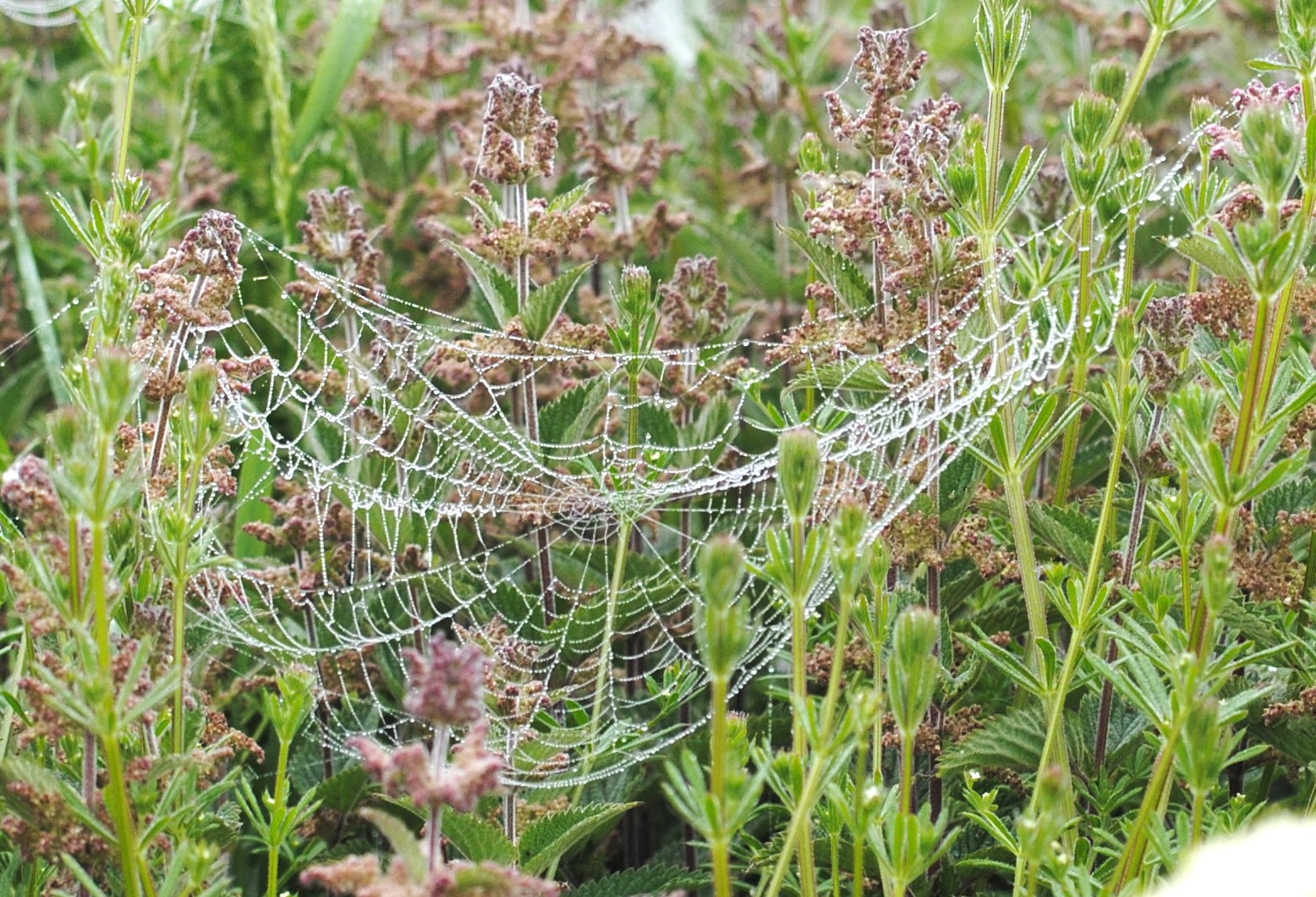
A mysterious web in hawthorn scrub, and guarding it… Look carefully.

A nursery web spider — she makes a secure three-dimensional pen for her babies until they can fend for themselves. If you don’t believe me — see them magnified!

These will soon have used up all the yolk with which they hatched, be able to produce their own silken threads and catch tiny flies and each other — Mum will release them before there is too much cannibalism and they will disperse to complete their own life cycle. In the UK they live about a year, hibernating during the winter. Mating is hazardous for the males who have evolved various ploys to avoid being eaten by their mate like offering gifts of food to distract the female and also playing dead! Survival of the fittest — only the really clever ones mate more than once!

Standard
Ecology, temperate rainforest

2022 — A Miracle Year, in One Respect

This is to put all you keen gardeners in your place.

It should be reassuring to see what happens if you do absolutely nothing. We dug the pond because we were fed up with having to evacuate the tadpoles every year as the puddles dry up and their wriggling density becomes alarming.

We dug it in June (well, Mauryg dug, I just did the interfering)
New pond July 2022. The start of a very dry summer.

Here it is 4 months later — despite the drought!

Isn’t that miraculous? The opportunism of plants — I wonder if the few things we have actually planted will survive the competition — probably not, but that is what it is all about…

There are fishes too, very tiny super-sonic ones. This is promising:

A frog wondering where her favourite puddle has gone. There are water boatmen and the southern hawker was patrolling all summer, though we haven’t seen the female laying eggs we live in hope that soon the mud will be teeming with insect larvae.

It’s been a miraculous summer all round.

In the seventeen years I’ve lived in Wales I’ve never before eaten a home grown hazel nut, the same is not true of our squirrels and jays — this year there has been plenty to share.
Standard
nature

Island Sanctuary

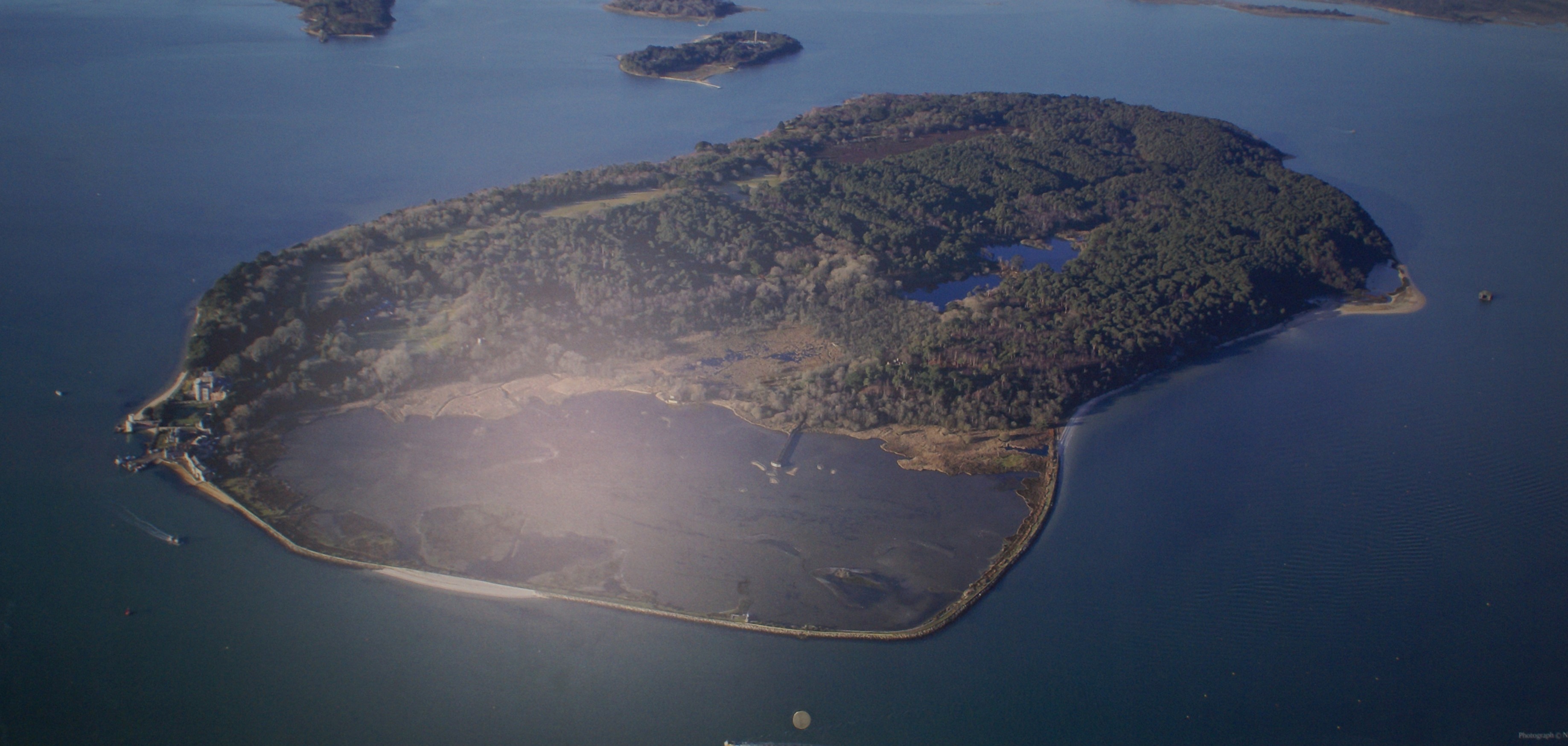
We didn’t actually fly in to Brownsea Island in our sea plane.

Aerial photograph displayed in NT Visitor Centre

We arrived by boat, crossing Poole Harbour which is a large natural inlet on England’s south coast. Brownsea Island sits in the middle and affords unique protection to the species that live there.

Arriving at Brownsea quay.

This is what we came to see.

Red Squirrel at British Wildlife Centre by Cameraman (CC BY-SA 2.0)

Disgorged from the first boat of the day, almost immediately we are aware of frenetic activity — in the treetops, up and down the trunks and bounding across the grass — foraging red squirrels.

Small and very lively — difficult to catch. Thriving, away from predators and disease, in this more bio-secure environment.

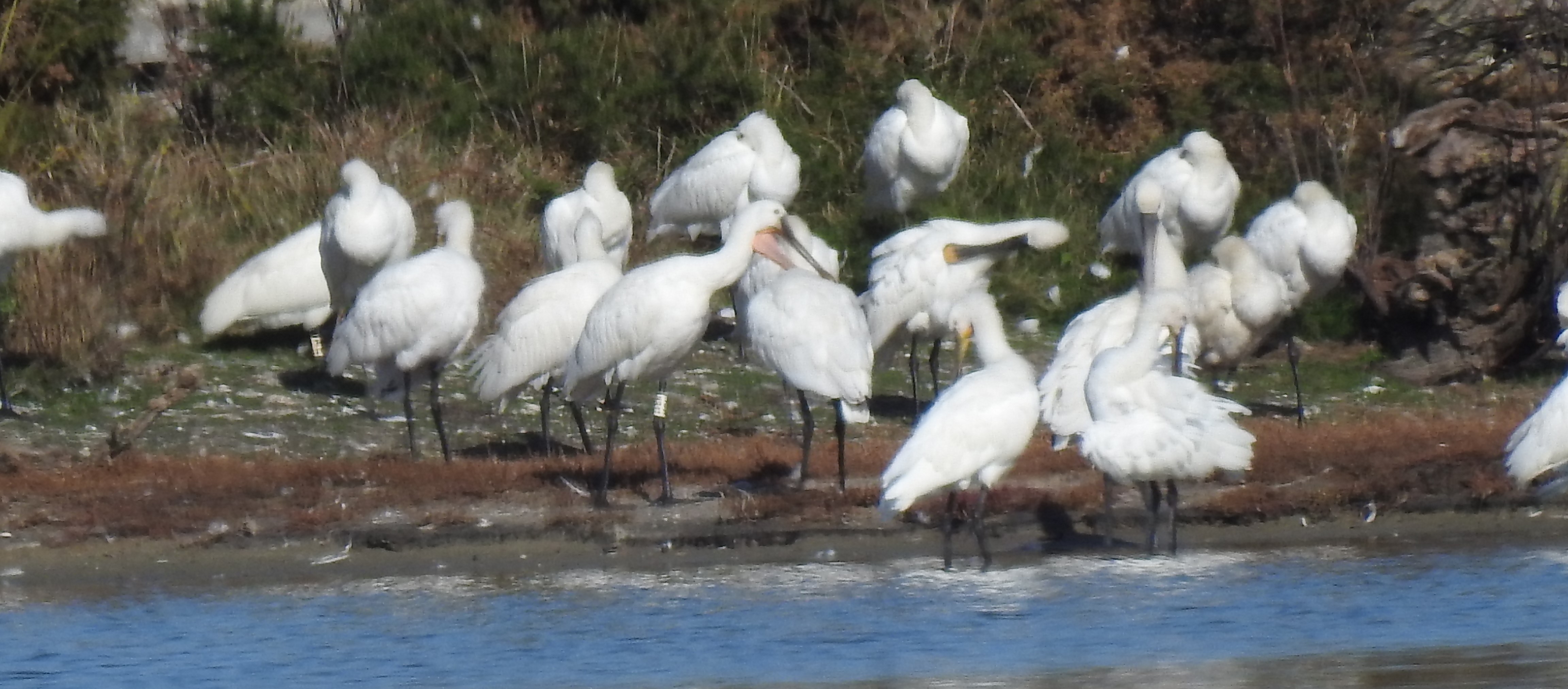
At the north-east corner of the island is a large brackish lagoon, built in the mid 19th century as a polder to reclaim land from shallow sea for agriculture — it was flooded in the 1930 and has remained flooded since. Though the water is shallow, suitable for dabblers rather than divers, it is sheltered and protected and has a colony up to 72 spoonbills which now breed on the island.

Distant view of spoonbills on the far side of the lagoon.

Spoonbills disappeared from the UK in the 1600s with the loss of their habitat, due to draining of wetlands for agriculture, and because of hunting. They have only recently returned and are still rare but are breeding in several locations helped by various schemes to recreate the sort of conditions that they find at Brownsea.

Standard
wild flowers

Nothing is ever just Black or White.

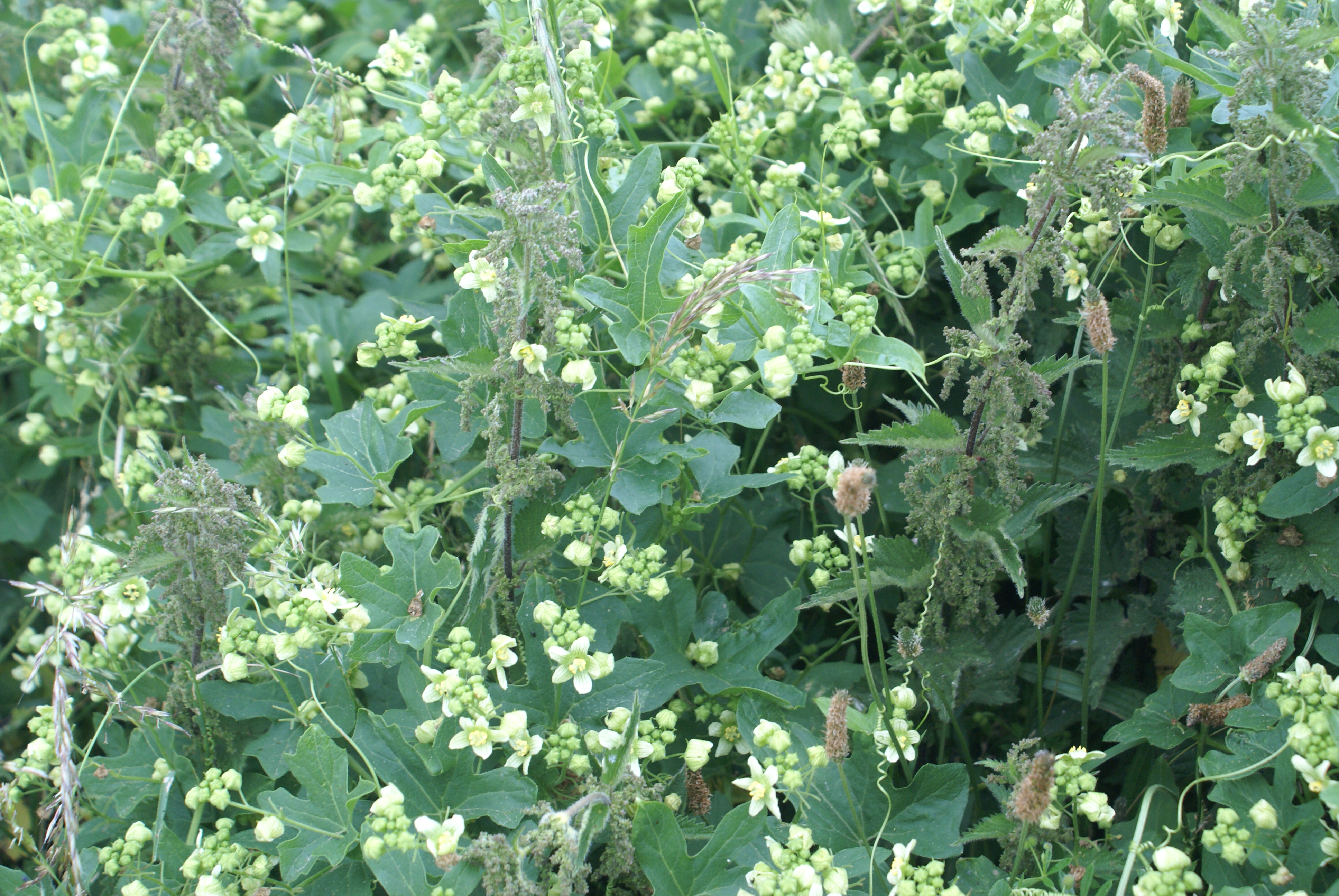
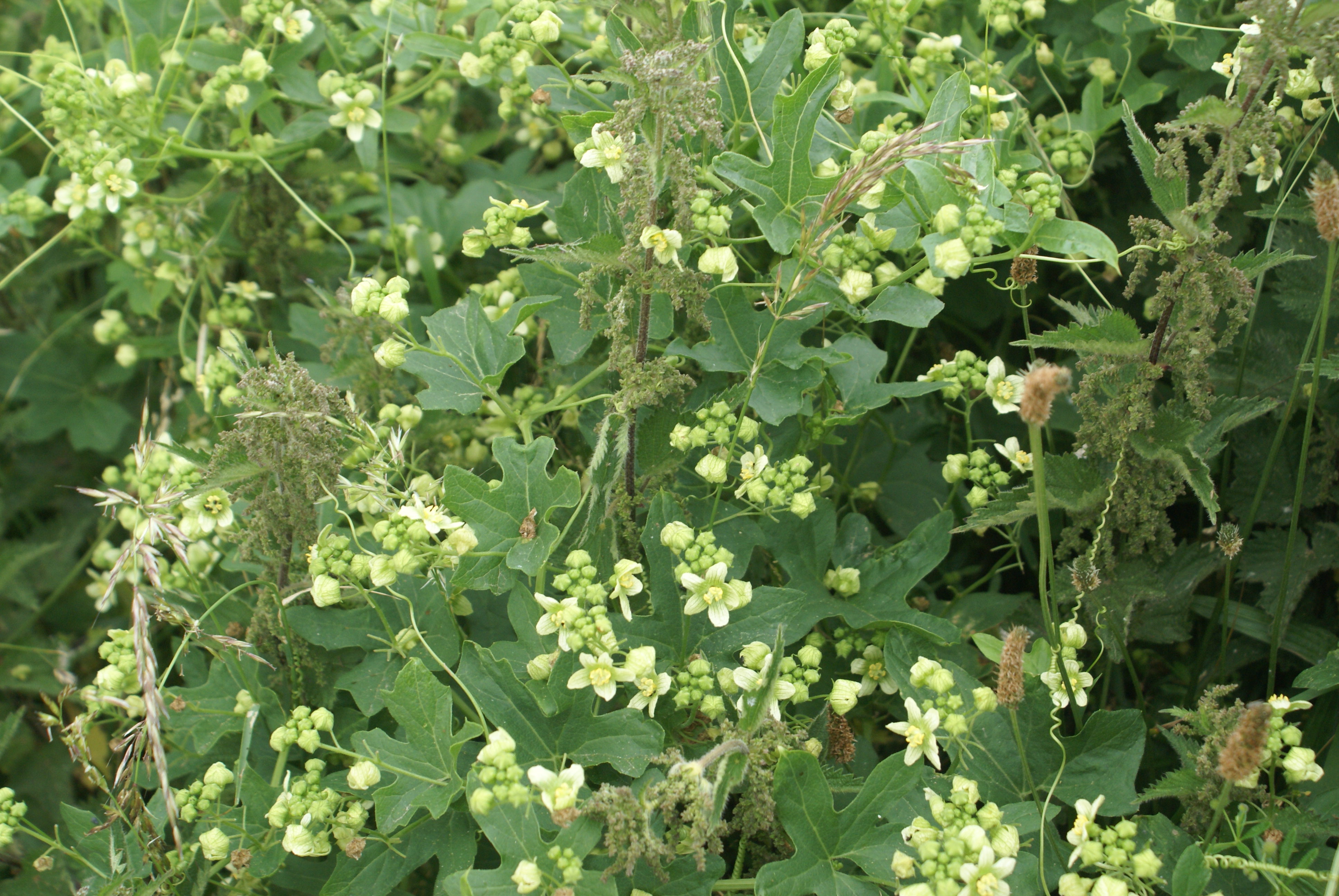
Do you recognise this plant? I didn’t.

Browsing the plant life near to the beach at Snettisham I found something unfamiliar — a large attractive flowering shrub growing in the midst of stinging nettles and thistles with quite leathery leaves. It was blowing a gale, black clouds were heaving overhead and I had no gloves to explore more closely. So I took some photos and made haste to the car park!

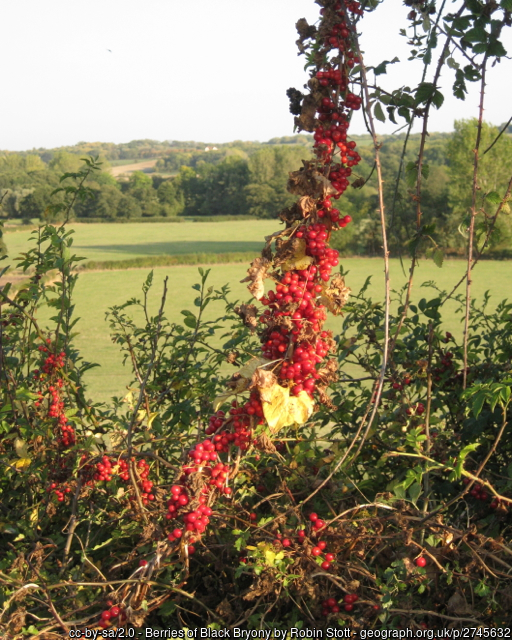
Here it is again, note the tendrils and the ivy shaped matt leaves. This is white bryony, Bryonia cretica — a climbing perennial related to squash and cucumber but is poisonous — deaths have been recorded. Even drinking milk from cows that have grazed it can be harmful. This one was climbing all over its neighbours, pretending to be a dense bush. Black berries in Autumn but not to be confused with Black Bryony our familiar hedgerow climbing vine which has red berries — is that clear?

Black bryony, I don’t know why they call it black, is also known as lady’s seal or black bindweed, Tamus communis. It is a member of the yam family, twining clockwise, some say ante-clockwise — I suppose it all depends which way you look at it, or whether it grows in the southern hemisphere! It has no tendrils, the leaves are heart-shaped and shiny and all parts are poisonous containing saponins. Intrepid or very hungry folk evidently eat the new shoots when cooked — not recommended, as even if it doesn’t poison you, picking it may bring you out in a nasty rash.

Standard
insects

Looks innocent enough!

However, if of a squeamish disposition — do not continue.

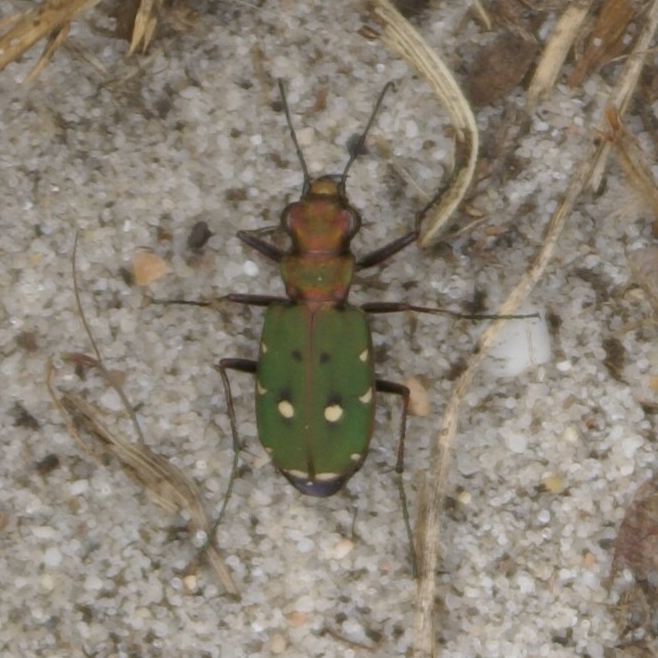
Green Tiger Beetle Cicindela campestris

The clue is in the name — it’s not got black and yellow stripes — it’s a ferocious predator and so is it’s baby which lives in a burrow with only its face showing which will grab any passing creature, like an ant, and munch it up with its formidable jaws.

These lavae become fat and juicy on their diet of hapless insects but if they are unlucky enough to encounter their own specific ichneumon wasp, Methoca ichneumoides, they in turn meet a horrible end. Life is like that! Here is one who has met a sticky end, lying on its back showing its terrible jaws.

Methoca ichneumenoides on lava of Cicindela , photographed by Albert Krebs (CC BY-SA 4.0)

Methoca ichneumenoides came along and allowed the beetle lava to pull it into its burrow but then stung it, which paralysed the beetle lava, Methoca then laid a single egg in the body and filled up the top of the burrow with sand. Here you see that the the egg has hatched and the live lava of the wasp has eaten its way out and is chomping on the beetle lava. I suspect the pair were both dug up by a nosey human like me and photographed without permission!

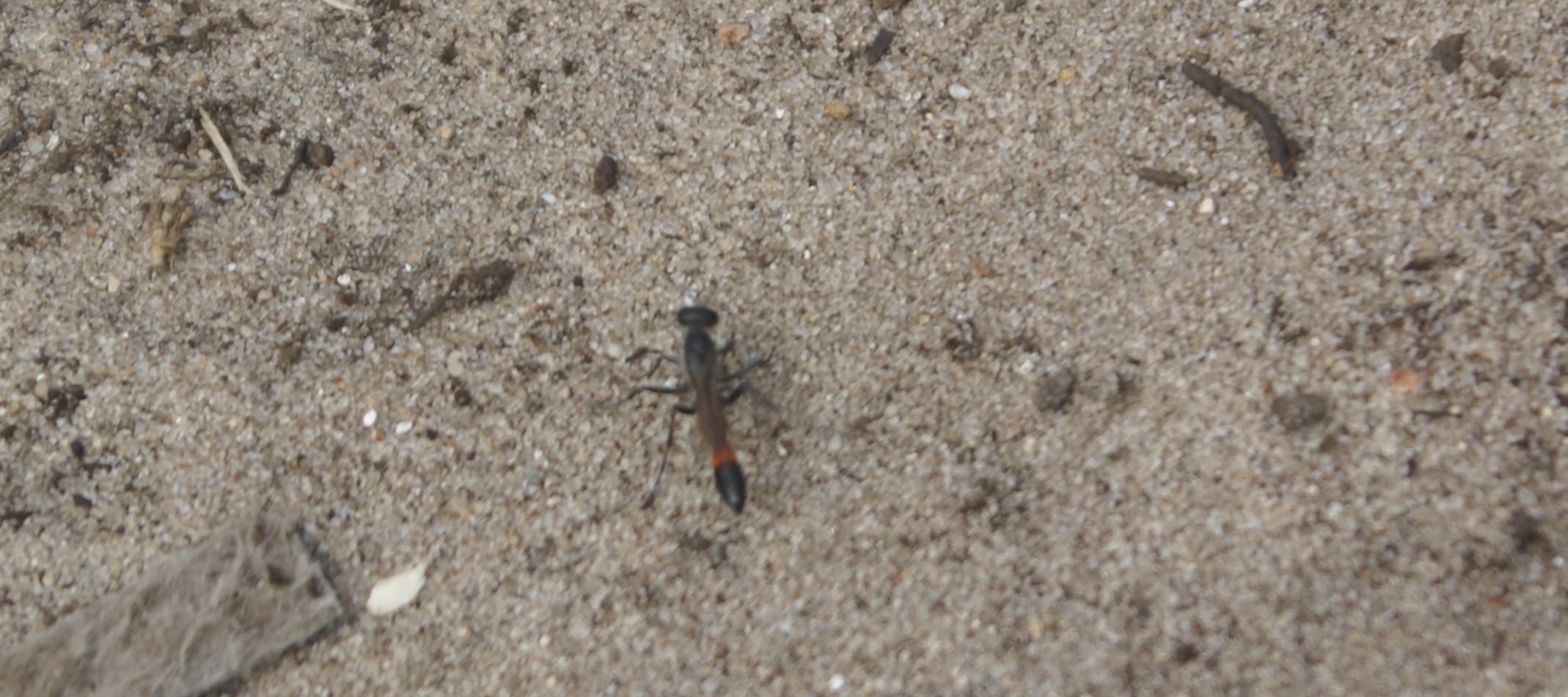
We did not find an example of Methoca on Dunwich Heath last week but we did see another interesting wasp there last time we visited, the red banded sand wasp. It has similar habits.

Red banded sand wasp Ammophila sabulosa

Click anyway — I think it will work — otherwise search red banded sand wasp on Wikipedia!

Standard
insects

What’s have we here?

Perfect timing as the green fly appear an odd looking ladybird on the roses.

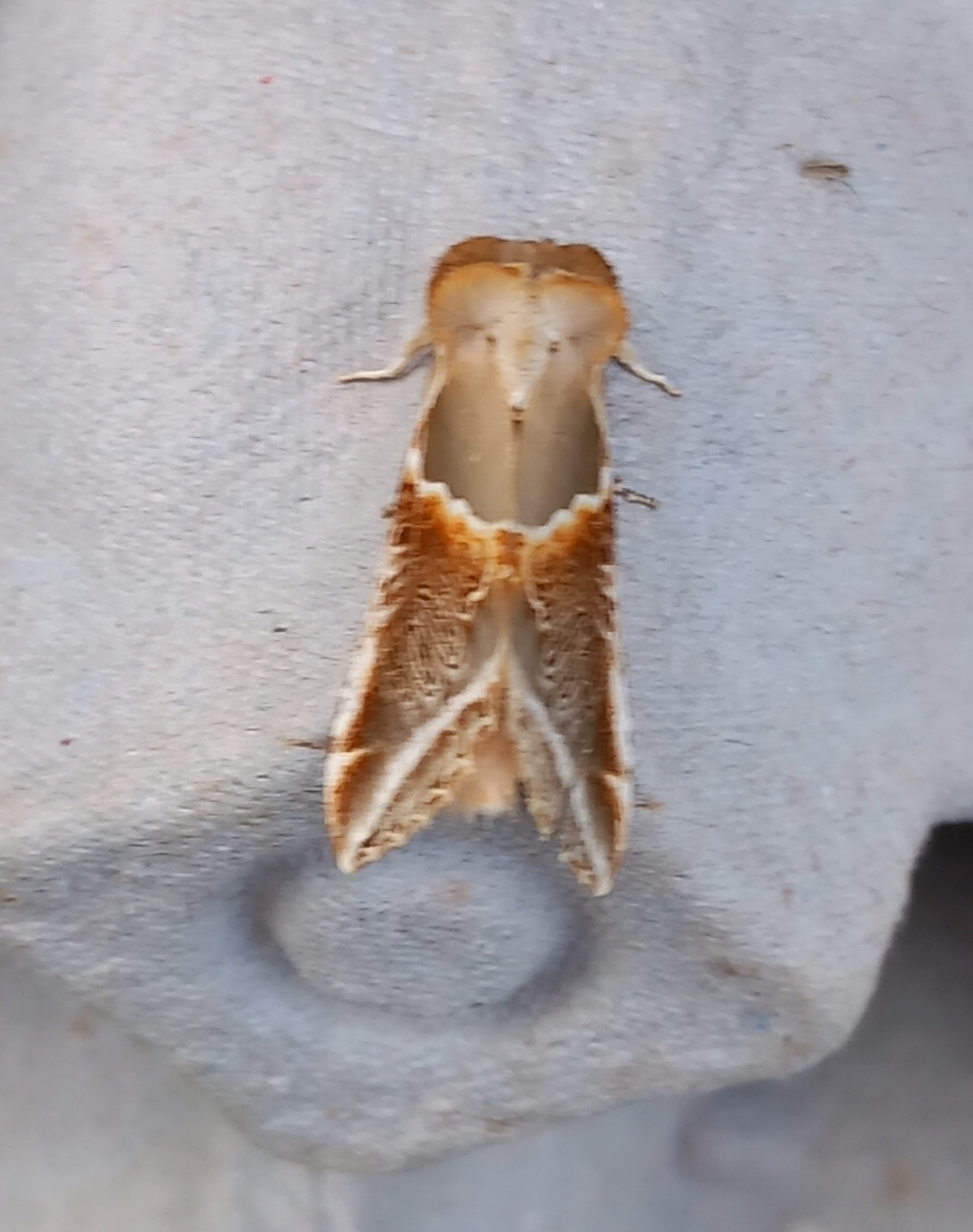
I go and look him up — how do you know he is male? I hear you ask.
This is how.

But his gender would not be given away by his colouring. This is one of the most variably marked species of ladybird — the harlequin ladybird Harmonia axyridis — it has many forms. The female (I hope I am not making a false assumption here) is f. succinea, orange or red with 20-22 black spots and a white pronotium, the plate over the thorax, with a black M on it — you can see that quite clearly. The male in f. spectabilis, black with four red spots and again 2 big white splodges on his otherwise black pronotium. There are completely red ones and black ones and all sorts of variations. The first thing you notice is that they are bigger than our native species.

And they are bad news for native species as they are very successful — not surprising. These have appeared first and, as you can see, are getting on with the job — very active and difficult to photograph as they would not stand still!

Native to eastern Asia they are voracious predators and were evidently introduced to control aphids on commercial crops here in Britain, Europe and also North America .

A threat to diversity but good news for the roses.

Standard
nature

Hippo’s guide to the beach

Like the hippopotamus our usual habitat is mud — glorious mud. Only occasionally do we venture from the soggy highlands of these British Isles to the sand around the edges and then what we see is unfamiliar.

Like this red banded sand wasp (Ammophila sabulosa).

This is a solitary (actually quite antisocial) wasp that stings its prey, often caterpillars, into submission then drags them to a burrow, sealing them in together with an egg of its own that will hatch into a hungry lava. If she finds another burrow that already contains prey and another female sand wasp’s egg she will eat the egg and replace it with one of her own — not very sisterly. They lose a third of their offspring this way which perhaps explains the frenetic way they were dashing about the sand on the day we visited Dunwich Heath.

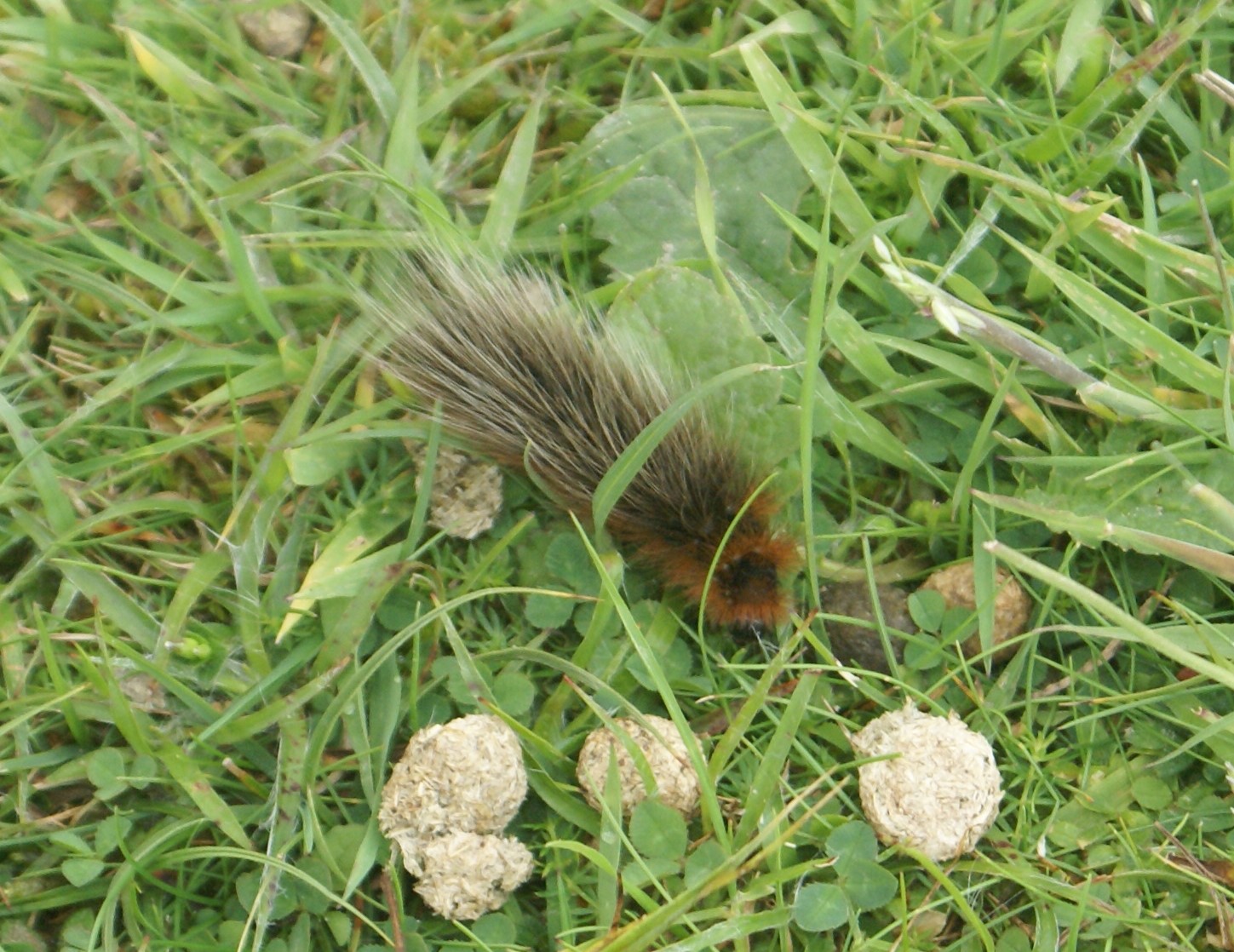
We met this woolly bear on the sand dunes at Ynes Las, it is the caterpillar of the garden tiger moth (Arctia caja)– not rare in our childhood and not limited to sandy habitats, it becomes a colourful moth that evades our attention by flying at night. It is increasingly uncommon despite its disgusting taste which it enhances with a horrible sauce exuded from the back of its neck when attacked by a bird — its bright colours advertise this fact.

The garden tiger moth — Arctia caja by Vlad Prokiov (CC BY- NC 2.0)

Not everything on the sand is unfamiliar, not even to this mallard!

Rats on the beach at Titchfield Haven
Compass jelly fish stranded on the beach at Ynes Las — the tentacles give a nasty sting.

Strangest of all — what left this foot print

Seen on the bank of Kinewell lake.
Standard