Ecology, Wales

Common things being common

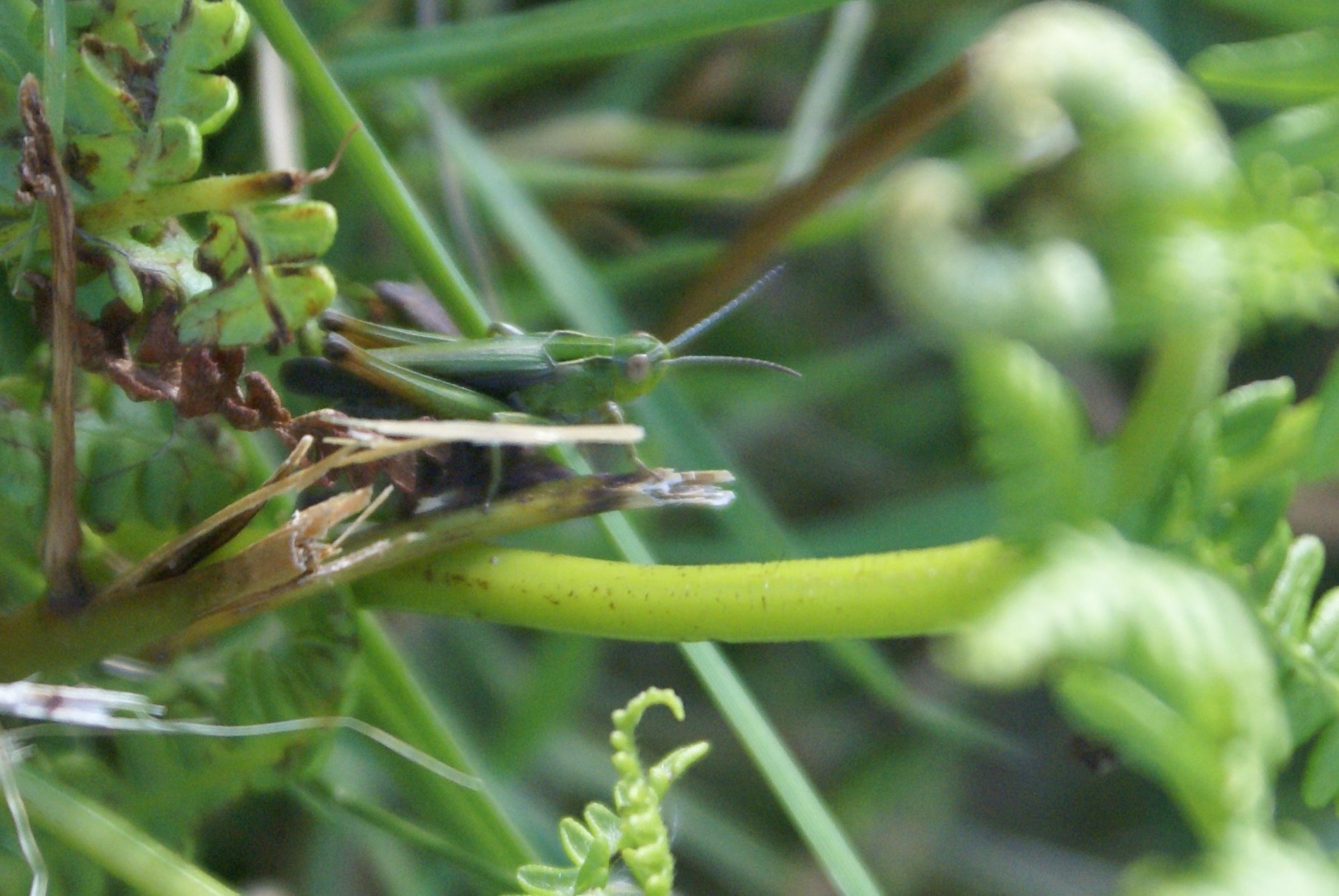
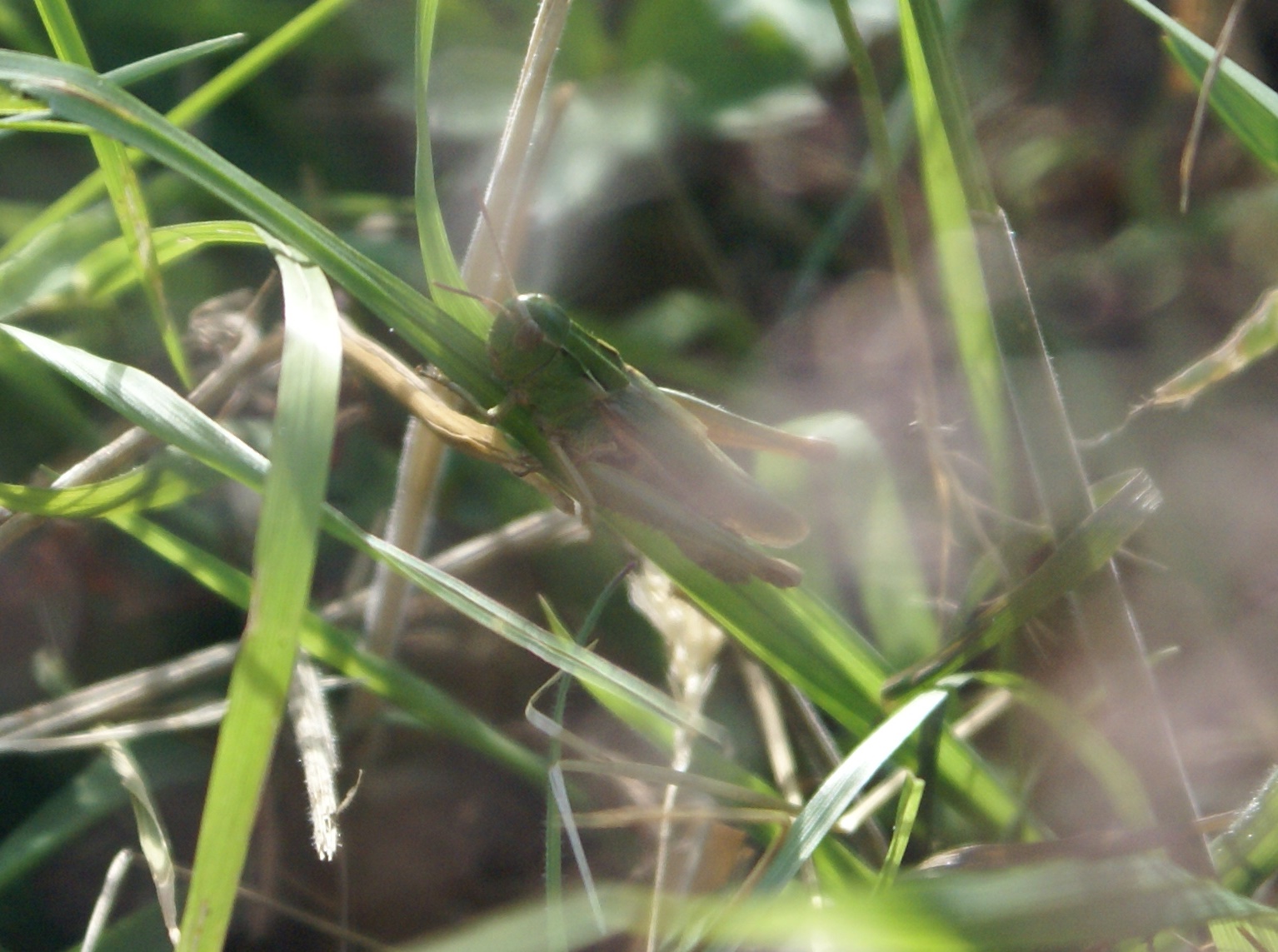
The grasshoppers that jumped out and away wherever you trod in our field last summer were green and there were lots of them.  That might make you think that they were Common Green Field Grasshoppers but with talk of global warming, climate change and species in all the wrong places (A Dartmoor Blog https://adriancolston.wordpress.com)  I have been inspired to have another look at my photos and to try to be more precise in my identification.

SONY DSC

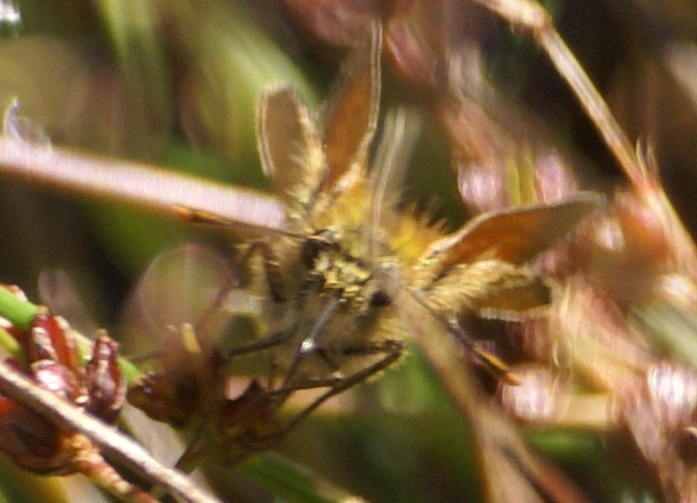
First impressions may well have been correct and this confirms me in the belief that things should be named for what they are, although in this case I had such difficulty in photographing him that Brown Kneed Elusive might be a better name.

?Common Green Grasshopper

If you recognise this creature please leave details otherwise he will remain Omocestus viridulus, the common green field grasshopper.

Standard
Wales

Brecon Beacons

P1040670 (3)


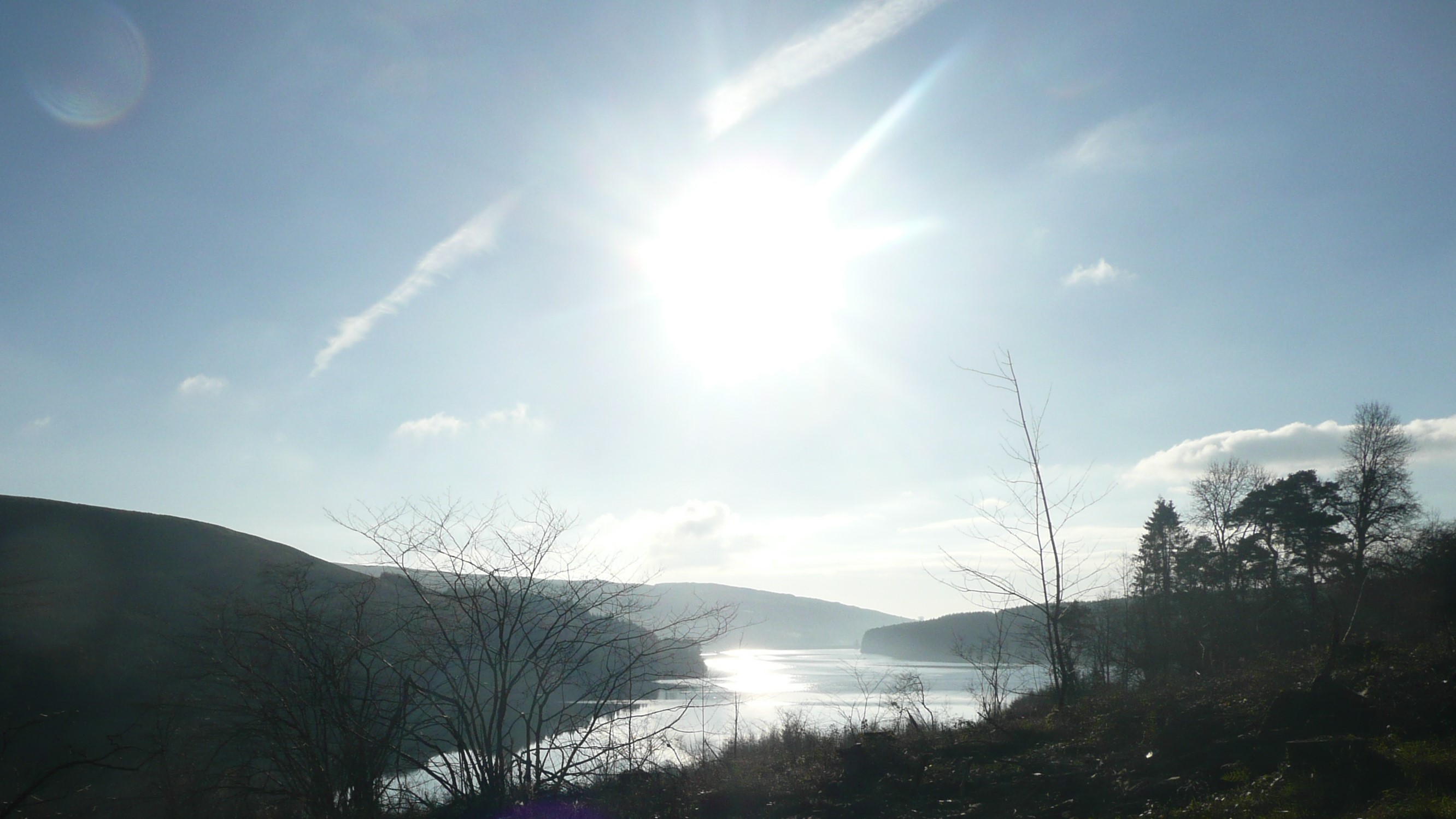
Call it serendipity, call it making the most of a bad job — this week-end we found ourselves, unexpectedly, in South Wales.  The rain cleared and the winter sun peeped over the hill blinding us with its reflection in the reservoir.

Pontsticill Reservoir

Pontsticill Reservoir

So we set out to explore this big splodge of green on the map of South Wales, north of the industrial Valleys and the metropolitan south.  The Brecon Beacons National Park stretches from Brecon in the middle of the country right down  to the Heads of the Valleys Road, along which you can drive and (if you want to) turn down each of the famous coal mining valleys that once fed the industrial revolution — that criss-crossed the area with canals and railways that turned the stone of the terraced houses, bridges and the tree trunks black and scarred the hillsides with mine workings and slag heaps.

All that has changed now but the Heads of the Valleys road still marks the boundary between valley bottoms of dense habitation and a wild paradise, though on the wild side there are still some signs of the human activities in the past — hillforts, burial mounds, quarries, mine workings and, of course the dams and reservoirs that still satisfy our needs.

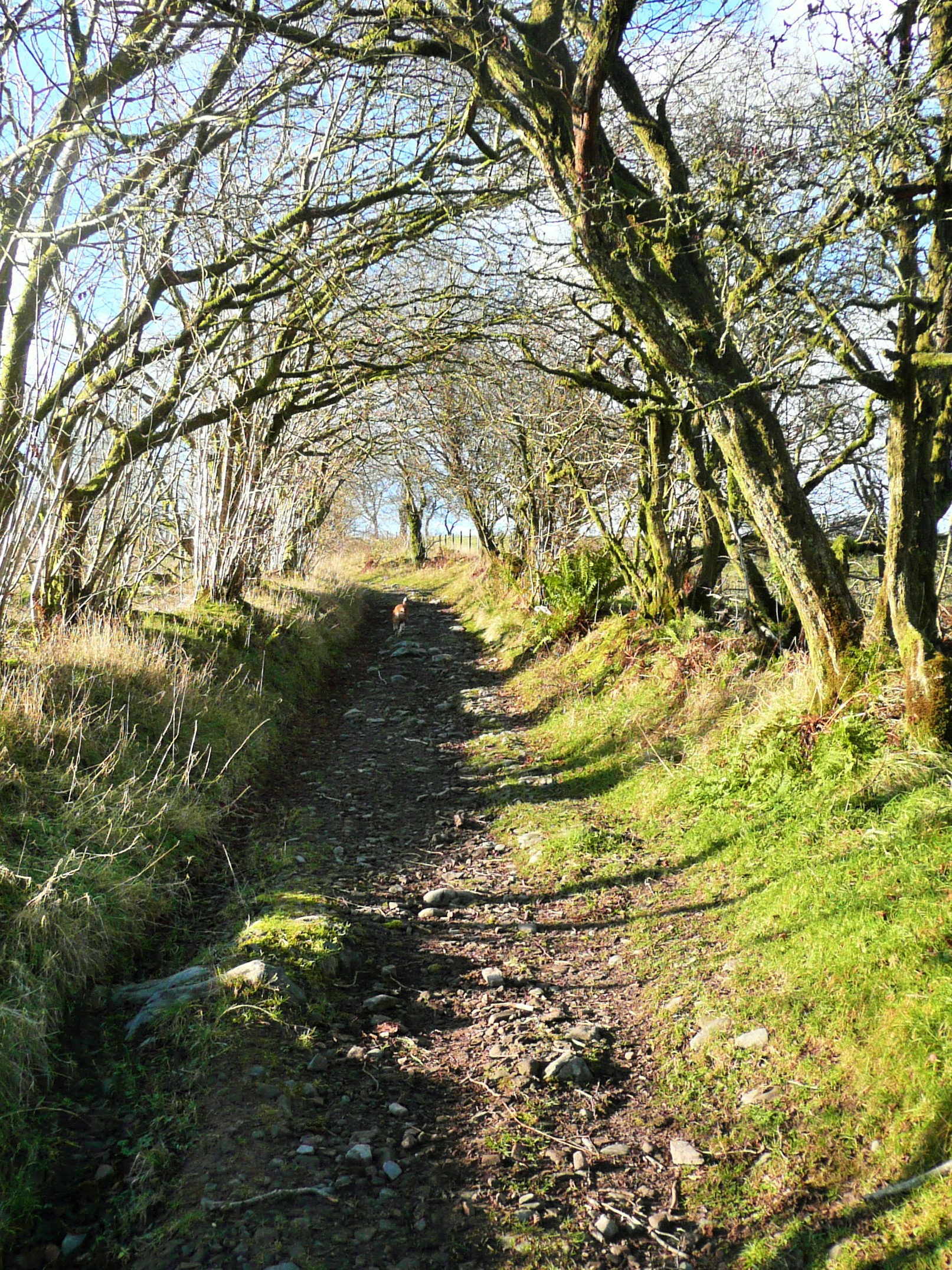
Not a farm track but a hang over from a more industrial past.

Not a farm track but a hang over from a more industrial past.

Under the sward, the moss and the lichen the industrial history is written into the hillsides.

P1040670 (2)Now it’s all farming, forestry and tourism — watch out for the cyclists!

P1040680

P1040683 (3)

To the north is Brecon, a garrison town — the first soldiers who stayed near here were probably Roman in the first century AD, now they  are Welsh and Ghurkas and that is why this sleepy little town has a Cathedral and Nepalese restaurants.

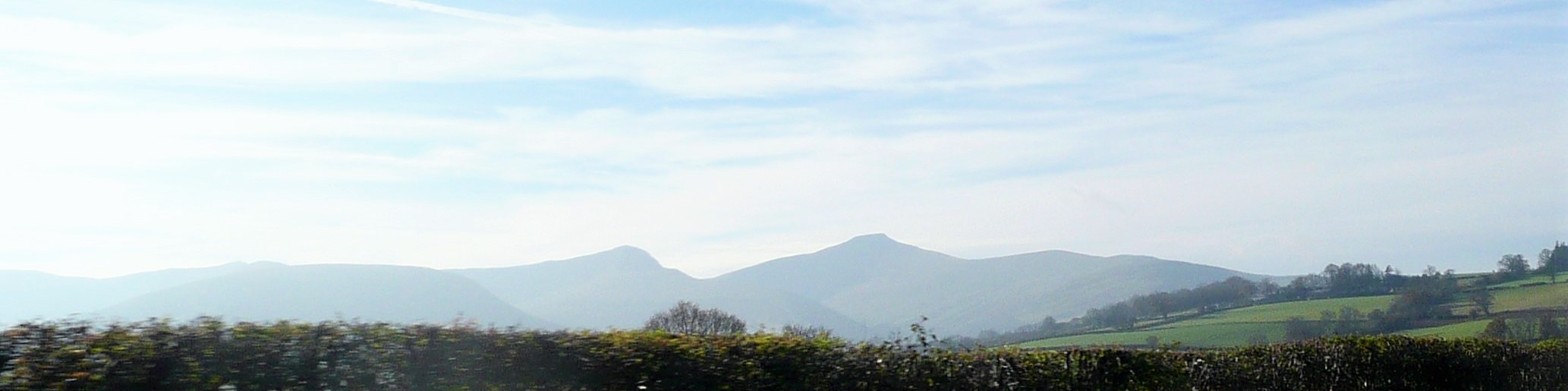
Driving along the northern edge of the Brecon Beacons after visiting Brecon Cathedral we see the peaks in the distance

? PEN-Y-FAN (886M) and GWAUN RHUDD (746M)

? PEN-Y-FAN (886M) and GWAUN RHUDD (746M)


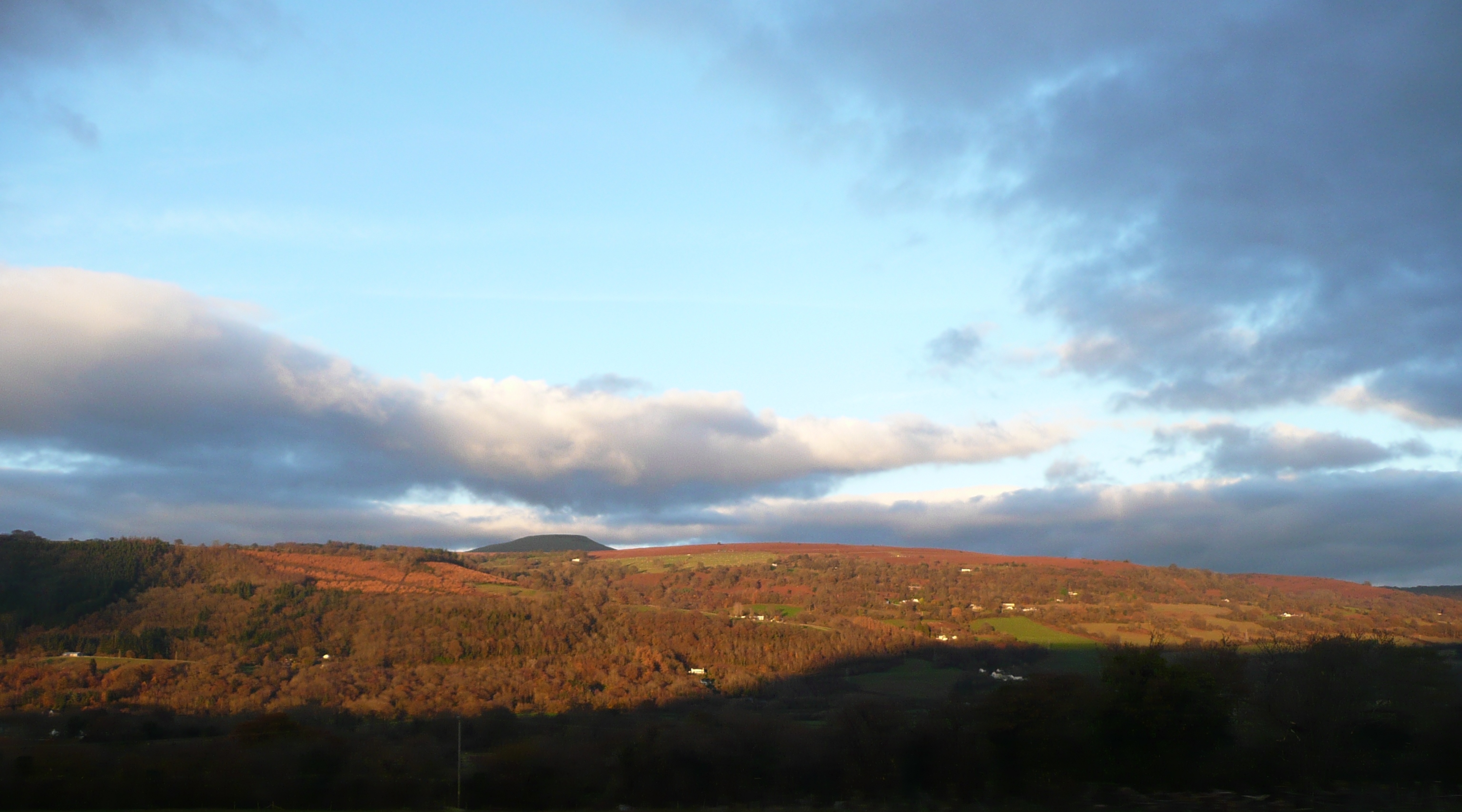
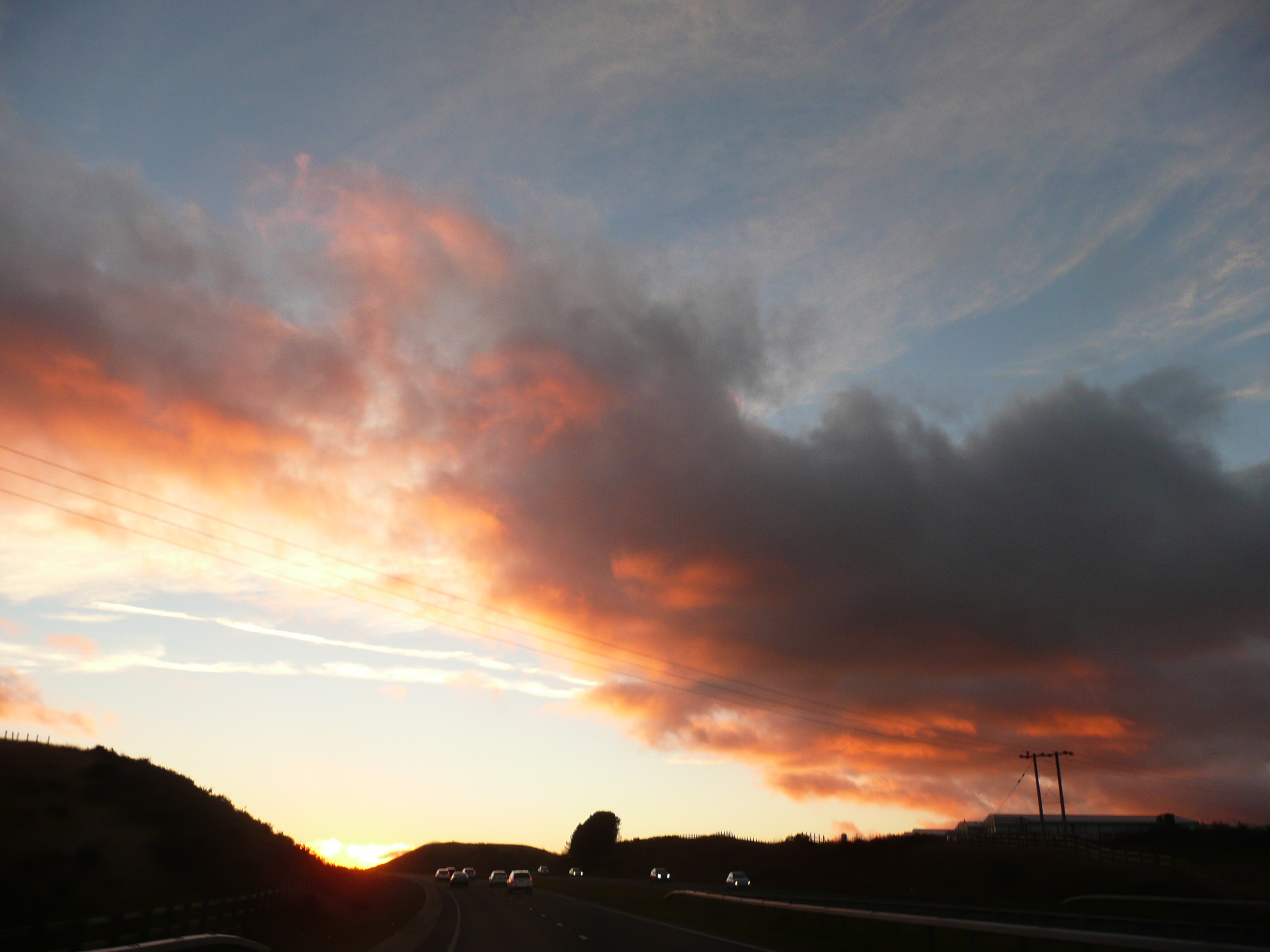
Within the National Park the River Usk separates the peaks of the Brecon Beacons from those of the Black Mountains to the east.  The sun, setting in the west,  bathes the eastern side of the Usk Valley in golden light, beyond is the Sugar Loaf. P1040705 Usk Valley skyAn epic sunset reminds us what a bonus sunny winter’s day we have had in the company of one of our children.

Sunset over Merthyr

Sunset over Merthyr


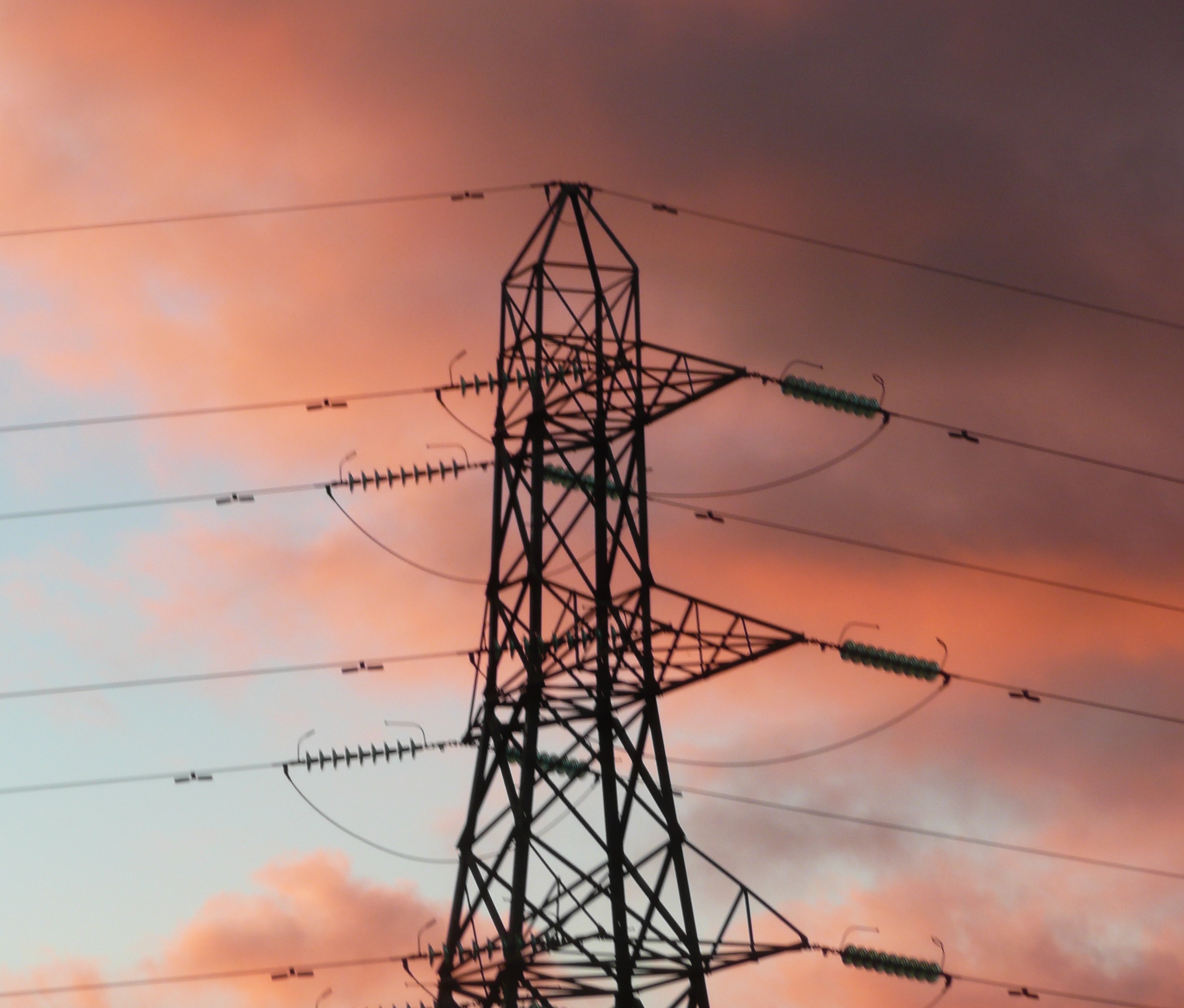
Merthyr Tydfil Pylon

Merthyr Tydfil Pylon


Standard
Doggy, Humour, Wales

Feelgood Friend

P1040495 (2)

I feel another half-baked theory coming on — pet owners live longer than other people, probably just because they are more active (getting up in the night to open doors, clearing up messes, taking long walks, searching for missing balls, disposing of bodies, washing duvets etc.).  This fits in with the bowls and ballroom dancing phenomenon —  any doctor will tell you that their oldest and healthiest patients are those who still engage in these strange physical practices.  The key, it seems, is activity — any activity.

Happiness is also supposed to be good for you and is definitely infectious — perhaps it is a zoonosis (something you catch from animals).

P1040492 (2)

All of this crossed my mind this week-end while on a camping holiday on the Gower peninsula in South Wales — we only went for a couple of days because it’s November and the weather forecast was appalling.  The timing was not negotiable as Alan had been invited on a brewery sponsored trip to see the Scarlets play rugby against Glasgow at Llanelli and Llanelli is just a knock-on from the Gower — I was to pick him up after the match.

He found me in the camper van, parked in Morrison’s car park outside the stadium — I didn’t recognise him, not because of the strangeness and unsteadiness of his gait but for some reason he had donned a flat cap and a muffler — a throw-back to his childhood, perhaps.  The rain was driving and the wind howled around the van  which became super-cooled.

I had booked into the camp-site earlier but it was already dark and stormy.  That was when I made the acquaintance of the owner of the adjacent livery stable — an animated man with a coat over his head who danced  around the camper van in the heavy rain and the glow of my brake lights as I exercised a 17-point turn in his cluttered yard.

As I drove Alan back to the Gower he was relatively oblivious to the idiosyncrasies of my driving style and we found the pitch again with ease, it was the only one with a crooked number which I had adjusted earlier with the near-side bumper.

Next morning I awoke under the pile of duvets and the survival blanket, I was warm– Alan was alive, despite the hot water bottle having fallen out of the end of our bed and into the dogs basket during the night.  The sun was shining through the cracks in the window insulation.  There is something rather wonderful about the quality of the light on the Gower.

Something about the light -- there should be a Gower school of art -- perhaps there is!

Something about the light — there should be a Gower school of art — perhaps there is!

If you like wide open beaches, the Gower is for you.

P1040468 (2)

The sunshine bought out the crowds — we must have seen eight people in the course of the day, most disguised as seals and frolicking in the surf —

P1040577 (2)

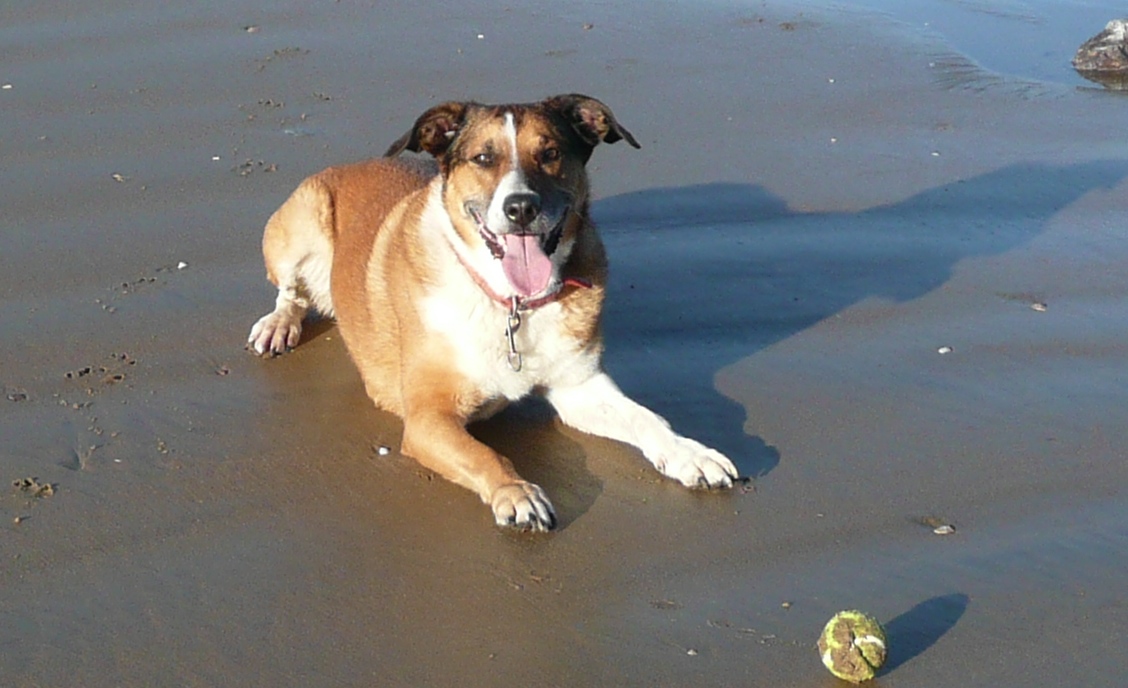
I think wet suits are quite sinister and expected our dog Pedro to pick up 0n this but it seems that they smell rubbery, like ball which is even better than stick and, it turns out, surfers are exactly his type of person.

A dog day that starts with a hot-water bottle is going to turn out well.

The Gower is his sort of place and I am left musing how strange it is that spending a day throwing balls for a wet dog can make a human feel so happy.

P1040486=dog

Standard
Wales

When the mud boiled —

SONY DSC

— steam rose from the Kennel Field and drifted over flaming puddles.  The whole town had turned out but the flames were so high and the heat so great that 3000 souls, un-marshalled, stood back in a perfect circle 30 yards from the fire and the moon looked down from a safe distance.

In Llanidloes, the little town is still laid out in a mediaeval pattern of tightly packed timber-framed houses within an invisible (long gone) pailing rampart.  Not surprisingly then —  on the fifth of November, or thereabouts, everyone troops over the bridge to the site of the sheep fair, outside the town — beyond the pale (long gone), safe on the far side of the Severn, for the Bonfire Night celebrations.

The centre of town is deserted.

The centre of town is deserted.

What are we celebrating?  One suspects that it is nothing much to do with the goings-on of 1605 — it would be un-characteristic for the local population to be much concerned about events in London and, looking at the scale of our fire, it is as well that Guy Fawkes was not a Welshman or the course of history might have been very different.  It probably goes back much further.

SONY DSC

The fifth of November is the traditional day for turning out the tups, putting the rams in with the ewes, and so is really the first day of the sheep farming year.

SONY DSC

Happy New Year!

'The nails in all those pallets could be a problem at future sheep sales'

At the end of the evening — ‘The nails in all those pallets could be a problem at future sheep sales’

Standard
Hill Farming, lifestyle, Wales

‘There’s a man in the ditch who says he’s got a broken leg!’

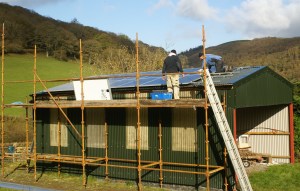
erecting Solar Panels

erecting Solar Panels

‘Sorry to bother you but there’s a man in the ditch who says he’s got a broken leg,’

‘Who is it?’ I ask the worried faces at the kitchen door – one is a workman erecting our solar panels and the other is a white faced lad.

‘Can’t remember, he did say his name,’ says the lad, ‘I nearly ran him over! He told me to get you!’

‘Is it Roger?’ I ask over my shoulder, running towards the gate.

‘That’s it!  That’s his name!’

Roger is our nearest neighbour.

Happier times -- Roger caught shooting our rabbits in his dressing gown

Happier times — Roger caught shooting our rabbits in his dressing gown

He is lying face down in the narrow, shallow gully that runs down between his house and the road, he is darkly dressed and mud splattered and still wearing the world weary cricket hat he had on an hour earlier when he had been in our kitchen drinking coffee. He is perfectly camouflaged but the other workman is standing guard to make sure no one else runs him over.

‘What have you done?’

Roger had skidded on the slippery ramp to his cabin and heard his ankle crunch and snap. He had called and called – we were digging with the digger and no one heard.
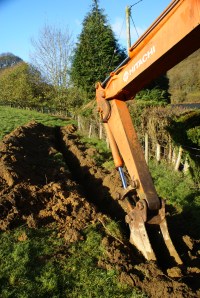
Noisy digger

Noisy digger

He tried to adjust his right foot into a walking position, felt faint and thought better of it. He shouted some more and no one heard. His wife was out and he didn’t know when she would be back, it was raining intermittently and the sun had sunk behind the tall trees and it was getting chilly so he set off to crawl the fifty yards through the long wet grass to the road. He was on his way, commando style, down the ditch towards his front door and a telephone when the man delivering our cable (fortunately young and on-the-ball) narrowly missed him and got out to investigate.

While the workman calls an ambulance, I wrap him in roof-insulating foil and carefully unlace his boot, it does not seem to hurt him too much.

‘Perhaps is just a sprain?’ he says.

‘Perhaps it is, can you roll over and we’ll have a proper look,’ He rolls over and his booted foot flops into a strangely unnatural posture.

‘Woops! Roll back Rog.’

We remove his boot with the foot pointing in its normal direction – aided by gravity. It is warm and not all that tender or bruised and I can feel several pulses – we wrap it up to keep it warm and await the ambulance. Several vehicles come along – all stop, the drivers get out and join in. One wraps his fluorescent coat into a bundle and puts it under Roger’s head. Someone else gives him a lighted cigarette. A police van arrives, the first we have ever seen in these parts, it is only passing through but the driver waits patiently behind the log-jam of other vehicles and chats.

Roger is feeling quite warm and becoming positively effusive – I’ve noticed this before – something to do with adrenaline, I think – people can seem at their very best when they are quite near to their very worst, it is probably the secret of most heroism — it won’t last!

‘Here it comes!’ the look-out shouts and a big yellow ambwlans sweeps onto the scene — we are chastised for the smoking. Roger is loaded and someone slips his rolling tobacco and papers into his soggy pocket. The doors of the ambulance are closed. I am sent to find some dry clothes – not easy in someone else’s home. I do the best I can. I am then dispatched to find his medication.

Meanwhile his wife arrives, shocked by the sight of the ambulance and surprised to find the paramedic dressing her husband in drag – she retrieves her clothes indignantly and makes haste to procure more macho garb, she also manages to find his pills and off he goes.

Later that night his wife returns from the hospital at Aberystwyth – he is to have his ankle surgically pinned the following day. By then she has washed his wet clothes and pegged them out.

‘What do you think I should do with his tobacco?’

‘He won’t be able to get out, to smoke.’

‘No, I know that — it’s been through the washing machine.’ We both peer into the packet, ‘it’s only a bit damp.’

Get well soon, Roger!
Standard
Humour, Wales, Welsh culture

The Strange Case of the Renegade Lemon.

?????????????????????????????

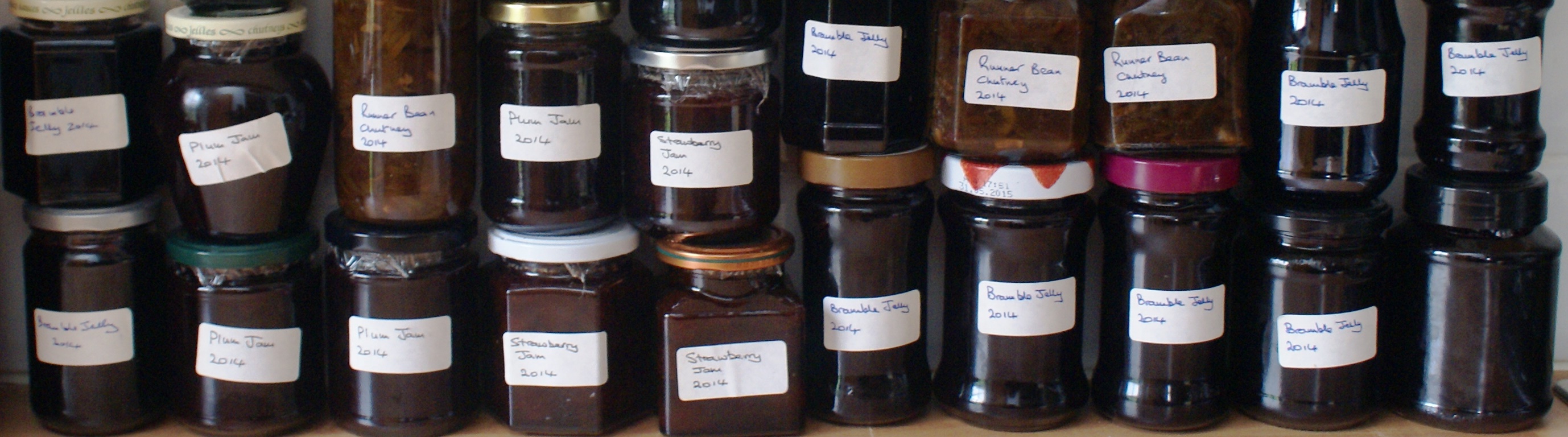
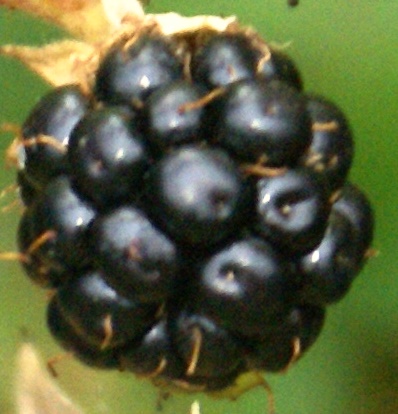
It is that time of year when something in the quality of light, the mist or the day-length, or the heady scent of sun-warmed blackberries in the air, turns the mind to jam. I hardly ever eat jam but nevertheless the compulsion to forage for jam jars in charity shops is irresistible.  One day last week I went home with a complete stranger who thought she might have some spare jars under her sink.

In an area like Mid-Wales where we all spend more time in natural light and so are primitively tuned by the seasons — I am not alone.  I pick up the last bag of sugar from the super-market  — ‘we’ve run out three times this month’. says the lady at the check-out, ‘I don’t know why!’

‘Bake-off!’ says a young man from another planet who is queuing with his minimum-price-per-unit-of-alcohol lager.

‘Jam!’ says the pretty girl with the toddler who is transferring lemons from his mother’s basket onto the conveyer belt.

‘What a useful little boy!’ says I, ‘Lemons!  I need lemons!’  I rush off to grab two — two large unwaxed lemons, I remember it is two because I work out the economics of it ( two large ones  for 80p versus five little economy ones in a net for £2.00 — bastards!)

When I get back to the checkout my husband has arrived and the lady has already put my other shopping through  and is starting on the pretty girl’s– I thrust my two lemons at the lady who adds them to my tally and takes my money as my husband embraces the shopping (bags cost 5p in Wales and I am forgetful and mean) —  we struggle out with arms full of disparate shaped packages and bottles all determined to escape even if perishing in the attempt.

By the time we get home they are more compliant — even the three lemons.  Three lemons!  We’ve only gone and stolen one of that poor girl’s lemons…  And after she reminded me!

Now something very Welsh occurs.

I go to my neighbour down the lane and have a nice glass of Pinotage — that’s not it.  She used to work with the young man buying lager in the previous paragraphs, I recognised him, the one who was chatting to the pretty girl with the toddler — well he would, wouldn’t he?  My friend rings him — he doesn’t say ‘Ah yes, she’s a cousin to my brother’s wife,’ but he does know her sister and, unusually for Wales, he knows her surname which is not Jones — she doesn’t live here but told him that she is visiting  her Dad.  Bingo — we’ve got her.

‘But how did you find me’, she asks somewhat anxiously.  Oh dear, has she come home to Wales to escape a stalker, an abusive husband or the Inland Revenue, has she stolen away this attractive child and come to ground in the middle of nowhere only to be given away by a renegade lemon.

No, she remembers where she is.  She relaxes.  She thanks me for the lemon.

Glenys, the Lemon — that is who she is now, in our local nomenclature, like Dai Bread, the baker, who won the lottery and became Dai Upper-crust!.

?????????????????????????????

?????????????????????????????

Standard
Ecology, Wales

Images of Summer


Bloodsucker on Ragwort

Bloodsucker on Ragwort

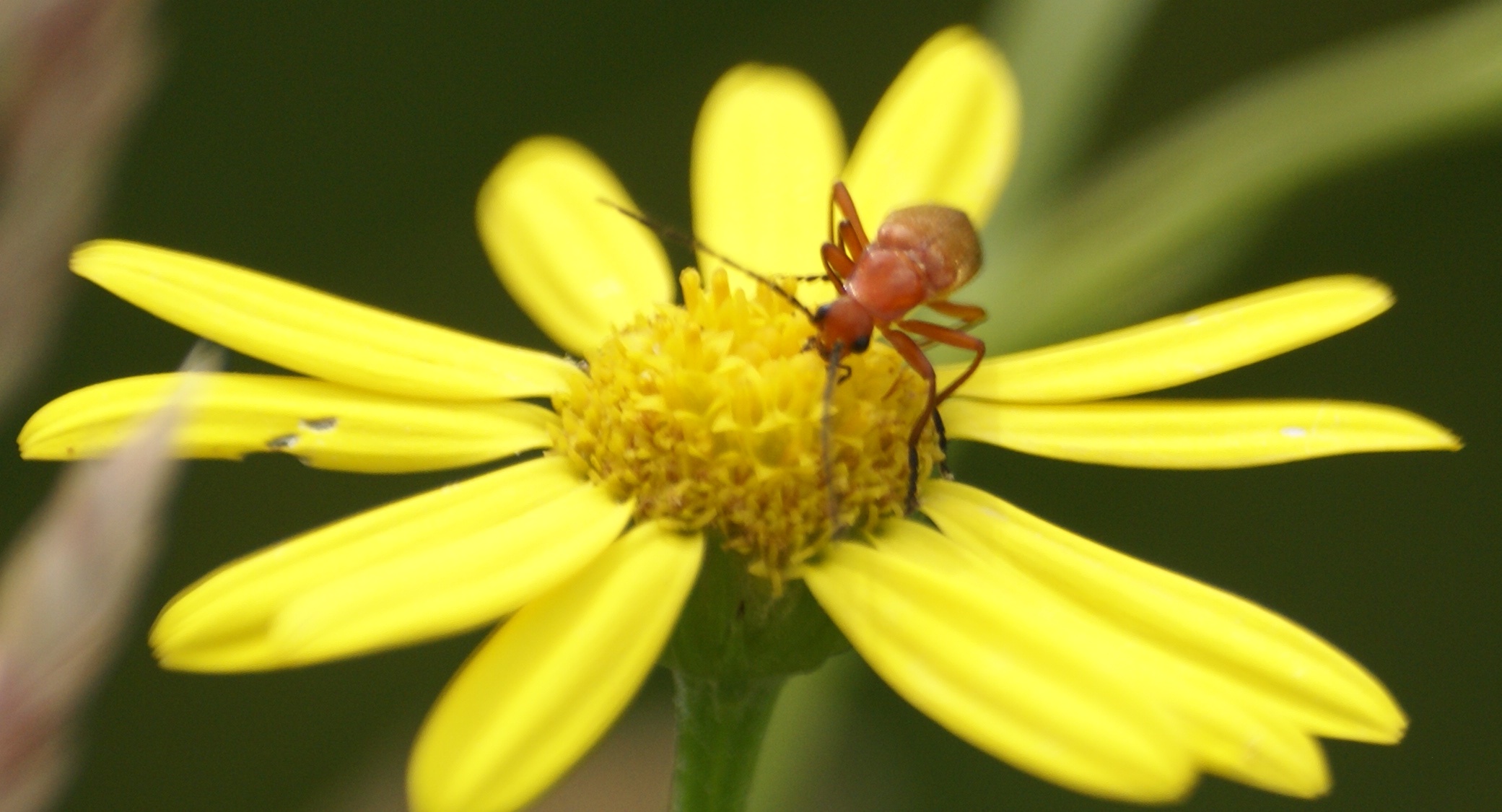
The sight of this flower beetle takes me back to the sunny meadows of childhood where holding one of these bloodsuckers was a right of passage!  Misnamed, they hunt the flower heads for tiny insects although this one seemed to be drinking nectar.

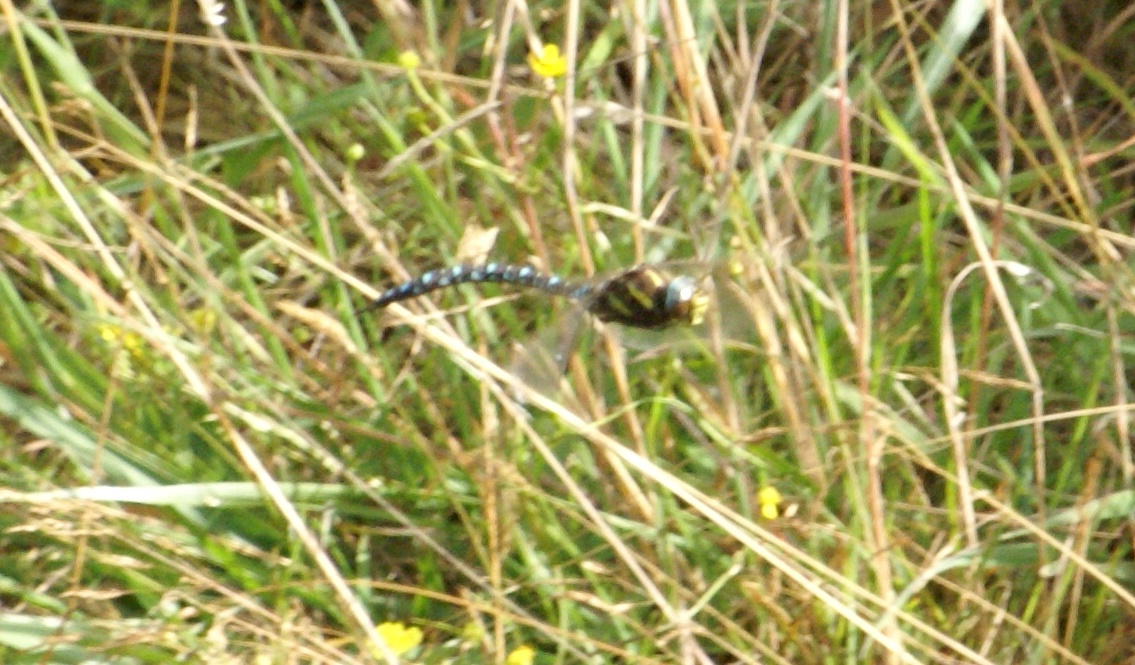
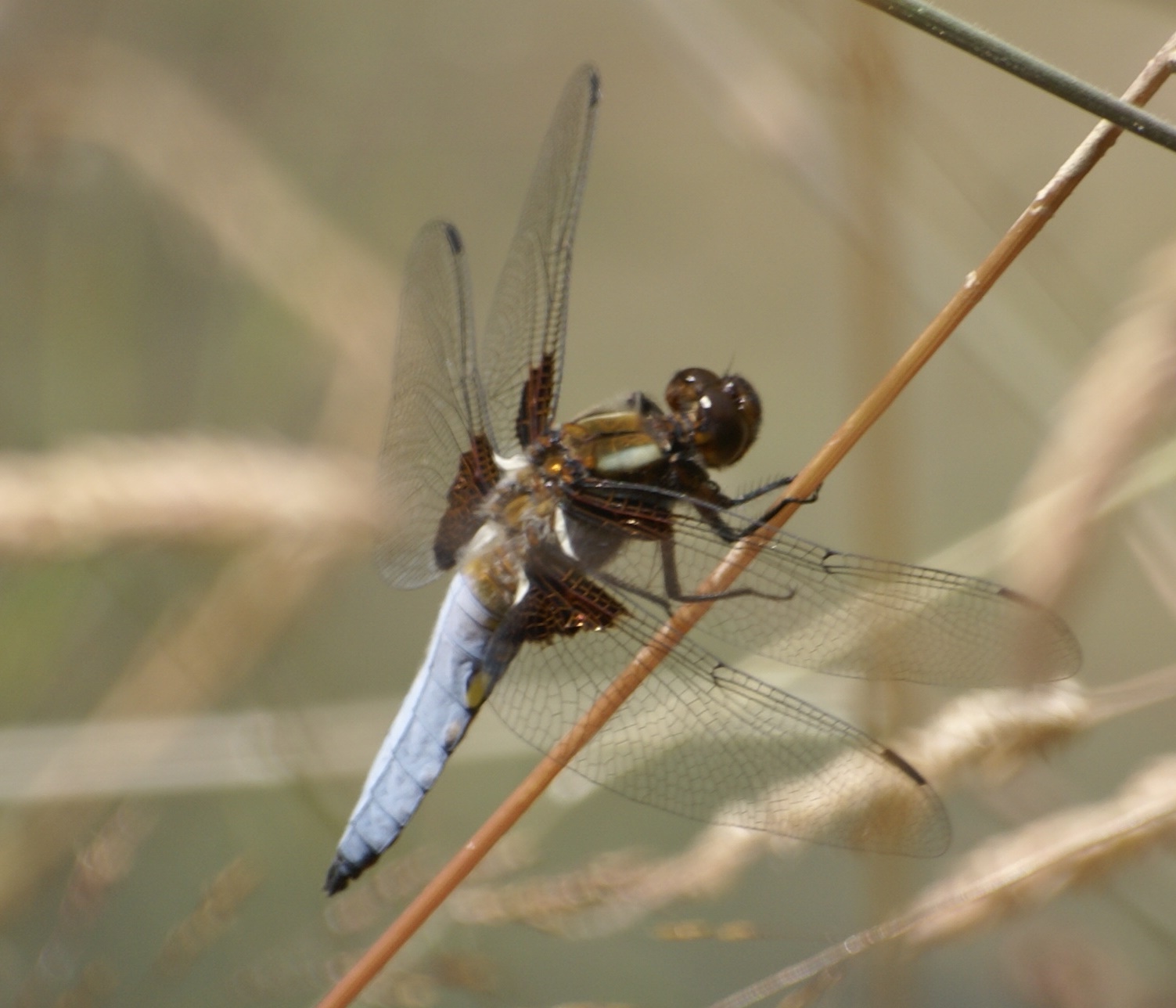
Fairies gambol and flit by the pond — dragonflies whizzing past my lens at the speed of sound — boom!  I know — shutter speed too slow!

Dragonfly

Dragonfly

Dragonfly I took last year

Dragonfly I took last year

Cheating -- a blue chaser from August last year!
Cheating — a blue chaser from August last year!

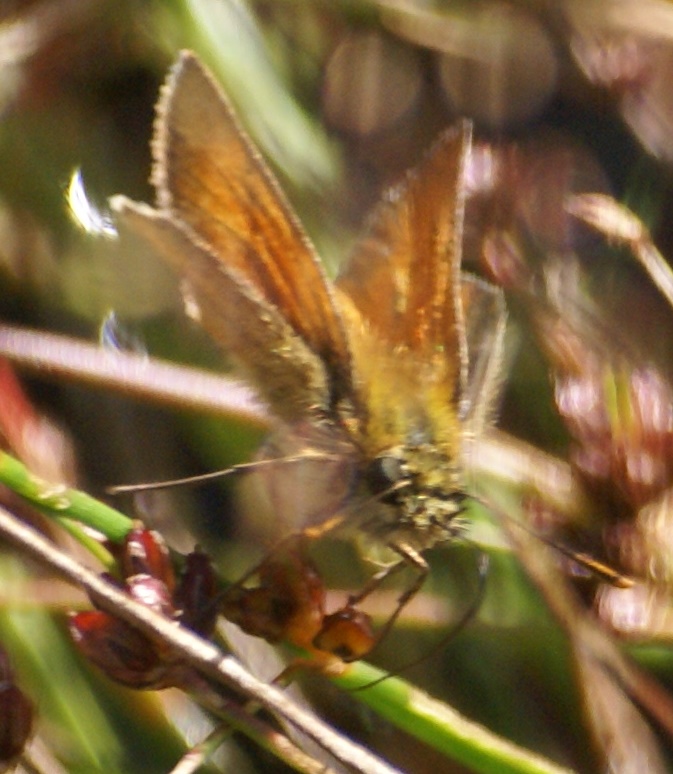
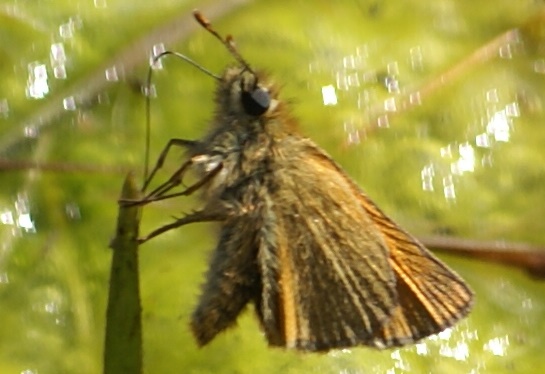
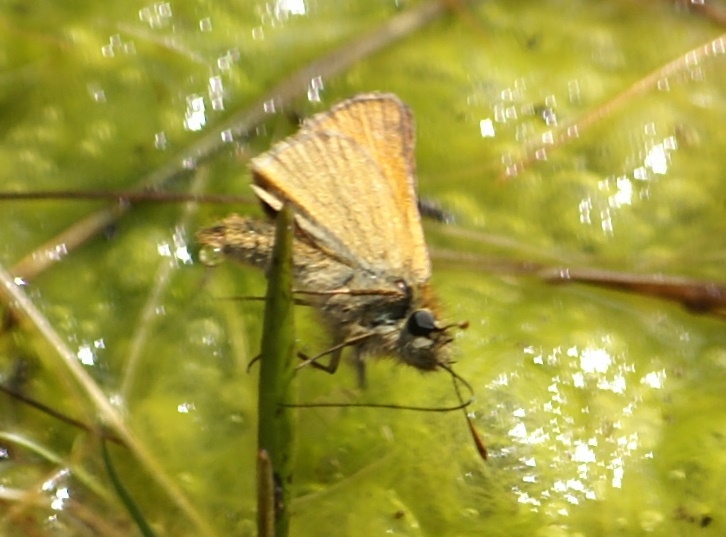
Just above the water of the pond, perched on a rush, is a tiny skipper — it seems to be laying eggs.

Orange Skipper

Orange Skipper — not clearest image

Skipper

Here she is again

Skipper

Skipper with her tongue out

Skipper laying Egg?

Skipper laying Egg?

Orange Skipper

Impressionist image of Orange Skipper

In the back-ground on this idyllic day is the sound of this little chap, well thousands of him, and not heard often in wet Wales!

Can you see the Meadow Grasshopper?

Can you see the Meadow Grasshopper?

Sorry — not always the crispest of images but I am working on it!

Standard
Ecology, Wales

Grass Roots Bio-Diversity.

Here’s a political picture: four man-made layers  — you just know it’s wrong.

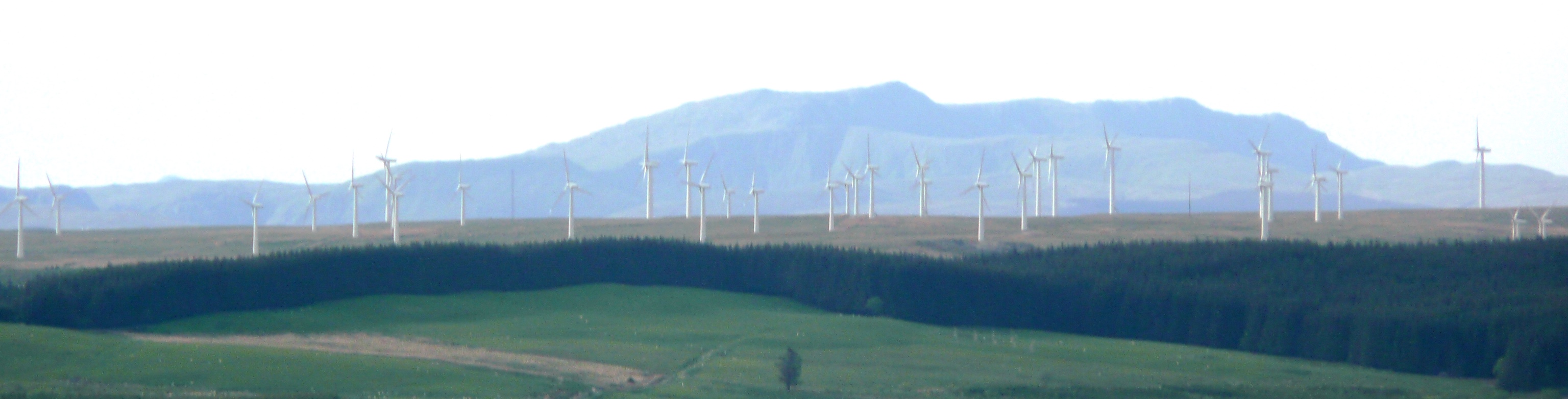
From the top -- over-grazed, windfarm on peat-bog, desolate, monoculture pine forest and modern farming

From the top — over-grazed mountain; wind-farm on peat-bog; desolate, monoculture pine forest; mechanised farming

In contrast, the farmland we tend here in Wales is designated by the Government as 100% habitat (which is probably true of most places if you know what you are looking at) — but it’s official,  half our land is ‘oak and wild hyacinth’ — bluebell woods to you — ancient woodland that was felled after the war for pit-props for the economic recovery and grazed until 2006 when the Forestry Commission, with unusual wisdom, offered us a modest grant to replant and, more importantly, to exclude grazing for 15 years.

So for the last 8 years this land, nestling under the old hill fort has been spared the ravages of the hardy native sheep that we love but whose mission is deforestation. ????????????????????????????? I never understand why folk get so enthusiastic about protecting the bleak moorlands of this area that are scoured bare by unnatural numbers of hungry sheep when, if left to its own devices this land would be broad-leafed woodland bursting with wild flowers, song birds and little furry creatures!

Couldn't resist a little furry creature!

Couldn’t resist a little furry creature!

So here we are — our saplings, oak, hazel,rowan, aspen, alder, wild cherry and holly wrestle with self-sown birch and willow and the creeping shoots of blackthorn and hawthorn which insinuate themselves from the old hedgerows.   They were planted naturalistically (not in rows), not to confuse the tree counters from the ministry, that was inadvertent (a happy accident) but to give them a head start and to make the wild-life feel at home.  In the wet gulleys the alders are already 5 meters high in places.  I don’t like to embarrass them but they are sexually mature with lots of little cones, the rowan have berries and this year for the first time there are wild cherries!  Some of the oaks are taller than me (I sound like a parent) and in the spring and early summer the foliage on the new growth is bright red.

Red leaves on the new growth

Red leaves on the new growth

Our new old wood is very young and we will need to maintain the glades and open areas — it would be nice to re-introduce a charcoal burner or an oak tanner, sadly extinct, to maintain the woodland clearings  where the meadow-sweet can grow as it does now in the floor of our little dingle.

Imagine the vanilla perfume, the hum of bees and the tintinnabulatiion of the stream

Imagine the vanilla perfume, the hum of bees and the tintinnabulatiion of the hidden stream

Fruiting moss -- once harvested for florists - you sink into it like green snow.

Fruiting moss — once harvested for florists – you sink into it like green snow.

The land looks wild but cut back the undergrowth a little and you will find signs of quite sophisticated engineering from long ago, built by hand with shovel and river-stone.

Drainage culvert

Drainage culvert

And beware invaders when you clear ground; where we dug out a hidden culvert in the spring to unblock it and release the pond that had squatted along our track, we now have a bank of rose bay willow herb.

Rose Bay Willow Herb flourishes on any bare ground.

Rose Bay Willow Herb flourishes on any bare ground.

What amazes us is the variety of plants and animals that show themselves as the year progresses; every week the micro-landscape changes as the colours and shapes reflect the constantly changing balance within the ecosystem.  As taller plants like the ferns, the miriad tall grasses, the foxgloves, meadowsweet and the parsleys grow up and take the light,  the undergrowth of smaller plants, the mosses, shamrocks, wood anemones and bluebells, having flowered while they can  are obscurred and you have to wade, shoulder deep in a tangled profusion of humming, scented, sometime prickling, jungle.  The lushness and fertility of it all just knocks your socks off!


The other half of our land is ‘severely disadvantaged’ and ‘unimproved’ pasture (what a cheek!)  that we work hard to maintain without recourse to chemicals or artificial fertilizers — we hack down the bracken and dig out the gorse and cut the thistles just before they seed and we harrow the mole hills and we mend the fences and the sheep do the rest!

Sheep in the meadow -- once the orchisa have seeded.

Sheep in the meadow — once the orchids have seeded.

Standard
Wales

First Footprint in the Sand

It is exciting to discover the unexpected — that’s the marvel of Wales.  You can walk over a hill and stumble into the unexpected –not an upland bog but a Roman hill-fort,  a medieval rabbit warren, a bronze age settlement or simply an unbelievable view.  Often there is nothing on the map — many minor ancient monuments remain unknown or long forgotten.

Yesterday my daughter and I went to explore the Dysynni Valley where we knew there was a magic castle, now ruined, in what my daughter described when we got there as probably the most beautiful place she has ever been.  There is a sign from the road and a single information board at its entry which is a wooden kissing gate with no fasten, no attendant, no charge and no sign of any other visitors although we did come across two elderly couples coming down the path as we walked up.

?????????????????????????????

Castell-y-Bere was built by Prince Llewelyn ab Iorwerth (the great) in the 1220’s, it was captured by the English under King Edward I, from Llewelyn’s grandson (Llewelyn ap Gruffudd — pronounced Griffith– and not so great) in 1282 and later abandoned by the English after a considerable battering and a fire in about 1294 at the hands of Madoc ap Llewelyn.  It was never very practical as it could not be supplied by sea.

The views are stunning.  There is a wide flat valley where one can imagine the sea coming into the estuary and washing the lower ramparts  and breaking against the nearby tall sea cliffs — but this was not the case —  the sea had long gone even then but the birds that nested on this rocky coast have always remained.

Bird Rock

Bird Rock

Yesterday, as we looked up at Craig yr Aderyn, Bird Rock, towering nearby, there was only one thing we bold explorers could do in the spring sunshine perfumed by may blossom  — we had to climb from the castle mound to the top of the ancient sea-cliff to look down.

We passed not a single human, there were no signs and no restrictions, only one love-lorn chaffinch singing most beautifully to its mate in the tree above and so absorbed that he was oblivious to us and our dog.

?????????????????????????????Further up the path the hardy sheep were not so amenable, they stamped their feet aggressively at Pedro on his best behavior and on a lead and when one of these ginger-footed psycho-sheep found itself separated from the rest it squawked like  the eponymous creature of the rock…  Then lost its nerve and ran behind an outcrop to hide.

Psycho-sheep

Psycho-sheep

????????????????????????????? After an 850 foot climb we were on top of the world, looking down.  We saw the sun sinking  towards the sea in Cardigan Bay — a bird’s eye view of the valley.

Cormorants stand on the highest outcrops of the cliff face stretching out their wings to dry in the evening sun, this is their only inland nesting site in Wales.  We can look down on circling gulls and strain our eyes to pick out the red beaks of the choughs (pronounced chuffs — shiny black crows with finger-tipped wings, red down-turned beaks and red legs). This is one of their rare nesting sites, a place where the sheep graze down the sward and no-one kills the insects — just how they like it.  Here they wing their way around the crags throughout the year having aerial skirmishes with gulls and swooping down to bounce off the side of the steep hill.

As we came down, picking our way over a bank of stones which meanders around the side of the summit farthest from the valley we remarked that it looked like a fallen dry stone wall, but then there were two larger mounds of haphazard stone — perhaps not entirely haphazard —  we can see courses, still just discernable in the heap — a tumble down watch tower perhaps — there you go again — ?????????????????????????????first footprint in the sand…  Turns out there were two — towers, not footprints!.


Standard
Wales

Hiraeth

?????????????????????????????

 Hiraeth — one of the most important words in the Welsh language yet without an exact equivalent in English — that says it all really.

An Englishman would say homesickness — a negative feeling that unsettles you and stops you doing your job properly.  In the Celtic vernacular hiraeth is a sense of incompleteness tinged with longing — it embodies the spirit, the beauty of the landscape and the belonging.

It is that feeling we have at dusk, in the bluebell wood — it is love — it is God —  it is home.

Standard