Wales

First Footprint in the Sand

It is exciting to discover the unexpected — that’s the marvel of Wales.  You can walk over a hill and stumble into the unexpected –not an upland bog but a Roman hill-fort,  a medieval rabbit warren, a bronze age settlement or simply an unbelievable view.  Often there is nothing on the map — many minor ancient monuments remain unknown or long forgotten.

Yesterday my daughter and I went to explore the Dysynni Valley where we knew there was a magic castle, now ruined, in what my daughter described when we got there as probably the most beautiful place she has ever been.  There is a sign from the road and a single information board at its entry which is a wooden kissing gate with no fasten, no attendant, no charge and no sign of any other visitors although we did come across two elderly couples coming down the path as we walked up.

?????????????????????????????

Castell-y-Bere was built by Prince Llewelyn ab Iorwerth (the great) in the 1220’s, it was captured by the English under King Edward I, from Llewelyn’s grandson (Llewelyn ap Gruffudd — pronounced Griffith– and not so great) in 1282 and later abandoned by the English after a considerable battering and a fire in about 1294 at the hands of Madoc ap Llewelyn.  It was never very practical as it could not be supplied by sea.

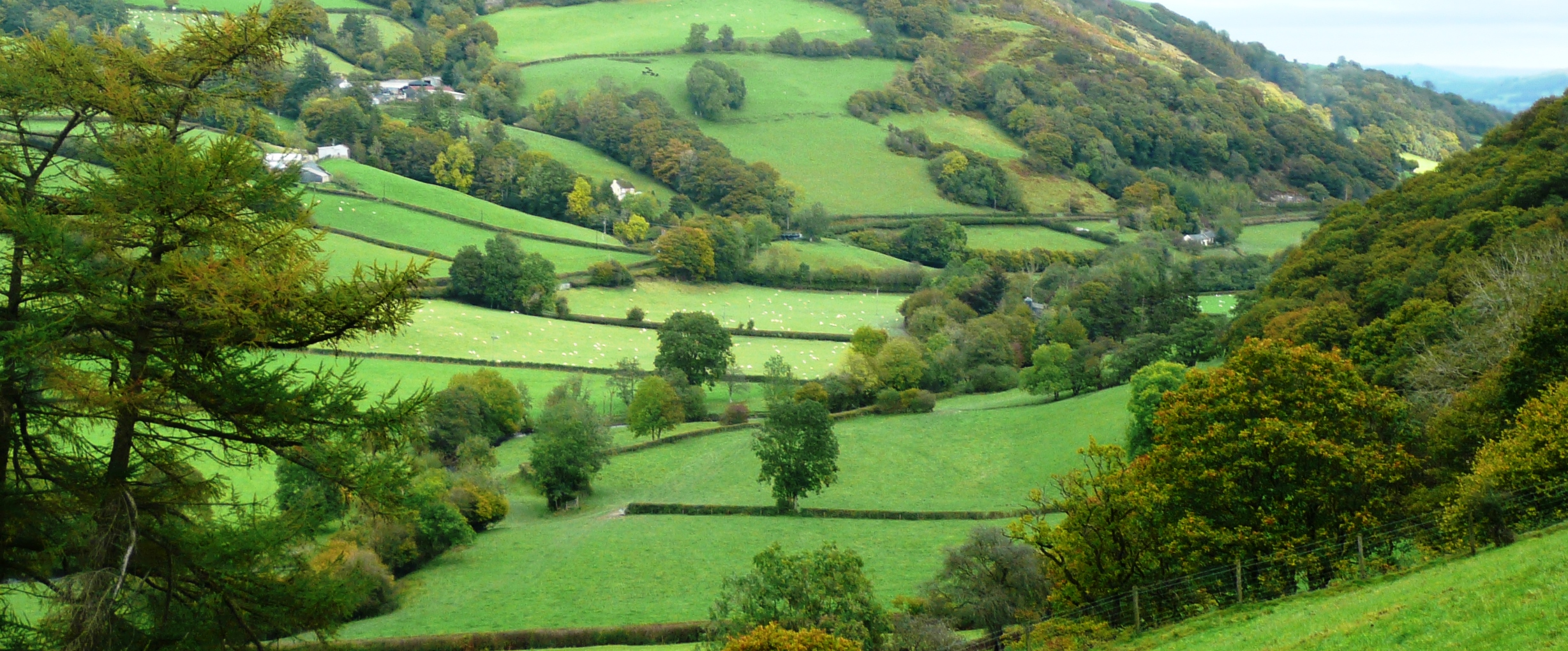
The views are stunning.  There is a wide flat valley where one can imagine the sea coming into the estuary and washing the lower ramparts  and breaking against the nearby tall sea cliffs — but this was not the case —  the sea had long gone even then but the birds that nested on this rocky coast have always remained.

Bird Rock

Bird Rock

Yesterday, as we looked up at Craig yr Aderyn, Bird Rock, towering nearby, there was only one thing we bold explorers could do in the spring sunshine perfumed by may blossom  — we had to climb from the castle mound to the top of the ancient sea-cliff to look down.

We passed not a single human, there were no signs and no restrictions, only one love-lorn chaffinch singing most beautifully to its mate in the tree above and so absorbed that he was oblivious to us and our dog.

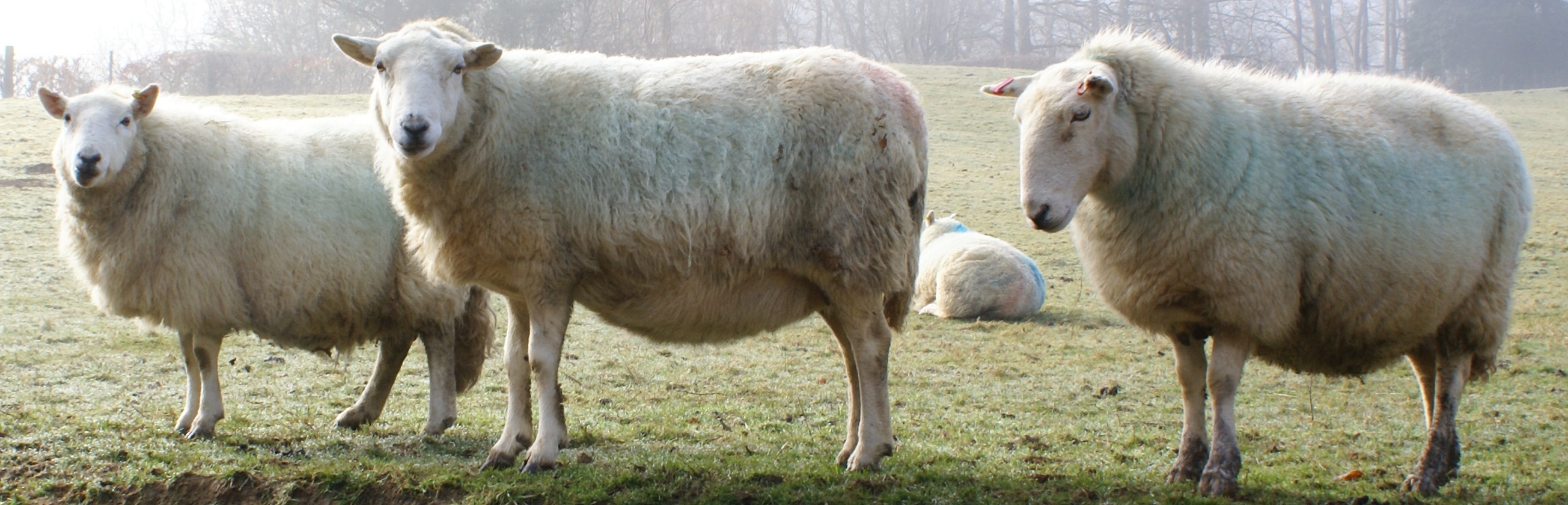
?????????????????????????????Further up the path the hardy sheep were not so amenable, they stamped their feet aggressively at Pedro on his best behavior and on a lead and when one of these ginger-footed psycho-sheep found itself separated from the rest it squawked like  the eponymous creature of the rock…  Then lost its nerve and ran behind an outcrop to hide.

Psycho-sheep

Psycho-sheep

????????????????????????????? After an 850 foot climb we were on top of the world, looking down.  We saw the sun sinking  towards the sea in Cardigan Bay — a bird’s eye view of the valley.

Cormorants stand on the highest outcrops of the cliff face stretching out their wings to dry in the evening sun, this is their only inland nesting site in Wales.  We can look down on circling gulls and strain our eyes to pick out the red beaks of the choughs (pronounced chuffs — shiny black crows with finger-tipped wings, red down-turned beaks and red legs). This is one of their rare nesting sites, a place where the sheep graze down the sward and no-one kills the insects — just how they like it.  Here they wing their way around the crags throughout the year having aerial skirmishes with gulls and swooping down to bounce off the side of the steep hill.

As we came down, picking our way over a bank of stones which meanders around the side of the summit farthest from the valley we remarked that it looked like a fallen dry stone wall, but then there were two larger mounds of haphazard stone — perhaps not entirely haphazard —  we can see courses, still just discernable in the heap — a tumble down watch tower perhaps — there you go again — ?????????????????????????????first footprint in the sand…  Turns out there were two — towers, not footprints!.


Standard
Wales

Hiraeth

?????????????????????????????

 Hiraeth — one of the most important words in the Welsh language yet without an exact equivalent in English — that says it all really.

An Englishman would say homesickness — a negative feeling that unsettles you and stops you doing your job properly.  In the Celtic vernacular hiraeth is a sense of incompleteness tinged with longing — it embodies the spirit, the beauty of the landscape and the belonging.

It is that feeling we have at dusk, in the bluebell wood — it is love — it is God —  it is home.

Standard
Hill Farming, Sheep, Wales

Square Sheep

Eighteen sheep jostle me as I try to count them again, ‘Stand still!  Sixteen, seventeen, eighteen.’ There should be nineteen – nineteen beautiful (well to me they are), pregnant ewes of the hardy Welsh Mountain variety.  ‘One of you is missing – what’s happened?  What’s going on?’  No one answers.  Well, they all do, they baa but they are looking curiously at me.

?????????????????????????????‘What’s the hold up!  Get the nut’s out!’ that is what they are baa-ing.

?????????????????????????????Sheep always stick together.  I scan the hillside.  On the crest of the hill, only just visible, by the edge of the field where the oak trees overhang there is something ominously wool coloured.

‘Oh no!  I can’t bare it!’ only the day before I had boasted about our low mortality.  I had tempted fate…  Pride comes before a fall…  Axioms jostle truisms in my head as I stride up the hill pursued by baas.

By the time I reach the gate of the top field I can see the large, motionless body of a sheep, with its legs in the air, like an upturned coffee table,  ‘Please God,  not a dead sheep.’  At that moment one leg gives a twitch – I run the last hundred yards up hill.  Is she sick – in her death throws or is she cast?

Cast is when a sheep gets onto her back – for some reason sheep don’t work very well when they are upside down.  It’s quite an advantage for the shepherd – if you want to do something to one you can turn it over and it won’t struggle – it’s not such an advantage to the sheep.  Once they get onto their backs they can just lie there with just a few little kicks until they die.

This sheep isn’t dead.  She is hugely pregnant.  I check her ear tag:  9229.  She is Square Sheep, that is her name – they are not supposed to have names but she is one of our oldest and cleverest (though not today) and she has a magnificently heavy fleece which makes her look almost as wide as she is long – hence Square Sheep.

I gently and slowly roll her downhill until she is the right way up and she struggles to her feet, staggers sideways, falls over and rolls onto her back again, straight back to inverted coffee table.

This time I roll her to nearly the right way up and hold her there for a few minutes talking to her encouragingly and thinking about twin-lamb-disease and the staggers and all the other falling-over conditions that can afflict a sheep.  Once she has calmed down I loosen my grip and move away.  She struggles slowly to her feet and stands for a while before moving away unsteadily, tacking and with splayed legs, like a sailor back on land after a long voyage.

In the distance a quad bike revs, the cavalry is coming, and below the other sheep stand, an ovine smear across the field, watching us walk slowly down.  All eyes are fixed on the old ewe as her confidence increases and her dignity returns.

?????????????????????????????Square Sheep — Fully recovered

Standard
Democracy, Local History, Wales

Time warp

Llanidloes hasn’t changed much in two hundred and fifty years.  Take away the cars, cover the yellow lines with horse manure and replace the plastic awnings of the market stalls with canvas ones and you could be back in 1749 when John Wesley, evangelical Nonconformist rode into town and stood and preached on the stone by the market hall where dogs today, as they have for centuries, cock their legs.

?????????????????????????????

?????????????????????????????

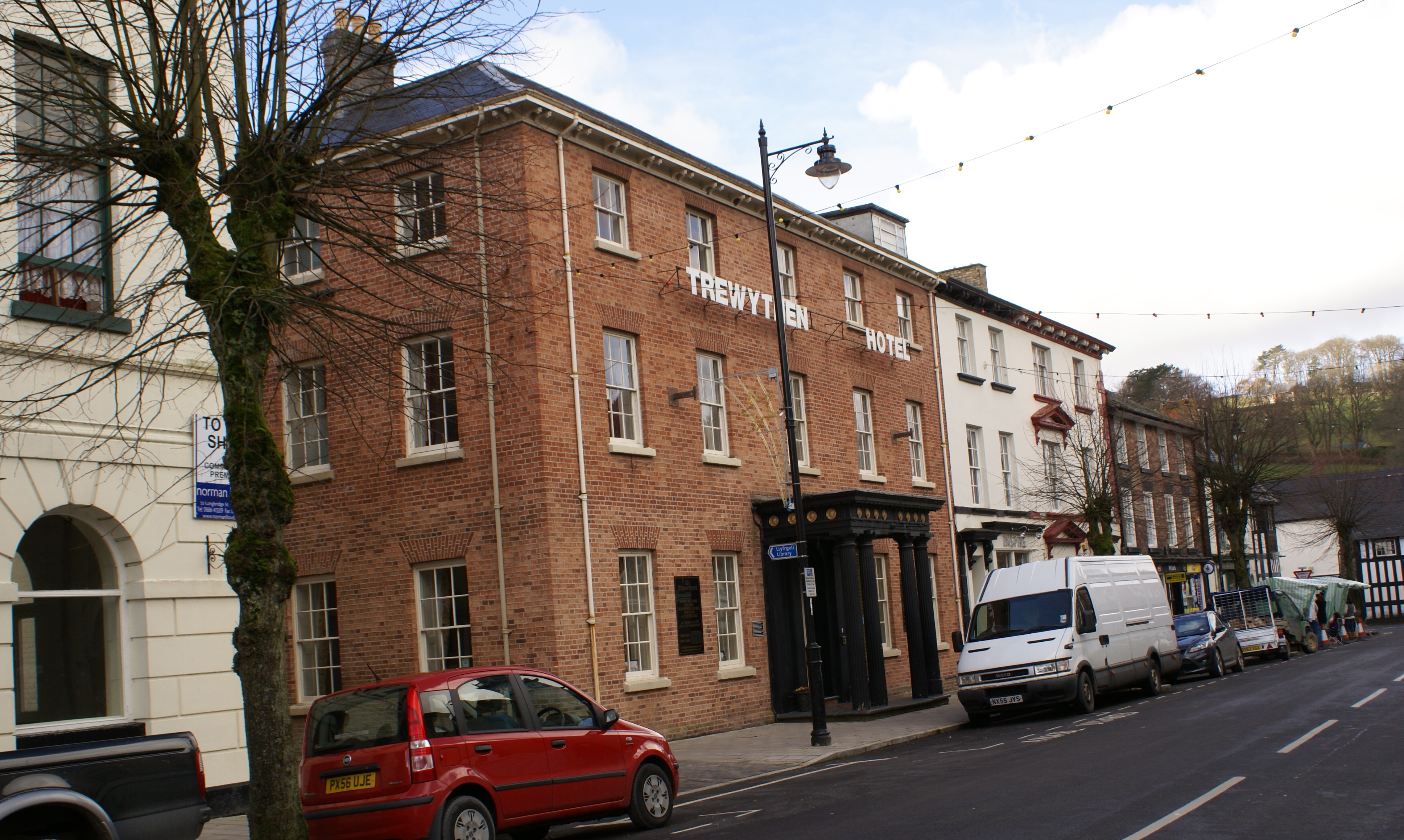
1839 was the year that the people of the town rioted because three London police constables were sent to arrest the leaders of the town’s Chartist union.  The Chartists believed in one-man-one-vote, a secret ballot, annual elections, pay for Members of Parliament and the abolition of financial and property qualifications for MPs and that each parliamentary constituency should contain the same number of voters.  That is all.  The authorities were so unnerved that the little town of two thousand people was occupied by the military for twelve months.  It had taken five days for the troops to arrive in this remote part of Wales and this was known as the ‘Five Days of Freedom’, our ‘Celtic Spring’.

Townsfolk stormed this building to free the Chartists

Townsfolk stormed this building to free the Chartists

Yesterday was St.David’s Day, and the market was held as it is every Saturday and has been for centuries:

It is the first town on the River Severn, set in the most beautiful countryside, a good place for the dawn of democracy and a cracking place to do your shopping.  The small independent shops and market stalls, between them, can  service the towns every need.

Standard