animal psychology, Humour, Neurophysiology, Sheep

Why don’t sheep laugh?

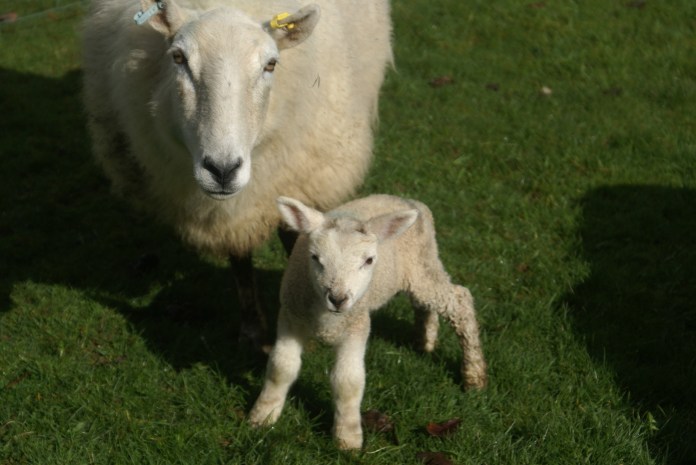
When I fell over in the snow the sheep didn’t fall about laughing, they were just perplexed — couldn’t work it out.  They know, you see, that humans are vertical creatures (everyone knows that!)  Horizontal humans just don’t make sense — it’s unthinkable.

When we humans have our preconceived notions challenged, when a paragon of respectability is caught with his trousers down or a judge is spotted slumped in a corner with a glass in his hand and his wig skew-wiff, we giggle and move on.  A sense of humour helps us think the unthinkable, it is great, it helps us accept the apparently unacceptable and we enjoy it.  I think that’s part of what it’s all about — broadening our minds!

Poor sheep: no sense of humour and they still can’t get their heads around it.

Standard
Literature

The Windrush Babies

The Windrush Babies is a new book written under the pen-name CB – and yes, it does ring a bell! The Empire Windrush was that boat that brought the first Caribbean immigrants to the UK in 1948 – you’ve seen it on newsreel clips.

I discovered it when I sat next to CB on a long distance bus recently – National Express is a marvellous institution for broadening one’s experience, unlike trains, people talk on buses!

We talked all the way to Birmingham (pity the man behind, trying to sleep) – what an interesting young person (not the man behind). Just before getting off, for the connection to Chester, CB mentioned the book – “it was in my head and I just had to write it – but it’s written now and I’ve put it up on Kindle and we’ll just have to see what happens!”

No launches, real or virtual. No interviews on local radio, no Facebook campaign but it’s out there – on Kindle, which is much easier than I thought – it seemed to be free but I don’t have a Kindle but it didn’t seem to matter – I paid my money (£7) and got a link to the Kindle Cloud on which I clicked and it took me to the right page and I read – simple!

And it’s a simple story, The Windrush Babies, but with a complex and powerful emotional punch. It’s anecdotal, light, amusing but builds to an awful truth. It’s a child’s view, a study of the human cost of migration and never has it been more relevant. Don’t be sniffy about the odd formatting idiosyncrasy or stray comma – feel the narrative.

It is full of contrasts – written with Jamaican dialogue and a scholarly vocabulary. There is blind selfishness rubbing shoulders with the ultimate in self-sacrifice. It is a celebration of family and of mother-love, riddled with foreboding – you really should read it. I would hate it to go un-noticed!


Thanks to UlyssesThirtyOne for the header image entitled ‘When the World is Against You’. (CC BY 2.0)
Standard
Medical, Sheep

The Mystery of the Missing Ears

Our friend Tony told me about the flock of sheep fed on oil-seed rape, when it first became a popular crop in Britain. (It might have been in 1976 that famously hot dry summer.) The sheep gained weight like never before but lost their ears! It was a mystery.
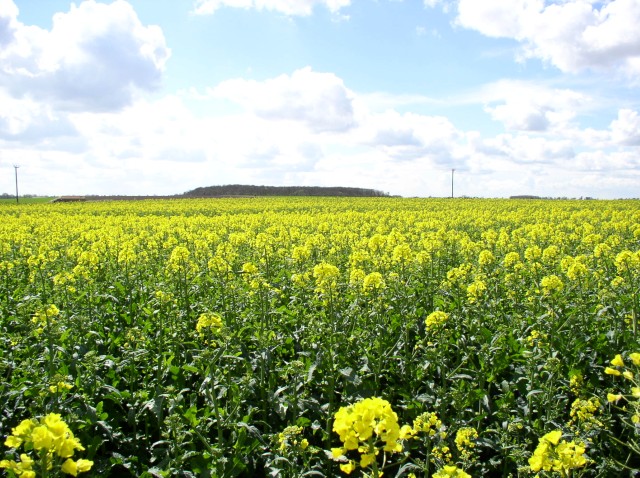
oil seed rape field

Oil seed rape field curtesy of Bayer Crop Science UK  CC BY 2.0


Photo-toxicity is something I learned about in another life when a lady gardener showed me the livid, blistered scalds on her arms, as if she had been whipped with a red hot flail. In fact she had been lightly brushed by the cut, sappy ends of giant hog weed, angelica and cow parsley that had taken root and flourished amongst her parsnips that hot summer and which she had been cutting down.

Phototoxic chemicals, which occur in all these plants, increase the reactivity of the skin to ultra-violet and sometimes visible light – they are the opposite of sun screen and can produce the most bizarre patterns of sunburn. You can get them onto your skin directly, like the sap, or be effected by eating them, as with the light sensitivity that can occur with certain drugs.

Bergamot oil is another phototoxic agent, giving a puzzling blistered burn on the neck of a very smart but distressed lady who did no more than spray herself with expensive perfume on a sunny day.

I think that the sheep with the missing ears got such bad sunburn on their ears (their least woolly part) after eating or brushing through oil seed rape that they ultimately lost the tips of their ears– like our lamb here.
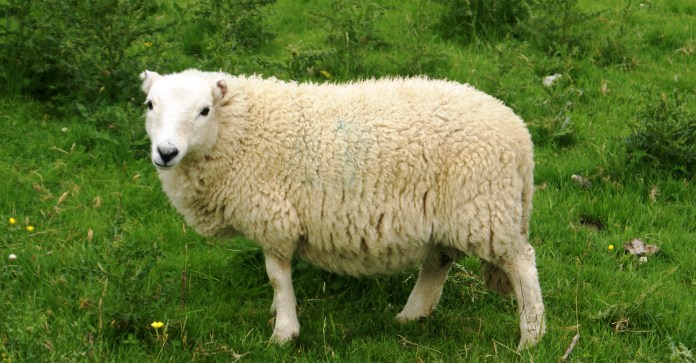
SONY DSCTwo of our triplets this year seem to be effected. They are the small ones who have had less milk and, early on, foraged more widely, nibbling in the hedgerow and tasting all sorts of plants at an earlier age than usual, when their hair was thin and their skin sensitive. The bigger one has gained weight but has lost his ears!


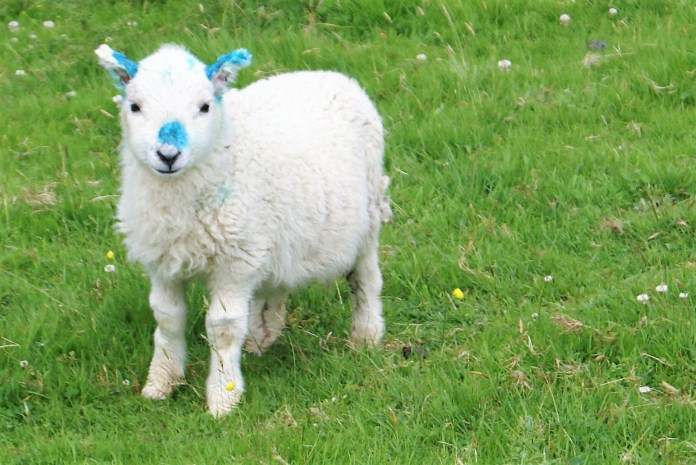
The little one has done better, now we have worked it out, and she has had treatment and gets my sun screen (factor 20) liberally applied on sunny days!
SONY DSC

Twts (they never have names!) She’s better with antibiotic, steroid and sun-screen

Whatever next?
Standard
Doggy, Hill Farming, Humour

Pedro’s Summer (do)Glog!


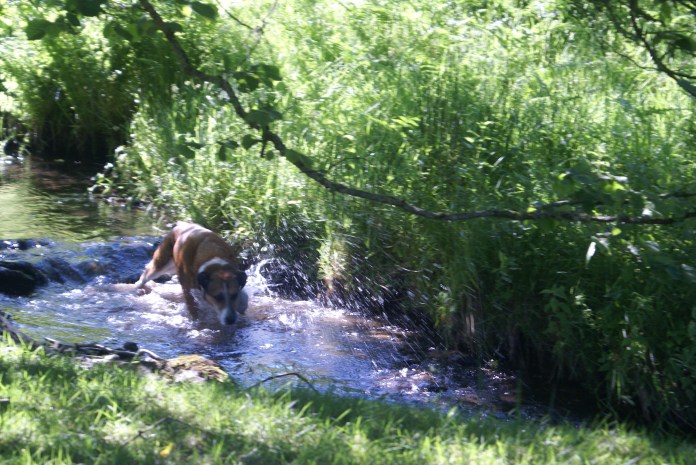
The sheep are sheared and drenched, the lambs are all injected and sprayed for blow fly and lice, and Maa’s been done for horse fly and midgy (she tastes most peculiar) and she’s finished the paperwork (boring), so we’re off out — it must be Summer.

SONY DSC

Keeping Cool!SONY DSC

Posing in the sunshine!

SONY DSC

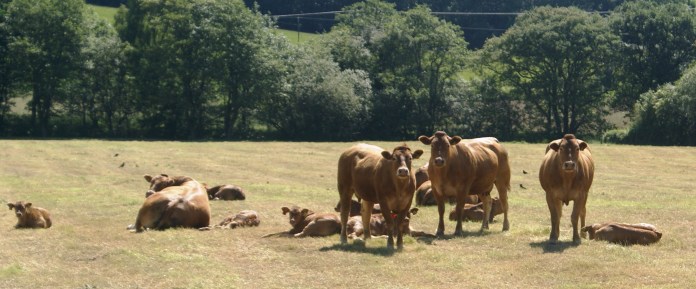
Walks now limited by bovine population explosion.

SONY DSC

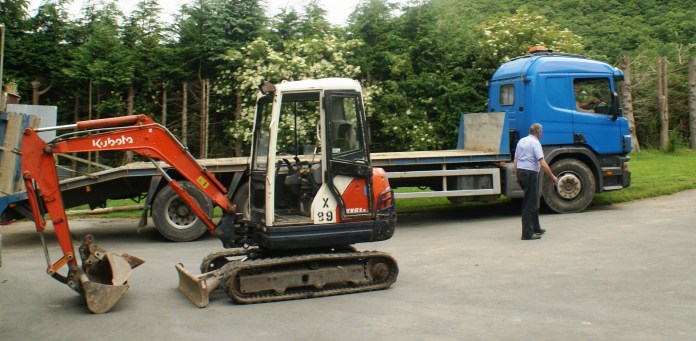
So we’re going to dig another pond with Alan’s new little helper…

SONY DSC


Who is quieter and less temperamental than the old one who had to be taken away.  Driven onto the lorry with much slipping, sliding, huffing and puffing of blue smoke — Alan was sad.

SONY DSC

But the topper has broken so, while Alan mends it, Maa and I have got to cut all the thistles by hand — that’s why I’ve got to do the blog — Maa’s too stiff!.

Cheers all!

043Ped closeup

Standard
Birds, Ecology, Wales

Happytat Creation

Here’s something to cure election fever!

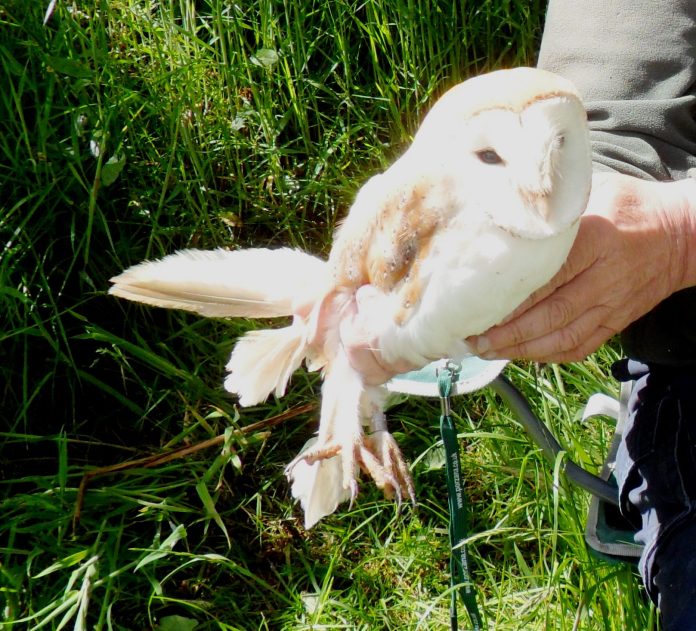
Something new and glorious and full of hope!  It’s something we’ve discovered 50 yards from our back door — a pair of nesting Barn Owls!

SAM_3198 (1)

Here is the male (I think) who is paler and here is his mate with her buff coloured chest

barn owl cropped

and dark spots on her flank.

Best of all, there are three chicks which I hope to show you in a couple of weeks when they will be ringed and meet the public.

All this and the photos are courtesy of the Species Habitat Protection Group who erected the nesting box and have been monitoring it for 3 years.  Last year there was just one tell-tail Barn Owl feather, so we knew someone had been house-hunting, but we had no idea that they had moved in this year and started a family.  Thank you Jon, Jan, Roger and Brian and the other volunteers.

Standard
Hill Farming, Humour, Lambing, Rugby, Welsh culture

Catch a flying sheep!

SONY DSC

Have you ever wondered why the Welsh and the New Zealanders are so good at rugby football – its because they both keep lots of sheep. Sheep-keeping and Rugby have a great deal in common. To do either successfully you must be fearless and have absolutely no hesitation. You must be strong, agile and fast. Also you must enjoy physical contact (have I said too much?).

Sheep keeping is athletic and heroic – no more so than at lambing time which is why lady shepherds attend their daughters’ weddings with black eyes and are frequently seen rolling down hillsides in the tight embrace of a frightened ewe while extracting a lamb with a pop (like little Jack Horner, pulling the plum out of the pie) – oh, what a good boy am I!

another try

Thanks to Phil_Heck for the picture CC/BY/2.0

Last week I rugby tackled a lamb. I did more than that – I proceeded to score a dramatic try with it! I resisted the temptation to throw it triumphantly into the air (sheep don’t right themselves like cats). I didn’t even bounce it on the field and I certainly didn’t try to convert it! I did what I always do and held on tight! I felt heroic and athletic as I sprayed its cord and wrote its number on its side – you can be number 10 like your mum – you can be fly-half!

Then in the glow of pride at my own agility (you know I have a bad back), I noticed it – the finger – the one that types the “P”s, the dashes and the punctuation, the one that wears the ring on my right hand – it was strangely deformed.

SONY DSC

Mallet Finger!  If you are American: Baseball Finger (how silly). I have an athlete’s injury (the orthopaedic website says so – so there!) – I have ruptured a little but very important typing tendon and Alan has splinted it (are there no limits to his talent?)  Slight blueness is due to sheep marker — not insipient gangrene! I have Rugby Finger!

Standard
Hill Farming, Lambing

Triplets!


SONY DSCOur hardy Welsh Mountain Sheep aren’t really made for triplets — in ten years we’ve only had three sets.  The first three were all born dead and the mother sadly also succumbed — our biggest ever lambing disaster!

We aren’t technological — we don’t scan, with less than thirty ewes it’s difficult and we don’t have the economy of scale.  We know them all and if they are losing condition we just feed them more. It’s quite exciting seeing what we get — like Christmas!

The second set of triplets were born last year — I watched the first two, large, healthy lambs cavorting around in my torchlight and so retired to bed with a self-satisfied glow only to learn an important lesson in the morning —  the third triplet, equally large and cleaned to a dazzling white was cold and dead on the grass.

This year we noticed the huge, strangely translucent, pink udder but this year we knew what it meant.  It meant we had to watch out for a third lamb.

This year ‘Number 32’ has produced three healthy lambs, though the third didn’t breath immediately and had completely escaped his mother’s attention and would have perished like last year’s — remember sheep can usually only count up to two!

Fortunately, learning from my mistakes, I  sat and watched all afternoon while the first two were meticulously cleaned and properly fed, then Bingo!  Number three arrived, not breathing and with very soggy sounding lungs but nothing a traditional swing or two and some frantic chest compressions would not sort out — amazing!  The swinging really does seem to shift the fluid — I had never really believed it.

Then of course I had to wait till he’d been cleaned and slowly fed, and then some more — we don’t intend to be caught out by our first quads!

SONY DSC

Standard
Hill Farming, Lambing

Miracle!

You remember the sad little orphan texel-cross lamb who came to be adopted.

SONY DSC

He put on the mantle of a much loved but non-functional welsh lamb and confirmed our friend David’s reputation (at least with one ewe) as a miracle worker.

Three days later (and considerably less smelly) his magic overcoat has been removed.

Yippee!

SONY DSC

And his Maa is very proud.

SONY DSC

Standard
animal psychology, Hill Farming, Lambing

A Bad Start!

This ewe gives no hint that she is labouring until the last few minutes.  This morning she pushed out a large ram lamb just as I was feeding the others — I could see the lamb moving but by the time I got there things were not looking good — I pulled a great wadge of membranes from his throat but he did not react.  I swung him and pressed rhythmically on his chest.  I blew in his nose.  I even gave him mouth-to-nose ventilation (I really shouldn’t do that) but he was dead.

What a waste!  What a blow!  Fifteen seconds earlier, half a minute perhaps and it would all have been different.

I started to take the dead lamb away and the ewe wailed — I put it down again and thought, I wished she could have a live lamb…  Then I remembered!

SONY DSC

Here she is a few hours later with her new lamb. (Can you spot the deliberate mistake!) He’s wearing a sheepskin overcoat!

Thanks to two neighbours this little orphan lamb now has a healthy young mum with lots of milk and the ewe, well, she is none the wiser.  Her lamb that would not move, nor baa, nor feed, that lay in the pen unresponsive to her pawing was taken away for a moment by the big man who comes in the red truck and the next minute her lamb was right as rain — so right, he has two tails!

A little deception and the application of an old country skill and the dead lamb was skinned and the skin with all its associated love is transferred to the orphan (acquired from the other neighbour) and everyone is happy.

SONY DSC

Pink rinse from being rubbed with placenta and mud from earlier pawing.

Standard
Bereavement, Things my mother did for me

Weeds

Dirt is just stuff in the wrong place. Weeds are just plants in the wrong place. Context is everything.

SONY DSC

My Mum loved me and wanted to please me (I think). She loved gardening and bright cheerful flowers. She filled every available receptacle with colourful annuals – pansies, busy-lizzies, lobelia, alyssum, salvias, verbena, primulas, snap-dragons and begonias (I hate begonias!).

cropped-017-renunculus-crop.jpg

I love wild places. When we lived together at the end of her life she had a garden and I had a paddock and a wild area. But big lolloping red tulips would pop up mysteriously amongst the wild crocuses in my natural area and brightly coloured primulas appear mysteriously in the hedgerow of the paddock. She was incorrigible! Feral cultivated hyacinths were insinuated into the bluebell wood, people would give them to her and she never could stand their smell in the house (reminded her of incontinence).

After she died we moved to a really wild place where God does nearly all the gardening and where even rhododendrons are banned. But by the kitchen door there is an old sink where I have planted primulas.

Yesterday, when I was feeding the ewes, the sun came out and I noticed the first yellow star of ranunculus on the bank and two dandelions by the shed and they lifted my spirits (we’ve had a difficult few months) and in the sink by the door, peeping out from last year’s leaf litter, like a prayer, are Mum’s primulas, bright and new.


SONY DSC

Standard