Doggy

Charismatic Canine

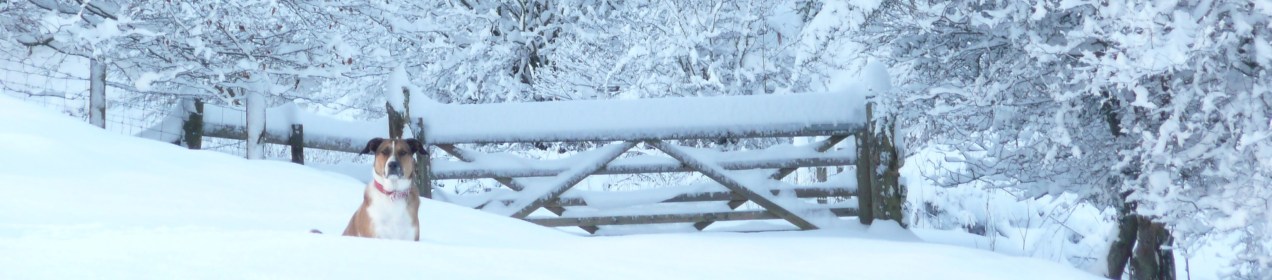
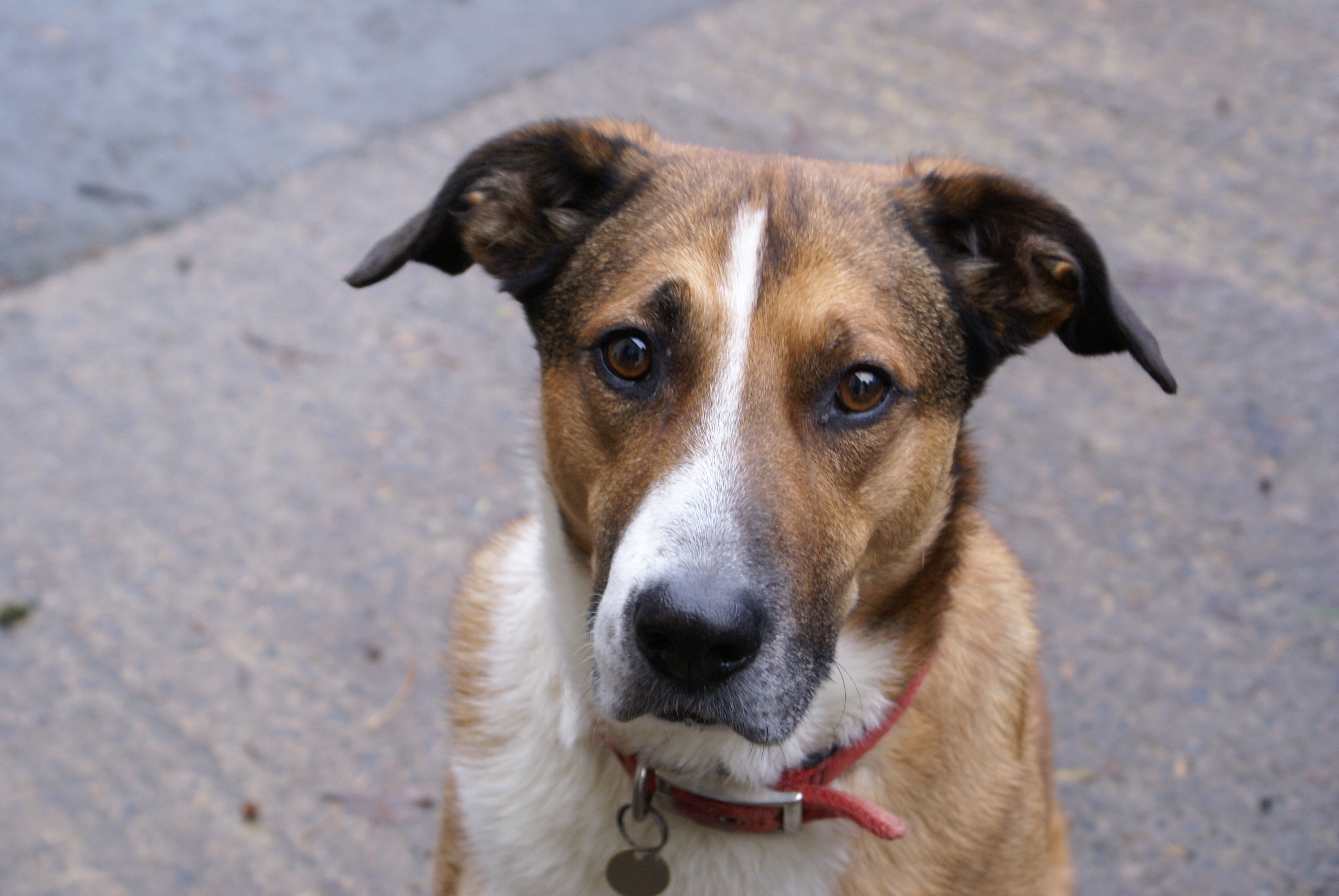
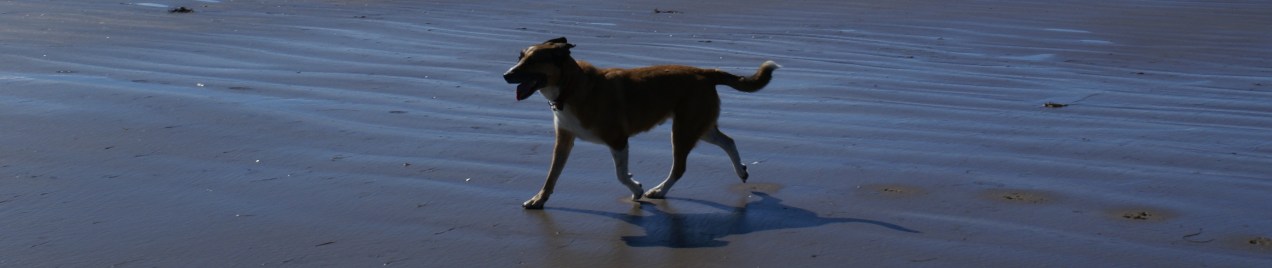
Pedro, our dog, ought to have his own blog (not a weblog but a doglog — a glog), but then maybe no-one would ever visit mine.  His posts already get all the likes and comments. SONY DSC When we first moved to Wales, when he was still young and intact and the world was full of willing bitches, Pedro was irrepressible, unrestrainable, clever (he still is) and devious (that too).  He earned us the reputation of the feckless English who could not even control their own dog. In this farming area he should have been shot; you can’t have big, powerful dogs just wandering about: dogs will always be dogs.  The thing was he didn’t just wander; he had purpose and inherent cunning.  He was never seen anywhere near a sheep, although he regularly crossed their fields, he always kept out of sight, a commando — along the stream or in the ditch.  There were no give-away signs of the sheep gathering or running, they didn’t even smell him. While bitches wailed in disappointment angry farmers locked him in barns only to be bedazzled by his escapology; he is always very biddable when caught, it’s a fair cop, chwarae teg in Welsh; he can speak Welsh and do door handles, knobs and latches.  One farmer is still scratching his head, like Sherlock Holmes: you see both doors were locked from the outside and the only window was a good twelve feet from the ground; I’m told he’s taking holy orders, the farmer, not Pedro. 043Ped closeup It was pure charisma that kept him alive; he would boldly approach the man with the shot-gun, wagging his tail, as if he’d known him for years.  Perhaps he had licked his face one night recently when he lay drunk in the hedge while trying to get a bit of shut-eye on his way back from a lock-in at the pub.  Perhaps the farmer recognised in Pedro his own younger self; they do say that the Welsh (careful) are a passionate race and have their own traditional ways of courting, not dissimilar to Pedro’s. Anyway he survived and I have written about his adventures elsewhere.  I’ve never known anyone, human or otherwise, who knows so many people.  He’s a dog who comes home, after a night out, in the post van (You know how postmen feel about dogs).  The postman lets him out at the gate and he trots home. We benefitted indirectly from Pedro’s fame; farmers know a good dog when they see one, even if he is with that damn silly English couple.  When introduced to us at chapel they would say, ‘Oh yes, Pedro’s people.’ SONY DSC But all that changed when something happened down the valley, news of it drifted up on the wind, came through the key hole and under the door, Pedro sniffed, he trembled, he whimpered… To be continued.
Standard
Ecology, Nature Photography

New Worlds above the Flood

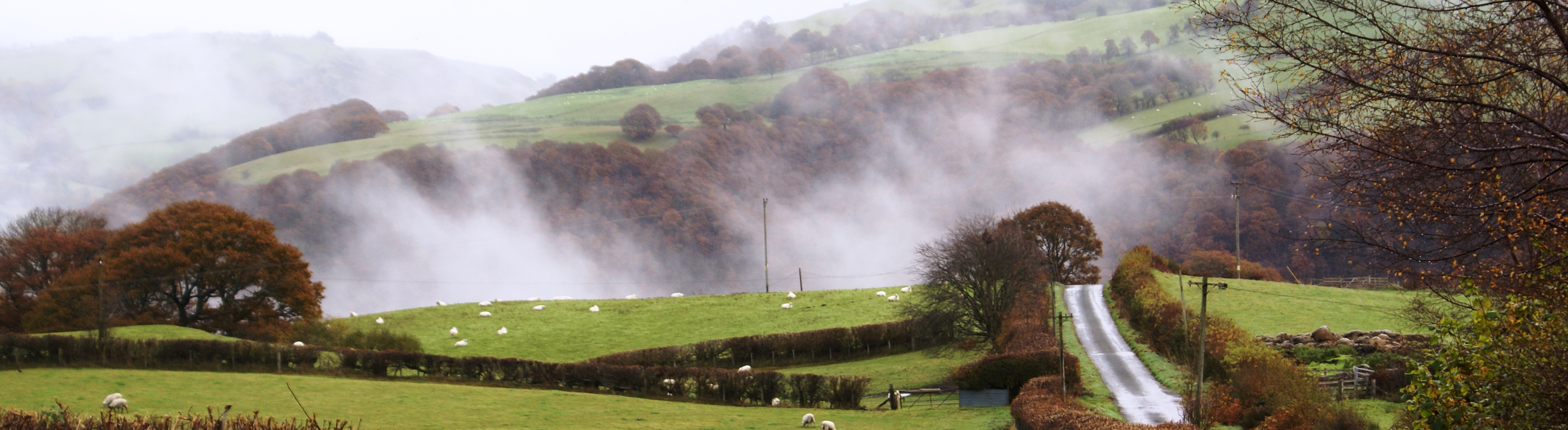
It’s been raining quite a lot.  Between storms I’ve been having a new look at the world.

The stream is swollen and down the valley they complain that the drumming of the river keeps them awake at night.

?????????????????????????????

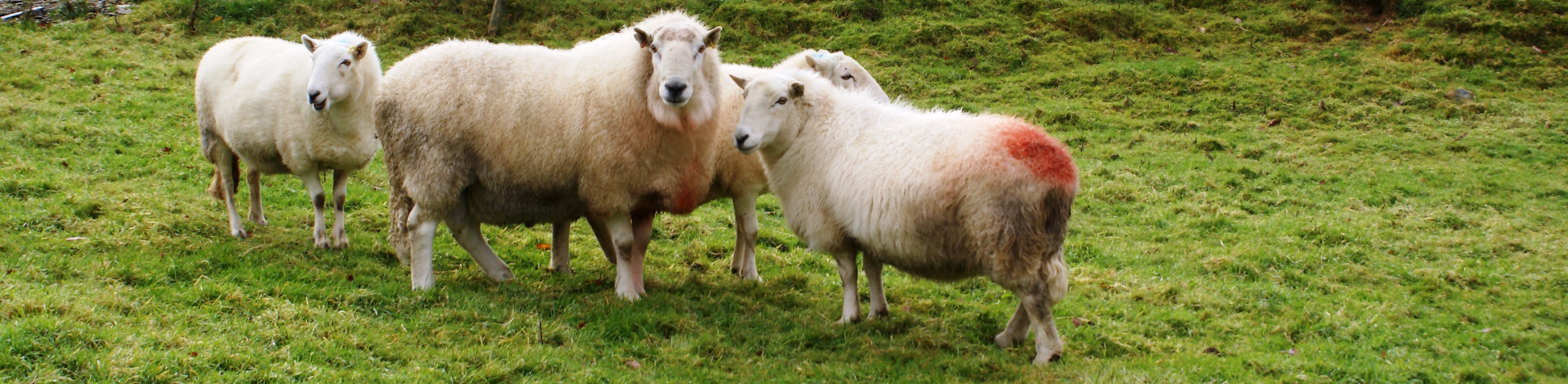
We’ve moved our flock to higher ground to keep their feet dry and when the low winter sun comes out, which it has been doing quite often, every sheep has a silver lining:

?????????????????????????????We’ve been making the most of the sunny periods by cutting back the hedge rows so that the grass can grow with more light although we still need shelter for the beasts and privacy for lambing; behind the hedges we’re cutting back  the low branches and brambles that will whip us in the eye and snag us as we give assistance in the spring.

Winter working reveals aspects of the wildlife with which we share this land that are overshadowed or covered at other times of the year. Hover over these pictures for details:

Today I have been looking in a bit more detail at the moulds and fungi that surround us, if any of you recognise the species I’d love to hear from you – leave a comment.

Here are some mosses and lichen.   After the fall, some of the hawthorn and damson trees reveal so much lichen that they seem to be in blossom!

A whole world can exist on the top of a gatepost!

Gatepost with mini rain-forest

Gatepost with mini rain-forest of lichens and moss

Standard
Relationships, Uncategorized

Generation X

We chose to live on the edge; wrestling with physical adversity seems to be something we need to do.  It makes us pivotal in our own existence.  We built our home here and there is little that needs to be done that we haven’t learned to do ourselves; we cut down trees that threaten our electricity wires, we mend our bridge and tend the well, we poke sticks through the crust on our cesspit and nod our heads wisely. Our barn and woodsheds are full and we have enough lamp oil to last a whole winter without power.

I get perverse pleasure from asserting myself over an animal that weighs more than I do but doesn’t understand the need for immunisation.  We can gather and marshal our herd with ease now, albeit more with cunning than physical fitness — still very satisfying.

It’s only when our grown-up children arrive, bringing their own worlds with them that we start to feel marginalised on our edge.  It’s not that they sit in silence texting, they don’t anymore, or have a hybrid stealth car (we used to enjoy bump-starting their old wrecks) or that they don’t want the benefit from our experience about routes home — it’s okay we’ll probably just follow the sat-nav.

They bring their films and music, grab the remote and find channels on our TV that we didn’t even know existed, channels which have their own familiars, strange creatures that leer from the box making jokes that aren’t funny (to us) but they laugh;  their cultural allusions are lost on us and ours on them.

6795936483_af9f9fc7b4_nThanks to Laura Mountford for the Flickr.com photograph of Noel Fielding (CC BY-ND 2.o) Laura Mountford

They ask for mysterious bathroom products that are not soap or toothpaste, they want to know if the cheese is pasteurised.  They are outraged that the baked beans went out of date in 2006 and the cloves in 1994 and fill the fridge with essential dietary items that are unknown to us.  They ask their father not to smoke in the kitchen and are shocked by the lack of a toaster and hair conditioner and the suggestion to use washing-up liquid when they finish every drop of shampoo in the house.  They definitely look slightly put-out when one of us absent-mindedly breaks wind.
They can’t understand a plumbing system that refuses to act as a garbage disposal unit and which exercises its own water-rationing.  They put all the lights on all the time and use unbelievable amounts of toilet tissue.  They download all sorts of strange programs onto our computer, change the browser (so we don’t know where we are) and complain about the broadband speed and the poor wi-fi signal.  They put everything in a different place and worry about our poor memory and declining powers when we run round in circles looking for things.
They go for a 10k run or climb one of our little mountains, we provide back-up or bring up the rear, panting, feeling our age, feeling bad because we’ve held everyone up, made everything more complicated; we are no longer central to the exercise.

Then something occurs that bridges the gap, that slots us all back into a familiar place: they produce another generation.

?????????????????????????????

Suddenly we’re all on familiar ground, all singing from the same song-sheet — the Oxford Nursery Songbook to be precise.  We ‘re all saying the same daft things that we did 30 years ago — blowing raspberries, funny voices — Tweetie-Pie is going south for the winter again.

Now generation Y is learning why.  Another little girl is learning to be gentle with the pussycat, not to pull the doggies tail.  Another boy is learning not to put the fish-hook through his finger

cornwall 015Expeditionary forces again march behind their trusty leader without benefit of sat-nav:

Expeditionary forceAnd trudge home tired for tea:

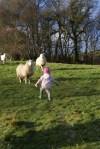
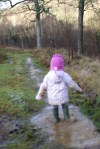
031Kids in CornwallThis Christmas there was someone new to show to the sheep and to introduce to the joy of muddy puddles and carried away by it all the Mummies and Daddies were soon entering into the spirit with a planned Boxing Day dip in the pond — it’s not chlorinated you know!

Standard
Thoughtful, Uncategorized

On your own at Christmas?

Husband, pillar of the church, run off with the Sunday-school teacher?  Partner of twenty years gone and died on you, after harrowing illness, leaving you bereft and penny-less?  Wife of even longer, your right-hand and practice manager (married to the job, not you, apparently), upped and off on the day you retired?  Daddy/ Mummy just gone to have some me-time — but what about me?  Gone to live with your grown-up daughter and her family’s just fallen apart?

That’s who we all were that first Christmas, the first Christmas after Armageddon, our own personal Armageddons — so what could we do?

As it approached we all knew that it would be terrible, that Day so laced with expectation and us with our open sores.

323feat Chris Tree

For the first time we realised that there were people who were alone, not freaks but people like us.  Not all strictly alone;  some had children, but all were bereft, abandoned.  We felt bad that we’d never thought of them before — you see good things do come out of bad.

On Christmas Day four women, all supreme in their own kitchens, their own Christmases, stood stirring around the central hob, with no vying for dominance, we stirred as one. Tom attended the Turkey and the children watched their new almost grown-up friend, almost a cousin, eat fire in the garden and had goes on his unicycle and tried their new diabolos and blew bubbles that made rainbows  in the winter sunshine.  When the sprouts boiled over we laughed until the tears ran down our faces,  it was the first time that had happened to me (the tears of joy, I mean) for years and years but, you know, it was to happen more and more.

After lunch, we lolled on the sofas and on cushions on the floor to watch the Queen’s speech, in the euphoria of full stomachs and alcohol, moulded to each other, inspecting singed hair and smelling slightly of paraffin, in comfortable congestion, like a pride of circus lions.

That was how we had our best-ever Christmas.

305

Standard
Communication

My dog can’t read

My dog can’t read – but he can smell where I’ve been.

He can eloquently remind me when I forget something in our shared routine.  He does this by urgently engaging my attention by gazing through my eyes into my mind then shooting a glance in the direction of the task that I have forgotten (usually one that he enjoys).  His body-clock is not, like mine, regulated by an unreliable stomach – it has pin-point accuracy, ‘Gosh, is that the time Pedro (that’s his name) you’re right, we’d better feed the sheep before it gets dark,’ or, more likely, ‘Alright!  Alright!  Don’t nag — I hadn‘t forgotten!’ which I had.

SONY DSC

‘What did you say?’ asks my husband.

‘I was talking to the dog!’

His empathy is as finely tuned as his sense of smell (the dog, not my husband).  He knows exactly what I am feeling and he is not alone in this – I read of a dentist who had the greatest difficulty in separating his blind and nervous client from his guide dog — you’ve never heard such a kerfuffle.  Not until the master had removed his fluorescent harness, rendering him off duty, would the dog sit edgily in the waiting room.

The point I’m trying to make is that in pursuit of more and more exacting verbal communication we may be missing something.

My dog can't text  but uses the internet- BT

My dog can’t text
but uses the internet-
BT

Non-verbal conversations can be the most eloquent, exchanged in an instant, are fluent in different languages, understood by other species and are rich in emotional content.

If you ask any parent who has a child on the other side of the world if they’d rather video-call or have a conventional telephone call they’ll tell you the importance of seeing their loved one’s face to know how they really are.

I suspect that, like everything in nature, the ability to talk without words is normally distributed, some of us have a lot of it and some of us have very little and most of us are somewhere in the middle.  I think that where we are on this spectrum is probably, like most things, a bit genetic and a bit learned.  I have had two babies, both normal: one arrived as a blank canvas and learned facial expression gradually by watching and mimicking, the other came out of the womb with, to our surprise, a complete repertoire of facial expressions.  Right from the beginning this child could express, pleasure, disgust, alarm, fear, pain, puzzlement, interest, attraction, satisfaction, surprise and wind.  Children like this are an open book and can engage more easily and earlier with others – we are not all born equal.

For those children born at the opposite end of the spectrum, endowed with little inherent understanding and deprived of opportunities to learn from others all those non-verbal cues that inform us about what other people (and my dog) are thinking, for whom other people’s thoughts are a mystery, life is confusing.  It is as if all their social interaction is by telephone. Worse than that: even the non-verbal elements of speech are removed; the secrets of prosody are hidden, the nuances of intonation and rhythm in speech that can change a statement into a challenge, or a rebuke, or a question, or just a ruminative echo.

The question is: when Nature alters brain structure or function a little further in one direction so that we notice it and call it a syndrome, what is it making room for?  What new possibilities may be opening to us.

I also read (in the Christmas Good Housekeeping, or maybe it was Prima – I went to the dentist this week) of a little boy with Asperger’s syndrome (which includes difficulties in understanding the non-verbal) who was helped by having a cat – this brings us full circle to my dog who has no words but communicates perfectly and could, like the cat in the article, teach others the art of non-verbal communication by repeated reinforcement without any parental pressure or angst.

?????????????????????????????

http://dailypost.wordpress.com/2013/12/09/multimedia-storytelling-challenge

Standard
Lyrical

Snapshot in the wind

The fallen leaves are rushing about the field like demented mice, agitated by the wind, running and leaping then taking off in a murmuration, swirling about joyfully then crashed against the window by the heartless wind.

The air roars and tumbles and swats around the house and crowds of raindrops suddenly applaud — driven from different directions, in thral to the wind, their little bodies clapping against the walls, the roof, the glass.

The trees on the horizon rock with uneasy mirth, the firs more nervous than the now bare oaks that stand complacent and let the gale comb through their nakedness. The lone pine thrashes like a wet sail in the hands of a novice, tested by the flailing gale.

http://dailypost.wordpress.com/2013/12/02/weekly-writing-challenge-snapshots/

Standard
Hill Farming

Abi’s Odyssey

What an adventure: today she has led the daughters of the chosen out of peril,  defied a mighty king, travelled the length of the known world, faced alien hordes, unperturbed, and tasted the fruits of a promised land and it’s not even lunchtime.

Everything is relative.

Seven years ago (a biblical period) I probably wouldn’t even have noticed, I wouldn’t have spotted those white dots on the farthest hill, wouldn’t have wondered about the gender of the dots.  Wouldn’t have rushed up the valley, binoculars in hand.

But as I approach our boundary I need no binoculars to see that our neighbour’s tenant has loosed a ram and 20 breeding ewes into the adjacent field; the one with the dodgy fence posts that falter and play dead when challenged.  Through that very fence his randy tup is sniffing at our precocious theave lamb (see Raddle-Dazzle); she makes me think of Anne Boleyn, she is running daintily up and down by the fence baa-ing prettily but surprisingly loudly and each time as she turns, she stamps her little feet, the old king, on the far side of the fence is transfixed — enchanted.  Meanwhile his ladies gather around his number-one-wife, the dominant ewe and whisper, looking accusingly at that Boleyn girl ( she has a streak of mud on her back, they are questioning her virginity — well, perhaps not)).

?????????????????????????????

I run back to the house. opening and shutting various gates on the way and fetch my magic bucket which has mysteriously been tampered with; it has been used for chain-saw oil, which smells bad; its power lies in its mystical maltiness; I chant appropriate expletives as I clean it and refresh its ewe-nut rattle and scent.  A moment later I have my sergeant at arms, my witch’s peculiar, my familiar; she hurtles to my call, not a swooping, weaving bat, nor an owl, blinking in the light of day, but a clomping old ewe who is trained to my bidding and I to hers, we set off, Abi and I and the dog, armour glinting in the morning light.

Odyssey

Ten minutes later and two of us breathing heavily, we have reached the farthest outpost of our kingdom, it has not yet laid down under the weight of conjugal bliss, I rattle my magic bucket, Anne Boleyn tosses a dismissive glance over her shoulder but her maids come and have a sniff and when the sergeant and I turn and walk away they follow.  Anne looks at us, then at the king, then back at us, she is deserted by all her people…  She fears nothing more than being alone, she is, after all, a sheep.  It’s too much, she turns away from the king and runs down the field and we all walk steadily back towards the farmstead.

As we draw farther away the foolish virgins look back, I know that with every step we take the pull of the king is less so we keep walking but then there is a scream on the opposite bank, a hollering and the unmistakable call of a hunting horn (really — not just another escaped metaphor),  there is baying of hounds directly ahead.  My foolish virgins stop dead, so does the sergeant at arms, they start to turn, I shake the bucket, the sergeant advances towards it, Good Old Abi.  Our dog who has been following aimlessly sniffing for rabbits, suddenly hears the threat and runs to take up a position at the head of our column, as he overtakes the sheep he turns them and provides a little push and they again follow us.

We stomp on confidently; they follow nervously.  I close the last gate behind them as the baying abates.  Typical!   We haven’t heard hounds for a year, hunting is illegal, and they don’t exist but they pass through the cutting by our gate just as we are moving timid sheep.

Standard
Fiction

A quiet friend

They lie by the fire with the tips of their middle fingers just touching, their thumbs pointing out into the room and the little fingers reaching towards the heat; the gloves are grey, hand knitted in a plain stitch without pattern.  Sure enough, Norman, their owner, is sitting in his corner, motionless, immaculate, his grey hair now corrected from any dishevelment caused by the wind outside, his parting pin-point accurate, his comb returned to the top pocket of his grey tweed jacket, his overcoat hanging from the only hanger on the hooks by the door, he has brushed the single speck from its shoulder with his then still-gloved hand.

His back is straight and rests against the upholstered bench that runs around the wall of the front bar, his legs are stretched out in front of him, beige trouser-creases crossing below the knee, polished brown shoes shining in the fairy light from the bar.  The evening paper is neatly folded on the shelf beneath the table; he does not touch it.  He looks out into the room without expression, a glass of orange squash, obtained without negotiation and paid for with exactly the right money, sits untouched on the table in front of him; it will remain there until just before he leaves when he will drink it down in one and return the empty glass to the bar.  He will weave unseen through the people and leave but we will notice that his gloves are gone.

Norman has a story; everyone has a story.  The more controlled a man’s world is – the more bizarre is the eruption when it comes and come it always does.

I will not tell you Norman’s story for the one I have may not be true and anyway you will probably have heard it before.

http://dailypost.wordpress.com/catergory/writing-challenges/

Link
Hill Farming

Raddle-dazzle

Autumn colours are appearing and our sheep are starting to show russet coloured bottoms; unlike the flurries of blowing leaves or the spiceyness in the damp air, this is not a natural phenomenom — not entirely.

?????????????????????????????

Our neighbour, out of a sense of humour or aesthetics, marked the ram that he lent to serve our ewes with rustic mellow autumnal paste, the colour of chestnuts and dying bracken.  He, the ram that is, is painted with a thick wadge of this sticky raddle, between his front legs, hidden under his deep masculine chest so that as he discretely does his job, the ewes turn brown and a flurry of them follow him and swirl around him like a gust of fallen leaves.

????????

Tupping is not what I had expected, with my human prejudices, when we started farming.  We have only one ram, there is no fighting, no rut, no competition for the ewes.  The ewes who live together all year, who are related and most of whom were born here are very welcoming to the ram each year.  Above, you can see them shepherding him around the fields politely showing him the shelter and the stream.

In turn, and nature is very clever with this, they introduce themselves, as each ovulates and comes into season.  For a few hours the chosen ewe will follow the ram closely, nuzzling his neck affectionately.  He sniffs the air and checks her out, mounting her tentatively at just the right moment.

?????????????????????????????

Meanwhile there may be one or two other ewes about to be ready, they form a guard of honour, bride’s maids, following closely, waiting patiently; something about the chosen ewe, probably her scent, makes the others hold back.

Soon after she has been marked she retreats a little although she may follow him for the rest of the day while he gets on with the job in his gentle, quite respectful way.

Next day the ewe is back to normal grazing with her other red-bottomed sisters.  Once all are red, some by then only very pale pink, the ram will settle down too.  He will graze with the ewes and still be larger and handsome but nothing in their behaviour will betray his presence.

But we have a problem!

?????????????????????????????

One of our pretty theave lambs (only 6 months old, precocious/foolish virgin) has developed a far-away look in her eyes and the ram is sniffing ominously at the gate of her field.  She must be moved out of his amazing nasal range.  But she has been fed on grass all summer, she does not follow my bucket and has no experience of the treats within.

I need help: come on Abi!

?????????????????????????????

Abi is our secret weapon, our dear old ewe who started life as an orphan in our shower-room and taught me nearly everything I know about sheep; she is my lieutenant or perhaps more of a sergeant.  She likes to walk around the farm with us, butts the dog for pride of place and the other sheep will follow her.

Sure enough, she comes running when I call and, having shut the breeding herd up in one of their fields she rapidly helps me lead the three foolish virgins across the other field, through the woods and up onto the hill, half a mile away from danger, on the other side of the trees.  Here they can sit under the hedge and wonder what it was that made them feel suddenly so strange.

?????????????????????????????

Standard
Uncategorized

Remember

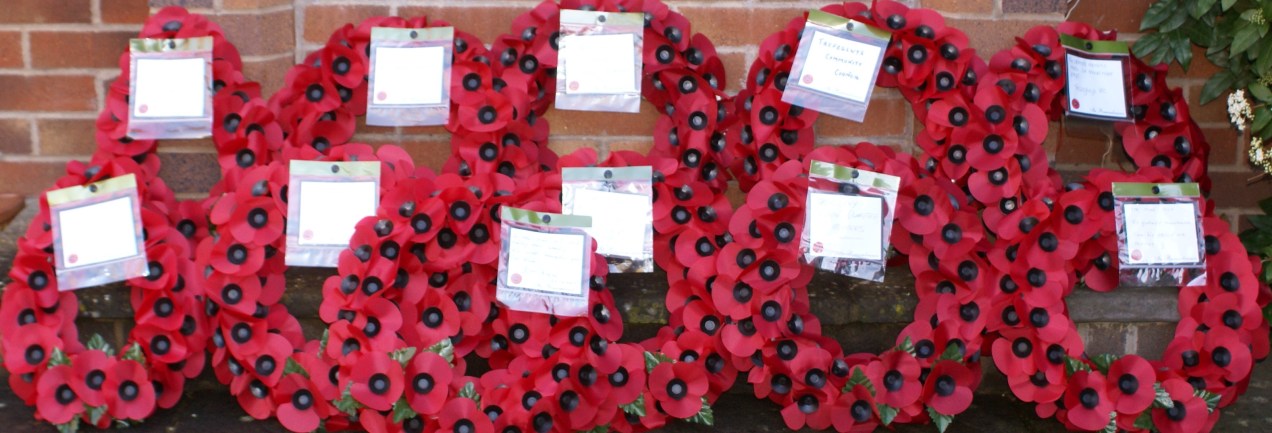
Today is Remembrance  Sunday and this year, thanks to the internet, we know more of the detail and scale of our personal loss, repeated in almost every family in Europe and the Commonwealth.

We remember George Stewart who died at Passchendael in 1917.

We remember Frederick  McWicker, from Bacup, who died of his wounds on 12th November 1917, fighting in the Egyptian theatre of war with the 5th battalion of the Royal Welsh Fusiliers.  He was 24.

We remember his brother, Walter McWicker, my husband’s grandfather, who died of his wounds on 24th February 1918 in Flanders, fighting with the East Lancashire Regiment.  He was 39, a slipper-maker with three children, conscripted late into the war because of deafness and he died when he failed to heed the bugle calling a retreat.

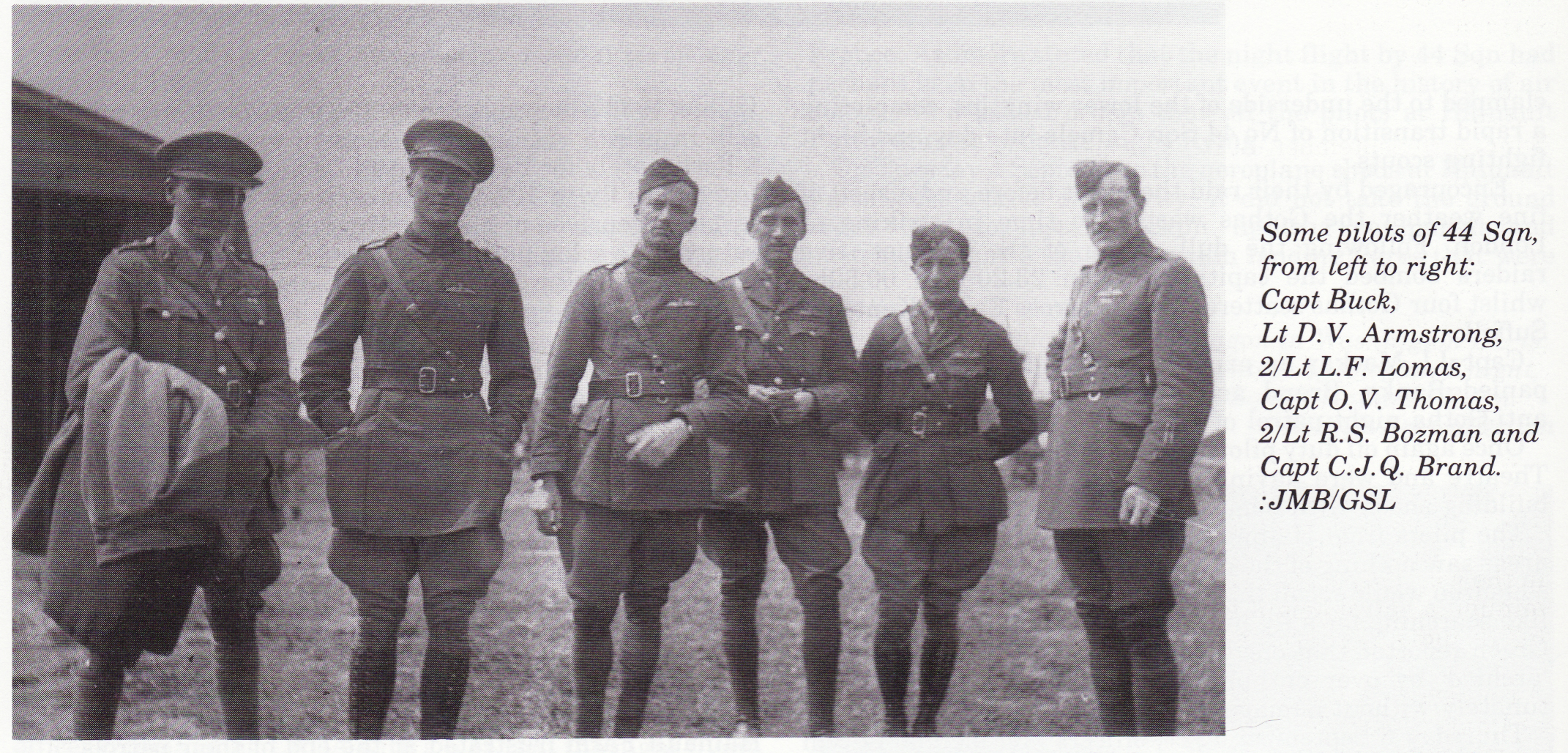
We remember Geoffrey Sebastian Buck M.C., D.F.C., who died in action with the RAF in France on 3rd September 1918, aged 21. His plane which had been badly shot up while flying over the lines, disintegrated on landing.

buck

We remember his uncle, Cyril Bernard Wilson Buck, priest and army chaplain, aged 39 when he died, tirelessly tending the wounded under fire in France on 29th September 1918 for which he was awarded a posthumous military cross.

Standard