Hill Farming, Sheep, Wales

Square Sheep

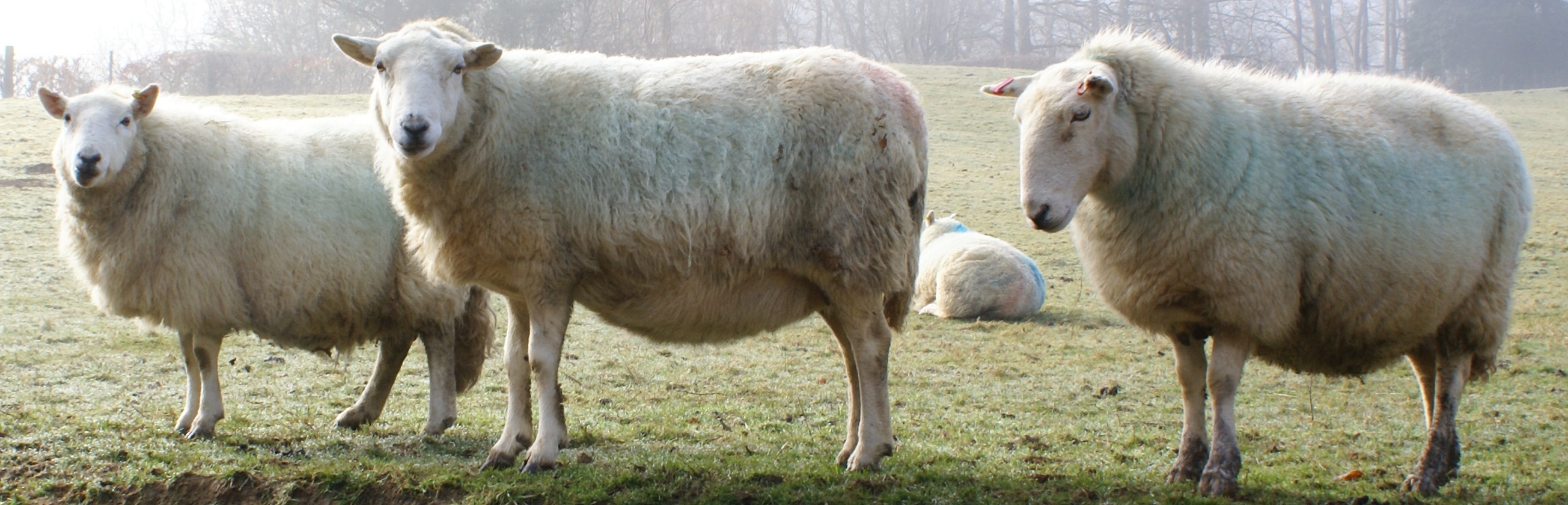
Eighteen sheep jostle me as I try to count them again, ‘Stand still!  Sixteen, seventeen, eighteen.’ There should be nineteen – nineteen beautiful (well to me they are), pregnant ewes of the hardy Welsh Mountain variety.  ‘One of you is missing – what’s happened?  What’s going on?’  No one answers.  Well, they all do, they baa but they are looking curiously at me.
?????????????????????????????‘What’s the hold up!  Get the nut’s out!’ that is what they are baa-ing.

?????????????????????????????Sheep always stick together.  I scan the hillside.  On the crest of the hill, only just visible, by the edge of the field where the oak trees overhang there is something ominously wool coloured.

‘Oh no!  I can’t bare it!’ only the day before I had boasted about our low mortality.  I had tempted fate…  Pride comes before a fall…  Axioms jostle truisms in my head as I stride up the hill pursued by baas.

By the time I reach the gate of the top field I can see the large, motionless body of a sheep, with its legs in the air, like an upturned coffee table,  ‘Please God,  not a dead sheep.’  At that moment one leg gives a twitch – I run the last hundred yards up hill.  Is she sick – in her death throws or is she cast?

Cast is when a sheep gets onto her back – for some reason sheep don’t work very well when they are upside down.  It’s quite an advantage for the shepherd – if you want to do something to one you can turn it over and it won’t struggle – it’s not such an advantage to the sheep.  Once they get onto their backs they can just lie there with just a few little kicks until they die.

This sheep isn’t dead.  She is hugely pregnant.  I check her ear tag:  9229.  She is Square Sheep, that is her name – they are not supposed to have names but she is one of our oldest and cleverest (though not today) and she has a magnificently heavy fleece which makes her look almost as wide as she is long – hence Square Sheep.

I gently and slowly roll her downhill until she is the right way up and she struggles to her feet, staggers sideways, falls over and rolls onto her back again, straight back to inverted coffee table.

This time I roll her to nearly the right way up and hold her there for a few minutes talking to her encouragingly and thinking about twin-lamb-disease and the staggers and all the other falling-over conditions that can afflict a sheep.  Once she has calmed down I loosen my grip and move away.  She struggles slowly to her feet and stands for a while before moving away unsteadily, tacking and with splayed legs, like a sailor back on land after a long voyage.

In the distance a quad bike revs, the cavalry is coming, and below the other sheep stand, an ovine smear across the field, watching us walk slowly down.  All eyes are fixed on the old ewe as her confidence increases and her dignity returns.

?????????????????????????????Square Sheep — Fully recovered

Standard
lifestyle, Thoughtful

How will you die?

Your cause of death depends to a large extent on when you do it and where.  If you are in the US and between the age of 10 and 24 when you die, there is a very good chance (over 70%) that you will die of an unintentional accident, suicide or homicide – so be careful and stop worrying about cancer!

It’s a similar story in the UK, I’ve been browsing the figures from the Office of National Statistics – if you are between the ages of 20 and 34, suicide and injury/poisoning of indeterminable intent (I think that means probable suicide), accidental poisoning (drug over-dose) and road accidents are the three most common causes of death in both men and women.

In childhood, (5-19) road traffic accidents are the commonest cause of death for boys.  Little girls are more cautious — I knew that.

Not until the age of 50 will suicide cease to be the commonest cause of death for men.  Shocking in itself this is a huge tribute to the power of vaccination, antibiotics and sewers.

What about the other end of the spectrum – what are our chances of surviving birth?  In the US infant mortality was 6.15/1000 live births in 2010, worryingly it is increasing and I don’t know why but obesity, diabetes, pregnancies in older women and in much younger women may be contributing.

In the UK infant mortality is at an all-time low of 4/1000 live births but we can probably expect this to rise as it has in the States.

The lowest infant mortality is in mothers between the ages of 30 and 34, the highest in those under 20 (5.5/1000 in UK in 2012).

The UN Population Division figures tell us that if you live in Afghanistan 135.95 babies in every 1000 die within a year of birth, that’s 13.5 in every 100 or more than 1 in 10!

Without modern medical care how many mothers would die in childbirth? Wikipedia gives us an idea — in Dublin between 1785 and 1849 the figure was about 1 in 100 or (for comparison) 1000 in 100,000.  In some institutions the maternal death rate on occasions reached 40%. It has gradually improved with advances in care; in the US in 2008 it was 14 in 100,000 but don’t be complacent the trend is again upwards.

1 in 100 is about the level of maternal deaths that we find today in Somalia – not as good as our sheep standing outside in the rain (but then they do have the benefit of some modern medical care and good nutrition).

In Sub-Saharan Africa the lifetime risk of maternal death from childbirth is about 1: 16, one in every sixteen women will die as a result of the complications of having a baby.  In the developed world the figure is 1 in 2800.

I commend you to go look at your national statistics and think about what they mean – I haven’t even touched on the lifestyle, cultural or political implications – you can do that for yourselves.

Standard
Democracy, Local History, Wales

Time warp

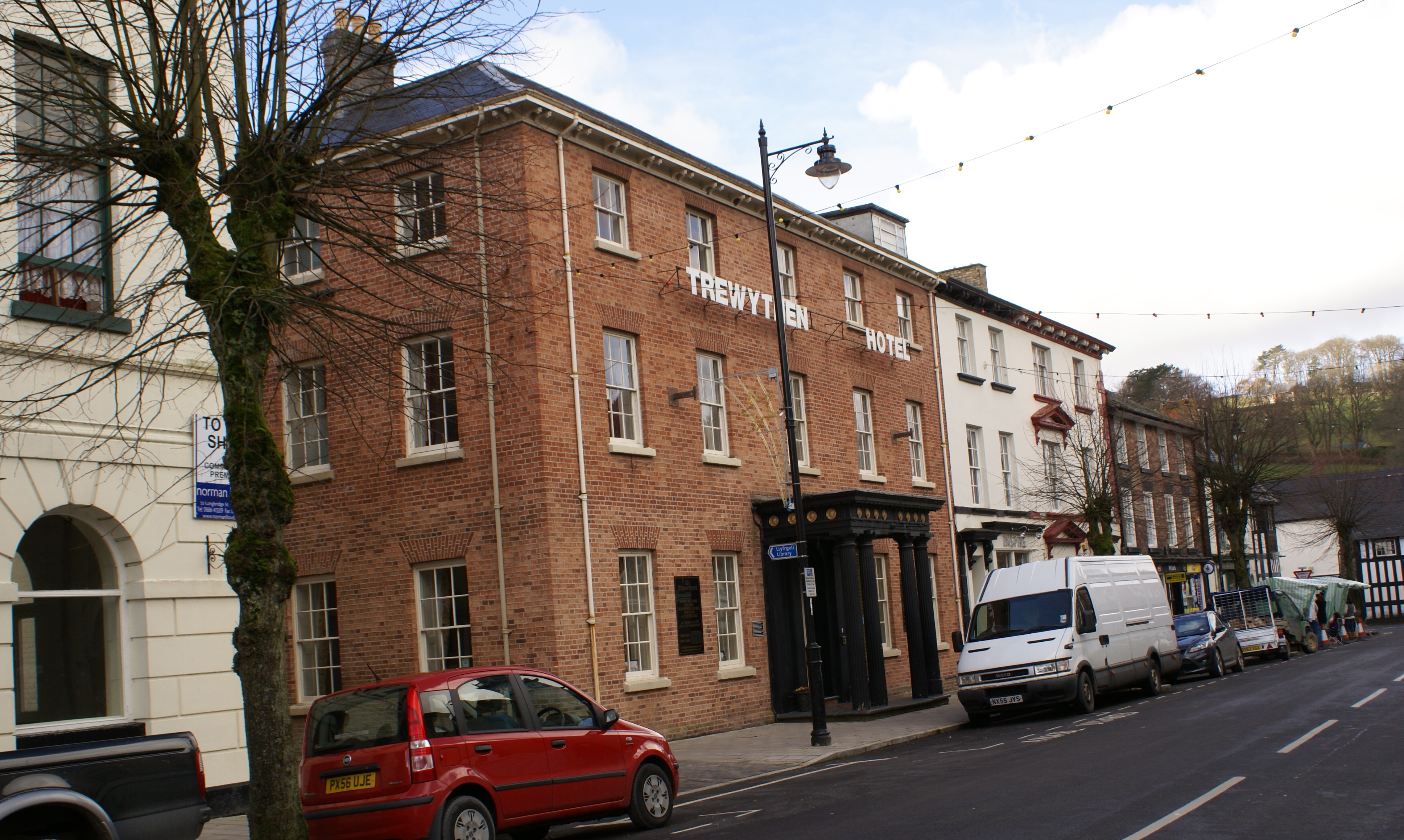
Llanidloes hasn’t changed much in two hundred and fifty years.  Take away the cars, cover the yellow lines with horse manure and replace the plastic awnings of the market stalls with canvas ones and you could be back in 1749 when John Wesley, evangelical Nonconformist rode into town and stood and preached on the stone by the market hall where dogs today, as they have for centuries, cock their legs.

?????????????????????????????

?????????????????????????????

1839 was the year that the people of the town rioted because three London police constables were sent to arrest the leaders of the town’s Chartist union.  The Chartists believed in one-man-one-vote, a secret ballot, annual elections, pay for Members of Parliament and the abolition of financial and property qualifications for MPs and that each parliamentary constituency should contain the same number of voters.  That is all.  The authorities were so unnerved that the little town of two thousand people was occupied by the military for twelve months.  It had taken five days for the troops to arrive in this remote part of Wales and this was known as the ‘Five Days of Freedom’, our ‘Celtic Spring’.

Townsfolk stormed this building to free the Chartists

Townsfolk stormed this building to free the Chartists

Yesterday was St.David’s Day, and the market was held as it is every Saturday and has been for centuries:

It is the first town on the River Severn, set in the most beautiful countryside, a good place for the dawn of democracy and a cracking place to do your shopping.  The small independent shops and market stalls, between them, can  service the towns every need.

Standard
Bereavement, Metaphysical, Thoughtful

Supernatural Elements of Pheasant Plucking – Really

There is no pleasant way to pluck a pheasant, the pheasant pluckers agreed.

‘You put the wing tips under your feet, so, and hold the feet in your hands, so, and you just pull, hellish hard,’ the domino players were discussing novel ways to disassociate the tasty bird from its feathers.

It’s quick, but messy.’

Ah, but if you get the knack you can disembowel it all in one movement, have a look on You Tube,’ — unlikely things you hear in a Welsh pub.

‘Layered with sausage meat and bacon and wrapped in foil and baked in the oven, that’s how I like it.’

And so, last night, I went to sleep thinking of the first time I tasted it – pheasant —  picked from the dried-out carcass of the left-over roast bird that invariably sat in my ex-father-in-law’s  massive but largely empty fridge, next to a half pint of dodgy milk and the stale eggs that made us ill, in the days before he re-married, when all there was to eat in the old patriarch’s brightly lit kitchen in the dead of night was the remains of his Sunday lunch and hard baked water biscuits; a Sunday roast, no veg or trimmings, but a roast nevertheless, is the benchmark of a proper home-life.  There was sometimes roast rib of beef, tender, pink and delicious, served with salt and there was always whisky and Canada Dry, whatever time of day or night that we arrived.

Last night I had a dream; other people’s dreams are very boring, but it illustrates something, something quite important that we all know but which I have rarely felt. 

Pop, he of the Sunday roast who has been dead for years and anyway long estranged from me by circumstances, visited me – a visitation.  He walked down our lane weaving through the puddles, in a tweed suit and a beige waistcoat (he usually wore a cardigan) but the buttons were still straining.  The wind lifted a layer of his unruly frizzy hair, darkened and restrained by repeated applications of Brylcream.  His small feet (size 7) wore good leather shoes, shiny and very stylish with leather tassels on the laces and he guffawed when he trod in horse manure which is odd as we do not have a horse.  He rebuked me for my directions; everyone gets lost when they visit us.

That’s all.

Afterlife is what I’m writing about.  Heaven, if you like.  Ghosts.   You can fill in the details but I woke with the glow of affectionate recall (Pop wouldn’t do love).  But there he was.

Standard
Relationships, Uncategorized

A Love Story

A Love Story

‘You make me so angry!’ I bellowed, I was stamping my feet.  We’ve been together nearly twenty years, when we met our joint age was 100.  Now he was standing, unsteadily, on top of a curved and slippery plastic fuel tank which, in turn, stood on a concrete plinth as tall as a man.  ”I can’t turn my back for a moment!’  In his hands was a large but silent chain-saw.  All around a hail storm raged; he moved his feet a little, they crunched, he wobbled; he laughed.

‘It’s okay,’ he said, ‘It’s quite stable.’

‘It’s slippery. It’s round.  It’s wet plastic.’

There was a tree suspended, uncertainly, above his head; it spanned the space between its base, where it normally stood on the bank behind our house, and the house, on whose corner it now rested; it had been blown over in yesterday’s storm.

‘Come down!  If you fall you’ll break your femur or you neck and by the time I get you to hospital you will have bled to death.’ I’m always mindful of his anticoagulant status.

‘Don’t fuss.’

‘Please come down.’

He pulled the starter and raised the roaring saw above his head with both hands, showering me with saw dust as I looked up, both arms raised in supplication or ready to catch him and have my head chopped off.  The tree wavered above – whether ‘twas better to knock off a few more tiles or knock the old man off his perch.

‘Pull the rope.’ The old man shouted.  I pulled the rope.  It was attached to the tree (now that’s a first: he generally attaches the rope after he cuts).  One of us groaned, it might have been the tree clutching at the guttering.  The end of the gutter came away and the pipe sagged, shooting out ice-cold water and wet leaves.

‘Come down – please.’   He climbed down with surprising ease, having brought the wobbly step ladder out of the airing cupboard and placed it against the back of the tank.  I was thinking on my feet.  I picked up the long ladder that was lying nearby and flung it against the bank.

‘Look!  Climb up that – you won’t slip and you won’t fall so far – worst case scenario – you’ll roll.  Cut it at the top and I’ll pull.’  He did.  And I did and the tree let go of the house and fell to the ground.  He chopped it up on the ground and I pulled the logs and branches out of the way.  I looked up and he was back up the bank, silhouetted against the sky, gleefully rocking a large rotten tree trunk back and forth.

‘Look at this one,’

‘Oh, Alan.’

‘There, you see, it was alright, wasn’t it?’

Standard
Disaster, Ecology

Weird Welsh Waters threaten England

When one of my children got a fever she would rush about randomly picking things up and putting them down and talking too much (quite sweet but scary); we knew if we didn’t cool her down she would have a convulsion; the more energy you put into a system the faster it goes — even a little girl.

The weather has been like that.  As things warm up the system speeds up – the winds whizz around the globe picking up more moisture and dumping it in ever increasing amounts.  The winds blow faster – the whole thing gets unstable (from a human point of view).

In fact, I suppose, nature is doing what nature does best — she is resisting change – using all that extra energy to blow and suck and push and pull – to evaporate the seas and to lift the sodden air and swirl it around to generate static electricity and throw lightning around the heavens melting telephone lines in Wales and flooding the low-lying areas of most of Britain.

Flooding yesterday in Caersws

Flooding yesterday in Caersws

We live in the Cambrian Mountains of Wales which are not really mountains at all — they are about the size of the Black Hills of Dakota, but green — very green and very wet.  We have an epic amount of rainfall all the year round, except perhaps in April, if we are lucky.  A consequence of this is not that we have webbed feet but we do cope with it quite well.

When we arrived here we were amazed by the amount of attention lavished upon the ditches and culverts.  Yesterday I checked the grill on the drain by our gate, to dig away any silt or blockages — it was pristine and in the hedge nearby was a fresh pile of mud,gravel and dead leaves — the drain-fairy had been there before me!

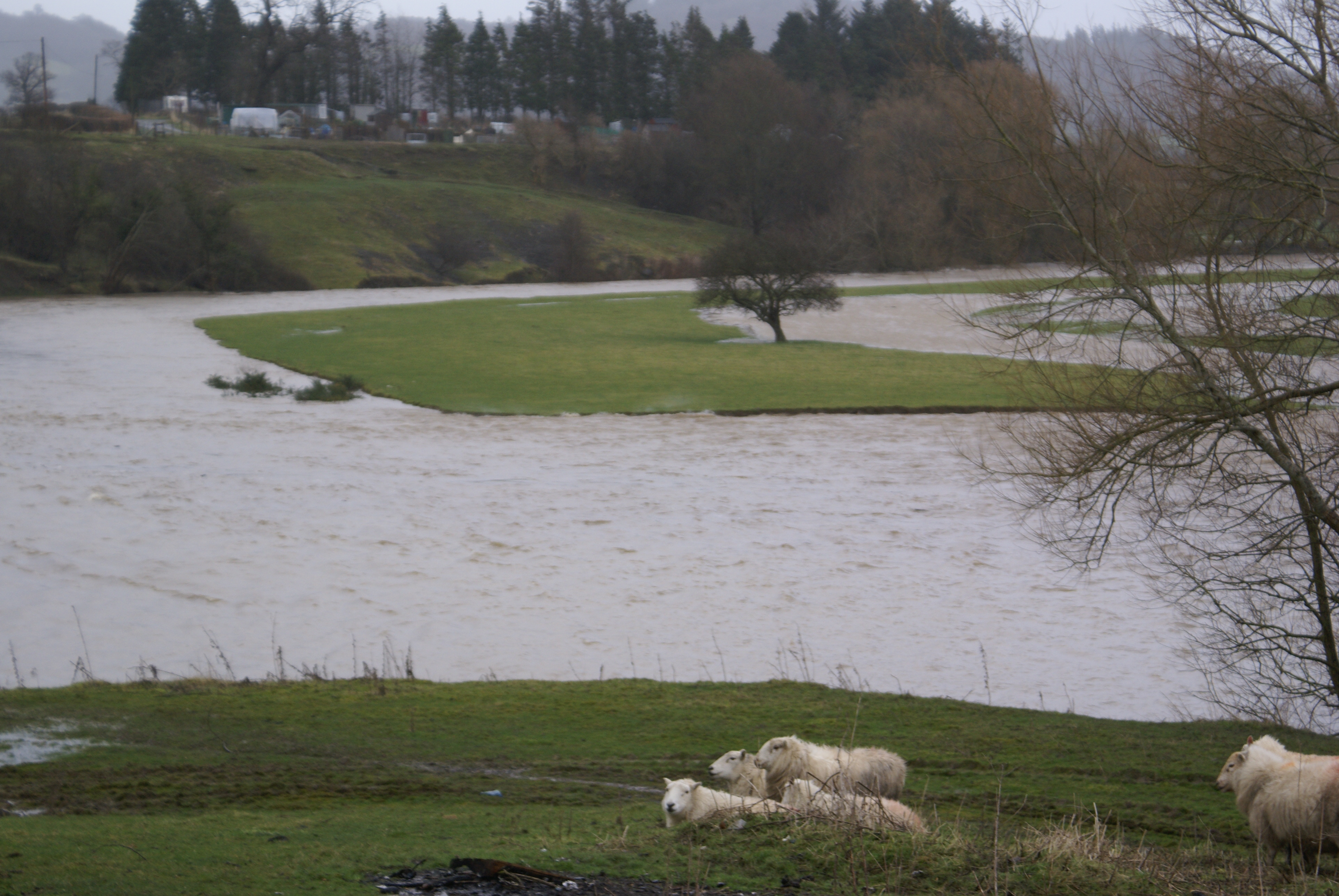
The flood plain of the Cerist starting to fill -- note the absence of buildings

The flood plain of the Cerist starting to fill — note the absence of buildings

Here are the gathering grounds of the rivers Severn and the Wye.  The little river Cerist feeds the Severn and here the Severn has plenty of room to expand:

SONY DSC

The head-waters of the Severn are also regulated by the Clywedog Reservoir which can hold back huge amounts of water.

?????????????????????????????

But the reservoir is nearly full, it has been raining and snowing incessantly for weeks and it is warm so the snow has melted, the ground is waterlogged and now the melt waters are just pouring off the hillsides.

?????????????????????????????

The muddy water fills the ditches, overflows and runs down the roads – the roads flow, waterfalls appear everywhere.

Streams that normally trickle are tumbling down every cleft and roadside brooks thunder towards the valleys, scaring the people and jumping the bridges.

SONY DSC

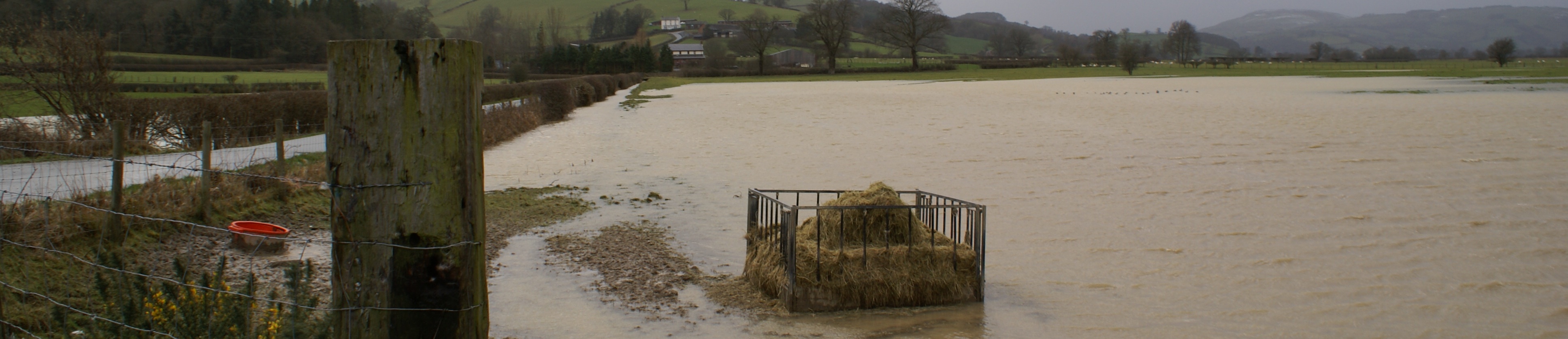
What flat pasture there is, and there is not much, is disappearing–

?????????????????????????????

Grazed only by mallard ducks.

?????????????????????????????

It is snowing again today, the news is full of pictures of the floods on the Thames around London.  The weather forecast is for more rain and more snow for the next month and all this water is bound for England.

Standard
Architecture, Art, Humour

Excited about Architecture

‘It’s the building with the huge golden knob on the top,’ said the handsome soldier recruiting in Victoria Square.  He had real leadership potential — I found it immediately — the Library of Birmingham.

He could have said, ‘the three tier cake with squiggly icing, or ‘the Spirograph Building,’ that would have found it too.

?????????????????????????????

You can’t judge a book by looking at the cover and neither can you judge a library from the outside.  Judge the inside for yourself–

And at the very top, the golden knob illuminates the whole — the hole in the bibliographic doughnut.

?????????????????????????????

Next to this enormous roof-light is the Shakespeare Memorial Library, remember we are near to the birthplace of the bard.  This has travelled through time and space and been given new life on the roof of this iconic building, designed by Francine Houben of Mecanoo Architecten and opened in 2013.

Nothing is perfect though: the glass lift was out of order, to the great relief of my lift-phobic friend, and the route to the top was through a warren of corridors, the ceiling of which I could easily touch — two meters perhaps.

‘Why so low?’ asked friend (her son is 6’8” tall).

‘Mistake!’ said I (having run out of head-room in our barn conversion), ‘Still, at least there are no beams!’


Standard
Communication, Doggy, Humour

Dog Friendly Accomodation

Not just dog friendly — pig friendly — horse friendly — duck friendly — goose friendly — and, yes, human friendly!

?????????????????????????????

We stayed in a place once, recommended by the Cornish Tourist Office as dog-friendly, where Pedro had to sleep in the car and the landlady sniffed at the gap under our bedroom door.  When we surprised her in the act, she accused my husband of smoking which he had not been doing (although he might have smelled of tobacco!)

Thus we are sceptical about such claims of tolerance and frienship.

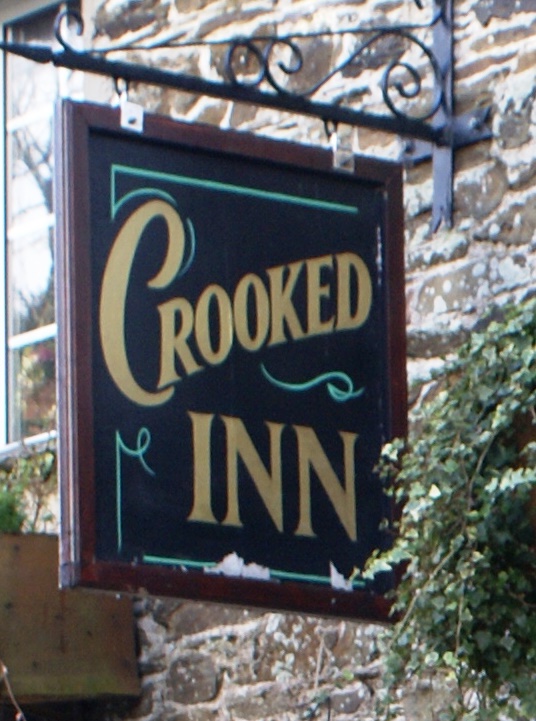
Not so at the Crooked Inn, Trematon, near Saltash, Cornwall, England (for far-away friends).

?????????????????????????????

Here we were welcomed by the host, a large, elderly, golden Labrador who met us in the car park and led us into the bar, explaining the rules to Pedro on the way under his breath.  Inside was a heaving Friday night bar where unseen wagging tails flagellated our passing legs.

Food was being served and dogs lolled under tables.  One of the locals was tired and emotional and obviously disliked tourists, he growled at Pedro and was bundled away by his friends several of whom then came over and introduced themselves.

In the dinning room, Pedro was calmed by under-floor heating and ate fat from excellent sirloin steak.

No one woofed in the night, not even when someone fell over a goose and set of the alarm.

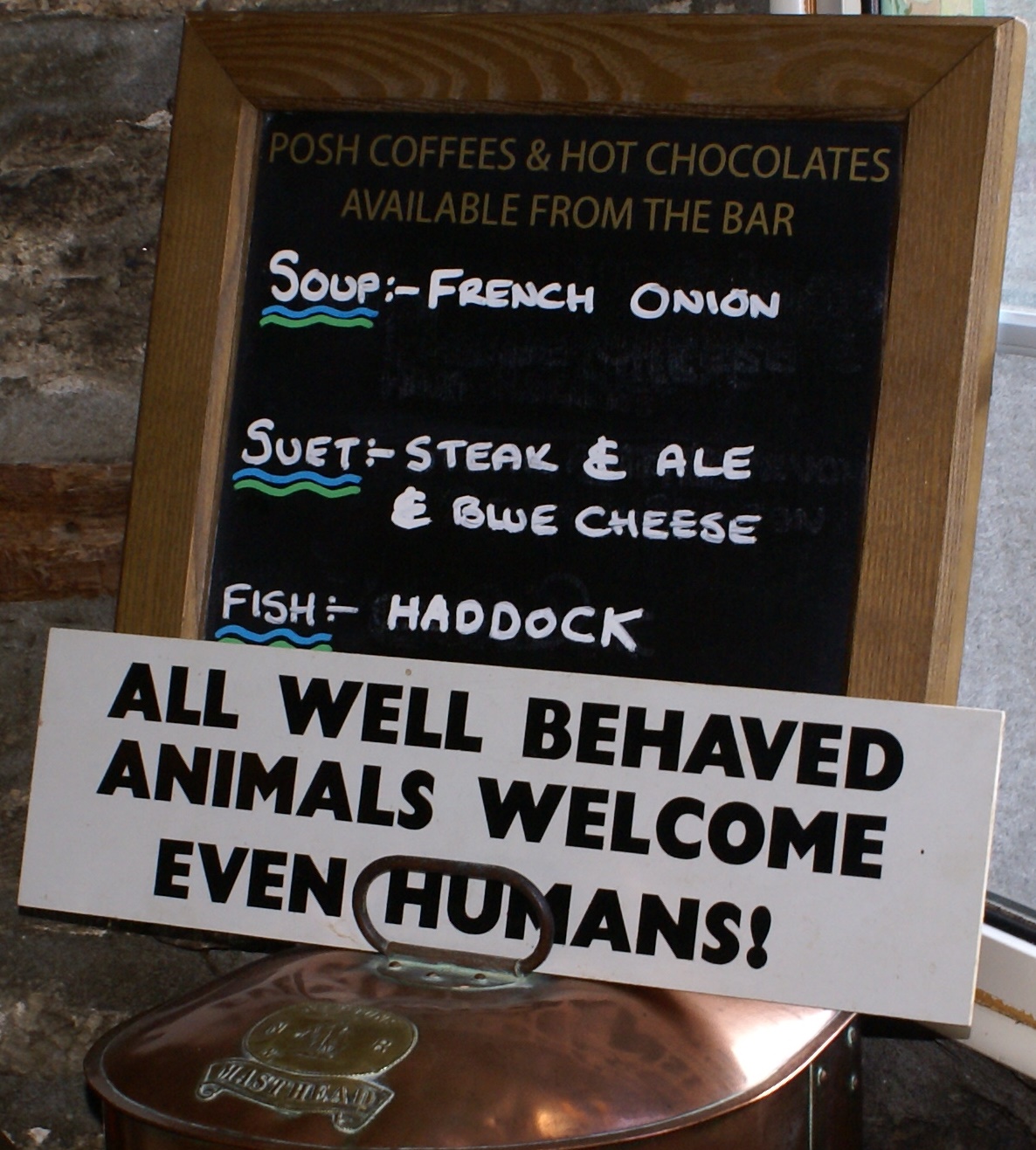
Breakfast was generous smoked haddock with a perfect poached egg, garnished with lemon and fresh lime.  Outside the huge pig wandered free, unmolested by the running dogs and ignored by the over-coated horse.  The puddle-ducks dabbled and the geese gaggled and Pedro prepared for the serious business of the day
?????????????????????????????

Standard
Communication, Humour

Only Puddleducks

Worst floods since 1756

We crossed the Somerset levels this week-end to visit family in Devon and Cornwall, the media warned of an impending apocalyptic storm, the prime minister acknowledged the plight of those whose farms and livelihoods  were already flooded and promised to dredge the rivers of Somerset.  Weather forecasts showed only swirling cloud completely obliterating our corner of western Europe.  We were foolish to set off.

It did rain most of the way to Plymouth.

We saw some swans preening in a vibrantly green field just east of Bridgewater.  We peered into the gloom waiting for the sea of flooded fields to appear.  The sun came out and we scanned the sky for rainbows, and for doves carrying twigs — there were none.

Where were the news men in galoshes standing on bridges about to be washed away and waiting for the record high tide at Burnham on Sea?  We did not expect the motorway to be submerged (we know that the clever civil engineers at least build their motorways higher than the flood plain) but from the high ground we had been led to expect diluvial vistas — silver fields.

?????????????????????????????

As far as the eye could see all was green, actually very green for the time of year and some of the streams looked alarmingly full, I give you that.

When we arrived at our destination I checked to see if the Somerset levels had been moved, perhaps to Norfolk where it is very flat or to Cumbria where it does rain a lot, but no they were still where I thought they were and still in the centre of a media storm.  Yes, that’s about it — a media storm.

?????????????????????????????

I wonder, is there something else going on — are they trying to distract us?

(Apologies if you have been flooded – please send photos! —  on 04.02.2014 the ‘storm ‘continues with a visit from HRH The Prince of Wales – for your information — an area of 25 sq miles is under water, that is equivalent to 5 miles by 5 miles, not a huge area in farming terms or compared with the area of the whole of the Somerset levels, it involves between 20-40 homes but is disrupting a lot more who feel that the problem is due to the government’s Environment Agency’s neglect of the river system. )
Standard
Lyrical, Uncategorized

Lightening strike

I don’t know if it is because we were struck by lightening today (we were not on our way to Damascus) but after the cataclysmic rain storm that followed, as the sun came out and stippled the hillside opposite, it struck me how extraordinary Life is — the whole shebang — all living things — our biosphere, from the bacteria in the soil, the worms in the grass that the crows, hopping about, are pulling out, the naked oak trees on the hill and me, worrying about the food warming up in the burnt out freezer while the man up the pole, mending the supply, is buffeted by the wind — it is all absolutely extraordinary.

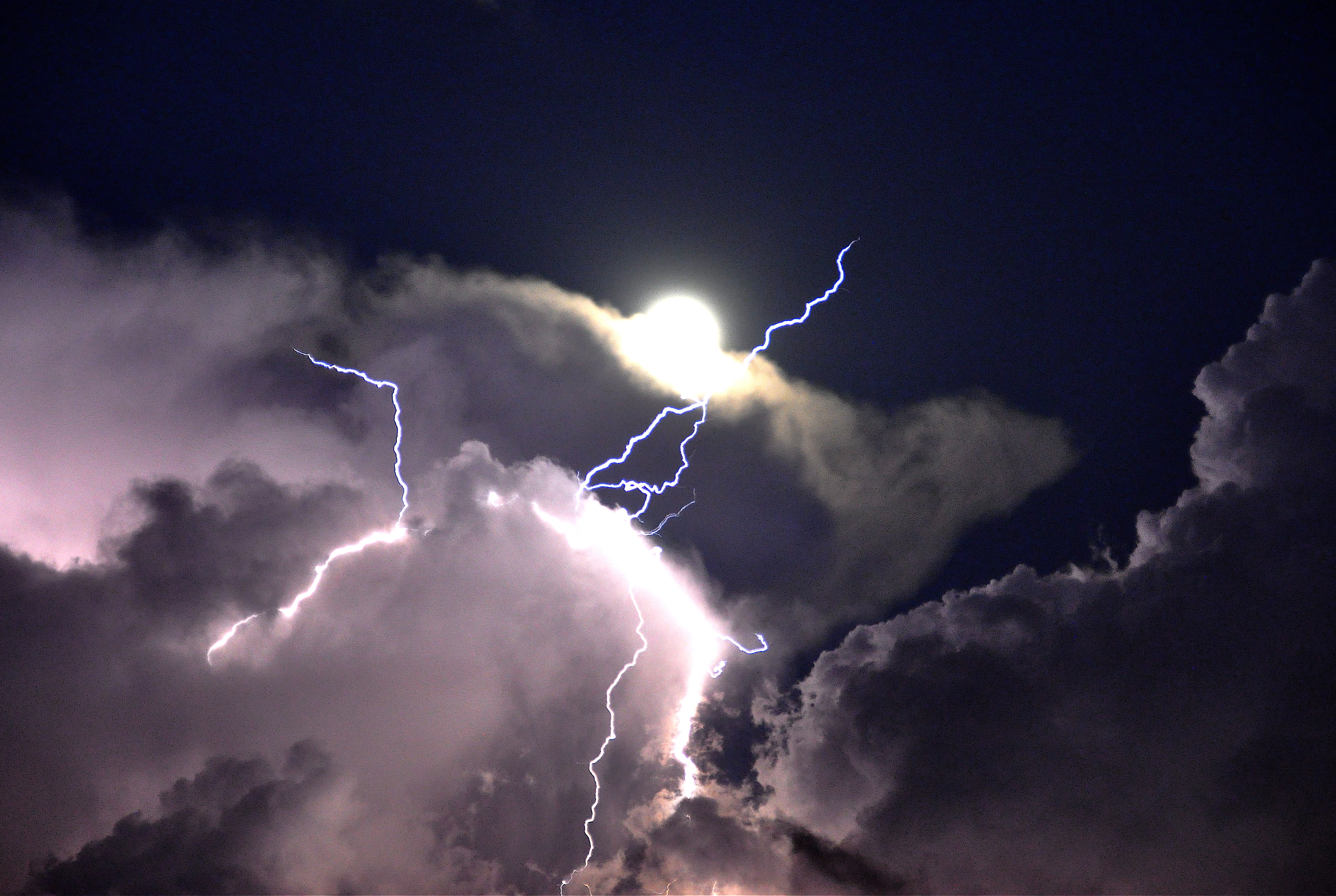
Lightening

Thanks To Kevin W Burkett for this photograph of Lightening over Philadelphia.

Source=[http://www.flickr.com/photos/kevinwburkett/3978781404/ Lightning] reproduced under a Creative Commons Attribution-Share Alike 2.0 Generic license (CC BY-SA 2.0)
Standard