Ecology, Wales

On the Verge…

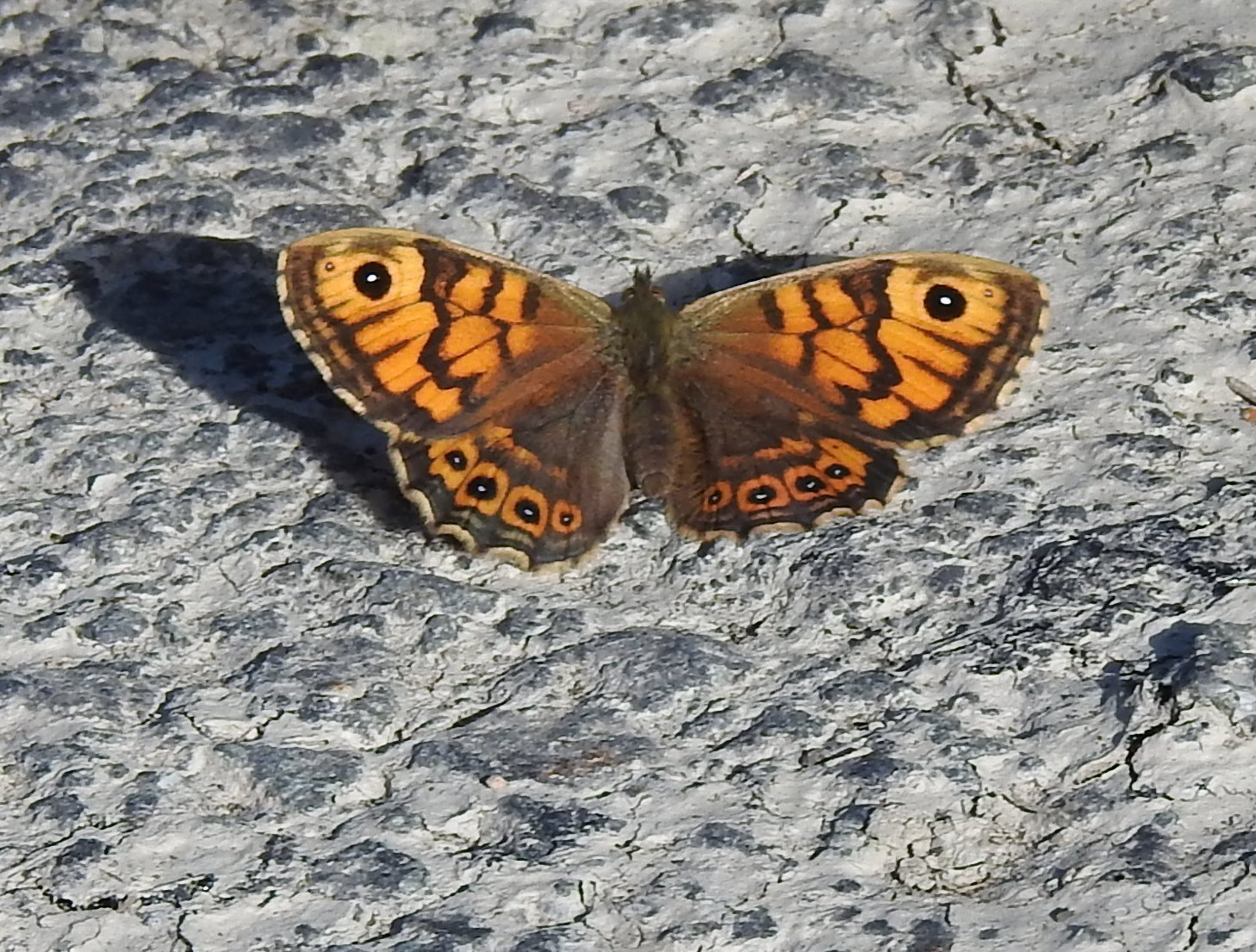
What’s this? A fritillary? No — look at those eye spots, it’s a wall butterfly (Lasiommata megera).

They live in short grassland especially where the sward is broken by rocks, furrows and walls (they like Wales), they are seen on grassy railway embankments and green verges, usually alone. Perhaps you’ll see a male flitting along looking for a female or resting with its wings folded together, showing the mottled grey underside, camouflaged on a rocky outcrop. This one was enjoying the May sunshine with its wings outstretched on the edge of a country lane that has a wide verge (the long acre) waiting to flutter up to waylay a passing female.

Their numbers are dwindling and they represent a high conservation priority as, although widespread in coastal England and Wales, they are rapidly declining. Rare now in central England it was presumed due to loss of habitat because of building and changes in farming, less grazing and the use of insecticides to protect arable crops. But there may be another reason: there is evidence that warmer temperatures are causing generations to hatch out too late in the year to survive.

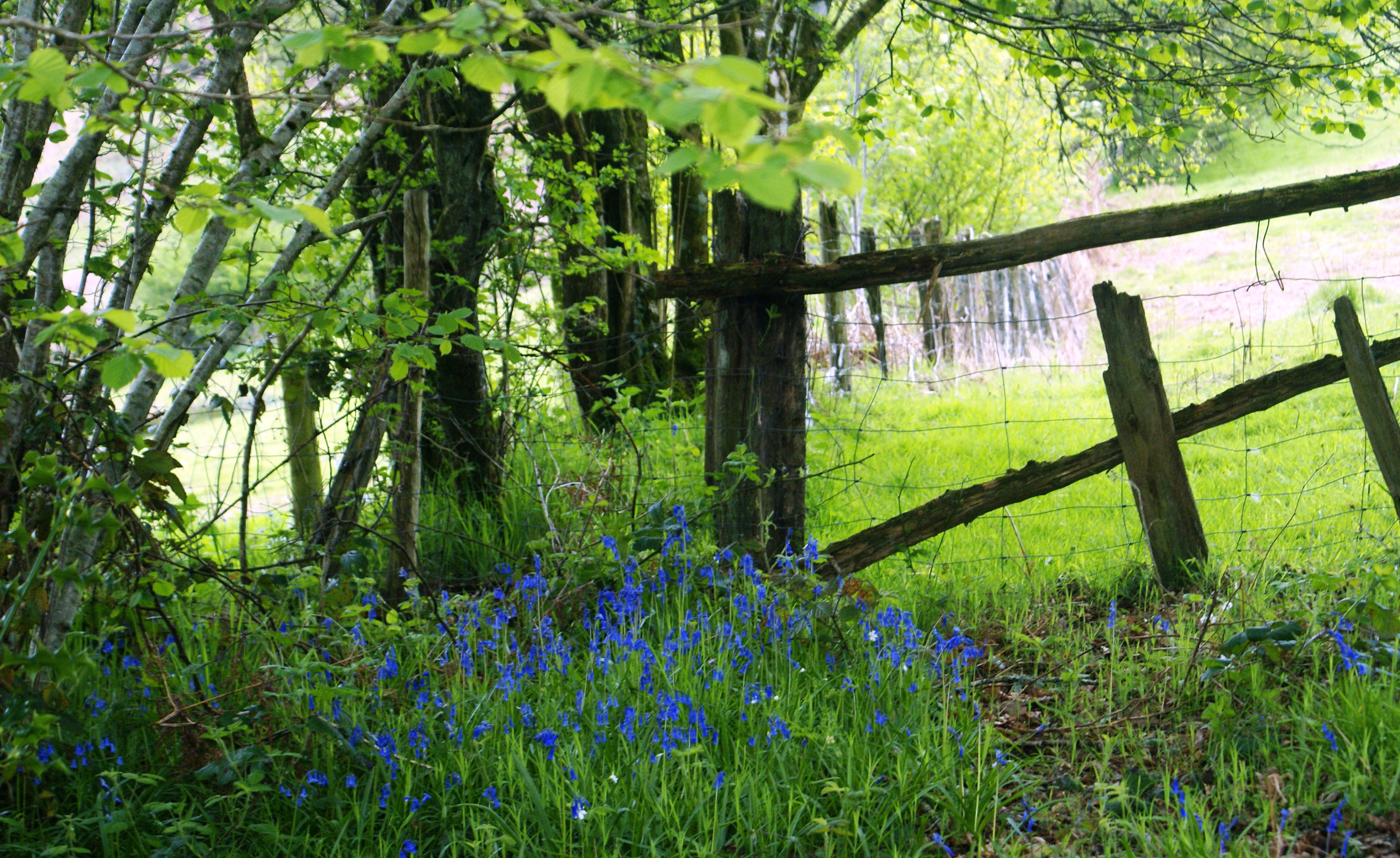
About three years ago everyone here was complaining bitterly about the council not cutting the verges regularly anymore. This year the verges are blue with a resplendent crop of wild hyacinths, self sown or grown from dormant bluebell bulbs which lay waiting for a reprieve from incessant mowing. It’s an austerity bonus! Good for bees!

As our lonely wall butterfly flits off to find a mate it reminds us of the enormous value of our 937 square miles of verges in the UK — twice the size of Exmoor and the New Forest put together — let’s mow them all just once a year and stop spraying and, while we’re at it, please can we turn off all the street lamps!
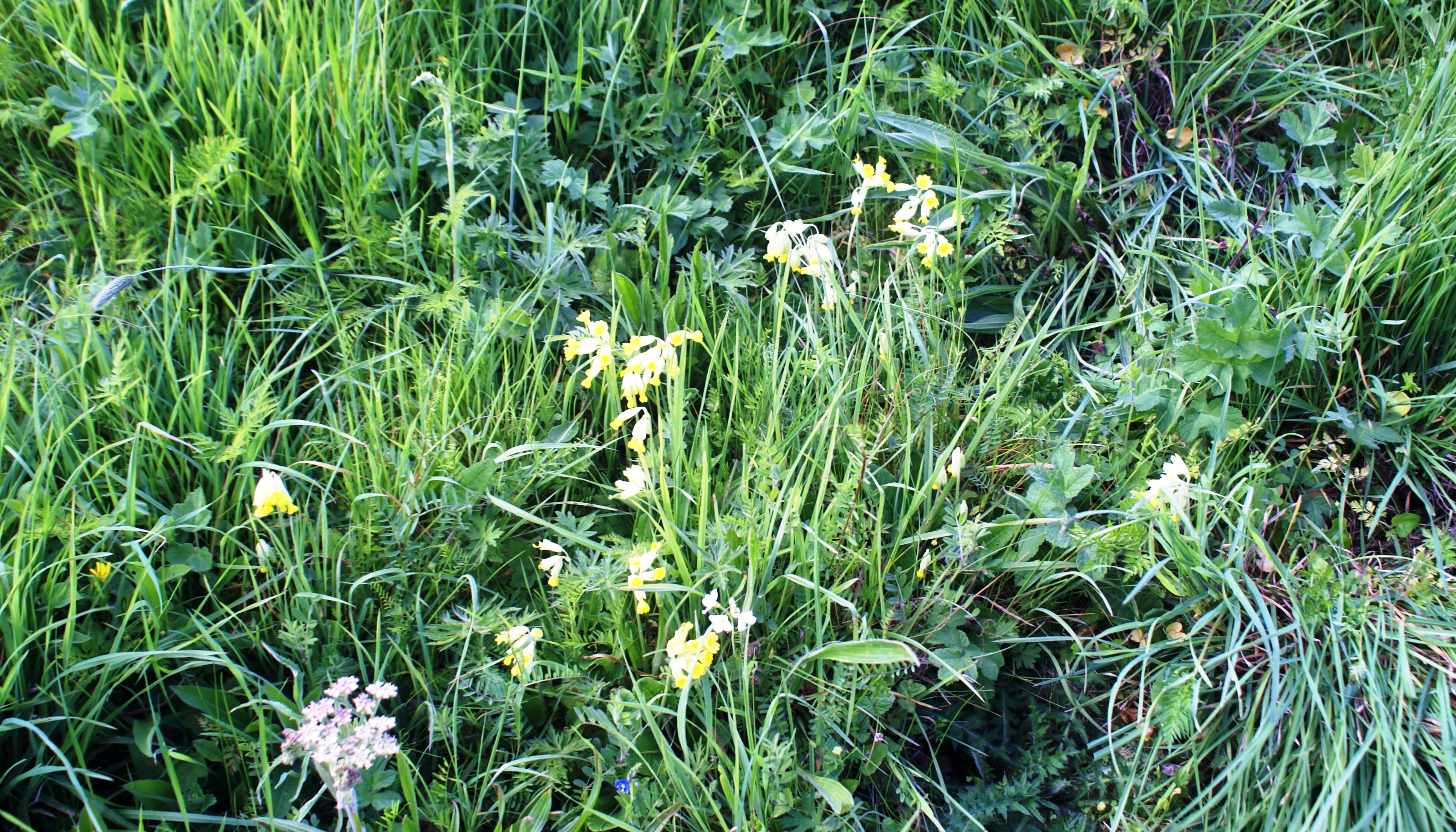
A483 verge near Garthmyl

Standard
Ecology, Wales

Sometimes I think I’m invisible!

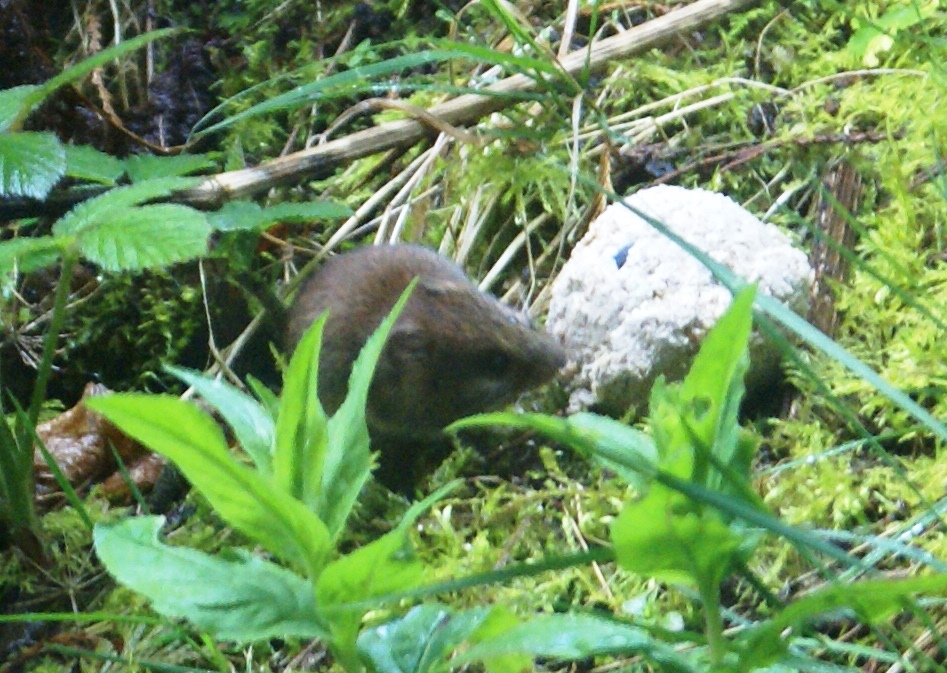
Cheeky bank vole steeling new friend, Thrush’s fat ball (he’s eaten all the bananas!) — bold as brass, six feet away from me.

Gosh! He moves fast, flitting all about the bank –soon the plants will have grown so much that he will be sheltered from the eyes in the sky –buzzards, barn owls and tawny owls. But watch out! There’s a stoat that visits the bank and next door’s cat. Everything is getting much braver since our dog died.

Standard
Birds, Ecology, Gardening, Wales

Protecting the Innocent

Baby barn owls and Jan

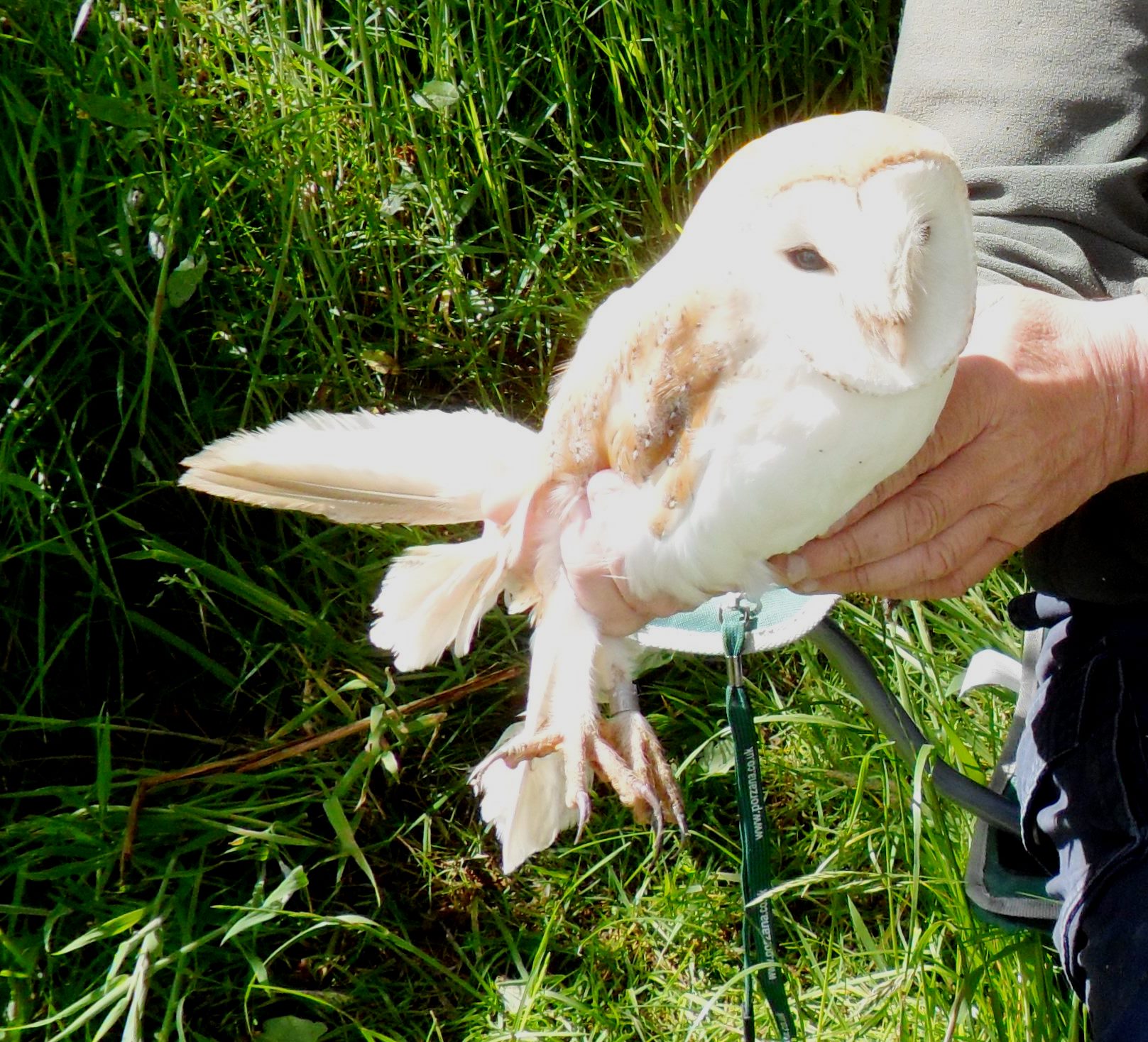
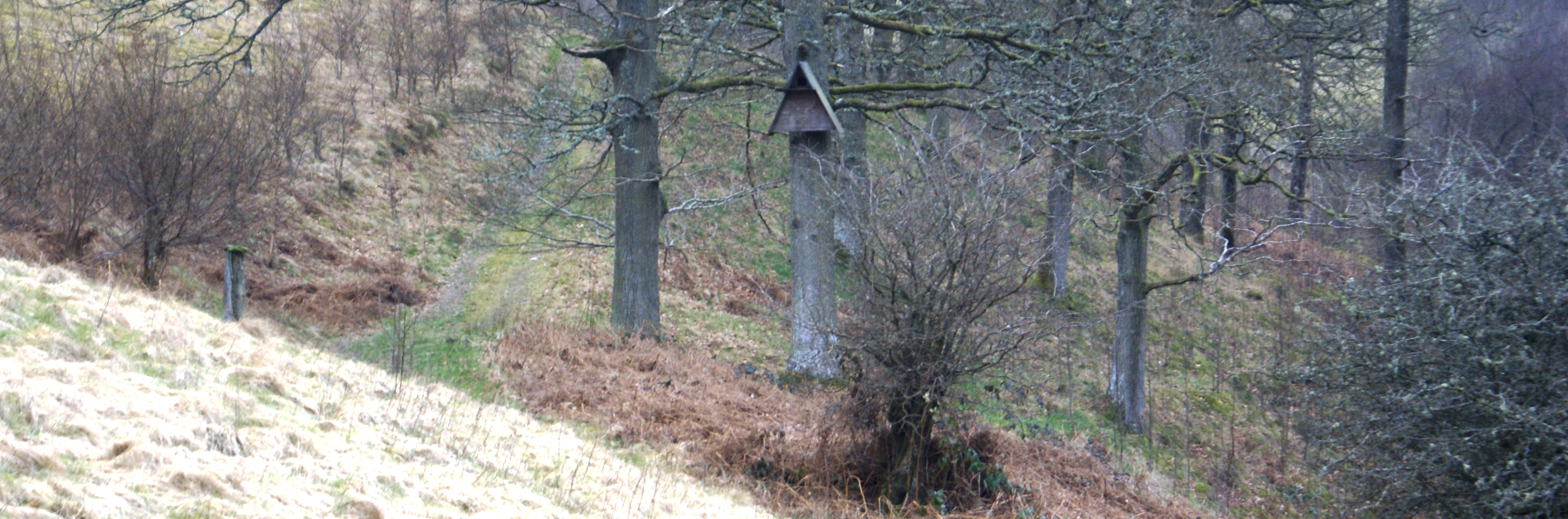
Here they are:  last years baby barn owls safe in the arms of local owl whisperer, Jan, from the Species Habitat Protection Group that monitor the owl box on our land.  I couldn’t show you these last year as their location was better kept under wraps — there are evidently still people out there who will abduct baby barn owls to rear as pets and for sport.

We hear barn owls every night but this year Mum and Dad have not used our box again.  It should be a better year as the dry weather allows the parents to hunt every night.

Two days ago Alan and I went to inspect the osprey nest over the hill.  This year there are three chicks, two male and one female, just about ready to fly, jostling for space in the untidy nest.  The location is well known now so their custodians have made a car-park with a hide which provides many volunteer watchers (and doubtless electronic surveillance).

????????

One fuzzy ‘fish-hawk’

Here are pictures from a previous year from the Osprey Centre webcam in the Dovey Estuary courtesy of the Montgomeryshire Wildlife Trust Creative Commons License .

SONY DSC

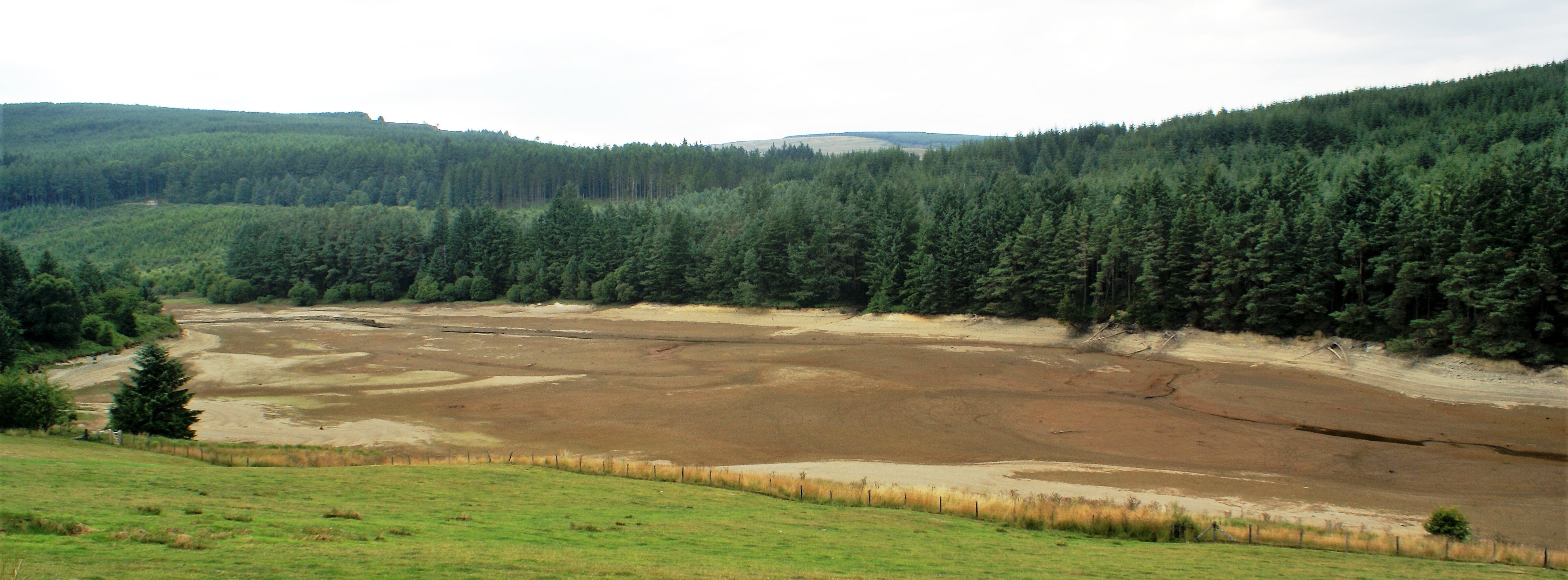
The mother was sitting on the cross-bar above the chicks, when we visited, waiting for the male to return with a big fish.  Below, the reservoir was shrinking fast in our only dry summer for years!

SONY DSC

Whoops — I spoke too soon — with a crash of thunder the drought appears to have ended!

We are reminded that, despite the drought, our habitat is Temporate Rainforest and that our garden, tended only by the Almighty is, this year, very fashionable!

SONY DSC

It would merit a gold medal at any of the horticultural shows — Chelsea, Hampton Court or Tatton Park!

Standard
Ecology

The Mysterious Case of the Missing Fish

If you stand on a bridge for long enough around here someone will come past who will stop to bemoan the passing of the fish.  They will tell you about the trout they tickled in childhood and the salmon their grandfathers netted when times were hard.  They may also tell you how they outwitted the game keeper in their youth.

The only trout we’ve seen in our stream, that was more than an inch long, arrived in a bucket taken from the boot of a car, caught elsewhere by a friend’s grandson and rehomed in our stream, never to be seen again.

Accepted wisdom blames acid rain, too many pine trees, insecticides washing off the backs of the sheep, the reduced use of lime on the fields, too much sewage running into the water, not enough sewage running into the water, over fishing, weirs, flooding and sheep dip.

Now, we’ve just acquired a trail camera which we’ve placed by the stream in an isolated open area (most of our stream has cover) and guess what the first thing we spotted was — not an otter (sadly)

fullsizerender-5

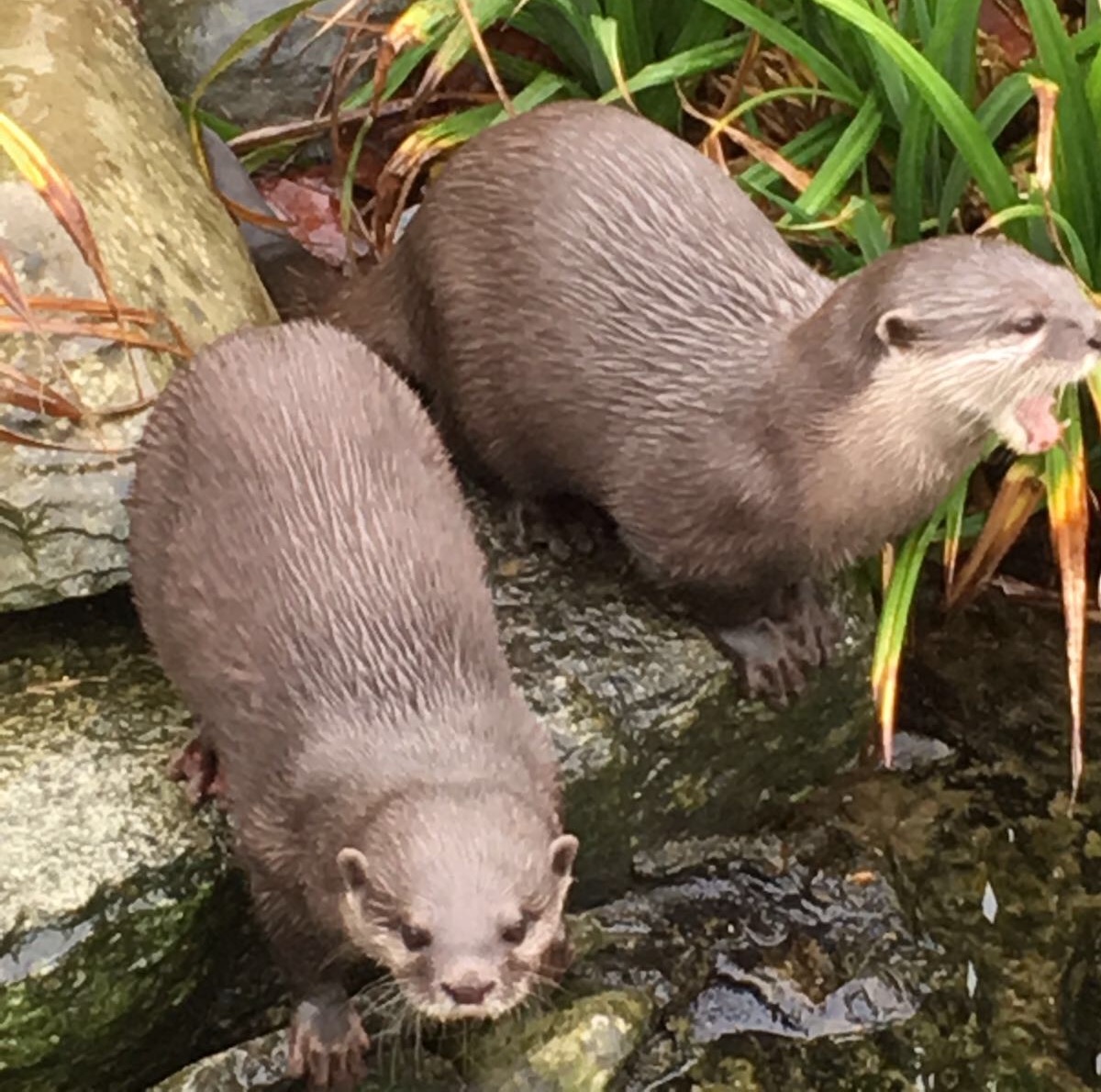
European Otters

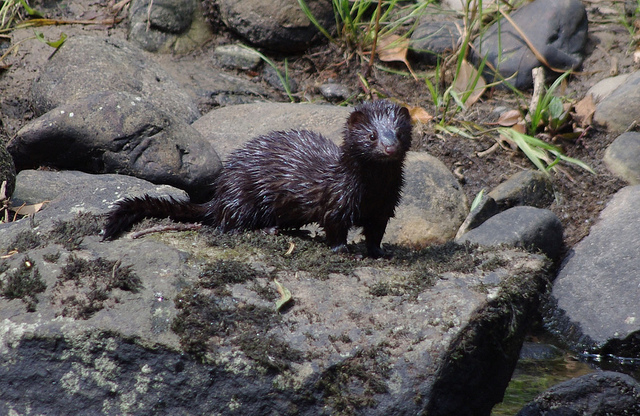
but a mink who appeared to be (guess what?)…  Fishing!

Monk by jsutcliffe

Mink!  by jsutcliffe (CC BY- NC-SA 2.0)

The following day, shortly after dawn, we spied a heron patrolling the same stretch of water. What are they up to, if there are no fish?  I know they do eat frogs.  Or are they the reason that there are no fish?

Lots of the streams in this area have pasture right down to the water’s edge so that any fish that there might be have no cover from overhanging vegetation which is what they need to hide from these dastardly predators.

The problem is what to do about it.  Bring back the game-keeper?  I know what he’d do!

The predators that the game-keepers used to kill are perhaps more common than we thought — we just don’t get up early enough these days to see them.

Standard
Birds, Ecology, Wales

Happytat Creation

Here’s something to cure election fever!

Something new and glorious and full of hope!  It’s something we’ve discovered 50 yards from our back door — a pair of nesting Barn Owls!

SAM_3198 (1)

Here is the male (I think) who is paler and here is his mate with her buff coloured chest

barn owl cropped

and dark spots on her flank.

Best of all, there are three chicks which I hope to show you in a couple of weeks when they will be ringed and meet the public.

All this and the photos are courtesy of the Species Habitat Protection Group who erected the nesting box and have been monitoring it for 3 years.  Last year there was just one tell-tail Barn Owl feather, so we knew someone had been house-hunting, but we had no idea that they had moved in this year and started a family.  Thank you Jon, Jan, Roger and Brian and the other volunteers.

Standard
Ecology, Urban environment

London surprises

The human habitat expands in three dimensions.

SONY DSC

But just the other side of these buses is a tributary of the Thames — the River Wandle, that gives its name to Wandsworth — and look what we have here!

SONY DSC

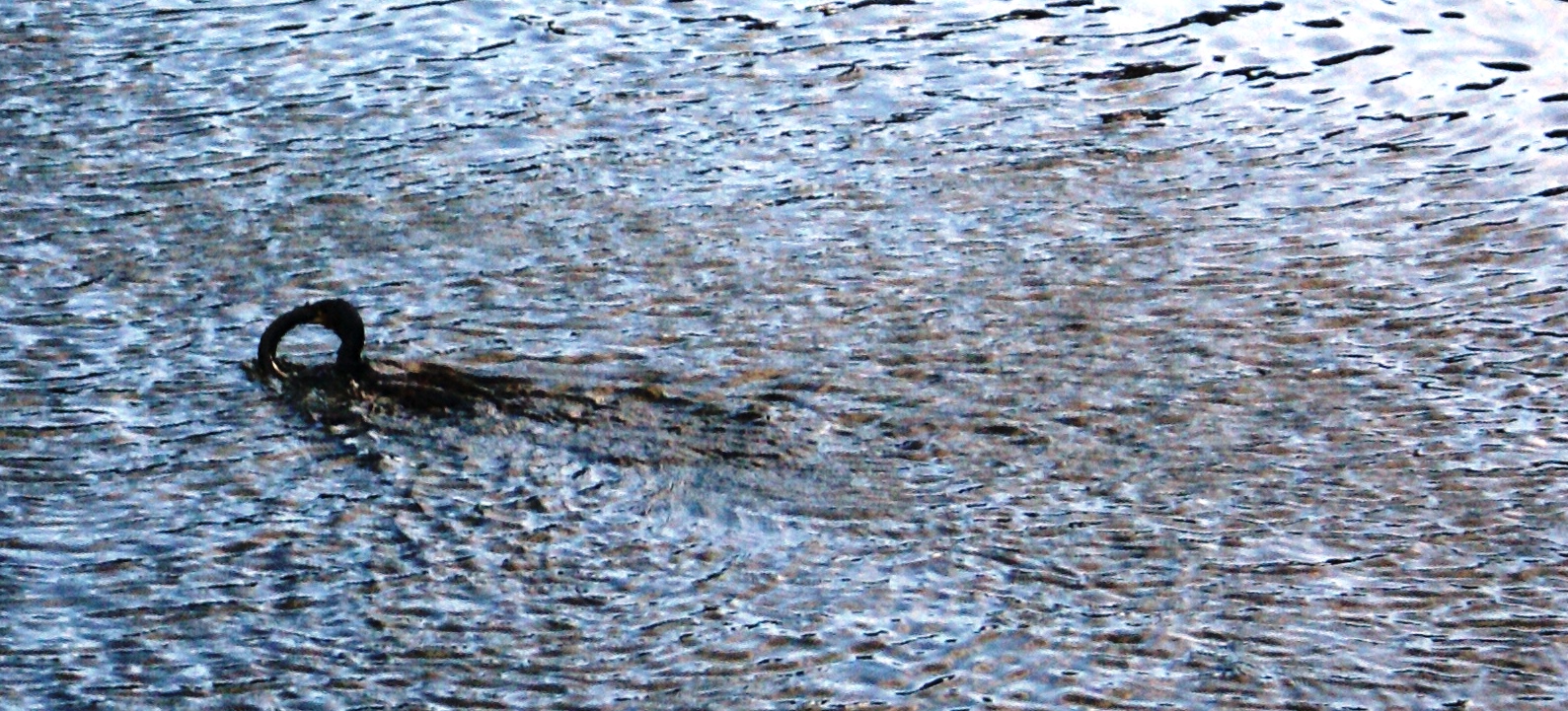
A cormorant wrestling with a large, live eel which it eventually swallows whole.

SONY DSC

There it goes!

A short walk (for a country person, her daughter and her new grandson) and we are up-river in Barnes, in the wetland reserve that nestles in a meander of the Thames.

“Wake up, Little Grandperson!  Look at these!”

fullsizerender-5

Otters in their almost natural habitat doing what they do best — exploring!


Standard
Climate, Ecology

Barn Owl 2016


SONY DSC

Barn Owl 2016

We have ideal Barn Owl habitat (except of course when we accidentally set fire to it!)

P1060860 fIREMEN

But our climate is not ideal because Barn Owls, who like to hunt at night and are quite picky eaters, cannot fly in torrential rain;  this is a real problem in Wales!  This is the reason we occasionally glimpse one by day; it is not a good sign, it means it is very hungry.

The population is under threat in our area, despite the profusion of nesting sites and voles in our little valley and the hard work of all the volunteers.  However, inspection of our Barn Owl box revealed one Barn Owl feather in 2016 so, as the Owl Man said, we are on their radar so we live in hope.

SONY DSC

Meanwhile we will only meet at Falconry Displays.


Standard
Birds, Ecology, Wales

Never Malign the Humble Starling

It could cost you an admirer!

starling-by-john-quine

Starling by John Quine (CC BY-NC-SA 2.0)


I once had a very high opinion of a man for whom I worked, in a lofty Victorian hospital with what they now call ‘orangery windows’ in the roof of the long ward on the top floor. One day a bird that had strayed into the ward became trapped, flying up against the glass of one of these windows.  His frantic tweeting was disturbing the ward and distracting the medical students that my boss was trying to teach — it didn’t take much to distract a medical student.  Now, I knew he was an enthusiastic bird-watcher and early tweeter (nothing to do with Twitter — it was long before that).  Perhaps I thought I’d impress him.

“I’ll get the pole and let the bird out!’ I said and went to fetch the thing like a giant boat-hook that opened the sky lights.

“Good idea!” said he.

When I came back, they had moved along the ward, nearer to the bird and could see the flapping, squawking creature more clearly as it threw itself repeatedly against the glass in panic.

“Oh!  It’s only a starling!” said the boss ” Leave it!”

Crash!  There it was, shattered on the ground — not the window — not even the bird — but my shattered illusion — my respect, in shards on the floor of a paeiatric ward in North London.

Later, when the previously wise old patriarch, now demoted to a racist tyrant, was having his coffee, I went back and released the bird.

I remember this because it is the time of the year when flocks of these enterprising and social birds ‘graze’ our fields looking for something, I’m not quite sure what.  They alight (several hundreds of them), making a great stain on the hillside, chattering.

SONY DSC

Then they lift in a swirling cloud and swoop low over the pasture scattering the sheep  who are scared, they are convinced that this murmuration of birds is supernatural. Suddenly the cloud swoops into a tall tree, all talking, so that the Douglas Fir twitters with an invisible din.

SONY DSC

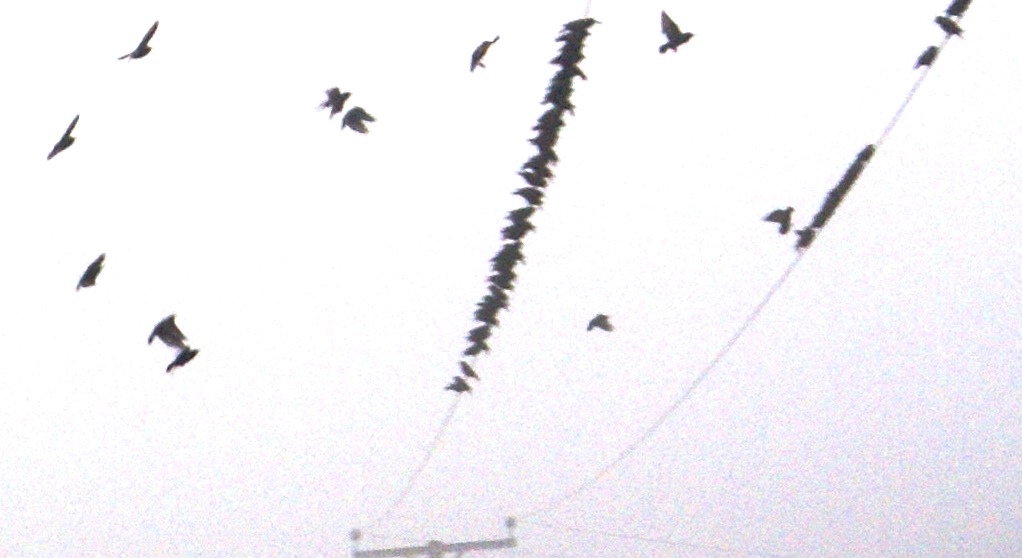
Then they are off again swirling, the ball of birds, tumbling up and down the valley, in and out of the morning mist, like a great ball of the lightest, flightiest, celestial dough, rolled back on itself and kneaded by an invisible force.  A splash of dough lands on the overhead electricity wires, then drips, bird by bird, back onto the grass.

SONY DSC

All the time more and more individuals are joining the throng then, suddenly, they are gone.  All that remains is the throb of a thousand wings as they pass overhead, there is nothing like it — perhaps the sheep are right!

starlings-by-paul-mcgreevy

Starlings by Paul McGreevy (CC BY-NC-SA 2.0)

 Have a look at these murmurations: http://essexnaturalist.wordpress.com/2014/12/29/starlings/


Standard
Ecology, Wales

Miracle!

It’s a miracle and like the birth of a baby (or a lamb) it brings tears to your eyes;  one day the twigs on the oak trees look strangely spikey, the buds at their tips are swelling and beginning to crack open, furled leaf points are starting to show.  There is heavy rain over night and, next morning — like a magicians bunch of trick flowers — every bud is open and every leaf-vein filled with sap and suddenly, where a lattice of branches divided up the open sky, our woods are a solid mass of billowing green.

SONY DSC

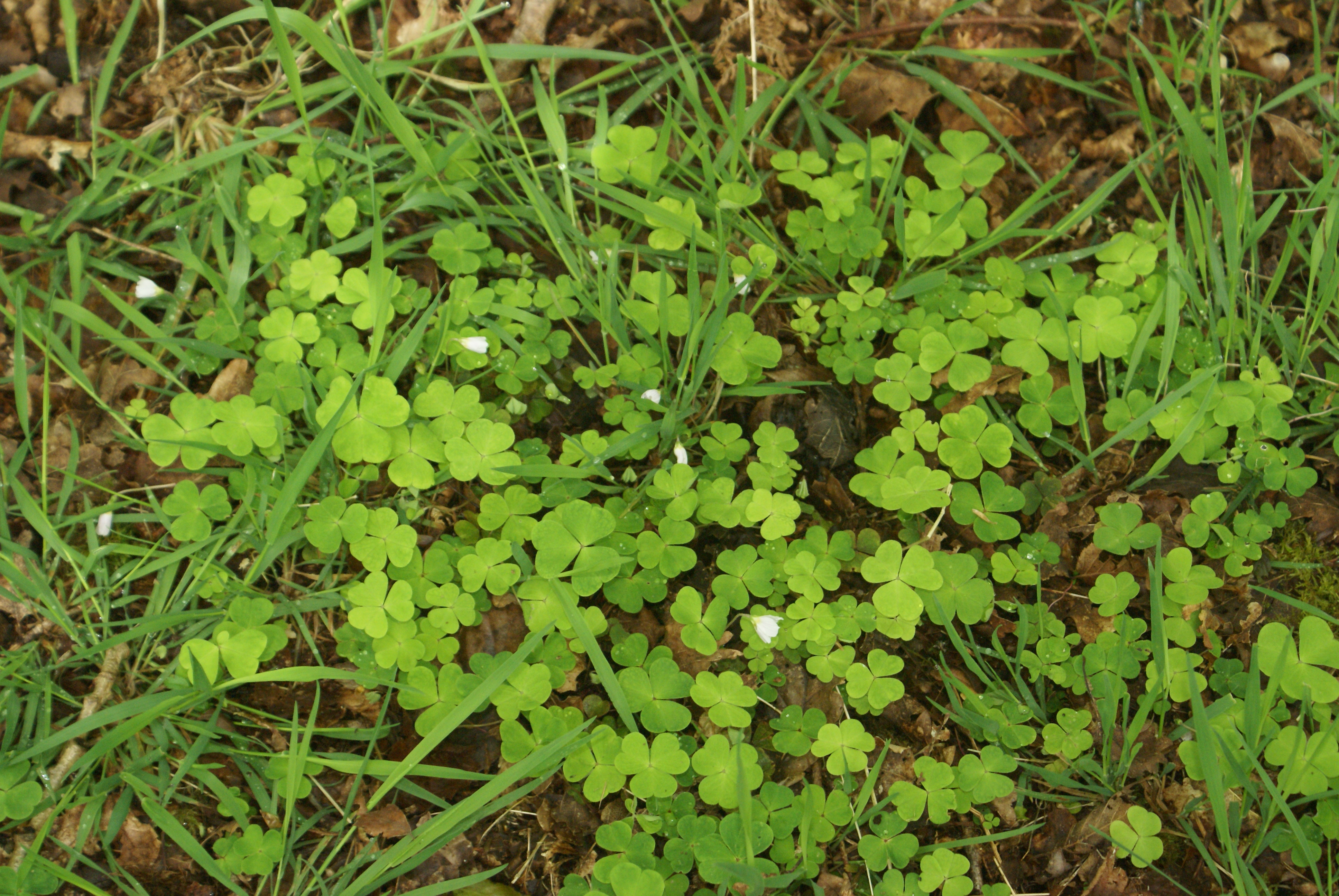
Say goodbye to the shamrocks, engulfed in woodland shade; they’ll soon be overtaken by the grasses, ferns and brackens, all scrambling towards the remains of the light.

SONY DSC

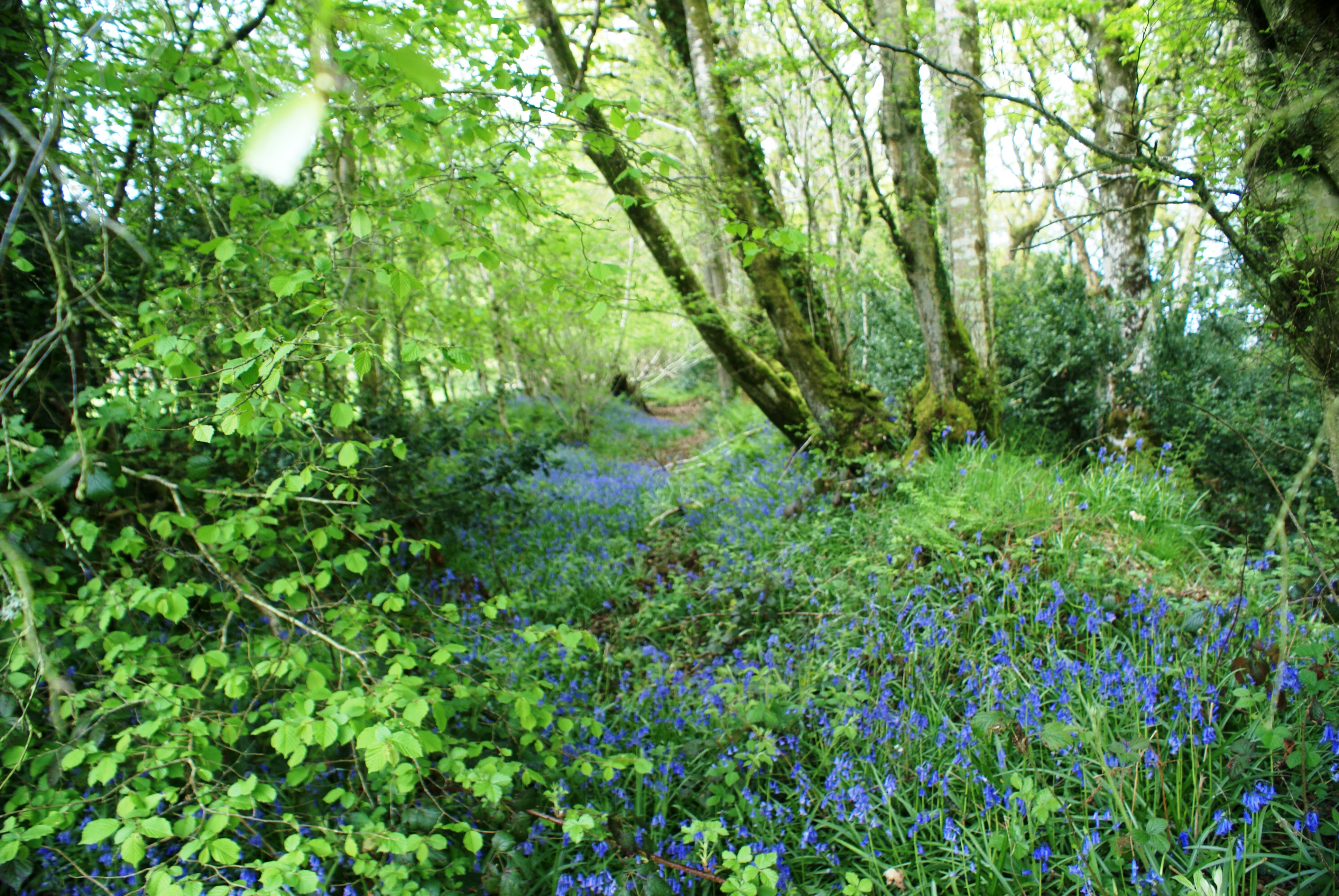
But first — enjoy the bluebells!

SONY DSC

The spring comes late in the Cambrian Hills but when it does it’s explosive!

SONY DSC


Standard
Ecology

Taking the lid of a habitat


oldbilluk (CC BY-NC-SA 2.0)

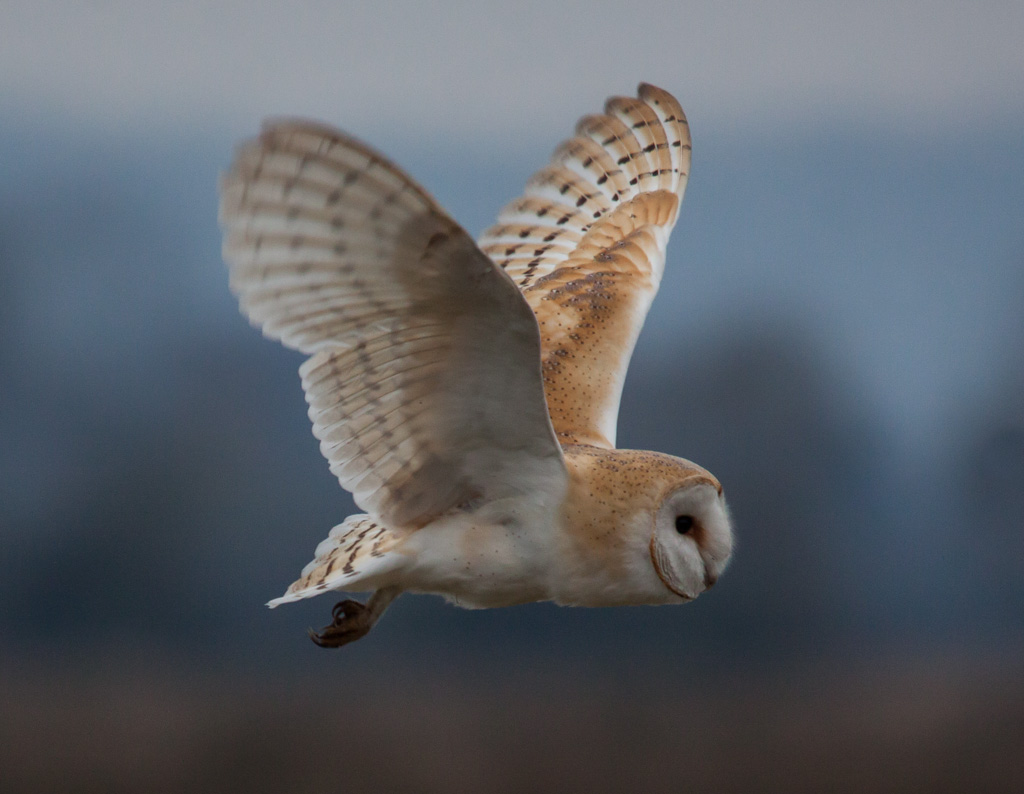
Thanks to oldbilluk for this fantastic Barn Owl (CC BY-NC-SA 2.0)

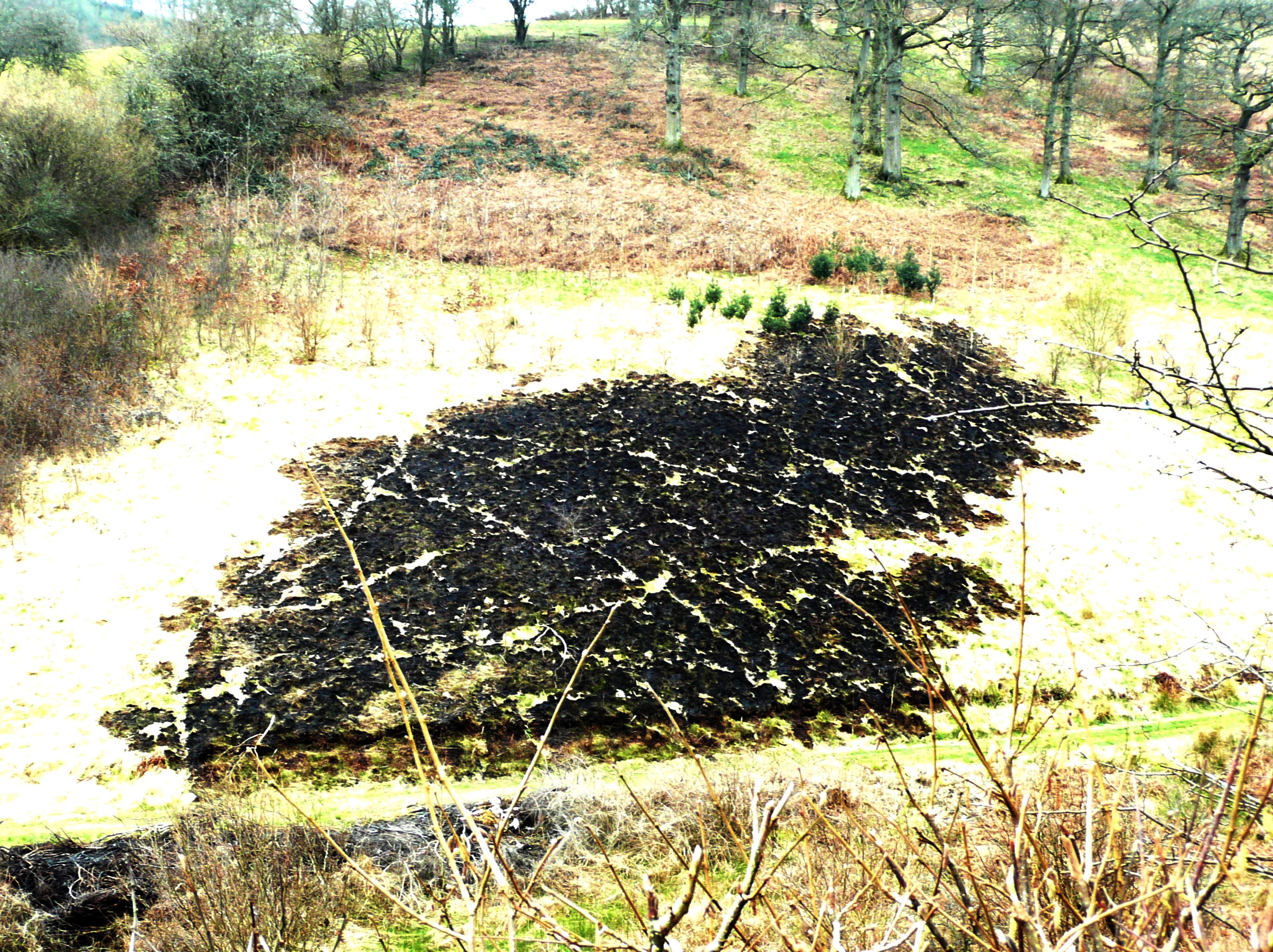
Our recent wild-fire damaged the Barn Owl habitat — here is how it should look — tussocks of grass growing through a thatch of the previous years’ hay.

SONY DSC

SONY DSC

After a dry week this loose weave of hay had dried out surprisingly and fire spread rapidly.

P1060888

Aftermath of the grass-fire

From the other side of our valley you can see (in the bottom/left) where the flying ember ignited the hay on the opposite side of the track — then it spread in minutes across the fifty yards or so of rough grassland, up the hill (to the top/right of the picture).

Where the weave is trodden in the animal runs, trampled by badgers, foxes, rabbits, squirrels, hares, domestic cats and dogs and the occasional stray sheep, the drying and, in consequence the burning is less. Now you can clearly see evidence of the frenetic activity (mainly nocturnal) that shapes this landscape.

But look more carefully.

The fire has taken the lid off the vole habitat

The fire has exposed the labyrinth of  passageways, burrows, tunnels and store rooms beneath and within the sward — vole sized ones and tiny shrew sizes scamper-ways, occasionally enlarged by pursuing weasels or torn open by buzzards.

I have found caches of lightly roasted hazel nuts, larger ones presumably hidden by squirrels but fortunately no bodies — it seems the fire moved quickly and superficially and, I guess (well, I hope), the residents fled to their basements!

3279798907_89d50796f6_z

This little chap (vole deceased!) was not so lucky — photographed by Tom Brandt (CC BY 2.0)

Standard