animal psychology, Ecology

The Cynic and the Bunny

SONY DSC

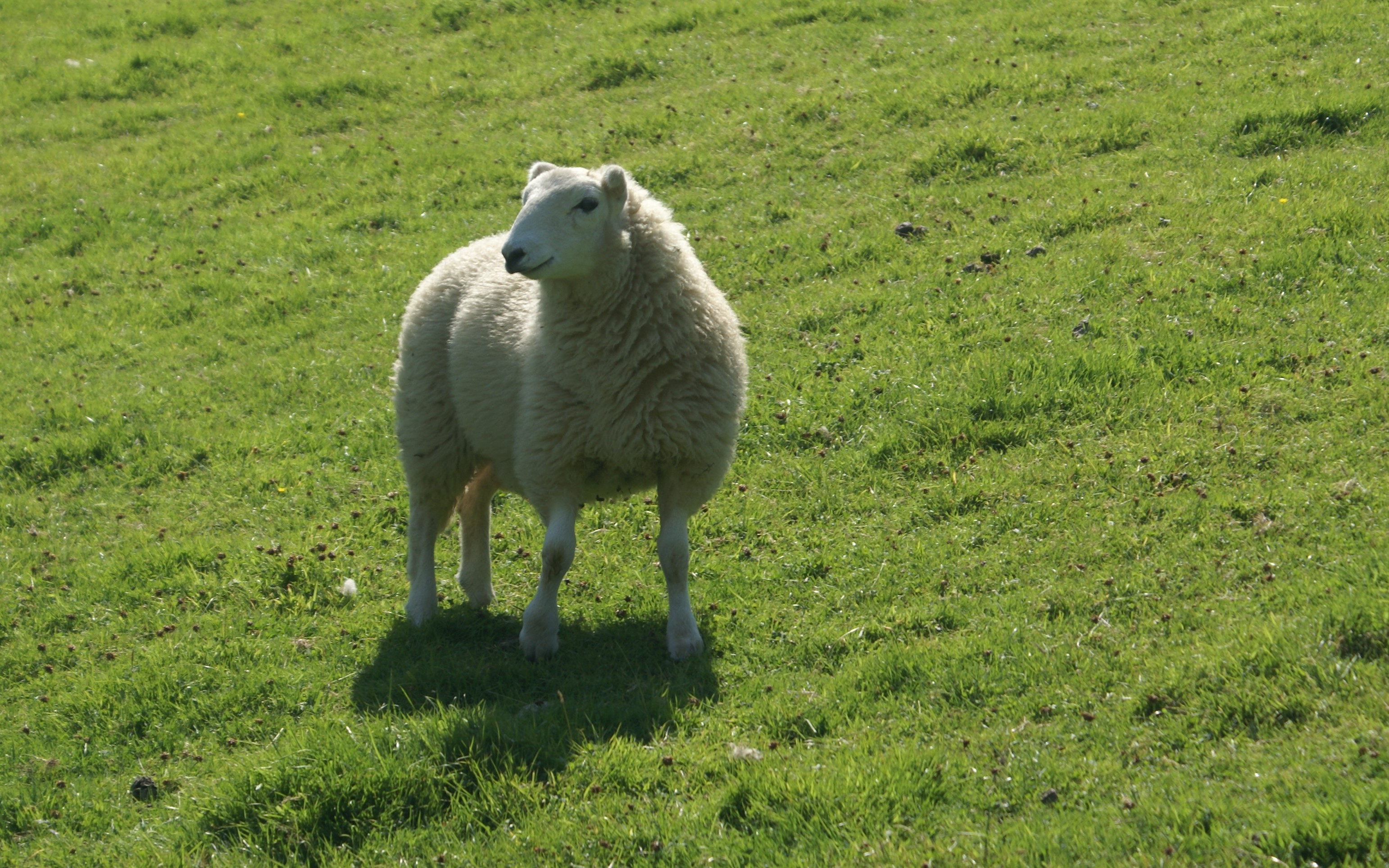
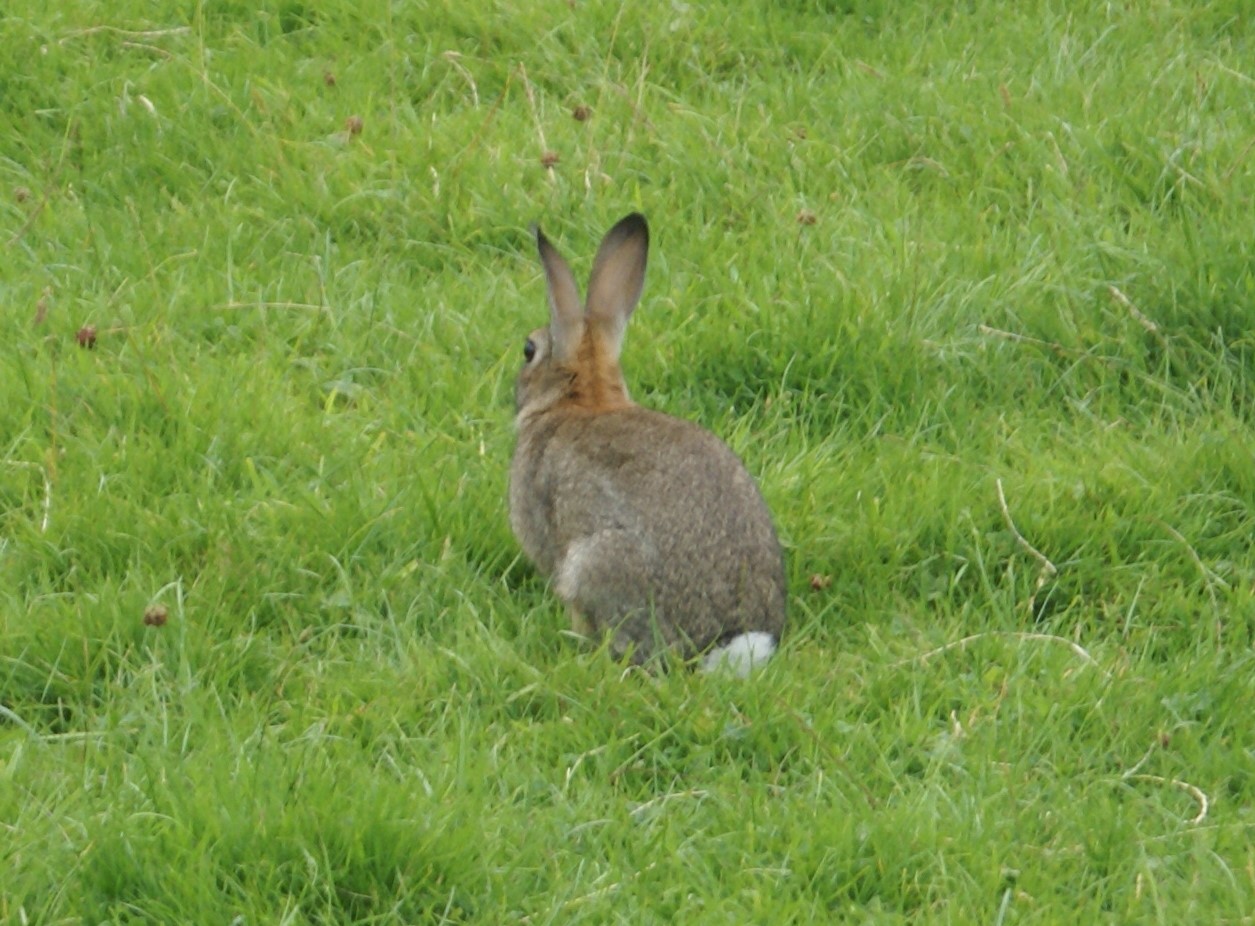
Here’s the Bunny — he’s started hanging around our yard — not very sensible as you know we have killer cats who eat a baby rabbit  a day at this time of year.  This bunny is larger than the ones they usually catch but he would still fit through the cat-flap so he’d better look out.
SONY DSC

He sits (he could be a she)  and he watches (can you see that his eyes are arranged like a sheep’s, so that he can see almost all around himself) so he knows I’m there — clomping up behind him in my wellies.  He doesn’t lollop off until the dog bounds up to sniff him.

SONY DSC

Off he lollops with his bobtail flashing

Pedro, the dog, can kill rabbits, but all he wants to do with this one is sniff it — perhaps he needs to know exactly what it is as it is behaving in such a peculiar way — this bold bunny.

When Pedro was young he used to bring in live baby rabbits, we called them punk rabbits as he licked their fur into spikes, he would put them down in front of us and cock his head enquiringly, ‘ Can we keep it?’ he seemed to ask.  They were all liberated into the big outdoors and probably eaten by the unsentimental buzzard — ‘This rabbit tastes odd!’

Next time I see the bold bunny, I’m inclined to feed it some sheep nuts; perhaps this is how rabbits were domesticated or, more likely, it’s a sick rabbit — it’s wits dimmed by disease and protected from predation by the instinct of predators not to eat infected meat (unless they really have to).

It doesn’t seem to have any features of myxomatosis, its eyes are clear and not running with pus, it has no obvious tumours, though now I come to think of it, that cheek is rather chubby.  British rabbits are supposed to be getting some degree of resistance to myxomatosis which we haven’t seen since we’ve lived here but I still remember the short-lived delight I had as a child — being able to run up to a furry creature and it not to run away and my mother’s panicky ‘Don’t touch it!’

Perhaps I will offer it some sheep nuts if I see it again — you never know — hope might triumph over cynicism, just occasionally.
Standard
Humour, Sheep farming

Mothers and daughters — strong bonds, weak fences

We have weaned our 2015 lambs, and sorted them — with much baaing, a lacerated hand, a butted head, exposure to organophosphates (or similar), marital disharmony, horse-fly attack (despite aforementioned insecticide) and general fouling with mud and excrement — and that was just me..

Now the ewes are in one field and the ram lambs are happily in the boys-field. The ewe lambs are very unhappily in the girls-field. This is bound to lead me to extrapolate extravagantly upon the nature of the mother-daughter bond. The ewe lambs are screaming hysterically and throwing themselves against the double wire fence that separates them from their mums. The mums are lying down taking a well-earned rest and trying not to listen, you can see then clenching their teeth and staring into the middle distance.

Close to the fence but trying not to listen -- the mothers

Close to the fence but trying not to listen — the mothers

As night falls the baaing does not diminish and shortly after 2 a.m. there is a great crescendo and from the house I can hear the lower tones of the adult ewes joining in. I wait, it does not diminish, so I get dressed, grabbing the first garments to come to hand, the torch battery is flat — I stumble out into the starless night (where are all those shooting stars?)

When I get to the source of the din, all the female sheep are gathered around a crisis, all offering an opinion. Two ewe lambs are stuck fast between the two fences that separate lambs from mums; there is an old tree growing there that has pinned them down, resolute in its dimly remembered hedge-duty of separation.

I climb over into the narrow wire cage, ripping my new trousers on the barbed wire and pull the first lamb out backwards by its kicking feet and hug it tight then I carefully hook the lamb’s flailing front limbs over the top wire of the fence avoiding the barbs more successfully than I did with my own bottom (we’re talking 30 wriggling kilograms – the lamb, that is) then I heave. Amazingly it lands like an SAS parachutist, rolling like a pro, regains its feet and in a single movement disappears into the night. The ewes are impressed.

The second lamb is huge and heavy, I apply the same technique and deliver it as a breech from the womb of the old tree but, despite all the huffing and puffing, my strength then fails me. I do not let go; I shout for my assistant… No reply, not even from the dog. The louder I shout, the louder the sheep join in, and the denser is the silence emanating from the sleeping house.

Nothing is more motivating than having no other options, after a little rest, I hook its feet over the top wire and with all my might I heave and the second lamb disappears into the night.

Next morning at first light a morning chorus of ovine distress startles me from slumber but strangely not my spouse. Exploration, slowly as I am strangely stiff, reveals another lamb grabbed by the panicky old hedge. As I approach, the lamb butts at the base of an old fence post which, having rotted in the ground, slides to one side creating a hole and the lamb escapes.

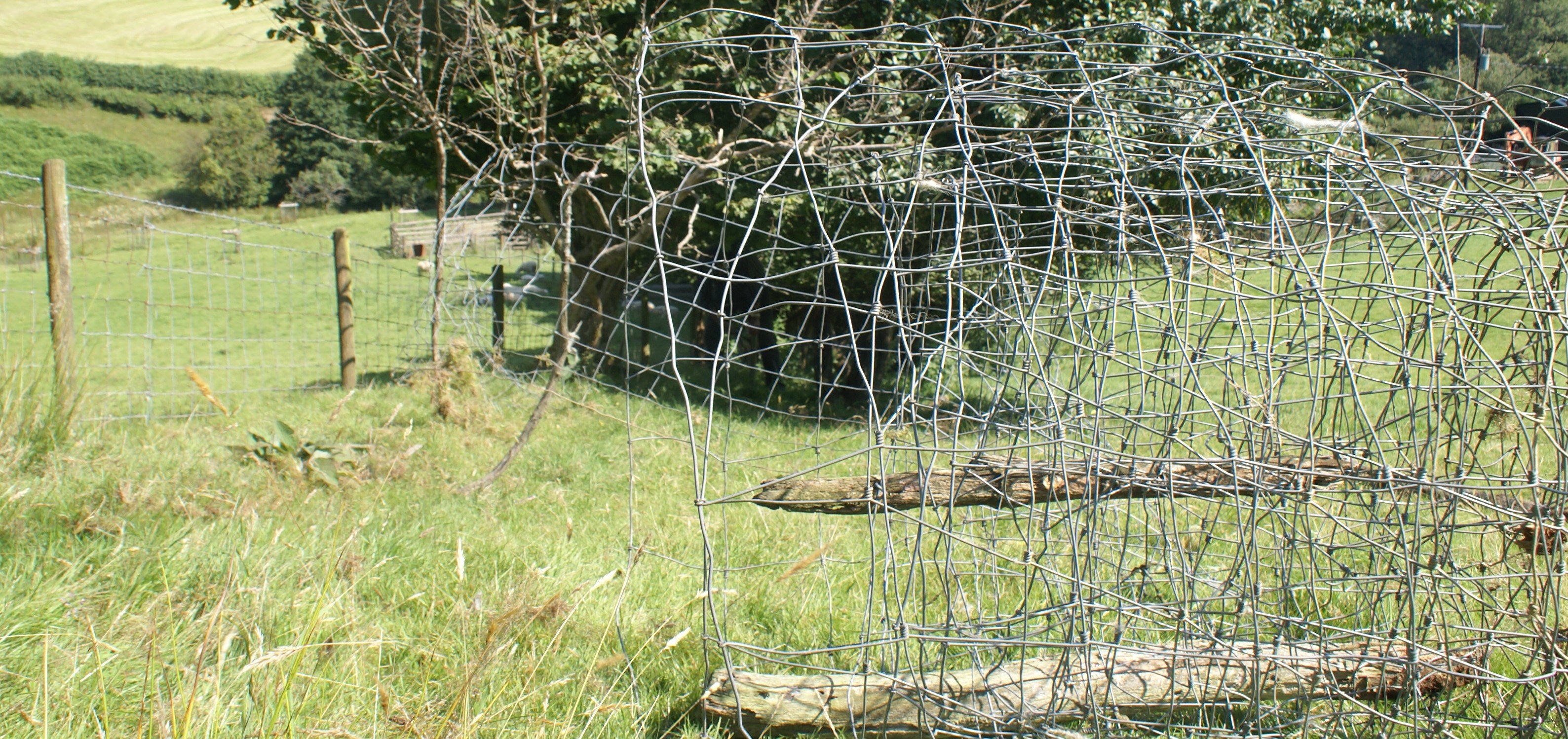
Ewe-lamb trapped between two fences and (bottom right) escape route

Ewe-lamb trapped between two fences and (bottom right) escape route

In the light of day the problem is clear: the newer of the two fences is fine but the old one which it replaced is, though upright, not up to the sudden and unaccustomed onslaught of the mother-daughter bond. Hurling themselves randomly against it the girls have found all the weak spots. It will have to be removed as soon as possible.

Twelve hours later the last roll of liberated fencing wire is rolled towards the barn.

Recycling fence wire - the old will last longer than the new!

Recycling fence wire – the old will last longer than the new!

Remember Gladys ( our ‘should have been left for dead’ lamb — the one with economy ears but huge determination to survive)?  Well, on our final trip to the barn she passes us,  heading after the others, away from the scene and up the hill, far away from the mother’s field, tossing her head as if to say, ‘We’re grown up now — we’re off up the top!’

Gladys -- all weaned and grown-up

Gladys — all weaned and grown-up

My husband turned to me, ‘Did you notice anything odd about those ewe-lambs.’

‘No.’

‘One of them seemed to have testicles…’

Standard
Humour, Trecking

Cadair Idris

Kahlil Gibran wrote that you may appreciate that which you love most in a friend more in his absence — ‘as the mountain to the climber is clearer from the plain.’

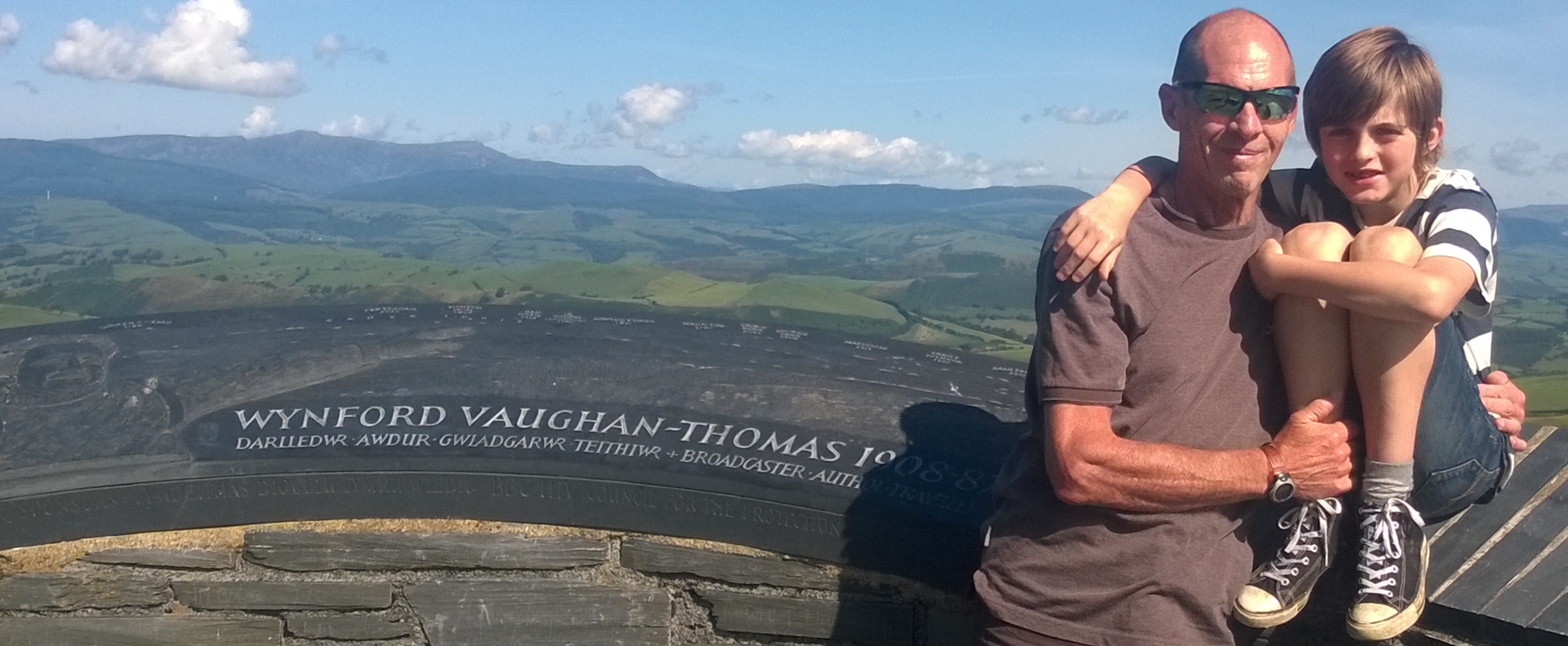
Before we climbed Cadair Idris this week-end we, who are related by divorce, stopped to look at it more clearly from the Wynford Vaughan Thomas monument on the edge of the Cambrian ridge of mountains where we live, which faces Snowdonia across the Dyfi valley.

The Three Peaks of Cadair Idris on the Left

The Three Peaks of Cadair Idris on the Left

The car park at Minfforth is guarded by machines that must be placated with money, large sums in small denominations; all around there are people turning out their pockets and emptying  their ruck-sacks onto the still dewy grass, women grovel under car seats and crying children are parted from their pocket money.  The gods or maybe the giant Idris himself takes pity on us and sends down two messengers, wise men who have run to and from the summit before breakfast (2 hours for £2.50), evangelists of physical fitness who press a pound coin into my hand which we add to the other sticky, dog-hairy coins that we have gathered and feed them into the machine.  I anoint my nearly-nephew with midge repellent.

The path is initially steep with stone steps which climb up through Cwm Amarch.

WP_20150808_014

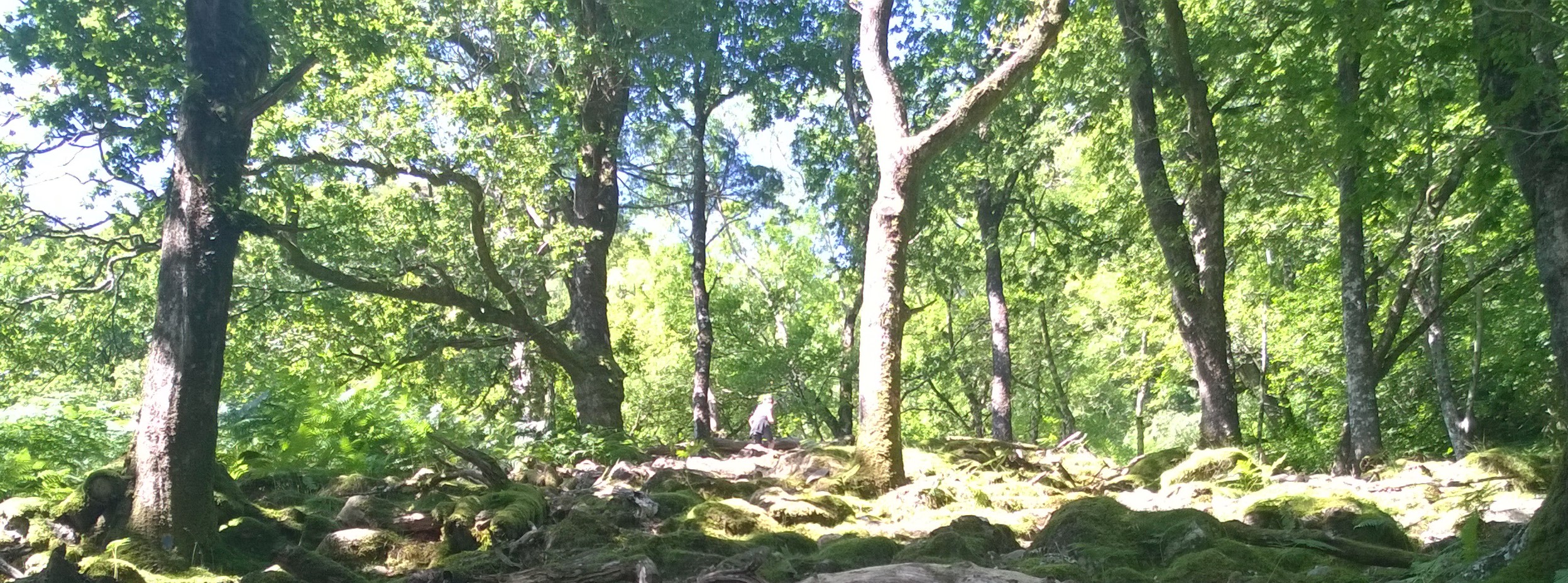
The stream is swollen with recent rain and there are spectacular waterfalls in the wooded cwm and dappled shade.

WP_20150808_015 (2)

After 300m or so the Cwm opens into a wider basin and we climb on up to Llyn Cau where we resist the temptation of a glacial dip and the greater temptation to fill up our water bottles (there was some discussion here about exactly whose fault it was that one of the water bottles was missing and  which of us would die of dehydration first and would you actually kill for water…)  50m further up the path the third water bottle was found, presumably rummaged into obscurity during the search for money.

WP_20150808_036 (2)

The path goes up to the left from where the above picture was taken and thence skirts around the top of the rock wall around the lake, the peak in the centre is Craig Cwm Amarch (791m) Mount Ham Sandwich in our nomenclature.. From here you can see the whole of the northern half of Cardigan Bay, all the way to Anglesey.

WP_20150808_054

The intrepid can peek over the edge at the lake below.  The summit is called Pen y gadair, which means the top of the chair, that’s Idris, the giant’s chair — Cadair Idris  (don’t start me on the Welsh language — it likes to change the first letter of words to make it difficult to find them in dictionaries. My chair would be fe nghadair…  I think )

In order to reach the summit we need a pep talk and some motivational  counselling to fortify the nearly auntie as we have to go down and up again and over lots of wobbly scree and boulders with the ancient wobbly knees.

At this point the nearly nephew changes into a mountain goat and disappears.  It becomes eerily quiet.

WP_20150808_043 (2)

Above is the summit.

Here we are at the pinnacle of our achievement –.WP_20150808_059

me and the mountain goat.

Now it’s a gentle walk along the ridge to the third peak Mynydd Moel (863m) and then down the long, steep scree below Scotch Egg Crag and the total annihilation of the goat’s father’s sister’s first husband’s third wife’s knees.

It was six miles, graded hard (by somebody) over 3000 ft up and, I’m sure, at least 10,000 ft down!

The Photographs today are courtesy of T.Q.Beckett (all rights reserved)  I forgot to replace my battery.

Standard
Farm engineering

Building Bridges

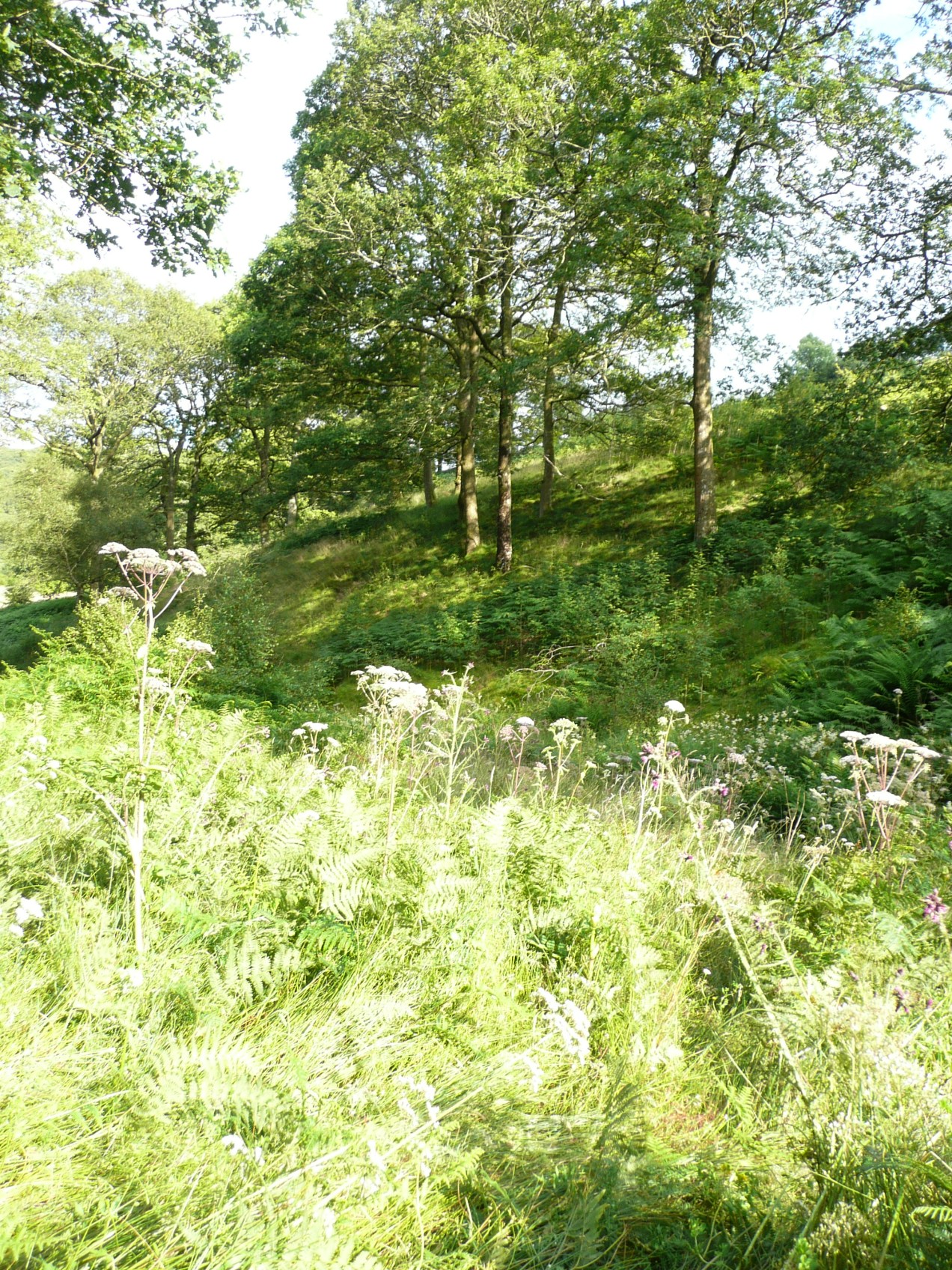
Do you remember the tree we cut down last winter, because it was threatening to fall over and cut off the electricity and to block the lane and maybe even catch a passing car.

SONY DSC

Felled

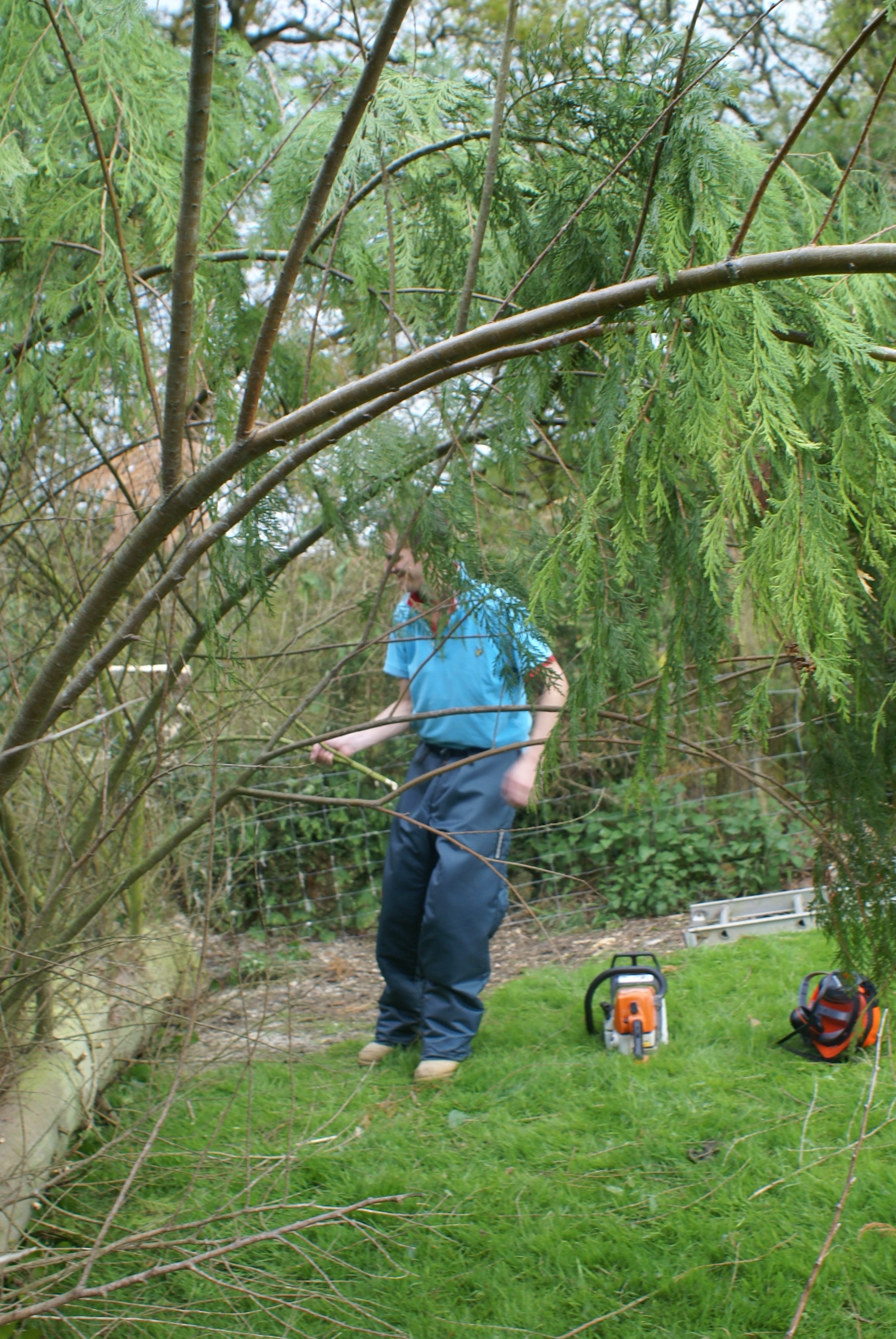
Here is Number One Son stripping off the branches —

Stripping

Stripping

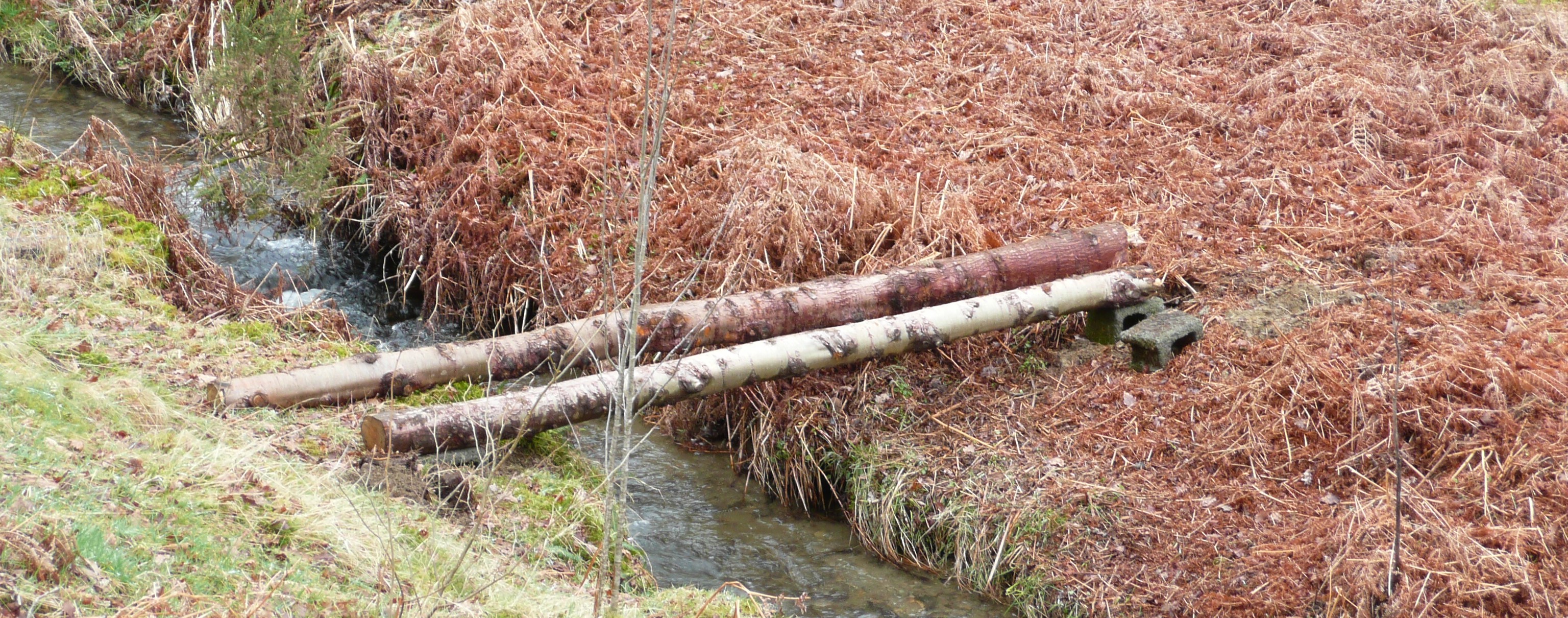
Here is the trunk,cut in half and laid across the stream —

Naked

Naked

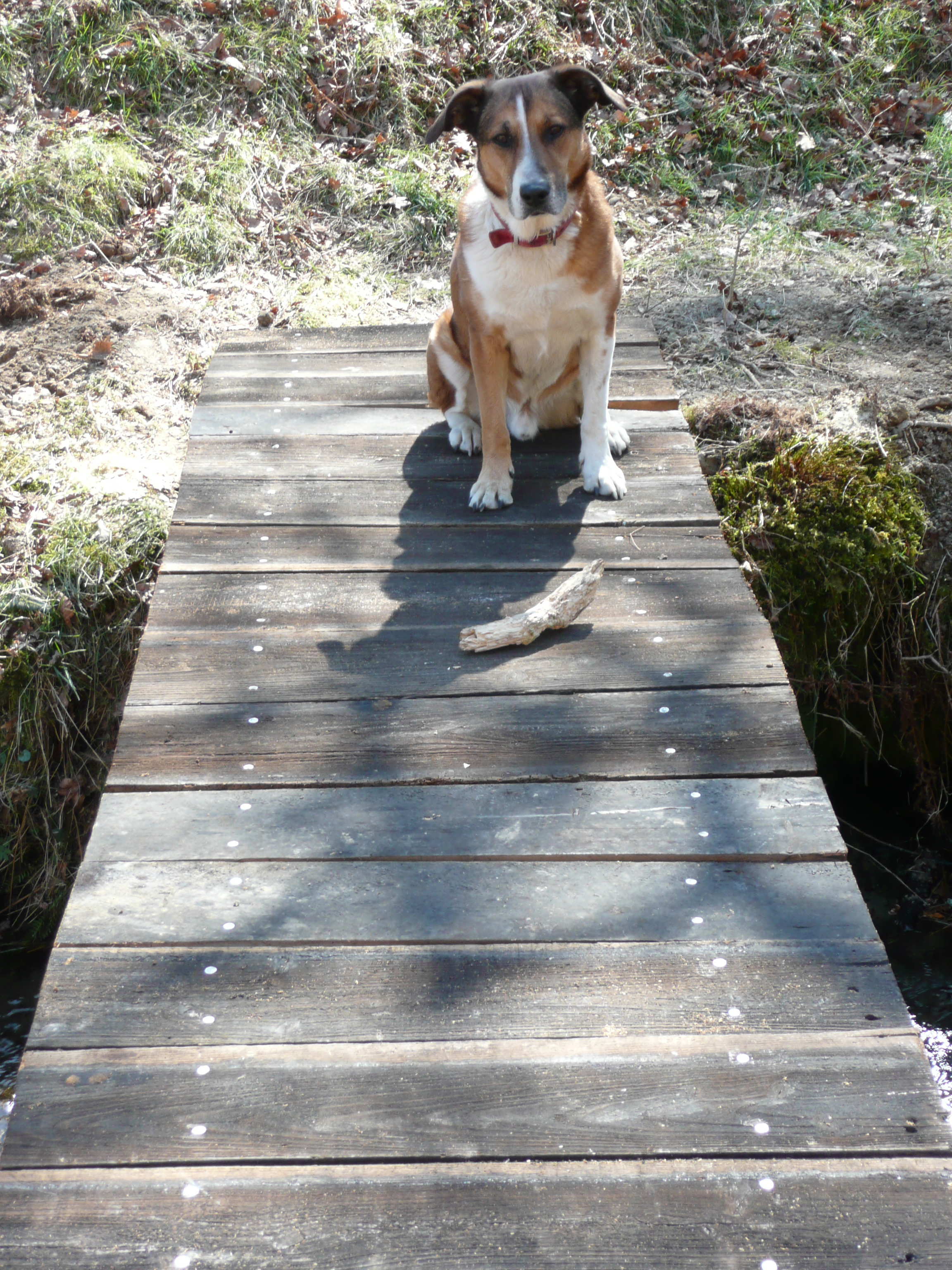
Here it is clad in recycled larch boards that used to cover the barn — Pedro checks it for stability.

P1050397

Dressed

P1050405

It is part of our new Habitat Creation Project — for trolls, but we didn’t get a grant.  We just added lots of water and waited three months.  Here it is now —

P1060024 (2)

What a difference three months makes.  Here is the view from the bridge.

View from the bridge

View from the bridge

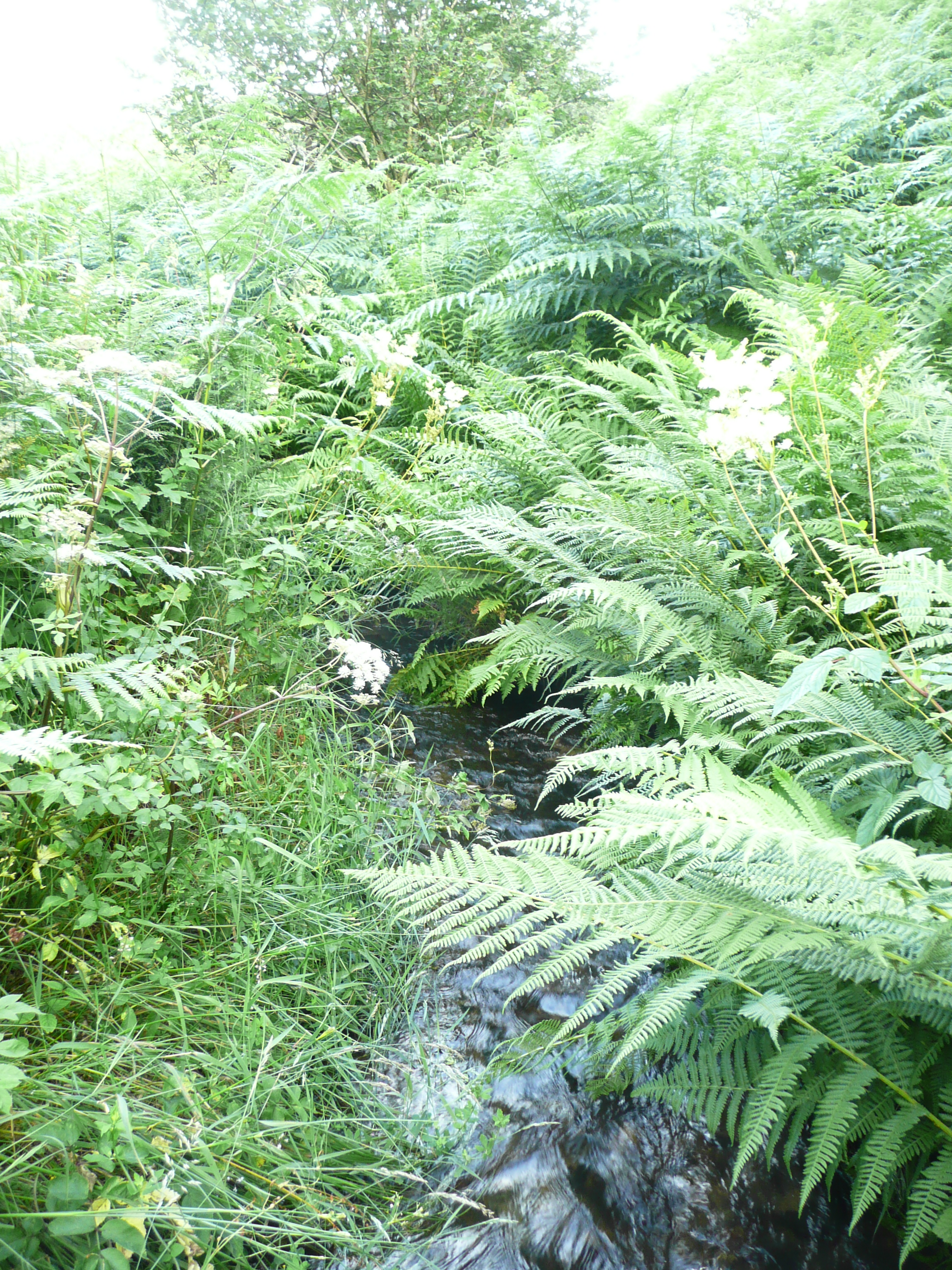
It hasn’t cost us a penny (maybe a tablespoonful of chainsaw fuel — the nails were recycled) and it’s somewhere nice to sit and eat our sandwiches. This time of the year we are mainly cutting bracken in the pasture.  Here in the woodland we live in peace with it as do the shamrocks and the trolls.

P1050993

Standard
Welsh History

Off the Straight and Narrow

There is a long straight road in North Wales running north from near Dolgellau to the lake at Traws. It is so long and so straight that it shouts ‘Roman’ at travellers and sends them to look at their maps for confirmation where they might notice the icon for a Roman fort at the northern end, overlooking the lake, and feel a diversion coming on.

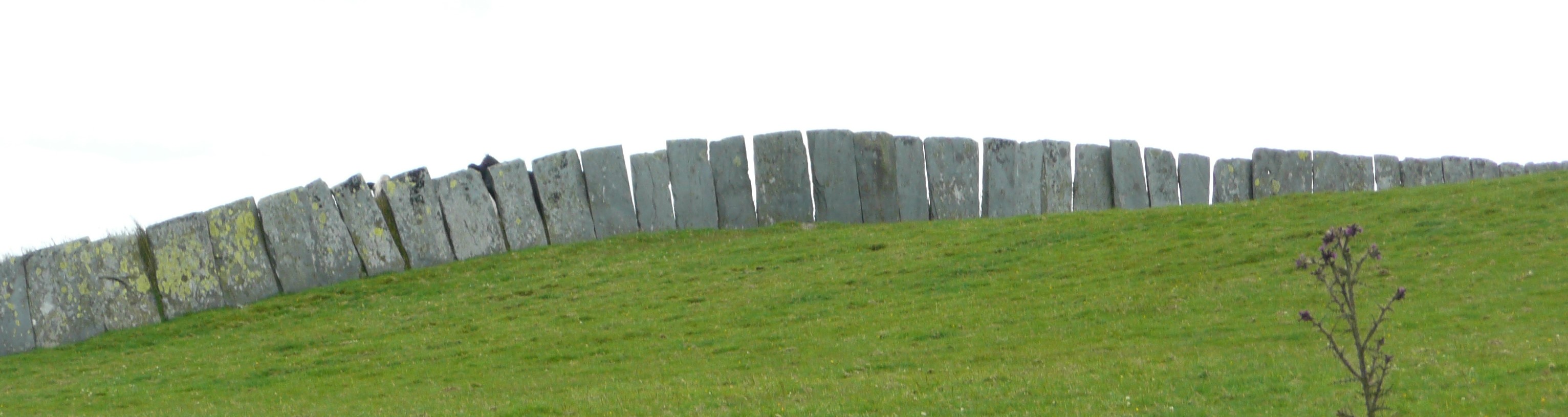
We, the intrepid travellers, turn off the main road and head up hill but we are being watched – by warriors ranged along the crest of the hill?   A thousand grave stones watch our progress. Weird, but we have seen similar in the back yards of Darwen and Rossendale in Lancashire, although the slab-walls there were made of local stone – millstone grit. We are near Ffestiniog, the slate capital of Wales and we know that Welsh farmers use whatever is available.

Slate Slabs on the Hillside

There are no sign posts but, sure enough, we find a gravel parking area in a desolate but raised area in the middle of a great bowl of open landscape bounded in the distance by an unbroken jagged horizon of blue mountains.

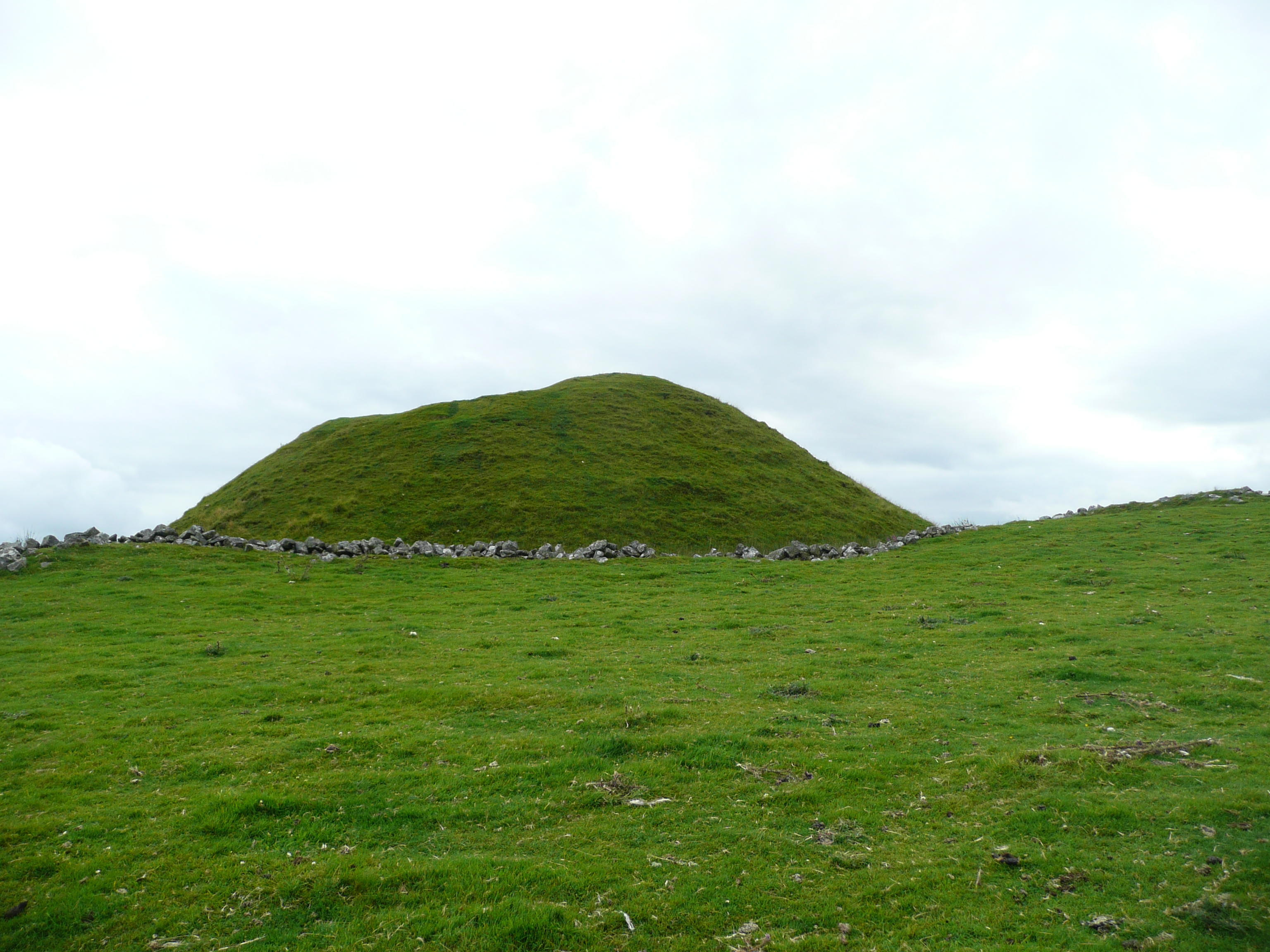
There is a mound and a small information sign which identifies it as a later Norman motte (earth mound on which to place a keep or tower), built on the site of the old Roman fort; that explains why it is so un-flat (Romans were meticulous).

Norman Motte built on pre-existing Roman site at Toman-y-mur. (Walled heap)

Norman Motte built on pre-existing Roman site at Toman-y-mur. (Walled heap)

A weather beaten and white haired lady stands gazing over a depression in the ground where rushes grow, ‘Is this an amphitheatre or a pond?’ I ask.

‘I know nothing about this place other than that I am strangely drawn to it… I come back again and again,’ she says, turning startling blue eyes to me – the colour of hair-bells.

Hairbells

Her gaze dances over the landscape, ’Its name, Tomen y Mur, means a rubbish heap in Welsh!’ she says, ‘That’s all I know,’ and strands of white hair lash her face and her thin brown coat, flecked with purple, flaps in the wind together with the reeds, purple thistles and white haired cotton grass that wave in the rough pasture. I feel the chill.

‘It’s Roman, they say,’ says I.

‘Oh no, this place is much, much older than that.’

When we get home we looked it up: Tomen y Mur is thought to be the Castell Mur of legend, as recorded in the Mabinogion. It was the court of Llew Llaw Gyffes who became king of Gwynedd despite the treachery of his wife Blodeuwedd who was magically created from flowers.

The Roman fort was built to pacify (that’s a euphemism for conquer) the local tribe that they called the Ordovices, led in AD50 by Caratacus, who caused a lot of trouble and suffered the brutal wrath of the Roman Governor.  in AD70 the Ordovices had recovered enough to massacre a whole Roman regiment for which they were all but wiped out and the Roman fort built.

From the air, the eyes in the sky can see the rectangles of Roman enclosures, albeit scarred by the later Norman boil which erupted in the middle of the old fort, which in turn seems quite likely to have been sited in a place, important and strategic to the vanquished Ordovices, whose legends will have lived on into the mediaeval times when written into the Mabinogion.

That’s the magic of Wales.

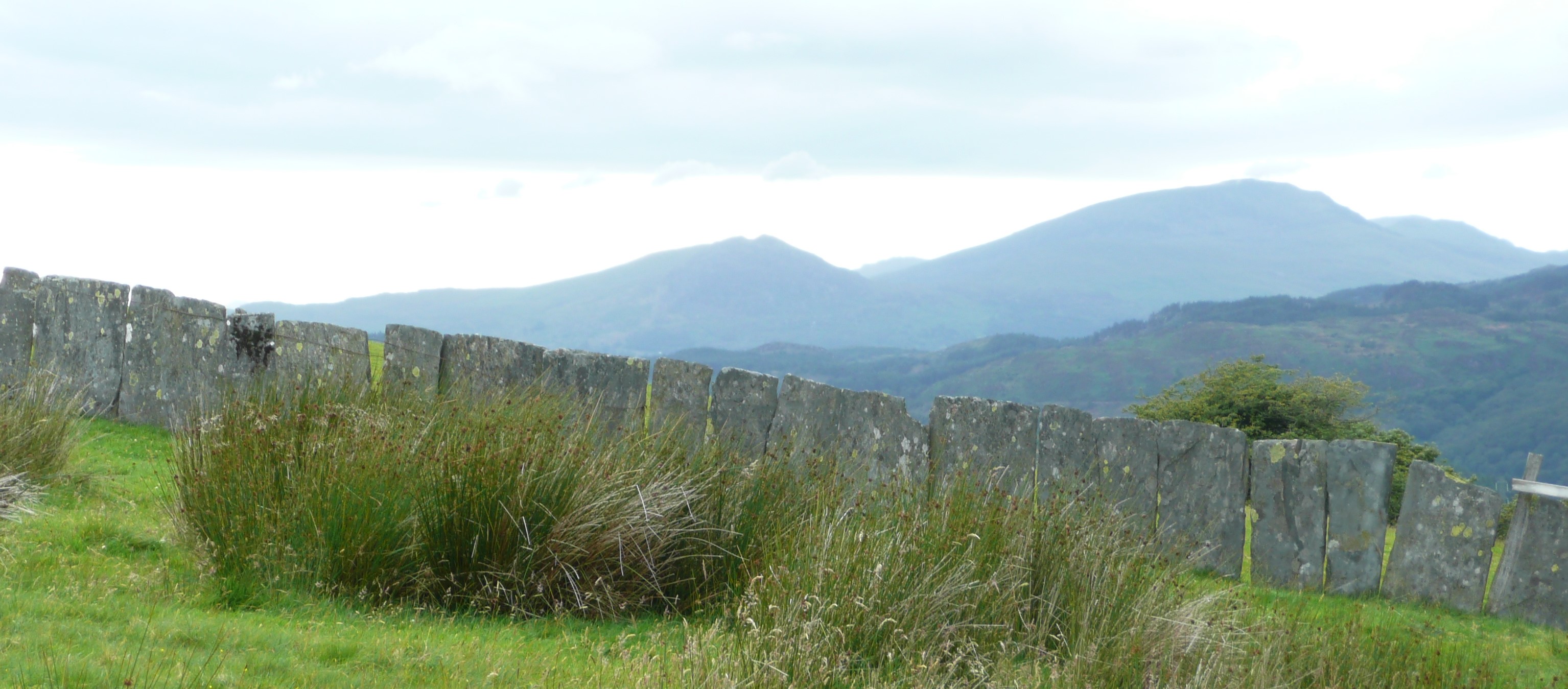
Wall of Slate Slabs in Snowdonia

Wall of Slate Slabs in Snowdonia

Standard
Humour, Racism, Thoughtful

Thames Wash — The Boris Effect?

I am sitting on a slippery leather seat which is angled inappropriately for my personal posterior; it requires more weight and breadth for stability; it has been moulded by myriad larger arses than mine – smokers probably, sitting near the door, not for ease of escape in case of calamity (like me — one eye on the unrolling ribbon of tarmac ahead and one on the little red hammer to smash the escape windows when called upon by cruel fate to do so). No, the usual passenger in this warn National Express coach seat, though placed (like me) for ease of escape, nips out at each stop for a quick drag – a cigarette, one at Shrewsbury, one at Telford, one at Birmingham and a real gasper outside the Coach Station at Victoria.

I have now had a satisfactory and free, unisex wee, or perhaps it was a pee, with a bewildered old lady up from the country and a number of large foreign gentlemen, and now I wait in this sunny travel hubbub to be collected by my daughter, who worries about me getting lost in the metropolis. Secretly I know she thinks that, if left alone to wander the streets, I will provoke personal attack or arrest because of my uncontrollable urge to engage strangers in conversation and to make unwanted eye-contact.

She hugs me then takes me firmly by the arm and steers me into a newsagent’s to top up my oyster card – which I have remembered this time!

I wonder where the poor have gone – the street vendors, the alcoholics, the dog shit, the End-of-the-world-placard-man? London is eerily clean these days (what has Boris done with them all?)  I sniff the strangely pleasant air and we decide to walk by the river, through Battersea Park and to sit on pristine, plumped-up cushions on the steps of a modern pub. Frances goes in to get the drinks and a man in a well ironed shirt (and trousers) comes out to have a look at the front elevation of my pretty daughter’s obscured and un-categorised associate — me.  He realizes instantly that I must be her Mum, he says “Lovely weather,” and goes back in, and we sip local micro-brewery summer ale and watch the gulls, the cormorant, the geese and the helicopter flying up and down the Thames.  A lanky, middle aged man with a shaved head and yellow roller- boots wobbles past and a beautiful girl on a bicycle feeds treats to a little dog in her bicycle-basket.

Phoenix rising in Battersea

Phoenix rising in Battersea

That evening we, my two daughters and I, sit at a pavement table outside a restaurant in Clapham replete with Eritrean food and chat to the staff and I remember… I remember travelling this same road, let me see…

Forty years ago, I was in the back of a maroon Jaguar (the sort John Thaw drove in Morse), tired by two weeks on-duty and nauseated by the smell of leather and spent lighter fuel (everyone smoked everywhere then).  It was a dismal grey dusk with the traffic lights too bright and splintering into the dingy, sooty, half-light. Young black men were standing in groups on the pavement next to the junction when suddenly my, soon to be, father-in-law wound down his window and shouted racial abuse at what he believed to be the indolent unemployed. I cringe as I write this – as I did then; the lights changed and we sped off towards leafy Surrey. As I look back I catch the sad eye of a boy accustomed but still surprised by such unprovoked and vitriolic hatred.

Times have changed.

Thames Wash

Thames Wash

Standard
Hill Farming, Humour, lifestyle

Suddenly Summer!

‘We’ll do that in the Summer!’ we say, ‘In the long balmy days, free of water-proofs and wellies; when the sheep look after themselves and we can enjoy all the things that drew us to this place.’

Summer

Summer

‘We’ll do it after shearing, and after we’ve wormed the ewes and caught all the lambs and sprayed them against “fly strike” and after we’ve immunised them all (it’s too hot to tag their ears yet), and after we’ve sprayed the nettles and cut the thistles (and Alan’s mended the rough cutter — and by the way, the dish-washer’s broken), meanwhile we’ll spray ourselves with midge repellent and cut the thistles by hand — will you sharpen the sickle and the bill hook.

Digger rests, engulfed in Summer

Digger rests, engulfed by Summer

And while our rough cutter waits for Alan  and the digger with its poorly track awaits attention from the mechanic, all around us grass grows, you can almost hear it, and men work through the long days into the nights to cut silage and bale it all before the thunder storms come.  The mechanic rushes from farm to farm to keep the wheels turning.

The bracken, which should have been cut by now, stretches to the sky and spreads to shade the sheep, who far from being relieved by the removal from each of a couple of kilograms of organic insulation and carpet fibre, are now bothered by the sun.

SONY DSC

Seeking shade in summer pasture

SONY DSC

Sheep shadow

They use their bodies to mark out the exact outlines of trees on the hillsides — sheep shadows, and they pant and look at me accusingly as we might ask the Almighty why we have to suffer so at the hand of cruel destiny.

We sheared them on the day before the heat wave struck and as I walked into the first hot summer sun  where they had been lying the buzz was deafening so that we looked about for a cause (continuing the biblical) — a plague of flies had hatched that day and roared in anticipation.

That day we lead them through the woodland to our upper field where the orchids grow and where there is hardly a fly in this shady pasture — like us, they don’t know how fortunate they are.

Orchid in the Summer Pasture

Orchid in the Summer Pasture

Standard
animal psychology, Ecology

Opportunist crime in the South West

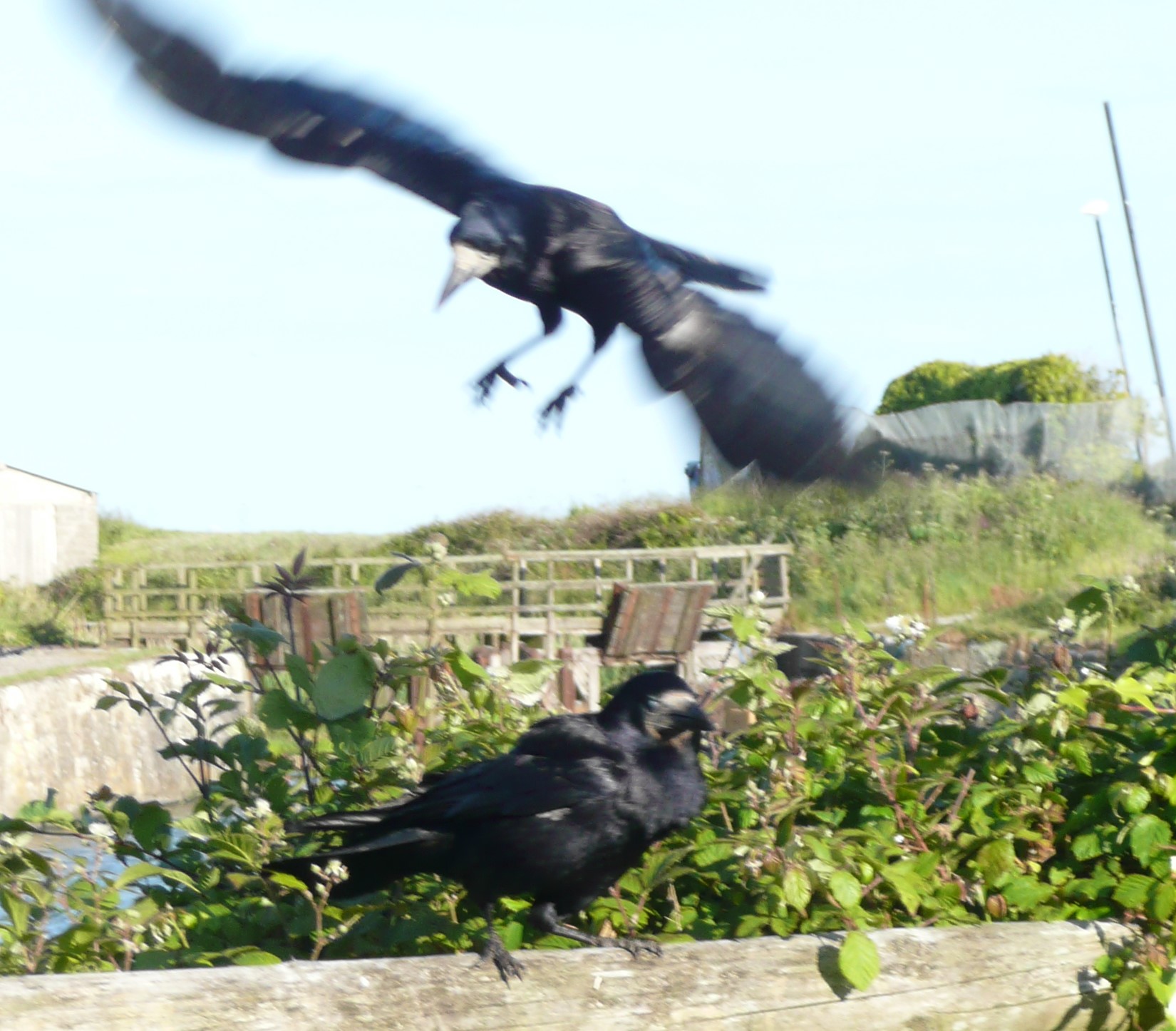
Mastermind and Lookout

Mastermind and Lookout

P1050691 (2)

At The first opportunity they swoop

P1050693 (3)

They divide the loot.

Intrusion from a rival gang

Intrusion from a rival gang

P1050694 (2)

Rich chippings!

P1050695 (3)

Bold, remorseless and organised

Never underestimate the adaptability of a Corvid — this gang of rooks cooperate to exploit the opportunities at the beer garden at the Ship Inn, Pentewan, Cornwall, ousting the traditional scavengers.

Standard
Humour, Travel

Hot Tarmac Addiction?

Our friend Glyn is drowsy with counting sheep, coming up the valley every day, after a day’s work, to be jostled by our impatient flock because this is the time of year that we go gallivanting.

P1050628 (3)

In the last ten days we’ve travelled 1300 miles (that’s not far –I hear you New World readers say). It’s far enough in this overcrowded island!

We picked our way over the mountain pass to South Wales at walking pace, avoiding the hundreds of road-runners who were jogging up on the hottest day of the year. We gave them wide berth to allow for heat-exhaustion-wobble, weave and collapse while also avoiding the pulses of road racers on two wheels coming the other way (only two lanes – this is Wales) – pelotons of cyclists, who had just crested the summit, had heads down and were hurtling in squadrons, turbocharged with huge potential energy and suicidal intent, lemming like, towards Brecon.

We glanced at the stunning scenery and at the idyllic path on the other side of the valley, made for walkers and wondered what it is that draws humans in such numbers to tarmac. Our musing was ended abruptly by the thud of a discarded plastic bottle flung, elite-runner like, against our windscreen by a mature but plucky lady with exceptional BMI and poor aim, probably due to chaffing.

As we eventually sped away from the last — or rather, the first of the runners and the last of the cyclists, the bikers started to overtake us, flashing past at every opportunity, like when one slows down to turn right! I have a horror of killing a biker and they come to Wales in huge migrations at holiday times: Hell’s Angels – 1950’s re-enactors on vintage Nortons with side-cars – even an intrepid band of ladies, several with L-plates, on Honda ‘50’s almost grinding to wobbly halts on the hills (though that was on the A30 high-speed dual carriageway in Cornwall!)

We made it to Cornwall without fatality, and back.

P1050678 (4)

Just when we thought we were out of danger, we had to set off again for a family funeral in Scunthorpe – more of that later.

Standard
Ecology

Nymphs and Shepherds

Just two years ago we put the bung into the plug hole of our newly dug pond and let Nature do the rest.

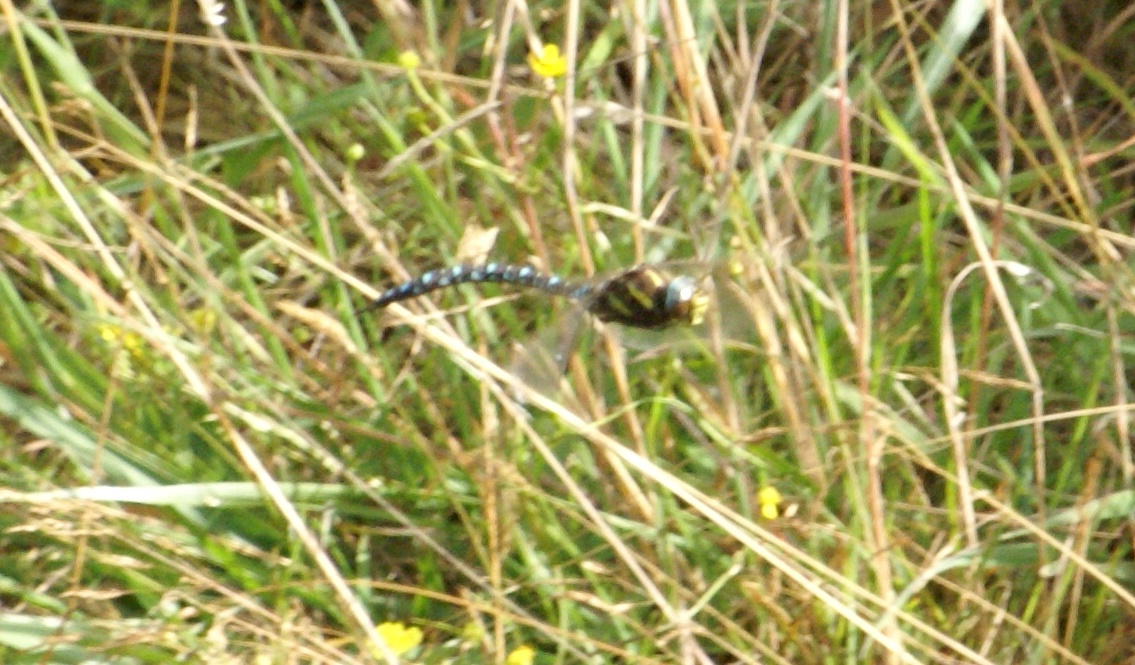
Common Hawker Dragonfly defending his new territory.

Common Hawker Dragonfly defending his new territory.

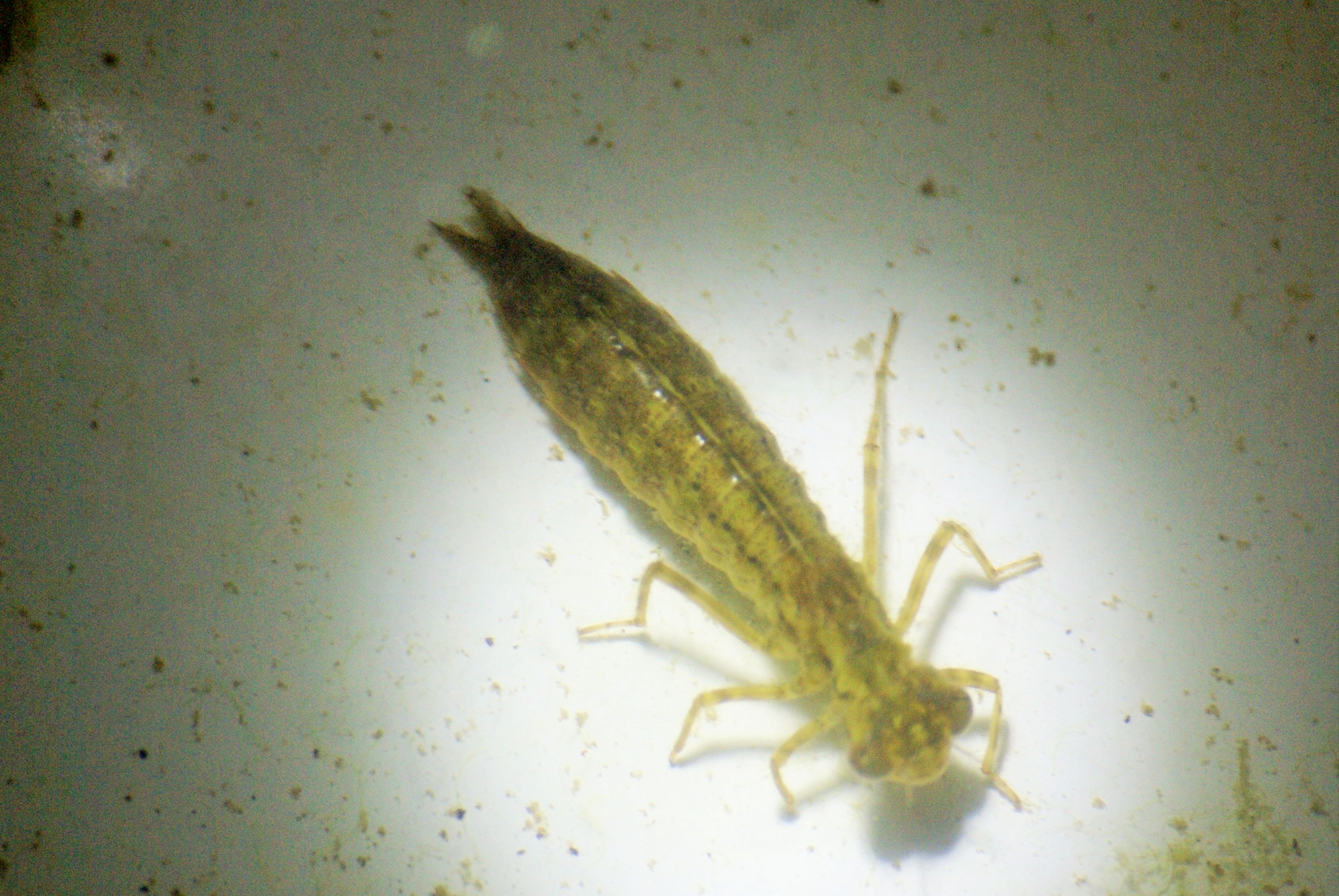
Last summer this Common Hawker Dragonfly patrolled its banks and skirmished with intruders for the territory, occasionally looping the loop with a yellow spotted female of his species who must have gone on to lay her eggs in the water, because look what we just found!

Aeshna juncea -- Common Hawker Dragonfly Nymph

Aeshna juncea — Common Hawker Dragonfly Nymph

And that wasn’t all — the water is alive with biological activity, a million tadpoles whizz around our pond-dipping bucket, getting in the way and obscuring our view of the newts and myriad nymphs — not so easy to identify in life because most of the pictures are of exuvia (the dried up skins of the nymphs, abandoned by the adults after they emerge).   The harder you look the more nymphs appear and all are interacting — some snapping at passers by, others knocked over by a clumsy water beetle — a microcosm.

Here are a few that my grand-daughter helped sort out and photograph–

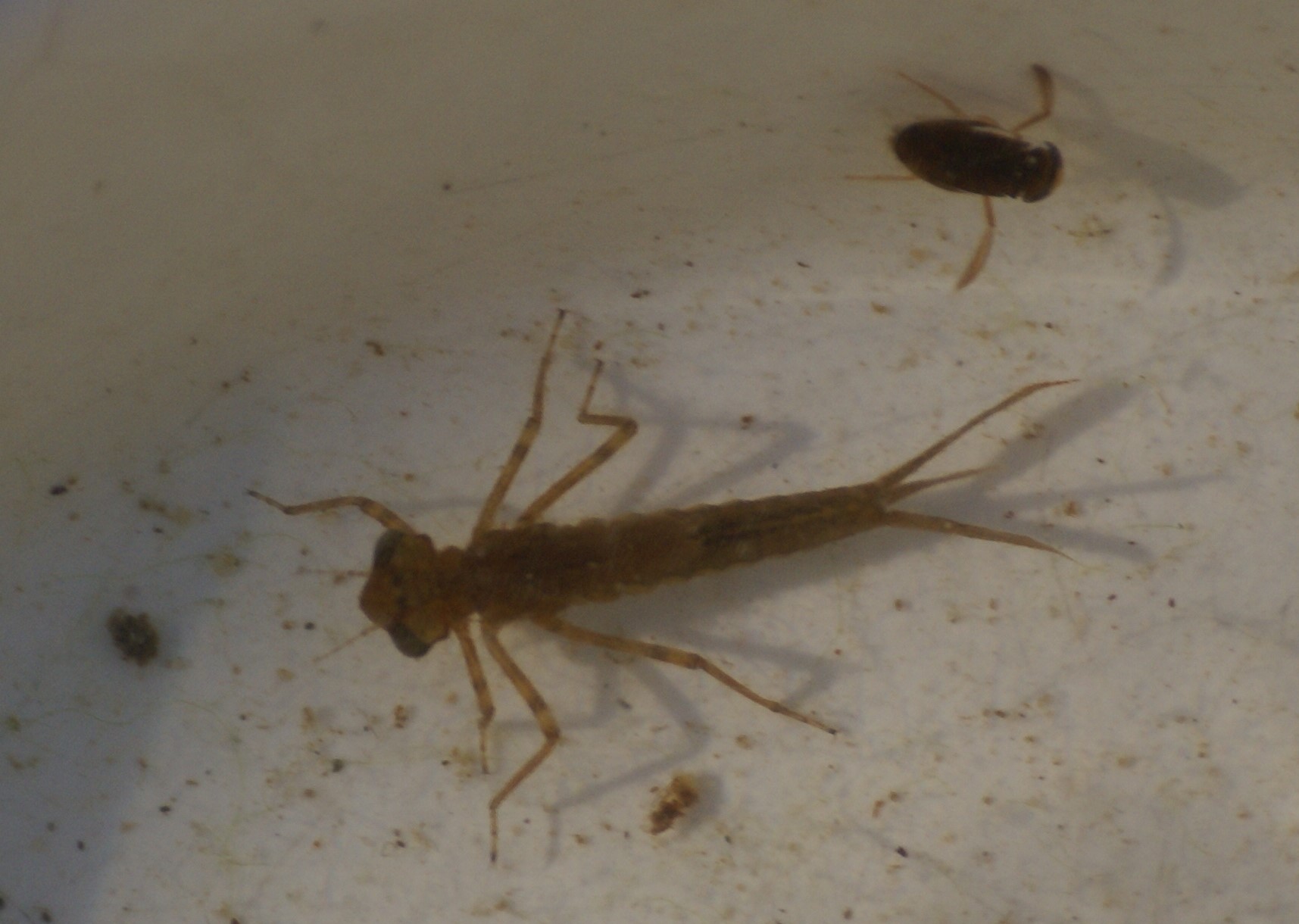
Damselfly nymph -- probably Enallagma cyathigerum being buzzed by a Common Water Boatman

Damselfly nymph — probably Enallagma cyathigerum being buzzed by a Common Water Boatman

The identification is more to do with common things being common and having seen a lot of the adults flitting about last summer — here’s one of them —

Common Blue Damselfly (probably).

Common Blue Damselfly (probably).

Blue and Azure damselflies are tricky to distinguish — especially when they are alive!

And what about our friend Libellulia depressa, the Broad Bodied Chaser, the first Dragonfly we spotted by the new pond (often the first to colonise a new pond, said the book, and they were) —

I think this could be one of his offspring

Fat bottomed nymph -- maybe an early Chaser (Libelullia depressa) or a Darter (Sympetrum spp.)

Fat bottomed nymph — maybe an early Chaser (Libelullia depressa) or a Darter (Sympetrum spp.)

Please comment if you think I am wrong in any of my identification — I may well be, but you have to start somewhere!

Standard