Thoughtful

A Different Sort of Storm

It is the mating season…  For trampolines — a male bowls across the hillsides looking for a mate, tumbles down the bank and leaps over the hedge.  He bounds down the slope then soars on a powerful gust, trailing his long netted plumage as he hurls himself down the valley.

Storm warning in Wales!  150mm rainfall forecast over night!

Dog in wet

The wind moans high above our house– we are in the lee of the hill.  It was built where the sheep sheltered — in the 1840s they noticed those things.  I noticed the tall trees at the end of the house flailing about in the turbulence of the mounting storm but Alan wouldn’t sleep in the spare room at the other end of the house — out of the reach of falling branches.

In mitigation for my cowardice I’ll tell you that two branches of Douglas Fir did fall, crushing a steel hurdle but missing the rotting old chicken coop, home to our precious new domestic fowl.  The old coop has been gradually sinking into the mud in the last week as the rainfall has reached 109mm.   It’s been a dry summer and autumn — ever since I started measuring the rainfall — only 718mm since April (believe me — that’s not much) so we know we are in for a deluge — a couple of meters, at least!

Stream in flood

As we obsess about our perennial preoccupation another storm hits Europe…  A different sort of storm.

We watch our television and we catch sight of four people hunched over a coffee table at the edge of a crowded room full of milling men in smart suits and the occasional power-dressed woman.  We are looking anonymously down on a room at the G20 and upon President Obama and President Putin and two interpreters.  Did you see it?  Their body language says it all — in a bubble, in a crowded room, they are straining to concentrate, to hear and to really understand each other.  It is so contrary to their normal stance that it is shocking.

Here, back in our world, a man is startled by an unfamiliar shadow, he looks up into the great oak tree on the edge of his yard to see a skeleton hanging, draped in a black cape — it is the spent trampoline — like a giant dead crane fly.

Everything has changed.

Candle

Standard
Rememberance

Lest We Forget

Rememberance poppies at the Tower

Click here  — An End and a Beginning  — for the story of the end of WW2 in Mid-Wales and Japan recently published in PenCambria.

Standard
Hill Farming, Small Holding

Chicken Fiasco

We live in the Northern Hemisphere, that means, as I write, it is autumn.

SONY DSC

In Britain we do something very strange in autumn.  We turn back our clocks an hour, to give us more daylight in the morning and less in the evening (is that right?)  It started in the war when someone decided to put the clocks forward in the spring giving us long balmy summer evenings in which to ‘dig for Britain’ and increase agricultural production.  Ever since we have been moving the clocks back and forth and generally confusing ourselves.

Last week-end was the time designated to move the clocks back (we are all supposed to do it at the same time) —  not that  the hours of daylight are impressed — they have continued to dwindle along their inevitable celestial way, getting shorter and shorter, leaving less and less time for the farmer’s chores, and we have to cope with the disturbance in our routine wrought by the hour change — waking too early, hungry at all the wrong times,  confused animals, missed liasons, getting to the dentist at the wrong time and general discombobulation.

I blame this for the chicken incident.

Speckled hen

Last week-end we went to Rutland for a wedding and Alan (who is thus culpable) noticed a sign saying

‘Point of lay chickens for sale’

Now anyone who knows anything about chickens knows that they stop laying in winter, which in the Northern Hemisphere comes shortly after autumn.  The purchase of chickens at the point of lay in autumn is pointless — they, the chickens, will quite likely be eaten by hungry preditors during the long, dark, eggless winter months and you will never see the fruits of your investment.

Note to self — buy chickens in spring.  But sometimes one just wants to do something extraordinary.

Meet our new chickens:

Hens and ducks

Those astute amongst you will have noticed something strange about two of them.

We did not lose our powers of reason entirely in Rutland — we noticed the huge pile of eggs on a box in the corner of the strangely muddy yard — duck eggs.

‘Oh yes,’ said the lady, ‘very good layers — our ducks, and they go on laying through the winter’.

So instead of four hens, we drove home with two grey hens (a Speckled and a Bluebell) and two Khaki Campbell ducks, shut in the boot of our camper-van.

We learned something new almost immediately as strange smells emanated from the rear of the vehicle unsettling the dog — ducks, unlike chickens, do not evidently switch off automatically when placed in the dark, they can see in the dark and they can squeeze through surprisingly small holes.

When we got home we had two chickens but no obvious ducks.  After the removal of several panels, the mattress, and parts of the bed we found them, gone to ground, between the water tank and the chemical toilet (obviously not liking to pooh on the plastic sheets and newspaper that we had put down for them in the boot).

This week, while I shampoo the camper van carpet, Alan (partly culpable) has been constructing a new pen and coop for the production of the most expensive eggs known to man.

Meanwhile I have a nagging worry about the ducks — raised commercially from day old chicks in a yard with only shallow trays of water and small puddles and without the benefit of proper parenting, we may well have to teach them to swim.  Life is full of new challenges…

Just now the chicken alarm went off — clucking wildly because two buzzards were making a low reconnaissance flight over the temporary poultry pen — I, but not the dog, was out there in my pyjamas in a trice.

Where had I got to?  Getting to know ducks.  They have laid 9 eggs in just under a week and are very meticulous with their ablutions taking a good hour to do what Granny called ‘a stand-up wash’ every morning  then they flap around drying their wings.

They are very easy to herd, which is good, and although they are not supposed to, they put themselves into the coop at dusk with the chickens, even though they don’t seem to like them very much.

Once the new coop is finished we will start on the floating pontoon for the duck-house…   If they can swim!


Standard
Hill Farming

Lamb and Blackberry

If you walk in the hills much in Wales you will occasionally encounter a strange, unpleasant smell.  Your impulse, honed over myriad generations, will be to head in the opposite direction because it is the smell of death.  If you are inquisitive you may poke around with a stick while holding your breath and you will find the decaying flesh hanging from the still-articulated skeleton — there will be lots of interesting insects and if you look carefully, with your CSI hat on, you might notice the brambles wound around the body.

You see, brambles grab sheep — they wrap them in their tentacles and the more the sheep thrashes and twists the firmer it is held — it does not last long.

Sometimes they escape

Sometimes they escape

Don’t fret — most places are so thoroughly grazed that the blackberries never get a hold — it’s when the sheep sneak into places they are not allowed that the trouble starts — when they get into woods where they are not supposed to go.

Stuck!

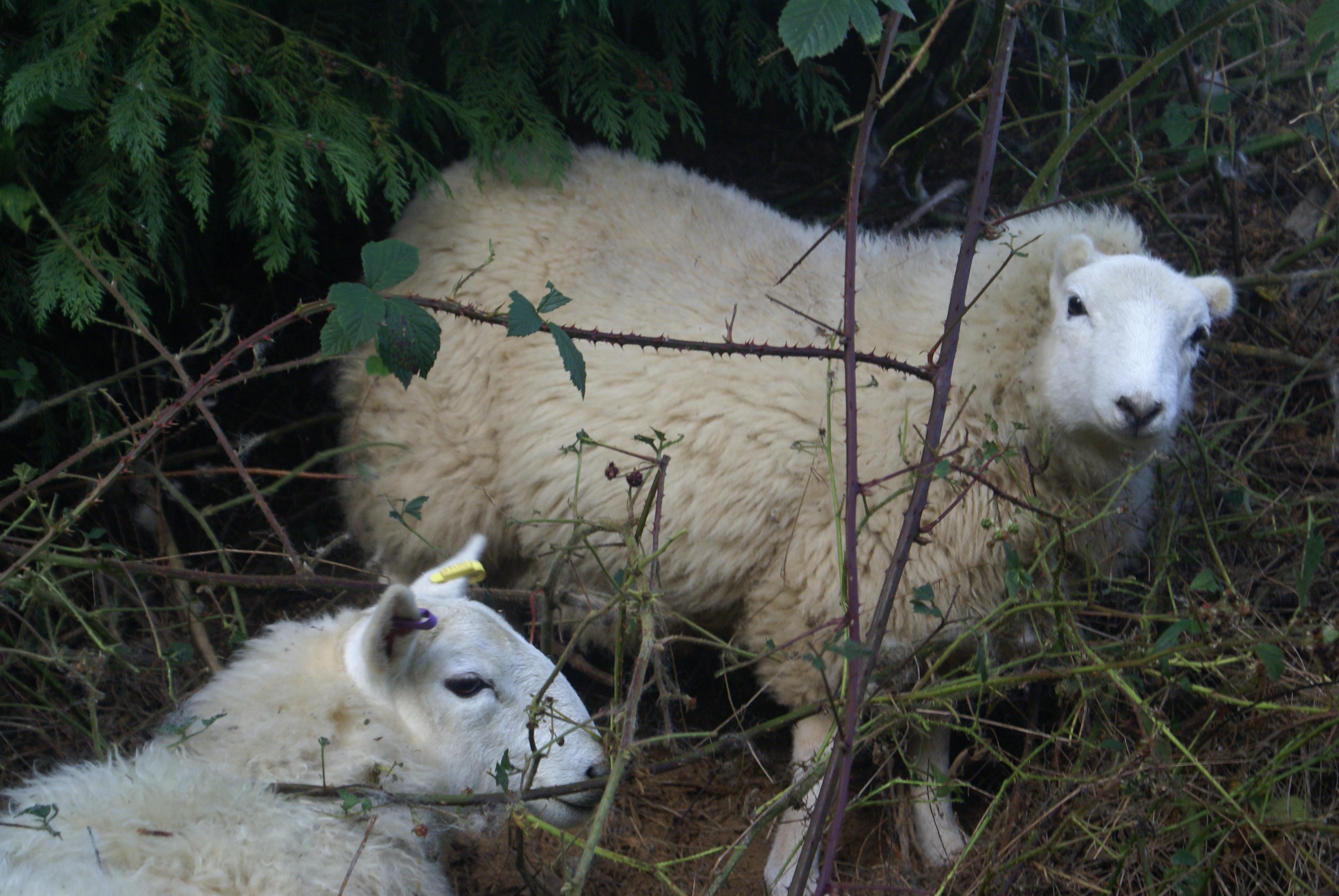
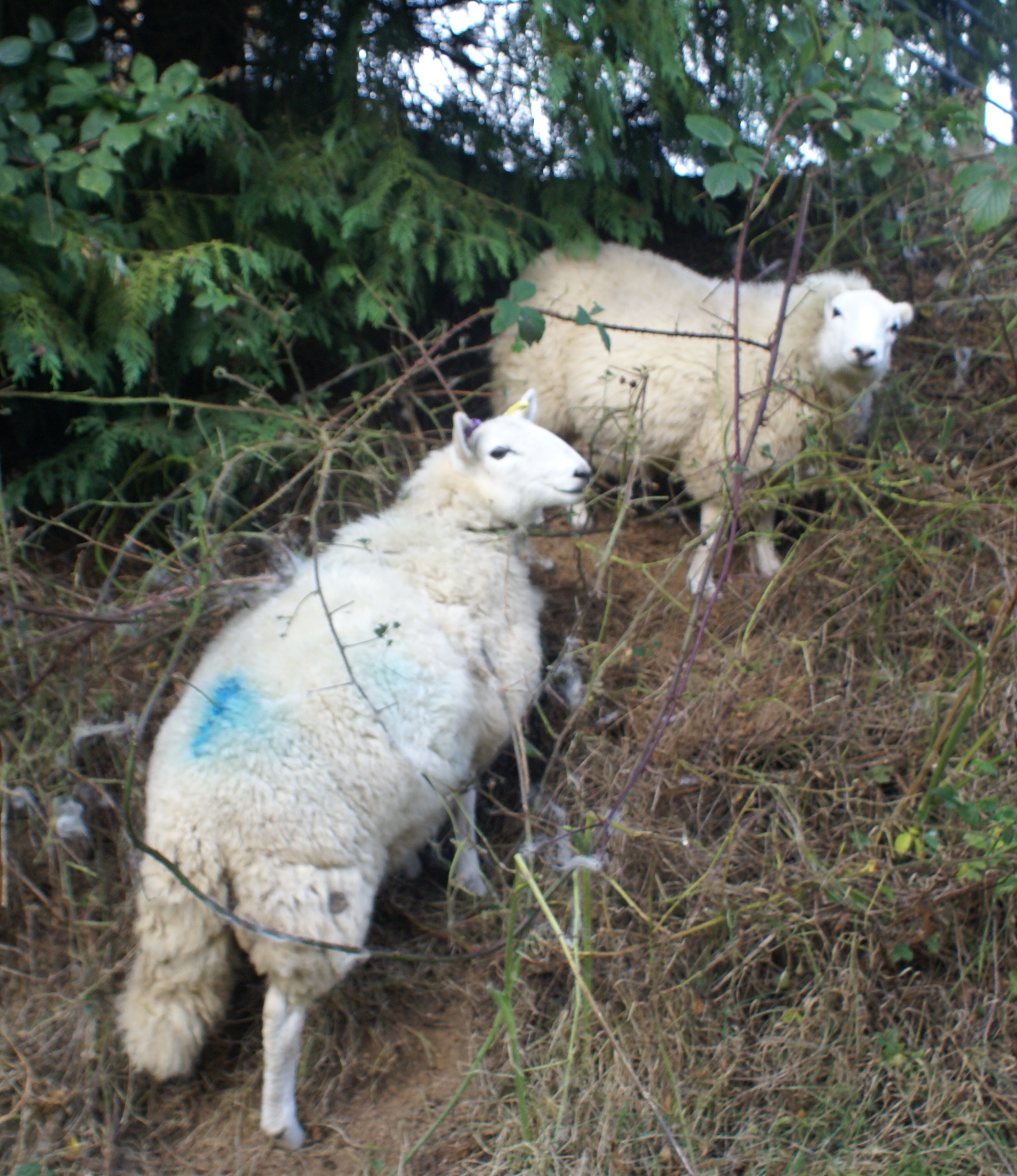
Here’s Gladys (you remember Gladys — the floppy, pig-mouthed ewe lamb with teddy-bear ears who wasn’t prepared to die as everyone knew she should). She is still testing the limits of survival.  Her baaing has dragged us out of bed — she and her friend are stuck — doesn’t look impressive because they have already eaten all the leaves and the thorny twine that binds them is embedded in their thick fleeces but they cannot get away and have to be cut free and the prickly problem painstakingly unravelled with much kicking and wriggling — thank goodness they are not fully grown!

Standard
Ecology

A Walk in the Woods

s

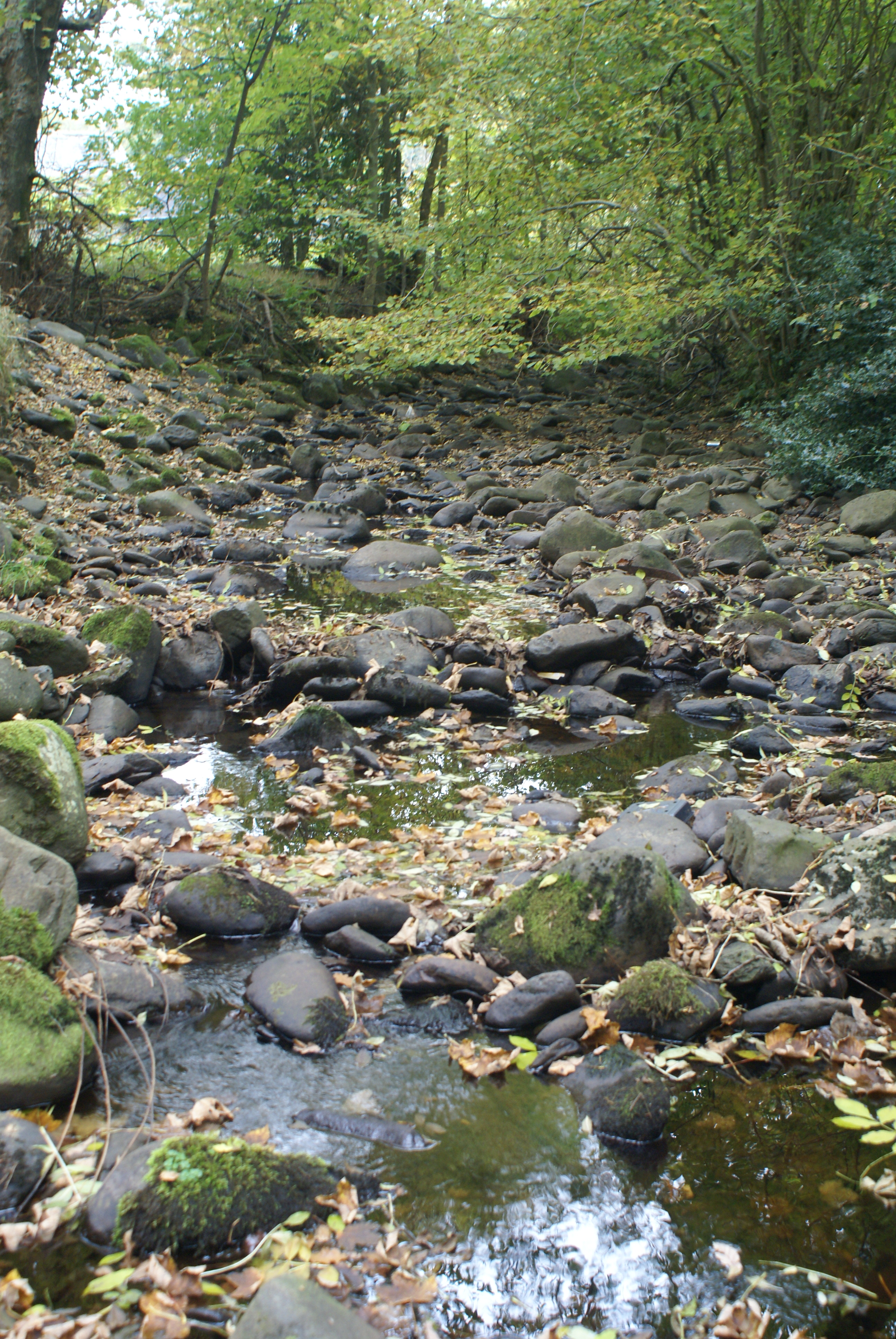
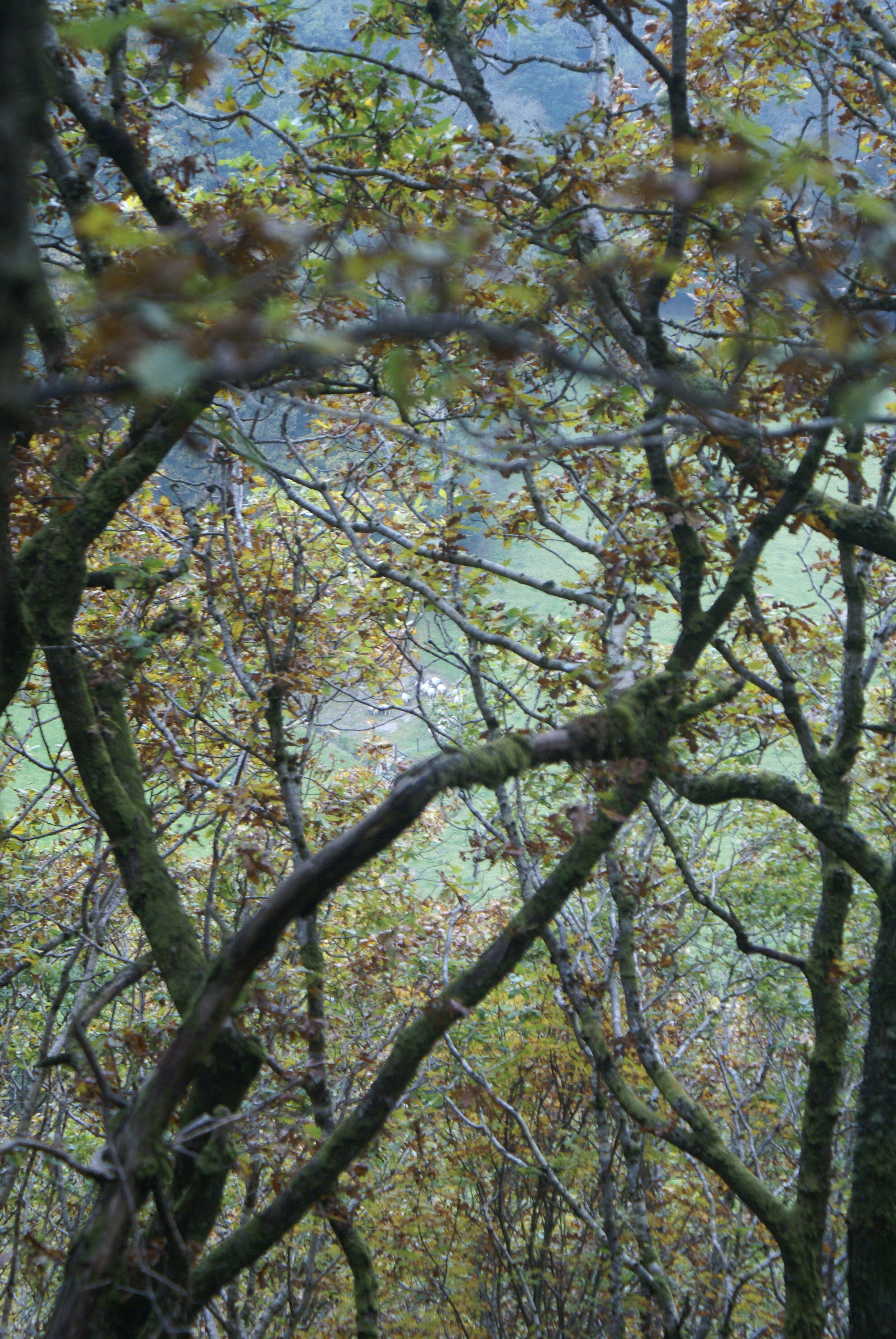
It’s a misty morning in Mid-Wales, the air is still and the leaves are silent and the weather has been unusually dry so even the streams are muted.

SONY DSC

There is a distant sound of dogs beating distant woodland for foxes — there are no shots but the sheep are wary and cluster in the gully on the opposite side of the valley.

SONY DSC

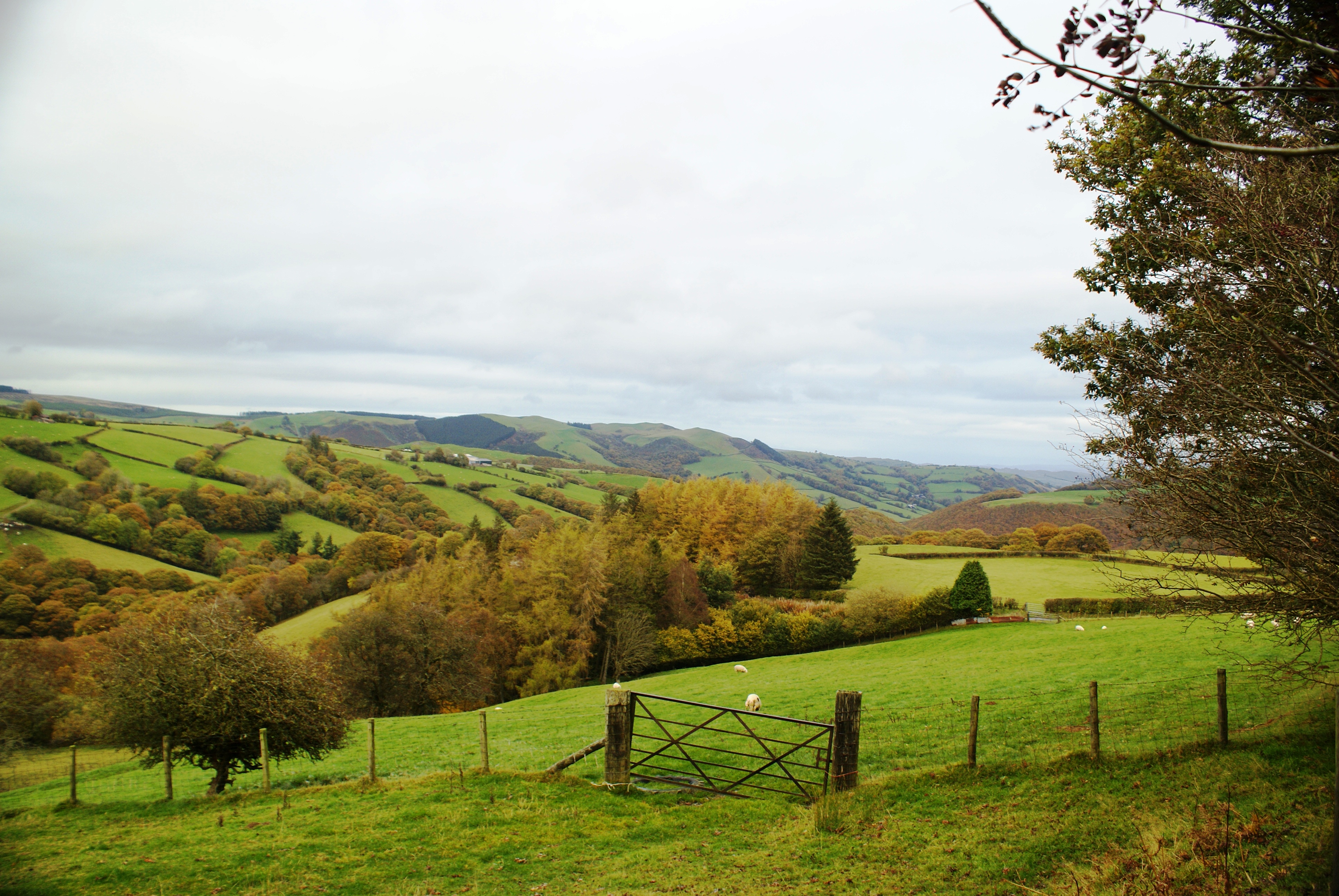
See how this landscape rises all around you carrying the sheep and cows into the tops of the trees.

Trannon Oak Woods

At the edges of the wood where the tree canopy is less and bracken grows the first tentative frosts are turning the woodland floor amber and, as the giant branched fronds die back, the undergrowth of shamrocks, covered since May, bask anew in the pale daylight.

Shamrocks

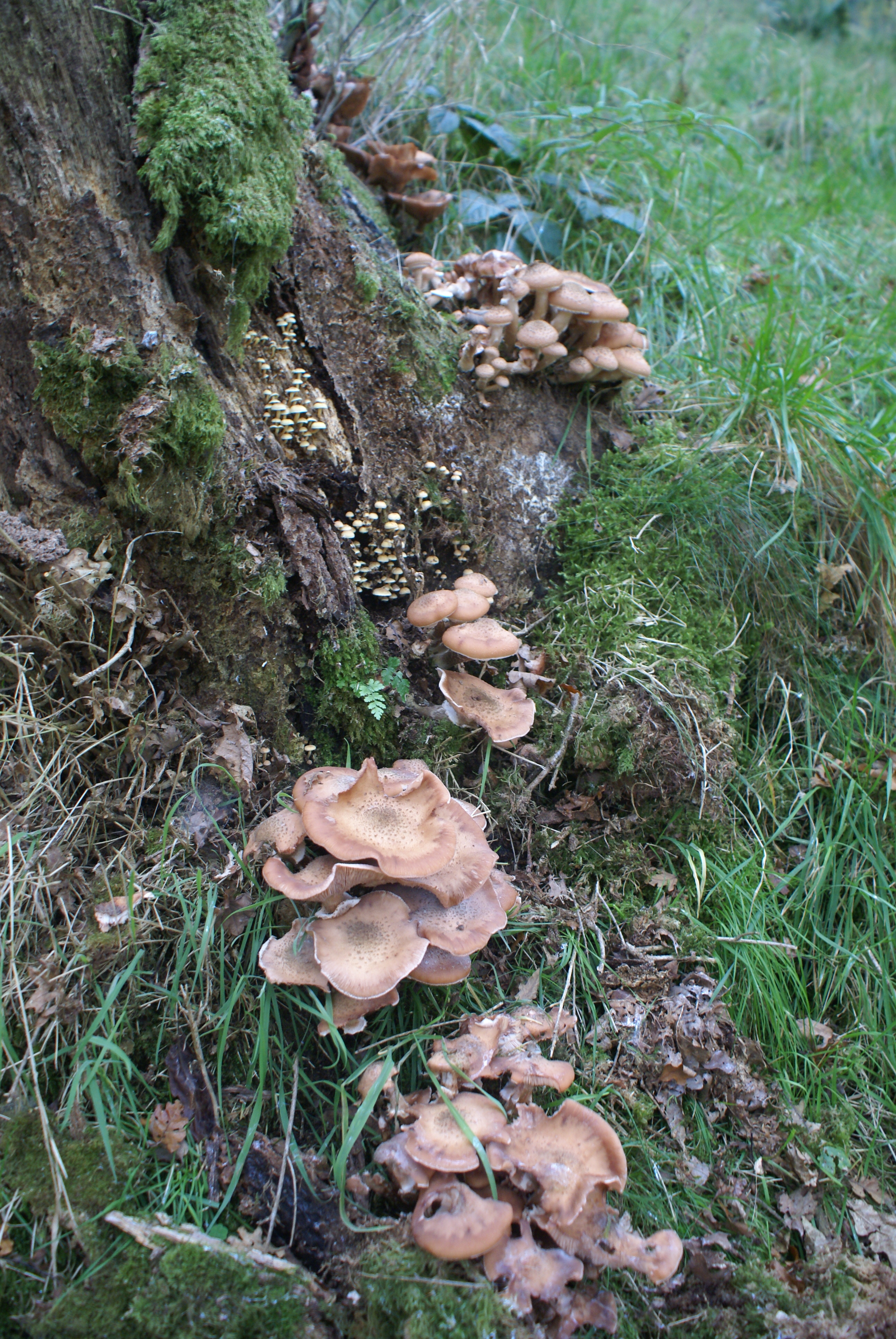
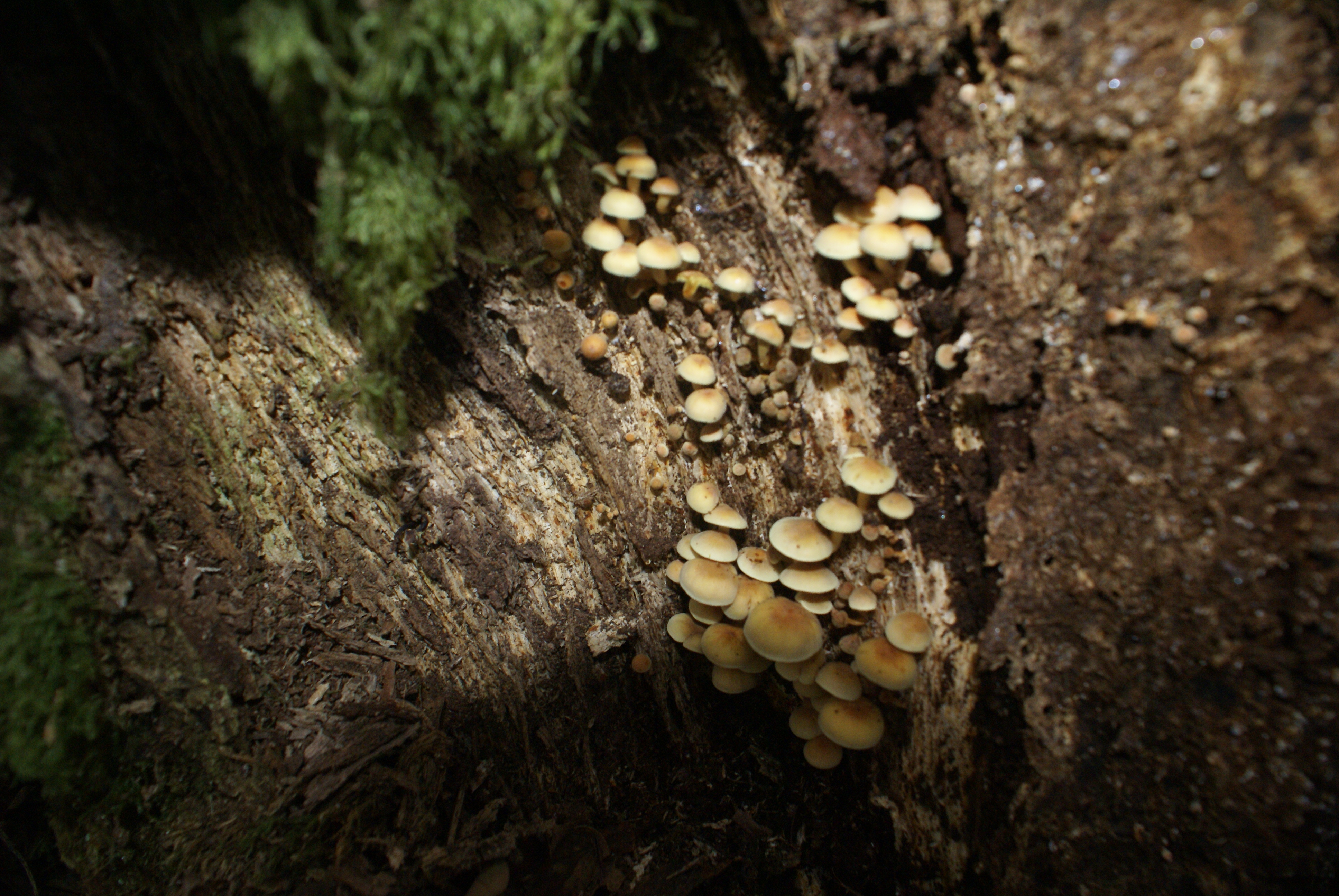
This is the season for fruiting fungi.

SONY DSC

Oak Woodland fungi

Soon the weather will change and a heavy frost will let loose the seasonal showers of  leaves that fall like snow and drift and swirl in the spicy air. For the time being they hang on.

SONY DSC

Standard
Uncategorized

From Omaha to Hiroshima.

He wasn’t a hero.

Young GMB in uniform

He was a bookish boy with an academic interest in anything and everything to do with flight – that’s flying not running away. His father and uncle had been World War One aviators – the uncle was a hero (MC and DFC) and died. The father, whose wits were very quick and eyesight very good, was not a hero but survived and after the war produced the boy whose eyesight was poor and who took after his mother who was of a nervous disposition.

When the next war broke out the boy volunteered for the Royal Air Force, not to fly but to serve in the RAF Regiment as an officer on the ground, building runways and keeping up, just behind the lines, with all the logistics of flight – that’s flying not running away.

Unusually for the time, he had spent his childhood holidays, between the wars, in France and while a studious boy at Highgate School , had been paired with a German Jewish refugee boy (Gerard Hoffnung) – the one to learn English the other German – it worked.

On D-day +1, about a week after he had married my mother, a serious young man who spoke French and German was running up Omaha Beach in Normandy under fire, soaking wet and more terrified than he could ever have imagined. His kit was lost and returned, rotting in sea water, to his young wife in London; the family thought he had been lost but she would not believe it (she washed his spare uniform repeatedly until it smelled fresh and she had had news that he was safe — well not exactly safe… He went on (with others) to fight through France, Belgium and Holland, where he lived with a young Dutch family facing horrible hardship.  Later he went on to use his languages (he’d added Dutch and a smattering of Russian), and his unit’s bulldozer to bury bodies, in Belsen and help process displaced persons, survivors from all over Europe..

Just when he thought that the nightmare was over (or was he really alive for the only time in his life) he was ordered to embark for the War in Japan — a war without the niceties of the Geneva Convention or Red Cross parcels, where capture could mean starvation or summary beheading.

He sailed through the Suez Canal and was half way across the Indian Ocean when the Allies detonated the atom bomb over Hiroshima (6th August 1945), and three days later, over Nagasaki; Japan surrendered; the war ended; my dad – Geoffrey Mitchell Buck (1922-1991), who was not a hero, survived and was re-routed to the North where, armed with a copy of the Koran and assisted by a Muslim bearer, he was seconded to the Indian Air Force to witness the partition of India and the death throes of British colonialism.

When I was a child my father used to scream in the night. Once he was showing me how to sail a dingy in Norfolk and I pointed out a duck — Duck! He threw himself into the bottom of the boat and went pale, with perspiration on his top lip. Then he got cross with me which didn’t seem fair at the time.

Last week I found and read a book of his (signed and dated 1947). It was Hiroshima by John Hersey, It contains first-hand accounts from survivors of the bomb – everyone should read it – it feels like a latter-day gospel about the sacrifice of people for the sins (and future) of others.

Standard
Doggy

The Sheepdog’s Apprentice

Pedro is more of a general-purpose farm-dog and having a little helper is as much of a trial as a boon. But there is nothing like showing another what you do to make you realise what a full and interesting life you lead.

Pedro and the work-experience student

Pedro and the work-experience student

Marley has come to stay for a couple of weeks while Alison and Dan have a little respite in Spain, he is ten months old and curious and learning to be good.

The sheep took one look at Marley, from a distance and on a lead, and withdrew to the uppermost margin of the field where they gathered, in a defensive formation, ready to stamp their feet and advance as one, heads low, armed for butting, should he approach — they understand dogs completely, especially young ones.

Pedro looked askance at their reaction — the sheep have ignored him for years, ever since the day when he had been placed to block their way — he held his ground like a good dog should and each of them, in turn, jumped over him!

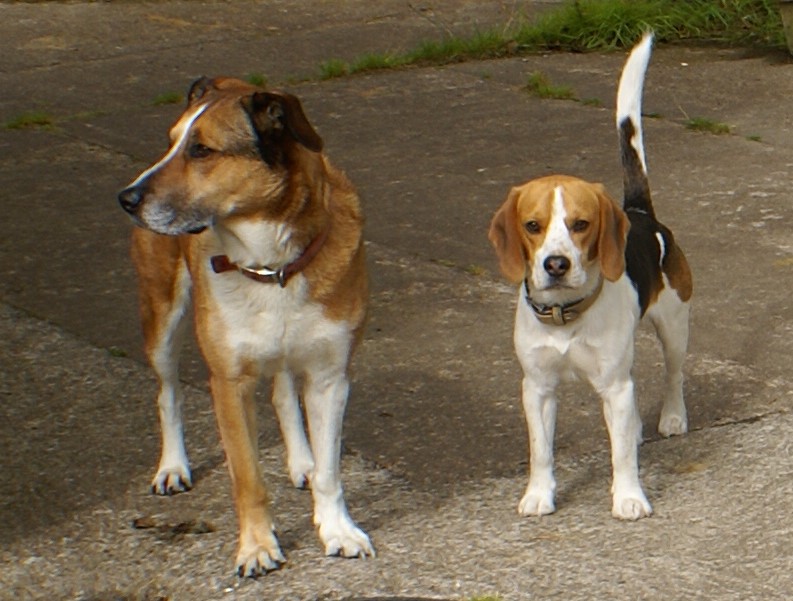
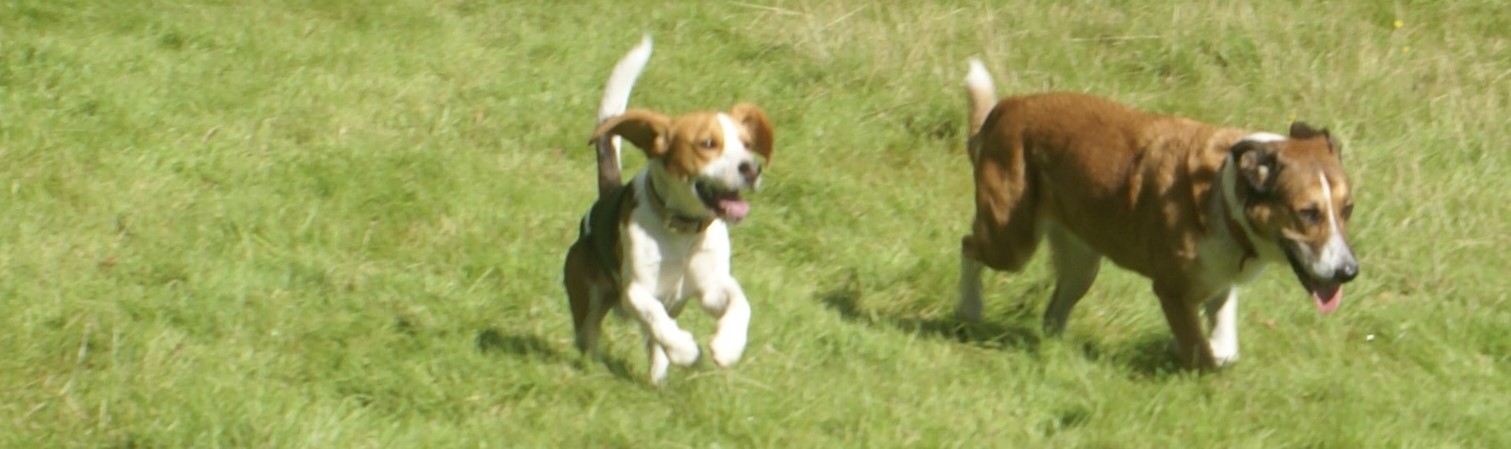
I am taking them for a walk to wear out the youngster but something strange has happened to Pedro — he is in mentor-mode.

Pedro and Marley

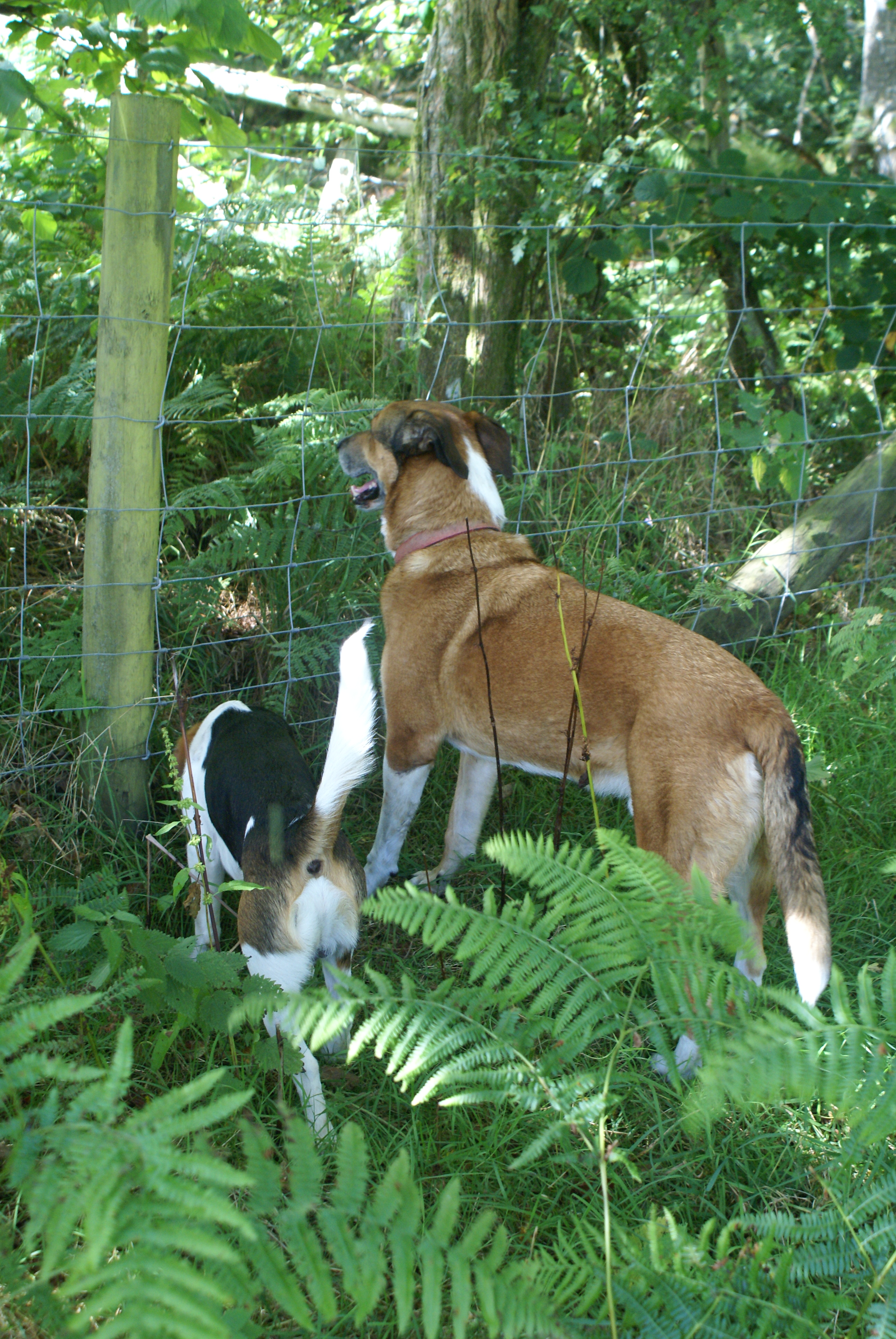
He shows Marley the ropes — the fences, the hedges, the tracks.  He shows him all the holes in the fences where the foxes and the badgers come in — he doesn’t have to explain, he just shows him how to sniff them and, by golly, he’s got a good nose!

He sees, with his nose, where the badgers get in from the rain forest-

Thi is where the badgers have burrowed under the fence -- can you smell them??

This is where the badgers have burrowed under the fence — can you smell them??

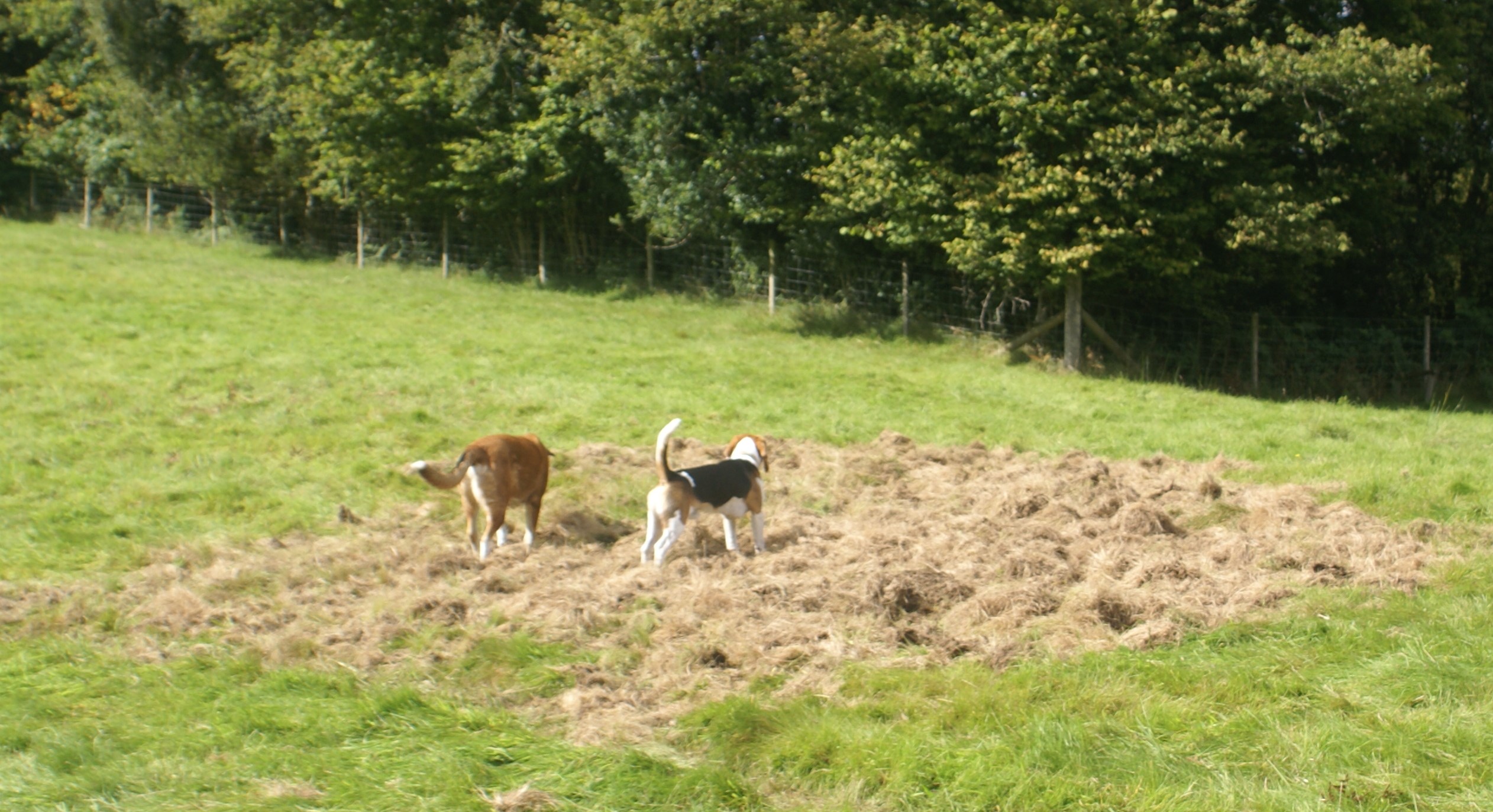
and what they have done to the pasture — this is the time of the year when the badgers scratch off the turf to feed-up on worms and grubs before winter.

SONY DSC

Badger damage — the rootling of the earth pig (Welsh name – smells the same)

This is a run --can you smell a fox -- when we find a good bit we'll roll in it.

This is a run –can you smell a fox — when we find a good bit we’ll roll in it.

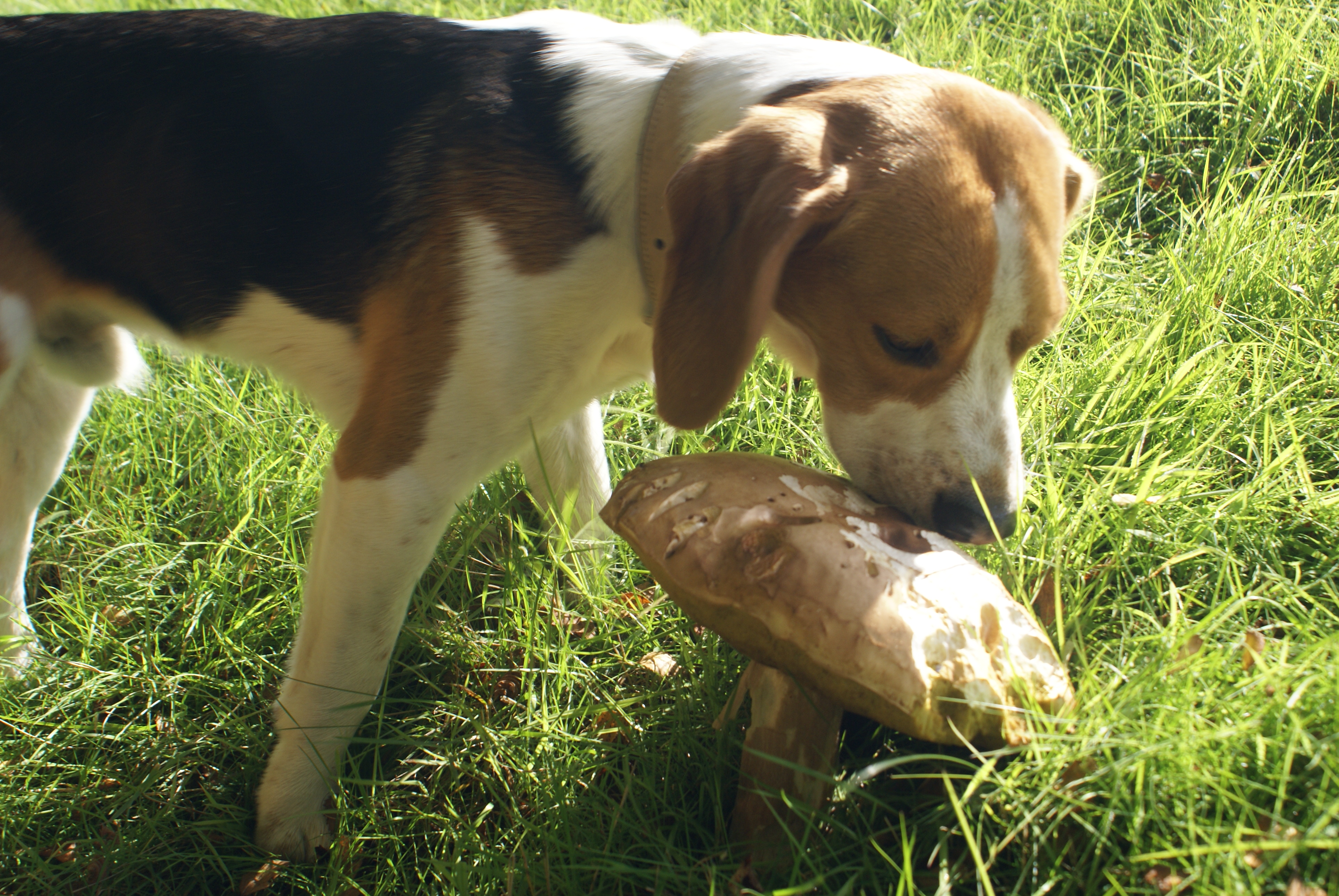
He shows him where the toadstools grow.

Marley

(No Sue, my last blog had nothing to do with mushrooms, magic or otherwise)

And now we’re going home for tea and a nice lie down — Pedro looks tired, it’s a big responsibility.

Pedro and Marley

Standard
Communication

Sleepy Conversation with Love

..

Good morning Sweetheart.

I’ve lost an umlaut!

It’ll be under your pillow.

I’m worried, it might have fallen into the Diphthong.

It’ll be back in Lancashire then.

I’ll never find it there – the ground is littered with aitches.

David says he doesn’t understand a word I write – but you do, don’t you?

Go back to sleep – or you’ll never find it – have you looked in the Co-op on Duckworth Street?

How clever of you – I remember now…

Standard
Education, Pest-control, Relationships, Sex-education, Things my mother did for me

Rats, Sexual ignorance and what you can do with a Bicycle

Wobbling alarmingly, she rode along the tree lined avenue on her old bicycle, in and out of shadow agitated by the breeze, looking up and seeing me her whole body became animated and moving her hand to give a jolly ring of the bell she was thrown even more off balance and lurched to an oblique halt, one foot resting on the kerb and the front wheel askew under the weight of two huge tomes which protruded from the wicker basket that was fixed to her handle bars.

‘I’ve got them!’ she shouted triumphantly with an excited wave of her bell-free hand.

My mum was forty-three, I was fifteen and she had just cycled the couple of miles from the library carrying two volumes of the Kinsey Report home for me in her bicycle basket.

This was a couple of years before the reform of the law on homosexuality in Britain; it had been discussed obliquely on the radio and I had recently asked my mother what, exactly, was a homosexual.

‘I met some in the war.’ she had said, ‘they were fun and I never minded being on duty with them which is more than I can say for most of the others. One night, I remember, they chased all the rats out of our building; we were over-run; they’d been gnawing at the wires in the telephone exchange; as the buildings around were bombed out, the rats had all moved in with us. The boys opened the gates to the lift shaft and drove them in so they fell down umpteen floors to the basement.

Young Mum2

I asked your father once what they did, the queers I mean, but he wouldn’t tell me… Perhaps we had better get a book.’

My mother wasn’t an educated woman, she could read and write, spell and add-up, subtract, multiply, divide and use a Ready-Reckoner. She had lovely handwriting and knew her tables. She knew the capitals of most of the countries coloured red on the map, in what had been the British Empire, now the Commonwealth and she could spell Mississippi – that was about it.

She had been taught by her mother to cook and how to speak properly (her mother had been lady’s-maid to Lady Gilbert, of Gilbert and Sullivan, and had stayed in some of the grandest houses in Britain and after her marriage she had cooked for all those policemen and attendants who worked at the magistrate’s court in Central London, where her husband was Clerk — so she knew how to cook and how the upper classes spoke, although Granny’s own voice retained a trace of the rural Essex of her birth).

My mother also knew the Ten Commandments, which she took seriously, and the importance of a good marriage and a quick smile – in fact, everything a lady needed to know in the middle of the twentieth century.

We went to the bookshop in Portscatho, in Cornwall during our holiday and (I can visualise the actual shelf) we purchased a Pelican, blue covered paperback, entitled ‘Homosexuality’, this I read with great expectation and disappointment – it told me nothing that I wanted to know but… It had a bibliography – the key to education!

When I went to the Public Library I threw the library staff into consternation, the books I requested from the bibliography were on a list – a restricted list – no one had requested such a book before – Welwyn Garden City had until that date been unaware of Dr Kinsey and his colleagues’ exhaustive study of Sexual Behaviour in the Human Male or indeed its sequel, Sexual Behaviour in the Human Female.

Again I was disappointed – denied the results of serious research on the grounds of age – the book could only be borrowed by someone who had attained the age of twenty-one (it might have been eighteen). I returned two hours later with my mother. There had been no fuss, I had explained to her my dilemma and she had simply picked up her purse and her library card.

She assured the senior librarian that she was over twenty-one ( he was nearing retirement and she was still very pretty with thick black hair that lolloped over one eye), she proffered her library card and her request and the books were duly ordered and collected a few days later, as described, by bicycle.

YoungMum3

Knowledge is Power and there is nothing more embarrassing than ignorance.

Nothing shocked me in those dry academic tomes, nor my mother, who looked over my shoulder from time to time and asked me how I was getting on. I was empowered. I became an authority within the fifth form of my girls’ grammar school on all matters sexual and from a position of knowledge, if not experience.

Later, when I went to medical school I was fore-armed; nothing, in those innocent days, caught me unawares (unlike a fellow student, a man, much older than myself, who was overheard in a fertility clinic cross examining an attractive female patient , ‘How can you be having intercourse eight times a week when there are only seven nights in the week?’)

When my school friends expressed disgust at hitherto shady aspects of human sexuality and asked ‘Ugh, How low can they get?’ I knew the answer: A Jack Russell!
Standard
Relationships

Getting Closer to the Edge

P1060368 (2)

I have been getting to know the stranger who will soon be in our midst — the new arrival to challenge all our preconceptions and established relationships — presently a nudge to my proffered hand, like the mumble of a presence in another room, but soon to be much more.

You see, nothing is ever what it seems — you are not what you seem — not what you were a moment ago — time changes everything.

A first baby, at any time, changes a child into a parent and sends the parent from centre stage to the wings —  maybe a relief after 35 years in a leading role, to emerge in a new role which could be tricky but could be amusing, even liberating.

A baby makes little sisters into big sisters; little brothers become big brothers, mentors and protectors; siblings become aunties, next in line of responsibility in case of disaster — and dogs…  Sorry, Pedro, but dogs become a threat.

We are all looking forward, or are oblivious, to our impending rebirth,  meanwhile we wait.

Gwithian Sands

Standard